The global magazine and marketplace for classic car enthusiasts, by enthusiasts.


Filter
Make a choice:
- Cars
-
Make >>
-
Year >>
-
- Bikes
-
Location >>
- Parts & more
-
Make of car >>
-
Manufacturer >>
-
Category >>
- Bicycles & more
-
Year >>
-
Countries


1902 Duryea: three cylinders, a fish. Coincidence or faith?

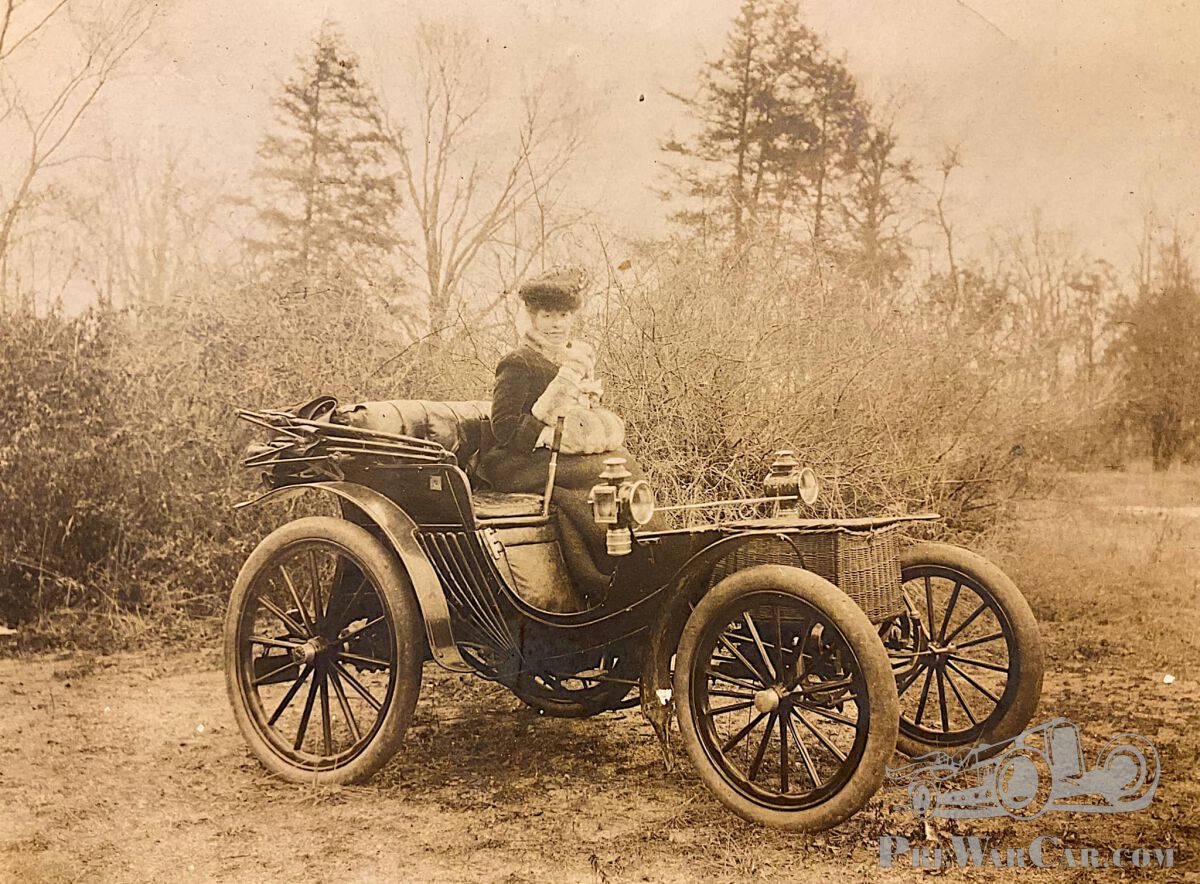


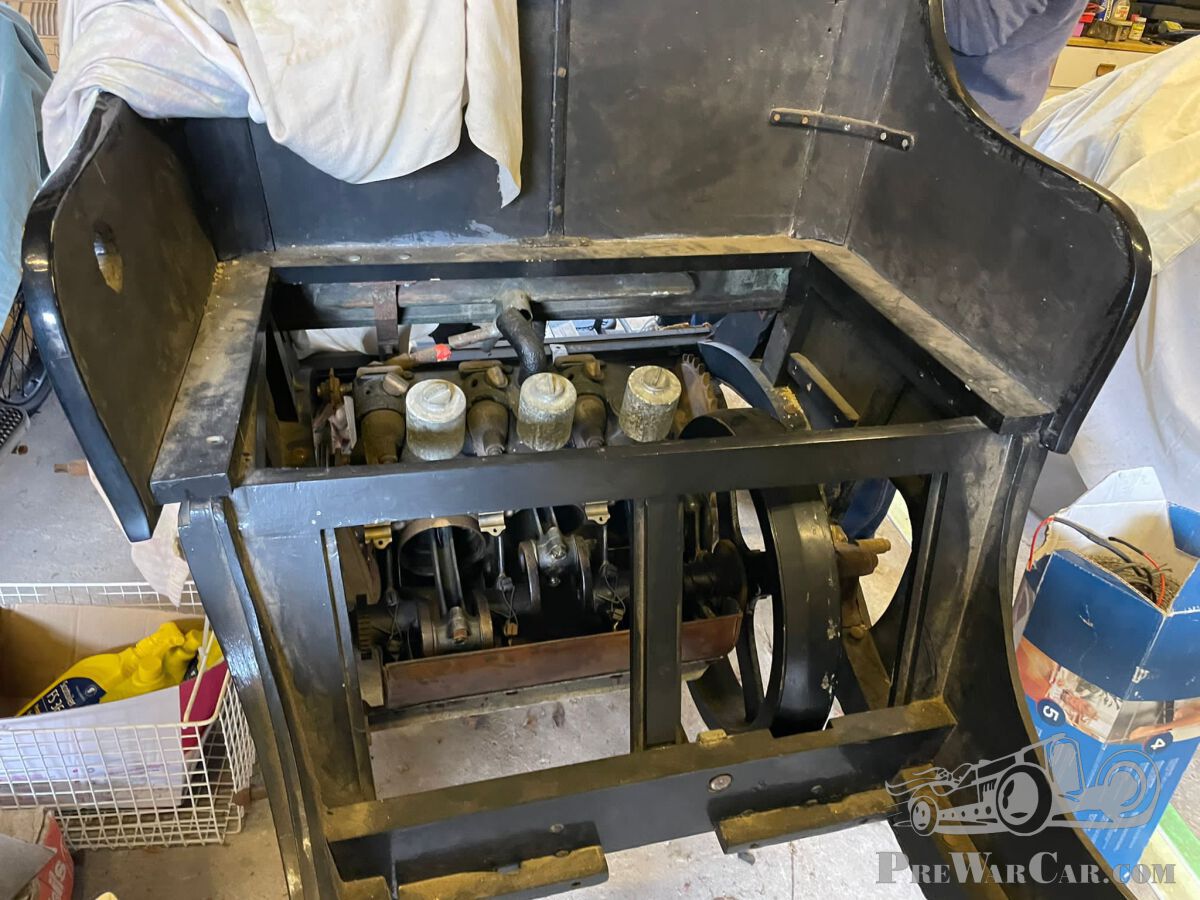
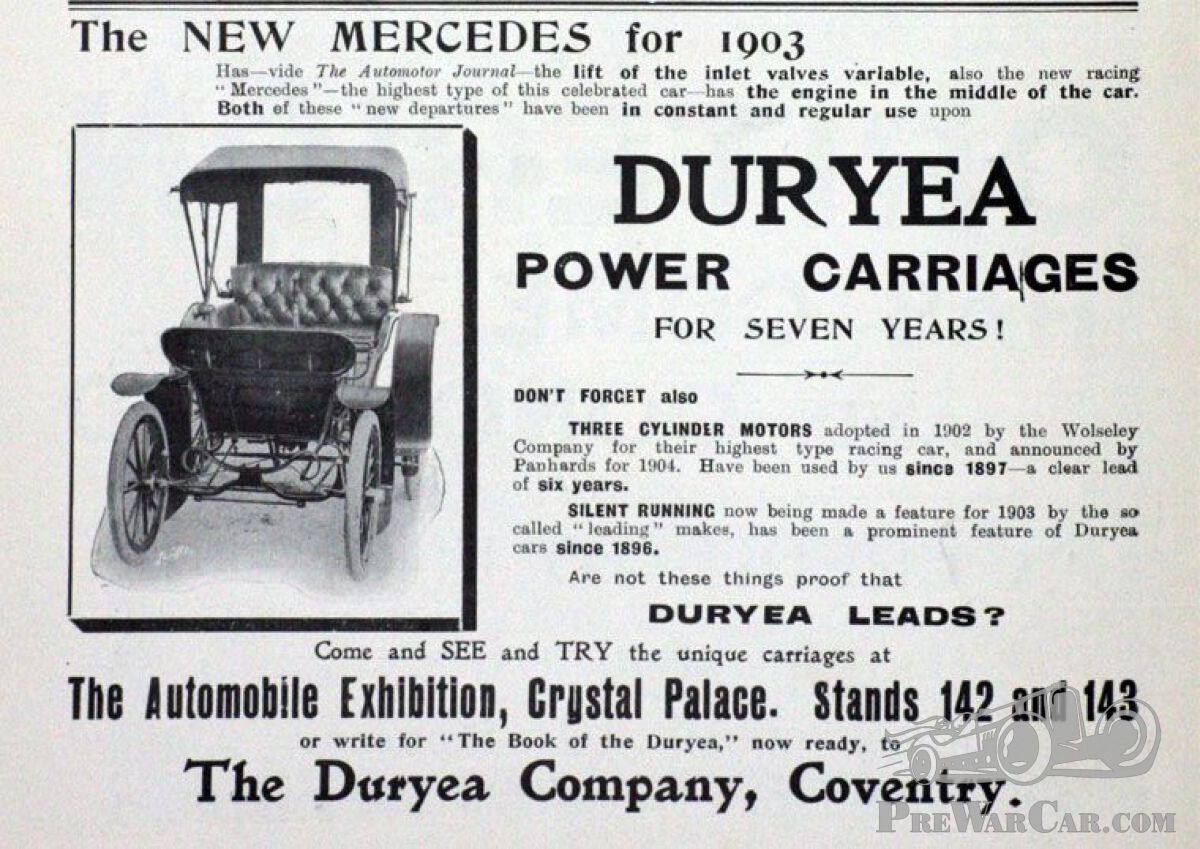
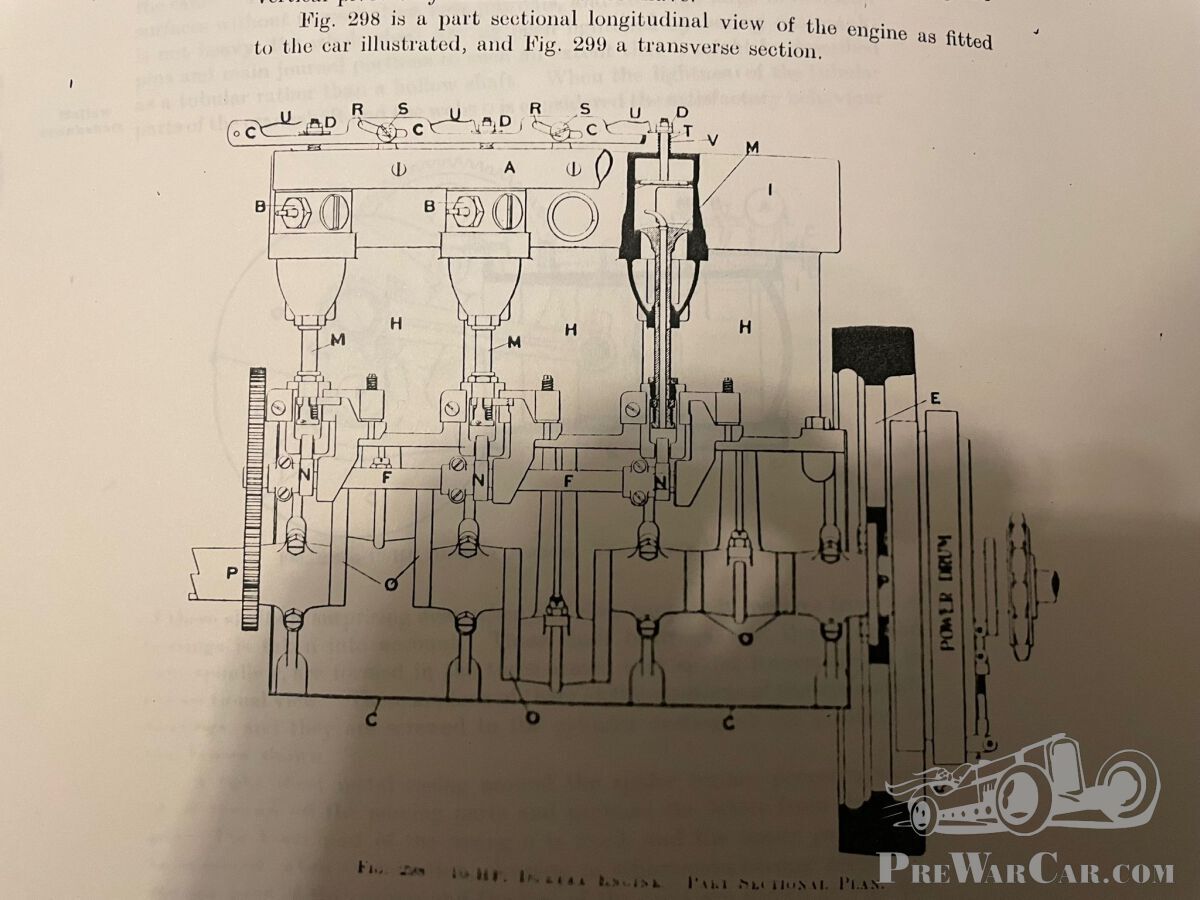


A rare and intriguing veteran car was recently offered on this website: a 1902 Duryea 10 hp Phaeton. A famous name with a distinctive appearance. The car is fitted with a three-cylinder engine and features a fish motif on its side. We heard a rumour that the influence of the Christian faith might be responsible for this and decided to investigate further.
The influence of Duryea on American automotive history is widely acknowledged. As early as the 1890s, brothers Charles and Frank Duryea built what is considered one of the first practically usable petrol-powered automobiles in the United States. They also won the first American motor race (the Chicago Times-Herald Race in 1895), were among the earliest automobile manufacturers in the country, were pioneers in advertising their vehicles, and sold some of the first cars built in the US. However, the brothers eventually fell out, went their separate ways and founded their own marques. Charles J. Duryea subsequently established the Duryea Power Company in Reading.
Religious influences?
Charles Duryea grew up in a typically Protestant Christian environment in the late nineteenth-century Midwest of the United States. Unlike some of his contemporaries, he was not known as an outspoken religious thinker or activist. His reputation and public profile revolved primarily around engineering, patents and business disputes with his brother Frank, rather than theological viewpoints. Yet on closer inspection, one may wonder whether certain influences can be discerned in his automobiles.
It began with a three-wheeler; apparently, much like the number of cylinders in his later cars, a possible reference to the Holy Trinity of Father, Son and Holy Spirit. And the fish-shaped emblem on the side of the car — could that carry meaning as well? After all, the ichthus symbol acquired a symbolic association with Jesus Christ in Christianity. Is this mere coincidence, or not? We are unable to draw any firm conclusions and, aside from the website of the Louwman Museum (which has an example in its collection), have found no sources indicating deliberate religious symbolism. We therefore turn to you: should you have any additional documentation on this subject, we would be delighted to hear from you.
More photographs of the car can be found here.
Lead photo by Louwman Museum
Published:
Wednesday February 18th, 2026
Facebook
LinkedIn
Twitter
WhatsApp
Email
Copy
Comments
David Burgess-Wise
22 February, 21:06
When I visited the Boyertown Museum in Pennsylvania in the late 1980s, its founder Paul Hafer, who had 1902 and 1903 Duryea phaetons and a 1907 Buggyaut in his collection and organised an annual Duryea Day to celebrate the local marque, told me that the fish symbolism was a deliberate reference to Charles Duryea's Trinitarian faith.
Read more