The global magazine and marketplace for classic car enthusiasts, by enthusiasts.


Filter
Make a choice:
- Cars
-
Make >>
-
Year >>
-
- Bikes
-
Location >>
- Parts & more
-
Make of car >>
-
Manufacturer >>
-
Category >>
- Bicycles & more
-
Year >>
-
Countries


A mysterious Goliath


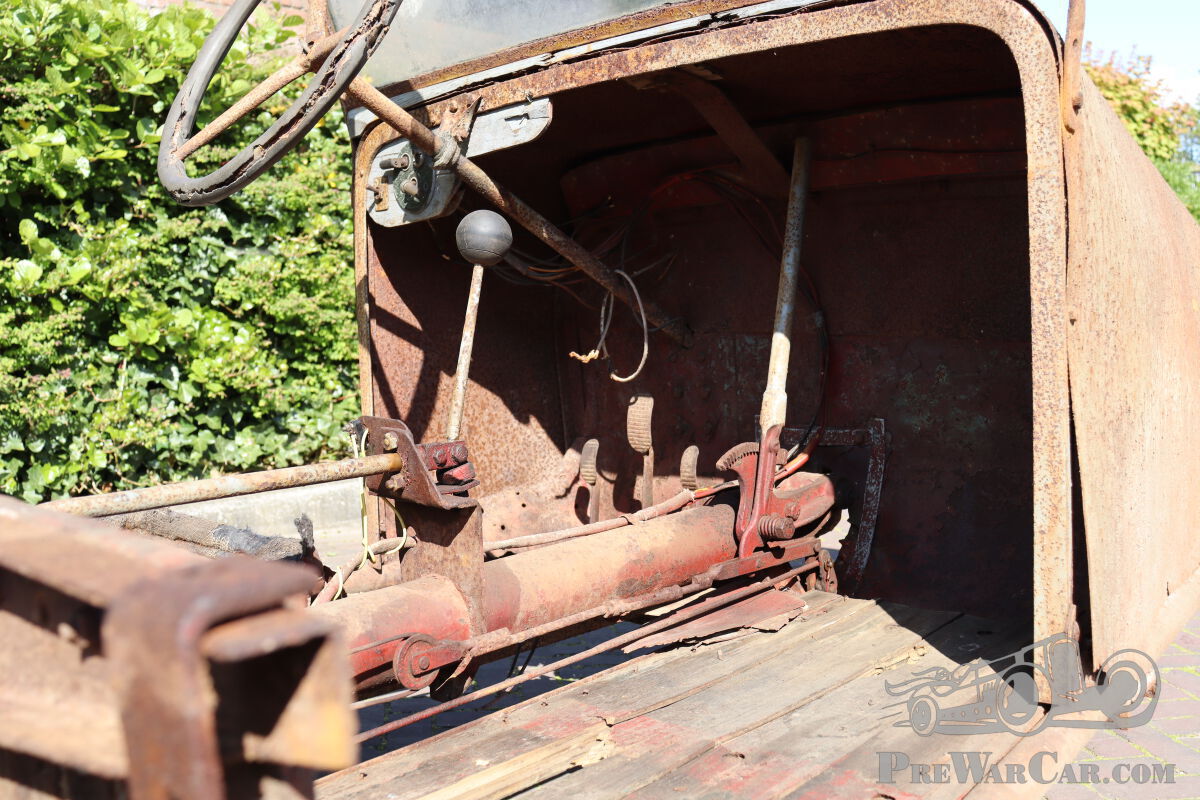
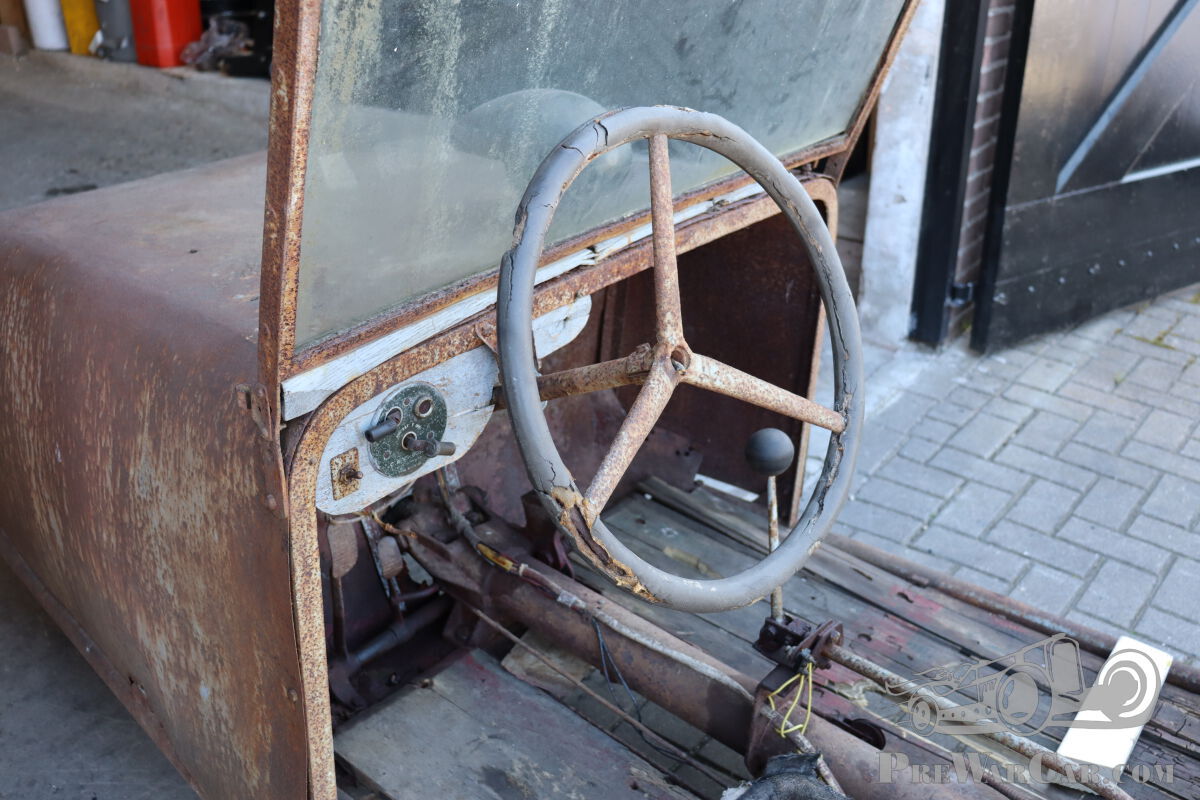
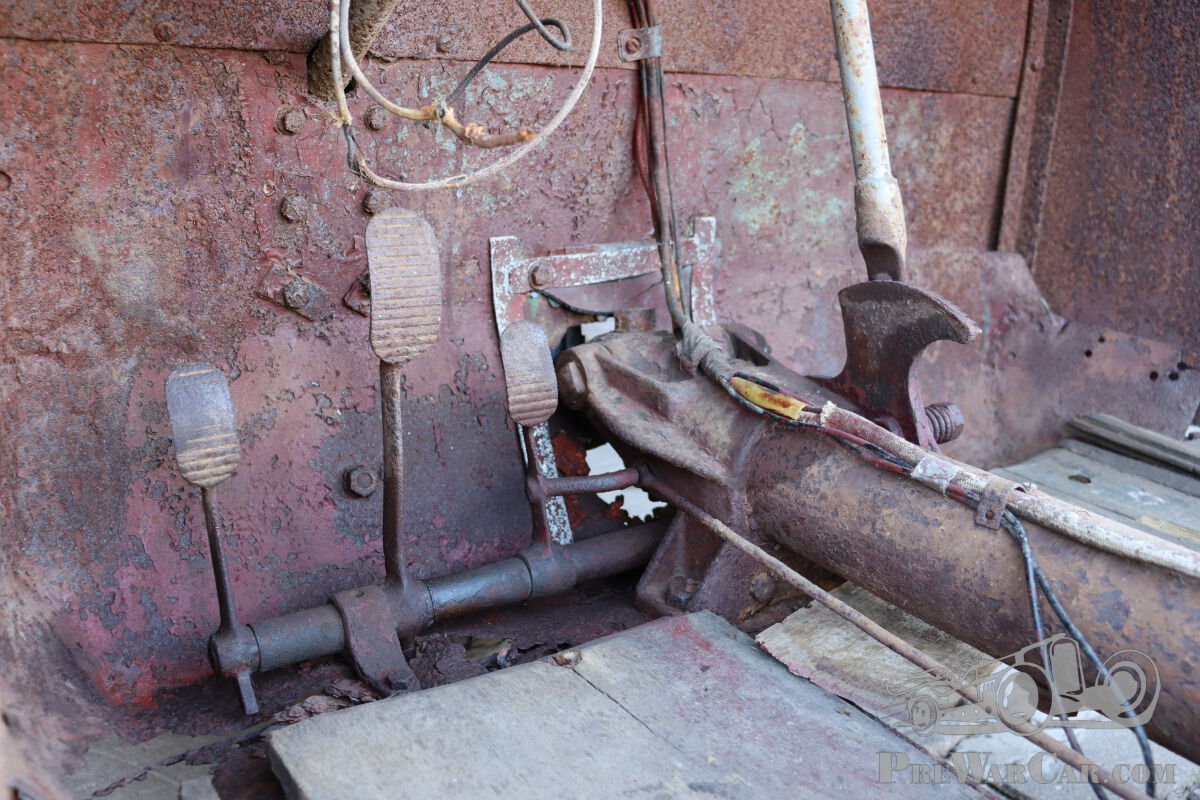
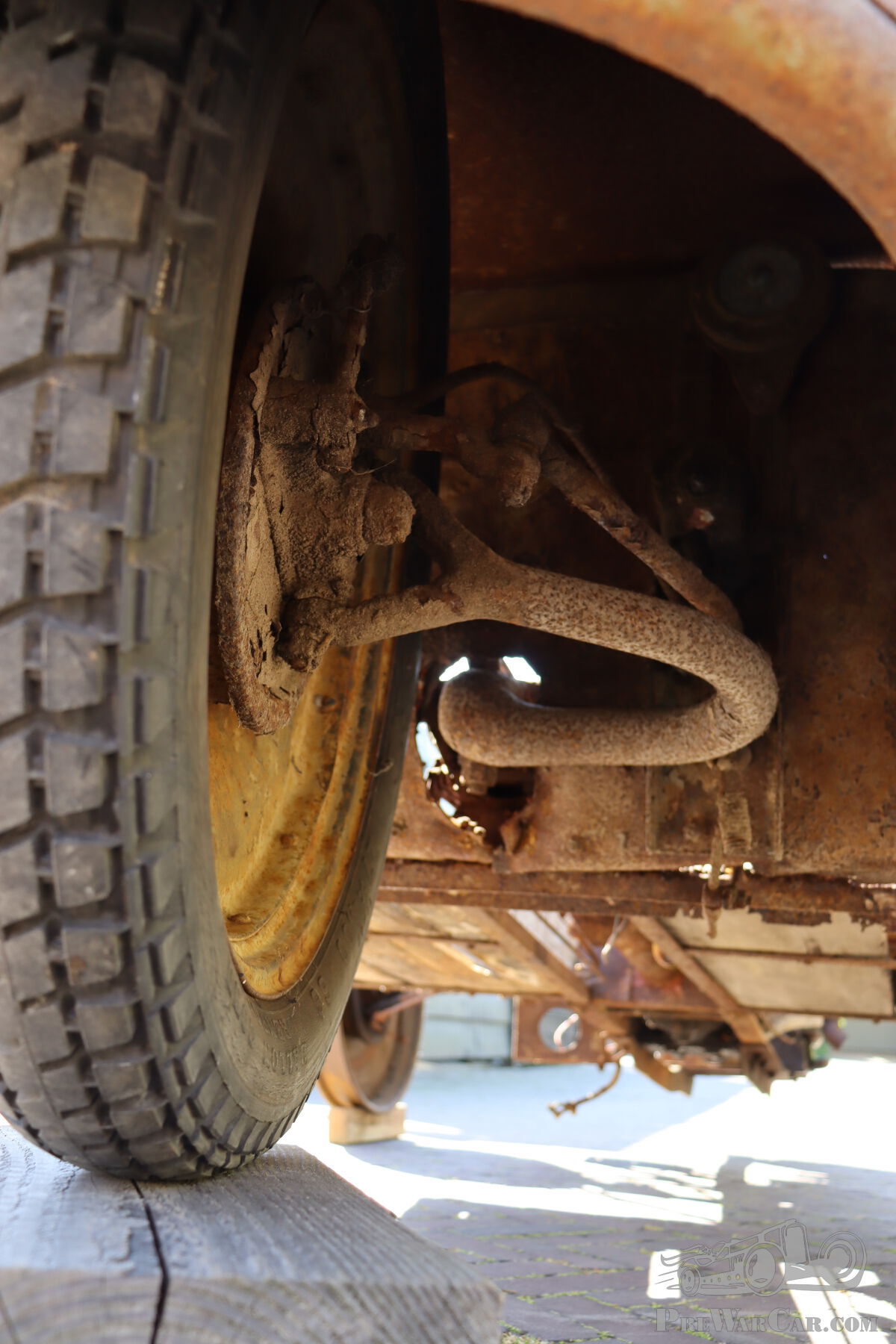
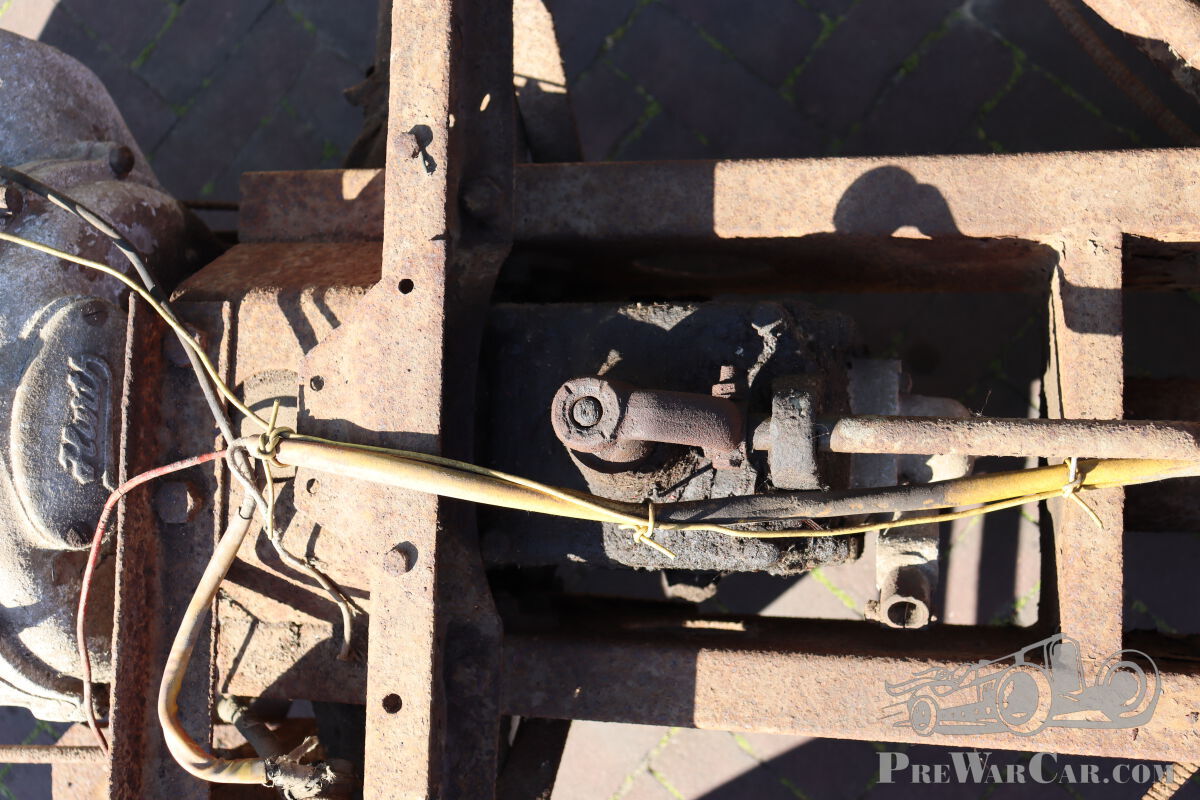
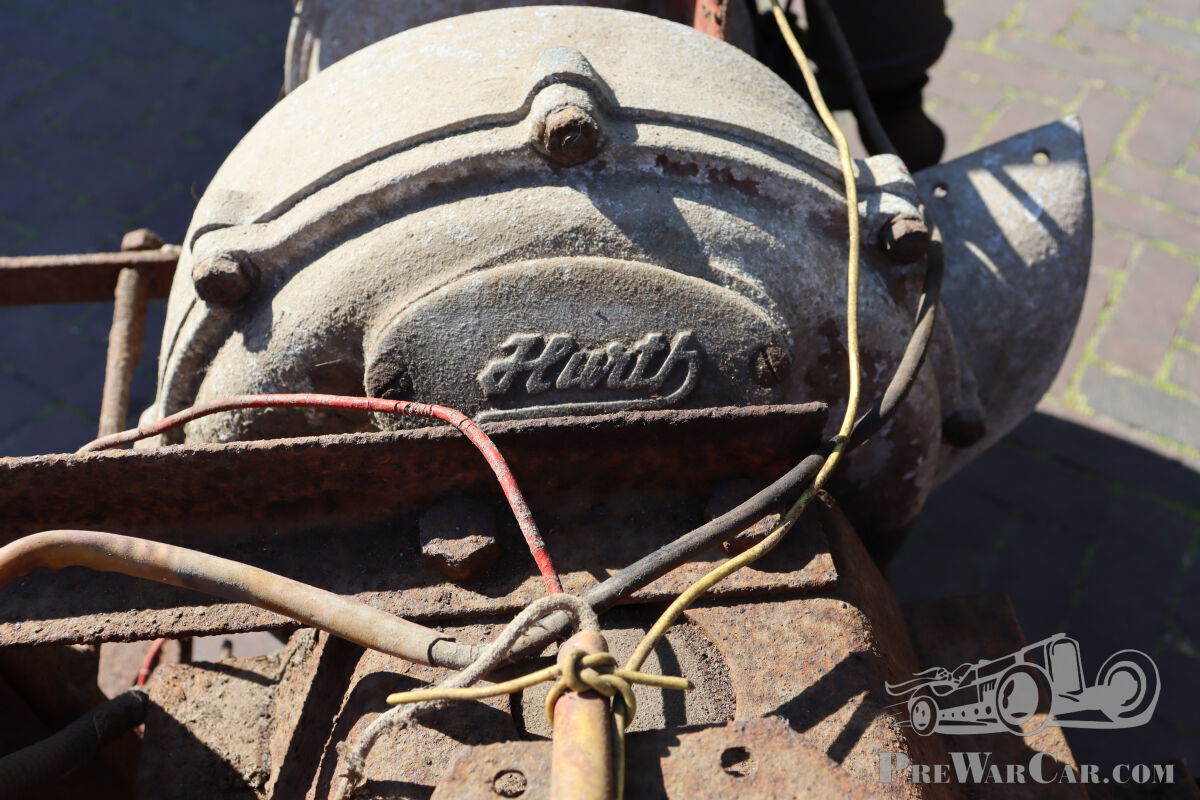
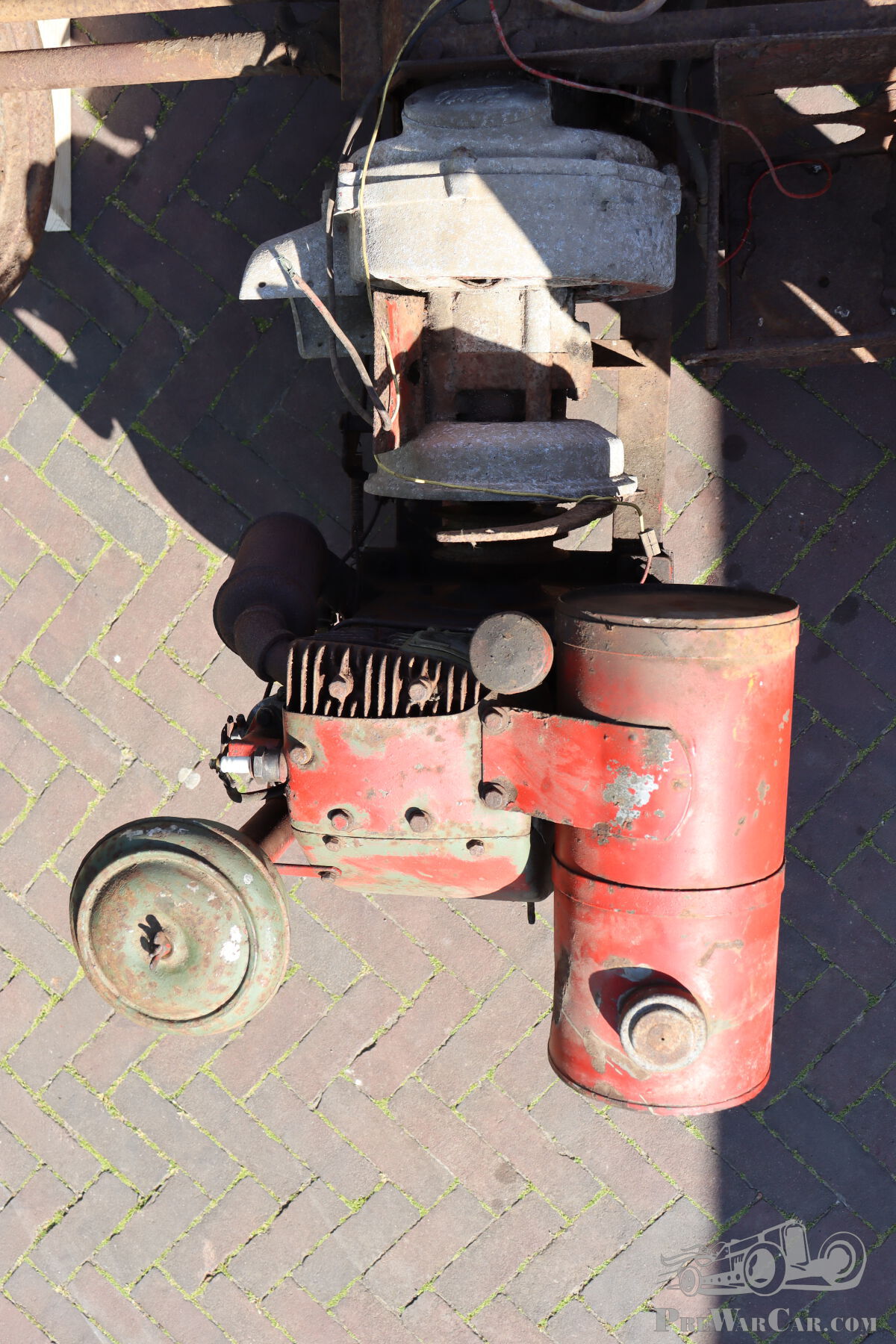
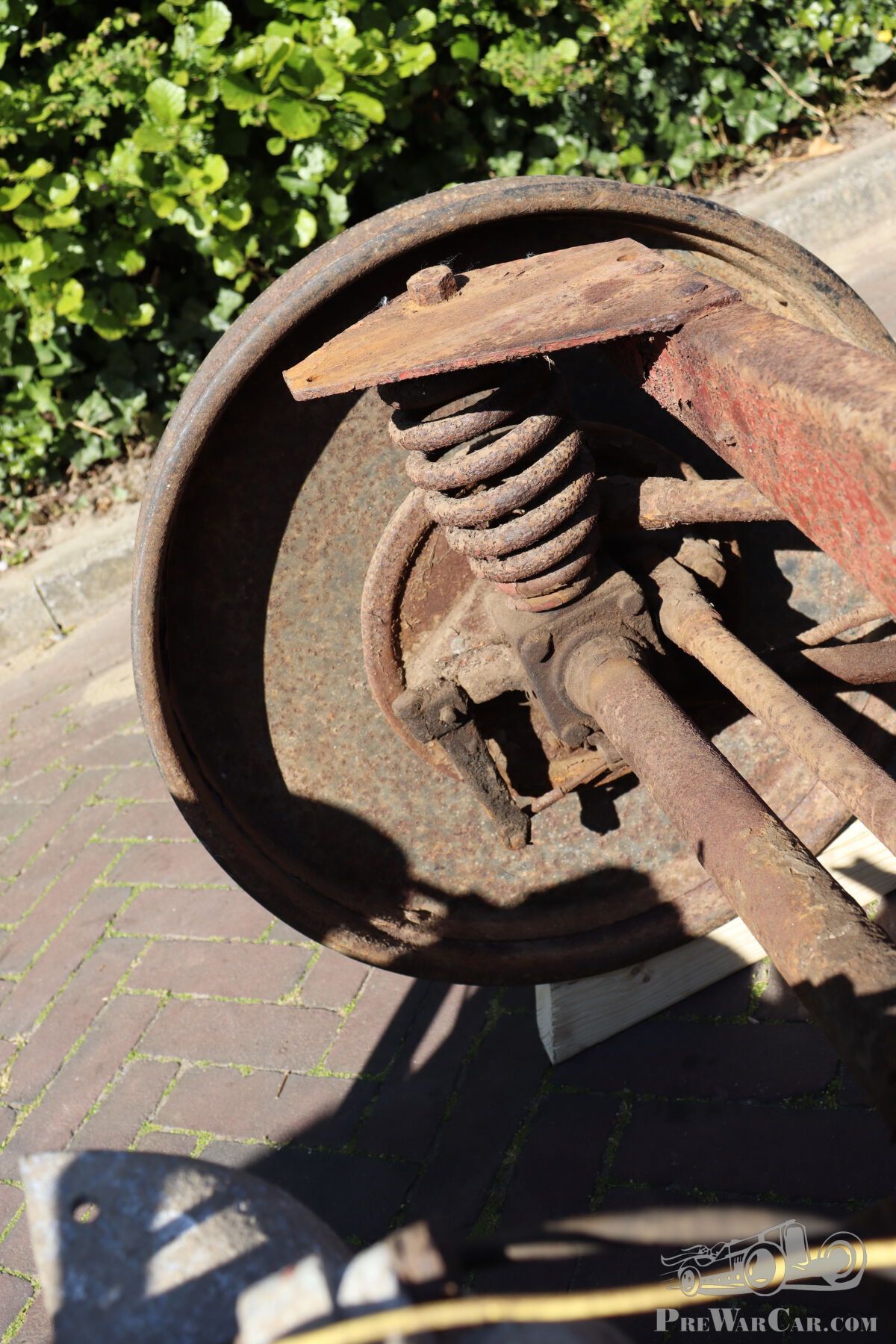
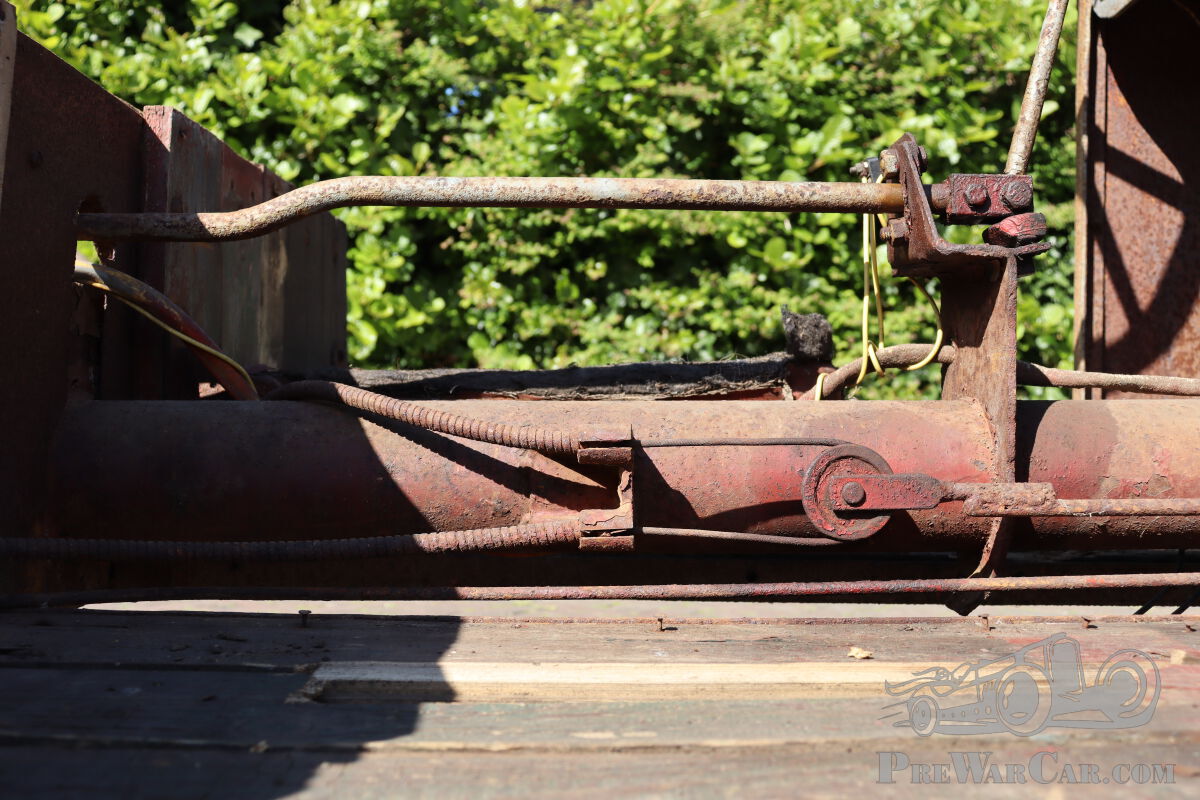
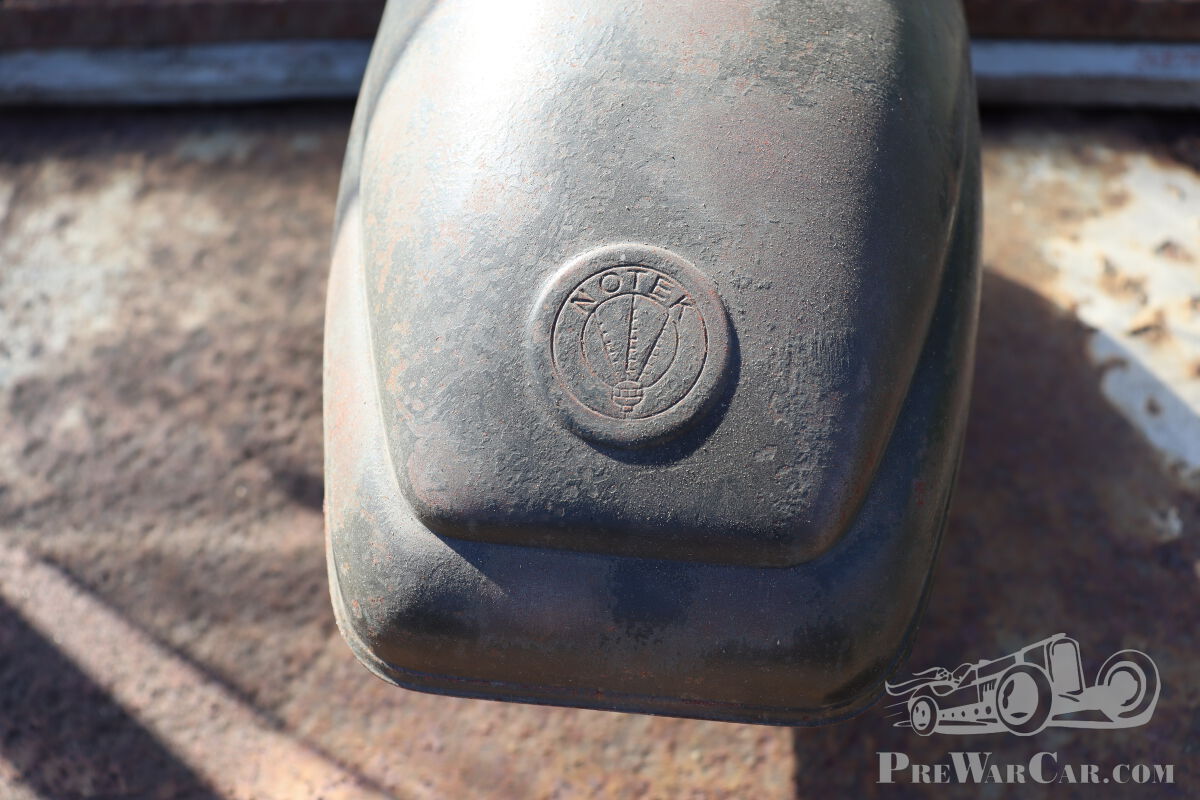


Some events require racing cars, some other concours cars but an event like the Festival of Slowth requires an odd and slow car. So when the possibility occurred to buy a rusty, well-used 1934 Goliath Pionier, we didn't have to think twice and bought it instantly.
Goliath Pionier?
Now it is at home in the garage of our editor and we don’t know what to think of this period special. We were told it was used on a farm before it came into the hands of various collectors, which is quite credible. After the war, they used whatever they had to make things work. By now, it was in the hands of private collectors and, although it still runs, the car cannot be used in a reliable and safe way. The metal is rusted but most parts are still strong (except for one crossbar), however the wooden floorboards are very rotten and the mechanics also need some TLC.
We stripped the trike a bit to remove the rotten woodwork and to find out more about the car. The front and chassis do seem to be of a Goliath Pionier, based on info that can be found online. The gearbox seems to fit as it was original in the chassis and there is 'Hurth' cast on it. The rear suspension is definitely not Goliath as it is wider uses coil springs instead of leaf springs. The engine is fitted on the rear, similar to the Goliath but is not a German engine but a Model K Briggs & Stratton (built between 1933 and 1940).
The question is, what to think about the car? Is it a Goliath or something completely different and, if so, what is it?
What do we intend to do? Find out what it is, make sure it is reliable and useable but leave it much as it is. We will bring the car this weekend to Vintage Revival Montlhéry (at the PreWarCar.com stand) if you would like to see it.
Words by Laurens Klein.
Published:
Monday May 2nd, 2022
Facebook
LinkedIn
Twitter
WhatsApp
Email
Copy
Comments
Dirk Nowak
31 July 2022, 20:24
Paul Markham
09 May 2022, 08:59
Thank you Michael for the reference :)
I concur it probably isn't a Goliath, but a home built construction using a mixed assortment of parts. Looking at the rear suspension, I think that looks like it comes from a Tempo Hanseat or prewar Tempo tricycle. I have a Tempo project ... jumble at home and it looks very similar. The Tempo had a steel tube chassis too. The builder has cobbled together many interesting parts and done a very interesting job putting it all together.
Information about Tempo tricycles can also be found my related blog - http://tempohanseat.blogspot.com/
Read more
I concur it probably isn't a Goliath, but a home built construction using a mixed assortment of parts. Looking at the rear suspension, I think that looks like it comes from a Tempo Hanseat or prewar Tempo tricycle. I have a Tempo project ... jumble at home and it looks very similar. The Tempo had a steel tube chassis too. The builder has cobbled together many interesting parts and done a very interesting job putting it all together.
Information about Tempo tricycles can also be found my related blog - http://tempohanseat.blogspot.com/
David Scott
05 May 2022, 17:30
A little research reveals that they used ILO engines, single cylinders, two-stroke of 175 cm3 and 248 cm3. Rear suspension was by transverse leaf spring. Seems to me if one were to chop off the awful Briggs and Stratton engine and associated ironmongery including the enormous battery carrier, a replica could fairly easily be made, even if you had to use a Villiers or similar engine. I assume the clutch lives in the lesser aluminium drum, no idea what it originally had but that looks period to me. The 197 and 248 Villiers engines were used in many bizarre devices but the AC Invacar had an electric start, so that may be the way to go. Maybe in Germany an original ILO engine could be found, anything would be better than the "Merry Tiller" engine. An interesting project and certainly worth pursuing?
Read more
Hergen Deuter
03 May 2022, 09:49
That doesn't seem like a Goliath to me. Maybe Gutbrod, but maybe a self-made one.
The Notek "Night Marching Device" indicates military use or in the armaments industry.
Read more
The Notek "Night Marching Device" indicates military use or in the armaments industry.
Michael Schlenger
03 May 2022, 08:45
A quick check on Paul Markham's website (heinkelscooter.blogspot - search for Goliath Pionier) reveals that this vehicle must be something else: the chassis is different, the body is made of metal instead of plywood and the rear axle is not leaf-sprung like it should be.
Read more

hello it might be this Car:
Borgward was never going to be happy manufacturing auto components and a basic delivery cart. He wanted to build cars. His first designs were far too complex and expensive for his tiny company so he sold them on to the Hansa car company. But the success of the blitzkarren, which Borgward had been improving over the years, gave him enough capital to begin building a car of his own and in 1931 Borgward released his first car - the Goliath Pionier. The Pionier built on the success of the blitzkarren tricycle design. It was powered by a rear mounted JLO two-stroke engine of either 200cc or 250cc capacity which gave it a maximum speed of approximately 30 to 35 miles per hour.
The car was very simply constructed. A steel plate floor sat atop a steel frame chassis. Its semi-streamlined wooden framed body was paneled in plywood covered in leatherette.