The global magazine and marketplace for classic car enthusiasts, by enthusiasts.


Filter
Make a choice:
- Cars
-
Make >>
-
Year >>
-
- Bikes
-
Location >>
- Parts & more
-
Make of car >>
-
Manufacturer >>
-
Category >>
- Bicycles & more
-
Year >>
-
Countries


Aguttes at Autoworld: Bugattis and more on offer in Belgium
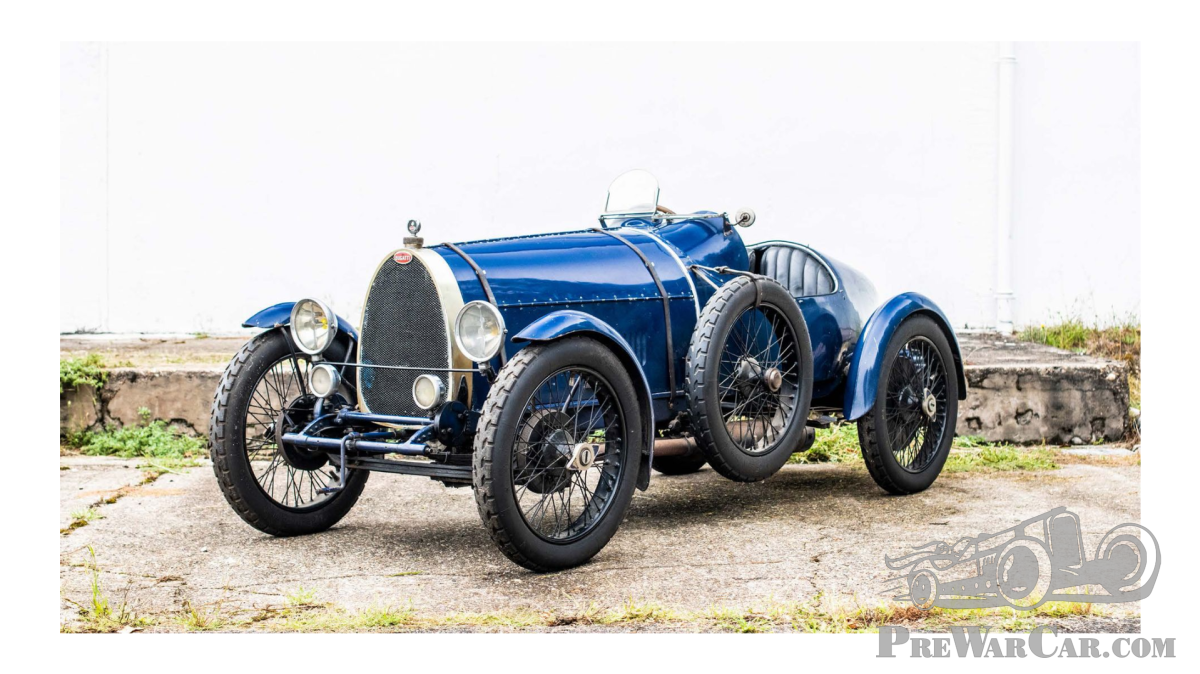
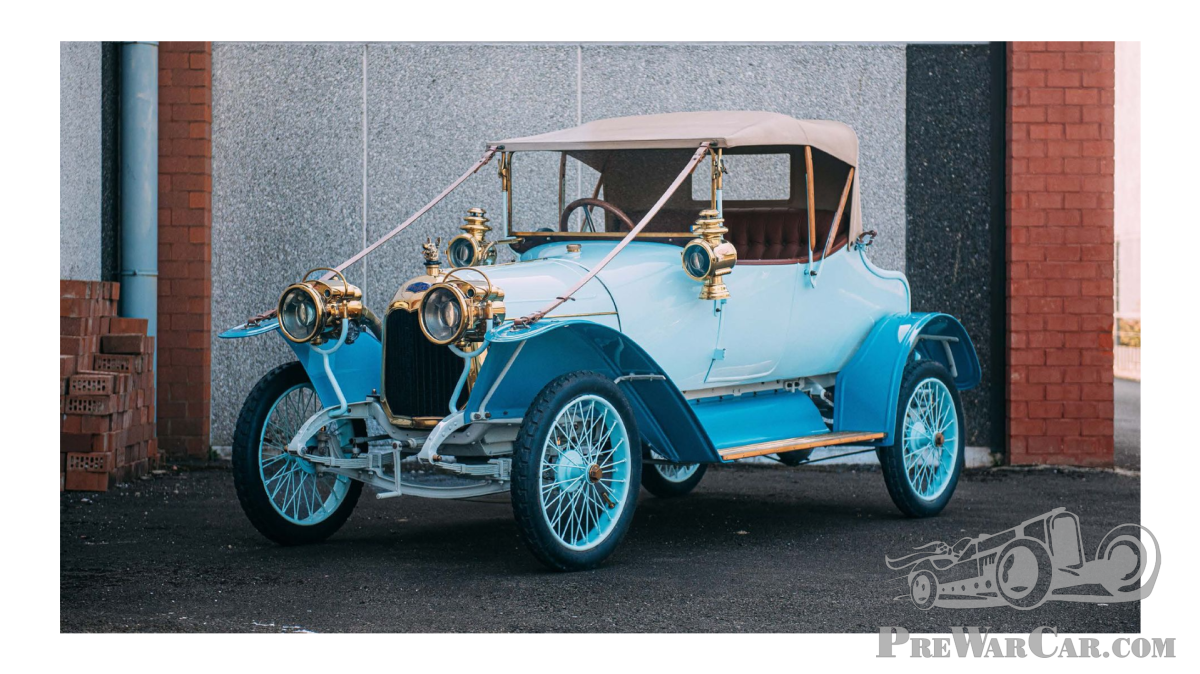
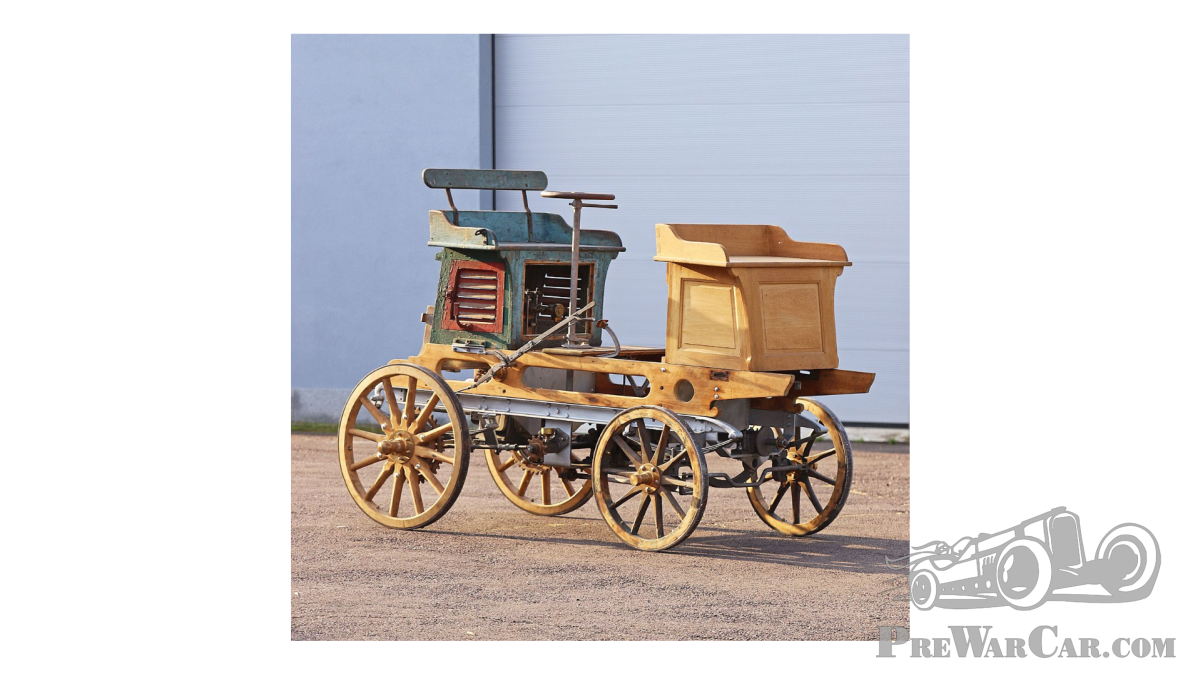
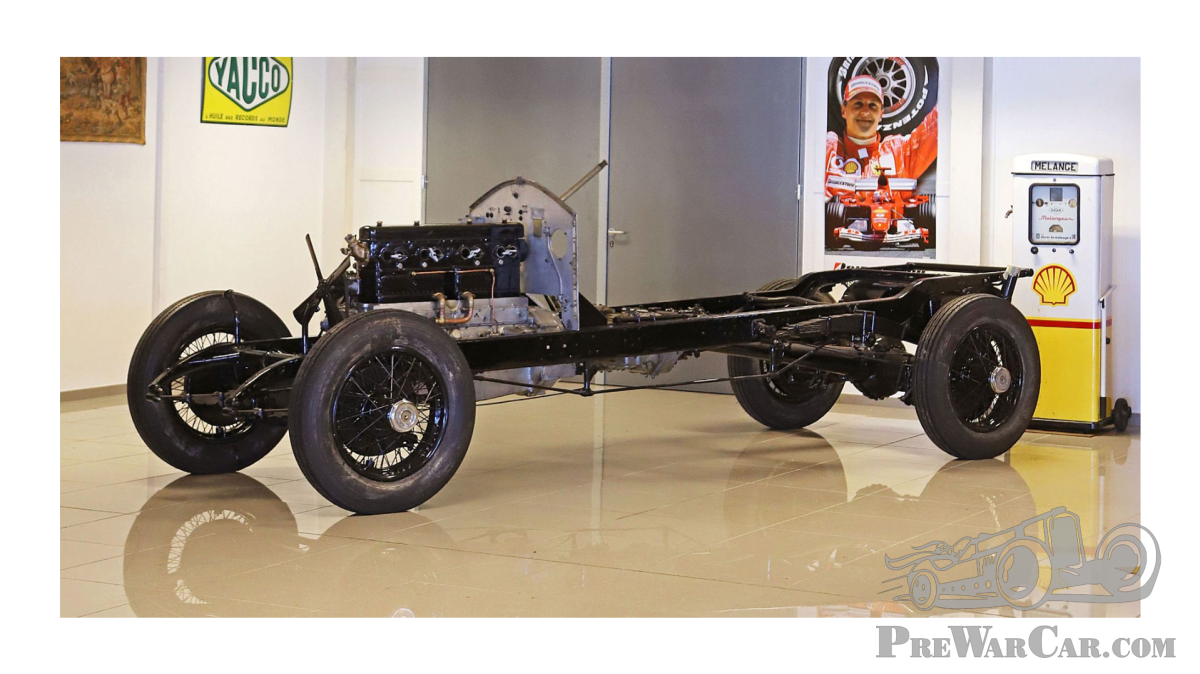
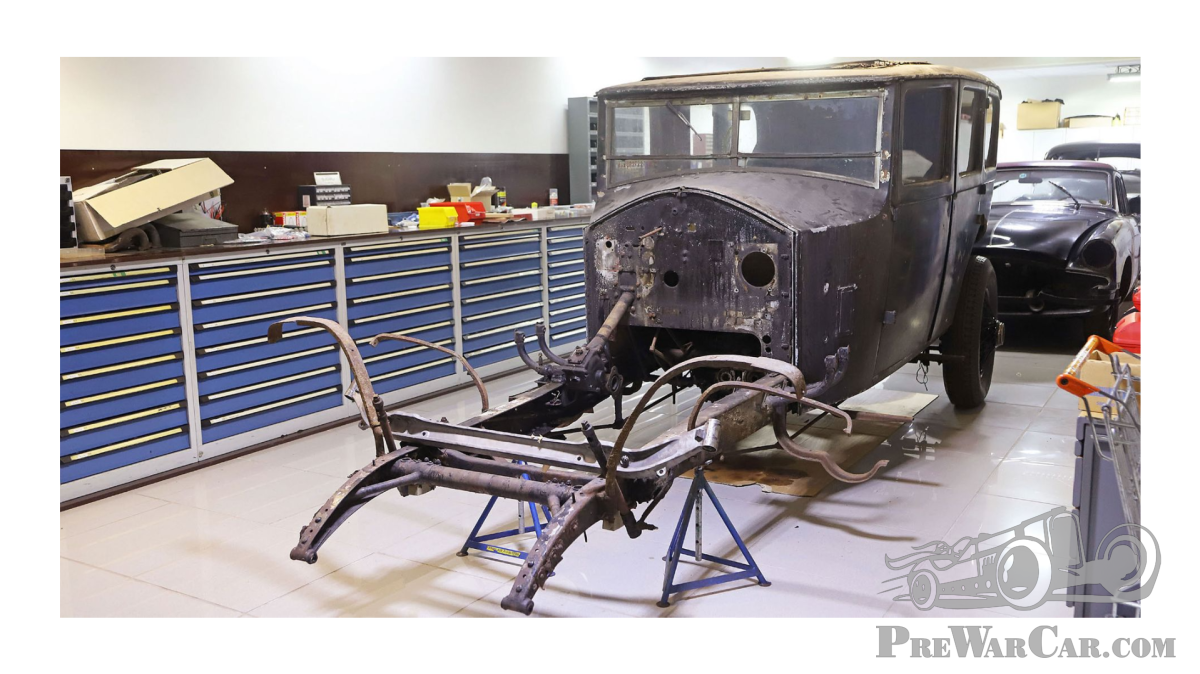
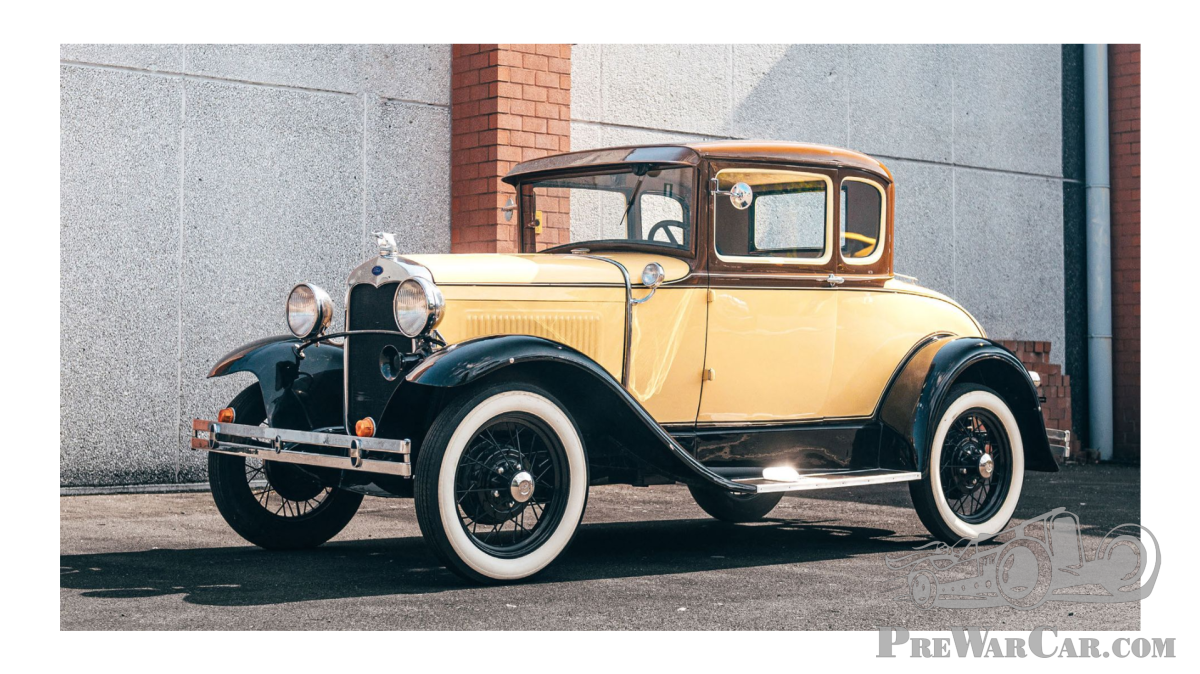
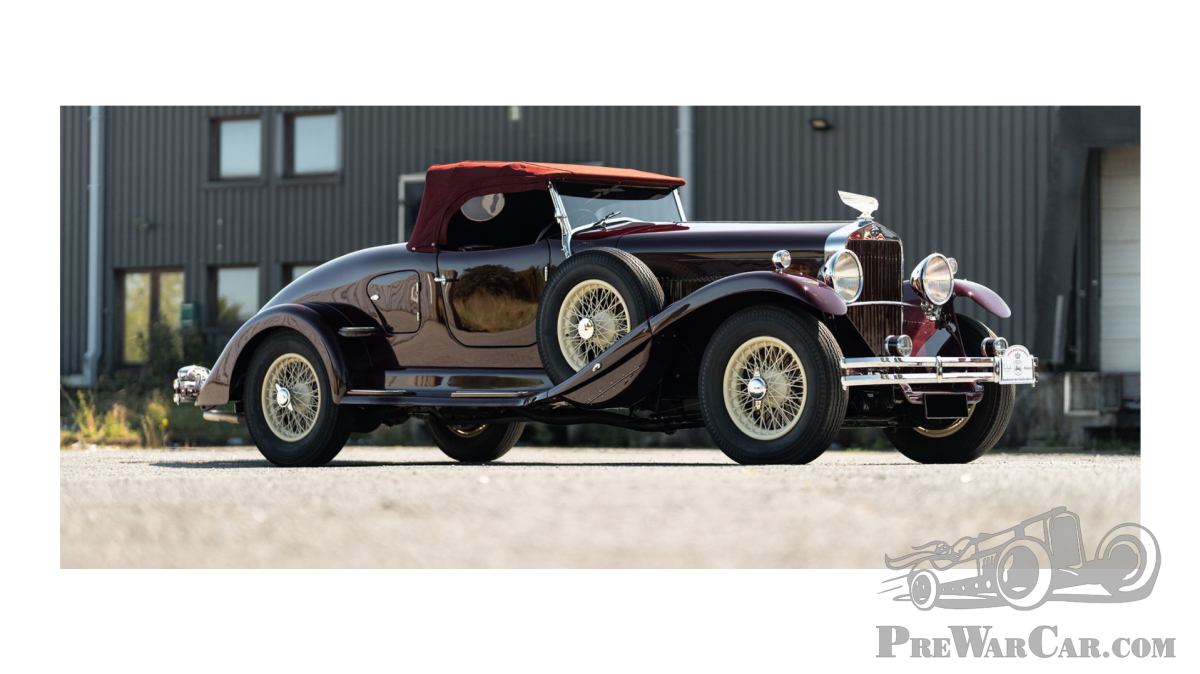


Aguttes has a treat in store for pre-war enthusiasts when it visits Autoworld in Brussels on October 5th, with more than 20 lots representing some of the most appealing vehicles of the pre-war period. The French auction house is particularly pleased with the consignment of two special Bugattis, of which one, the 1922 Type 30 Grand Prix (€800,000-1,200,000), might fetch the highest price of the sale. Chassis 4002 was one of Bugatti's first eight-cylinder cars and is a very rare survivor of the Type 30 model, which consisted of the brand-new two-litre straight-either in the Type 22's 7ft. 10½in.-wheelbase chassis. This particular car can boast an outstanding provenance. It was part of a family of four which introduced the Type 30 to the world at the 1922 Grand Prix de l'A.C.F., the others being 4001, 4003 and 4004. Of 18 starters, only four cars finished the race, of which three were the new Type 30s. Nazzaro's Fiat won, but 4002 was driven by Marco to third. In 1923, five Bugattis received Lavocat et Marsaud single-seater bodywork to compete in the Indianapolis 500. Chassis 4002, then in the private ownership of Prince de Cystria, was among them and was the only Bugatti to finish, placing ninth. Latterly, it was discovered near Istres in south-east France in the mid-1960s by Pierre Dellière, missing its engine. Dellière, a keen Bugattiste, had a replacement Type 30 engine ready to install, and since then 4002 has been well-used on the enthusiast circuit.
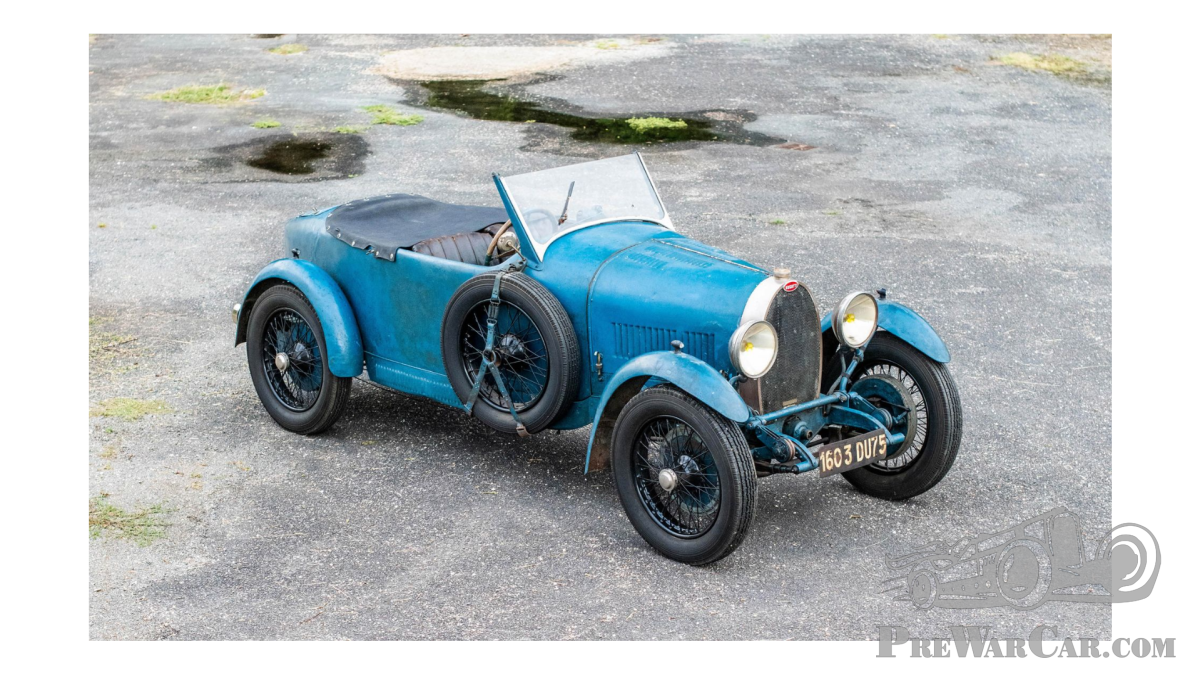
With a lower estimate, but no less alluring, is the 1929 Type 40A Grand Sport (€400,000-600,000). This particular car, chassis 40776, rather mysteriously does not have any history until the 1950s. It was registered in March, 1955, to J. V. Richard of 7, Rue Bapts, Asnières-sur-Seine, who stored it behind a bistro in Levallois. Countless enthusiasts implored him to part with it, but to no avail. Eventually, ownership passed to a Renault agent in the Sarthe region, who again stored it for many years until it was acquired for the collection of the vendor, who mechanically overhauled it. This seems to represent a wonderful opportunity to acquire not only a rarely-seen car which has remained almost unknown to enthusiasts, but one which, it is thought, has survived all its life in absolutely original condition.
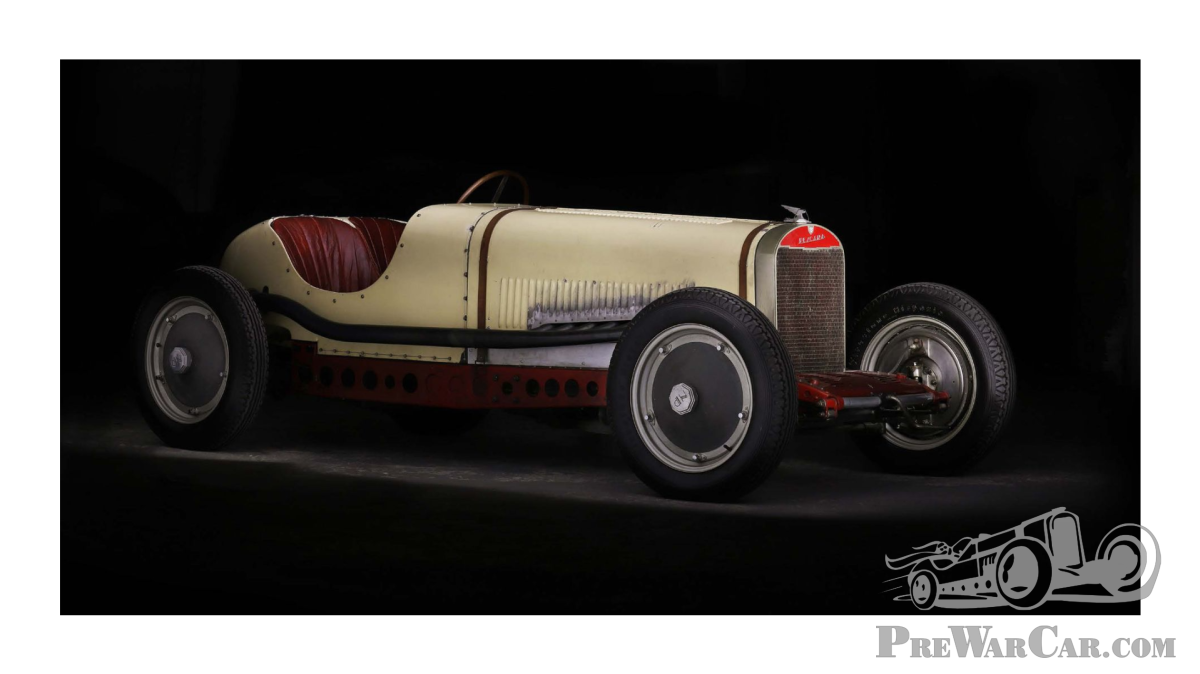
There is still more in the way of impressive 1920s sports and racing cars. The 1929 Nacional Pescara Three-Litre (€600,000-800,000), which many enthusiasts will have taken the time to study at this year's Rétromobile, is the only survivor from the Spanish marque which was founded specifically to challenge the likes of Bugatti and Alfa Romeo. With the backing of the Spanish government, only a handful of cars had been built, including two or three racing cars with sophisticated d.o.h.c., three-litre straight-eights, close-ratio three-speed gearboxes and hydraulic brakes .Two of the racers proved highly effective, with blistering performances in the Grand Prix of Barcelona and in the 1931 European Mountain Championship, at venues such as Kesselberg and Shelsley Walsh. Although the marque collapsed into bankruptcy during 1931, one car continued to be developed and hill-climbed at venues including Les Alpilles, La Turbie, Mont Ventoux and La Rabassada. In the late 1940s, it was acquired by the Spanish gentleman racer Juan Como Cros, who kept it until his death. Never before offered on the open market and in need of a mechanical overhaul, his family has decided that it is time for the car to be enjoyed by someone else.
Belle Époque beauties
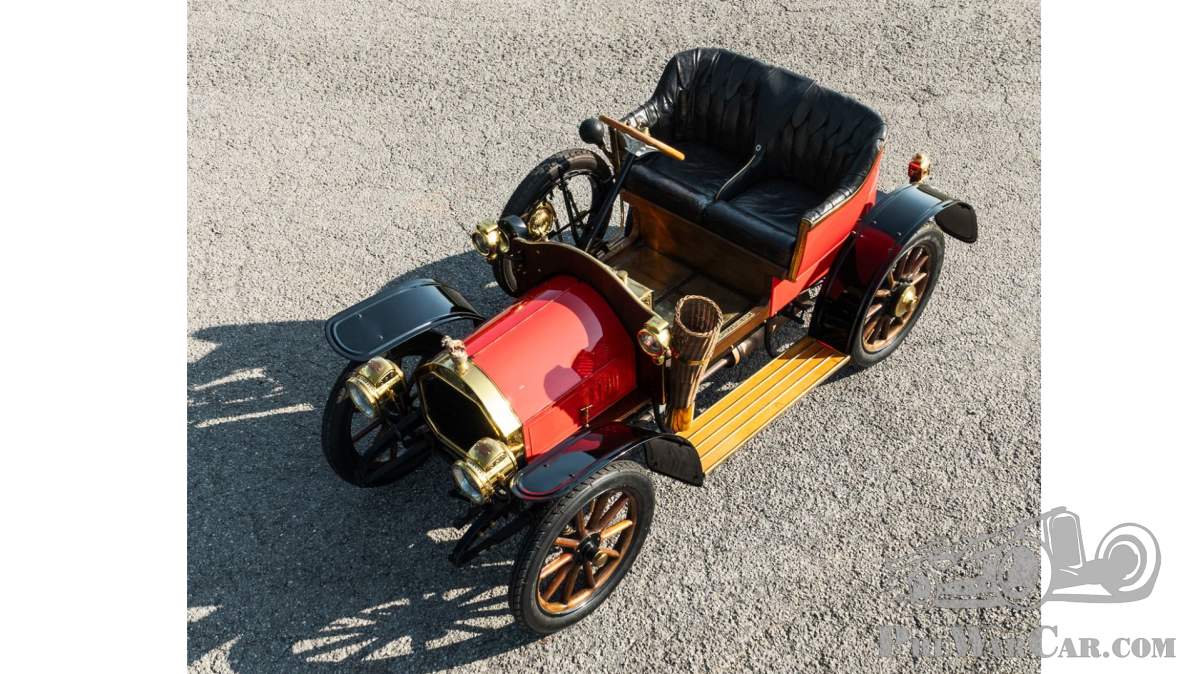
As glorious as those three cars are, we always have a soft spot for veterans and Edwardians, and it's nice to see a few at the more affordable end of the spectrum. The 1907 Peugeot Type 99 two-seater (€15,000-25,000), one of 324 Type 99s produced, has been in the present ownership since 1998 and its described as being in concours condition. Being a regular participant in rallies and concours d'élégance, we see no reason why the new owner shouldn't continue to enjoy it in much the same vein. There's also a 1913 Philos A-4-M two-seater (€15,000-25,000) with elegantly dainty bodywork. Owned by the same gentleman since 1998, it was fully restored in 2000 and presents beautifully. Made in Lyons from 1912 to 1923, the earliest Philos were all powered by 1131cc Ballot fours.
We are quite amazed, however, by the inclusion of a 1900 Millot auto scie with an estimate of just €8,000-12,000. The Millot Frères of Haute-Saône produced three models of car between 1901 and 1902 with two- and four-cylinder engines of between 6 and 12hp. Having been well-established from some years as makers of agricultural equipment and stationary engines, their best-known product was a mobile saw bench driven by rear-mounted 9hp single-cylinder engine. No cars are known to survive, but the vehicle offered is one of three documented saw benches. In part-restored condition, it needs finishing but would make a fascinating attraction at agricultural rallies.
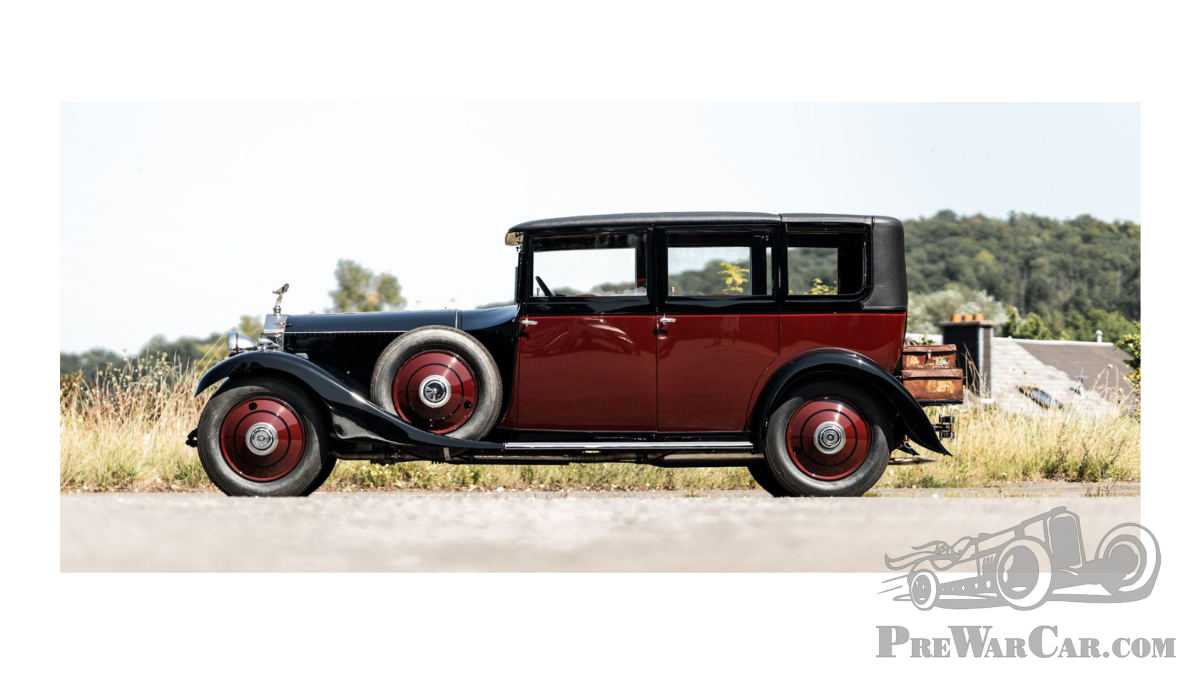
Other tempting consignments from the vintage era include no fewer than three Delages and five Rolls-Royce Phantoms. For the practical enthusiast, a couple of these represent a very affordable way into Rolls-Royce ownership. There is a 1928 Phantom chassis (€12,000-18,000) which has received a considerable amount of mechanical restoration since 2015. Fortunately, the vendor has abandoned his woefully misguided plan to construct a racing body on the chassis, which means the opportunity is now there for an enthusiast of good taste and judgment to restore it appropriately, perhaps with a recreation of its original Hooper sedanca cabriolet body. A second 1928 Phantom (€6,000-10,000) is missing its engine but retains a wonderful saloon body, and again deserves to be purchased by an enthusiast who will respect its character and originality. Many of the other major mechanical components, including gearbox and rear axle, are included.
Other lots include:
- 1885 Benz Motorwagen replica. €20,000-30,000
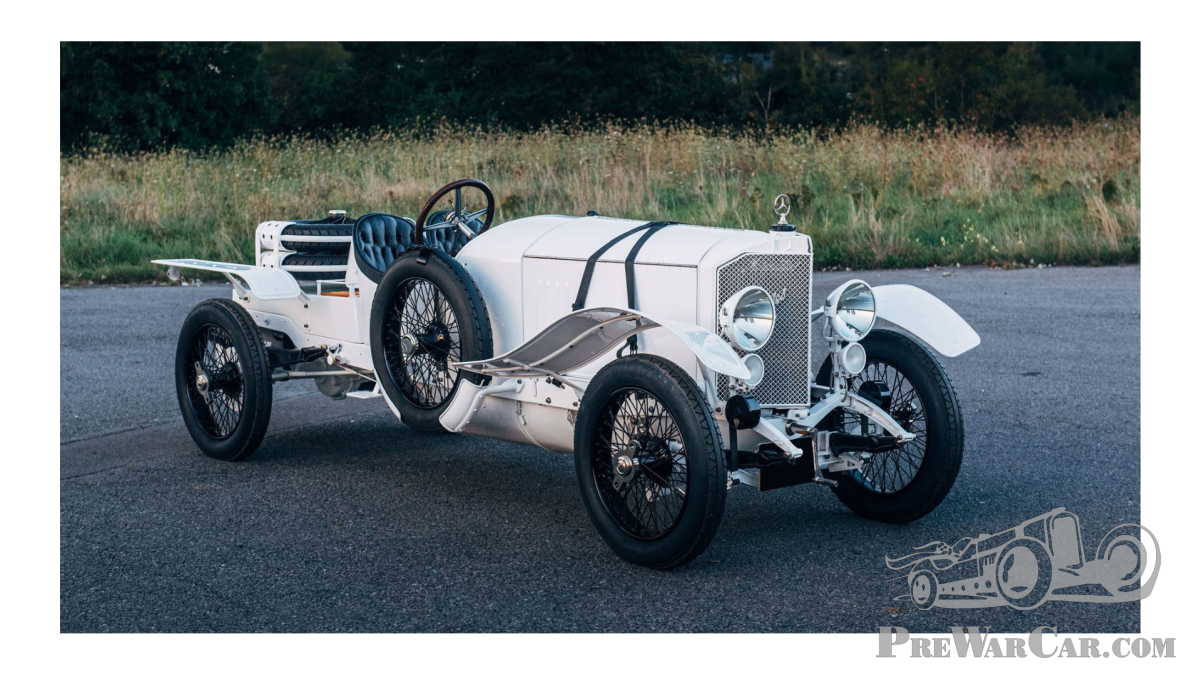
- 1921 Mercédès 28/95PS Sport Targa Florio. €300,000-500,000
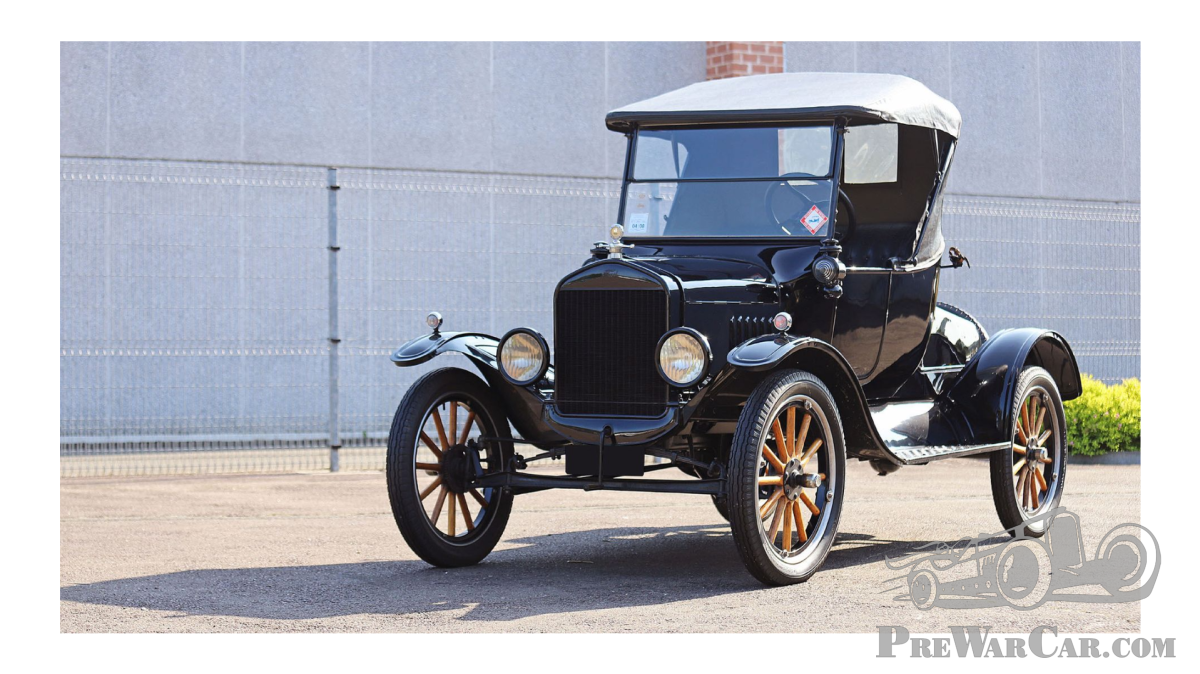
- 1924 Ford Model T two-seater. €10,000-15,000
- 1927 Rolls-Royce Phantom landaulet de ville by Hooper. €50,000-70,000
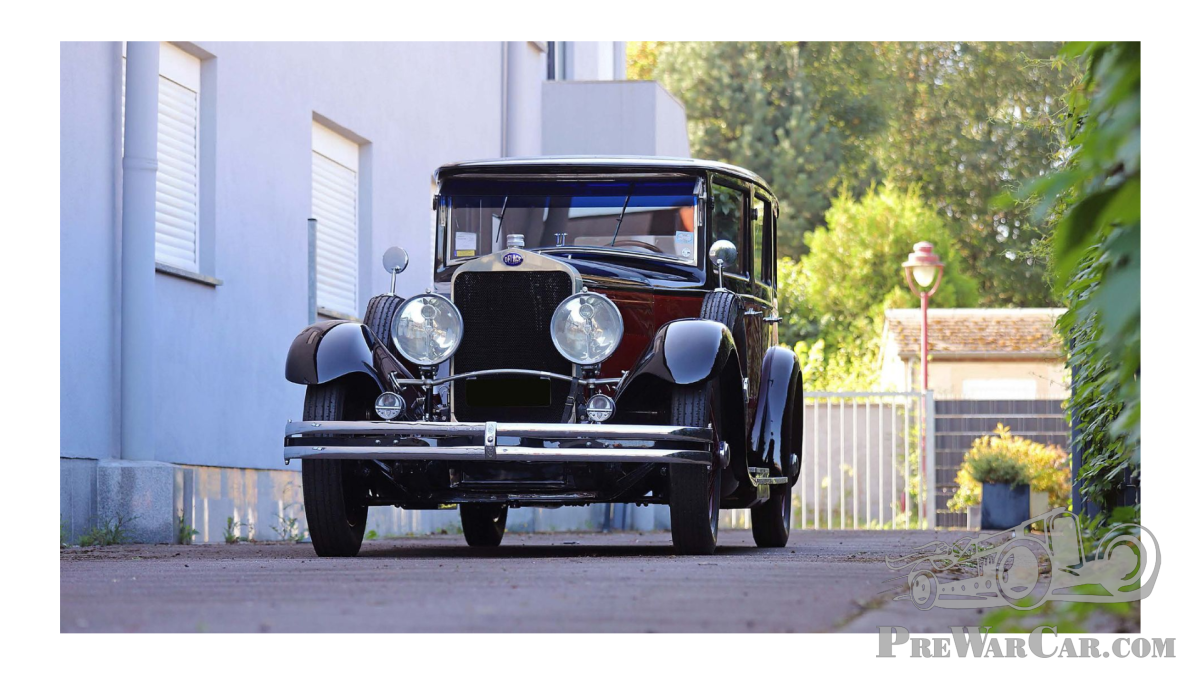
- 1928 Delage DM limousine. €20,000-30,000
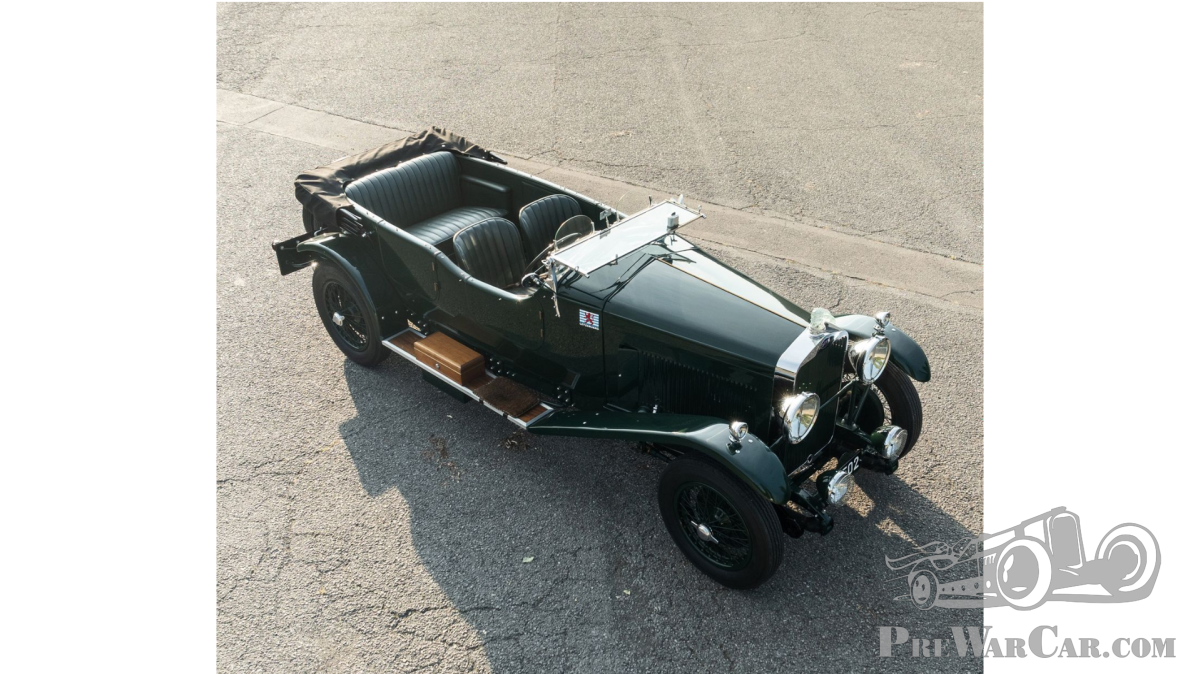
- 1928 Delage D6 tourer. €50,000-70,000
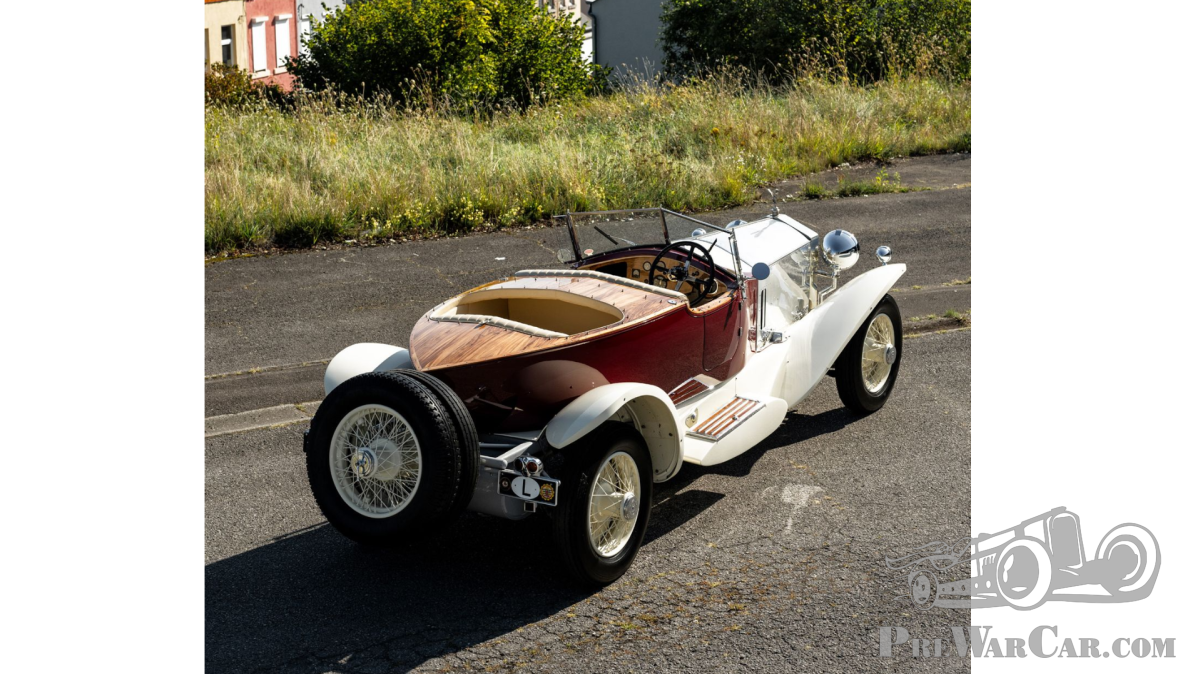
- 1928 Rolls-Royce Phantom skiff tourer. Bodied in the 1950s by Wilkinson & Son. €80,000-120,000
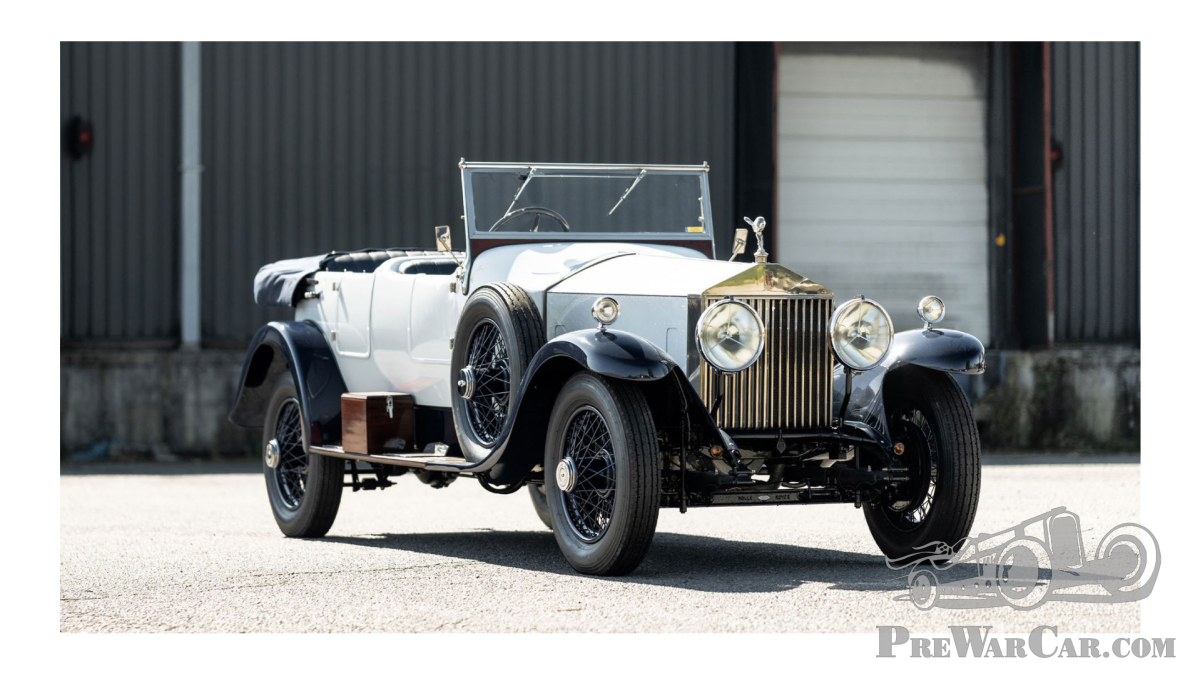
- 1928 Rolls-Royce Phantom Barker-style tourer. €80,000-120,000
- 1930 Ford Model A coupé. €15,000-22,000
- 1931 Delage D8 roadster. €100,000-150,000
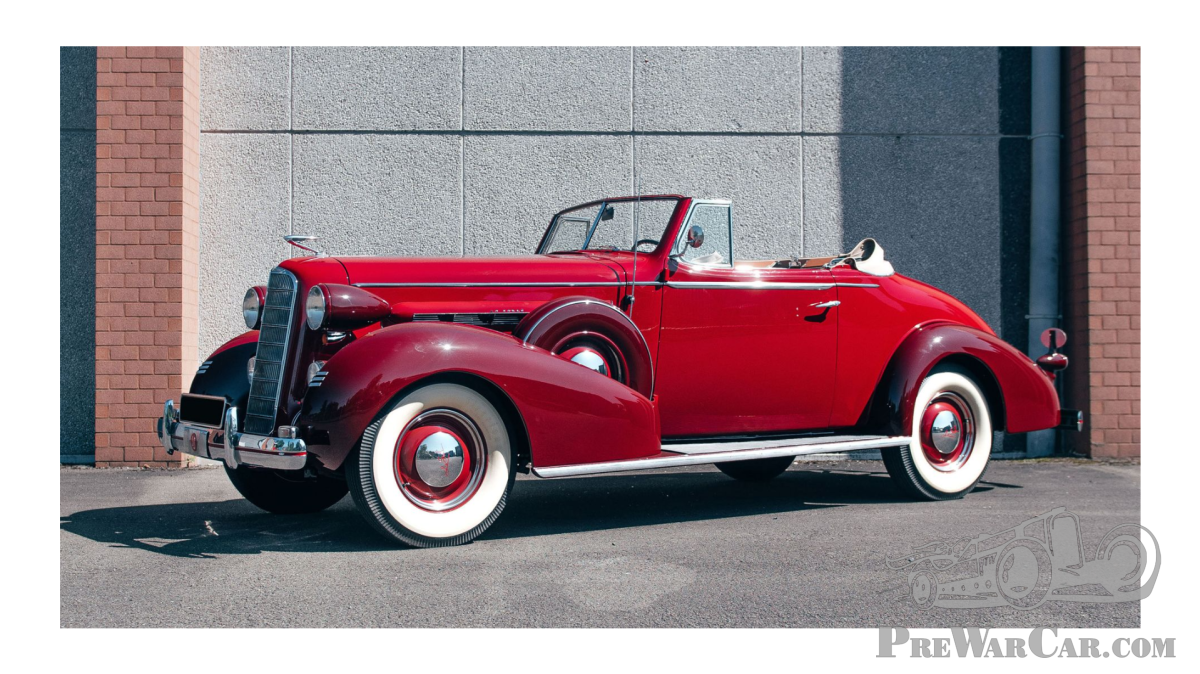
- 1936 LaSalle Series 50 cabriolet. €40,000-70,000
- 1939 Motobécane S4C 350. €4000-8000.
Published:
Wednesday September 25th, 2024
Facebook
LinkedIn
Twitter
WhatsApp
Email
Copy