The global magazine and marketplace for classic car enthusiasts, by enthusiasts.


Filter
Make a choice:
- Cars
-
Make >>
-
Year >>
-
- Bikes
-
Location >>
- Parts & more
-
Make of car >>
-
Manufacturer >>
-
Category >>
- Bicycles & more
-
Year >>
-
Countries


Aladdin’s cave: Hooper & Co. cornucopia at the London Science Museum
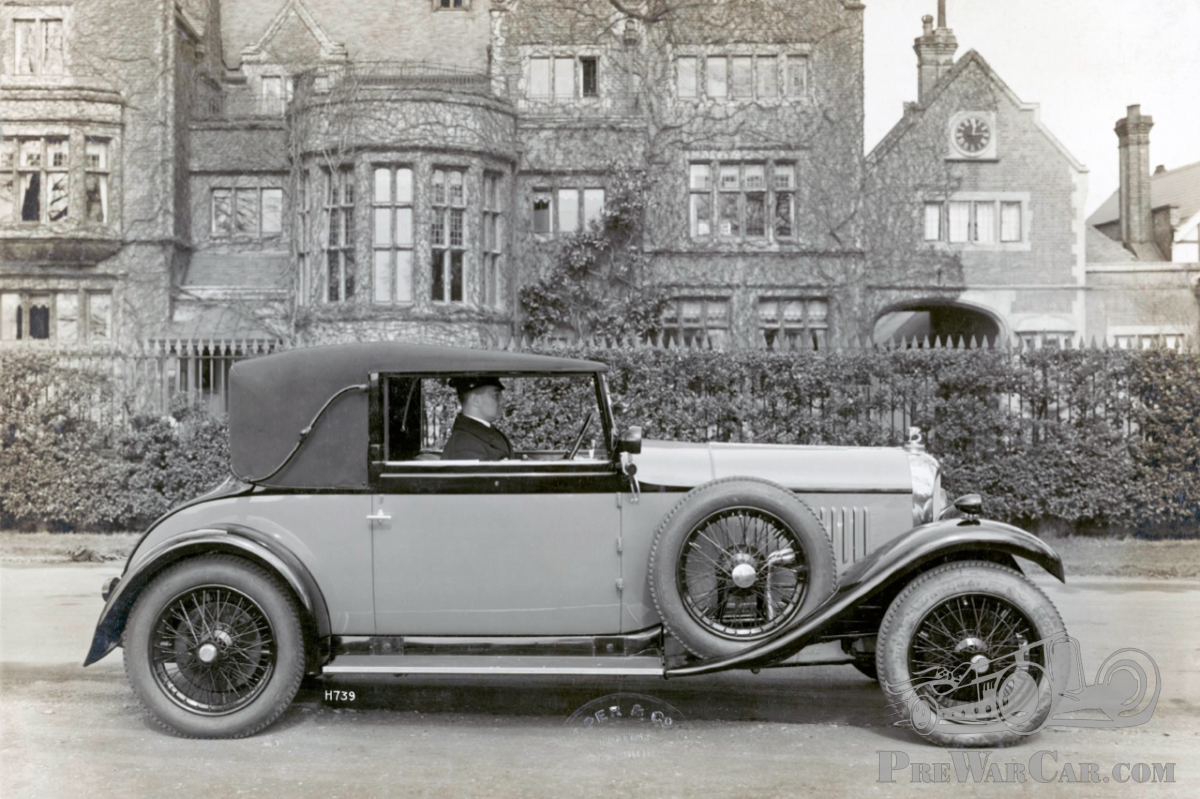
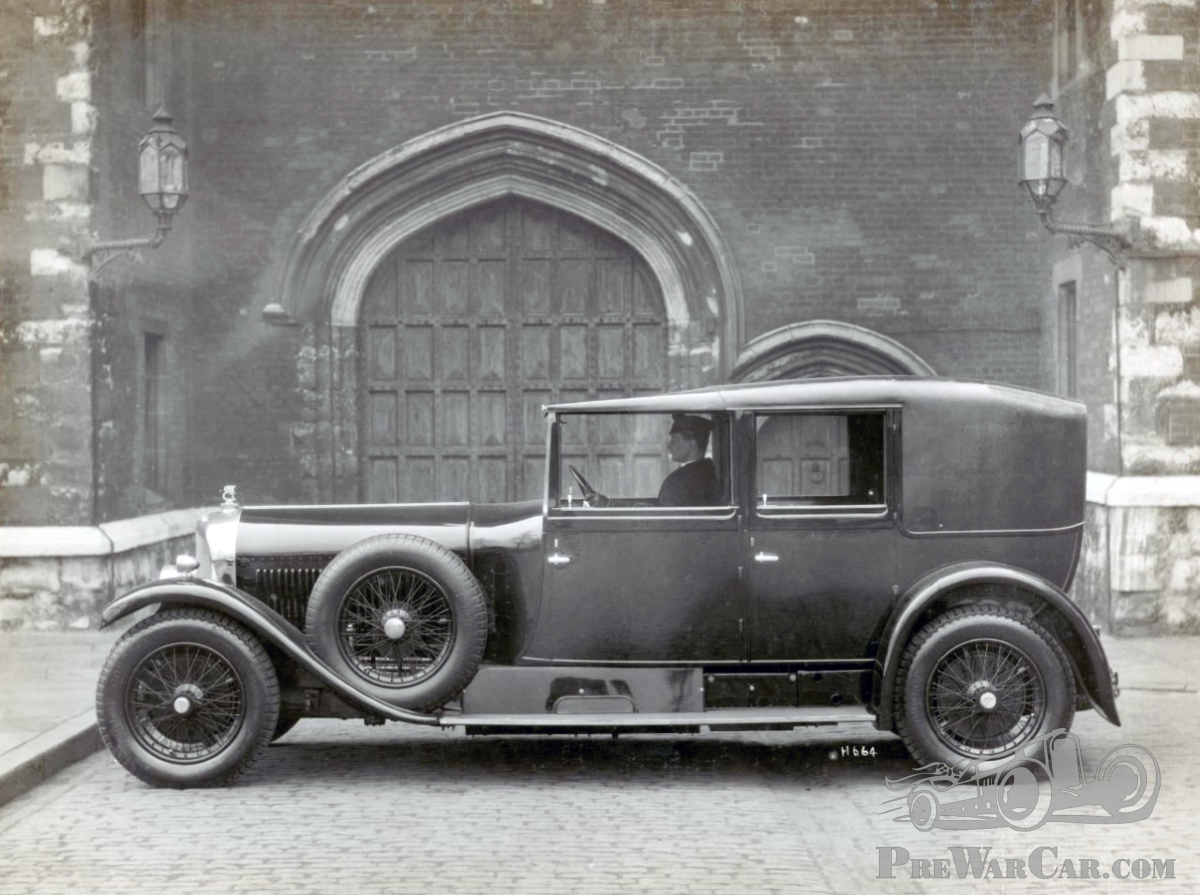
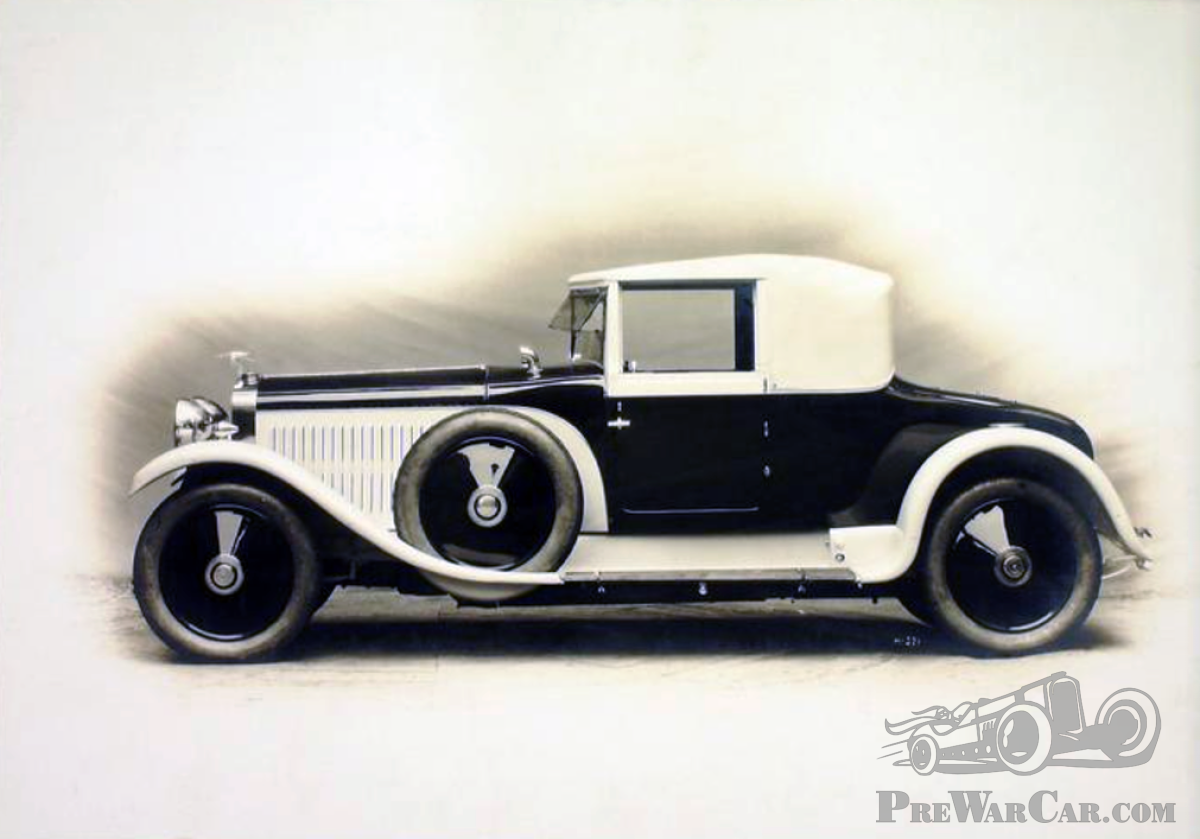
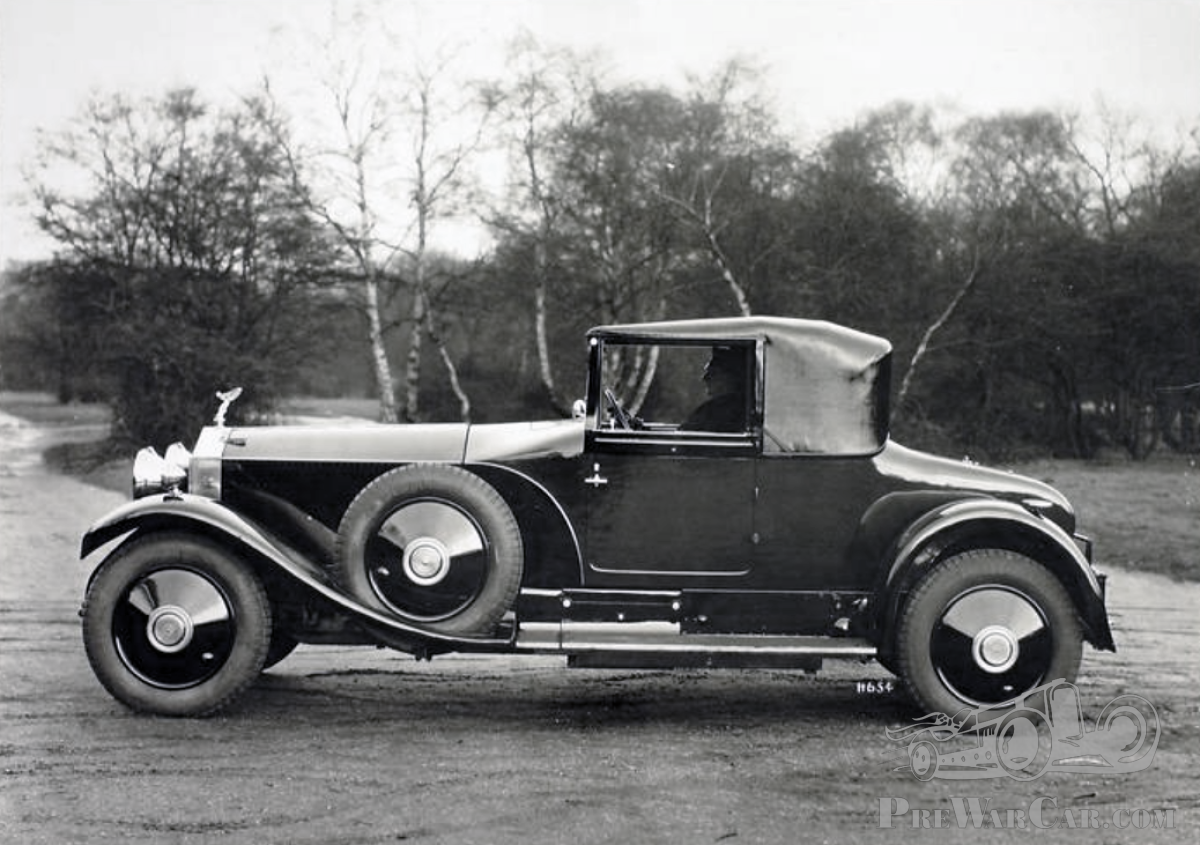
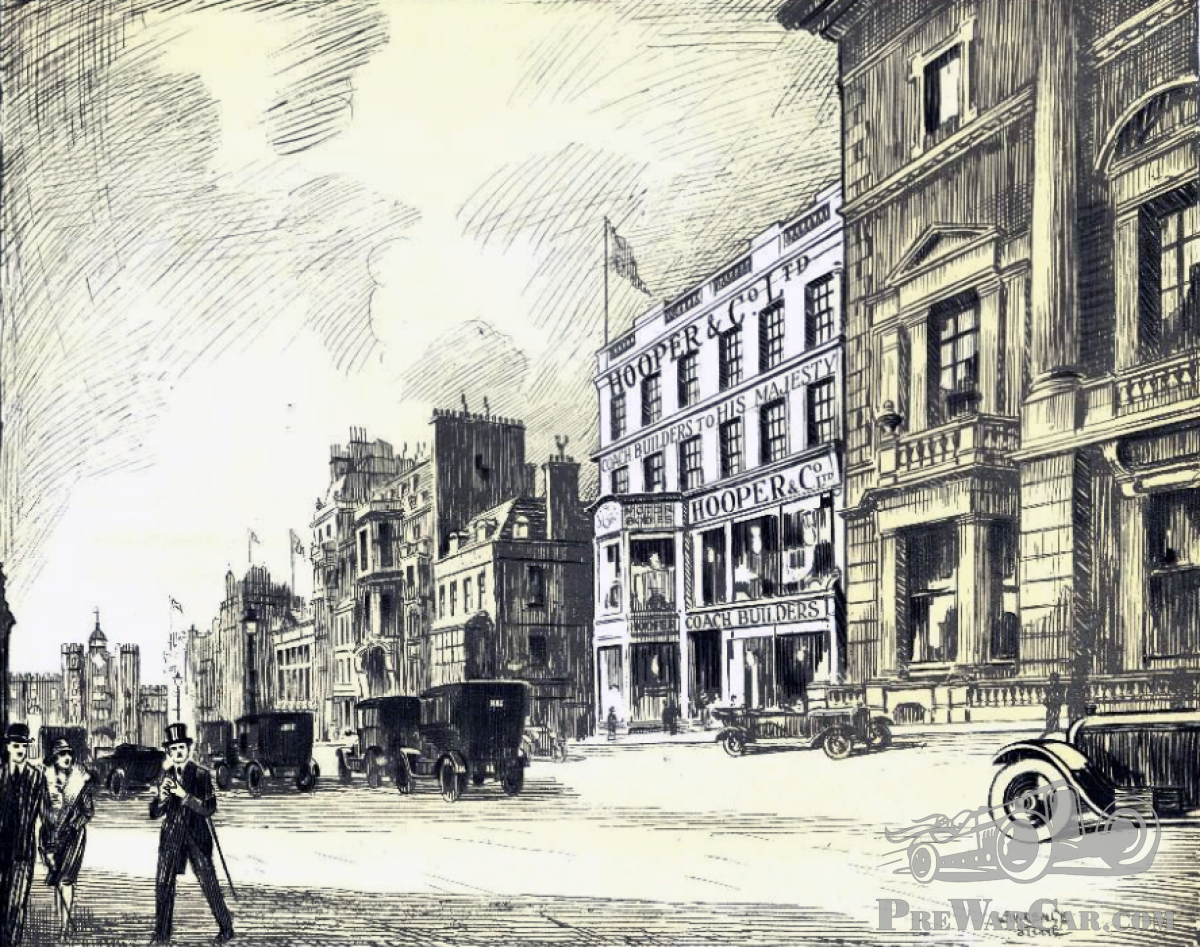
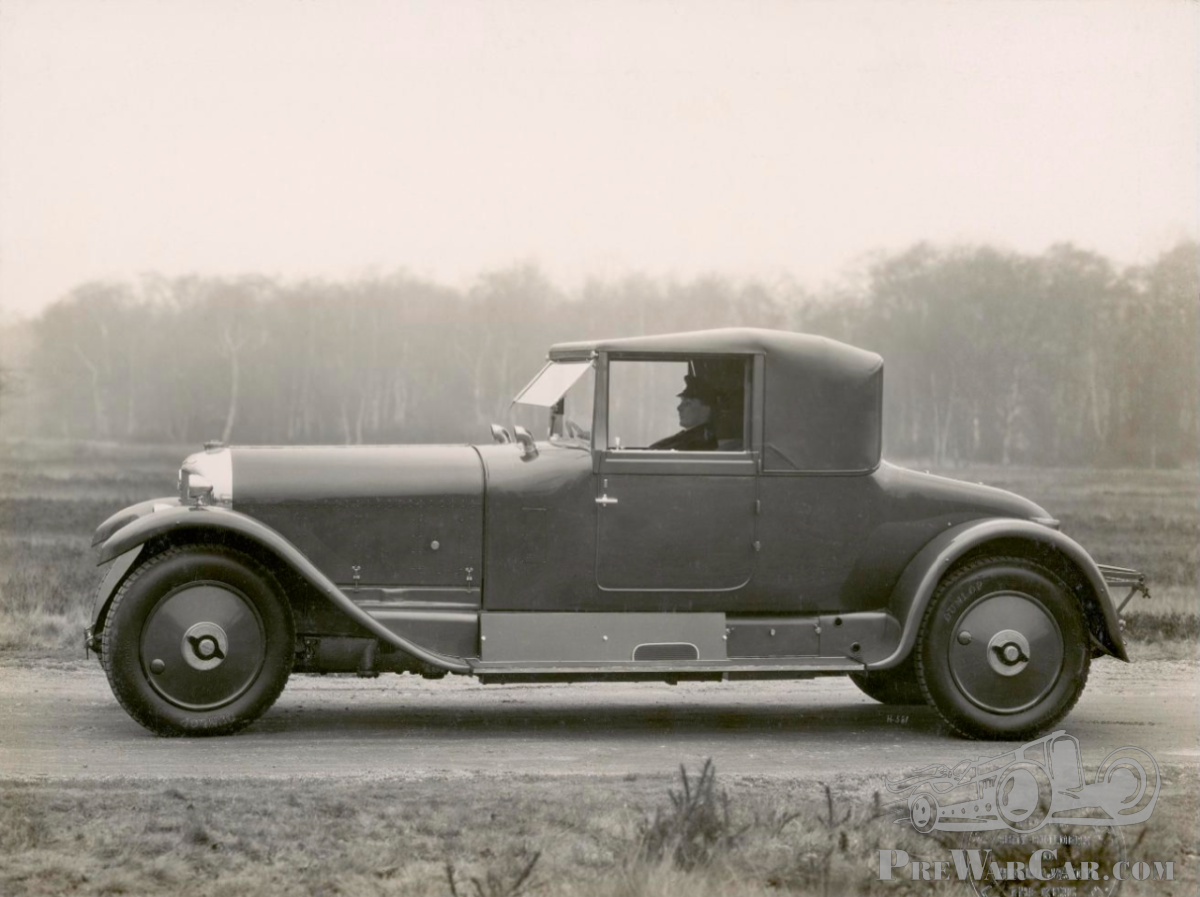


Some casual browsing in the online archives of the London Science Museum made us almost spit our coffee on the screen. Here was, seemingly out of nowhere, a wealth of photographs and material from the Hooper & Co. archives. According to the museum: “The materials in the collection held by the Science Museum represent the period of manufacture by Hooper & Co. of carriages and bespoke motor car bodies from 1828–1959.” And they don’t brag about it: “Since the Science Museum does not hold the entire company archive, most of the series in the collection are incomplete and contain gaps.”
Still, it is something astonishing. From what we gather, the museum collection contains many hundreds of photographs from the coachbuilder’s files. But there’s more. And it includes a series of 10 order books providing all the details of customer orders; production records covering all the work undertaken, delivery details, motor body numbers and specifications; financial records including 35 volumes of sales sheets and a volume comprising costings for standard saloon body manufacture; three volumes of drawing registers plus 98 original Hooper motor car design drawings, 3,333 scale drawings on tracing paper, plus art and design work including “A volume of monograms, crests and coronets etc., which are hand-drawn designs arranged by date with an index by customer’s name.”
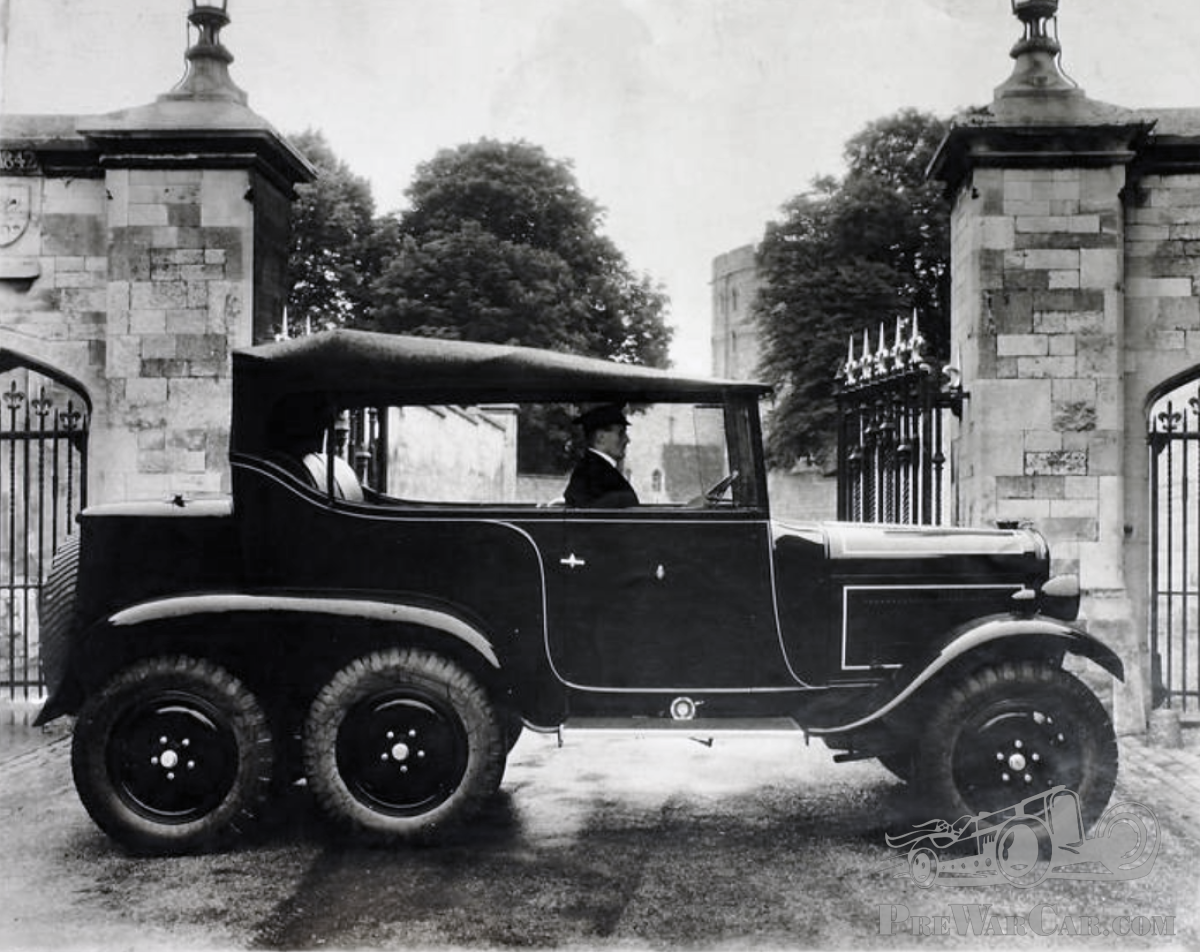
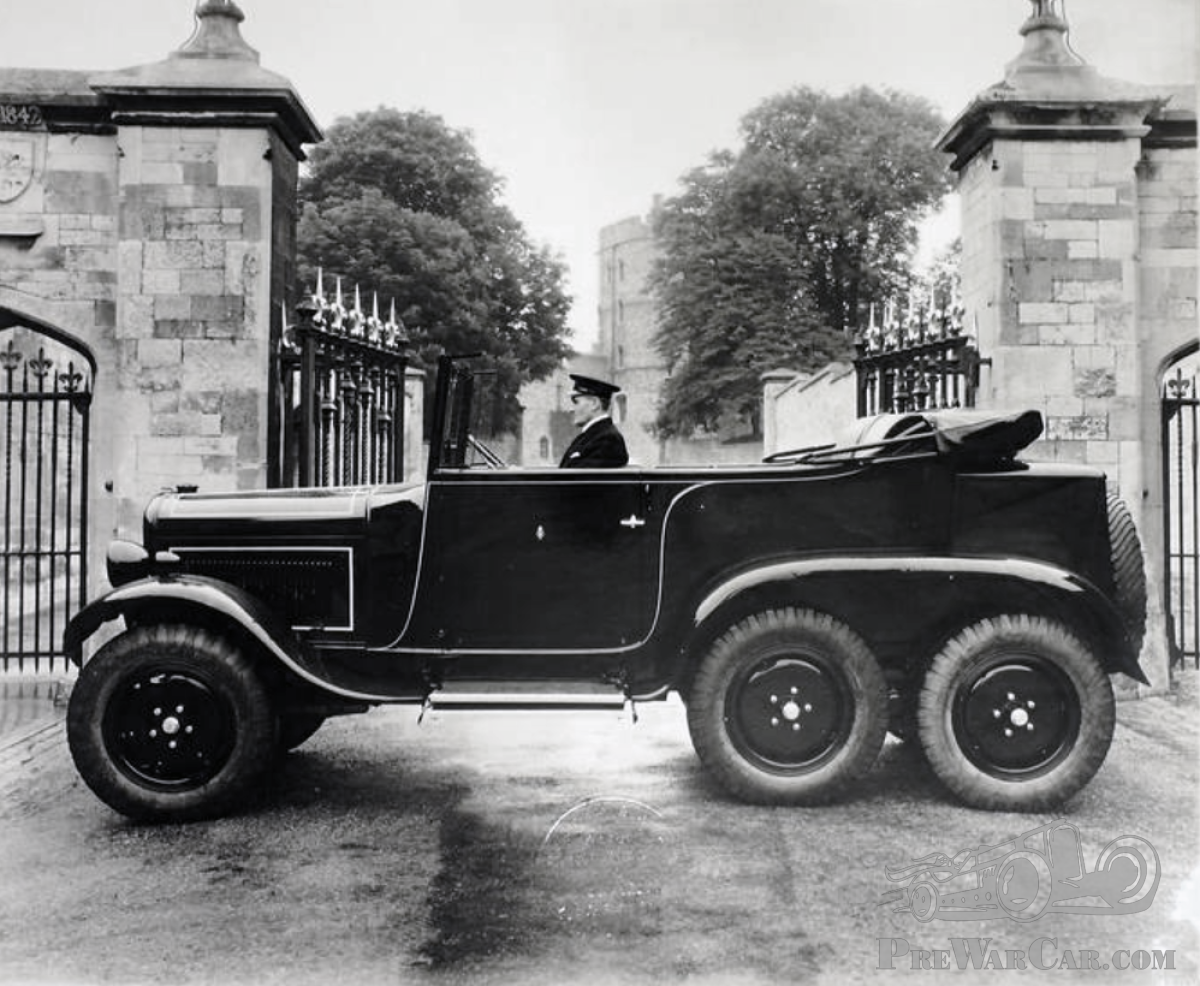
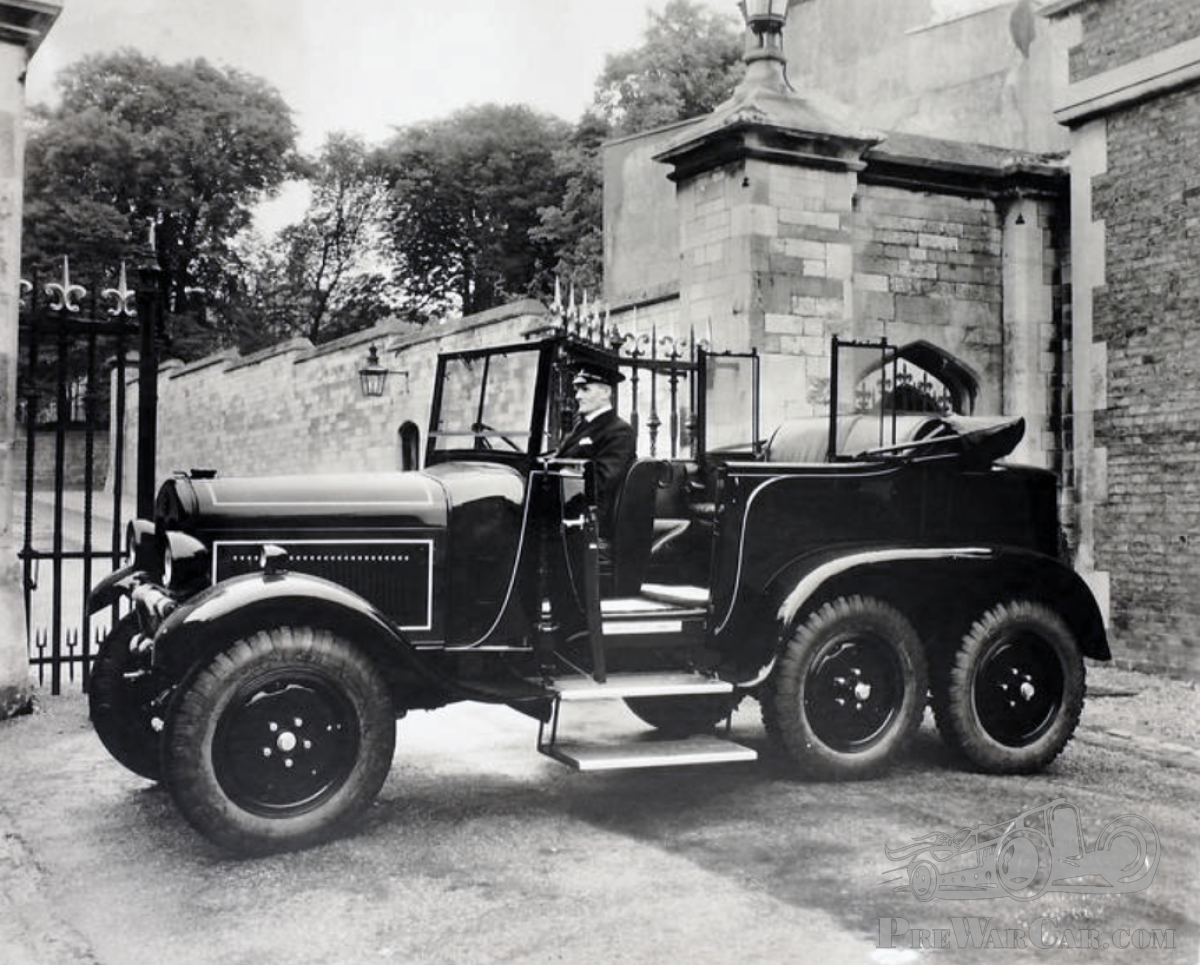
What an Aladdin’s cave of treasures! The photographic collection seems to include many Rolls-Royce cars, but we’ve added a few others here as well. Do name them if you recognize them. One particular vehicle that caught our attention is the one seen (in triplicate) at the end. It’s a Crossley-based six-wheeler, supposedly made for King George V for use on the Sandringham estate. The King perhaps wasn’t the toughest of men, having been injured after being thrown from his horse in France, and later suffering from chronic bronchitis when he “in November 1928 fell ill with septicaemia.” That seems to have been the last straw, as his son Edward took over many of his duties after that. However, the King wished to continue his shooting parties, and that’s what the Crossley six-wheeler was made for: “enabling him to move around on rough grounds.” Or so the story goes…
Words: Jeroen Booij
Pictures: Science Museum Group
Published:
Friday October 10th, 2025
Facebook
LinkedIn
Twitter
WhatsApp
Email
Copy