The global magazine and marketplace for classic car enthusiasts, by enthusiasts.


Filter
Make a choice:
- Cars
-
Make >>
-
Year >>
-
- Bikes
- Parts & more
-
Make of car >>
-
Manufacturer >>
-
Category >>
- Bicycles & more
-
Year >>
-
Countries


Beaulieu is here to stay, but in what form?
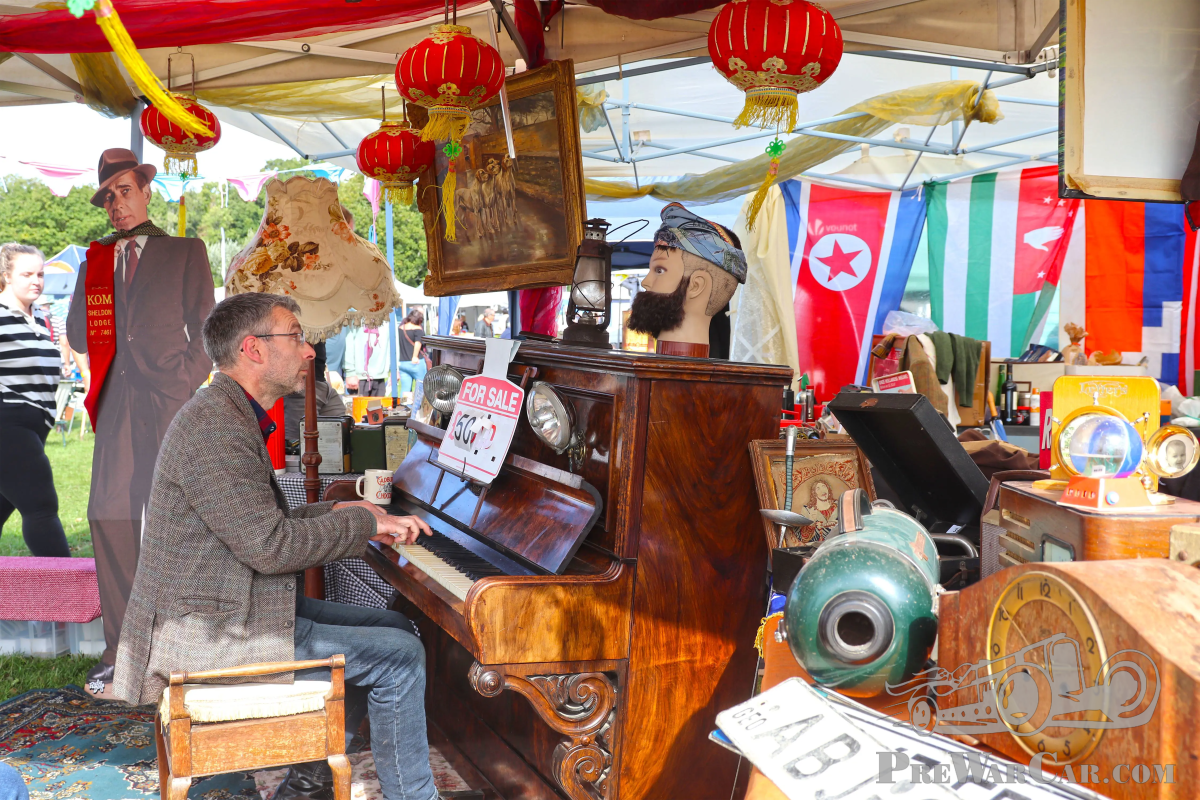
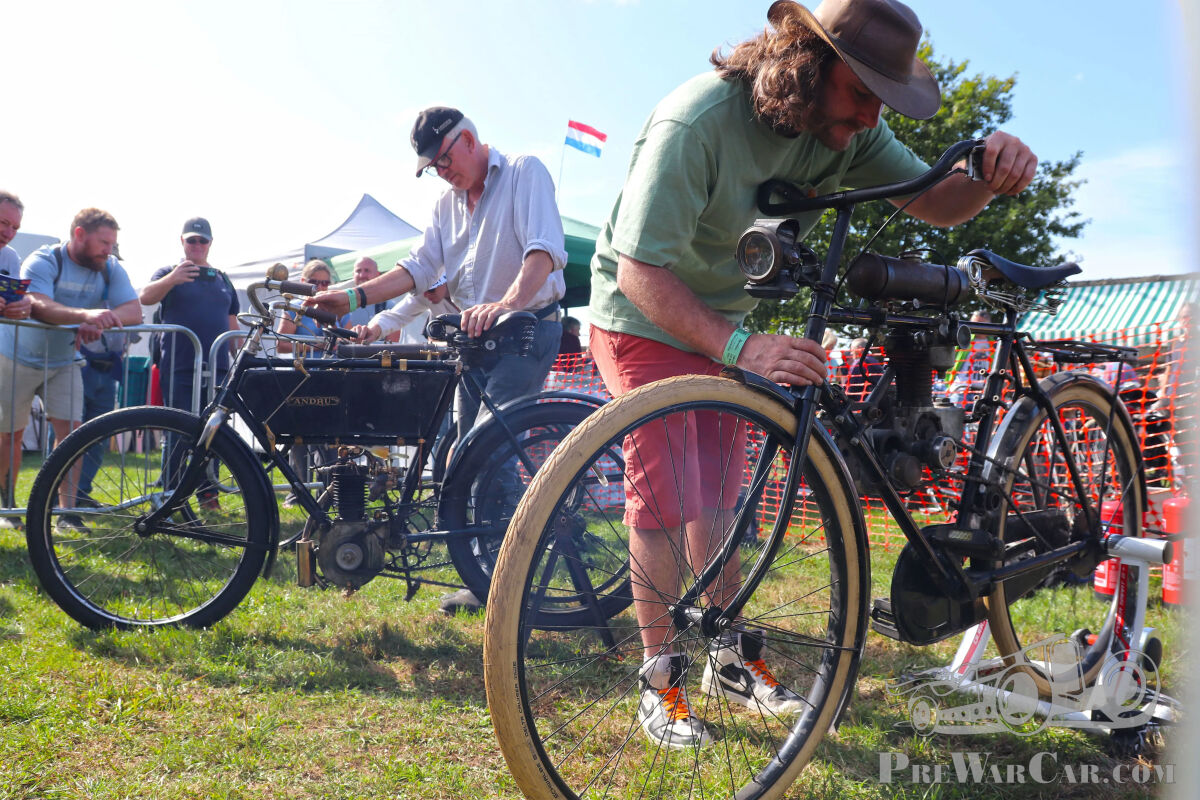
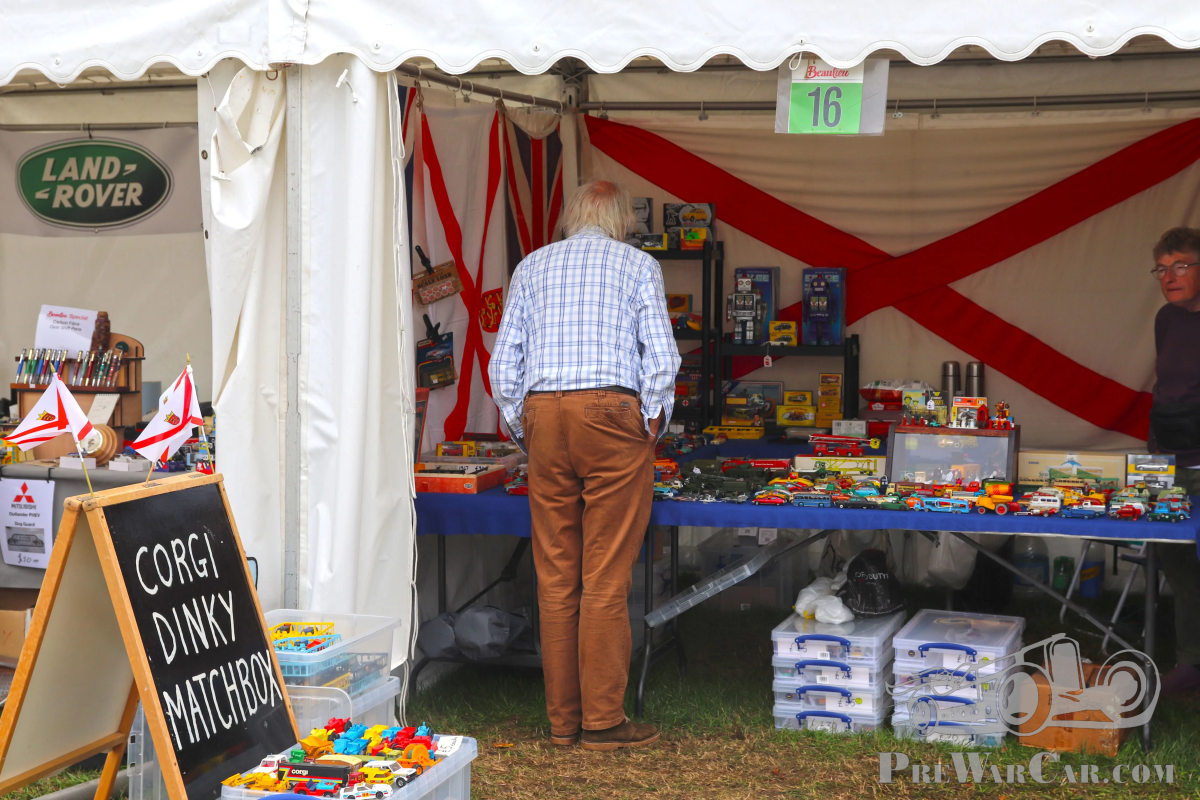
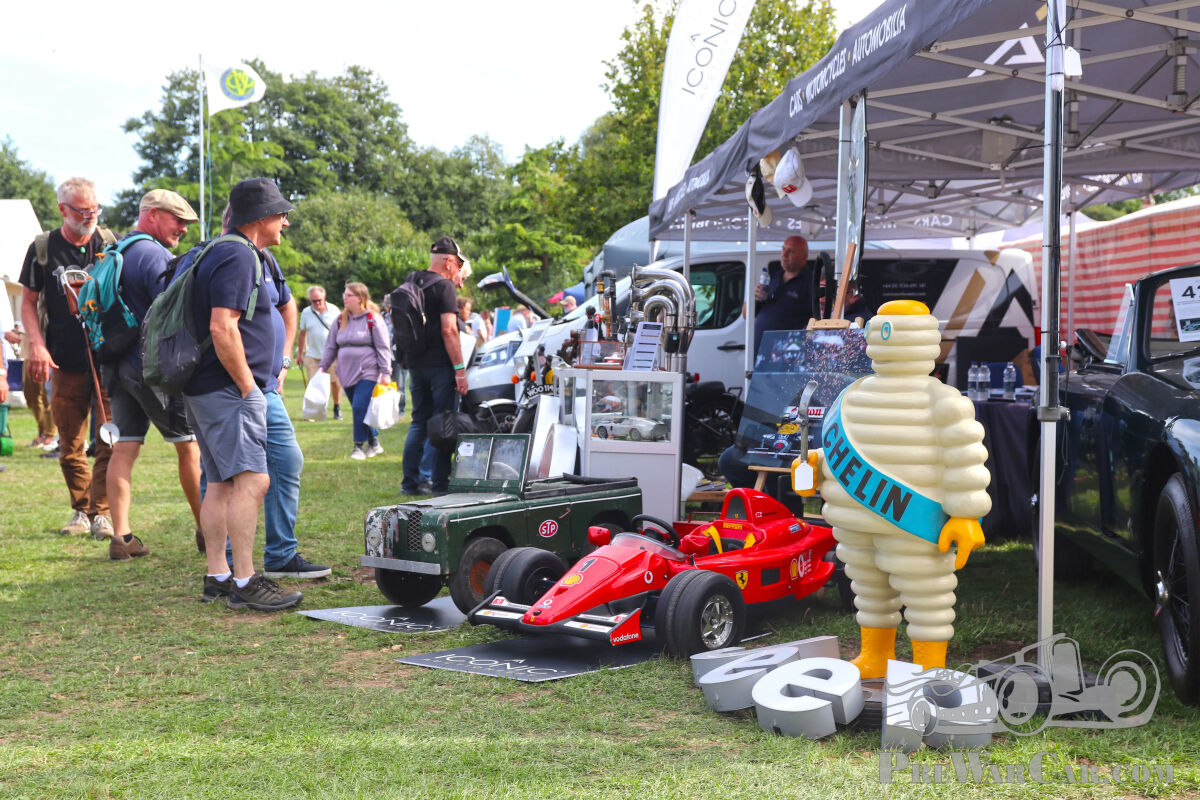
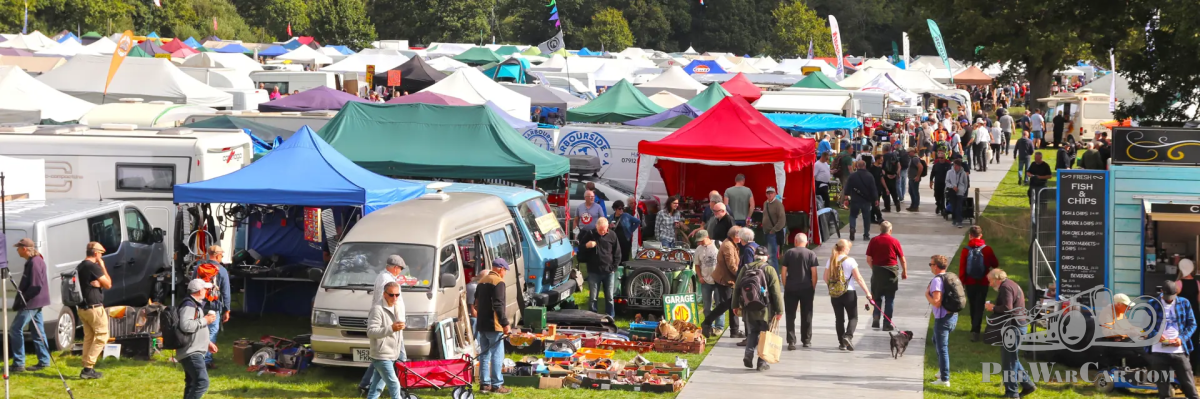


With just three weeks to go, ‘Beaulieu’ is already firmly back on our minds. For many enthusiasts, that one name says it all: parts, books, automobilia, the smell of frying bacon, muddy shoes, familiar faces and, of course, the hope of finding that one elusive component at the famous International Autojumble.
Over the past few days, however, we have received some very different news from Beaulieu. Reports of major changes surrounding the National Motor Museum have, in places, struck a rather alarming note. Was the museum about to disappear? And what would that mean for the events so inextricably linked with Beaulieu?
Reason enough for us to contact the organisation. The reassuring news first: the motor museum at Beaulieu will remain, and the events will continue. The International Autojumble therefore remains firmly on the calendar for 12 and 13 September.
That, however, is not the whole story.
Last week, it was announced that the National Motor Museum Trust, the independent charity responsible for managing a significant part of the museum collection, will no longer operate the museum on the Beaulieu Estate on the same basis in the future. The Trust must therefore find a new home for the part of the collection for which it is responsible.
That is no easy task. This is an internationally important collection of vehicles, objects, photographs, documents and other material relating to British motoring history. Moreover, some of the vehicles and exhibits have been at Beaulieu for decades. To the public, they formed a single museum, even though ownership behind the scenes was divided between several parties.
Why the partnership in its present form is coming to an end has not officially been explained in detail, beyond the fact that the lease expires in 2030. From what we understand, money – what else? – played an important role. The Trust is said to receive only a limited share of the admission revenue, while there appears to have been insufficient willingness on the part of the Beaulieu Estate to invest substantially in modernising the museum.
Against that stands the Trust’s view that a large proportion of visitors come to Beaulieu specifically for the National Motor Museum. We have little difficulty believing that. The museum is not simply another attraction on the estate; in many respects, it is its backbone. Many of the familiar events have also been created and developed around this strong connection with motoring history.
What also seems clear is that relations between the Trust and Beaulieu’s owners have become decidedly strained. The full story will probably only emerge later, but this does not appear to be a parting brought about entirely through friendly discussions and mutual understanding.
A museum will remain – but with what collection?
The Beaulieu Estate appears to intend to continue operating the motor museum itself at its familiar location. That is not particularly surprising, because this is where it all began.
When Edward, Lord Montagu, opened Palace House to visitors in 1952, he displayed five veteran cars in the entrance hall. It was a tribute to his father, John Scott Montagu, one of Britain’s great motoring pioneers. That modest display grew into the Montagu Motor Museum and later developed into the National Motor Museum as we know it today.
The connection between the Montagu family, Beaulieu and motoring history therefore goes back far beyond the present organisational structure. Yet that historic connection alone does not answer the most important question: how attractive and comprehensive will the future museum be?
From what we understand, only 49 of the cars and 22 bikes currently on display belong to the Montagu family or the Beaulieu Estate. A further fifty or so are believed to be on long-term or permanent loan, some of them having been there since the early years. A significant part of the remaining collection, however, belongs to or is managed by the Trust and could remain with it when it moves to a new location.
That means substantial gaps could appear in the present displays. Naturally, the empty spaces could be filled by other cars and, to be honest, a new presentation might even be welcome in certain areas. The museum is currently exceptionally full, with the result that not every car is shown to its best advantage. Fewer vehicles, presented more effectively and supported by a stronger narrative, would not necessarily represent a step backwards.
But everything depends on what replaces them. A museum does not become interesting solely through the number of cars it contains. The quality, historical significance, coherence and presentation of the collection are at least as important. If significant vehicles and archival material depart and are largely replaced by less relevant exhibits, visitors will notice.
That is where the real uncertainty lies. That there will continue to be a motor museum at Beaulieu seems certain. What that museum will look like, which important vehicles will remain and whether it will retain its international appeal are questions that have yet to be answered.
Hopefully, the National Motor Museum Trust will find a suitable new home for the remainder of the collection. If it succeeds, this painful separation could ultimately result in two interesting motor museums instead of one.
That is the optimistic scenario. To achieve it, however, the Trust must not only find a suitable location, but also raise sufficient funds for premises, transport, exhibition design, conservation and day-to-day operation. There are therefore still many practical, financial and organisational miles to cover.
At the same time, Beaulieu itself faces a considerable challenge. It can build on a wonderful location, a powerful name, a long family history and a core collection of its own. But the suggestion that the museum will simply remain the same while a significant part of the collection departs, and that visitors will notice no difference, seems rather too convenient.
For now, then, the most important message is reassuring, although not without qualification: Beaulieu will remain Beaulieu. Palace House will remain, the motor museum will remain and the familiar events will continue. Behind those familiar façades, however, a profound transformation probably lies ahead.
And so we are still looking forward to 12 and 13 September: two days of searching, negotiating and meeting old friends, and probably returning home with things we had no idea we urgently needed when we set off.
But while we are there, we will also walk through the museum with more than usual interest. Perhaps even with one question in mind: how much of this will still be here when we next return?
Will we see you there too?
Laurens Klein
Photos by Beaulieu
Published:
Friday August 21st, 2026
Facebook
LinkedIn
Twitter
WhatsApp
Email
Copy