The global magazine and marketplace for classic car enthusiasts, by enthusiasts.


Filter
Make a choice:
- Cars
-
Make >>
-
Year >>
-
- Bikes
-
Location >>
- Parts & more
-
Make of car >>
-
Manufacturer >>
-
Category >>
- Bicycles & more
-
Year >>
-
Countries


Before Cotura: a Dutch Lancia Special from 1937
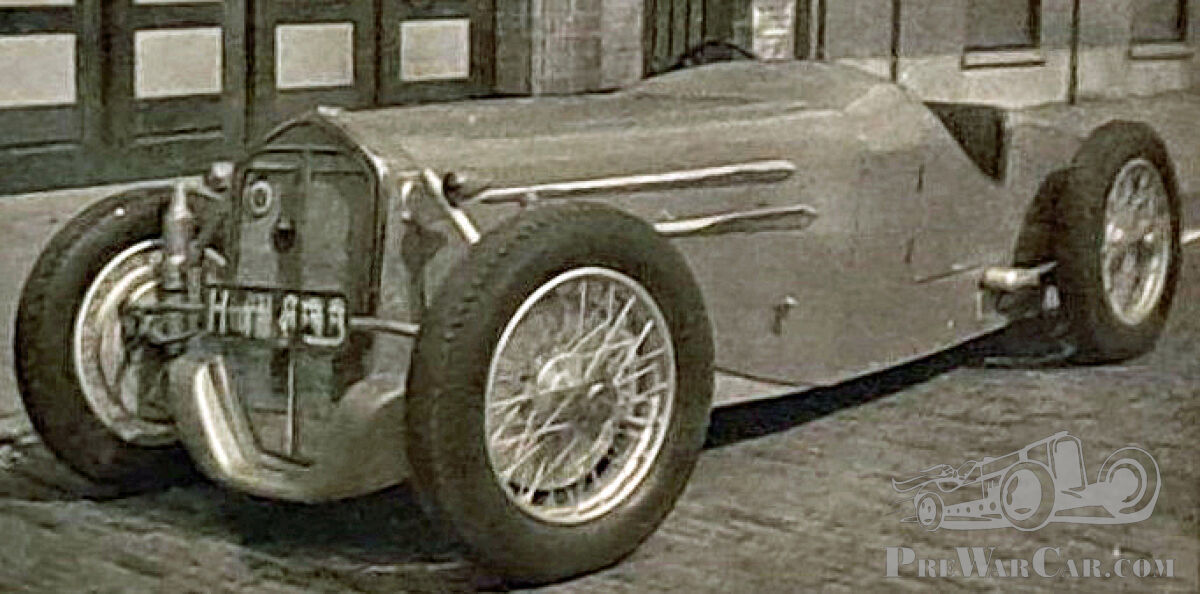


A photograph recently surfaced in an old family album, very likely taken around 1937 in Dordrecht, the Netherlands. It shows a self-built sports or racing car — assembled from Lancia components. The car carries registration number H-49893, which at the time was registered in the name of C. van der Tuijn.
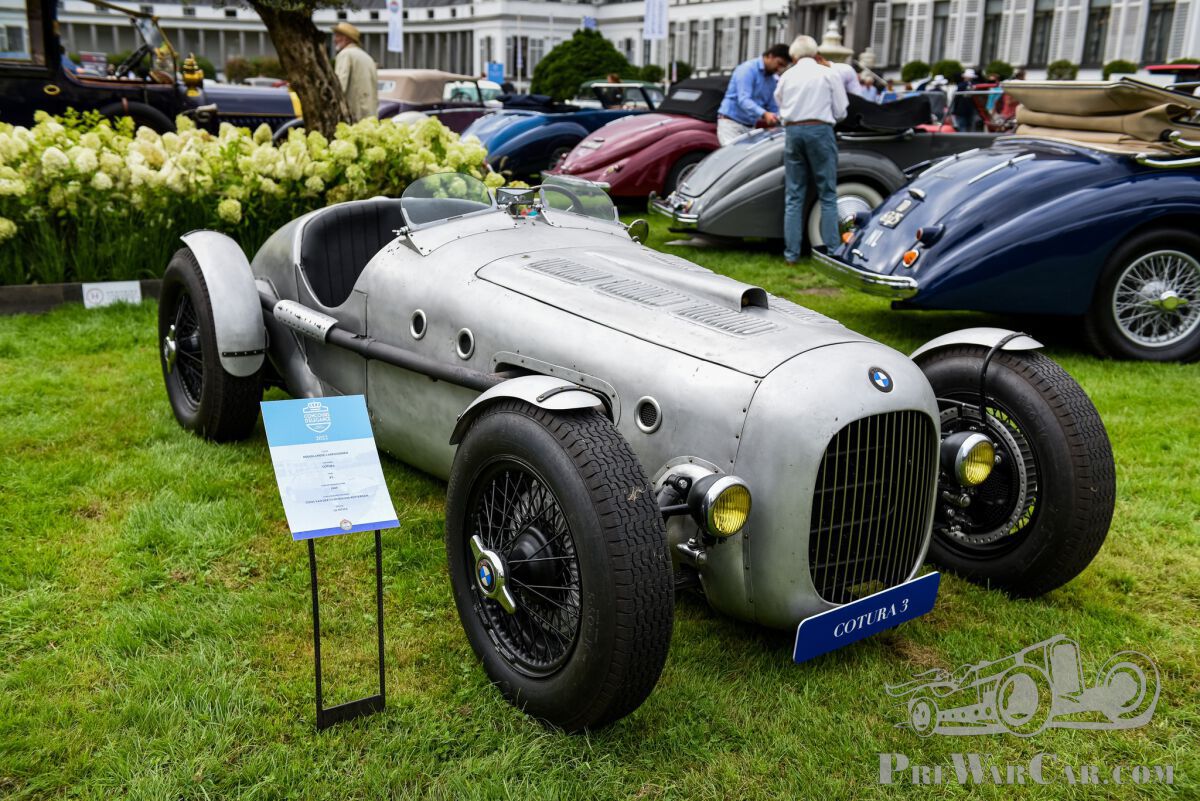
That name will ring a bell with anyone familiar with Dutch automotive pioneers. It almost certainly refers to Coos van der Tuijn (1906–1951), the man who would become known after the Second World War as the constructor of the COTURA sports cars. The photograph therefore immediately raises a fascinating question: are we looking at an early, until now unknown creation by Van der Tuijn himself?
The car shown in the photograph displays all the hallmarks of a typical 1930s special, while also sharing many similarities with the post-war Coturas.
The choice of Lancia components is telling. In the 1930s, Lancia was renowned for its technically advanced solutions, such as independent suspension and compact V-engines. This made the brand particularly popular among enthusiastic amateurs and engineers who wished to build their own competitive cars for speed trials, hill climbs and club racing.
That the car was registered in Van der Tuijn’s name makes the photograph all the more intriguing. His later COTURAs display the same spirit: individualistic, technically well thought-out, and built with limited means but great inventiveness. It is therefore highly plausible that this Lancia-based special was a pre-war experiment — a learning project through which Van der Tuijn developed his skills as a constructor.
To date, however, there is no hard documentation confirming that he was indeed the builder. He may simply have been the driver, or perhaps his later designs were inspired by this car. In his post-war cars, Van der Tuijn used BMW as a basis — possibly because those were more readily available?
This leads us to the question for our readers: can anyone shed more light on the background of the car shown, and on whether Van der Tuijn was indeed its constructor? Any additional information is most welcome.
Photo: Herman van Oldeneel
Published:
Wednesday December 24th, 2025
Facebook
LinkedIn
Twitter
WhatsApp
Email
Copy
Comments
Herman van oldeneel
26 December 2025, 16:31
Mr. Van der Tuyn traded all kinds of used Lancia Lambdas. I have found several adverts, but none referring to the builder of the special.
Read more
Kees Jan Boosman
26 December 2025, 13:01
I have seen this photo album because in it are also pictures of an earlier Lambda, probably a 4th series. So clearly there is a connection but this special is not the same car as the early Lambda has had small brakes and large hubs. Also on the 1930's special the bonnet catch and the front spring hangers of the rear springs are very much like that of a Lambda. The radiator surround is done in a 1930's Lancia style but I would not be surprised if a Lambda radiator is hidden inside this surround as you see a weird line at the top of the opening and the surround seems to be sticking out from the body line at places.
Read more


HARIT N TRIVEDI
26 December 2025, 11:05
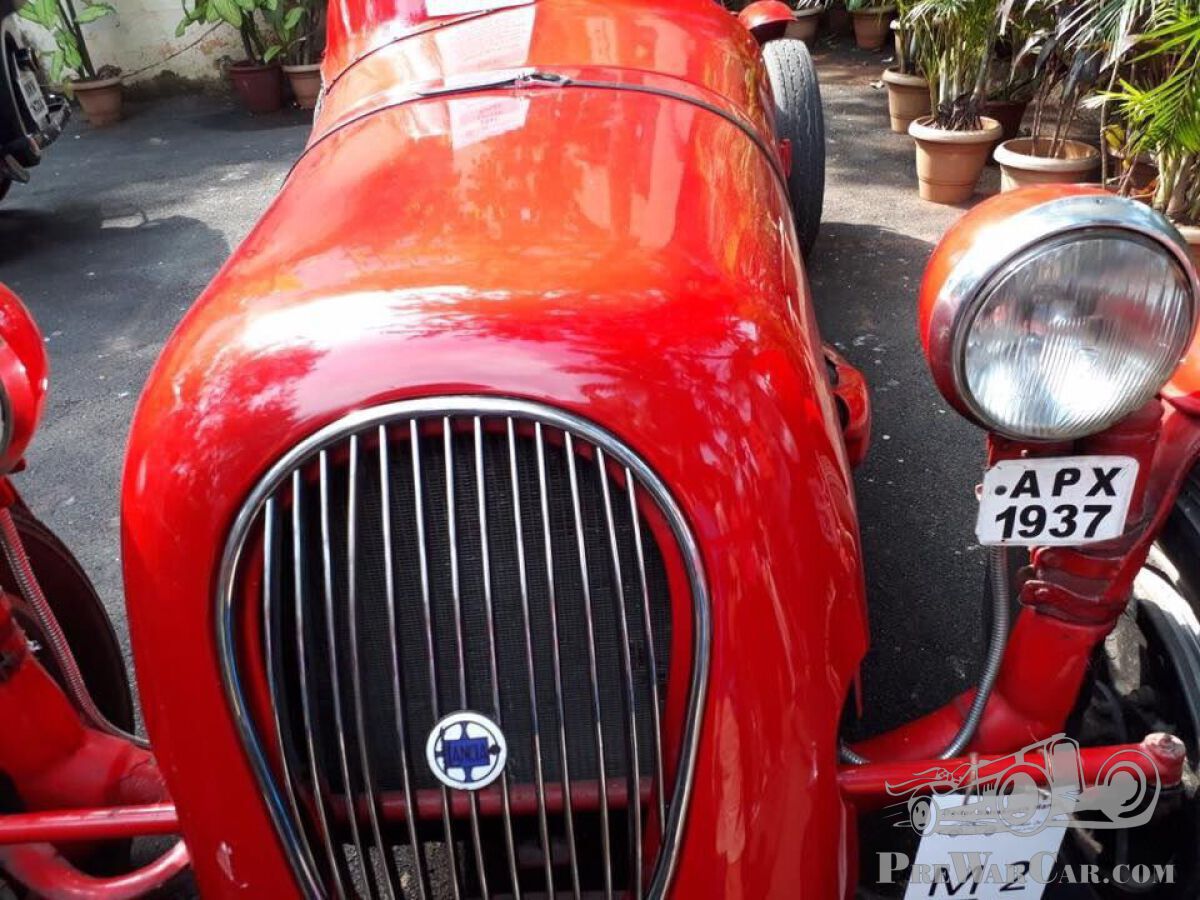
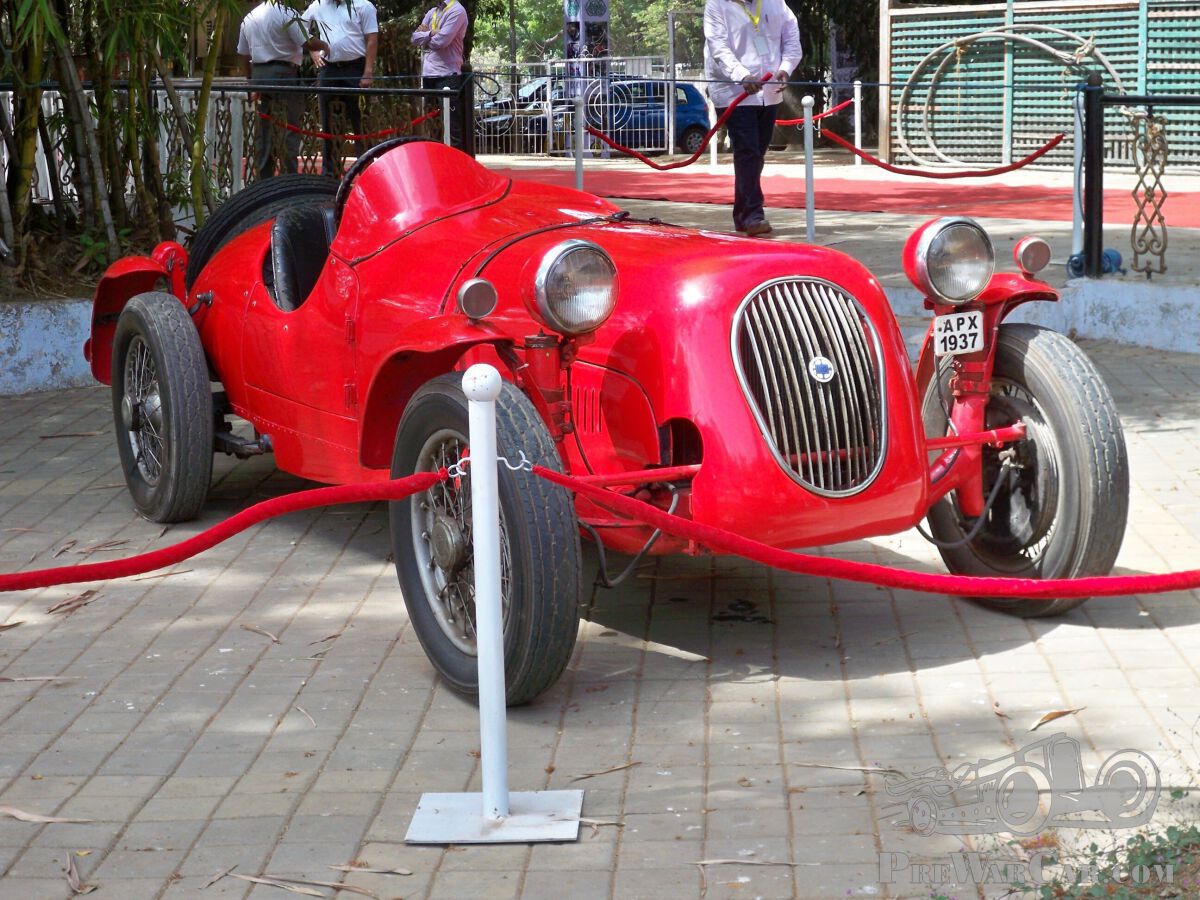
I have a racing car built on a 1932 Lancia Astura chassis.
Attached please find 2 photos focussed a bit on the front suspension. The origins of this car are not known, we know that it was actually raced in eastern India. At some stage the engine blew up, and was replaced with a 1.5 Litre SS engine + gearbox taken from a sedan. The chassis, axles, and steering are Lancia.
A possibility was given that it was made in the Lord March garage, but we cannot confirm this.
Maybe interesting for comparison.
Regards
Read more
Attached please find 2 photos focussed a bit on the front suspension. The origins of this car are not known, we know that it was actually raced in eastern India. At some stage the engine blew up, and was replaced with a 1.5 Litre SS engine + gearbox taken from a sedan. The chassis, axles, and steering are Lancia.
A possibility was given that it was made in the Lord March garage, but we cannot confirm this.
Maybe interesting for comparison.
Regards
Iain Simpson
24 December 2025, 08:18
The picture quality is not good enough to be definitive but the front suspension towers look to be Lambda: The steering arm on teh near side stub axle mat be 'early series' Lambda though teh brake drums, if Lambda would be Late series.
A handsome special: Looks to be well built and thought out ... did it survive???
Read more
A handsome special: Looks to be well built and thought out ... did it survive???