The global magazine and marketplace for classic car enthusiasts, by enthusiasts.


Filter
Make a choice:
- Cars
-
Make >>
- Bikes
-
Location >>
- Parts & more
-
Make of car >>
-
Manufacturer >>
-
Category >>
- Bicycles & more
-
Year >>
-
Countries


Burgundy beauty: the Bugatti Type 57 of Marcel Doret


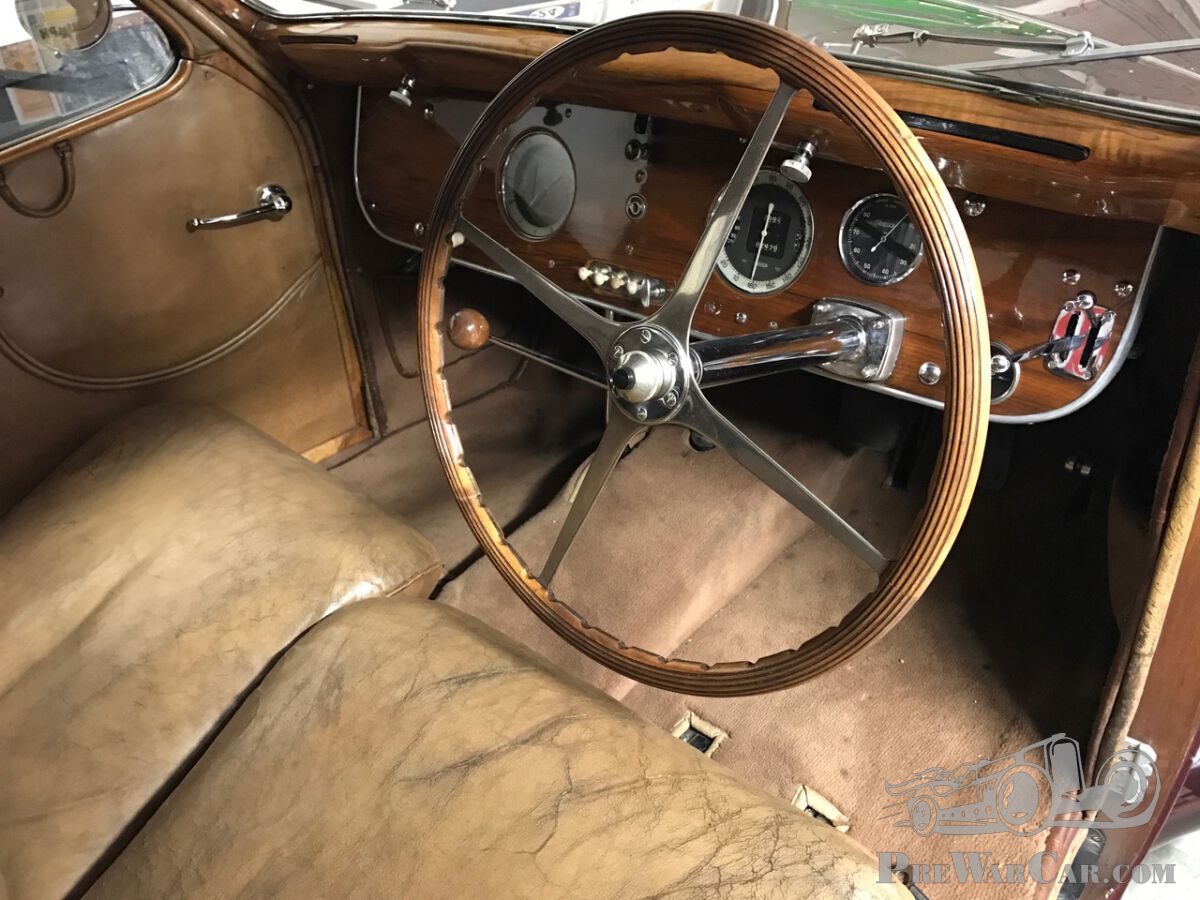

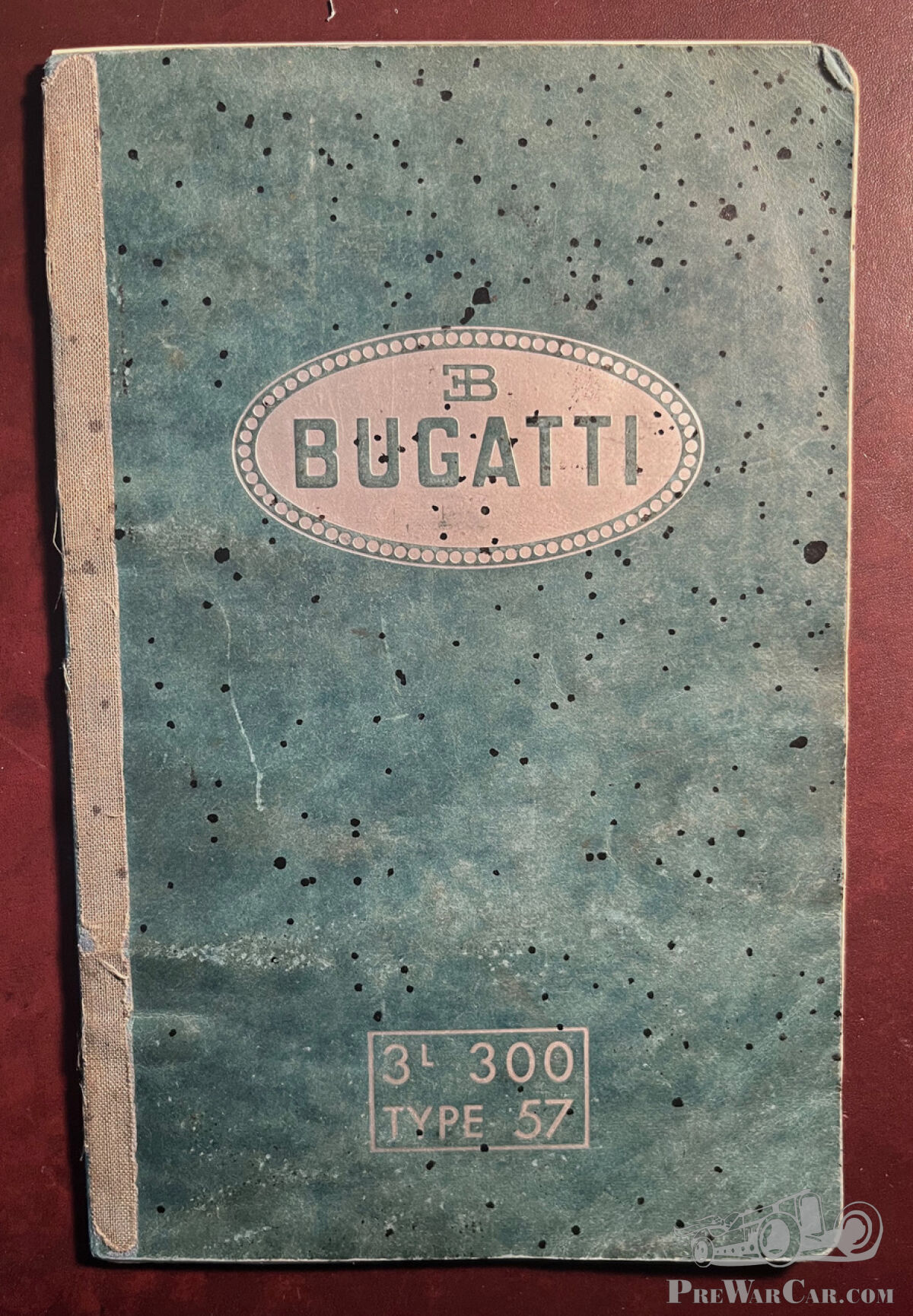



It was very often the case that Bugattis would change hands within the first few years of their life, sometimes on several occasions. That was less true of those which left Molsheim later in the 1930s, because those which had been retained until the outbreak of war ended up being hidden away for six years and sometimes longer but, even so, few people were as faithful as the owner of this 1937 Type 57 Atalante, who kept it for a full 17 years and was parted only by death.
Chassis 57598 was a rare creature, even by Bugatti standards. The design of the Type 57 was more the work of Jean Bugatti than Ettore, but the young man had inherited his father's technical and æsthetic sensitivity. The chassis, which used a dohc straight-eight of 3,257cc, was a hit with customers and stayed in production all the way from 1934 to 1940, by which point more than 600 had been built. Bugatti offered five body styles by the coachbuilder Gangloff: Aravis two-seat cabriolet, Atalante two-seat coupé, Galibier saloon, Stelvio four-seat cabriolet and Ventoux four-seat coupé.
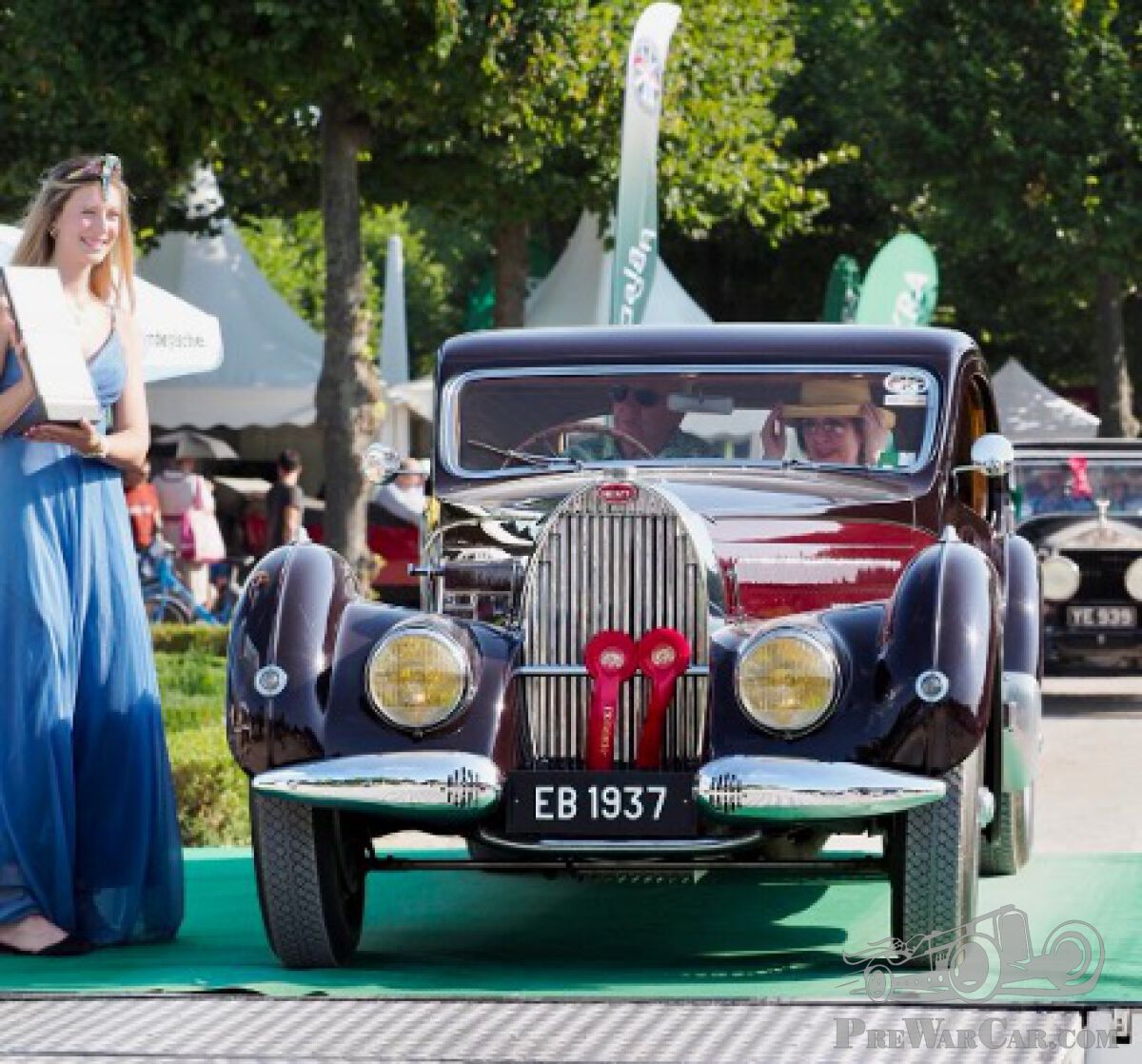
Of those, the Atalante was one of the rarest—just 34 were made between 1936 and 1938, and only 10 of those, in the final year of production, were built with aluminium bodywork. Chassis 57598 was the first in that very limited series. Finished in a unique colour scheme of two-tone crimson and burgundy, when new it passed from the factory into the hands of a certain Monsieur Marcel Doret.
A Boy's Own daredevil
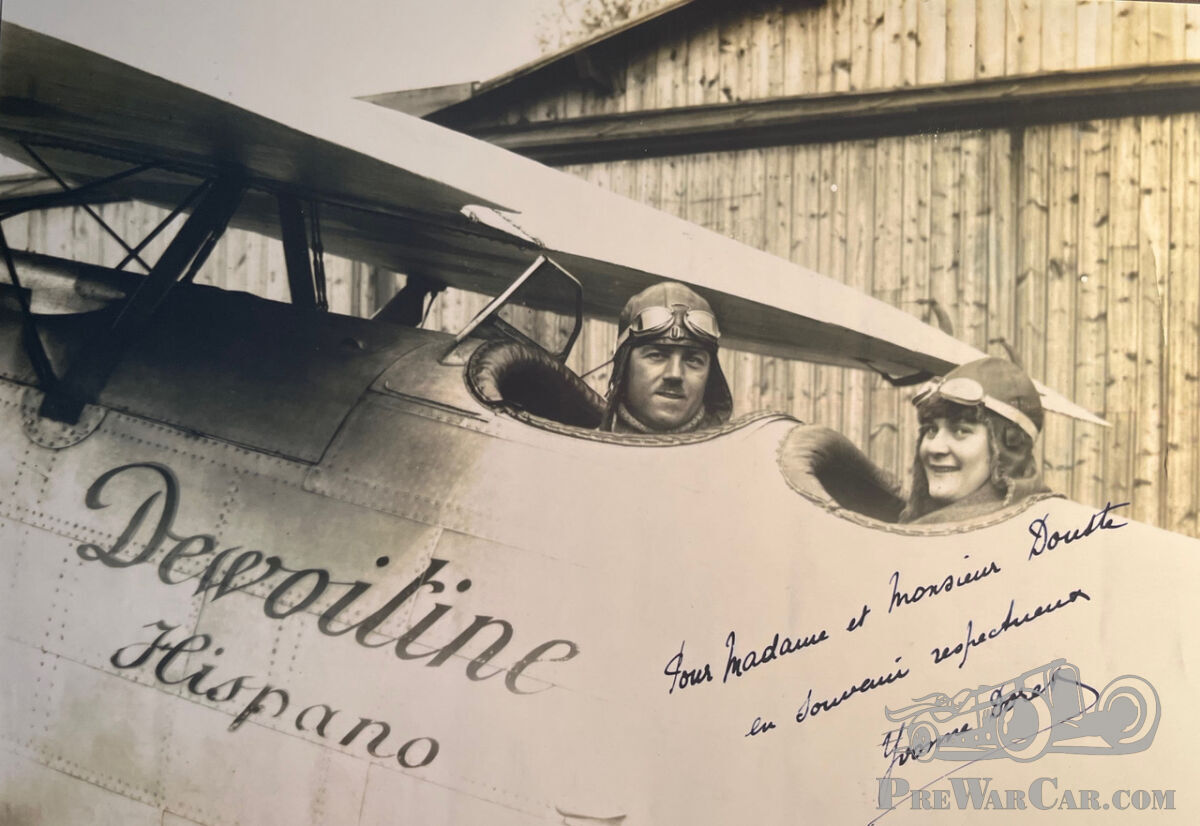
Louis Marcel Germain Doret was born in the Paris suburbs on May 3rd, 1896, and would grow into a real Boy's Own sort of daredevil. He was apprenticed as a mechanic from 1910 and was enlisted to fight in the first months of the Kaiser War. After several years enduring the mud and misery of an artilleryman, he learnt to fly in 1918 and briefly became a military pilot. When peace arrived, he continued to develop his talents at the world-renowned aviation school in Pau. While working for Renault, he was spotted by aeroplane constructor Émile Dewoitine at an air show, and in 1923 he joined Dewoitine as a test pilot. Remaining there until the next war in 1939, he was responsible for developing 43 individual prototypes, and later in his stint he became one of the world's first airline pilots.
That did not make him famous. Celebrity came from his daring aerobatic feats and long-distance records. A 10,000km distance record was set in 1931 in the Dewoitine D.33 Trait d'unione, with Joseph-Marie Le Brix and René Mesmin. The latter two were tragically killed in a crash while flying from Paris to Tokyo. Doret was with them but survived. Prior to that, Doret had entered the aerobatic arena by 1927, when he finished third in an international aerobatic competition. In the following years, he would become a familiar sight at air shows in his Dewoitine D.27, a military monoplane with distinctive red-striped wings.
A car like the Atalante, with its streamlined body, was obviously perfect for him, and he must have got great enjoyment from it. Like most Bugattis in France, it must have been decommissioned and concealed during the war, when Doret commanded the 1st Fighter Group of the French Interior Forces, which used the Dewoitine D.520, France's answer to the Supermarine Spitfire and Messerschmitt Bf 109. After the war, Doret returned to aerobatics and also to his Bugatti. Sadly, he lost his life to cancer aged just 59 on August 31st, 1955, while staying at his holiday home at Le Vernet in the south of France.
Following Doret's death, 57598 would be cared for by three other long-term custodians who have ensured its survival in such excellent condition, complete with a matching-numbers engine and its original leather upholstery. Today, it has received its share of well-deserved plaudits, including the Grand Routières of the Art Déco Era class win at Villa d'Este in 2018 and, just a few weeks ago, Best of Show at the Classic-Gala Schwetzingen concours d'élégance in Germany. We hope to catch sight of it at many more concours in the future.
Words: Zack Stiling
Published:
Monday October 14th, 2024
Facebook
LinkedIn
Twitter
WhatsApp
Email
Copy
Comments
Hans Veenenbos
14 October 2024, 11:24
One day I made contact with Carlos Hubené who lived in Rixensart, not far from where I lived. I remember well the appointment. I was looking for Mr. Hubené, who said he would wait for me along the road where he lived. I passed an elderly man dressed in a blue workman’s outfit but didn’t believe that was him and I drove on. Then I realised that it must be him and I returned to the point where he was still waiting for me. He lived in a small old bungalow and there she was in his garage… the magical Atalante 57598. I walked around the car and got quite excited with my discovery. A sale was not considered by Mr. Hubené, but there was the promise to return not too long after.
From there on, however, any appointment was spoiled by the presence of the younger Mr. Herbinia, a Belgian travelling cigarette vendor who, it appeared, had totally put Mr. Hubené in his pocket. Herbinia lived nearby and, it seemed, he was determined to get his hands on the Atalante, and thus it happened. A couple of years later, Mr. Hubené died and the Atalante went to Herbinia. However, he had neither garage, nor could he pay for the insurance and so, very soon, he had to sell the Atalante. I went to see Mrs. Herbinia once more who, after her divorce, lived in the most pitiful conditions in a tiny place with her two children—a sad end this story.