The global magazine and marketplace for classic car enthusiasts, by enthusiasts.


Filter
Make a choice:
- Cars
-
Make >>
- Bikes
-
Location >>
- Parts & more
-
Make of car >>
-
Manufacturer >>
-
Category >>
- Bicycles & more
-
Year >>
-
Countries


Carlo, Ettore and Rembrandt Bugatti brought together by passion



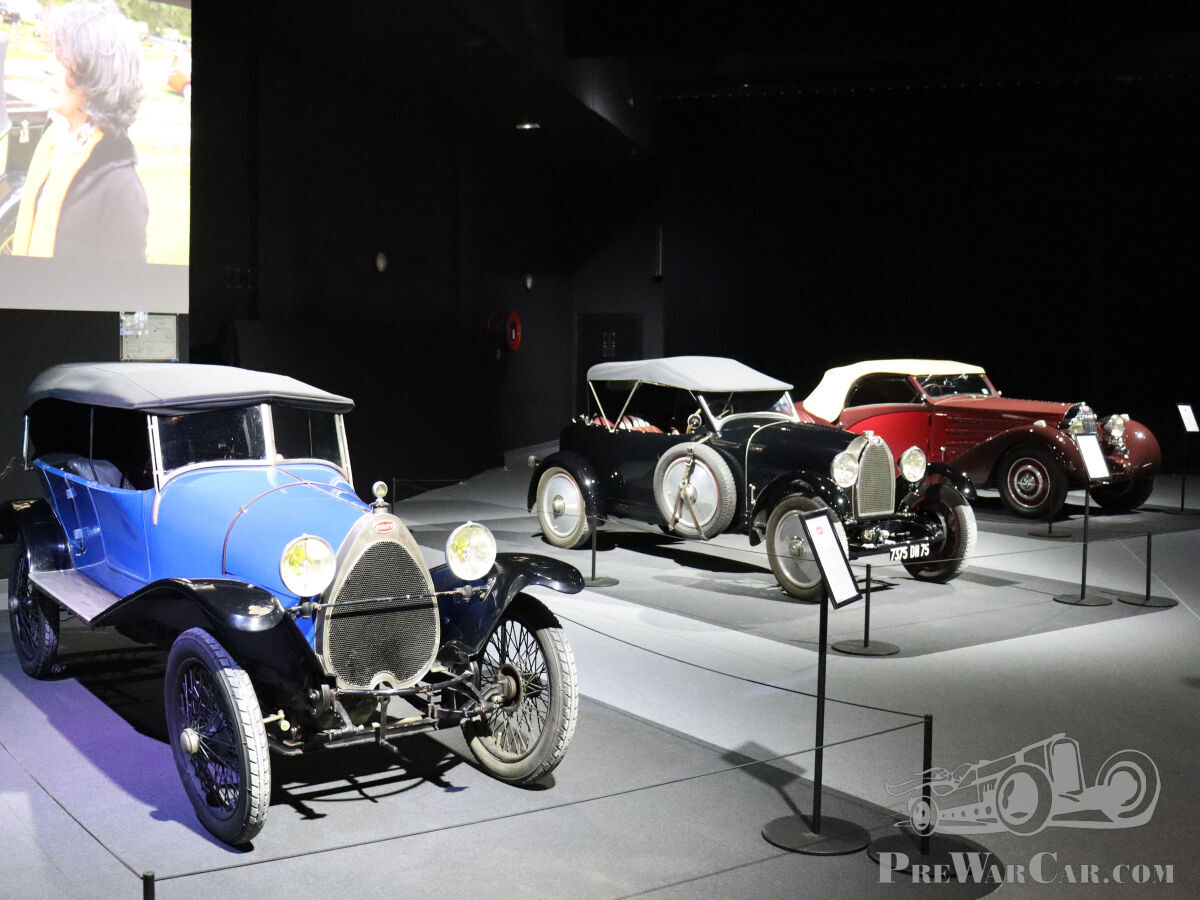
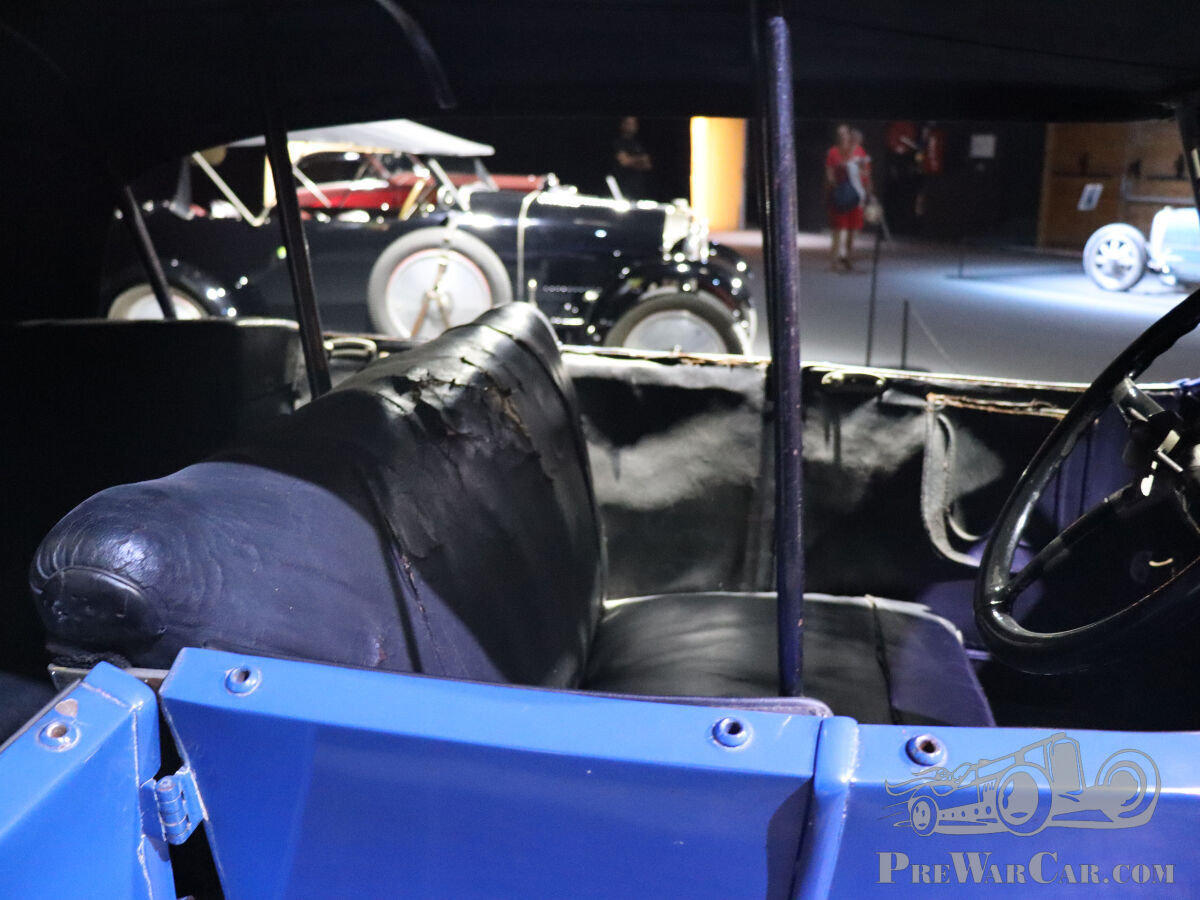
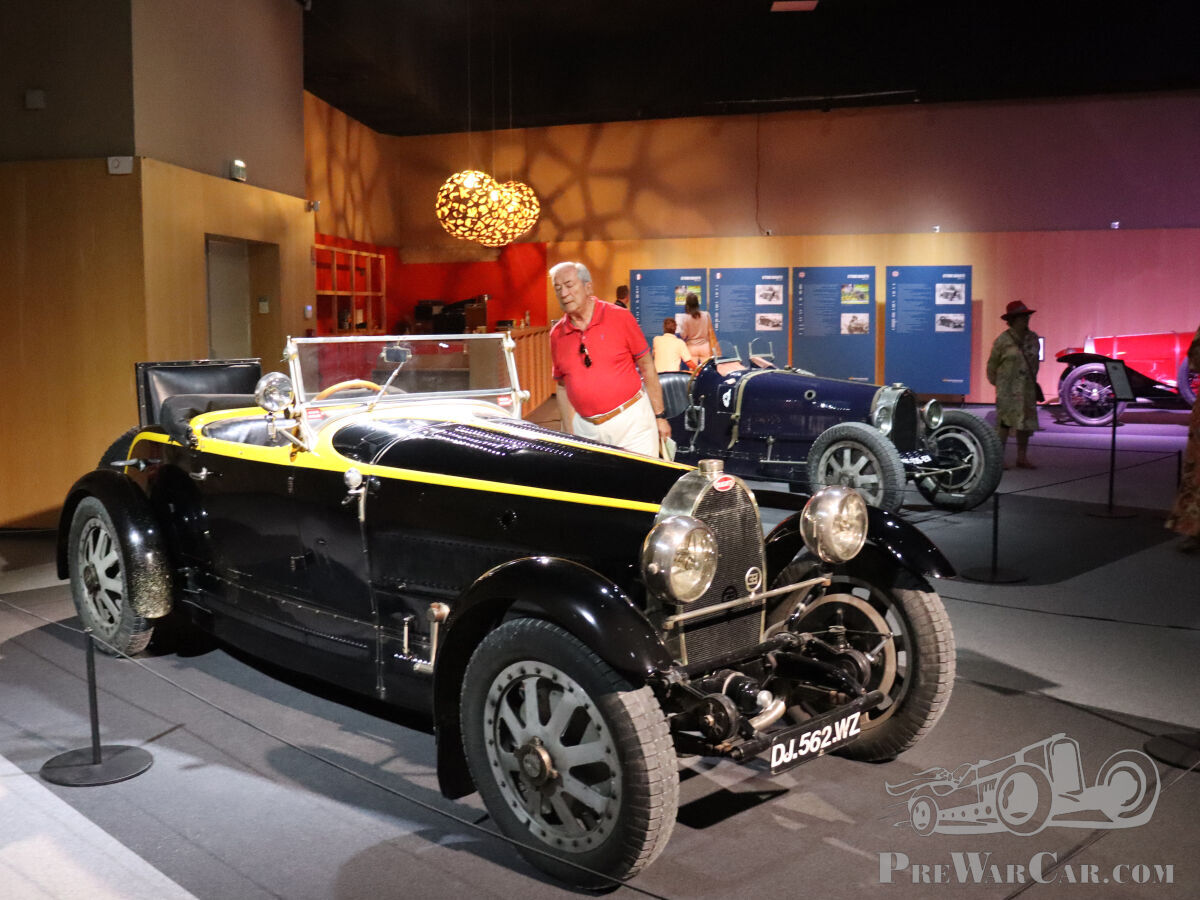

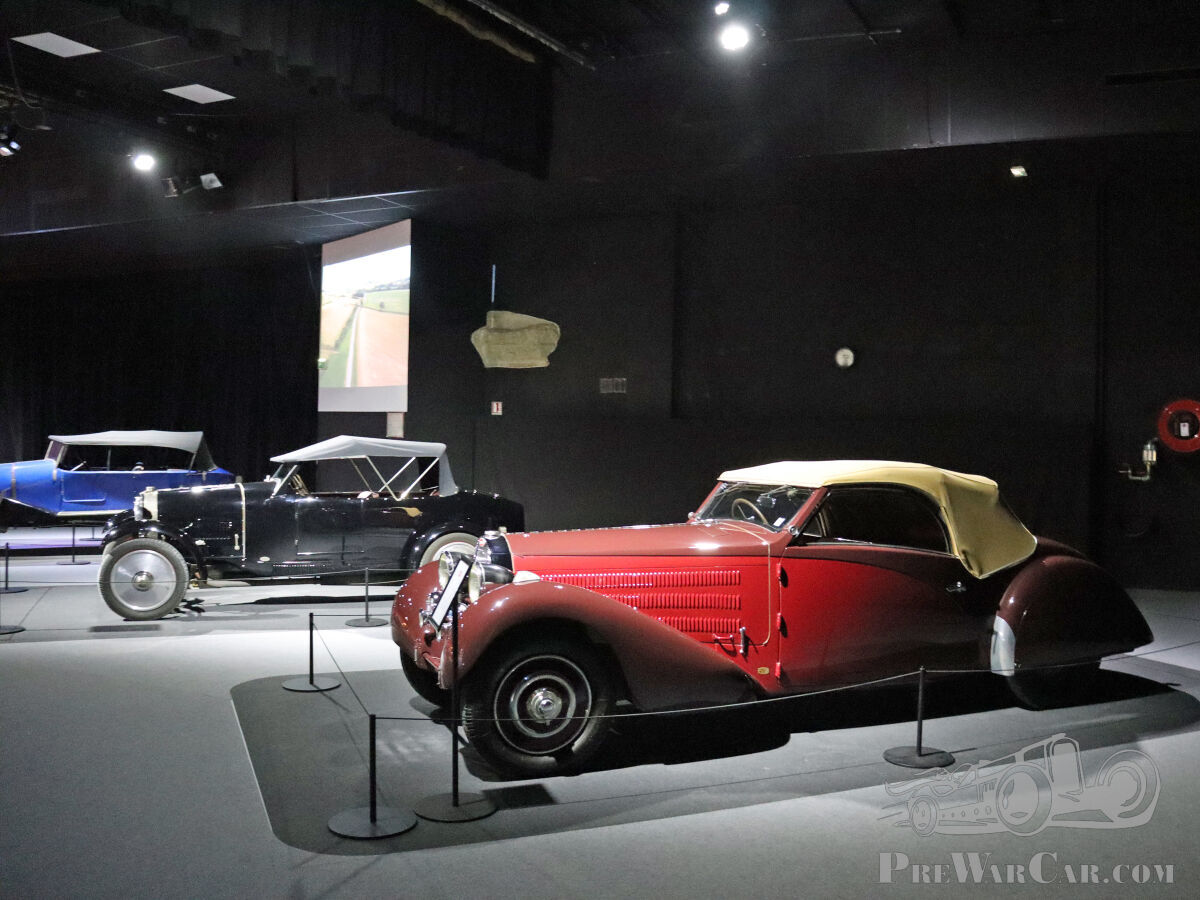
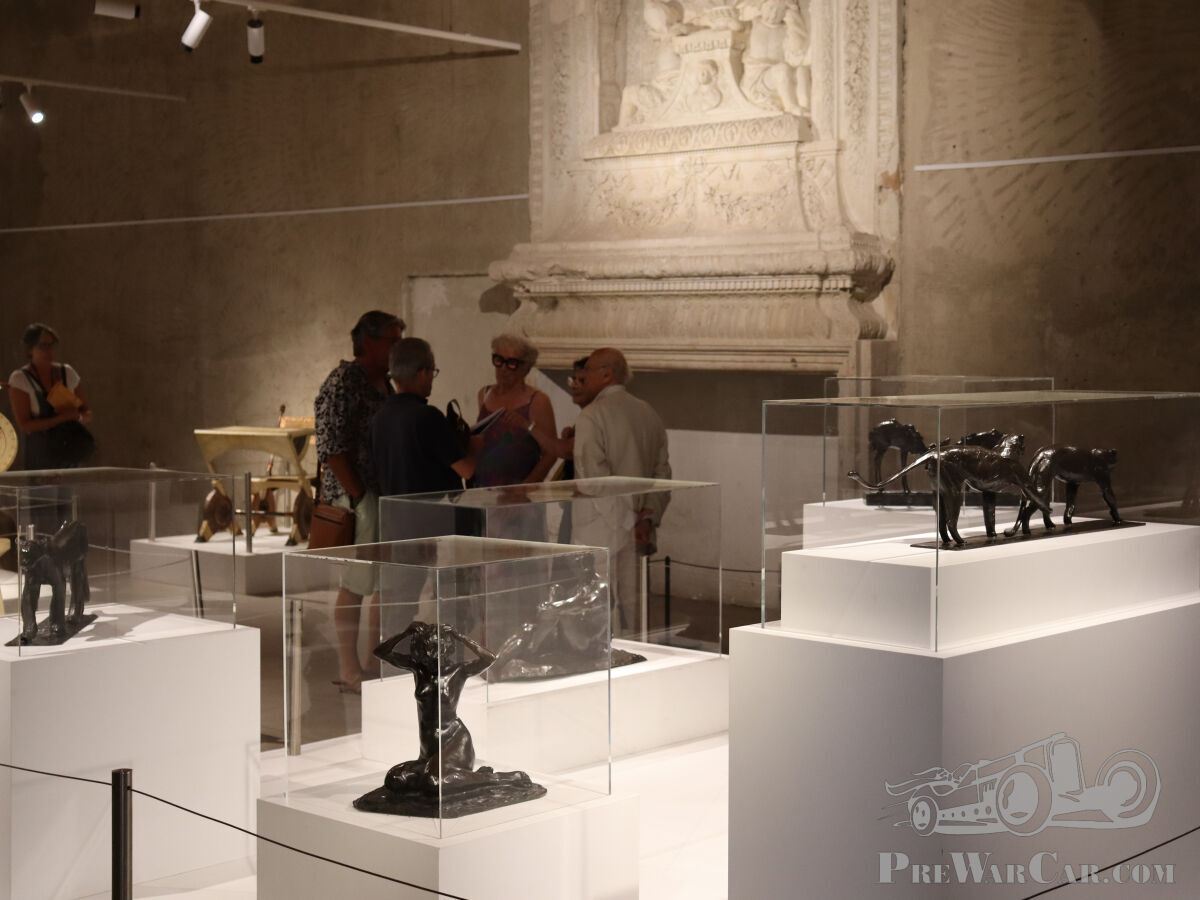
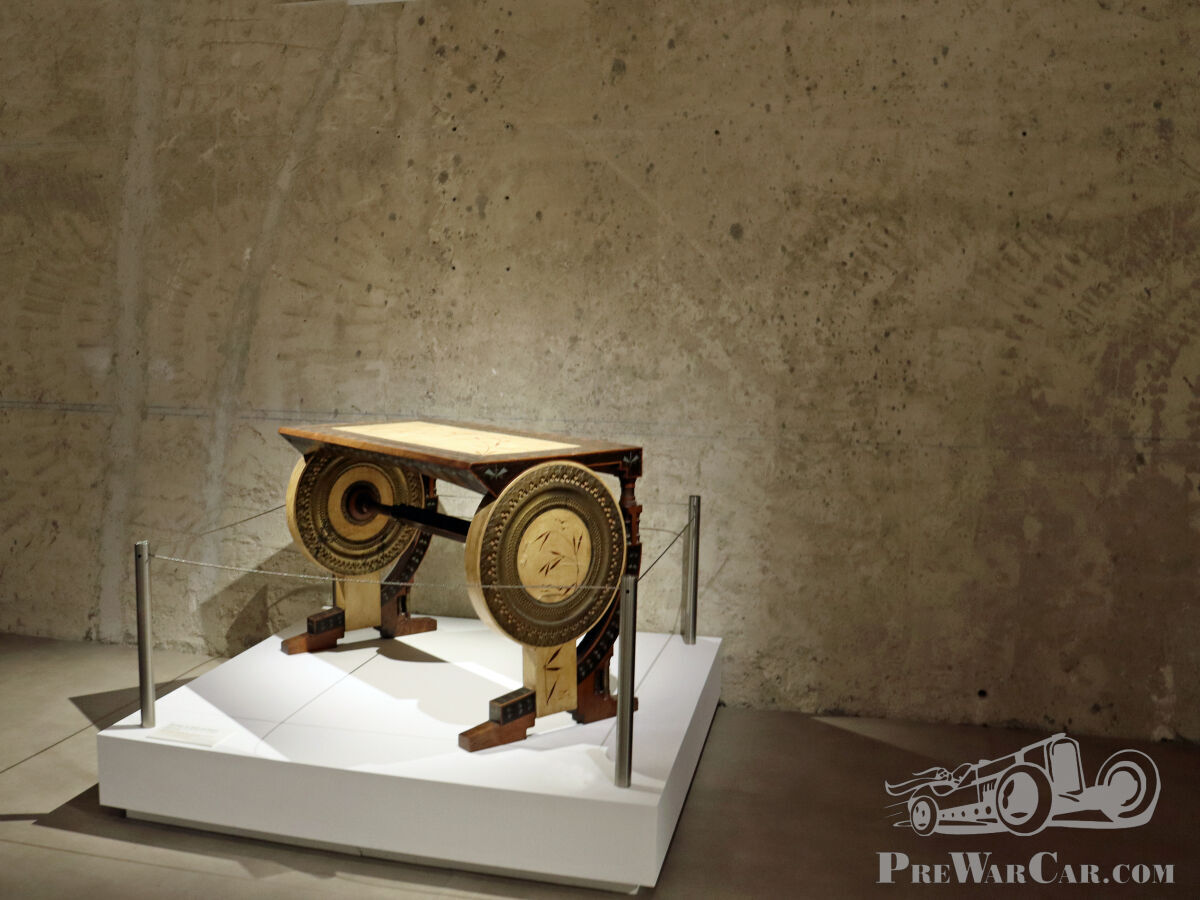
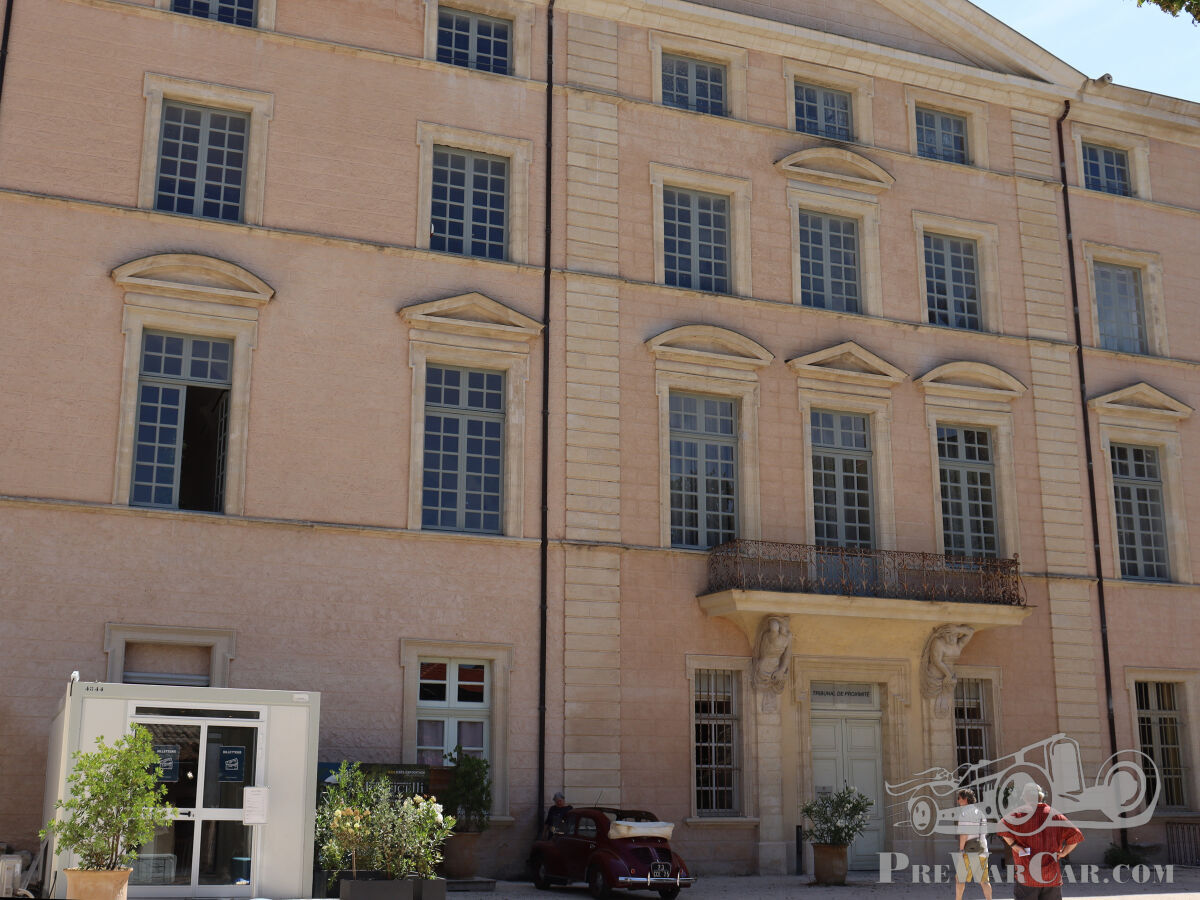


If, like me, you are visiting the south of France this summer, there is one place that should definitely be included on your agenda: Uzès, a mediæval town, close to Nîmes and Avignon. It was not just the cathedral, the castle or the beautiful houses that we set out for, though; it was the exhibition about that most artistic of families, the Bugattis—father Carlo and sons Ettore and Rembrandt—that drew us most strongly and irresistibly to the area.
We were met on a sunny morning by the organiser of the exhibition, François Melcion. As founder and former director of Salon Rétromobile, he is no stranger to the old car world but, from the enthusiasm he displayed, you'd have thought it must have been his first exhibition. The passion and energy with which he talks about both his daily car, a Renault 4CV cabriolet, and his experiences with Bugattis, is infectious.
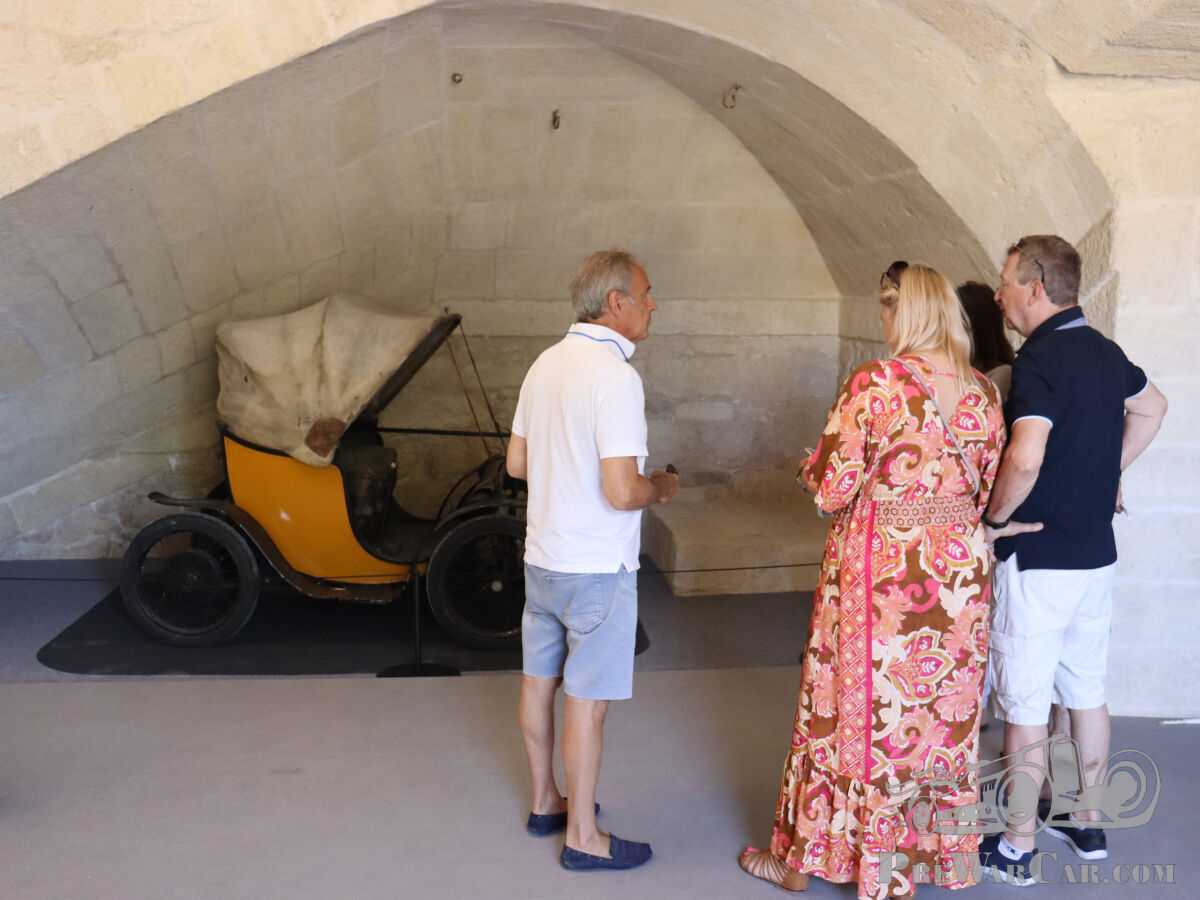
Walking into Uzès's historic museum, we immediately bump into a Type 56, an electric runabout of which only a few remain. This one, driveable and all, is the only example of the model which is in a private collection. We are clearly in the right place here. While François enthusiastically gives a group of tourists some explanations about the car, I look at the large hall and the massive stairs. It's a beautiful building, ideally suited to an exhibition space.
Ettore Bugatti
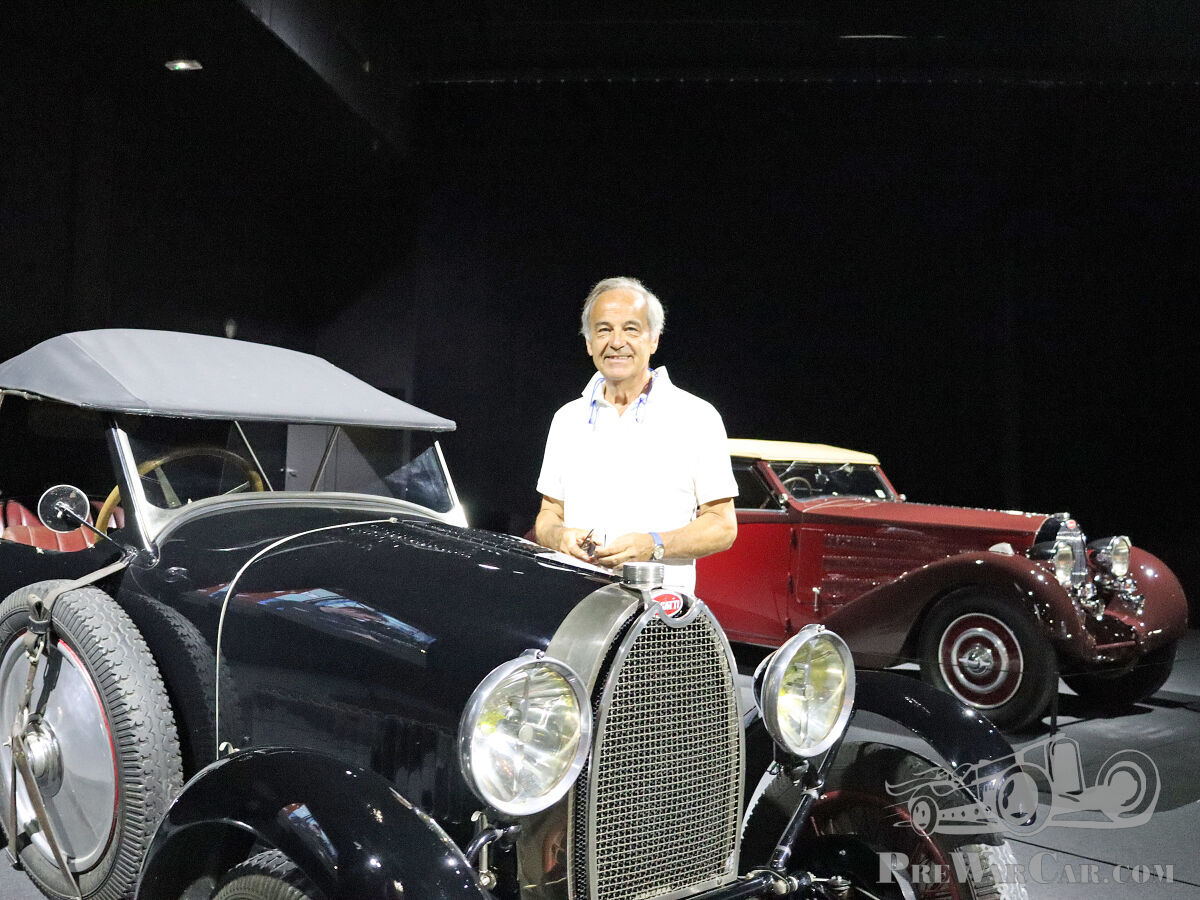
The door to the left leads to a hall which with a rather a different atmosphere. Instead of drawing attention to the architecture, this hall is darkened with black cloths and the lighting is focussed on the collection of automobiles: nine Bugatti models in total, so typical of Ettore's work. François tells us that his inspiration for the display came from the Baillon Collection exhibition staged by Artcurial during Rétromobile a few years ago. Displayed in such a manner, there was nothing to detract from the beauty of the cars, which led to higher prices during the auction.
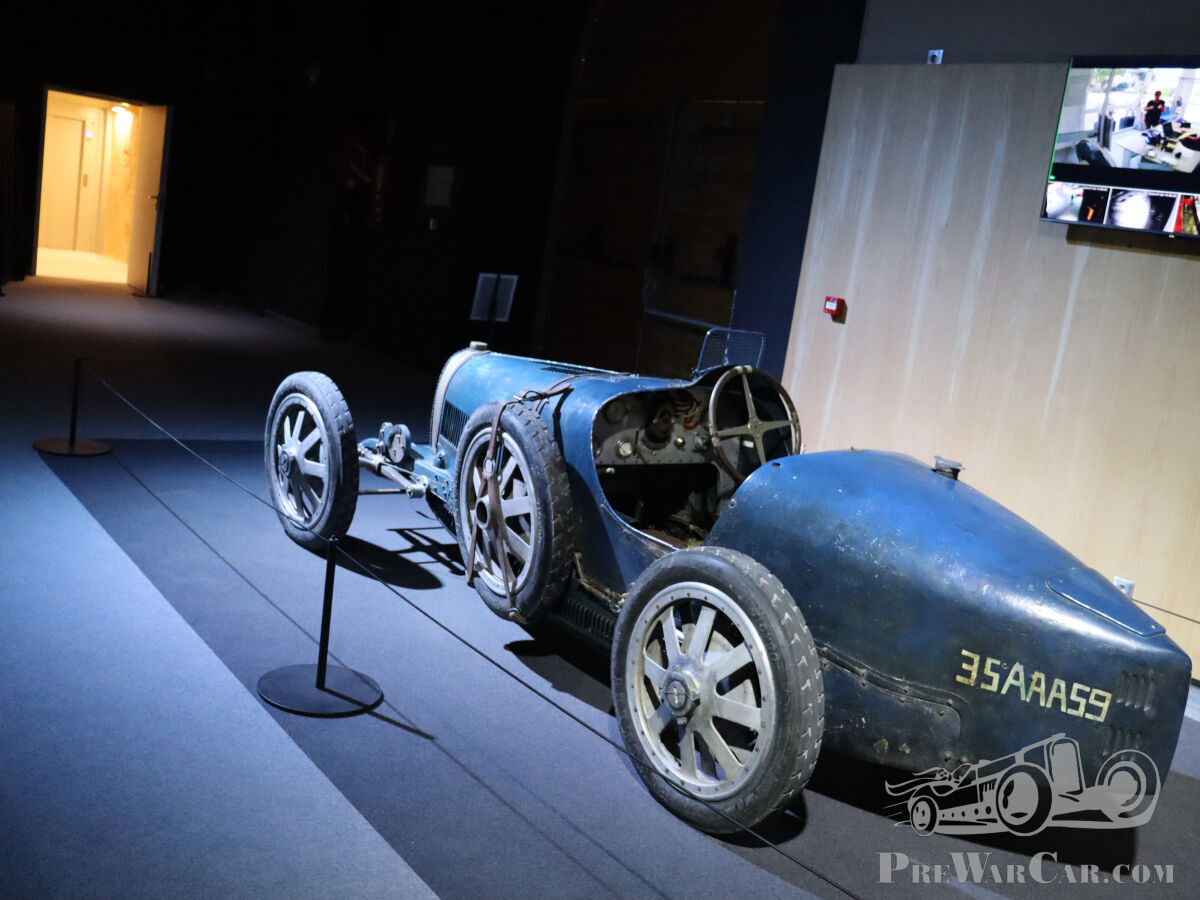
On this occasion, the cars are not for sale. The Type 40 belongs to François himself, and the others to friends from France and the Netherlands. The first one we come across is an early Type 35, which won the Grand Prix de Lyon in 1924 and which we still regularly see racing at events. Besides this Grand Prix star, there is also a later Type 35B on display from 1929. Against the back wall we see a striking Type 30 torpédo, which has Lavocat et Marsaud bodywork. It's a very long, yet elegant car which won some concours in period.
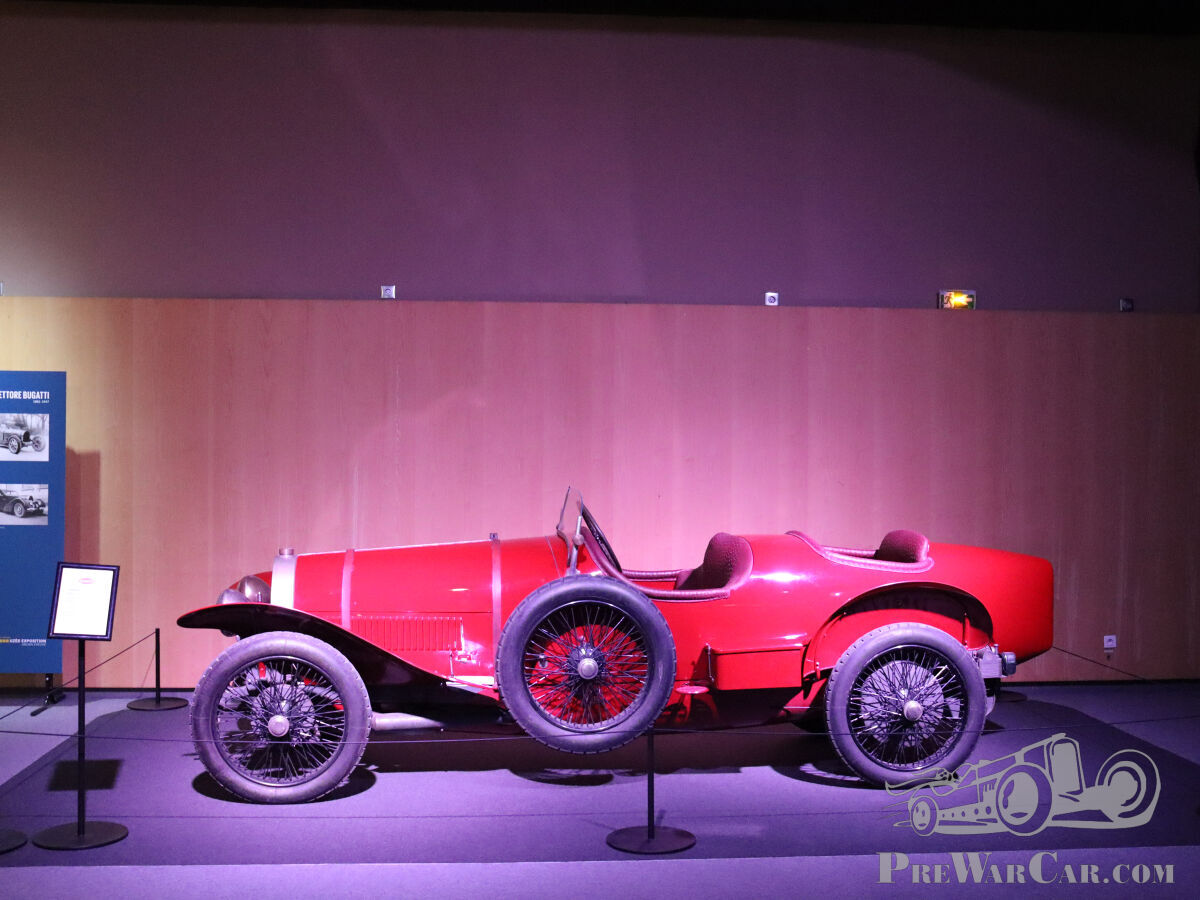
A fiacre body should not be absent—the harmonious meeting of style and functionality has, in my opinion, never been more apparent. I am not disappointed, either, for I very soon come across a beautiful Type 40. Between the Type 40 fiacre and the torpédo that belongs to François himself, is a late Brescia, a Type 23 three-seater, with a very original interior. The engine seems to be of a racing specification but, unfortunately, we have no opportunity to take it for a test run. The row ends with a Type 57 Stelvio convertible. Like the fiacre, the Stelvio was a body designed in Molsheim.
An equally impressive car that we are very excited to see is the Type 43 which was delivered to King Leopold of Belgium in 1930. The is one of those cars that looks as if it ought to be always in motion, tearing up the road, but it nevertheless fits in in this more serene setting. François tells us that he believes it is important that cars are used, not just museum pieces, and the Bugattis shown here are used a lot. After all, if you want a Bugatti simply to look at, you need a Rembrandt, not an Ettore. However, seeing the Ettores on display next to the Rembrandt sculptures provides a useful contrast, and shows very clearly what profuse and diverse talents flowed from the Bugatti family.
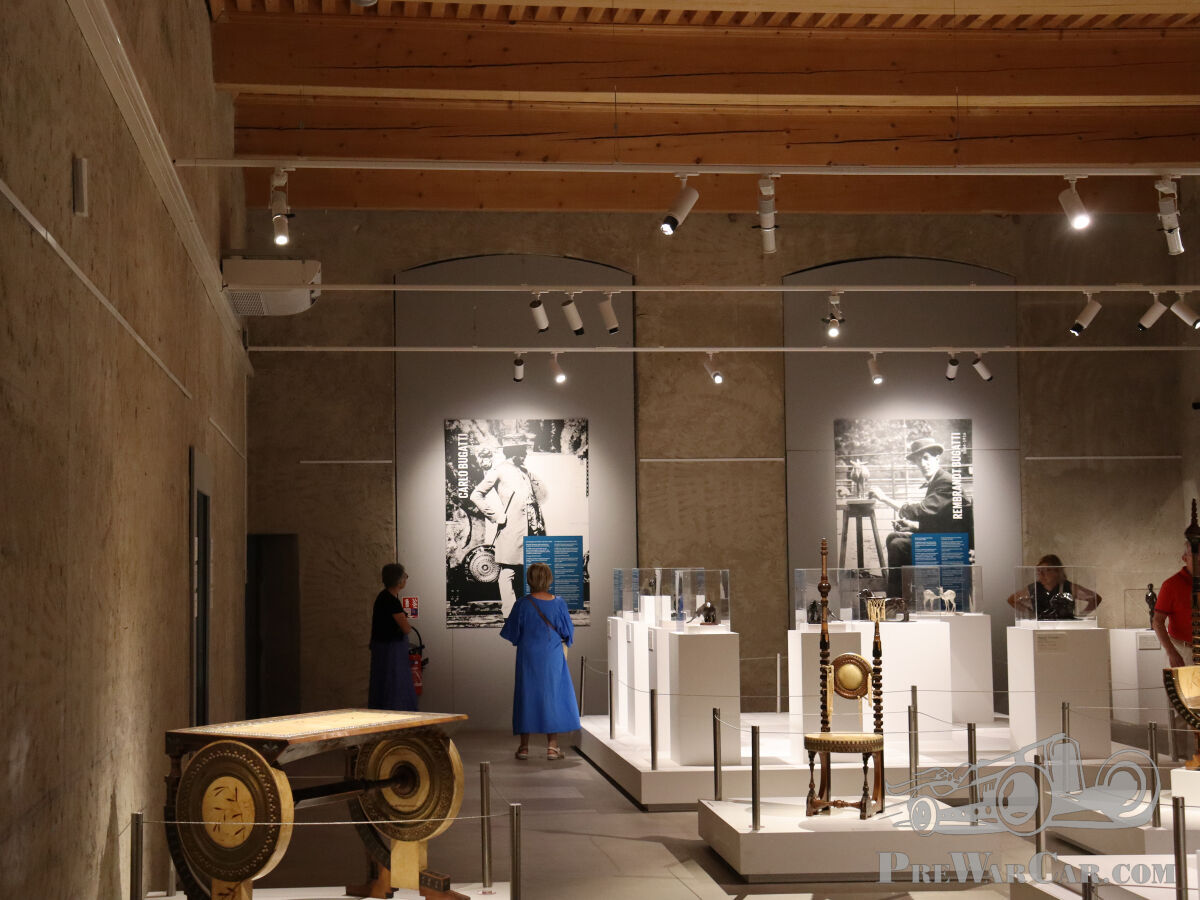
We return to the massive stairs and follow François towards the first floor of the cool building. The high rooms, with beautiful ceilings, are very effective at showing off all the art on display. A different style of presentation has been chosen by François and his friend co-organiser, Marc Stammegna, art collector, enthusiast and expert.
Rembrandt Bugatti
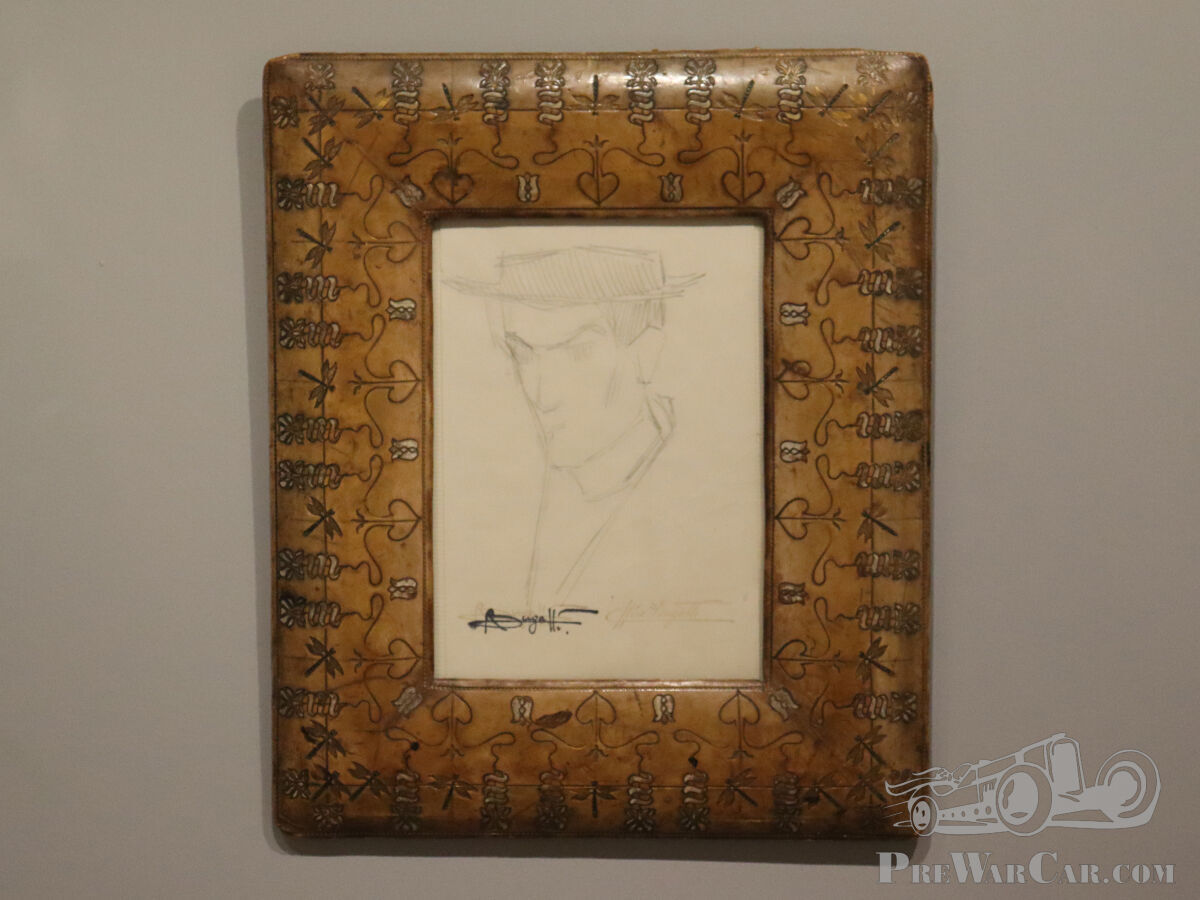
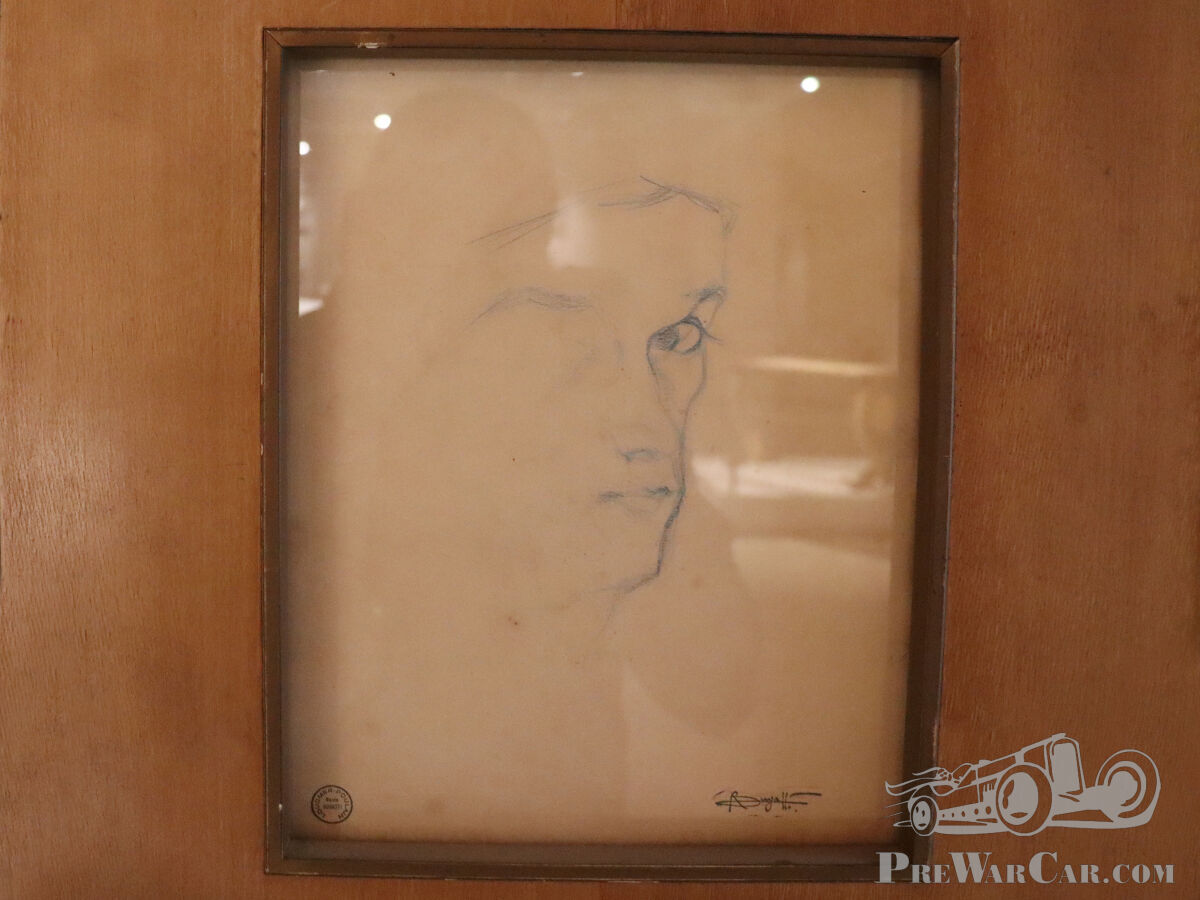
As a newcomer to Bugatti artworks, I my initial surprise soon turns to amazement. Full of enthusiasm, François shows me one of Rembrandt's self-portraits, made when he was around 26 or 27 years old. It is the portrait of a powerful, intelligent and keen-eyed young man. Another nice touch is that the frame for it was made by Carlo, the furniture-maker. Next, our passionate guide takes us to a self-portrait completed two months before Rembrandt's suicide, at the age of 31. The powerful energy is gone from his face and he seems to be half-fading away.
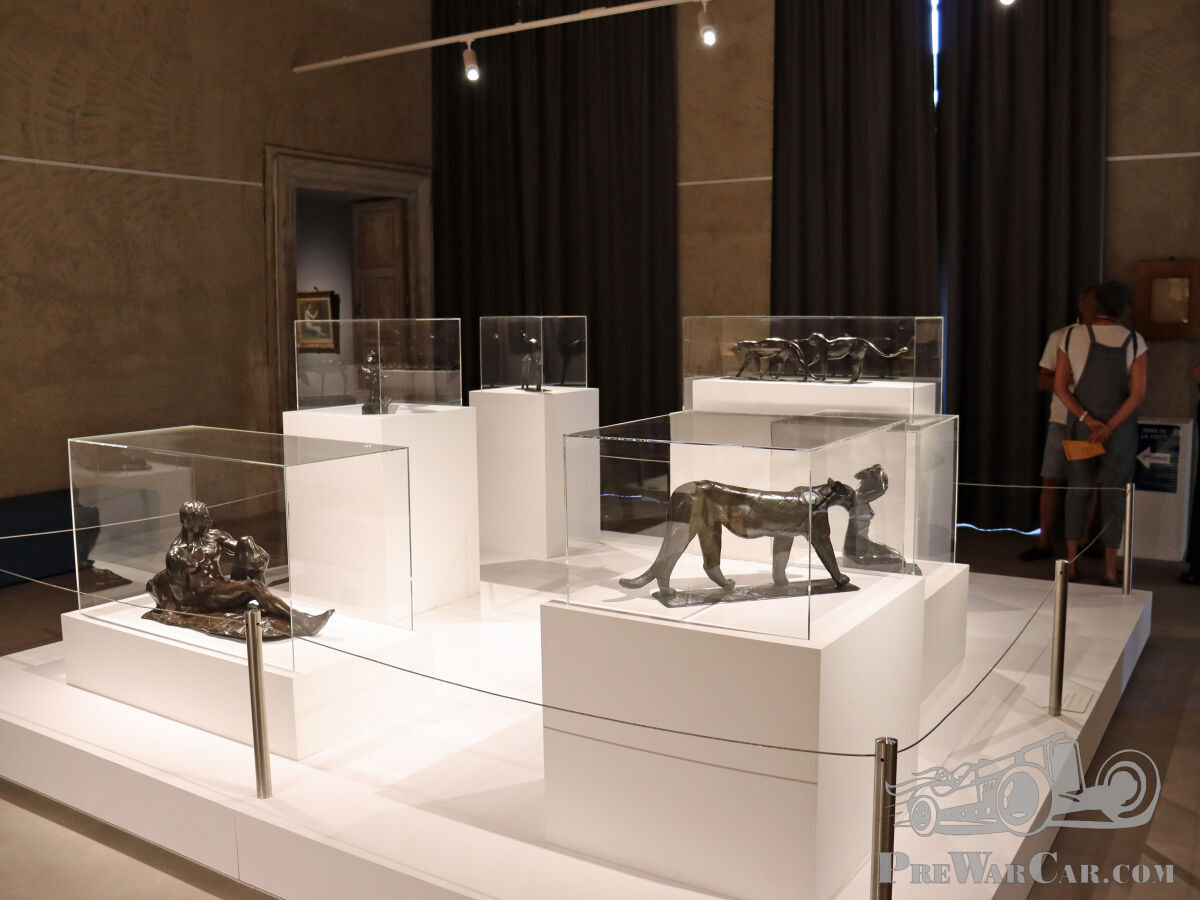
Rembrandt Bugatti was born into the family of artists a few years after Ettore, and seems to have been an introverted man who interacted more easily with animals than people. This is reflected in his art, as he created many animal sculptures. The elephant mascot he made for the Royale was already familiar to me but there are so many more beautiful sculptures besides. In the exhibition, we see several elephants, but also a dachshund, and sculptures of people. Our favourite, however, is a small sculpture of a walking ostrich, part of a series of 20.
François tells us here that the collection was assembled from several private individuals and that originality was always a consideration. Rembrandt had an exclusive agreement with Adrien Hebrard, who numbered each statue, and noted their measurements as well as their weights. This made it very difficult to produce or sell exact replicas.
Carlo Bugatti
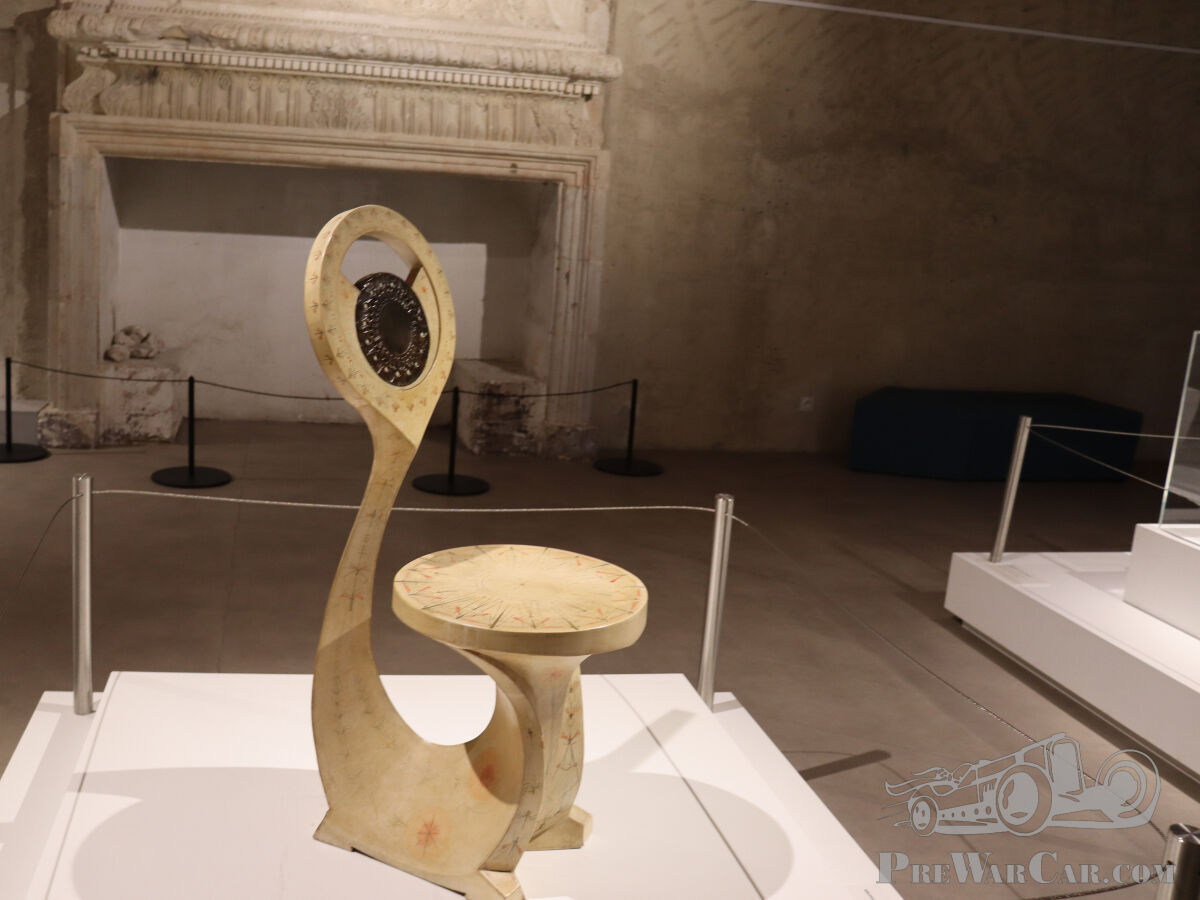
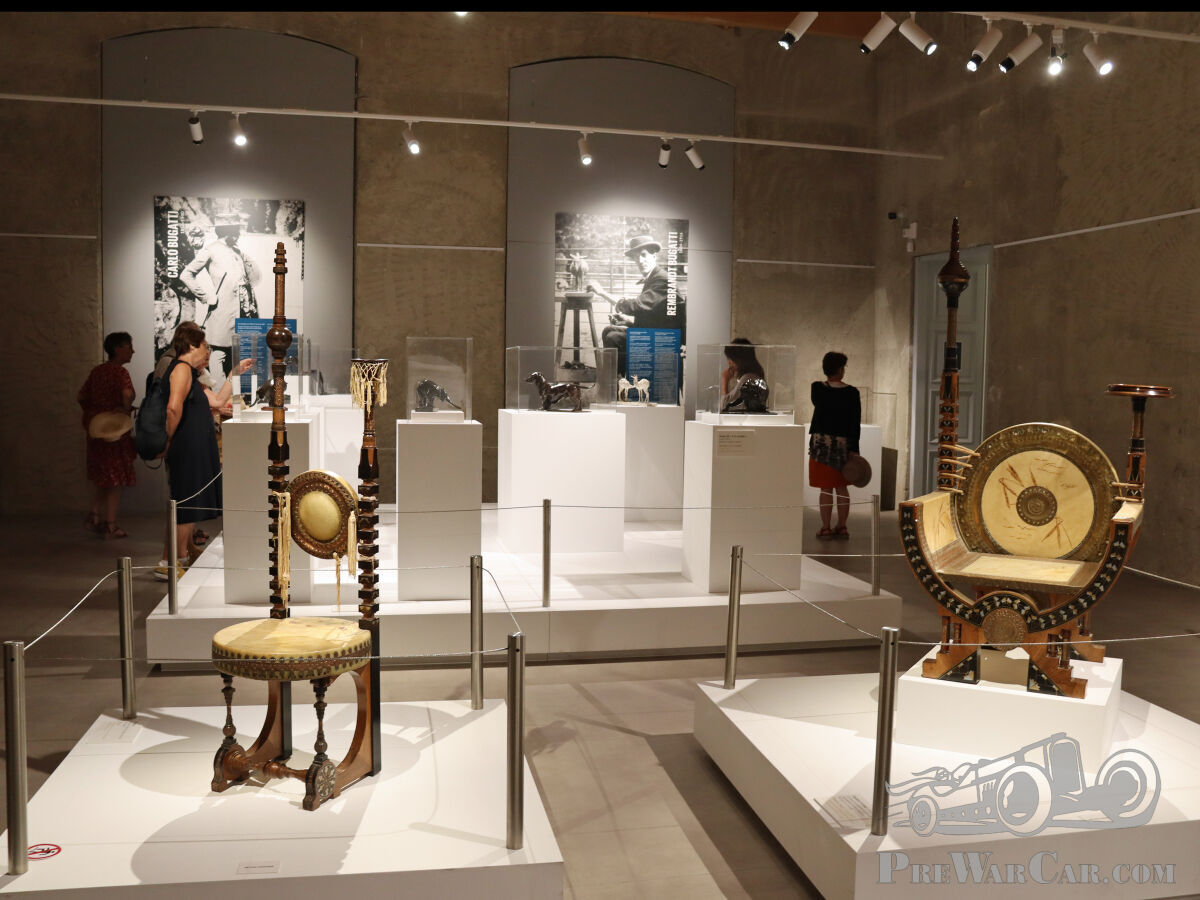
We walk further down the hall and read on the info sign about Carlo Bugatti, the father, a man of many abilities but best-known for his furniture. The son of an architect, the young Italian was infatuated with the desire to create. He had his own style which most would say was ahead of his time, as François shows us the Cobra chair presented at the Turin Exhibition in 1902. Besides being a work of the most exquisite sculpture, the chair was intelligently functional. Its shape was designed to prevent the user's clothes from creasing.
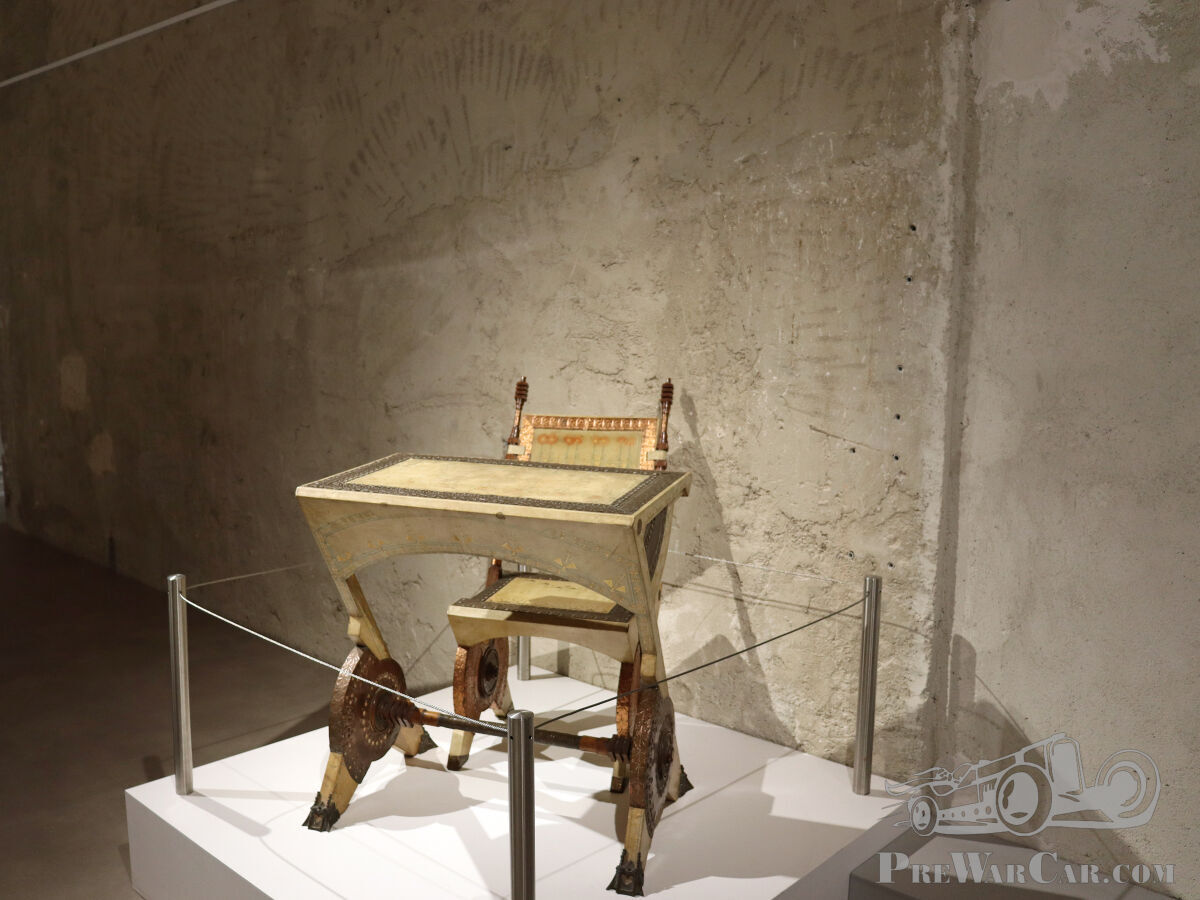
Whereas Ettore let functionality and beauty walk hand-in-hand, this was not always a requirement for Carlo. The writing tables he crafted are breathtakingly beautiful, pure works of art, but that is perhaps all—one would struggle to find any utility for them, and the same might be said for some of his chairs, or, should we say, thrones.
Carlo's style is reflected in the frame around his son's self-portrait discussed earlier, and even he made silver bowls and cutlery. The materials he used, such as ivory and copper, lent themselves to some very extravagant designs. Although Ettore's philosophy that form must not override function was not entirely shared by his father, father and son clearly had moments mutual sympathy. For instance, we are told that the Cobra chair was the inspiration for the famous Bugatti radiator.
Besides the Bugatti exhibition, there is also a room with Monticelli paintings. This is well worth seeing in itself, though we need not describe it here. We conclude our visit to Uzès with a walk around the old town and lunch in the mediæval square. As the market stalls break down, we reflect on how wonderful it is that history is shared and accessible to all. I, being relatively unfamiliar with Bugatti art, now have a very different picture of the artistic family, and I can recommend a visit to anyone. Remember, should you see a red 4CV convertible parked outside the door, be sure to pin down its enthusiastic owner and ask him lots of questions!
The exhibition Bugatti - une dynastie de createurs runs till October 13th in Uzès, next to the cathedral. For more information, please visit their website.
Words by Laurens Klein
Published:
Wednesday July 31st, 2024
Facebook
LinkedIn
Twitter
WhatsApp
Email
Copy
Comments
Richard
05 August 2024, 23:39
Laurens Klein
06 August 2024, 15:26
Hi Richard,
Well, the building and city will still be there but the cars and art will go back to the owners. I believe they have an annual exposition so most likely there will be some other art to see.
Read more
Well, the building and city will still be there but the cars and art will go back to the owners. I believe they have an annual exposition so most likely there will be some other art to see.
Mike Harrel
04 August 2024, 14:14
Thanks for the article as I will be in the area in October and will certainly visit the museum. However, your link didn't work for me. Here is the link I found: https://www.uzes.fr/loisirs-et-sorties/uzes-exposition/billetterie-uzes-exposition-iii
Read more
Jean Paul Jacques
04 August 2024, 12:50
François Melcion has put together a magnificent exhibition of the Bugatti family. I was there at the same time as you. Monticelli was an avant-garde painter and the precursor of Impressionism!
--‐------------
Magnifique exposition de la famille Bugatti concoctée par François Melcion, j'y étais en même temps que vous...
Le peintre Monticelli était un peintre avant-gardiste et est le précurseur de l'Impressionisme !
Read more
--‐------------
Magnifique exposition de la famille Bugatti concoctée par François Melcion, j'y étais en même temps que vous...
Le peintre Monticelli était un peintre avant-gardiste et est le précurseur de l'Impressionisme !
Keep up the great work.