The global magazine and marketplace for classic car enthusiasts, by enthusiasts.


Filter
Classic S.C.A.P. for sale - S.C.A.P. cars for sale
-

1936 Austin 7 Ruby | Brightwells | Auction Ends: Wed 24th Jun
Highly original with a wonderful history file; a proper time capsule; further photos and details to follow -
1925 Bean 14HP Tourer | Brightwells | Auction Ends: Wed 24th Jun
Bean 14 HP Tourer; Member of the Bean Car Club; 1,701cc engine; converted to 12 volts; showing just 5 owners in totalUp for auction is a 1925 Bean 14HP, a true vintage vehicle and a rare piece of British automotive history. This delightful beige example, currently owned since August 2024, has had five former keepers and boasts a 1,.. -
1928 Austin 7 Chummy | Brightwells | Auction Ends: Wed 24th Jun
In the current ownership for 17 years; expertly restored in c.2002 by Ray Edge and only 1,100 miles since; in light regular use; full set of weather gear; original number plate; very smart indeedUnveiled in October 1922, the Austin Seven did not go on sale until early-1923 and was initially only available as a two-door, four-seat t.. -
1921 AC Empire | Brightwells | Auction Ends: Wed 24th Jun
From a deceased estate; current owner 50+ years; last driven about seven years ago; Anzani engine; bespoke coachwork based on an AC prototype; interesting history file; further details to follow -
1927 Austin 20/4 Drophead Coupe | Brightwells | Auction Ends: Wed 24th Jun
In regular use and driven 20 miles to the sale; an impressive example of this powerful and dependable Austin Austin introduced its big 20hp model in 1919, a car heavily influenced by the Hudson Super Six that Herbert Austin drove during the war.Incorporating many of the Hudson features that had so impressed the Austin boss, .. -
1910 Buick Model 10
Beautiful 1910 Buick Model 10 RunaboutThis was the first mass-produced Buick. It was marketed as a "light 4-cylinder roadster for gentlemen" and quickly became one of Buick’s bestsellers.Its respectable performance of 22.5 hp from the 4-cylinder “valve-in-head” engine with a 2.7-liter displacement earned it the nickname "The White ..


S.C.A.P.
France, 1912 – 1929
SA des Automobiles S.C.A.O., Billancourt, Seine; Boulogne-sur-Seine; Courbevoie, Seine
SCAP cars (Société de Construction Automobiles Parisiennes) were best known for the engines they supplied after World War 1 to the manufacturers of assembled cars, but SCAP cars also made a few cars of their own. Initially, they offered five SCAP carmodels, all sv monobloc fours between 8CV and 15CV, the smallest SCAP carwith 3 forward speeds. The SCAP cars had Ballot engines. These pre-1914 SCAP cars were notably successful in hill-climbs and other competitions, and sports versions SCAP cars were sold. After making aero-engines during the war, the SCAP car firm introduced their SCAP Type L 10CV, which SCAP car was still a conventional small four except for its rear suspension, which consisted of two linked half-elliptics, and a transverse cantilever spring pivoted at its centre to the chassis. The Type M SCAP car of 1923 was a typical baby car of the time, with an 1.100cc engine. Around 1924, the 1½-litre Type O SCAP car replaced the 10CV, but from then on until 1927, the SCAP car firm devoted most of its efforts to making engines for other people’s cars. The last new SCAP car was the 2-litre, ohv straight-8 of 1929.
Source: Georgano, encyclopedia of motorcar; TRN
The information is written with the greatest of care. However, if you have any suggested amendments please contact us at office@prewarcar.com


Featured
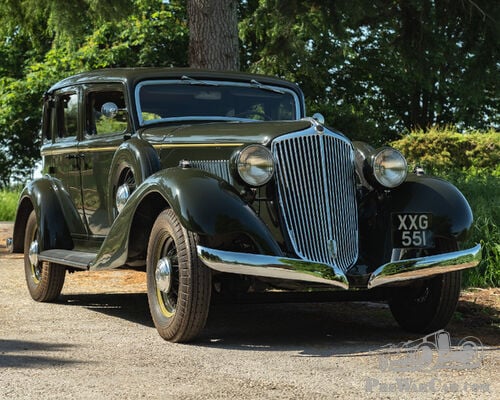
Graham Model 64 Standard Eight 'Blue Streak'
UK Registration No: XXG 551Chassis No: 1801069MOT: ExemptH&H ClassicsKelham Hall | Newark, Nottinghamshire

Lagonda LC Tourer 1934
The Lagonda story began in 1901 in Staines, a small town in the UK. The company enjoyed its greatest successes around 1935. During this period, the..

Alfa 6C1750 Spider
Alfa 6C1750 Spider with complete history from delivery in 1930 to first owner in Firenze till today with copy Libretto/license plate all the years