The global magazine and marketplace for classic car enthusiasts, by enthusiasts.


Filter
Classic Albion, Marquette for sale - Albion, Marquette cars for sale
-

Marquette 1930 – 4 door sedan. Only year made .
Previous owner bought it in the seventies . Took it apart and newer came ahead with the restoration . Fairly complete . very sound body . original upholstery. New radiator core . Danish registration document. Original literature and many copies. Original photos , from when he drowe it home by its own power . EUR 3.900.. -
1901 Albion A1 Dogcart 8HP Twin Cylinder - VCC Dated
1901 Albion Model A1 8HP Twin Cylinder Dog CartRegistration No. BS8677Chassis No. 45E Established in 1899 in Finnieston Street Glasgow by Dr Thomas Blackwood Murray and Norman Fulton, the Albion Motor Company were once the largest provider of commercial vehicles in the British Empire. Albion were famed for their relia..


Albion
GB, 1900 – 1913
Albion Motor Car Co Ltd, Scotstoun, Glasgow
Still active as a truck manufacturers within the Leyland Group, Albion was founded at the end of 1899 by T. Blackwood Murray and Norman Fulton, late of Arrol-Johnston and their early products were dogcarts with varnished-wood bodywork much in the Arrol-Johnston idiom, with 2-cylinder opposed-piston underfloor engines, low tension magneto ignition, and Murray’s patent governor. Wheel steering replaced the tiller in 1902, and a year later Albion began production of a 16hp vertical-twin which was made for many years, usually with solid tyres, and often with shooting-brake bodywork. ‘Cars for country houses’, especially Scottish ones, were a speciality of the house, though rather less rustic was a side-valve 5.6-litre chain-driven four introduced in 1906. This 24hp model had a seven-year production run. The last Albion passenger car was a 15hp Monobloc four with side valves in a T-head and worm drive, which sold for £475 in 1912. At the end of 1913 Albion elected to concentrade on commercial vehicles, though large shooting brakes using the 15hp engine continues to be made.
Source: Georgano, encyclopedia of motorcar; MCS
The information is written with the greatest of care. However, if you have any suggested amendments please contact us at office@prewarcar.com
The Marquette was an American Automobile built by The Buick Motor Car Co. in Flint, Michigan from 1929 to 1931. It was introduced as a new smaller Buick and designed to bridge the price gap between Buick and Oldsmobile.
In the late 1920s there was a trend toward companion cars. In 1925 Nash introduced the Ajax-Nash, in 1927 Overland began production of the Whippet and that same year REO introduced the Wolverine. Cadillac brought out the LaSalle and Studebaker produced the Erskine. So on June 1, 1929 Buick introduced the Marquette at Buick dealers.


Featured
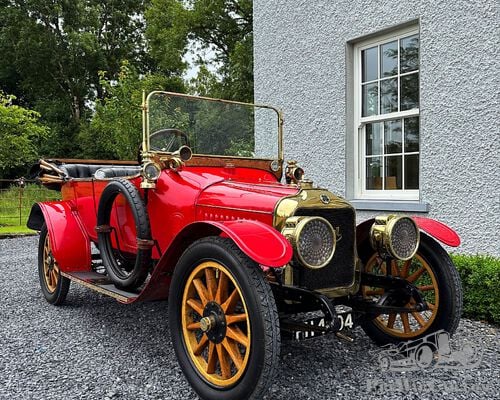
1914 Brasier
1914 Brasier Tourer 9ABrasier were a French manufacturer who were in business from 1901 until 1930, when the company became victim of the gr..
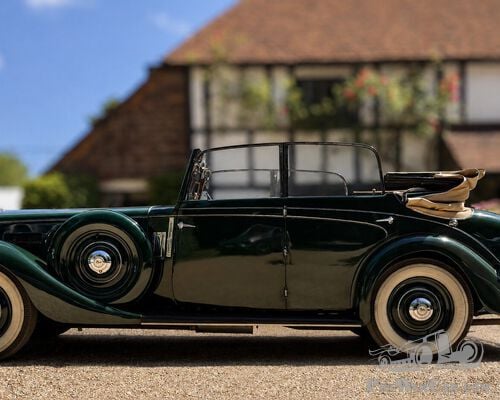
1936 Armstrong Siddeley 20/25 Cabriolet with Tickford coachwork by Salmons & Sons, Newport Pagnell
This exceptionally rare Armstrong Siddeley 20/25 Cabriolet with original Tickford coachwork by Salmons & Sons of Newport Pagnell was first reg..
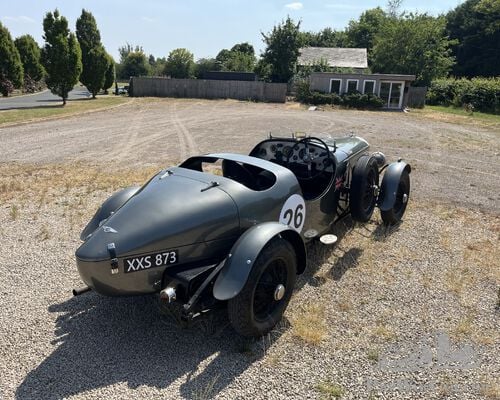
Derby Bentley Special 4-1/4
Sadly i am having to sell on my Bentley special ( Icarus) A great opportunity to be able to buy a Derby special to finish with your own touch..