The global magazine and marketplace for classic car enthusiasts, by enthusiasts.


Filter
Classic Armstrong Whitworth for sale - Armstrong Whitworth cars for sale
-

1886 Benz Patent Motor Wagen Replica
1886 Benz Patent Motor Wagen Replica.Chassis number: TBARegistration number: TBAVintage and Prestige Fine Motor Cars are proud to be offering this 1886 Benz Patent-Motorwagen Replica for sale. The Benz Patent-Motorwagen (or motorcar), built in 1886, is widely regarded as the world's first automobile. The original cost of the vehic.. -
Austro Daimler AD6 Restoration project
Austro Daimler AD6 open tourer restoration project. More details on application...Looking also for all spare parts of AD six cylinder 6-17 or ADV. -
1938 Rolls-Royce 25/30 Park Ward 4dr Allweather Cabriolet GGR54
An unusual, very stylish and possibly unique open car, of interesting and particularly handsome design, being relatively sleek, with spats to the rear wheels, quarter bumpers to the rear, twin side-mounted spare wheels, louvred bonnet & scuttle and ‘dropping’ waistline moulding, all complemented by a correct set of lamps and long trumpet hor.. -
1934 Invicta S Type by Carbodies
‘Invicta Cars’ was founded and run by the successful businessman, Noel Macklin. He was born in 1886, educated at Eton and in the Great War served as a Captain in the Royal Horse Artillery. He was wounded and invalided out in 1915. He established the Invicta Company in buildings on his estate in Cobham, Surrey in 1925. He had the financial backin.. -
1930 Rolls Royce Phantom 2 Three Position Drophead
1930 Rolls Royce Phantom 2 Three Position DropheadChassis number: 92GYRegistration number: DD1411Ordered new in April 1930 & delivered to Coachbuilders Barker & Co in August of that year: A one off sports torpedo body was erected on the chassis with slight ungainly enourmous rear wings which conceled the spare wheels.. -
1949 Bentley Mark VI Shooting Brake
1949 Bentley Mark VI Shooting Brake - Offered at: $139,90071,536 MilesVINB91FU4257cc Inline 64 Speed ManualRoyal BlueTan LeatherFrom the 1920s onward, it was not uncommon to see Bentley cars commissioned for work on wealthy owner's estates, their rugged, reliable and ye.. -
1933 Aston Martin 12/50 Le Mans
Built as a 4-seat 12/50 and sold new to Mrs Armstrong in Northumberland, BME 119 covered well over 300 miles from the Aston Martin factory in Feltham to its first home. As was often the case with early Aston Martins, Mrs Armstrong had the car modified from standard before delivery; in this case to take extra passengers in the rear by extendin.. -
Rolls-Royce Phantom III Windovers Sedanca de Ville
The Rolls-Royce Phantom III has an extremely smooth and silent V-12 engine. Phantom III #3CM1 with its substantial Sedanca de Ville body by Windovers is a well representing, striking and classic Rolls-Royce. The car was repainted long ago, but the paint is still very shiny and needs hardly any TLC. The interior is very original and has attractiv..


Armstrong-Whitworth
GB, 1906 – 1915
Sir W.G. Armstrong, Whitworth and Co Ltd, Newcastle-upon-Tyne
This famous North Country engineering firm had previously manufactured the Wilson-Pilcher car, which was still being made in 1904-1905. The first Armstrong-Whitworth as such appeared in 1906, with T-headed oversquare 4-cylinder engines, low-tension magneto ignition, 4-speed gearboxes and shaft drive. By 1908 production was concentrated on a solid 7.7-litre 40 costing £789 in chassis form, this being joined a year later by a smaller Armstrong-Whitworth 18/22 of 3.4-litres’ capacity with a 5-bearing crankshaft. Pressure lubcrication and a Monobloc engine were features of the Armstrong-Whitworth company’s 191 2.4-litre model and the five types listed in 1912 ranged from a 2.7-litre Armstrong-Whitworth 15-20 up to a big 5.1-litre six with 4-speed gearbox, dual magneto ignition, a power tyre pump and optional electric lighting – the chassis cost £950. At the outbreak of World War 1 Armstrong-Whitworth were marketing three L-head fours, the biggest of which was a 3.8-litre Armstrong-Whitworth 30/40 with a 10ft 6in wheelbase, as well as an enlarged 5.7-litre version of their 6-cylinder Armstrong-Whitworth 30/50. Their solid reputation and workmanship was transferred after the war to the Armstong Siddeleys produced as a result of the merger with Siddeley-Deasy of Coventry, though no more cars were built at the Newcastle factory.
Source: Georgano, encyclopedia of motorcar; MCS
The information is written with the greatest of care. However, if you have any suggested amendments please contact us at office@prewarcar.com



Featured
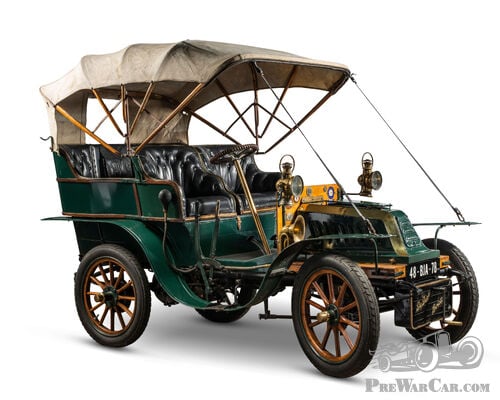
De Dion Bouton Type z in good running condition
De Dion Bouton Type Z from 1905. The car is in good condition, works and runs well. Serie number 36. Engine number 18190. French Carte grise.
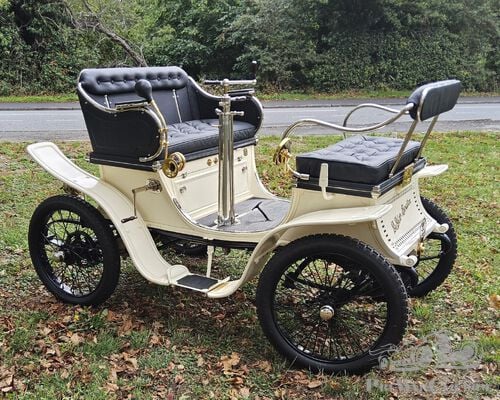
1902 De Dion Bouton Vis-a Vis 4.5 H.P. Reg No. Y123 V.C.C. Cert No. 1649
1902 De Dion Bouton Vis-à-vis 4.5 H.P.Reg. No. Y132 V.C.C. Cert No. 1649Beautifully presented and completely restored following an ex..
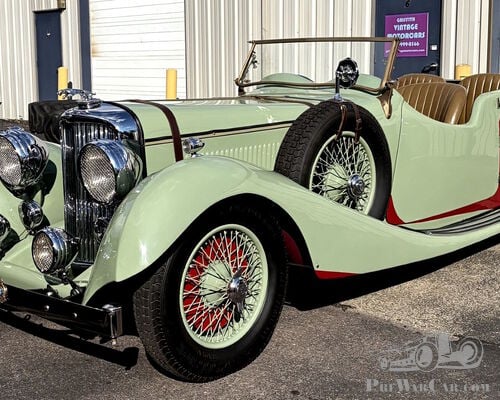
Just completed - Concourse Restoration
Just completed. Concours restoration. Stunning. Ordered from the factory with SS100 headlights. Original factory Suede Green exterior with Olive Gr..