The global magazine and marketplace for classic car enthusiasts, by enthusiasts.


Filter
Classic Detroit Electric, Murray for sale - Detroit Electric, Murray cars for sale
-

1909 Detroit Electric Model D, Type K Brougham | RM Sotheby's | The Hershey Auction
To Be OFFERED AT AUCTION at RM Sothebys' The Hershey Auction event, 7 - 8 October 2026. $120,000 - $160,000 USD Believed to be the earliest surviving Detroit Electric automobileOne of two with the early double chain drive known to existOlder restoration in charming condition Detroit Electric stands tall amon.. -
1937 Detroit Electric Model 99 Coupe | RM Sotheby's | The Hershey Auction
To Be OFFERED AT AUCTION WITHOUT RESERVE at RM Sothebys' The Hershey Auction event, 7 - 8 October 2026. Offered Without Reserve | $50,000 - $75,000 USD The latest intact Detroit Electric in existenceAn extraordinarily rare, very late-production modelA marvelous, quirky combination of two eras of designStill in ..


Detroit Electric
US, 1907 – 1938
(1) Anderson Carriage Co, Detroit, Mich., 1907 – 1910
(2) Anderson Electric Car Co, Detroit, Mich., 1911 – 1918
(3) Detroit Electric Car Co, Detroit, Mich., 1919 – 1938
One of the best-known electric automobiles built in the United States as well as one of the most long-lived, the Detroit Electric car reached its peak in production and sales between 1912 and 1920. The Detroit-Electric success was largely due to the demand by women for a simple car for urban use. More than 1000 Detroit Electric cars per year were sold up to World War 1, but production tapered off in the 1920s. A few Detroit Electrics with Renault-type bonnets were made under licence by Arrol-Johnston in 1913/ 1914. In 1920, the old-fashioned appearance of the Detroit Electric cars was modified by the introduction of false front which made the Detroit look more like a conventional car. In the early 1930s, production of Detroit Electric cars was cut to individual orders, and bodies for the more conventional-looking cars were obtained from Willys-Overland, complete with the horizontal bonnet louvres. The earlier design of the Detroit Electric, however, with rounded battery covers, fore and aft, was also available. Only a handful of Detroit Electric cars were produced annually after 1935. Some of the last Detroit Electric cars used the Dodge bonnet and grille.
Source: Georgano, encyclopedia of motorcar; KM
The information is written with the greatest of care. However, if you have any suggested amendments please contact us at office@prewarcar.com
Murray
US, 1902 – 1903
Church Mfg Co, Adrian, Mich.
The Murray car was a light runabout on similar lines to the Curved Dash Oldsmobile, built by a former Olds engineer. The Murray car had a 6hp single-cylinder water-cooled engine, epicyclic gearbox and single chain drive. About 1.000 Murray cars were produced before the makers turned to a larger car, the Lenawee.
US, 1916 – 1918
Murray Motor Car Co, Pittsburgh, Pa.
The Murray Eight with its V8 motot and Rolls-Royce style of radiator, was a prestige car of the World War 1 period and the Murray car sold at a reasonable price and had an enviable clientele of owners and enthusiasts. The Murray cars featured both an electric clock and a slanted windshield as early as 1917.
Source: Georgano, encyclopedia of motorcar; GNG, KM
The information is written with the greatest of care. However, if you have any suggested amendments please contact us at office@prewarcar.com



Featured
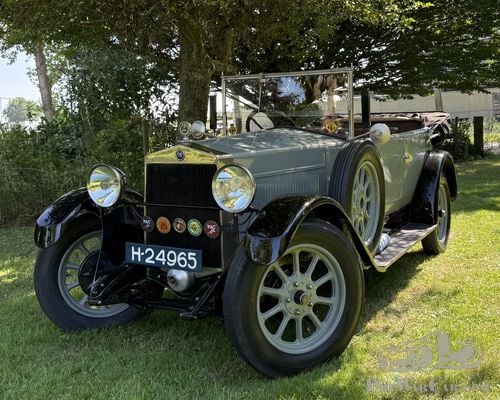
Fiat 509 Torpedo / Spider – Exceptionally Original and Complete
A Rare and Highly Original Example with Long-Term Dutch HistoryOffered for sale is an exceptionally original and remarkably complete Fiat 50..
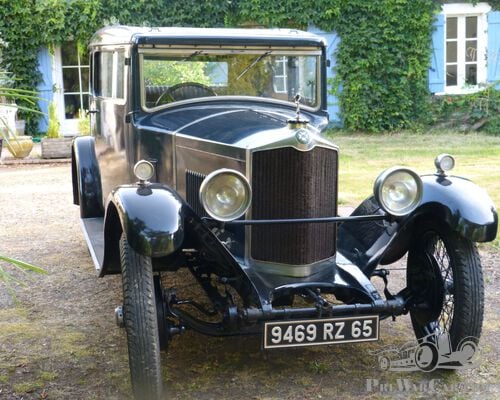
2-door 15.7hp six cylinder saloon
The car is a 6-cylinder 2-door saloon described as the "Sportsman's coach built coupé". Only three of this model are known to have survived. I have..
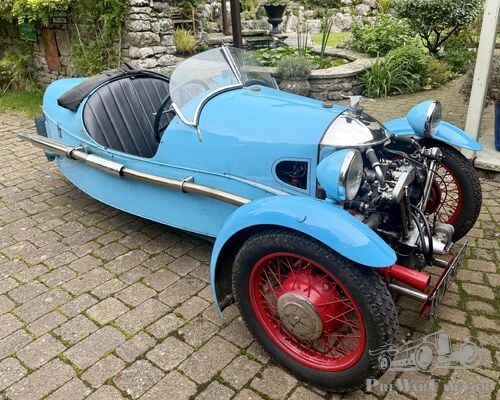
1933 Morgan Three-Wheeler Super Sports, Beetle Back • Show-Specification Car
First registered24 March 1933RegistrationXJ 6336 - original and transferableChassis numberD174Engine numberDTZE 94 H 31..