The global magazine and marketplace for classic car enthusiasts, by enthusiasts.


Filter
Classic Ariès, Donnet/ Donnet-Zédel for sale - Ariès, Donnet/ Donnet-Zédel cars for sale
-

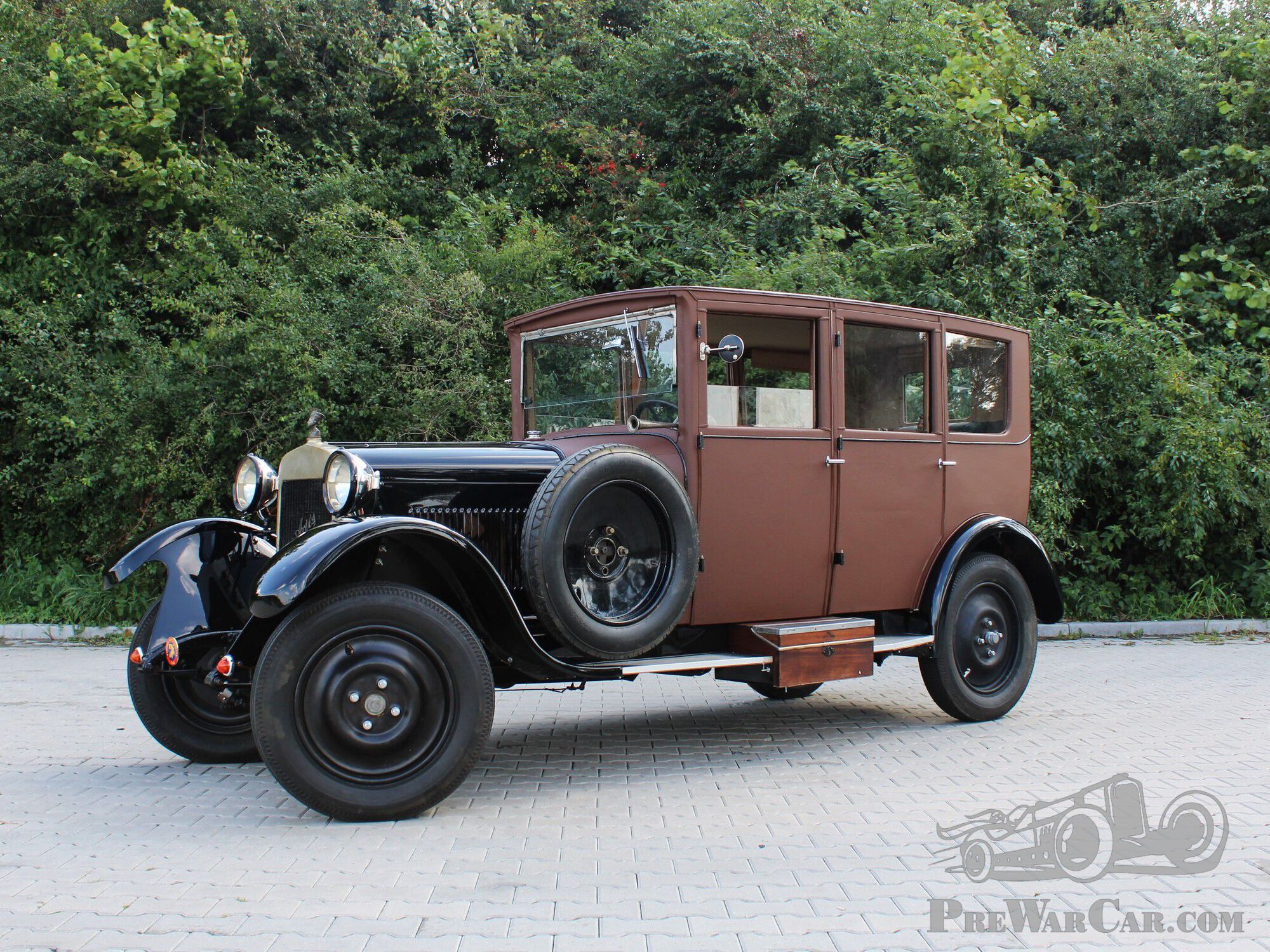
Aries CC4S Saloon 1925
Aries CC4S Saloon 1925 Company HistoryThe Ariès was built in Villeneuve de La Garenne and was the initiative of Baron Charles Petiet, who founded the company in 1902.In its early years, Ariès produced luxury cars where the chauffeur and the important/wealthy passengers sat separately. Later, in 1910, Ariès began producing c..
Ariès
France, 1903 – 1938
SA Ariès, Courbevoie, Seine
The first Ariès motor vehicle was the delivery truck of 1903, which was powered by an Aster 2-cylinder engine. The Paris Salon of that year saw the first Ariès car, which was also Aster-powered. It was designed by Baron Charles Petiet. These Ariès were unremarkable machines, except for the feature of De Dion-type drive, the rear wheels being driven by shafts above a ‘dead’ axle. Not all Ariès were so furnished; some Ariès models were available with the choice of live axle or chain drive. By 1905, 4-cylinder Ariès cars as well as a twin were listed. Engines were still by Aster. 1908 brought a six and a narrow V4 engine of 60mm x 100mm, so compact that it was mistaken for a single and in 1910 Ariès catalogued the smallest 6-cylinder car in the world. All models had De Dion-type drive. The production of commercial Ariès vehicles took precedence over passenger cars towards the end of the decade. One Ariès for sale of the 1913 range, following the fashion, used a Knight double sleeve-valve engine.
After making Hispano-Suiza engines during World War 1, Ariès went back to cars, but still in a small way. Among the longest-lived models were the Ariès 15CV for sale and its close relative the Ariès 12CV, touring cars using a 4-cylinder sv engine with a cubic capacity of around three litres, and a 4-speed gearbox. From 1922 there was an Ariès Sport model with overhead camshaft and front wheel brakes. The smallest Ariès, the 5CV Ariès Type CC2 was worthy of more attention. It had a single overhead-camshaft engine of 1.085cc and (from 1924) four forward speeds. The 1929 Ariès CC4S sports model, with two plugs per cylinder, was a fast car. The Ariès 15CV was still there, but by the end of 1930 both it and the Ariès CC4S had gone, making way for the 1½-litre Aries CB4 and its successor the slightly bigger Ariès CC4N, current until 1934. The 4-cylinder, 10CV Ariès Super of 1934-1938 boasted a 2-speed rear axle.
Source: Georgano, encyclopedia of motorcar; TRN
The information is written with the greatest of care. However, if you have any suggested amendments please contact us at office@prewarcar.com
Donnet / Donnet-Zédel
France, 1924 – 1934
SA des Automobiles Donnet, Nanterre, Seine; Neuilly, Seine, Pontarlier, Doubs.
After Zédel and Vinot et Deguingand ceased production, Donnet, a new company constituted from them in 1924, offered two new cars called Donnet-Zédel. A light car was made, the 7CV Donnet-Zedel Type G, which had a side-valve 4-cylinder engine of 1100cc and (unusual for so small a vehicle) a 4-speed gearbox. It was a solidly-built machine, and a Donnet-Zedel sports model was listed. There was, in addition, a medium-sized four of about 2¼-litres. From 1926, the Donnet-Zedel firm came to concentrate upon a 2½-litre six, also with side valves, which proved a popular car. Another, smaller six with 1.3-litres (later 1.8-litre) Sainturat-designed engine was also offered by Donnet-Zedel. In the 1932 range however, was a new small Donnet-Zedel car in the shape of a 750cc 2-stroke. This, a violet design, had been sold as the Dequingand until 1930. A fwd 2-litre 6-cylinder Donnet-Zedel, shown at the 1931 Paris Salon came to nothing. With the demise of Donnet, Simca took over the Donnet-Zedel factory.
Source: Georgano, encyclopedia of motorcar; TRN
The information is written with the greatest of care. However, if you have any suggested amendments please contact us at office@prewarcar.com


Featured
Rolls-Royce
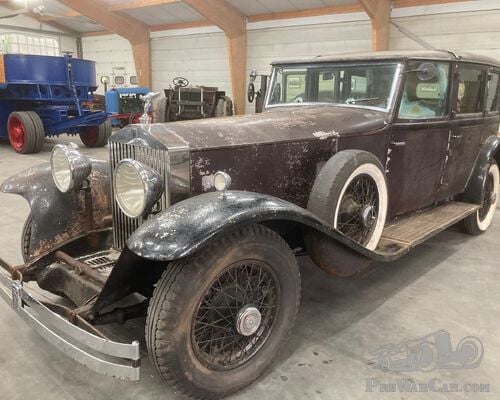
Rolls-Royce Phantom ll chassisnummer 287 AJS. bouwjaar 1932, Links gestuurd, Brewster Keswick Sedance Towncar

Lagonda LC Tourer 1934
The Lagonda story began in 1901 in Staines, a small town in the UK. The company enjoyed its greatest successes around 1935. During this period, the..
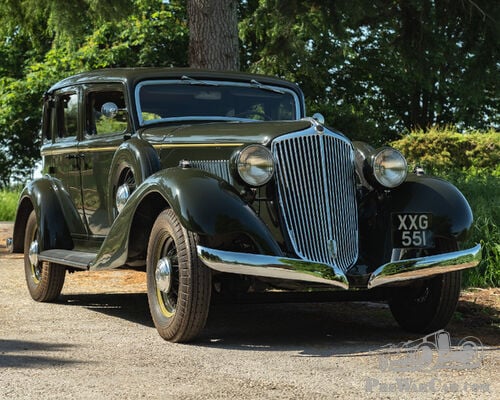
Graham Model 64 Standard Eight 'Blue Streak'
UK Registration No: XXG 551Chassis No: 1801069MOT: ExemptH&H ClassicsKelham Hall | Newark, Nottinghamshire