The global magazine and marketplace for classic car enthusiasts, by enthusiasts.


Filter
Classic Gardner for sale - Gardner cars for sale
-

1935 MERCEDES BENZ 200 W21 LWB CABRIOLET
1935 Mercedes Benz 200 W21 LWB Cabriolet Chassis number: 108020Registration Number: Applied for. Produced in 1935, this very rare Mercedes cabriolet is the enbodiment of teutonic quality manufacturing. The Mercedes 200 W21 was in production between 1933 and 1936 as the successor to the W02. This W21 is o.. -
Chrysler B70 Phaeton 1925
Very nice Chrysler, in good running order.Older Quality restoration.Powerfull engine.Hydraulic BrakesBeautiful color combination ,Leather interior. -
1939 Latil Mk I Road Tractor | Brightwells | Auction Ends: Tue 18th Aug
Very rare pre war French machine; four wheel drive and steering; Frank Galliers of Shrewsbury livery Further details to come - toby.service@brightwells.com -
1927 Scammell 100 Tonner Tractor Unit | Brightwells | Auction Ends: Tue 18th Aug
An important part of British engineering and transport heritage; one of just two Scammell 100-tonners built and the only survivor in running and driving order; affectionately know as 'Leaping Lena'; arguably the most significant surviving British heavy haulage vehicle Initially conceived after the need arose for UK built Kit.. -
1936 Bugatti Type 57 Atalante
1936 Bugatti Type 57 Atalante. We have two available, both with european papers. Both are fully matching numbers with complete history from day one. Qualified principals please call Richard Biddulph 0044 7967 260673 for full details. -
Alfa Romeo RL Special Racer
Alfa Romeo RL Special, 6cylinders 2500ccm Jaguar SS100 Type engine & transmission, Rolling chassis from the twenties, friction brakes.Chassis is a period chassis adapted to the dimensions of an Alfa Romeo RL, similar to the front and rear axles.The bodywork is newly made from aluminium.Engine & transmis.. -
AC 16 / 66 - 1935 / 6 Cylinder / British Racing Green
AC (Acédès) 16/66 Drophead Coupe, year 1935. Chassis number L34X, engine number UBS.29X. Original British registration: DPC918. Colour: dark British Racing Green combined with a beige leather interior and light brown carpet trimmed with beige borders. The car is fitted with a black vinyl hood and a light brown mohair tonneau.. -
1934 Aston Martin Mk II (long chassis)
This 1934 Aston Martin MkII long chassis tourer is a stunning example of vintage Aston Martin craftsmanship. Originally delivered new to Mr King of Norwich in December 1934, the car remained in the King family until 1952. It was enjoyed next by Mr Briggs of Berkshire and remained in the UK until 1986 when it travelled to New York until 2002,.. -
Railton straight 8 sports coupe for rallying REDUCED PRICE run with the bentleys at a fraction of the price
1934 Railton Sports CoupeBuilt for long distance rallyingRebuilt 2017built up at a cost of $160,000AUD, OFFERED FOR SALE AT A FRACTION OF THAT COST Run with the Bentleys at a fraction of the costEngine: 4.2L straight 8 Terraplane engine as standard for RailtonCompletely rebuilt -
Bugatti Type 22 1920
1920 Bugatti type 22 ,16 valve Car number 922Delivered 12th October 1920 to Jarrot and Letts, LondonAn exceptional opportunity to acquire an early Bugatti with great provenance within New Zealand.922 holds a unique place in New Zealand Motoring history, being the first Bugatti imported into New Zealand. It arri..


Gardner
France, 1898 – 1900
Frank L. Gardner, Paris 20e
Before sponsoring the steam cars designed by Léon Serpollet, the American company promoter Frank L. Gardner made a few petrol-engined Gardner cars at his large works in the rue Stendhal. Designed by an Englishman, Charles W. James, the Gardner were conventional belt-driven voiturette with single-cylinder horizontal engines. At least one Gardner car, however, was a 12hp 2-cylinder streamlined racing car with a claimed maximum speed of 40mph.
US, 1919 – 1931
Gardner Motor Co Inc, St. Louis, Mo.
Russell E. Gardner made the horse-drawn Banner Buggy before turning to Gardner motor cars in 1916. At first his Gardner works was the local assembly plant for Chevrolets and also made bodies for them. Then, in 1919, the first Gardner car appeared. It was an assembled, but well-made machine with a 4-cylinder, 3.4-litre side-valve engine specially built for it by Lycoming, who supplied all the Gardner power units. The four was replaced on Gardner cars by a 3.6-litre six and a 4½-litre straight-8 for 1924. From 1926 to 1929, only eights were offered. The largest came into the luxury category, with a price of $2.295. So far the Gardner had run true to American form, except for its ‘tailor-made’ engines, but the new Gardner six of 1929 not only lost cylinders when other makers were adding them – its hydraulic brakes were internal expanding, a great rarity at the time in America. The Gardner make went out in a spectacular fashion, with the exceptionally low-hung front-wheel-drive Gardner six of 1930.
Source: Georgano, encyclopedia of motorcar; GNG, TRN
The information is written with the greatest of care. However, if you have any suggested amendments please contact us at office@prewarcar.com


Featured
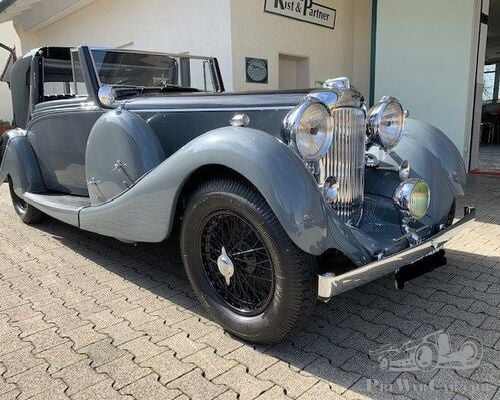
Lagonda LG 45 Coupe de Ville Sedanca by Mayfair
The successor to the M45, the LG45 was built around the same highly capable, competition-proven 4.5-litre Meadows inline-six engine, but featured r..
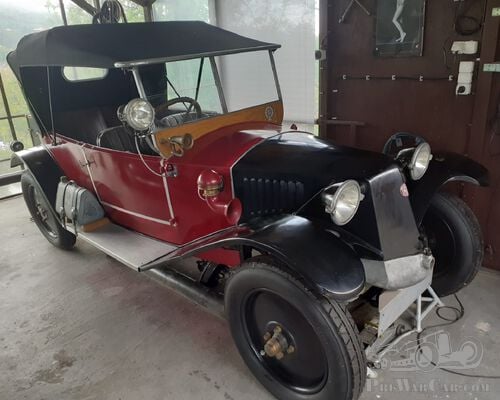
1924 Tatra 11 Roadster – Authentic Survivor with Running Boxer Engine | Rare Opportunity for Discerning Pre-War Collectors
An Exceptional Piece of Automotive HistoryOffered for sale is a remarkably rare 1924 Tatra 11 Roadster, one of the most import..
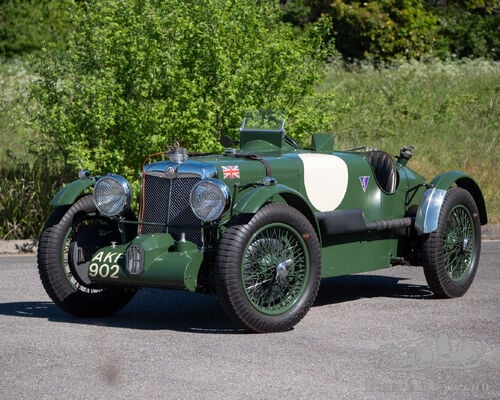
K3 Replica on KN Chassis
"The K3 Magnette must rank in the history books as the most famous and successful of all the record breaking MGs. With only 33 examples produced durin..