The global magazine and marketplace for classic car enthusiasts, by enthusiasts.


Filter
Classic Grégoire for sale - Grégoire cars for sale
-

1938 Derby Bentley 4.25 Litre High Vision Coupe by H.J. Mulliner.
1938 Derby Bentley 4.25 Litre High Vision Coupe by H.J. Mulliner. Chassis Numbwer: B83LE Registration Number: GPK222 Bentley 4¼-Litre chassis number B83LE, was bodied by H.J. Mulliner to a most unusual-yet-attractive design. Dubbed a ‘High Vision’ Coupé, it features a roof.. -
1935 MERCEDES BENZ 200 W21 LWB CABRIOLET
1935 Mercedes Benz 200 W21 LWB Cabriolet Chassis number: 108020Registration Number: Applied for. Produced in 1935, this very rare Mercedes cabriolet is the enbodiment of teutonic quality manufacturing. The Mercedes 200 W21 was in production between 1933 and 1936 as the successor to the W02. This W21 is o.. -
1935 Lancia Augusta Coupé Ghia Fuoriserie
- Ghia Certificate of Origin - Ghia Bodywork At the 1934 Milan Motor Show, Lancia introduced a new chassis designated "tipo 234" for custom-built cars based on the Augusta platform. Starting from the front hood, the custom chassis was essentially identical to the four-door sedan without pillars, apart from the relocated fuel tank. The chassis u.. -
D.B. 6 Monoposto; the first genuine single-seater by Deutsch & Bonnet
D.B. 6 Monoposte - Deutsch Bonnet Grand PrixThe very first D.B. monopostoExceptionally well-documented competition historyRaced extensively by René Bonnet (1947–1950)Eligible for events as Monaco Historic Grand Prix This D.B. 6 Monoposto is a unique survivor from the early post-war years.. -
1936 Bugatti Type 57 Atalante
1936 Bugatti Type 57 Atalante. We have two available, both with european papers. Both are fully matching numbers with complete history from day one. Qualified principals please call Richard Biddulph 0044 7967 260673 for full details. -
AC 16 / 66 - 1935 / 6 Cylinder / British Racing Green
AC (Acédès) 16/66 Drophead Coupe, year 1935.Chassis number L34X, engine number UBS.29X.Original British registration: DPC918. Colour: dark British Racing Green combined with a beige leather interior and light brown carpet trimmed with beige borders.The car is fitted with a black vinyl hood and a light brown mohair t.. -
1934 Aston Martin Mk II (long chassis)
This 1934 Aston Martin MkII long chassis tourer is a stunning example of vintage Aston Martin craftsmanship. Originally delivered new to Mr King of Norwich in December 1934, the car remained in the King family until 1952. It was enjoyed next by Mr Briggs of Berkshire and remained in the UK until 1986 when it travelled to New York until 2002,.. -
Bugatti Type 22 1920
1920 Bugatti type 22 ,16 valve Car number 922Delivered 12th October 1920 to Jarrot and Letts, LondonAn exceptional opportunity to acquire an early Bugatti with great provenance within New Zealand.922 holds a unique place in New Zealand Motoring history, being the first Bugatti imported into New Zealand. It arri.. -
Highly Awarded 1936 Delahaye 135 Competition Streamlined Disappearing Top Convertible, Figoni-Falaschi Masterpiece
This is the 1936 "Talk of Paris" car, the beginning of the famed Figoni Streamlined Teardrop Period, an objet d'artFigoni et Falaschi Centennial One of one; pièce unique Figoni streamlined Design #581One of the most highly awarded cars in the world....Best of.. -
1934 Mercedes-Benz 290 Cabriolet A | RM Sotheby's | The Hershey Auction
To Be OFFERED AT AUCTION WITHOUT RESERVE at RM Sothebys' The Hershey Auction event, 7 - 8 October 2026. Offered Without Reserve | $200,000 - $250,000 USD One of the most beautiful surviving 290s, with its striking cabriolet coachworkOffered from 13 years in a large private collectionAttractively presented older restorat..


Grégoire
France, 1903 – 1924
(1) Gregoire et Cie, Poissy, Seine-et-Oise
(2) SA des Automobiles Gregoire, Possy, Seine-et-Oise
Throughout their history, the Gregoire cars from Possy were best known as fast, if conventional, small cars, though larger Gregoire cars were also made. Their earliest range, for 1904, consisted of a Gregoire 8CV single, a Gegoire 12CV twin, and a Gregoire 20CV four, but the first famous Grégoire appeared two seasons later, an 80x110mm twin. In 1908 a Gregoire could be had in 4-cylinder form as well as a 2-litre 10CV. Both Gregoire cars for sale were modern L-head Monobloc fours. In 1911 came the most celebrated Gregoire of all, the Gregoire 16/24hp with the same bore but the remarkably long stroke of 160mm. This Gregoire was a car of sporting performance that had originated as a racing voiturette, as the ultra-long stroke suggests. Both the Gregoire 10cv and the Gregoire 16/24 were listed in 1914, together with a new T-head sports model of 70x140mm, also with four cylinders. Its engine developed 38bhp at 2.500rpm, aided by light steel pistons and a short, stiff crankshaft. The Gregoire 10cv was still in evidence after World War 1. Even at that stage in its career, its efficient, high-speed engine, enlarged to 2.3-litres in 1921 and given overhead valves, made the Gregoire car an exceptionally fast car, capable of over 60mph. The last car to bear the Gregoire name was an 1.100cc overhead-valve voiturette of normal type, with three forward speeds and transverse-spring front suspension. This Gregoire car was in fact made by Hinstin and sold under the name Little Greg in Britain. The Gregoire factory was also responsible for the assembly of the 3-litre Bignan.
Source: Georgano, encyclopedia of motorcar; TRN
The information is written with the greatest of care. However, if you have any suggested amendments please contact us at office@prewarcar.com


Featured
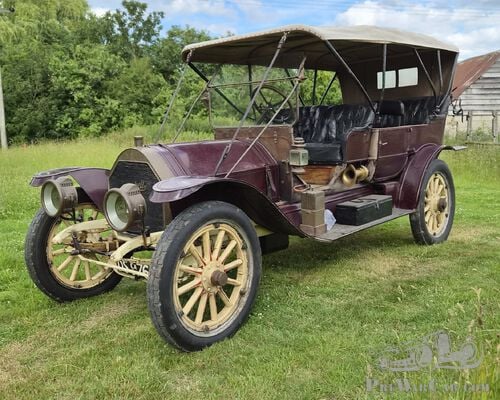
1910 Mitchell Model S - 50HP Six Cylinder
Based in Racine, Wisconsin and being the largest wagon manufacturer in the USA, Mitchell-Lewis produced their first motor car in 1903. Sales grew ..
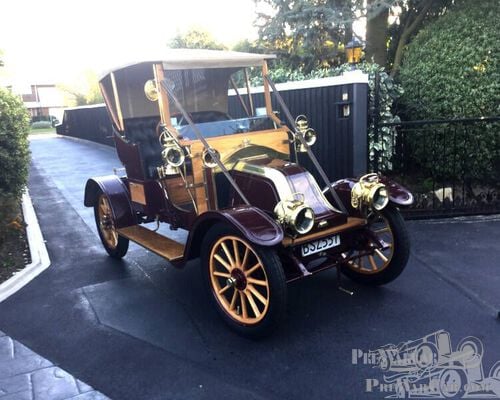
Renault /AX 1913 - named
Purchased fully renovated from New Zealand and imported to the UK. We have owned her for over10 years. Gigi is currently living in France where she..
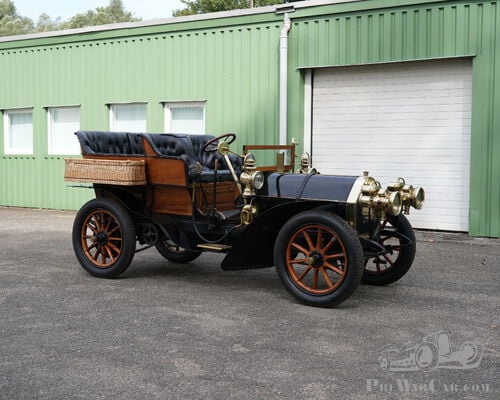
1904 Aster 16/20 HP Four-Cylinder Five-Seat Rear-Entrance Tonneau
Powerful four-cylinder engineFour-speed gearboxChain driveFive seatsMore than €100,000 recently invested