The global magazine and marketplace for classic car enthusiasts, by enthusiasts.


Filter
Classic Haynes for sale - Haynes cars for sale
-

HAYNES 1916 touringcar
Starts and run powerfull with the 6 cyl. Engine , 50 hp . Original upholstery , repaint 70 years ago. No rust ever . 4 new tyres and tubes . Old top .Some plaques from Ralley in the fifties mounted on dashboard, American title and import document for eu. Price : Please ask

Haynes
US, 1904 – 1925
(1) The Haynex-Apperson Co, Kokomo, Ind., 1904 – 1905
(2) Haynes Automobile Co, Kokomo, Ind., 1905 – 1925
Elwood Haynes built his original single-cylinder Haynes car of buggy type in 1894. In 1898, with the Apperson brothers, he formed the Haynes-Apperson Automobile Co. In 1902, the Appersons and Haynes separated, although both companies remained in Kokomo. From June 1904 the cars were called either Haynes-Apperson or Haynes, while the company name was still Haynes-Apperson. This was officialy changed to Haynes Automobile Company in September 1905.
The first production models of the Haynes car (in 1904) were powered by 2- and 4-cylinder engines, sliding-gear transmissions and shaft drive. Only 4-cylinder engines were used in the years 1905 – 1913. In 1912, three chassis were built, with a total of eight body types. In 1914, Haynes Model 26 was fitted with a 6-cylinder engine, and in 1915 an electric gear change was standard on the larger chassis. For 1916, Haynes car advanced to a 12-cylinder engine of 5.8-litres. This large engine was made by Haynes and continued to be manufactured through 1922, with no changes in bore or stroke. The chassis varied in wheelbase during the post-World War 1 period from 10 to 11ft. The prices for the various Haynes car models dropped from $4.200 for a seven-seater limousine in 1920, to $3.200 in 1925 for a five-seater sedan. Body styles in the Haynes car range were conservative, although one close-couples four-seater coupé with distinctive lines was made in 1923, and a special Haynes Speedster, a two-seater roadster with wire wheels and attractive styling was introduced in 1921.
Source: Georgano, encyclopedia of motorcar; GMN
The information is written with the greatest of care. However, if you have any suggested amendments please contact us at office@prewarcar.com



Featured
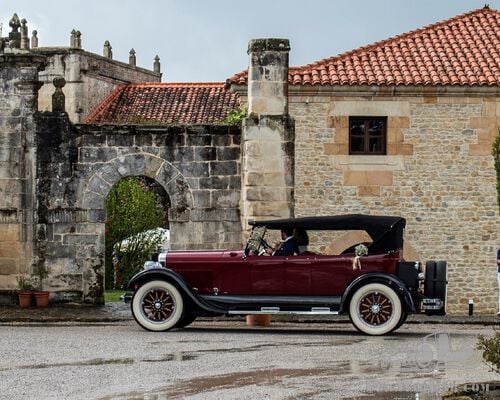
1925 Lincoln Model L Phaeton by Brunn - Excellent provenance
Retaining its original matching-numbers engine and chassis (both numbered 24576), the car benefits from an extensively documented history and..
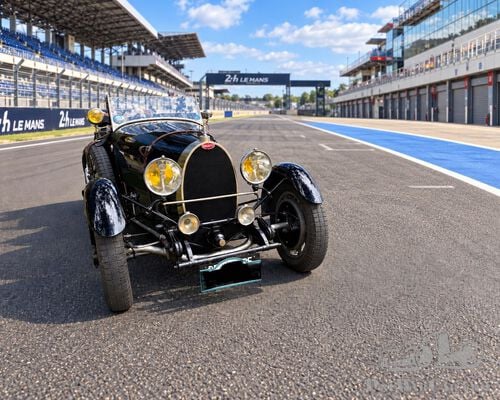
BUGATTI 43 GRAND SPORT
Bugatti Type 43 Grand Sport — Une histoire à poursuivre au volant Certaines automobiles se contemplent avec admiration. D’autres susc..
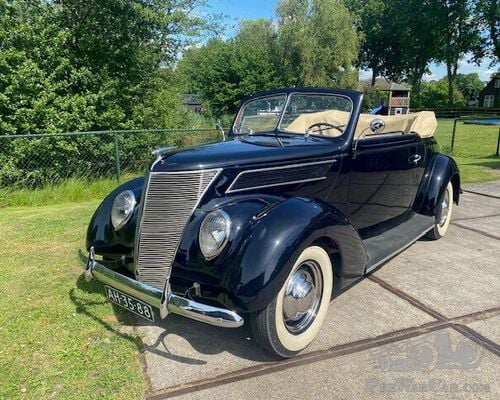
Ford v8 Club cabriolet 1937
Very nice Ford v8 Club cabriolet. In excellent condition. Runs and drives very well.Top condition.Shipping possible.