The global magazine and marketplace for classic car enthusiasts, by enthusiasts.


Filter
Classic Jaguar SS for sale - Jaguar SS cars for sale
-

1939 Jaguar SS100
This car is one of the last SS100's produced, being registered in April 1939 by Birmingham dealer P.J. Evans to first owner Denis Patterson. Within a month of taking delivery Patterson was competing in the RSAC Scottish Rally in the car. The original buff continuation logbook contained in the history file, issued some time prior to 1954, records..

Jaguar SS
GB, 1931 to date
(1) Swallow Coachbuilding Co Ltd, Coventry, Warwickshire, 1931 – 1934
(2) S.S. Cars Ltd, Coventry, Warwickshire, 1934 – 1945
(3) Jaguars Cars Ltd, Coventry, Warwickshire, 1945 to date
William Lyons and William Walmsley started the manufacture of sidecars in Blackpool in 1922, following this up in 1927 with a line of handsome open and closed sporting bodies on popular chassis such as Austin, Morris, Fiat, Swift and Standard. The company moved to Coventry in 1928, and from the Swallow saloon version of the 16hp Standard came the first SS I of 1931. This used Standard mechanical components throughout, but a special underslung frame was made for the Swallow through the 2.054cc 6-cylinder sv engine was left untuned. The long bonnet, diminutive coupé body and helmet-type front wings gave it a distinctive look, which suggested a price in the region of £1.000 – the SS I car, in fact, cost £310. A 2½-litre 20hp engine was available, and there was a companion SS II car based on the 1.052cc Standard Little Nine. A sale of 776 SS machines the first season was remarkable for a new make at the depths of the Depression. The 1933 6-cylinder SS car models with full-flow wings were better proportioned, and a sports tourer by SS was available for the first time. 1934 SS cars had X-braced frames, synchromesh gearboxes, and larger and more powerful engines – the 2.7-litre SS Twenty gave 68bhp. Twin carburetors and a higher-lift camshaft featured on SS cars in 1935, in which year the SS car company’s first sports car made its appearance: this SS 90 was sold only with the 20hp engine, and had a short chassis and slab-tank two-seater bodywork.
The Jaguar name first appeared in 1936, on a handsome 4-door Jaguar sports saloon, with a 2.7-litre ohv 104bhp engine, still made by Standard, but redesigned by Harry Welake and W.M. Heynes. These Jaguar cars were good for 85 – 90mph and the Jaguar car sold for only £385. The sv SS I and SS II models were continued for one more season with Standard engines, a Standard unit also being used in the 1.6-litre version of the Jaguar car, but much more exciting was the short-chassis ohv Jaguar SS 100 two-seater. Its handling was tricky, but it proved hard to beat in British rallies of the later 1930s. In 1938 the 2½-litre was continued, but the small sv four had given way to a 1.8-litre unit, used after the war by Standard in their versions of the Triumph. A new 125bhp 3½-litre was listed not only in saloon and drophead coupé forms, but also as a SS 100 two-seater, offering a genuine 100mph for only £445. Over 5.000 SS cars were sold in a year interrupted by war. The 1940 SS models were available with heaters.
In 1945 the SS name of the company was changed to Jaguar Cars Ltd, and the sidecar interests were sold. Under idderent ownership the Swallow company was responsible for the Swallow Doretti in 1954.
Source: Georgano, encyclopedia of motorcar; MCS
The information is written with the greatest of care. However, if you have any suggested amendments please contact us at office@prewarcar.com




Featured
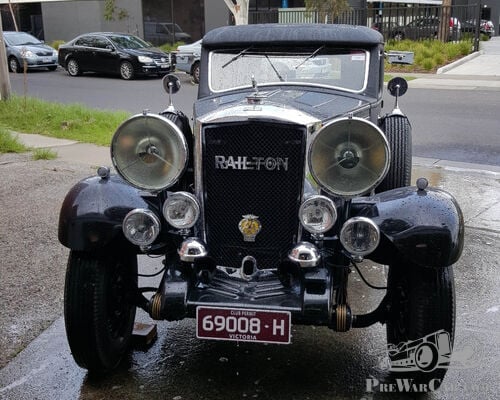
Railton straight 8 sports coupe for rallying REDUCED PRICE run with the bentleys at a fraction of the price
1934 Railton Sports CoupeBuilt for long distance rallyingRebuilt 2017built up at a cost of $160,000AUD, OFFERED FOR SALE AT A ..
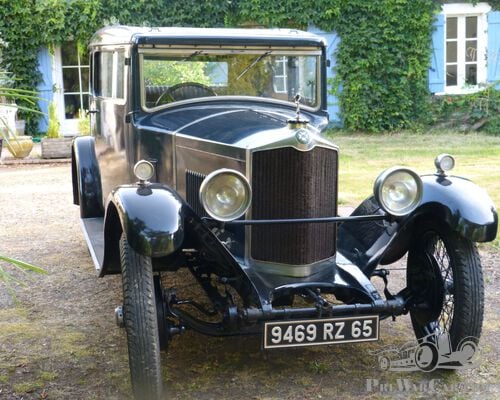
2-door 15.7hp six cylinder saloon
The car is a 6-cylinder 2-door saloon described as the "Sportsman's coach built coupé". Only three of this model are known to have survived. I have..
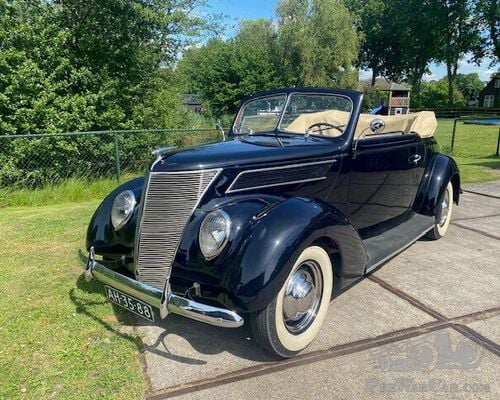
Ford v8 Club cabriolet 1937
Very nice Ford v8 Club cabriolet. In excellent condition. Runs and drives very well.Top condition.Shipping possible.