The global magazine and marketplace for classic car enthusiasts, by enthusiasts.


Filter
Classic Palladium for sale - Palladium cars for sale
-

1904 Swift 7HP - VCC Dated
1904 Swift 7HPRegistration No - BS8487Chassis No - 176Engine No - 2886 - VCC Dated - Electric starting- 4 seat London to Brighton vehicle - Rare English Marque- Many time London to Brighton Finisher - Ready for use Swift of Coventry gained and adapted its skills .. -
1939 Rolls Royce Wraith James Young Razor Edge Saloon
1939 Rolls Royce Wraith James Young Razor Edge Saloon Chassis Number: WEC72 Registration Number: 39D25 (Ireland) £200k spent upon the restoration of this car to make it in effect a brand new Rolls Royce Wraith being delivered 86 years late!!! Simply.. -
1936 Bentley Derby 4.25 Sedanca by Thrupp & Maberly
1936 Bentley Derby 4.25 Sedanca by Thrupp & Maberly Chassis number: B-36-GA Registration Number: CXE213 A stunningly beautiful car which wows onlookers wherever it is seen, this 4.25 Litre Derby Bentley Sedanca Coupe has fabulous and possibly unique aluminium Sedanca coachwork by Thrupp and Maberly... -
Cadillac V16 - Series 452 - 1930 - Imperial Sedan 4330
Offers invited a round € 200.000 - This ONE of 4 Survivors of Serie 4330 body style - book C.W. Cummings - 2014) ***excellent driving car, the V16 gives you a special experience, no other car has***https://www.prewarcar.com/a-stately-cadillac-v16-in-the-netherlandsBuilt; no 9 of 50 - Engine no. 700163Lengt.. -
Bugatti Type 30 short chassis roadster. Fully restored on a replica chassis
This car has had a full restoration and is build from a lot of original parts on a replice chassis built in Germany, It has chassis number BC 189 from the UK Bugatti Owners Club. Car has done only about 500km since restoration but health problems dictate that it must go. Please email for fullest details of the source of all the parts and a vide.. -
1930 Bentley Speed Six
1930 Bentley Speed Six Chassis Number: SB2774 Engine Number: SB2772 Reistration Number: GH8974 New to market & freshly restored to perfection. This car has over the past two years been fully rebuilt & built up as a LeMans style tourer by noted Rolls Royce &.. -
1936 Cadillac Series 60 Convertible Coupe | RM Sotheby's | The Hershey Auction
To Be OFFERED AT AUCTION WITHOUT RESERVE at RM Sothebys' The Hershey Auction event, 7 - 8 October 2026. Offered Without Reserve | $50,000 - $70,000 USD Please check back soon as our dedicated cataloguing team is preparing the description for this lot. To view this car and others currently consigned to this auction, please visit the RM website a.. -
Renault NN Torpedo Commerciale (1926)
Highlights Complete, coherent, unmodified exampleExcellent base for a full restorationAttractive 1920s torpedo body styleVery accessible entry priceIdeal for workshops or enthusiasts looking for a rewarding project Restoration project – Complete car – Solid base but major work r.. -
Renault 12 HP Coupé de Ville Carrosserie Kellner Type CB – 1911
HighlightsExceptional original conditionRare Kellner coachworkComplete, authentic, coherent exampleOriginal paint and interiorMuseum‑grade preservationIdeal for concours preservation class Kellner Coupé de Ville – Exceptional original condition This.. -
De Dion‑Bouton Type D (1899)
HighlightsRare early De Dion‑Bouton, highly collectibleBeautiful presentation and coherent historyEligible for major international veteran eventsA centrepiece for any prestigious collection Vis‑à‑vis “La Petite Voiture” – High‑quality restoration – Veteran car eligible ..


Palladium
GB, 1912 – 1925
(1) Palladium Autocars Ltd, Kensington, London W., 1912 – 1919
(2) Palladium Autocars Ltd, Putney, London S.W.15, 1919 – 1925
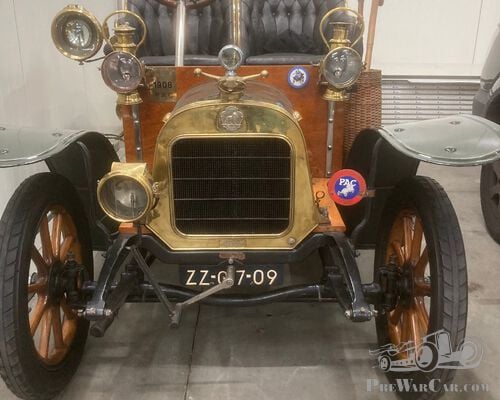
The first Palladium cars were assembled from French components. Three Palladium car models were listed in 1912, of 10, 12 and 15hp, all Palladium car had four cylinders and overhead inlet valves. Sv engines were substituted in 1913. These orthodox Palladium cars were joined by a six for 1915 and Palladium cars experimented with a very interesting Palladium cyclecar in 1919. This Palladium car was powered by a flat-twin 1.3-litre air-cooled engine, the cooling being effected by means of a fan blowing into cowlings on the cylinders. The transmission of the Palladium car was in the back axle, and was by friction disc. No more passenger cars came from Palladium car company until 1922, when a conventional 12hp 4-cylinder, with an sv Dorman engine, was introduced. This Palladium car had a 4-speed gearbox, which was an unusual refinement in a light car at the time. In the following year appeared a more sporting edition of the Palladium car, with a tuned engine that furnished a 60mph maximum speed. This performance was the more usable because in the same year front wheel brakes became standard fittings on Palladium cars. The Palladium car was now a well-liked and formidable proposition among trial drivers, but it was an expensive little car of a specialist appeal and the Palladium car never won general popularity.
Source: Georgano, encyclopedia of motorcar; TRN
The information is written with the greatest of care. However, if you have any suggested amendments please contact us at office@prewarcar.com


Featured
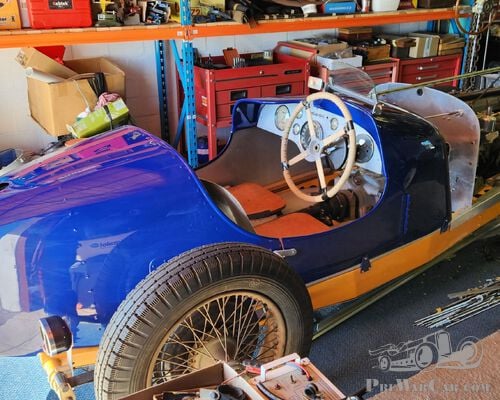
Riley TT Sprite
1935 6-cylinder TT Sprite replica. Chassis # 46A2722. Engine # 6A2722. Original Ulster Imp body. Restoration nearing completion. Engine, G..
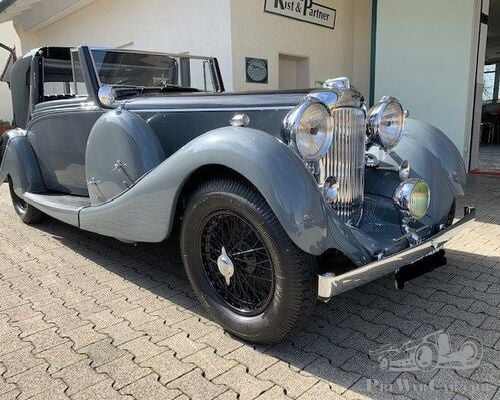
Lagonda LG 45 Coupe de Ville Sedanca by Mayfair
The successor to the M45, the LG45 was built around the same highly capable, competition-proven 4.5-litre Meadows inline-six engine, but featured r..