The global magazine and marketplace for classic car enthusiasts, by enthusiasts.


Filter
Classic Chalmers, Rolls-Royce for sale - Chalmers, Rolls-Royce cars for sale
-

1925 Rolls Royce Silver Ghost London To Edinburgh style tourer.
1925 Rolls Royce Silver Ghost London To Edinburgh style tourer. Chassis number: 48EU Reg Number: Canadian Registered 11771509. Previously UK BF6862 Location: Vancouver British Columbia. The Ghost 48EU started life as a large saloon/limousine as so many did, but by .. -
1929 Rolls-Royce 20HP All-Weather Tourer
1929 Rolls-Royce 20HP All-Weather Tourer Chassis Number: GV058 Registration Number: WC1633 Copies of the original works chassis records show that chassis GVO 58 was first tested on 13 August 1929. A period dyno sheet accompanies the file, confirming that the chassis had covered .. -
1925 Rolls Royce Phantom 1 Hooper all weather cabriolet
1925 Rolls Royce Phantom 1 Hooper all weather cabrioletA very early Phantom 1 with a 2" taller then usual Radiator as used on late silver Ghosts whom's production overlapped this car. Coachwork takes the form of a very versatile Salamanca, or All Weather Cabriolet body by Hooper known in period as "The King of Coachbuilders". Whe.. -
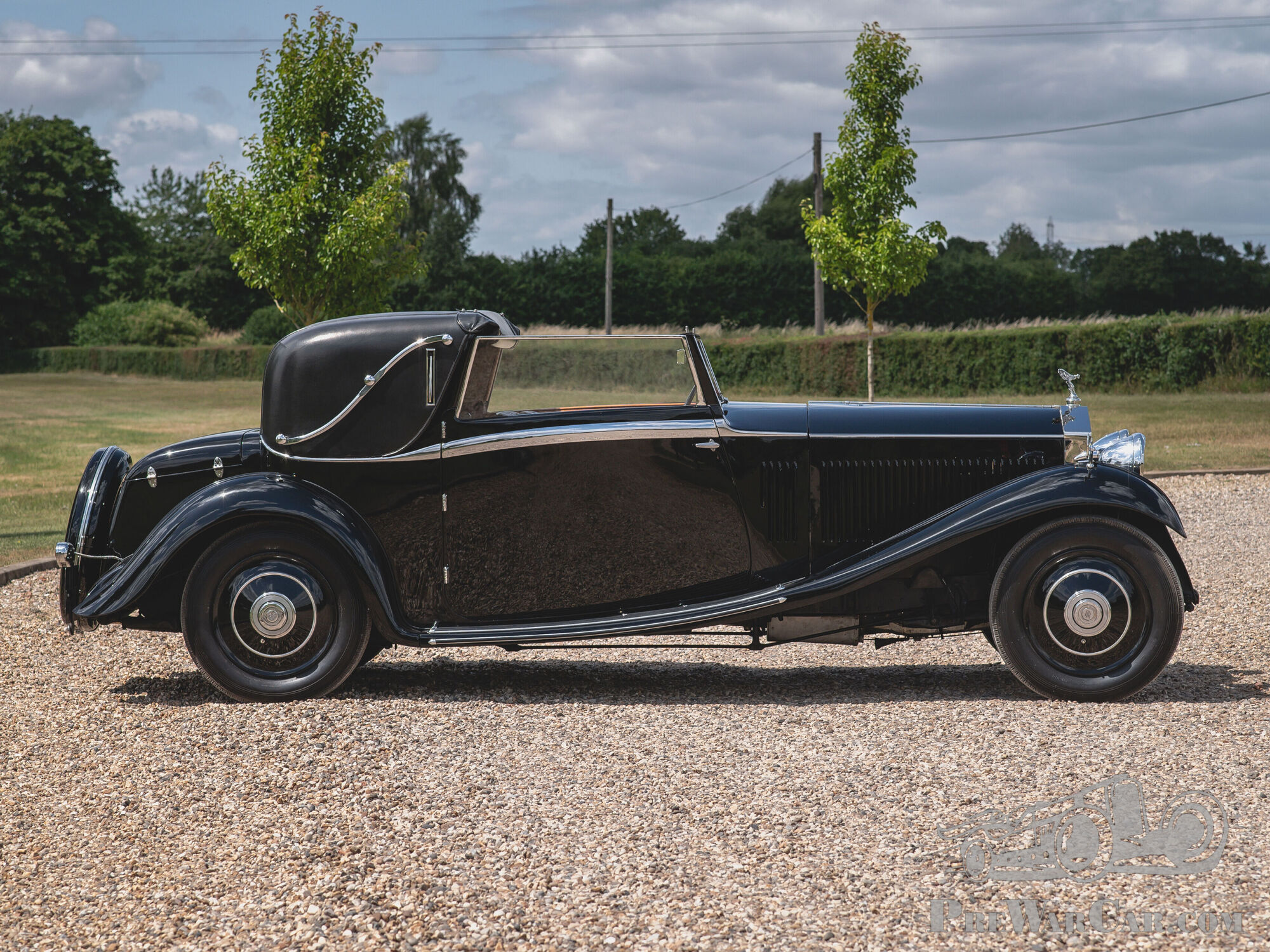
1931 Rolls-Royce Phantom II Continental Drophead Coupe by Barker | RM Sotheby's | The Monterey Auction
To Be OFFERED AT AUCTION WITHOUT RESERVE at RM Sothebys' The Monterey Auction event, 13 - 15 August 2026. Offered Without Reserve | $275,000 - $375,000 USD Please check back soon as our dedicated cataloguing team is preparing the description for this lot. To view this car and others currently consigned to this auction, please visit the RM websi.. -
1936 Rolls Royce 25/30 Pass & Joyce All Weather Cabriolet
1936 Rolls Royce 25/30 Pass & Joyce All Weather CabrioletChassis number: GUL66Registration Number: CB021SR (Italian.)Residing in the sunny climes of Italy since 1988. This beautiful 25/30 was bodied by Pass & Joyce as an all weather cabriolet; coachwork that it wears until this day. It was & is owned as part of a small collection of .. -
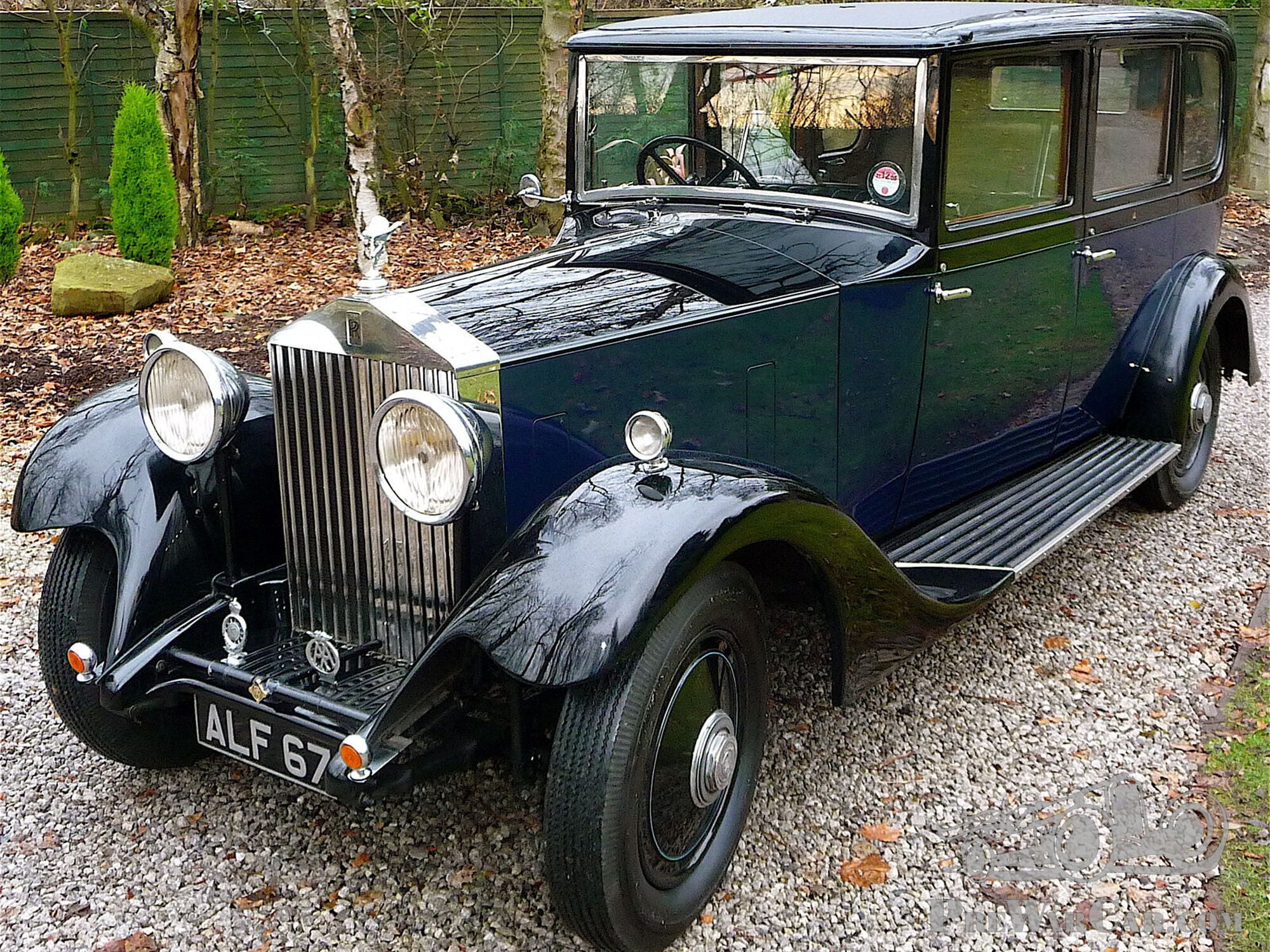
1933 Rolls Royce 20/25 Hooper D back Limousine
1933 Rolls Royce 20/25 Hooper D back Limousine Registration No. ALF 676 (UK). Also French Registered.Chassis No. GSY48Engine No. N8ABody No. 7803 GSY 48 is a perfect example of one of Hooper's popular limousine designs which was first presented at the Olym.. -
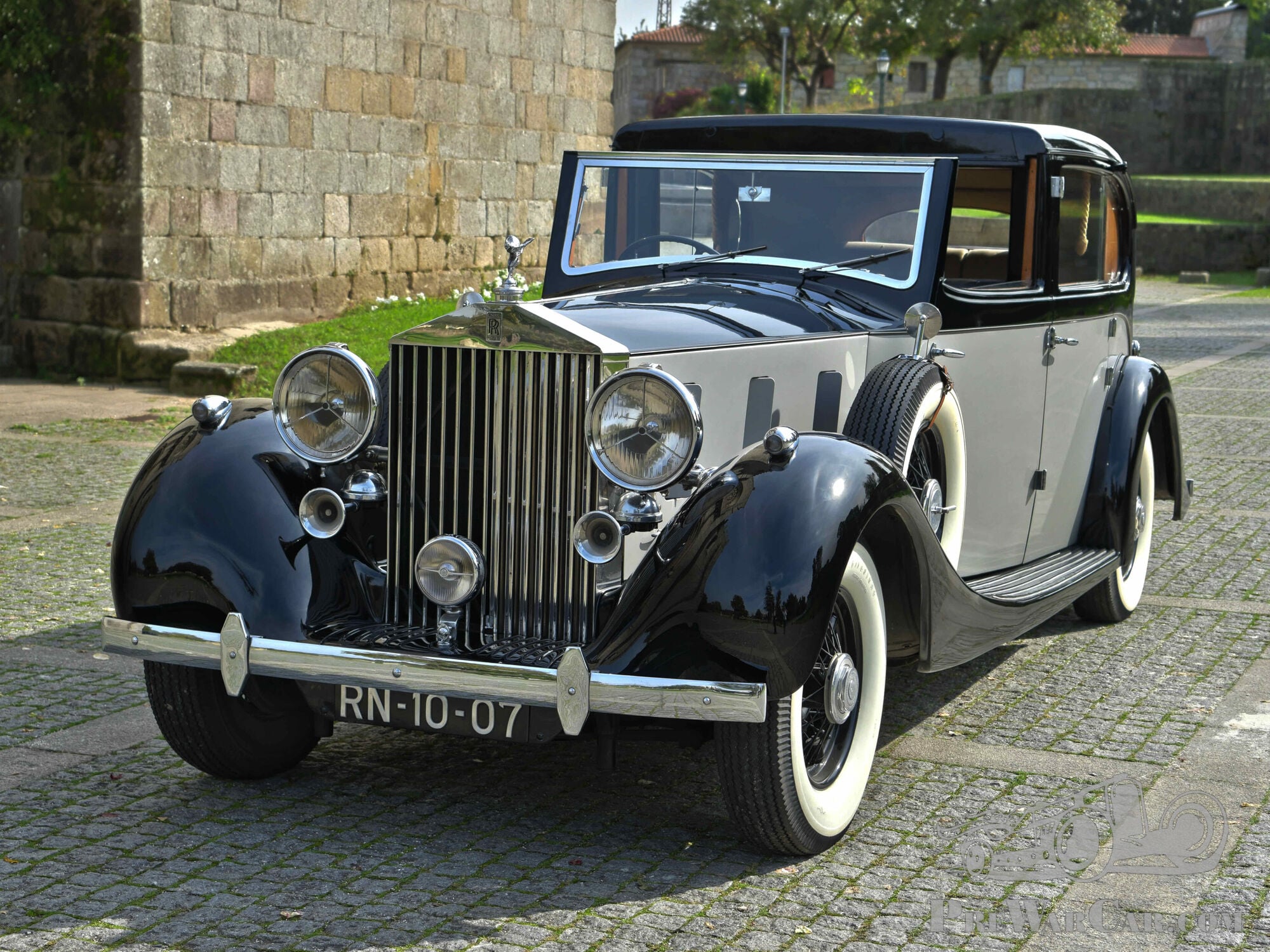
1937 Rolls Royce Phantom 3 Windovers Sedanca De ville
1937 Rolls Royce Phantom 3 Windovers Sedanca De villeChassis number: 3-BU-158Registration Number: RN1007 (Portugal)A simply magnificent Phantom 3 in absolutely perfect running order. This car fomred part of a Swiss collection where it had a full engine rebuild to like new prior to being sold into the current collection. Th.. -
1933 Rolls-Royce 20/25 Sedanca Coupé by Freestone & Webb
A sensational looking 20/25One of only two 20/25s to carry this Sedanca Coupé styleRecently completed the 20-Ghost Club Alpine Tour 2023Significant recent work by marque specialistsA wonderful car ready for touring This stunning Rolls-Royce 20/25 Sedanca Coupé, Chassis No. GBA 64, boa.. -
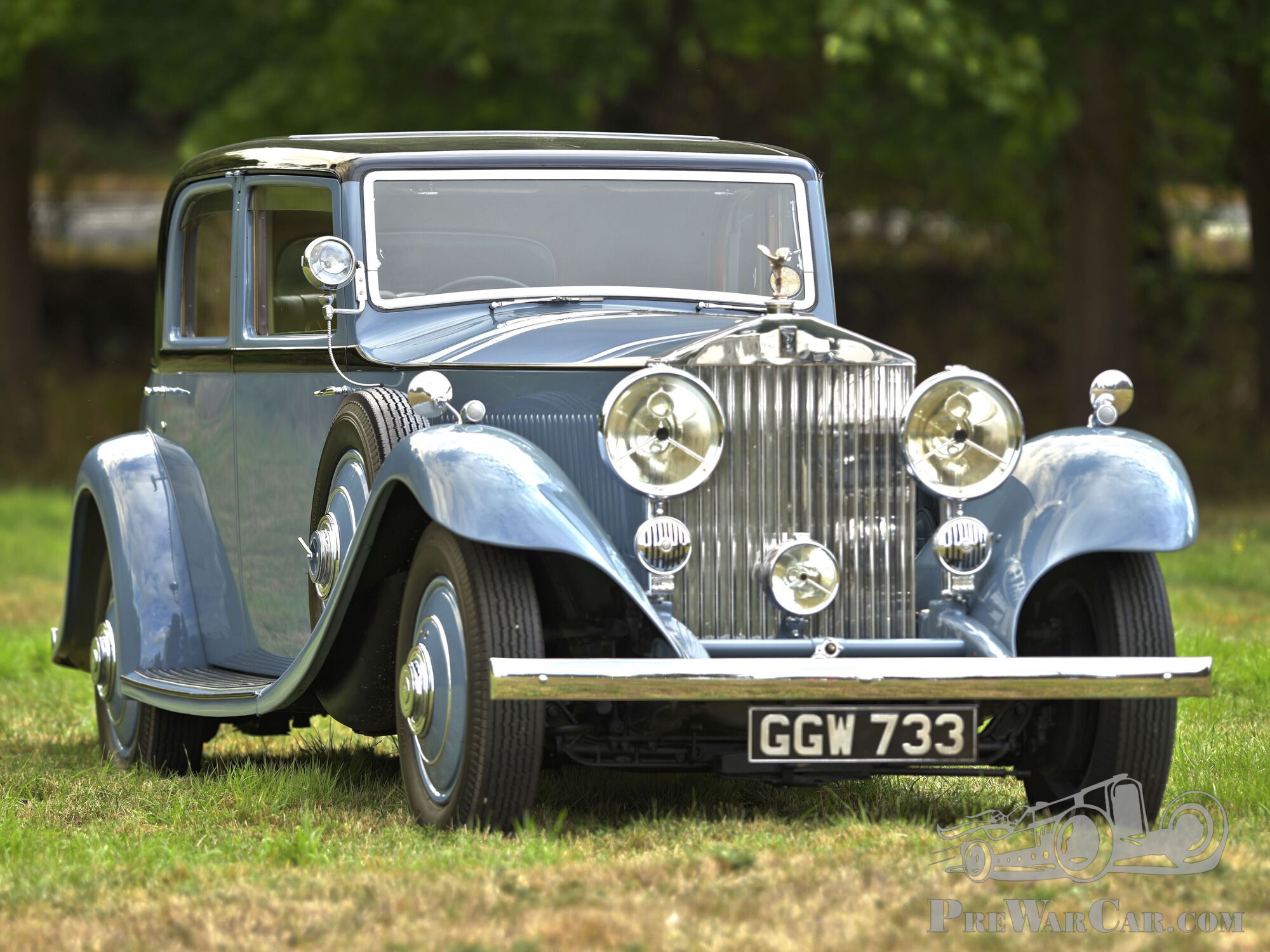
1934 Rolls-Royce 40/50HP Phantom 2 Continental Close Coupled Barker Sports Saloon
1934 Rolls-Royce 40/50HP Phantom 2 Continental Close Coupled Barker Sports Saloon Chassis number: 57RY Registration Number: GGW733 Fully restored to as new condition. A simply stunning car suitable for Villa D' Este & Peble beach type events. This car represents your quintes.. -
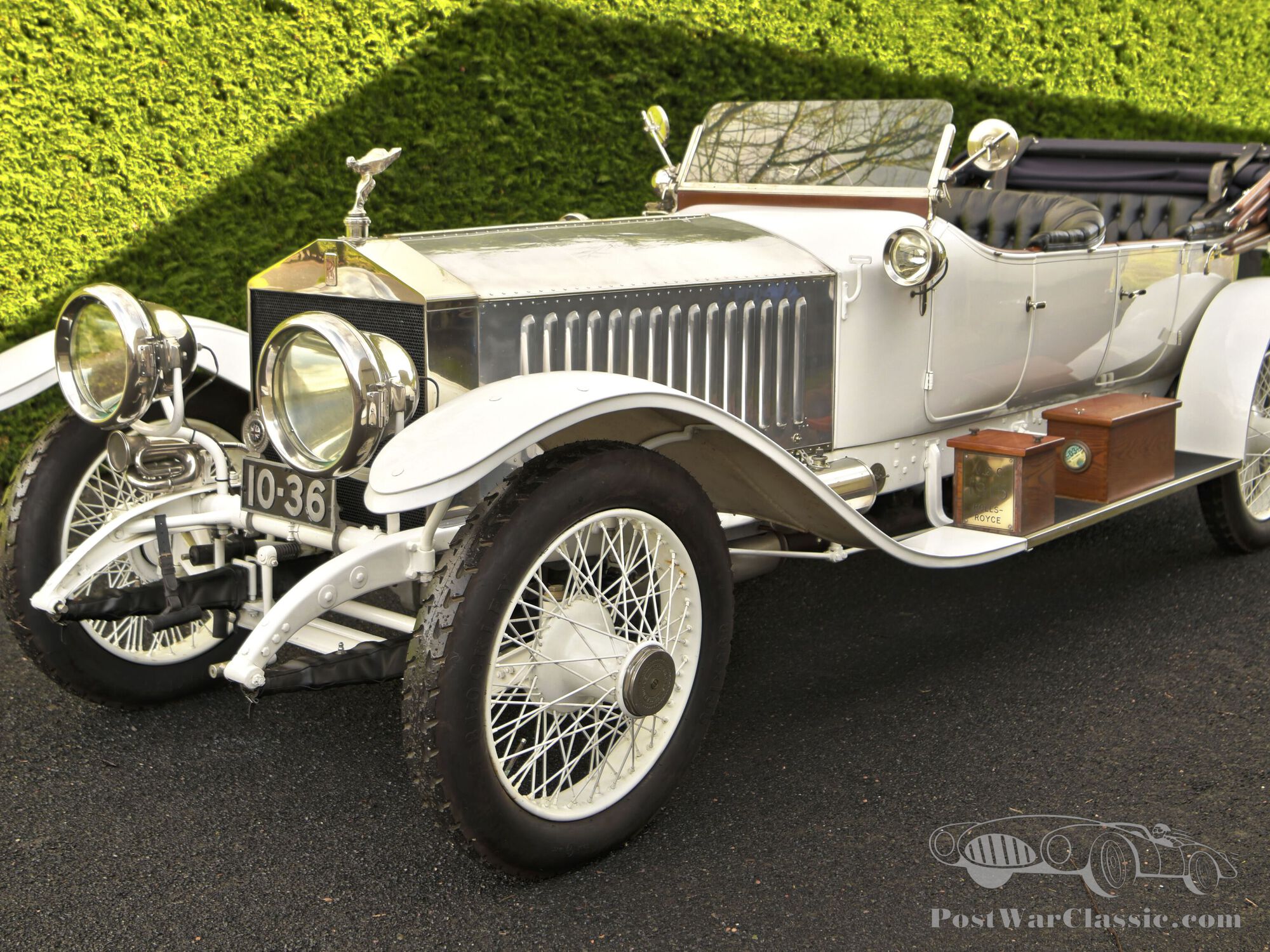
1915 Rolls-Royce 40/50hp Silver Ghost Alpine Eagle Tourer
1915 Rolls-Royce 40/50hp Silver Ghost Alpine Eagle Tourer Chassis Number: IO36 Registration Number: 6AD *Listed in The Edwardian Rolls-Royce by John Fasal*Update by the works with front-wheel brakes and servo gearbox*Restored in the late 1960s/early 1970s*Re..


Chalmers / Chalmers-Detroit
US, 1908 – 1924
Chalmers Motor Car Co, Detroit, Mich.
The Chalmers was one of the most popular automobiles made in the United States for more than a decade. The Chalmers was the successor to the Thomas-Detroit which was built by a company which had been founded in 1906 by E.R. Thomas (builder of the Thomas car in Buffalo, N.Y.), Roy D. Chapin and Howard Earle Coffin; the two latter had previously served at Oldsmobile. The Thomas-Detroit of which some 500 were sold during the first year of production, was marketed through the parent firm in Buffalo which manufactured a larger line of cars under the Thomas emblem. The Thomas-Detroit was a medium priced four-cylinder car which had been designed by Coffin. In 1907, Hugh Chalmers, vice president of the National Cash Register Co and a noted salesman, entered the firm. Shortly after, he bought a half of E.R. Thomas’ stock and became president of the company which became the Chalmers-Detroit Motor Company. The Thomas-Detroit became the Chalmers-Detroit in 1908 and in 1910, the Chalmers. Open and closed Chalmers models in two lines comprised the Chalmers four-cylinder cars, with self-starters appearing in 1912. Chalmers (as Chalmers-Detroit) had distinguished itself in road races as early as 1908 when W.R. Burns won the Motor Parkway Sweekstakes at Jericho, N.Y., averaging 48.7mph in the six-lap 140.76 mile run.
In 1913, the Chalmers brought out its first 6-cylinder model, as well as the four and apart from small mechanical and design changes, continued both until 1914. The Chalmers four was dropped from the 1915 line, however, and sixes were to be used exclusively in Chalmers until the ending of manufacture. By 1915, some 20.000 Chalmers cars per year were coming off the Chalmers production line and would even exceed that figure before the advent of World War 1. In 1917, an L-head motor replaced the earlier overhead-valve type and on August 4th, Chalmers again headed racing news when Joe Dawson won the 24-hour stock Car Endurance Run at Sheepshead Bay, N.Y. Sales flagged following the end of the war and Hugh Chalmers, always the salesman, and with the realization that a competitor, Maxwell, wasn’t faring well either, arranged to lease his Chalmers plants to Maxwell, using his salesmanship to promote the two concerns and getting the benefit of Maxwell tooling and manufacturing equipment. By the early 1920s, however, many makes of cars were in financial difficulties due to over-expansion and recession, and Walter P. Chrysler was called in to try and reorganize Maxwell. Chrysler was at this time planning his own corporation and in 1922 Chalmers was taken over by Maxwell which had become a Chrysler subsidiary. The last Chalmer cars for sale were equipped with Lockheed hydraulic brakes but 1923 was the last year of Chalmers production with some 9000 units leaving the factories. The Maxwell survived until 1925 when it became the Chrysler Four.
Source: Georgano, encyclopedia of motorcar; KM
The information is written with the greatest of care. However, if you have any suggested amendments please contact us at office@prewarcar.com
Rolls-Royce
GB, 1904 to date
(1) Royce Ltd, Manchester, 1904 – 1906
(2) Rolls-Royce Ltd, Manchester, 1906 – 1908
(3) Rolls-Royce Ltd, Derby, 1908 – 1945
(4) Rolls-Royce Ltd, Crewe, Cheshire, 1946 – 1971
(5) Rolls-Royce Motors (1971) Ltd, Crewe, Cheshire, 1971 to date
The Rolls-Royce car was the result of a meeting between Henry Royce, a manufacturer of electric cranes in Manchester, and the Hon. C.S. Rolls, a pioneer motorist then selling Panhards in London, who wanted a quality car to boost falling sales. The first Rolls-Royce cars were based on the 1.8-litre (later enlarged to 2-litre) vertical-twin 10hp ioe Royce with shaft drive, but the range of Rolls-Royce cars was expanded to embrace a 3-litre, 3-cylinder, ‘light’ and ‘heavy’ versions of a 4-cylinder Rolls-Royce Twenty, and a 6-litre pair-cast six retailing at £900. A Light Twenty Rolls-Royce car with geared-up top, driven by Rolls, won the 1906 Tourist Trophy, and also broke the Monte Carlo-London record.
An abortive 3½-litre V8 petrol brougham Rolls-Royce car with square cylinder dimensions was shown in 1905, but 1906 was the start of a one-model policy based on the 40/50hp 6-cylinder Rolls-Royce car, later to win immortality as the Rolls-Royce Silver Ghost, which Rolls-Royce car made its début at Olympia that year. This Rolls-Royce car had a conventional 7-litre sv engine with pressure lubrication and dual ignition, as well as the 4-speed overdrive gearbox. Output of the Rolls-Royce Silver Ghost was a modest 48bhp, but the Rolls-Royce car’s reputation was assured after a successful 15.000 mile RAC-observed trial in 1907, from which the Rolls-Royce Silver Ghost emerged with flying colours. 6.173 Rolls-Royce Silver Ghost cars were made: the first ones at Manchester, and from 1908 on the Rolls-Royce cars were made at Derby. At £985 for a chassis the Rolls-Royce car was backed by a unique inspecition scheme, and in mid-1909 it was revised with a longer-stroke 7.4-litre engine and conventional 3-speed box. The Rolls-Royce Silver Ghosts reverted to 4 speeds in 1913, when cantilever rear suspension was adopted; later modifications were full electrics (1919) and Hispano-Suiza-type mechanical servo 4-wheel brakes (1924). The ‘Best Car in the World’ – a reputation which was well established by Rolls-Royce cars by 1914 – was not normally entered in competitions but in 1911 a Rolls-Royce Silver Ghost was successfully driven from London to Edingburgh and back on top gear for a fuel consumption of 24.32mpg, and a works team Rolls-Royce car swept the board in the 1913 Austrian Alpine Trials. Armoured-car versions of the Rolls-Royce Silver Ghost gave yeoman service both during and after World War 1.
Production of Rolls-Royce cars was resumed after the Amistice, the chassis price being inflated to £2.100. In 1920 an American Rolls-Royce car actory was opened, this making the Rolls-Royce car until 1931. Post-war 1 inflation led Rolls-Royce to abandon their one-model Rolls-Royce car policy in 1922 and to introduce a 3.1-litre ohv 6-cylinder Rolls-Royce Twenty with a 3-speed unit gearbox and central change at £1.100 for a chassis. This Rolls-Royce car was regarded by Rolls-Royce enthusiasts as heresy, but the Rolls-Royce Twenty was an excellent if sluggish car which last none of the traditional quality; nearly 3.000 Rolls-Royce cars were made up to 1929. In 1925 the Rolls-Royce car acquired a 4-speed box, right-hand change, and the servo 4-wheel brakes of the Rolls-Royce Silver Ghost, which was retired that year in favour of a 7.7-litre Rolls-Royce Phantom I with overhead valves and vertical radiator shutters. An improved Phantom II Rolls-Royce car with hypoid back axle and redesigned combustion chambers was listed from 1930, while the Rolls-Royce Twenty emerged as the more powerful Rolls-Royce 20/25 with a 3.7-litre engine. A Continental version of the bigger Rolls-Royce car gave a genuine 90mph with closed coachwork. Refinements of the early 1930s on Rolls-Royce cars included synchromesh (on the 20/25 in 1932, and on the Phantom a year later), and centralized chassis lubrication (1933).
In 1931 the Rolls-Royce car company bought Bentley Motors, after Napier had made an unsuccessful bid. The Bentley emerged two years later, as a Rolls-Royce-based 3½-litre: it was not to lose its identity until the 1950s. Sir Henry Royce died in 1933, and the entwined ‘R’s of the radiator emblem of the Rolls-Royce car was changed from red to black, supposedly in mourning. The smaller Rolls-Royce cars acquired hypoid final drive in 1936, in which year an alternative power unit of 4¼-litres’ capacity was offered, first as an option on the Rolls-Royce car, and then as standard: thus the 20/25 Rolls-Royce car grew up into the 25/30. In this year Rolls-Royce cars stopped making their own carburetors, though electrical equipment was not bought out until after World War 2. Aero-engine influence (the Rolls-Royce car company had been making these units since 1914 and had been responsible both for the Schneider Trophy R engine of 1931 and the Merlin of 1935) was reflected in the 12-cylinder Phantom III Rolls-Royce car first shown in 1935. The capacity of this Rolls-Royce car was 7.3-litres, and it was the first Rolls-Royce car to have independent front suspension. Later examples Rolls-Royce cars had overdrive gearboxes. It offered 90-95mph for £2.600 and up. This Rolls-Royce car model was still being made in 1939, along with a development of the 25/30, with independent front suspension, the Rolls-Royce Wraith, which Rolls-Royce car could be bought for around £1.600 complete.
Post-war 2 production Rolls-Royce cars was transferred from Derby to Crewe and the first new Rolls-Royce car model was the Rolls-Royce Silver Wraith, with a 4¼-litre engine, overhead inlet valves and hydraulic actuation for the front brakes, this Rolls-Royce car costing around £4.300 in 1947. The Rolls-Royce Phantom III was not revived, but sixteen ioe 5.7-litre straight-8 Phantom IV Rolls-Royce cars were made for heads of state from 1949 onwards. Among the customers of the Rolls-Royce car was HRH Pincess Elizabeth, who was to become the first reigning British monarch to use Rolls-Royce cars officially. The 6-cylinder Rolls-Royce cars continued up to 1959. 1949 brought the first Rolls-Royce car factory-bodied model, the export only Rolls-Royce Silver Dawn, using the standard Bentley saloon body, left-hand drive, and steering column change. In 1952 capacity of the Rolls-Royce car went up to 4.6-litres and a long-chassis version was listed with an 11ft 1in wheelbase. The General Motors Hydramatic transmission became an option in 1953, and the famous manual box with right-hand control was finally dropped two years later with the advent of a 4.9-litre Rolls-Royce Silver Cloud, a restyled saloon with 15in wheels, which Rolls-Royce car could be bought with power-assisted steering and full air-conditioning. 1960 Rolls-Royce cars were identical in outward appearance, but were powered by entirely new oversquare alloy 6.2-litre V8 engines. Power assisted steering was now standard on the Rolls-Royce car, though the hydro-mechanical servo brakes were retained. The standard saloon Rolls-Royce car cost £6.093, and a limousine version on a 12ft wheelbase, the Rolls-Royce Phantom V, was some £3.000 dearer. A four-headlamp layout was introduced on the Rolls-Royce car in 1963, and a year later Rolls-Royce cars started to supply a 4-litre version of their ioe 6-cylinder engine to BMC for installation in the Vanden Plas Princess.
At the 1965 Shows Rolls-Royce cars introduced an entirely up-to-date design, the Rolls-Royce Silver Shadow. This Rolls-Royce car boasted unitary construction, self-levelling, all-round independent suspension, and servo-assisted disc-brakes with three separate circuits. It retained the 1960 V8 engine, also the (now dummy) traditional radiator. The Phantom V Rolls-Royce car with its separate chassis was kept on, a ceremonial limousine for head of state being listed at £10.695. A Silver Shadow convertible was available in 1968 for £10.449; 1969 brought both a long-wheelbase version of the Rolls-Royce car model and the enlargement of the engine to 6.745cc. In 1970 a new 3-speed automatic gearbox (already used on left hand drive export models since late 1965) replaced the earlier 4-speed type on the Rolls-Royce car, and the Phantom VI replaced the Phantom V; production of these state Rolls-Royce carriages ran at about 50 Rolls-Royce cars a year. Similar modifications were applied to the parallel Bentley cars. The sensational bankruptcy of February 1971 found the Rolls-Royce Car Division still profitable; indeed, within a month the Rolls-Royce car company had announced their high-performance Rolls-Royce Corniche 2-door saloon and convertible with coachwork by H.J. Mulliner-Park Ward, at prices from £12.829 upward, and that December the 10.000th Silver Shadow Rolls-Royce car left Crewe. By late 1972 prices of the more expensive Rolls-Royce cars had risen to £14.399 for the Rolls-Royce Corniche and £15.559 for the Rolls-Royce Phantom Limousine.
US, 1921 – 1931
Rolls-Royce of America Inc, Springfield, Mass.
The American Rolls-Royce car company was formed in November 1919 to build the famous British Rolls-Royce cars in an American factory and so avoid high import duties. The Rolls-Royce car plant was bought from the American Wire Wheel Co, and the Rolls-Royce Silver Ghost went into production there in 1921. This Rolls-Royce car had a 6-cylinder 7.4-litre sv engine developing 80bhp, and came in two wheelbases, 12ft and 12ft 6½in. Right-hand drive was used until 1923. Unlike the British Rolls-Royce car company, Rolls-Royce of America always advertised coachwork and supplied complete Rolls-Royce cars if customers wished. Most bodies of the American Rolls-Royce cars were by Brewster, and in 1926 this firm was taken over by Rolls-Royce car company. In 1926 came the New Phantom, or Rolls-Royce Phantom I as it was later called. This Rolls-Royce car had a 6-cylinder 7.7-litre engine with overhead valves, and again came in two wheelbases, 11ft 11½in and 12ft 2½in. The Depression badly hit sales of the American Rolls-Royce car, and production of Rolls-Royce cars at Springfield came to an end in 1931, although a few British Rolls-Royce cars were assembled there later. A total of 2.944 American Rolls-Royce cars was made, of which 1.703 were Rolls-Royce Silver Ghosts and 1.241 were Rolls-Royce Phantom Is.
Source: Georgano, encyclopedia of motorcar; MCS, GNG
The information is written with the greatest of care. However, if you have any suggested amendments please contact us at office@prewarcar.com


Featured

1915 Rolls-Royce Silver Ghost Barker Tourer
⁃ An exceptionally rare original bodied pre-war Silver Ghost⁃ Desirable Barker tourer in exciting barn find condition⁃ ..
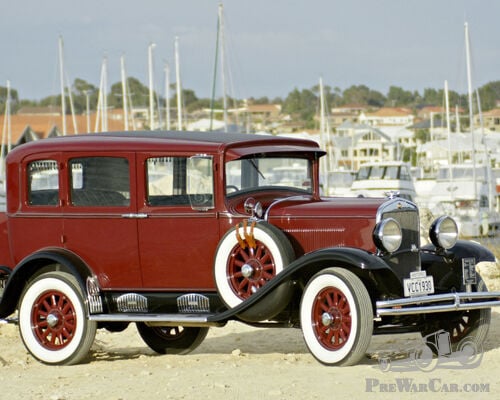
1930 Chrysler 66 Six-Wheel Equipped Royal Sedan
An exceptionally well restored and highly awarded Chrysler 66 Royal Sedan, with only two owners in nearly 97 years.The present owner ..
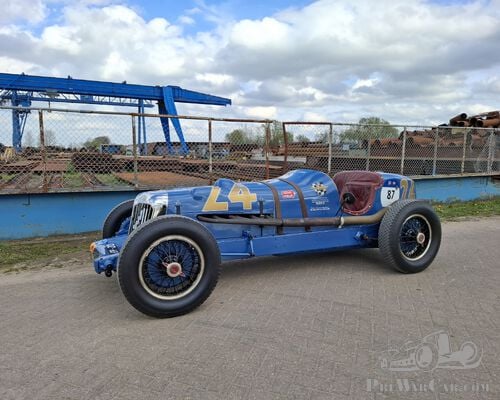
1932 - Graham " Lucenti " Indianapolis
Original participant of the 1932, 1934 and 1935 Indy 500. Best result: finishing 10th overall in the 1934 Indy 500 with driver “Herb” Ardinger...