The global magazine and marketplace for classic car enthusiasts, by enthusiasts.


Filter
Make a choice:
- Cars
-
Make >>
-
Year >>
-
- Bikes
- Parts & more
-
Make of car >>
-
Manufacturer >>
-
Category >>
- Bicycles & more
-
Year >>
-
Countries


Combining the best of two designs led to an un-Packard-styled car


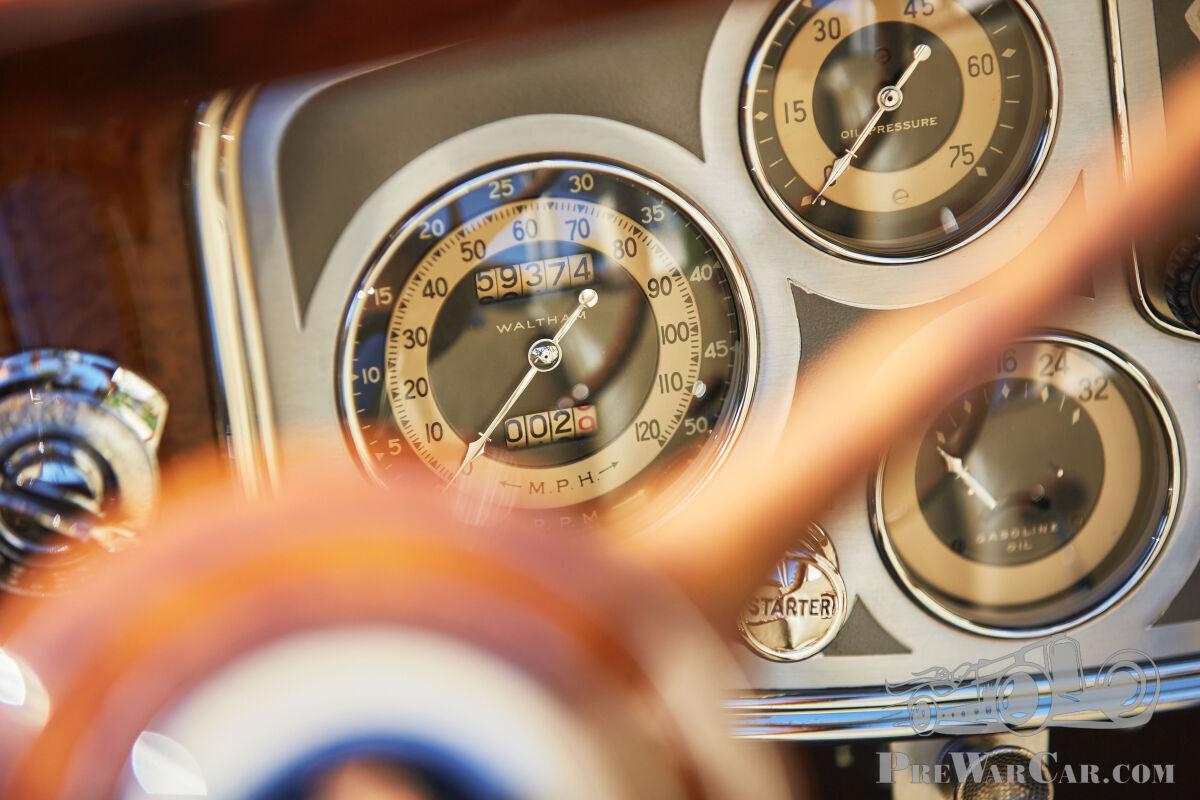
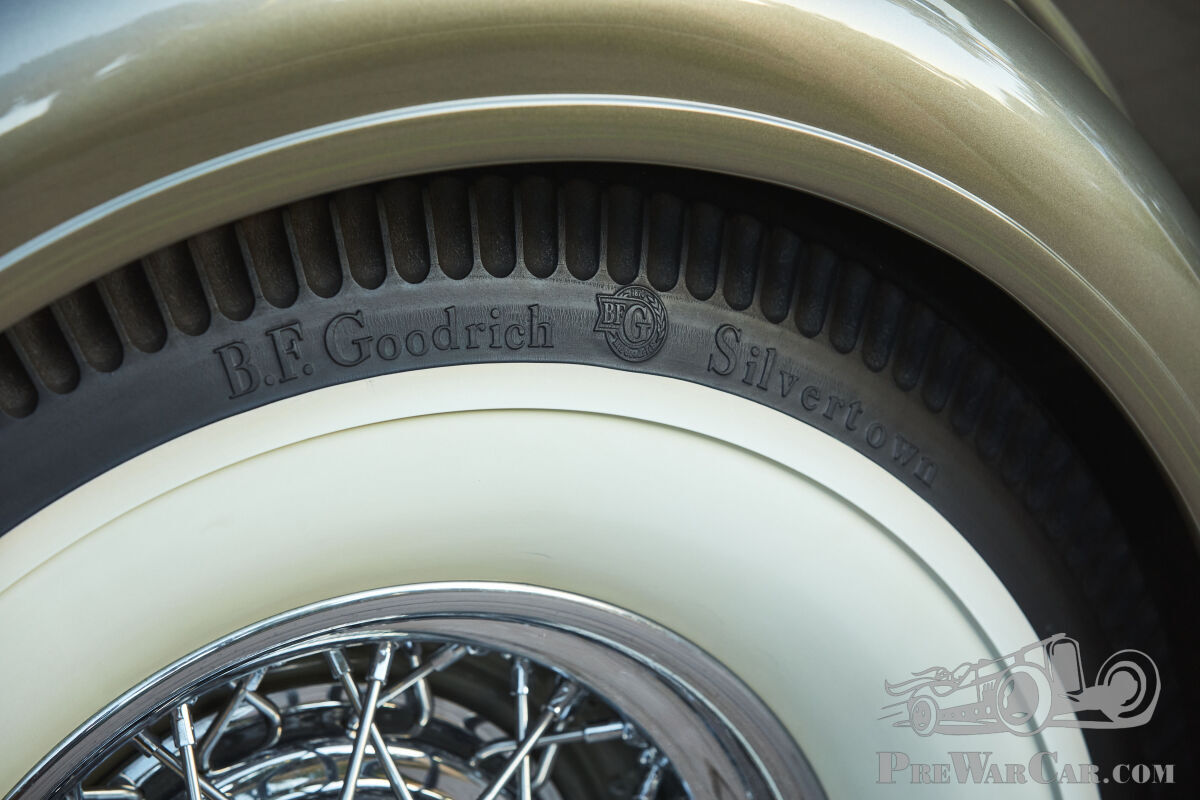



Choosing your favourite car at auction, especially at the auctions around the Amelia Island Concours, can be quite a challenge and is like choosing your favourite child. One day you may like one and the next day another.
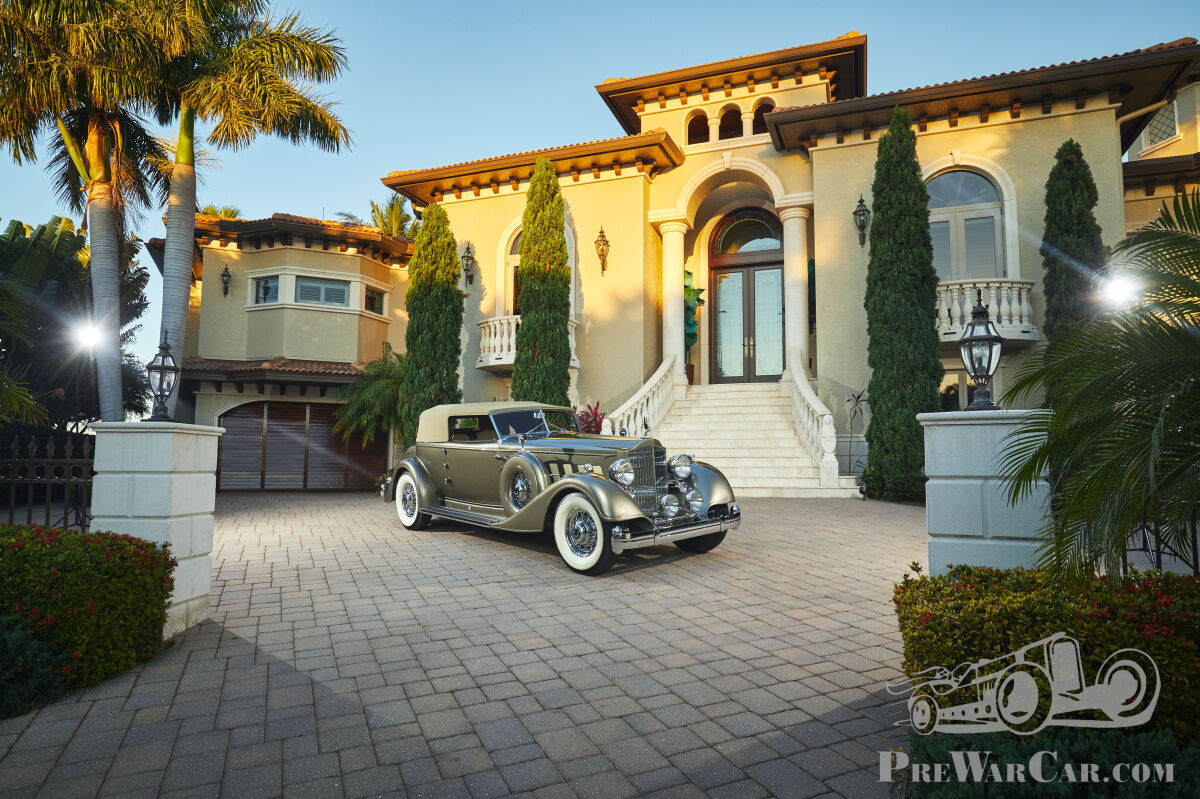
Today, we browsed through RM Sotheby's Amelia Island auction catalogue. They are offering a wide variety of cars with the 'cheapest' being a 1933 Ford V-8 Roadster (40-50k USD) and the highest valuation being another American icon, the 1934 Packard Twelve with a Dietrich custom body and a valuation as spectacular as the car itself: 3,750,000 - 4,500,000 USD!
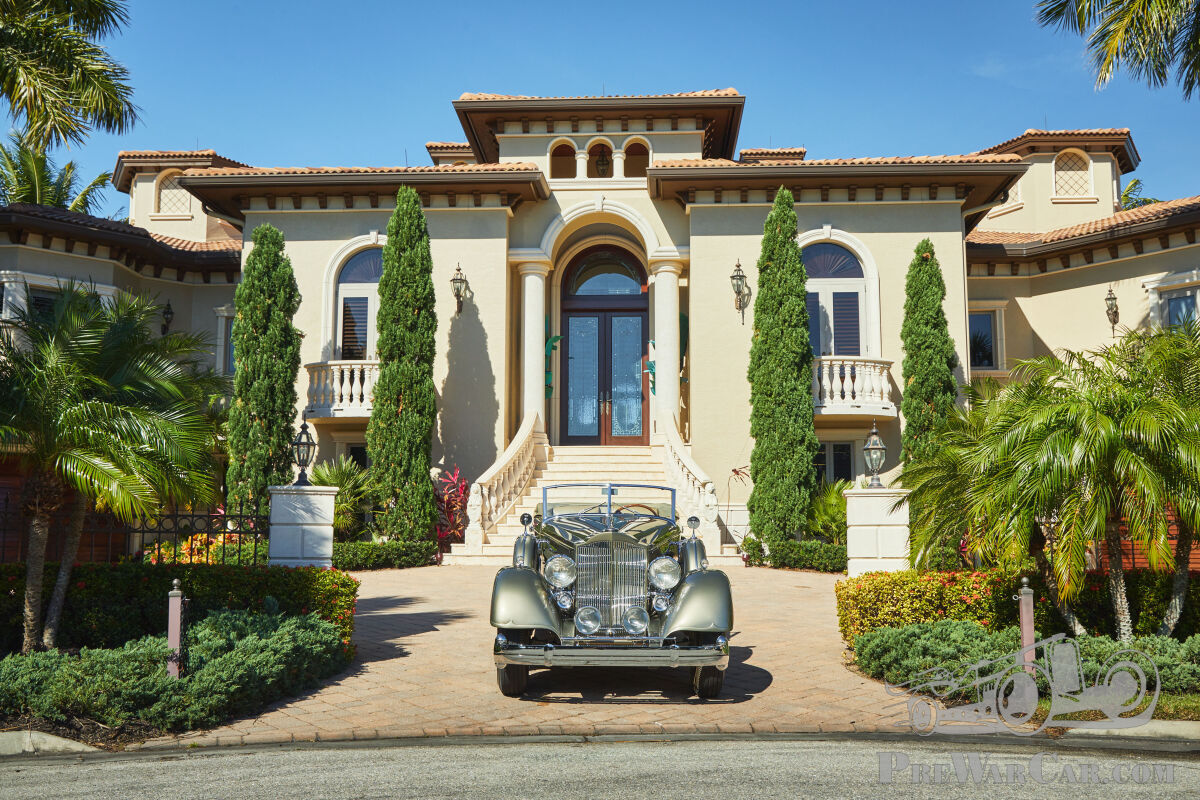
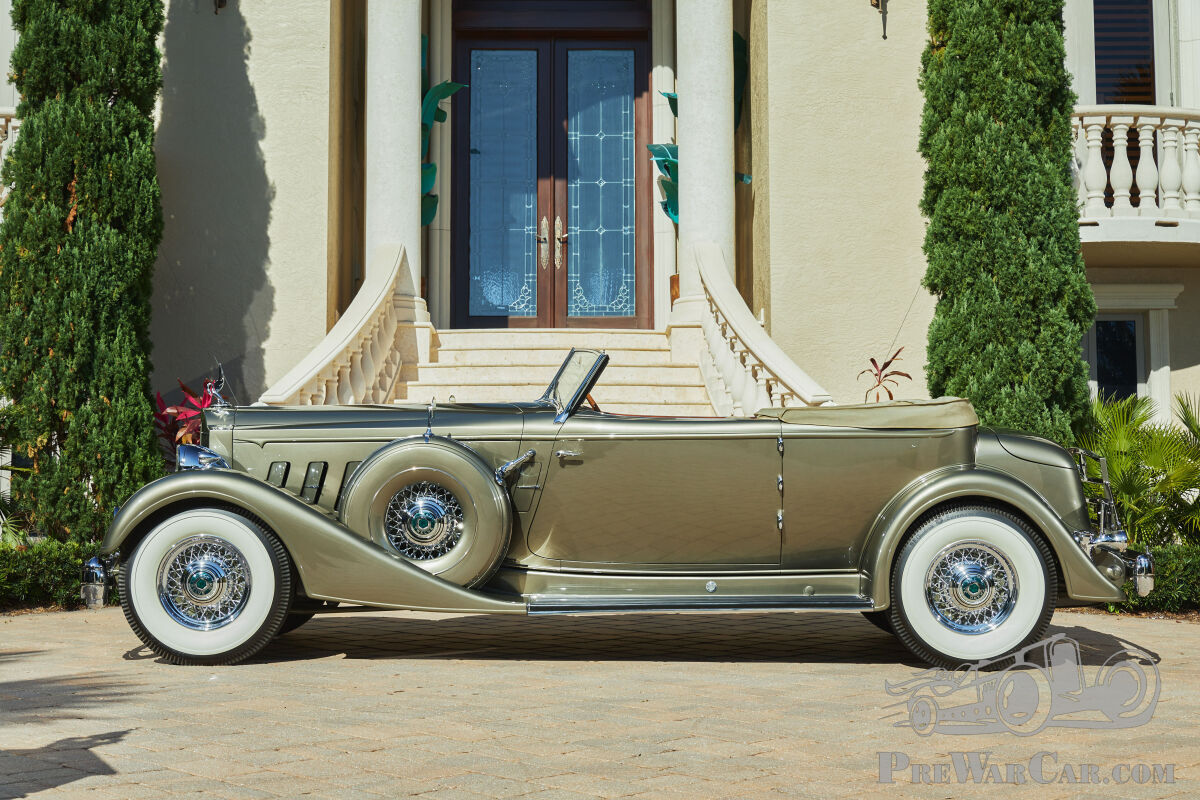
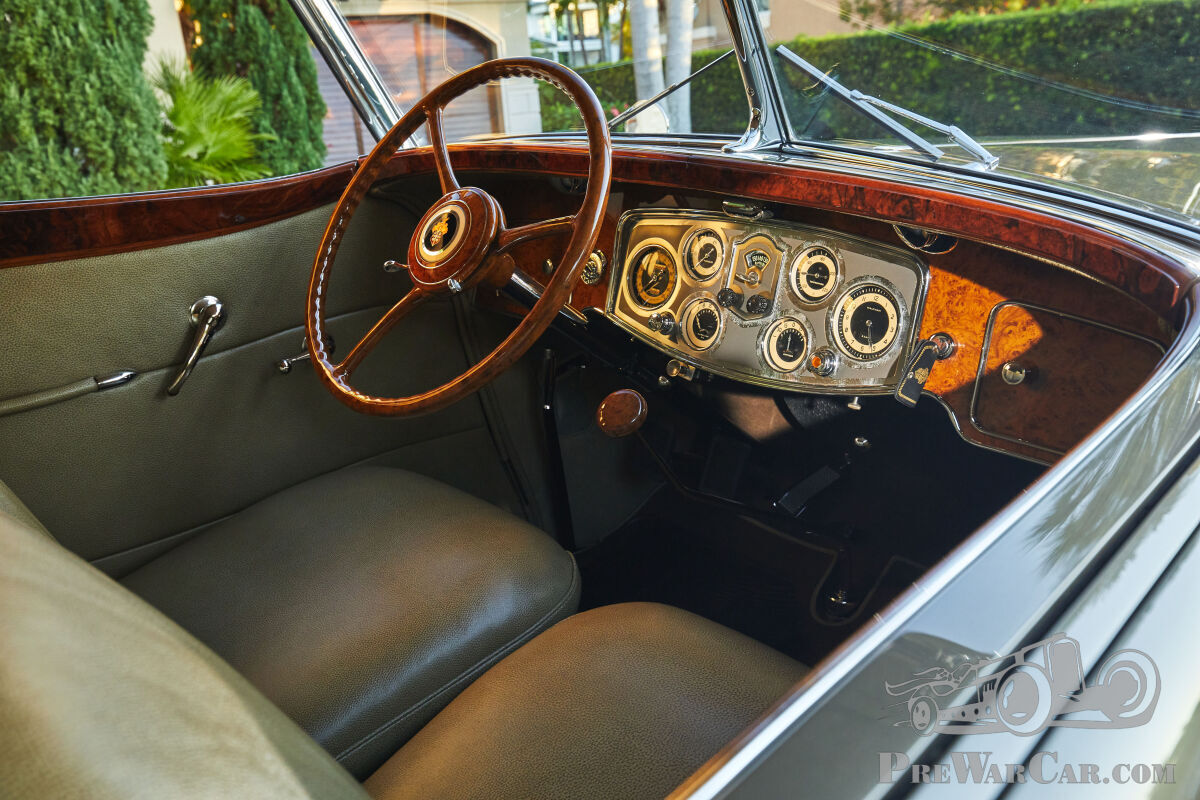
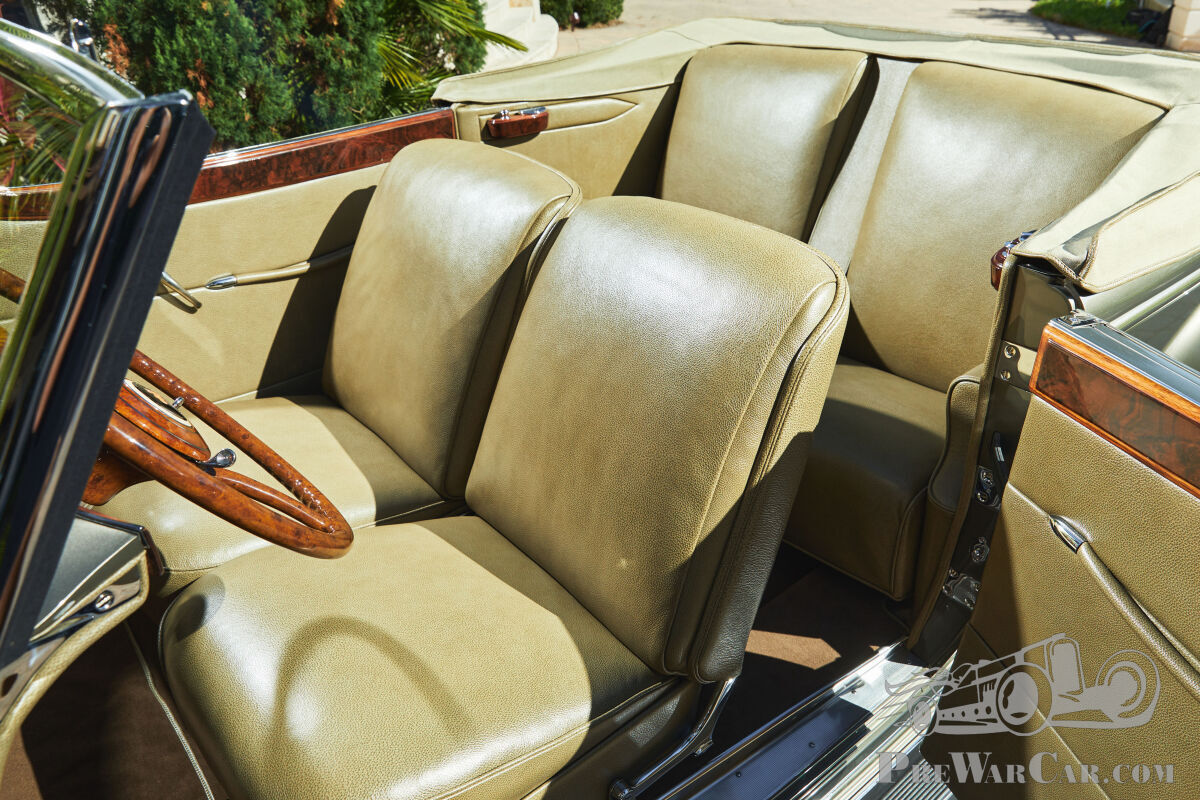
1934 Packard Twelve Individual Custom Convertible Victoria by Dietrich
This Packard Twelve Individual Custom Convertible Victoria by Dietrich is one of the three known survivors and was a nominee at the 2014 Pebble Beach Concours d'Elégance Best of Show. We took a dive into the history of the design of this un-Packard-styled car.
Raymond H. Dietrich
Raymond H. Dietrich was interested in drawing and design from an early age. With his father's support, he started work at the age of 12 as an engraver in a banknote printing house. He worked there until he was 16, and a few years later, at the age of 19, he got a job at coachbuilder Brewster & Co. His job was to help the designers make full-sized side and front views of the bodywork. This was then given to a craftsman to build the entire body. Raymond Dietrich was curious and eager to learn. He visited the workshops, looked at other designers and, most importantly, continued to go to school. After graduating in 1917, when he was 23, he left Brewster & Co. for car manufacturer Chevrolet. But this was only for a year before he returned to Brewster with more experience and a better contract.
From LeBaron, Carrossiers to LeBaron Inc.
A year later, he got a new colleague, another talented designer by the name of Thomas Hibbard. In 1920, the two founded the New York company with a French name: LeBaron, Carrossiers. Obtaining their first commission was not as easy as they thought, but a few months after starting they were allowed to design a Packard 7-seater Limousine. Most of their work came from car dealers, but they also designed cars for private clients.
In 1923, Hibbard resigned from LeBaron and only Dietrich and Ralph Roberts (who had become shop manager and co-owner a few years earlier) ran LeBaron. The company became LeBaron Inc.
Founding of Dietrich Inc.
In 1925, when the company was well known for designing bodies for various car companies, Murray Body Corporation (with influence from Ford) tried to get a stake in LeBaron and move the company to the Detroit area. LeBaron's management was not ready for this but Raymond Dietrich realised that a move to Detroit was the only way to expand. LeBaron's directors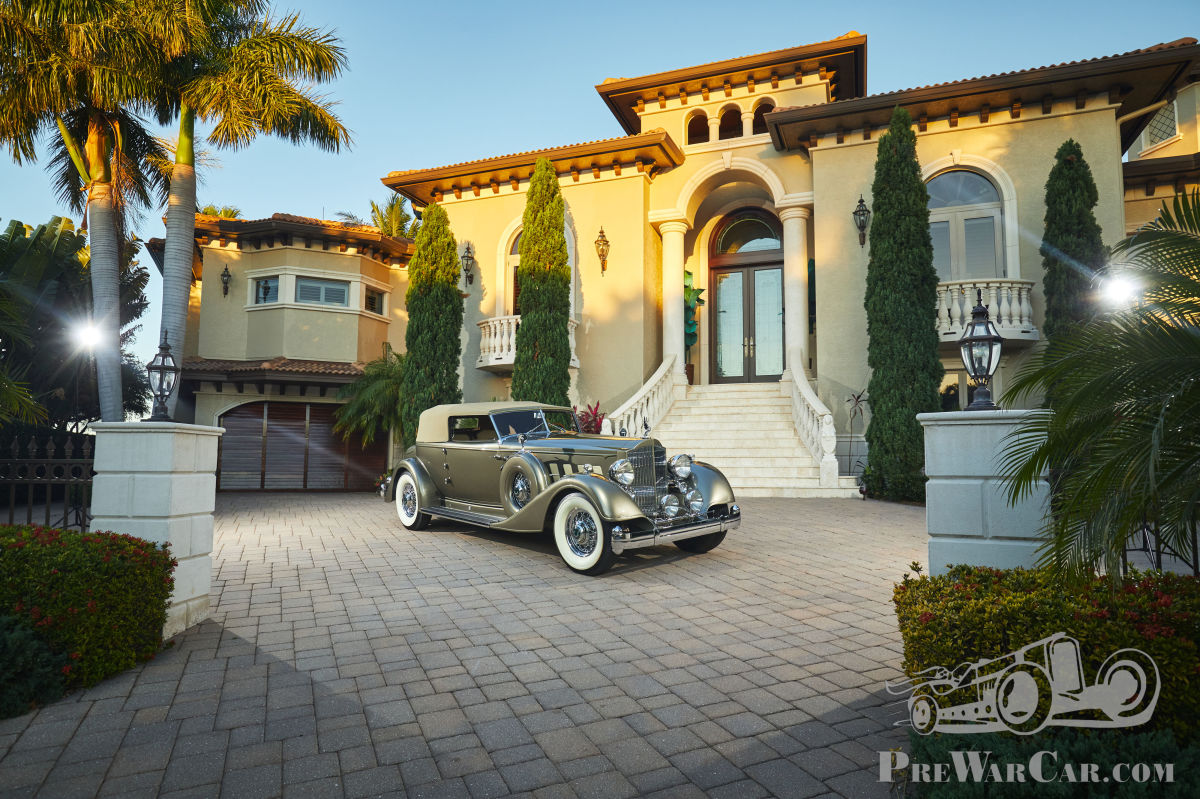
It was a success and soon a number of Packard dealers approached Dietrich with orders for custom bodies. The Dietrich style became well known and they won awards at various shows in Europe and America.
The Victoria Convertible style appeared in 1929 on Lincoln and Packard chassis. It was an intermediate form between a convertible coupé and a sedan, seating four passengers inside on separate seats. Comfort in this convertible was as great as in the ordinary closed car.
Count Alexis de Sakhnoffsky was hired
Unfortunately, business at that time was not as good as anticipated and the company fell into a financial crisis. In 1930 it became clear that Raymond Dietrich was not the right president to turn the tide and he resigned as president of his own company. Clayton Hill became the new president and they continued with the same designs, until Count Alexis de Sakhnoffsky was hired to refine the original designs with some visual tricks.
Sakhnoffsky had a reputation for streamlined designs with a desire for efficiency and speed. He added this to the designs of Dietrich Inc. Typical characteristics of his designs were the false bonnet and the slanted A-pillar.
This can also be seen on the 1934 Packard offered by RM Sotheby's. He extended the already long bonnet line, making the 147-inch wheelbase appear even longer and the design of the windscreen makes the car appear to be moving even when it is standing still. The combination of Dietrich style and Sakhnoffsky streamlining, results in a very graceful Packard. Perhaps one of the most elegant built.
It was a short-lived success, however, and only a few years later, in 1936, Dietrich Inc. was closed down.
Raymond Dietrich had a longer career in design. As a freelancer, he designed several cars before becoming a designer for the Chrysler Corporation. This was a first for Chrysler because they had no styling department at that time. He left around 1938. He continued to do consulting work and assisted Preston Tucker with the design of the Tucker automobile. Later he started a new small design and manufacturing company. Raymond H. Dietrich died in 1980 at the age of 86.
| Company | RM Sotheby's |
| Auction | Amelia Island |
| Location | United States |
| Date | 5 March 2022 |
| Live/online | Live |
| View all lots |
Sources: RM Sotheby’s, Coachbuilt. Pictures by Rafael Martin ©2022 Courtesy of RM Sotheby's.
Published:
Wednesday February 23rd, 2022
Facebook
LinkedIn
Twitter
WhatsApp
Email
Copy
Comments
Ace Zenek
25 February 2022, 08:50
A beautiful automobile, but why didn't they hide the door hinges and created a more flowing side view?
Read more