The global magazine and marketplace for classic car enthusiasts, by enthusiasts.


Filter
Make a choice:
- Cars
-
Make >>
- Bikes
-
Location >>
- Parts & more
-
Make of car >>
-
Manufacturer >>
-
Category >>
- Bicycles & more
-
Year >>
-
Countries


The Cow’s Tail of Agen: a drive in the Lacroix-de-Laville La Nef
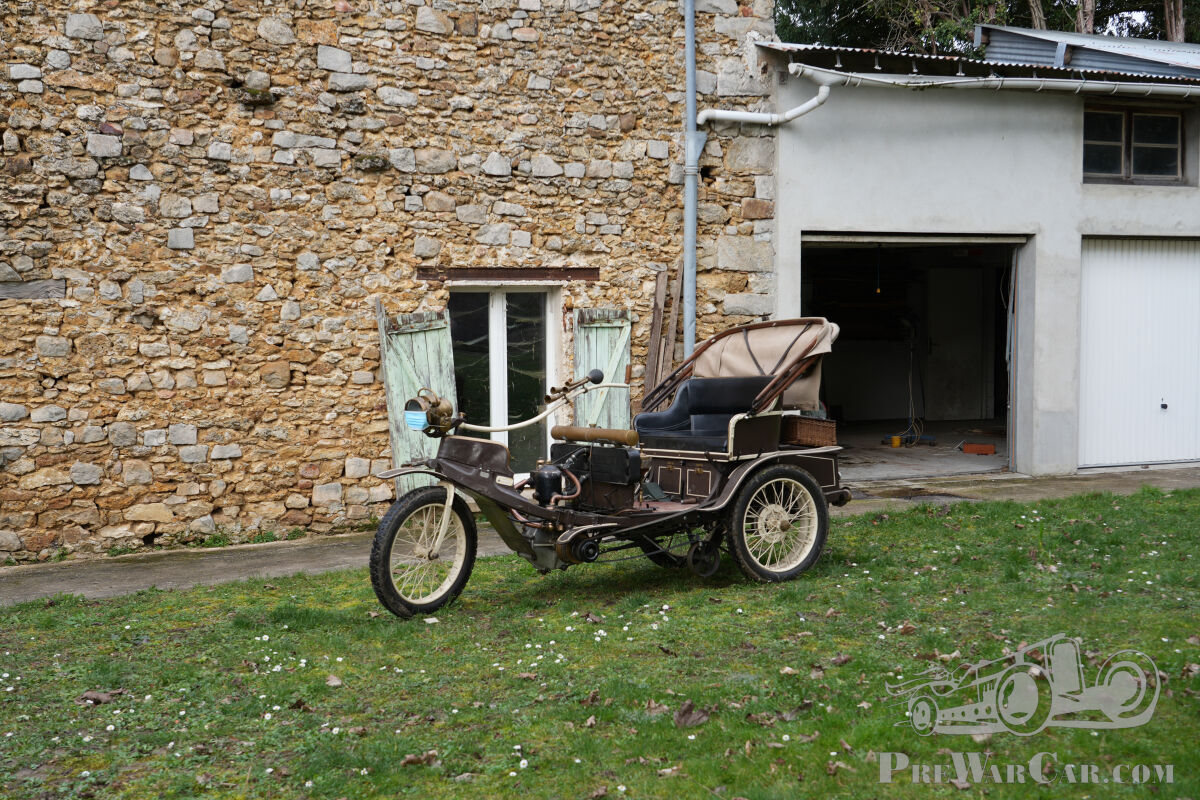
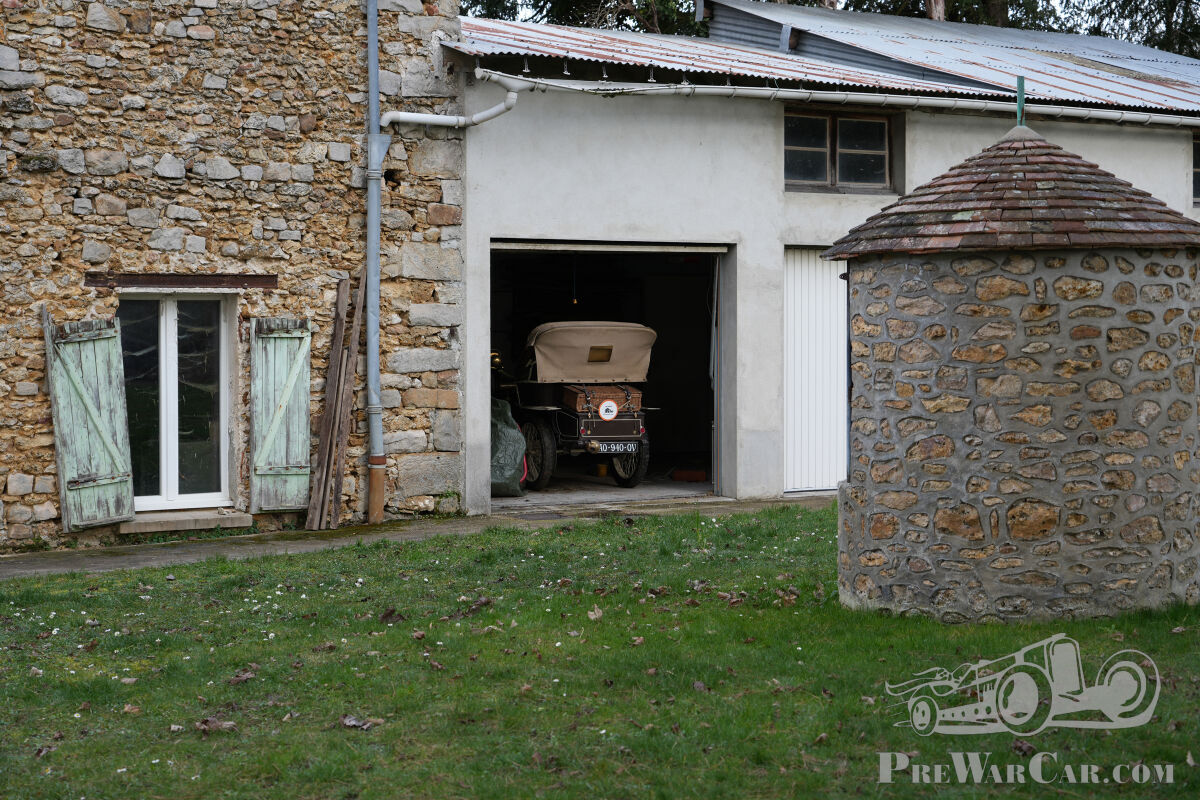
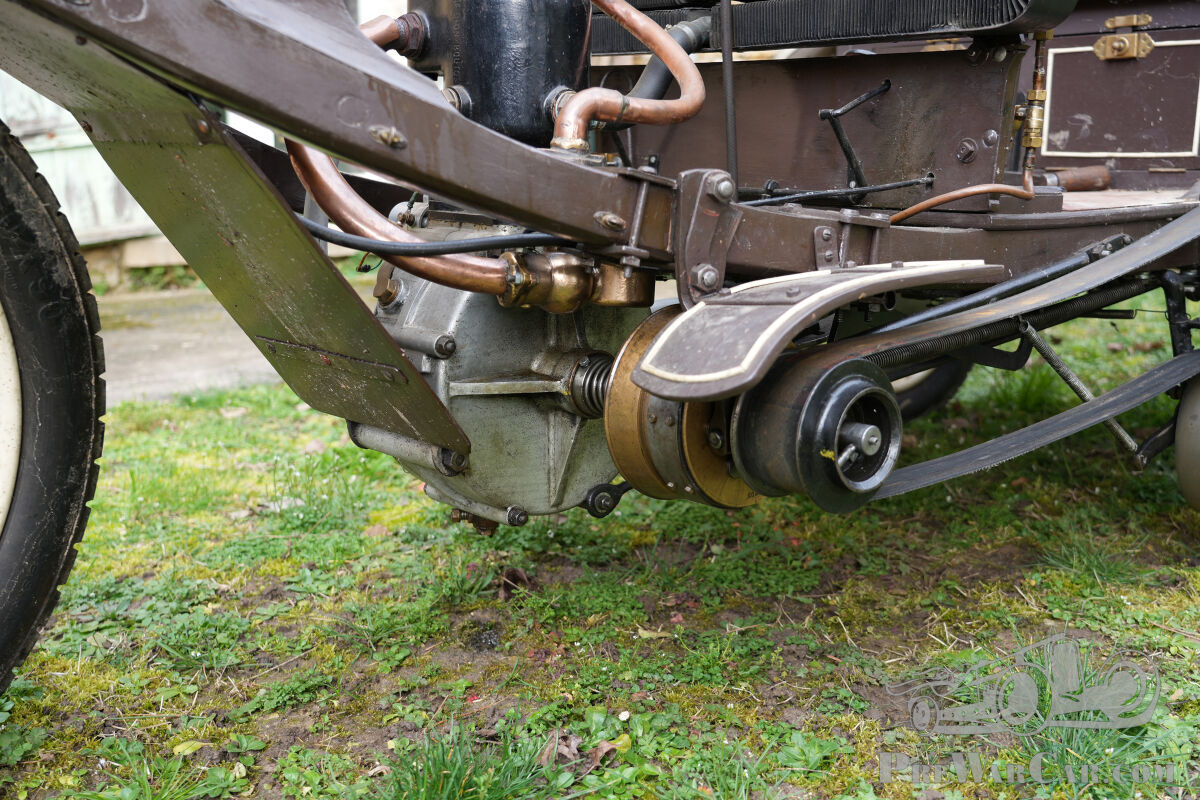
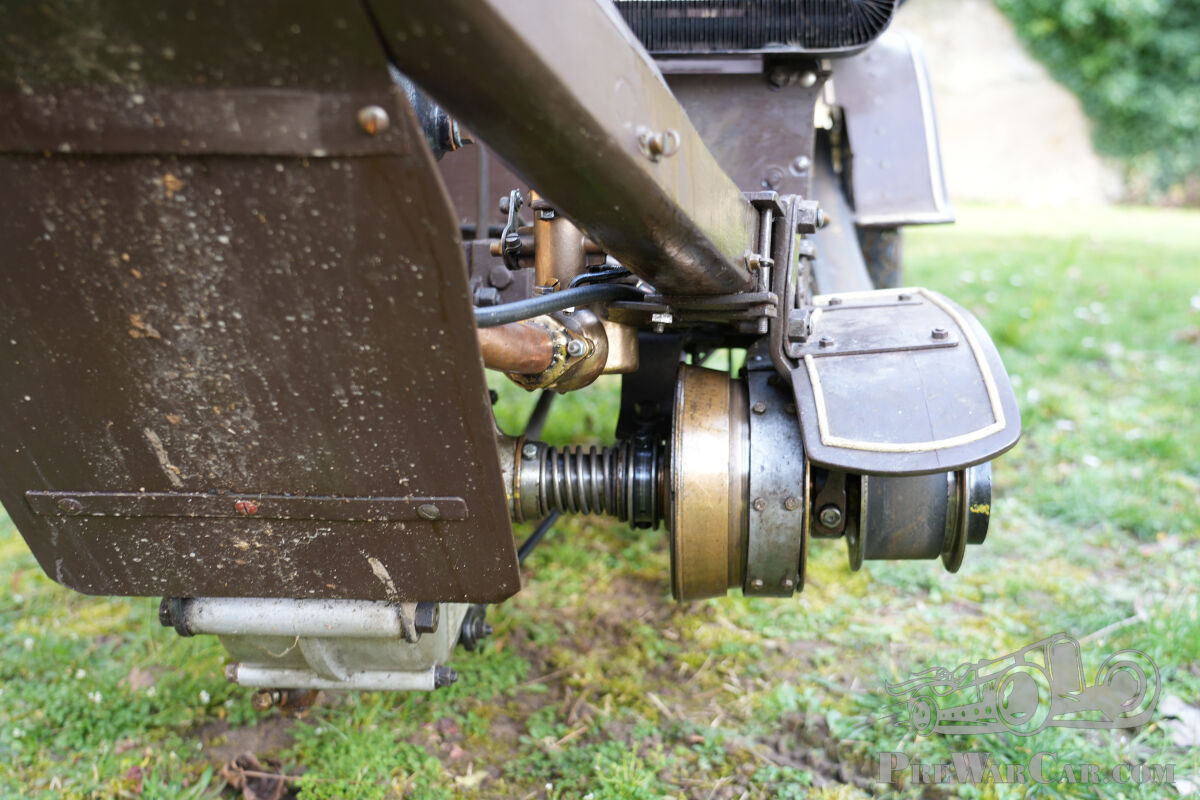
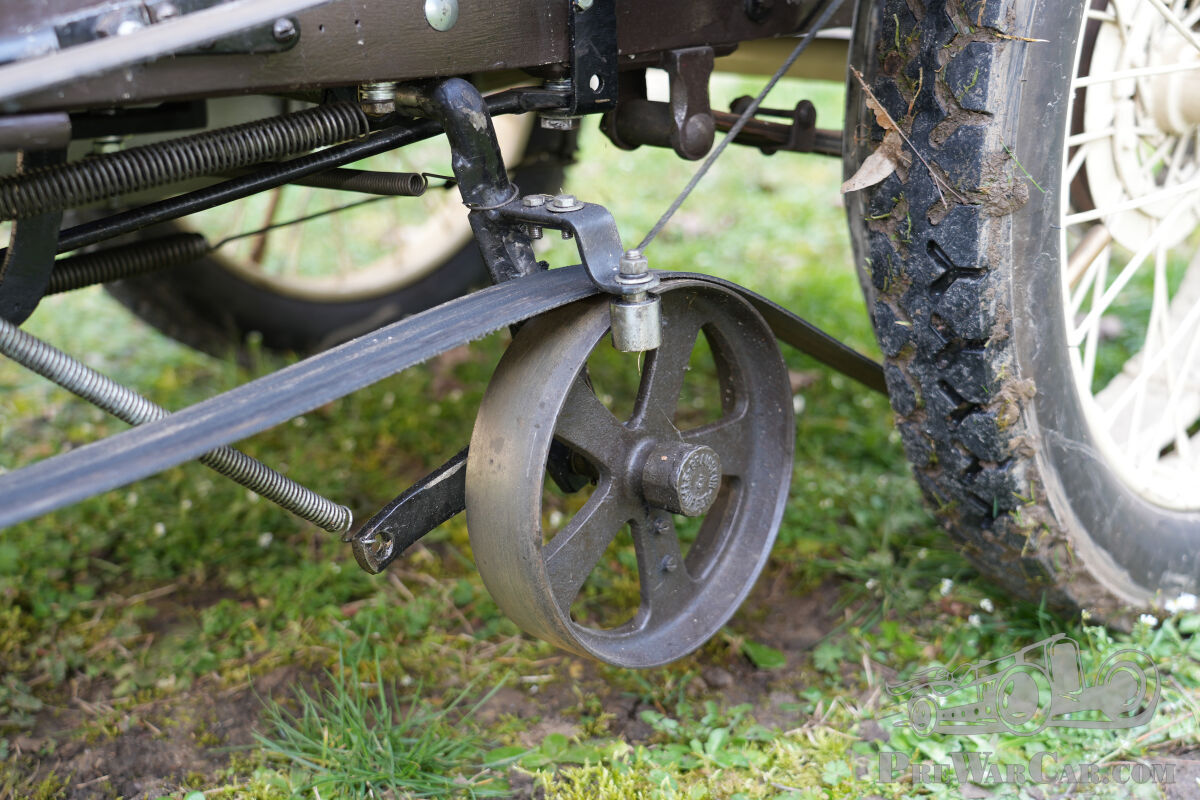
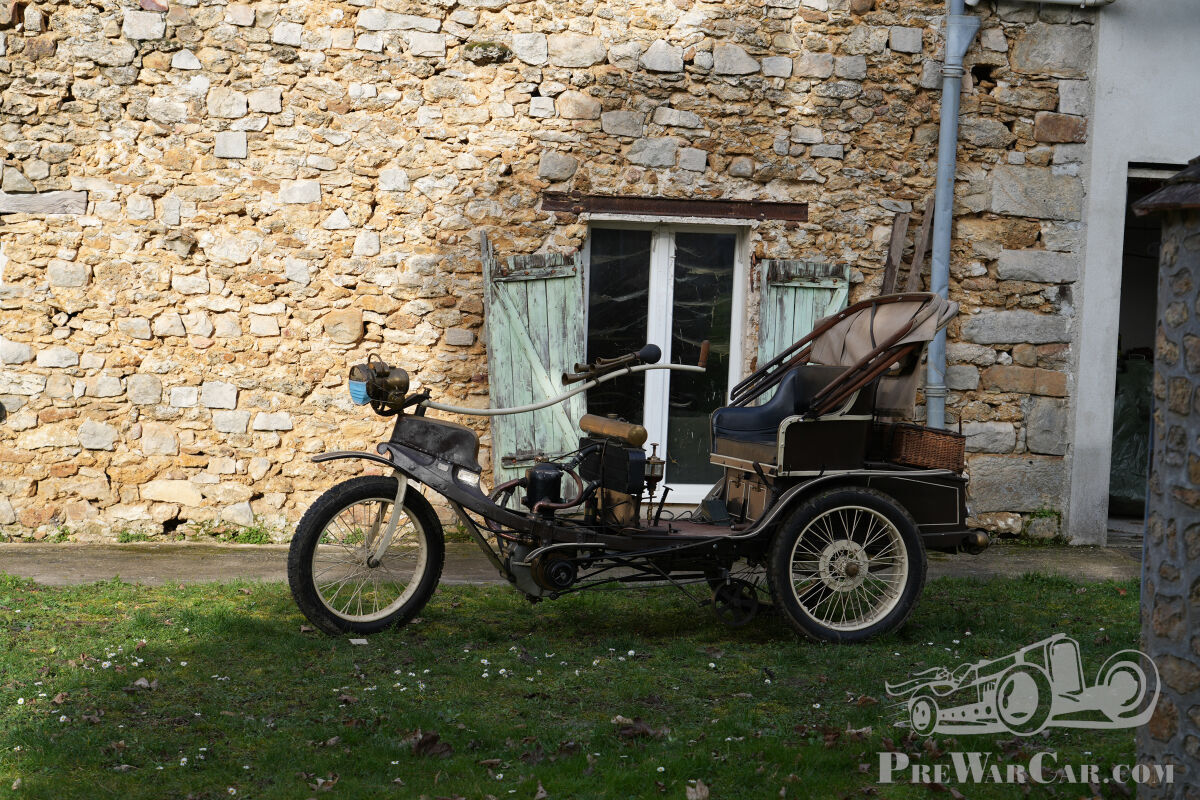
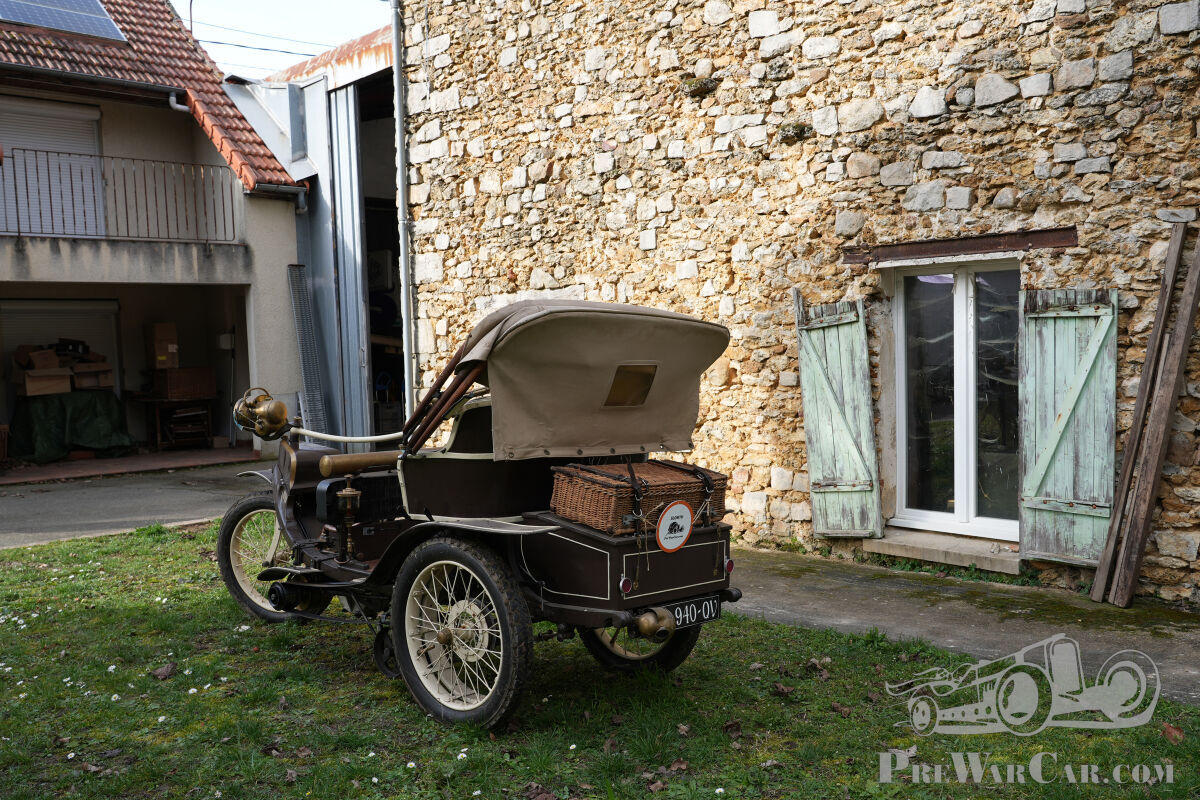


In a quiet street, close to the legendary Autodrome de Linas-Montlhéry, we turn into a narrow road. A mosque is just opening its doors; it is busy, lively and chaotic. Are we really in the right place? Then a gate slides open. Behind it: silence. A courtyard surrounded by closed garage doors. One door stands open. A sign for the Festival of Slowth is visible. And behind it we immediately recognise the characteristic rear end of what we came for: a Lacroix-de-Laville La Nef.
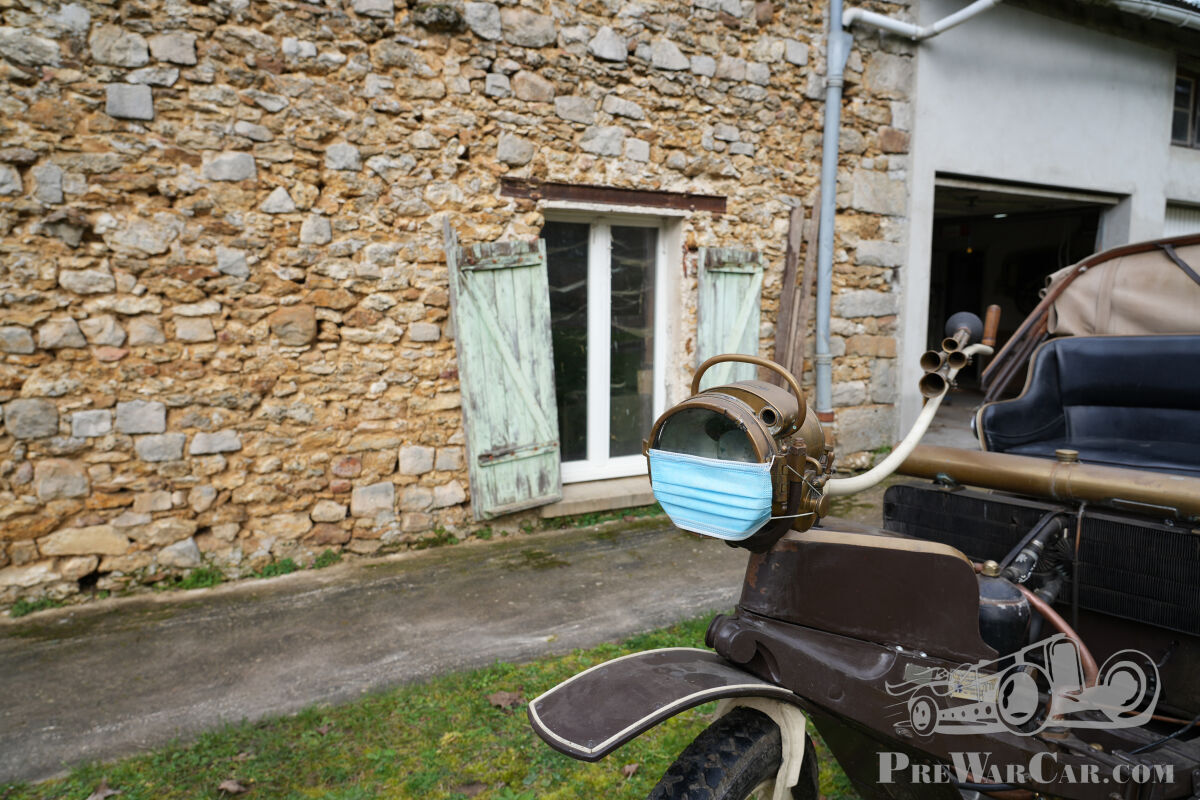
The three-wheeler is rolled out of the shed. The wet grass does not help; the drive belt to the left rear wheel slips. A gentle push solves it. The last major outing was during Covid; a face mask under the seat is a quiet reminder.
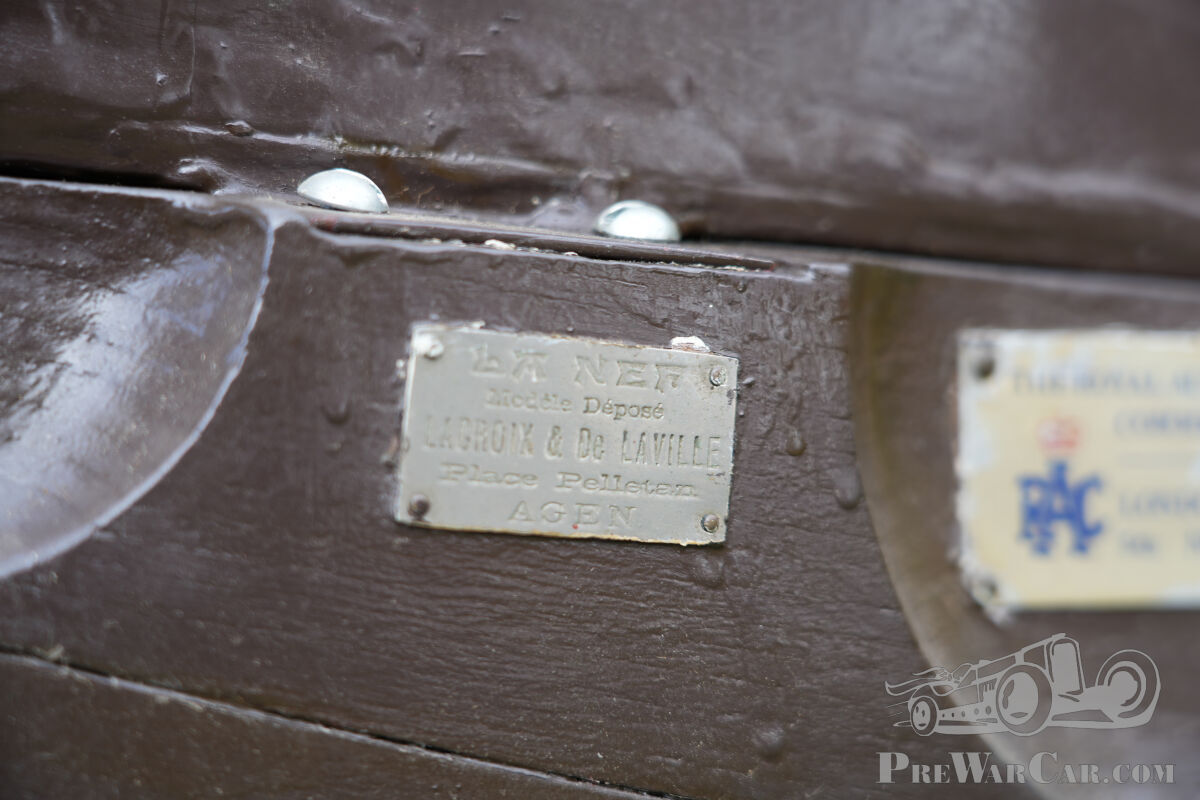
For those unfamiliar with the marque: Lacroix-de-Laville, better known as La Nef, was a small French manufacturer from Agen, active from 1902 until around 1909. Founder Joseph Lacroix had already been experimenting with motorised tricycles as early as 1896, often powered by De Dion-Bouton engines. Production remained limited to an estimated 200 examples. They were popular with doctors and well-to-do citizens seeking a modern yet relatively simple vehicle in the pioneering years of the automobile.
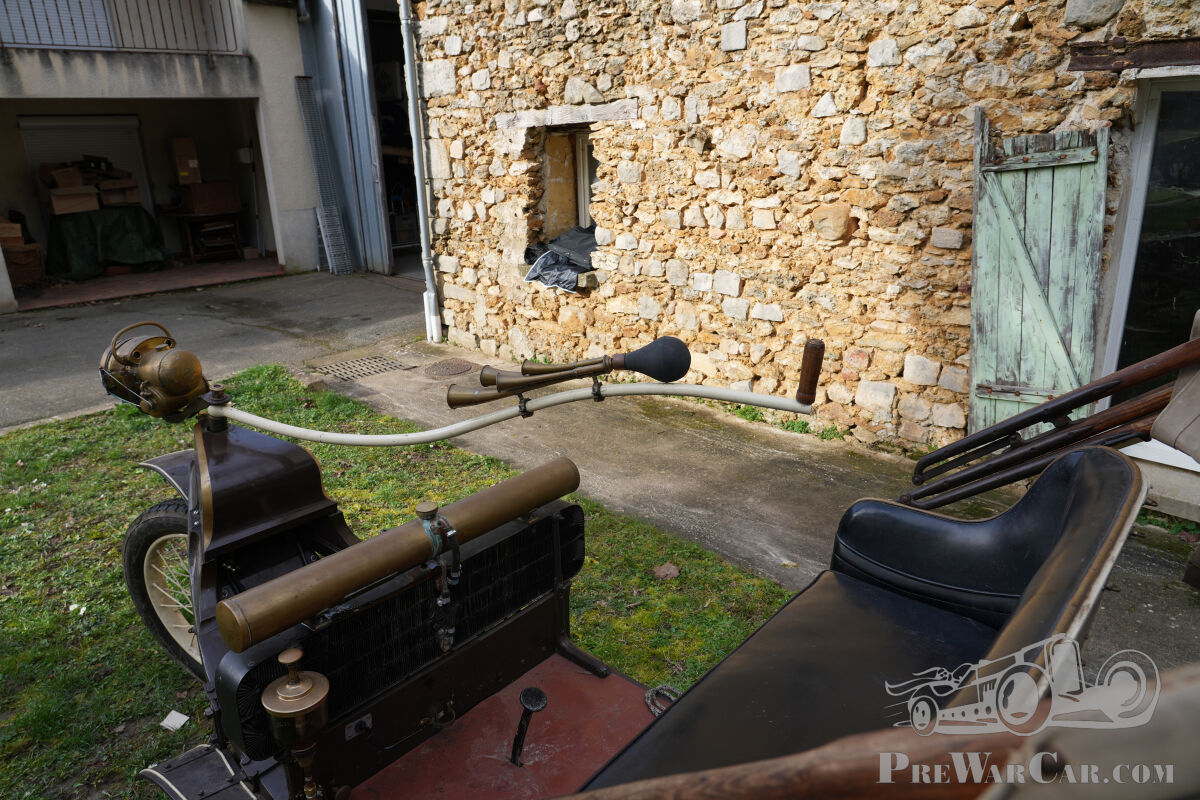
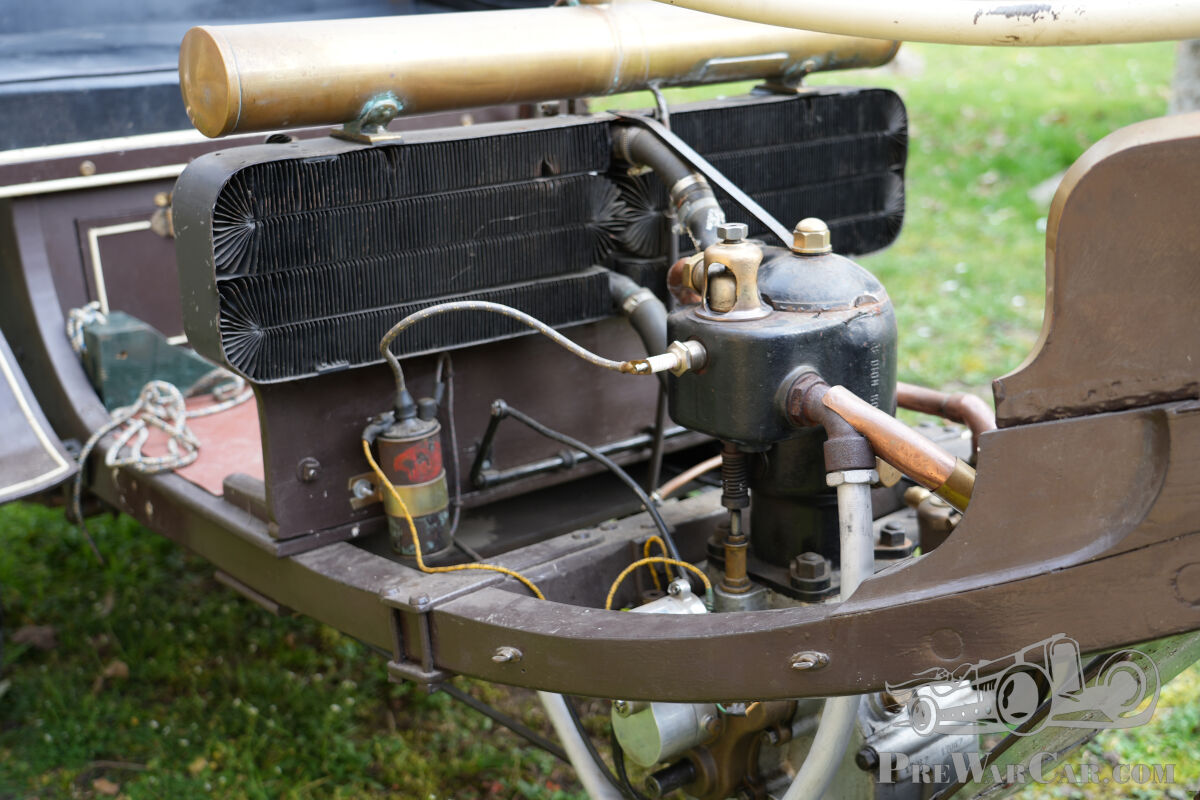
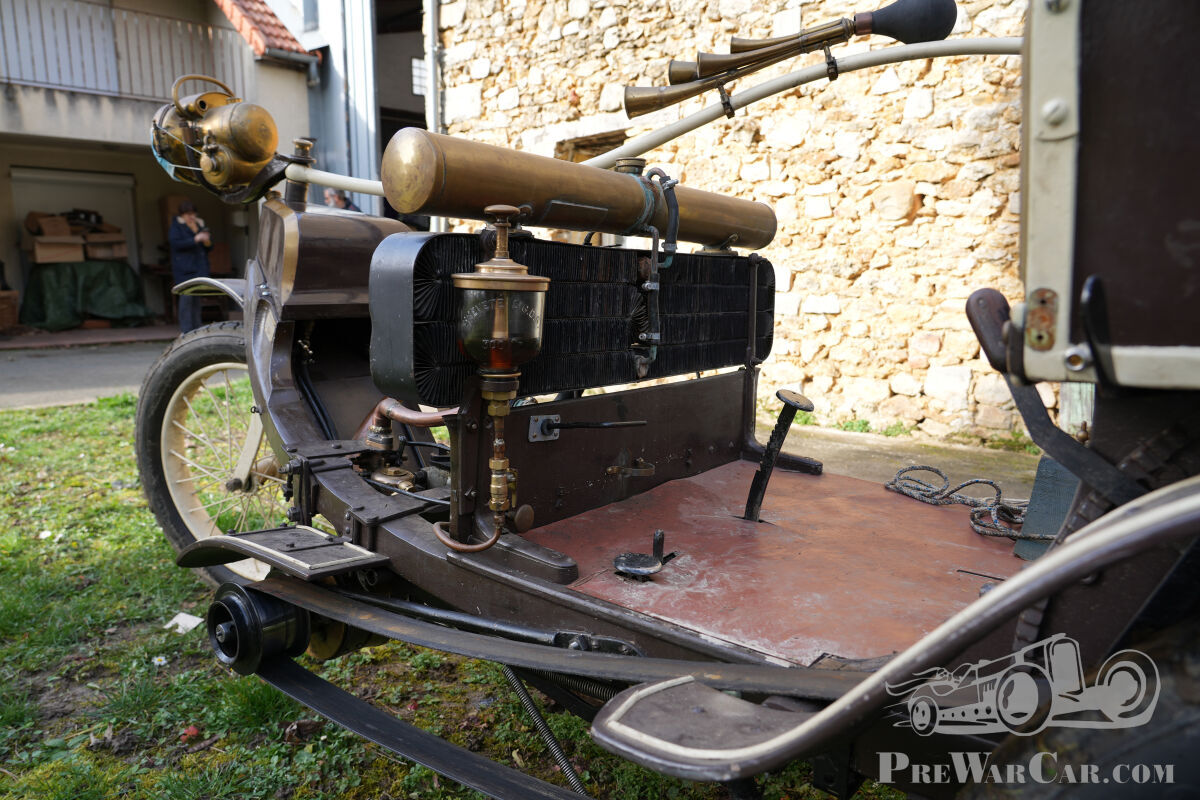
The concept is unconventional: one front wheel, two rear wheels, a wooden chassis and a long steering lever affectionately nicknamed the “cow’s tail”. The nickname needs no explanation once you grasp it. Output ranged from 3 to 8 hp; this example features a strong 6 hp single-cylinder, now fitted with a Solex carburettor. Thanks to the clever Bozier transmission, it is surprisingly brisk.
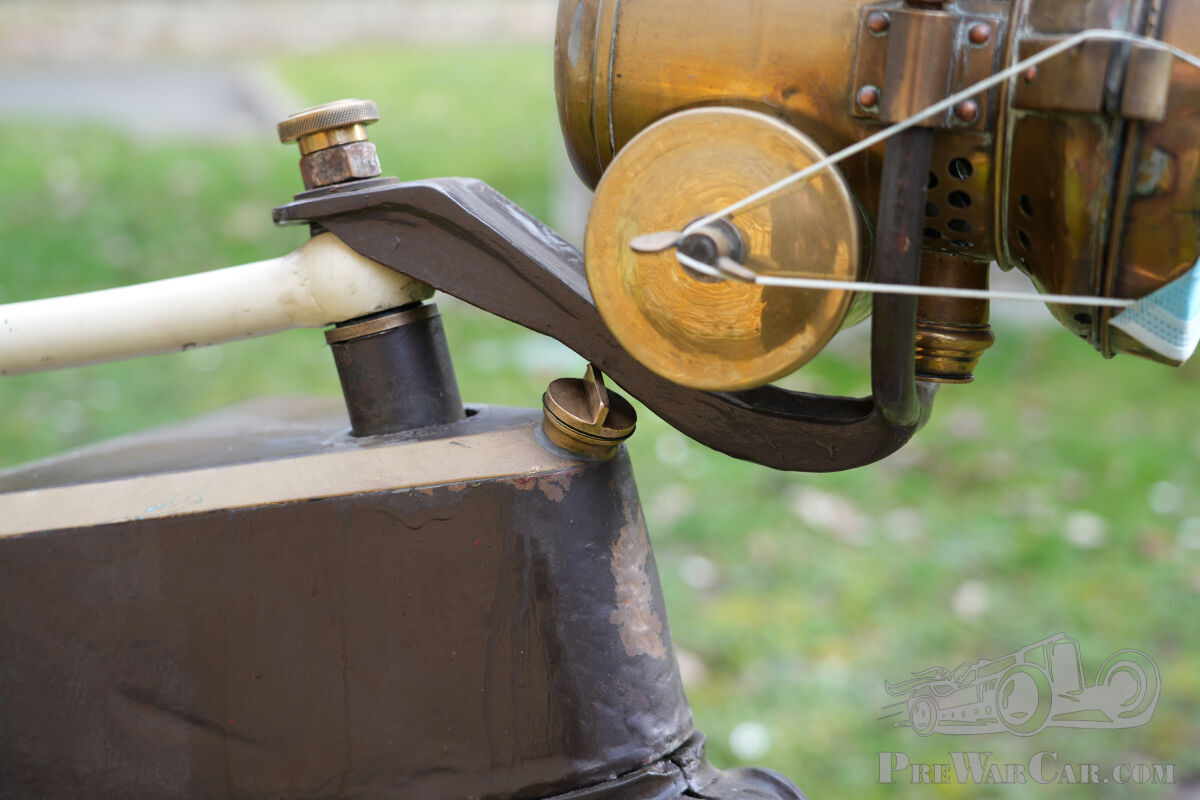
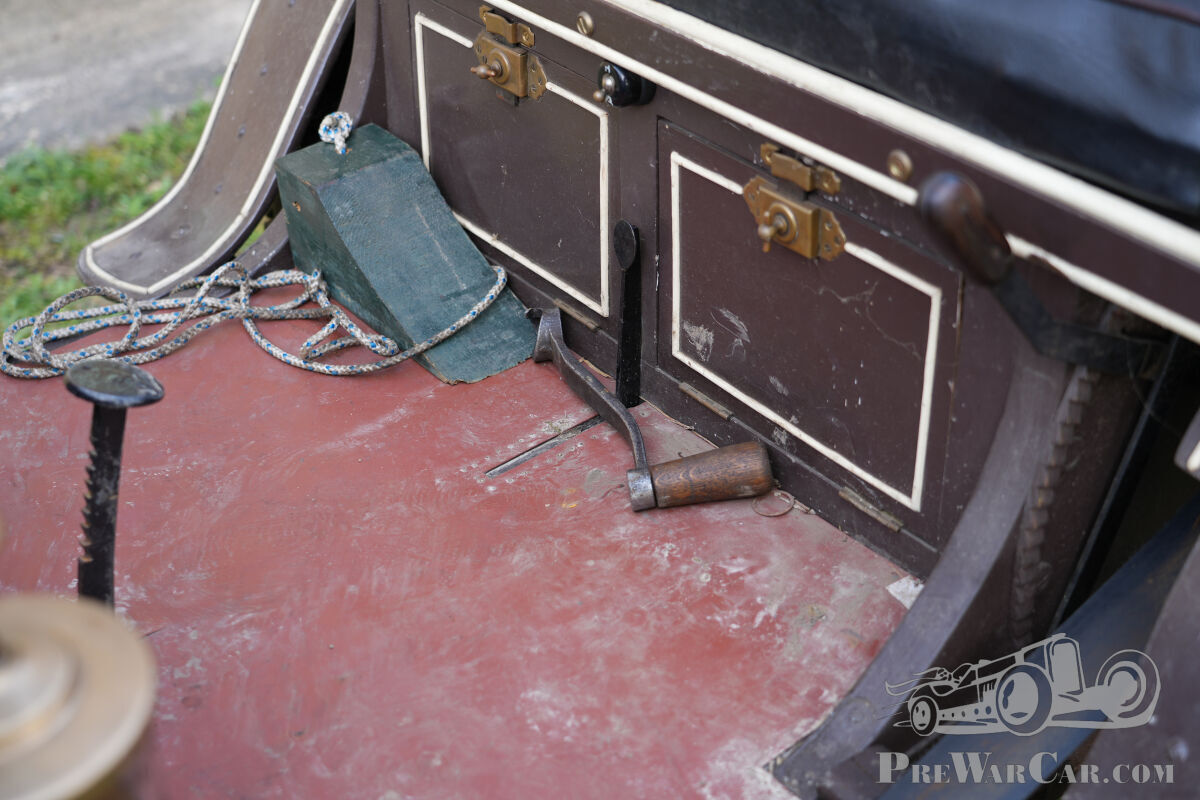
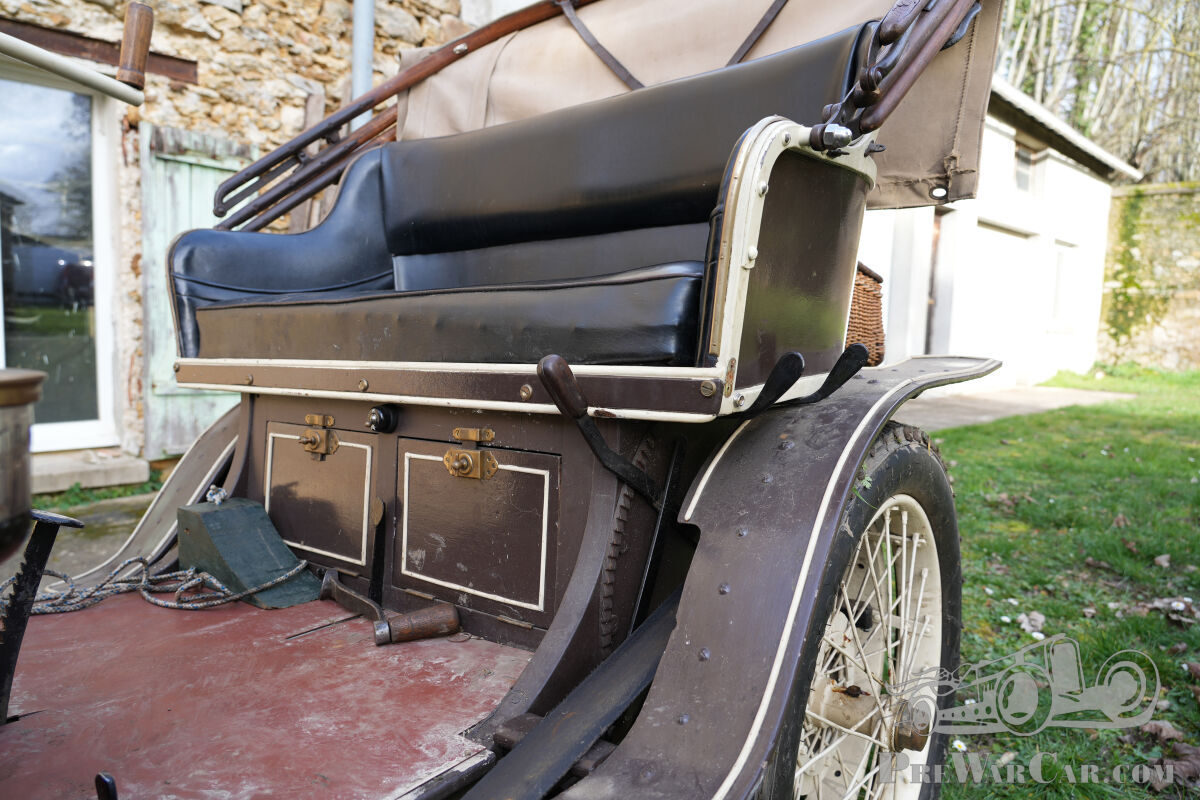
Starting is a ritual. My ‘instructor’ has written down the procedure and explains it step by step. Eight levers demand attention. Beneath the seat sits the lever that tensions the leather (or in this case reinforced rubber) belt via a cast-iron wheel. Next to it are throttle and exhaust valve regulator. Ignition timing is adjusted by a lever on the dashboard – requiring a long reach forward. On the floor are two pedals: a round brake and the clutch to shift from low to high (direct drive). The fuel tank sits at the front; to refill it the steering must be turned aside to reach beneath the lamp.
Driving requires agility. For a tight corner the driver must literally lean over the passenger – or hand over the cow’s tail. “Strange but fun,” my instructor remarks dryly.
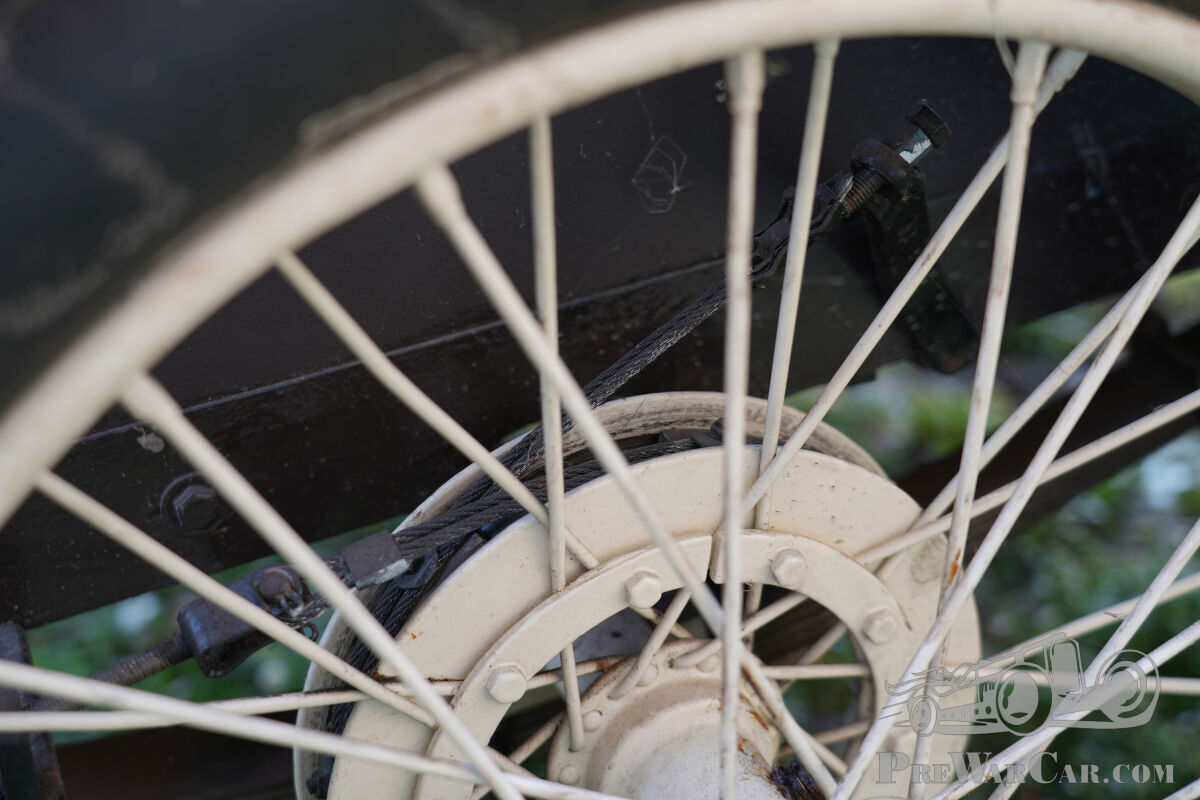
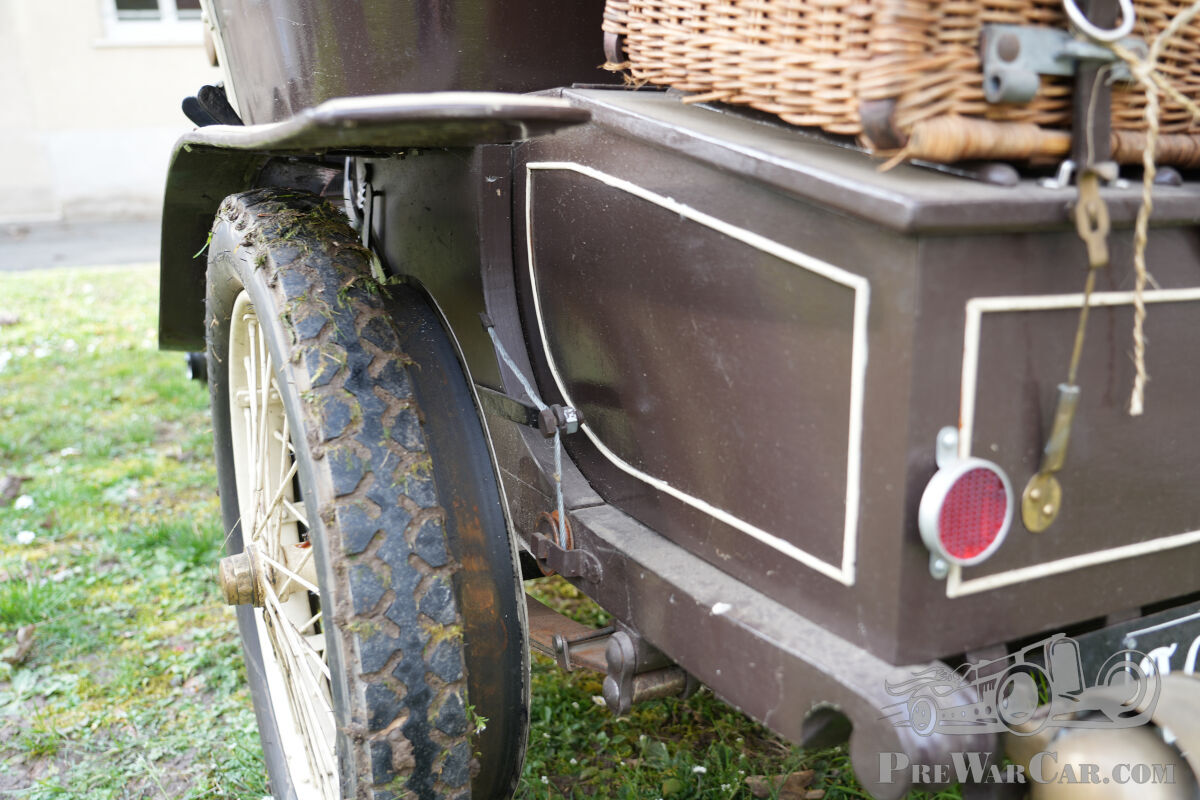
The wooden frame recalls the earliest running machines. Yet there is remarkable luggage space: under the seats, at the rear, even a picnic basket on top. The substantial tyres (710x90) give it a purposeful stance. The roof looks charming, though one wonders how much protection it offers in French rain. The brake? A pulley on the rear wheel with two thin steel cables wrapped around it – elementary but effective.
Then it is my turn to drive alone. The belt lever proves heavier than expected; insufficient tension and it refuses to move. One more determined push and it surges forward. Barely time to adjust the throttle. But once underway, the smile comes naturally. The La Nef is fast, smooth and surprisingly direct. Despite the long steering lever, everything feels solid and mechanically honest. You feel the road, the belt, the gears – everything working visibly and tangibly together.
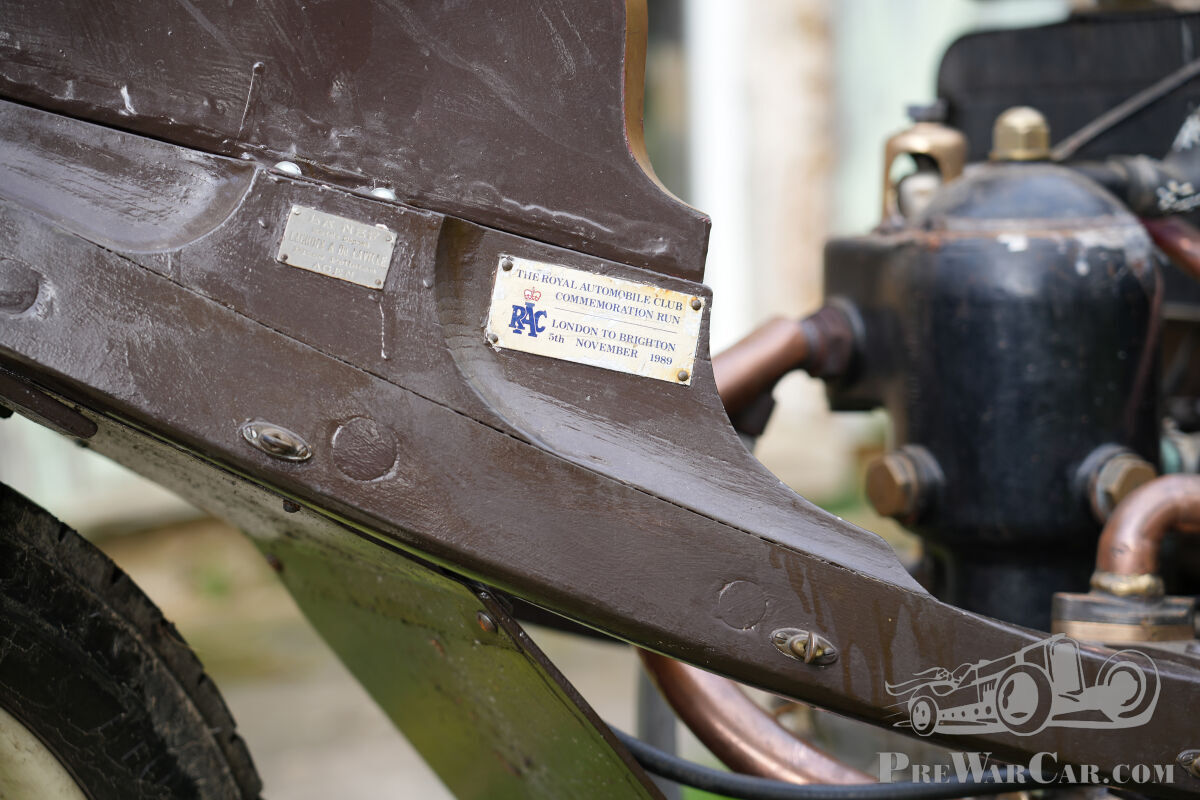
This car has no official VCC dating for the London to Brighton Veteran Car Run, as the type changed little between 1902 and 1909. That does nothing to diminish its history. A badge from 1989 proves it completed the famous run.
As we drive back, I am not entirely sure what to think. Yes, it was a wonderful experience. Strange? Certainly. But above all: fun.
The Lacroix-de-Laville La Nef is currently for sale. For those who dare: the advertisement awaits.
Text and photos: Laurens Klein
Published:
Wednesday March 4th, 2026
Facebook
LinkedIn
Twitter
WhatsApp
Email
Copy