The global magazine and marketplace for classic car enthusiasts, by enthusiasts.


Filter
Make a choice:
- Cars
-
Make >>
-
Year >>
-
- Bikes
-
Location >>
- Parts & more
-
Make of car >>
-
Manufacturer >>
-
Category >>
- Bicycles & more
-
Year >>
-
Countries


De Crawhez's camper: the mystery car of a motor-caravan pioneer
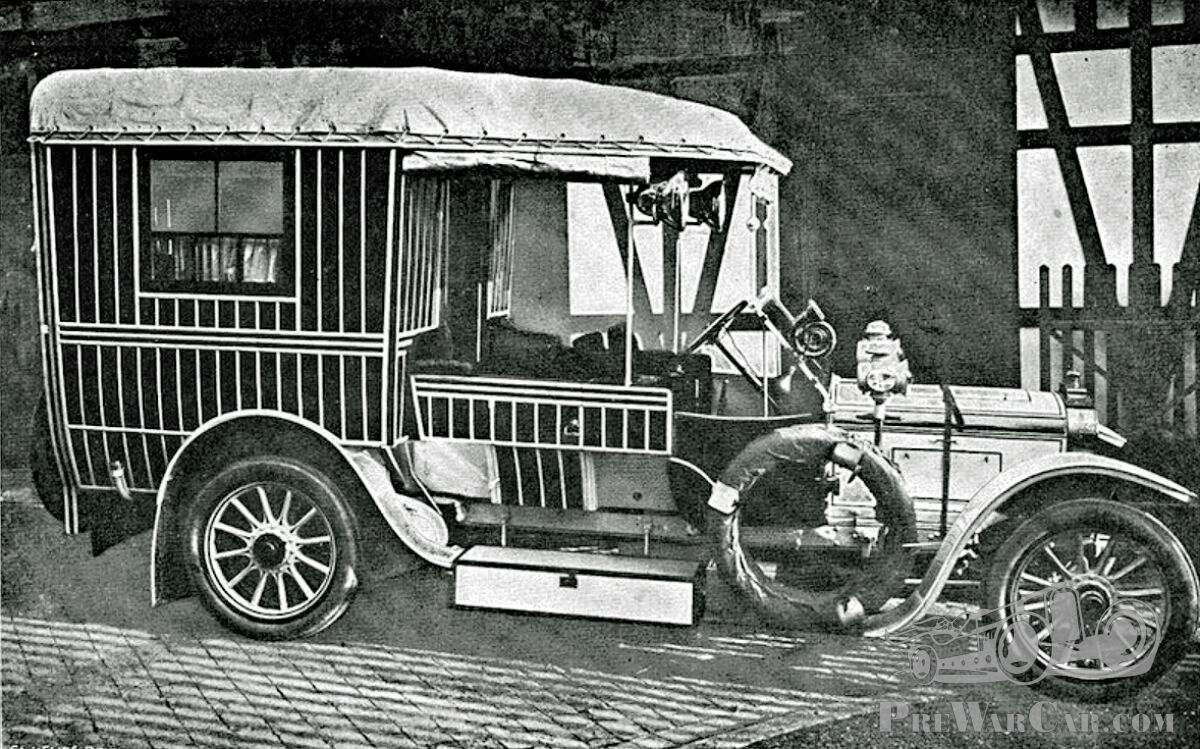
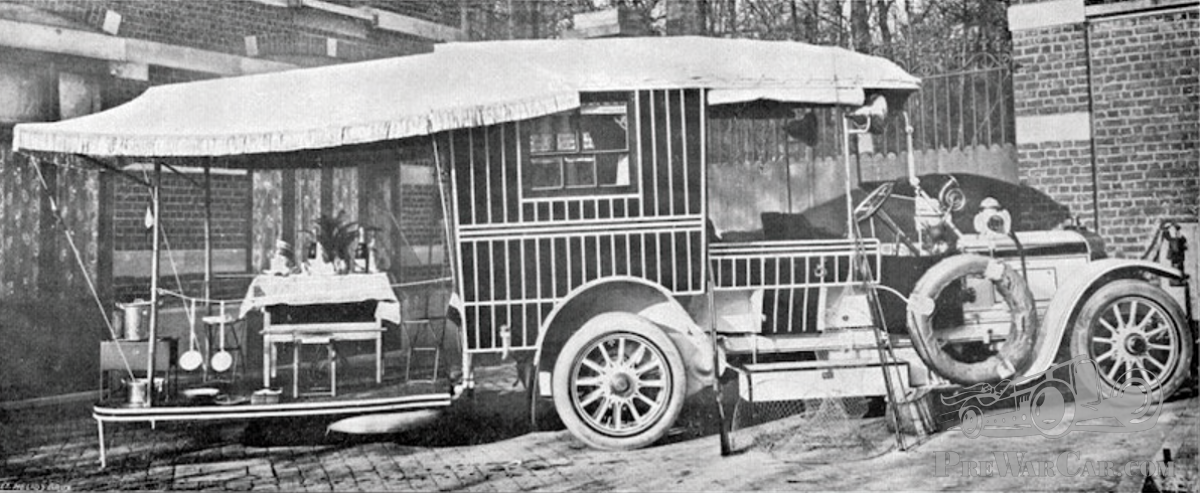


We begin today's article with a small confession. Some of us at PreWarCar.com indulged ourselves in the escapism of Downton Abbey every now and then—only when the wife watched it, of course. Apart from the motor vehicles seen regularly on the screen, it did make us wonder what life in the early 20th century really looked like to the family for whom money was not much of an object. It seems to have been an endless procession of invitations and guests, luncheons and dinners, and general hob-nobbing. No wonder so many of the sons joined the army to escape these ostentatious everyday routines...
In Belgium, however, one particular young nobleman had other ideas. As soon as the motor car became known to Baron Pierre de Crawhez, he and his brother Jean threw themselves head-first into the motoring lifestyle. Pierre came up with the Circuit des Ardennes race between 1902 and 1907, believed to be the first road race on closed roads before the circuit of Spa-Francorchamps took over. He was a regular competitor in other races, too, coming home fifth in the 1903 Paris-Madrid, for example. He also made adventurous expeditions by motor car through the African deserts.
However, it was supposedly Jean de Crawhez who came up with the idea of a lavish camping car before anyone else. This vehicle comes with a retractable rear door, which can be turned into a modest terrace with canopy wherever you like, so you could ejnoy a Champagne stop whenever you happened to find a particularly nice view. Who recognises the base vehicle here?
Words: Jeroen Booij; pictures: source unknown
Published:
Monday July 29th, 2024
Facebook
LinkedIn
Twitter
WhatsApp
Email
Copy
Comments
David Grimstead
31 July 2024, 21:20
Ariejan Bos
29 July 2024, 12:46
Camping trailers were a phenomenon which originated already in the early days of automobilism. The first example in my archive dates from 1894, although I don't know if that design actually materialised that year. It was pulled by a De Dion steam tractor. In 1898 this combination could effectively be seen driving around Paris: 39ft. long at a speed of 7-8 miles per hour. Shortly thereafter, M. Turgan (of the company Turgan & Foy) designed a 40hp steam 'camper' called Quo Vadis, with which he travelled France and Africa around the turn of the century. There were more creations before the Pipe camper was built in 1910 for the De Crawhez brothers. This car was called La Zingara by the way, the Italian translation for gypsy. The point of this story: always beware of the claim 'the first'.
Read more
Ivo Braeken
29 July 2024, 07:47
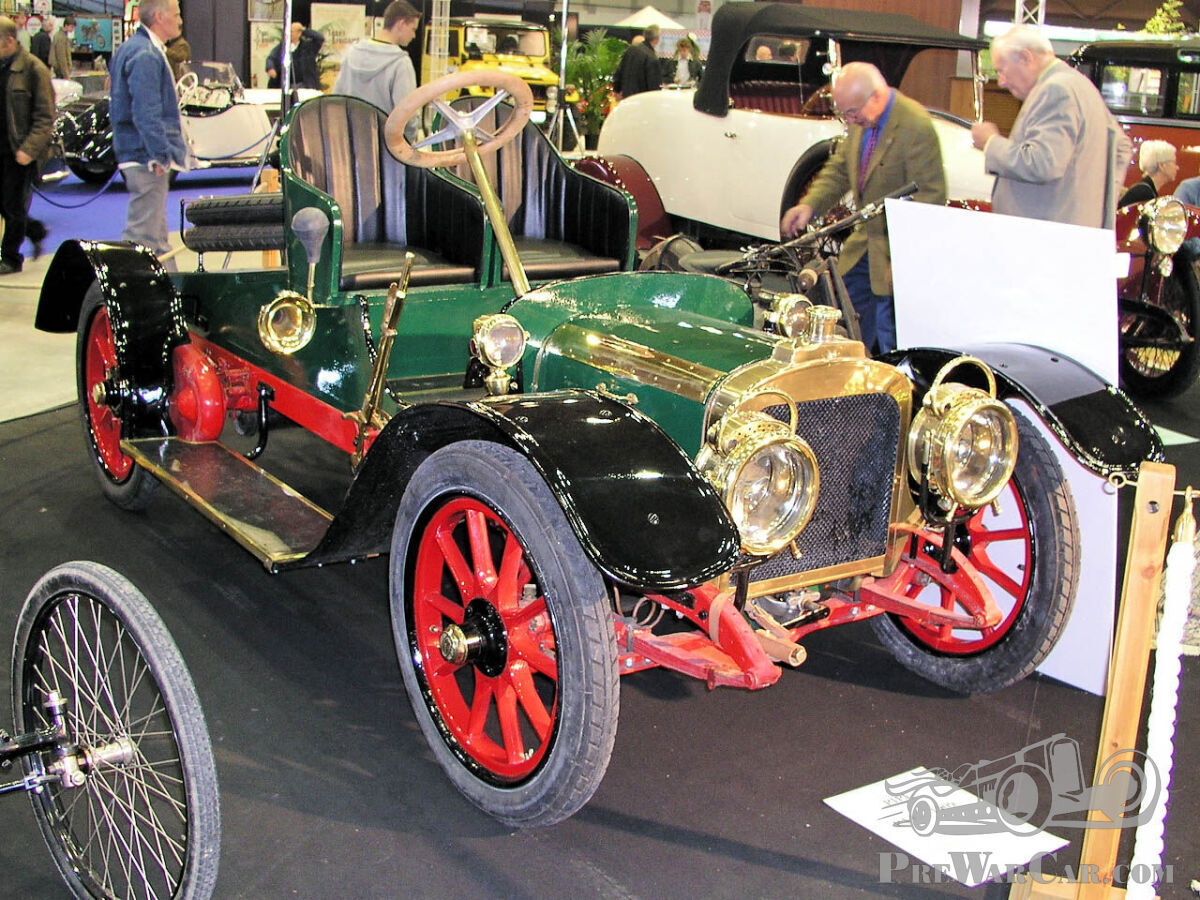
Any straightforward enthusiast and connoisseur of Belgian automotive history knows the answer: Pipe, also the favourite marque of Leopold II.
---------------------------------------
Iedere rechtgeaarde liefhebber en kenner van de Belgische automobiel geschiedenis kent het antwoord.
PIPE, Eveneens het favorite merk van Leopold 2.
Read more
---------------------------------------
Iedere rechtgeaarde liefhebber en kenner van de Belgische automobiel geschiedenis kent het antwoord.
PIPE, Eveneens het favorite merk van Leopold 2.
Mark Roberts
30 July 2024, 12:29
Thank you, Ivo, for identifying the chassis. It was doing my head in! I was thinking Brasier, but couldn't find an example of that marque without the raised bonnet to match the profile of the radiator. Mors was another I was looking into as well. As for Pipe, I'd never heard of the brand. Now I have!
Cheers,
Mark
Read more
Cheers,
Mark
“A MOTOR CAR HOUSE. During the first week in October the British Motor Syndicate are to have a sale in Wembley Park, when every description of motor-cars will be on show, and many novelties in the shape of cycles. Perhaps the most remarkable experiment and attractive exhibit will be that of a travelling house, a dwelling on wheels, worked by an oil engine; it is fitted with a patent collapsible upper storey, for the convenience in passing beneath railway or other bridges, and while it naturally resembles in some respects the gipsies' caravan, is a much more imposing structure, and is an astonishingly convenient dwelling.”