The global magazine and marketplace for classic car enthusiasts, by enthusiasts.


Filter
Make a choice:
- Cars
-
Make >>
-
Year >>
-
- Bikes
-
Location >>
- Parts & more
-
Make of car >>
-
Manufacturer >>
-
Category >>
- Bicycles & more
-
Year >>
-
Countries


Death in the mountains: the mysterious souvenir from a 1929 Bugatti expedition
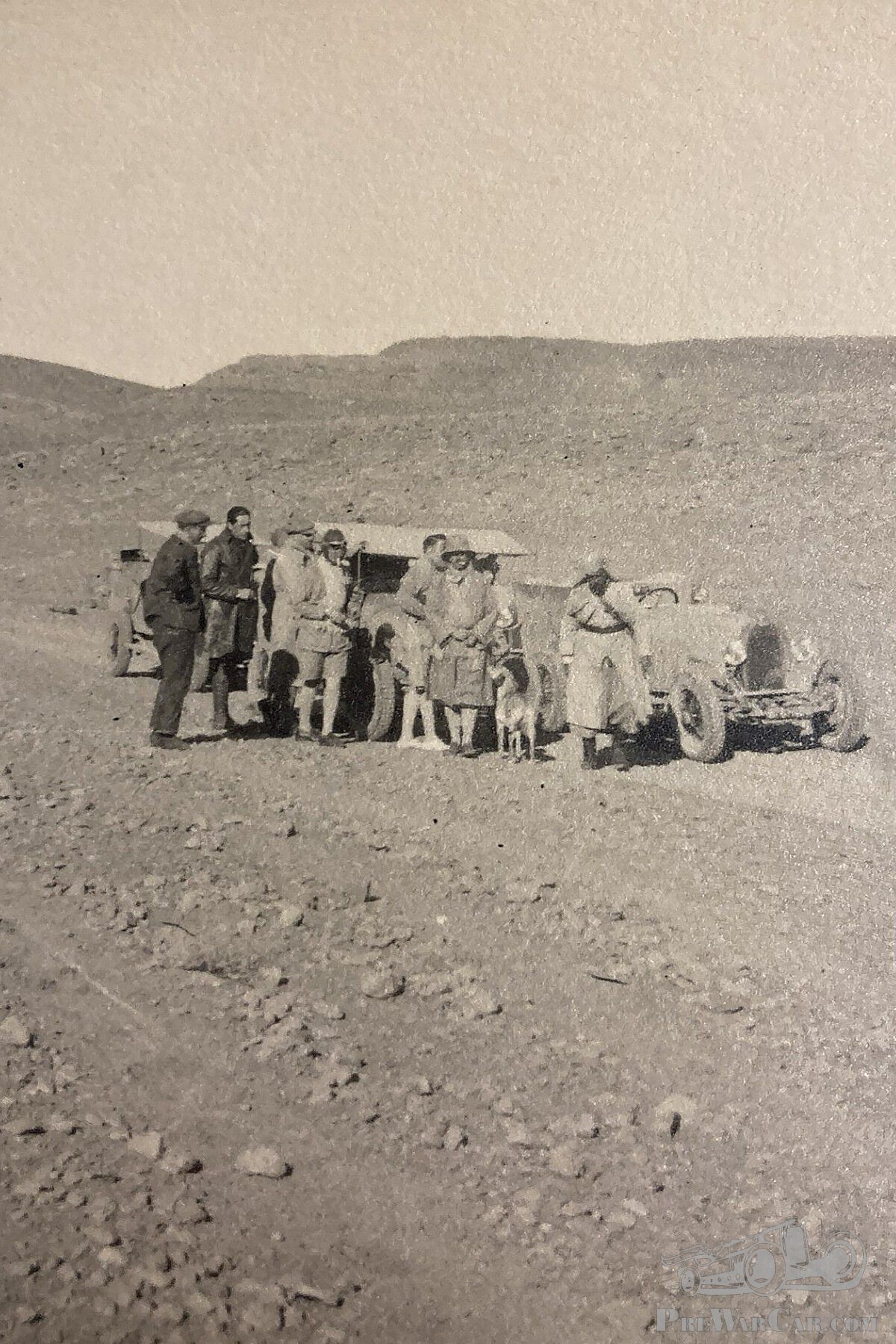
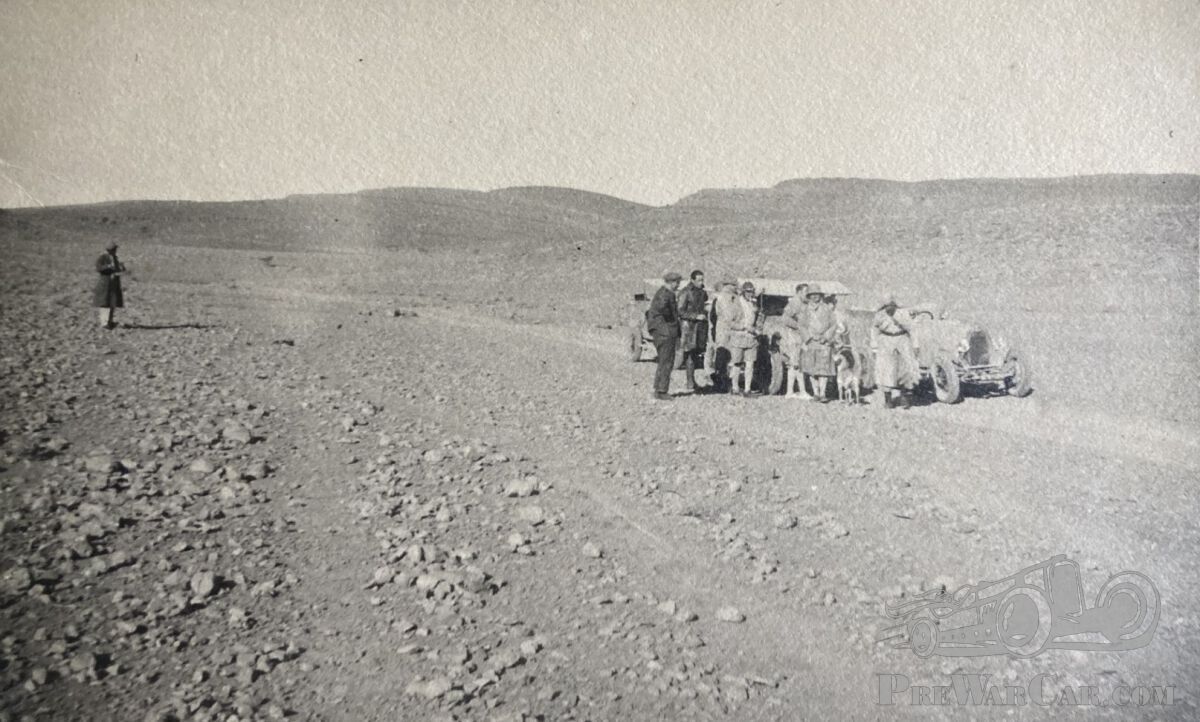
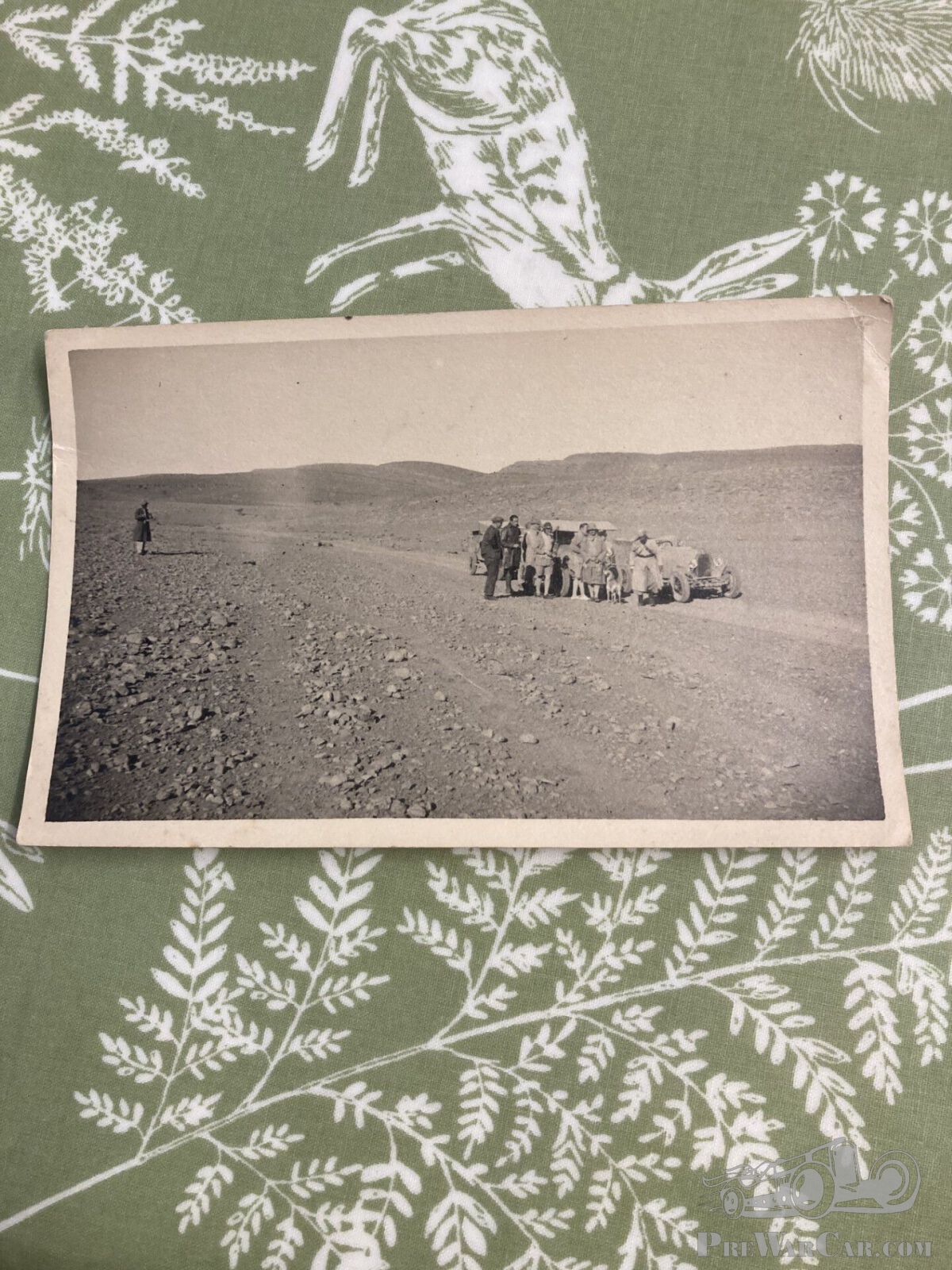


We recently published an article about the exploits of the Kégresse Citroëns and their successful crossings of the Sahara and Gobi Deserts but what, we might ask, would be an appropriate car for crossing the marginally more hospitable terrain of the mountains of north Africa? Why not a Bugatti Type 38 or 40, like the fellows seen in the picture here? With a couple of support vehicles carrying tools, spares, fuel and water, we're sure the Bugatti conducted itself well despite the rocky ground and blistering heat.
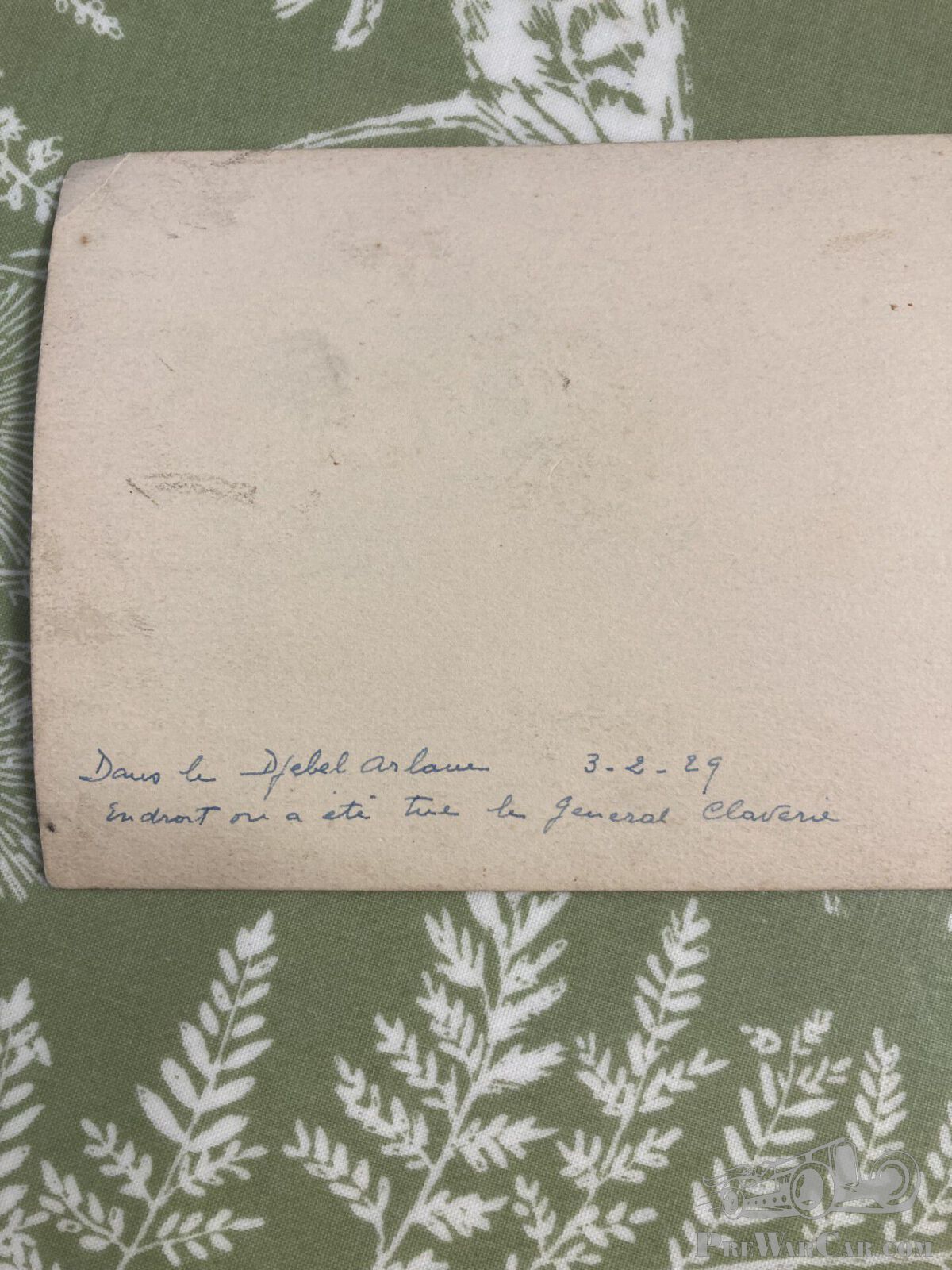
The picture comes to us courtesy of Mark Miller, who writes: "I picked up this photograph recently and it looks like a Bugatti in the image—I am guessing either a Type 40 or 38 (wire wheels). Annotated on the reverse is a description and the date 3.2.29. It looks like it could be in French. Can anyone translate it?"
Certainly it's French, but the words seem to raise more questions than they answer. It begins "Dans le Djebel..." but we cannot make anything of the word after Djebel. It must be the name of a mountain, as djebel is a French word for the mountains and hills of north Africa and the Middle East. The next sentence seems to read "Endroit on a été tue le General Claverie," which we think is correctly translated as "The spot where General Claverie was killed."
Who was General Claverie for one thing? And are we to infer that perhaps our band of Bugattistes were military men? What other purpose could they have setting of on an expedition through the dusty mountains? We hope you'll tell us...
Words: Zack Stiling
Photograph supplied by Mark Miller
Published:
Monday February 17th, 2025
Facebook
LinkedIn
Twitter
WhatsApp
Email
Copy
Comments


Herman van Oldeneel
17 February 2025, 08:02
Bugatti Type 40 (I searched for "Bugatti Colomb-Béchar").
Read more
Herman van Oldeneel
17 February 2025, 07:37
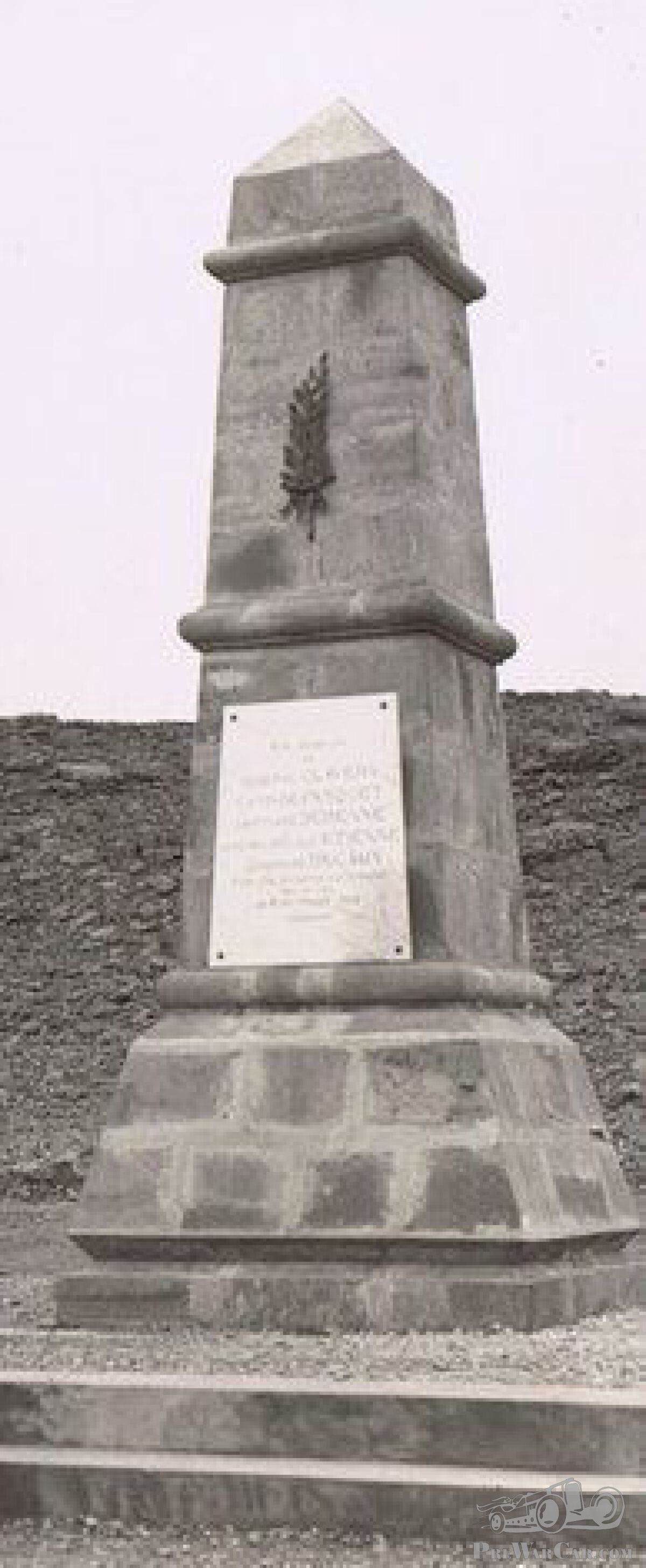
Monument to the death of General Clavery, in combat against the Douis Menai in December, 1928, at Djebell el Arlal, 26km from Taghit.
The confrontation of the Doui Menais with Colonel Amédée Clavery:
On December 8th, 1928, in the afternoon, three army vehicles followed a track in south-eastern Algeria, in the region of Colomb-Béchar. They were completing an inspection visit of the territory which was in the process of rebellion against the invasion of the Haut Guir of the Douis Menais, by the French Colonial troops. The first vehicle, a van, reached the top of the Maghzen pass and entered a narrow defile. It was then taken under fire by rebels, hidden behind rocks, fifteen or twenty metres above the track. The occupants of the van were killed. Twenty-five minutes later, the car arrived in which Colonel Amédée Clavery, senior commander of the Aïn-Sefra territory, was sitting. He, in turn, was fatally shot. Colonel Clavery died without knowing that the day before he had been promoted to general: the decree was not to be published until December 12th, 1928.
---------------------------------------------------------------
MONUMENT DU GÉNÉRAL CLAVERY MORT
Au combat contre les douis menai en decembre 1928 au Djebell el Arlal à 26km de Taghit.
L'affrontement des Doui Menais au Colonel AMEDEE CLAVERY.
Le 8 décembre 1928, dans l'après-midi, trois véhicules de l'armée suivent une piste du sud-est ALGERIEN, dans la région de Colomb-Béchar. Elles achèvent une visite d'inspection du territoire qui est en voie de REBELLION contre l'invasion du Haut Guir des Douis Menais,par les troupes Coloniale Francaises. Le premier véhicule, une camionnette, parvient au sommet du col du Maghzen et s'engage dans un étroit défilé. C'est alors qu'elle est prise sous le feu des armes de rebelles, dissimulés derrière des rochers, à quinze ou vingt mètres au-dessus de la piste. Les occupants de la camionnette sont tués. Vingt-cinq minutes plus tard, arrive la voiture dans laquelle a pris place le colonel Amédée Clavery, commandant supérieur du territoire d'Aïn-Sefra. Il est, à son tour, atteint mortellement d'une balle. Le colonel Clavery mourut sans savoir que, la veille, il avait été promu général : le décret ne devait être publié que le 12 décembre 1928.
Read more
The confrontation of the Doui Menais with Colonel Amédée Clavery:
On December 8th, 1928, in the afternoon, three army vehicles followed a track in south-eastern Algeria, in the region of Colomb-Béchar. They were completing an inspection visit of the territory which was in the process of rebellion against the invasion of the Haut Guir of the Douis Menais, by the French Colonial troops. The first vehicle, a van, reached the top of the Maghzen pass and entered a narrow defile. It was then taken under fire by rebels, hidden behind rocks, fifteen or twenty metres above the track. The occupants of the van were killed. Twenty-five minutes later, the car arrived in which Colonel Amédée Clavery, senior commander of the Aïn-Sefra territory, was sitting. He, in turn, was fatally shot. Colonel Clavery died without knowing that the day before he had been promoted to general: the decree was not to be published until December 12th, 1928.
---------------------------------------------------------------
MONUMENT DU GÉNÉRAL CLAVERY MORT
Au combat contre les douis menai en decembre 1928 au Djebell el Arlal à 26km de Taghit.
L'affrontement des Doui Menais au Colonel AMEDEE CLAVERY.
Le 8 décembre 1928, dans l'après-midi, trois véhicules de l'armée suivent une piste du sud-est ALGERIEN, dans la région de Colomb-Béchar. Elles achèvent une visite d'inspection du territoire qui est en voie de REBELLION contre l'invasion du Haut Guir des Douis Menais,par les troupes Coloniale Francaises. Le premier véhicule, une camionnette, parvient au sommet du col du Maghzen et s'engage dans un étroit défilé. C'est alors qu'elle est prise sous le feu des armes de rebelles, dissimulés derrière des rochers, à quinze ou vingt mètres au-dessus de la piste. Les occupants de la camionnette sont tués. Vingt-cinq minutes plus tard, arrive la voiture dans laquelle a pris place le colonel Amédée Clavery, commandant supérieur du territoire d'Aïn-Sefra. Il est, à son tour, atteint mortellement d'une balle. Le colonel Clavery mourut sans savoir que, la veille, il avait été promu général : le décret ne devait être publié que le 12 décembre 1928.
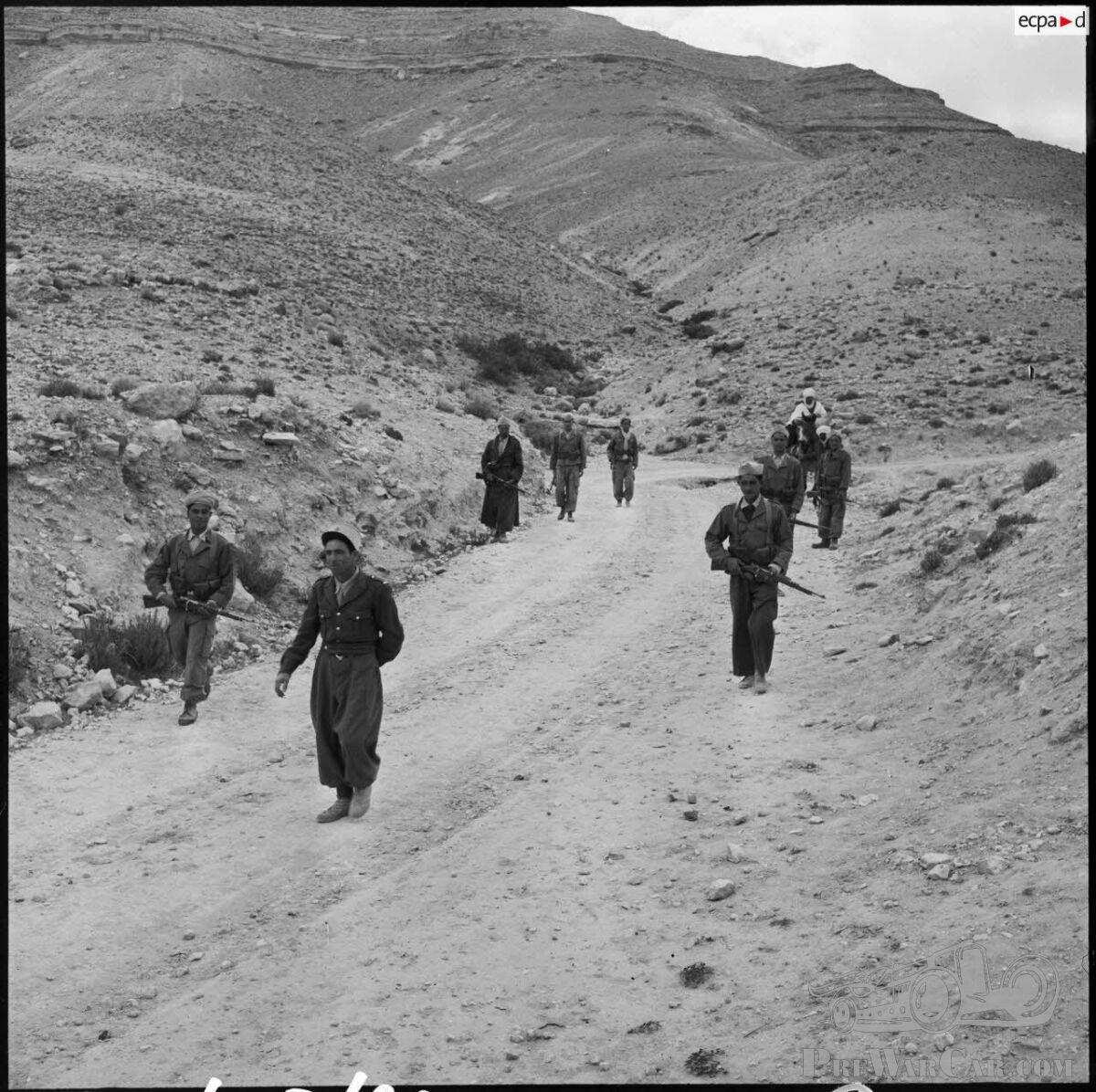
On the afternoon of December 8th, 1928, three army vehicles followed a track in south-eastern Morocco, in the Colomb-Béchar region. They were doing an inspection tour of the territory which was in the process of being ‘pacified’. The first vehicle, a van, reached the summit of the Maghzen Pass and entered a narrow gorge. It came under fire from 16 rebels, hiding behind rocks 15-20 metres above the track. The occupants of the van were instantly killed. Twenty-five minutes later the car carrying Colonel Amédée Clavery, commander of the Aïn-Sefra territory, arrived. He too was mortally wounded by a bullet. Five minutes later, the last vehicle arrived, with the colonel's own son, Marshal René Clavery, who had asked for leave to accompany his father, accompanied by sergeant Schweicher. At first, they thought that the Moroccans surrounding the stopped cars belonged to the escort that was supposed to be waiting for them, but their illusion was short-lived; a volley of bullets proved them wrong. Sergeant Schweicher was wounded, and Marshal Clavery lay down beside his car to defend himself and succeeded to kill his father's assassin as he fled. For four hours he alone withstood the gunfire until the assassins decided to flee. It was now eight o'clock in the evening. At dawn, a small group of friends came to the Marshal’s rescue.
In the end, of the 13 men in the convoy, five were killed and three wounded, while the other five, including René Clavery, escaped the ambush unharmed. The ambush had been made possible by the betrayal by those responsible for securing the crossing.
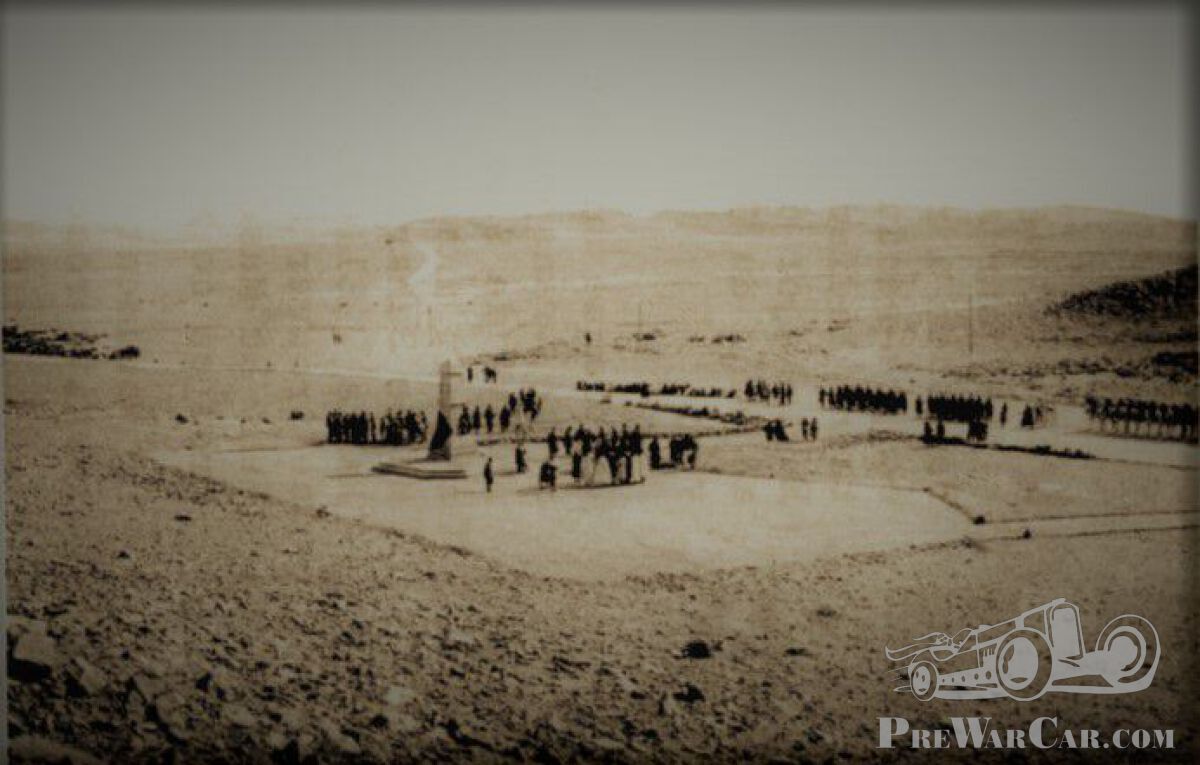
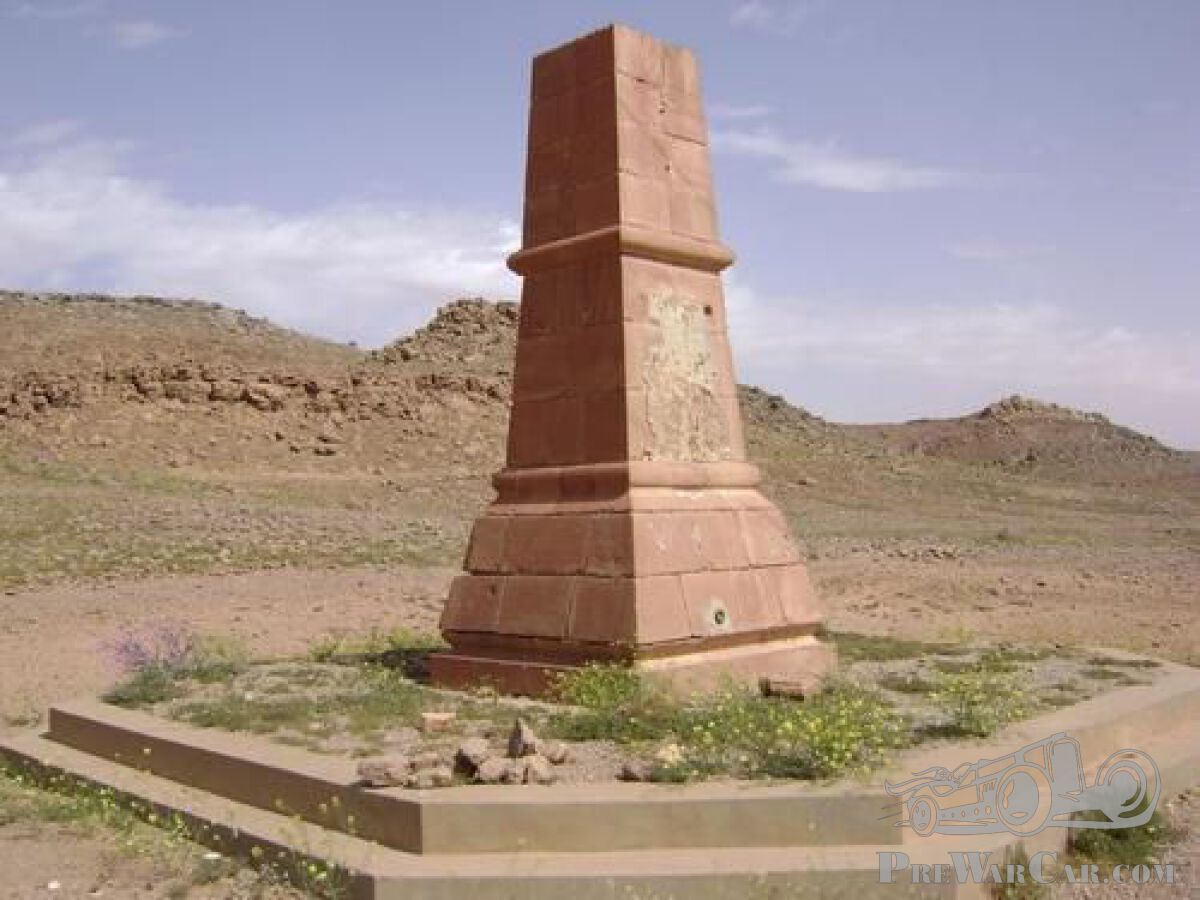
Colonel Clavery died without knowing that the day before he had been promoted to general. Three months later, on the very spot of the ambush, the Minister for the Colonies, Maginot, awarded René Clavery the military medal. A stele was erected on the site of the tragedy in memory of the general and his companions. It was unveiled in January, 1932, in the presence of the victims' families.
It should be remembered that from 1921 to 1926 the Spanish army—as of 1924 joined by the French army—fought the bloody Rif War against the Berber tribes of northern Morocco.
Very likely the photo shown of the Bugatti and the other cars was dated 1930 or later. The Bugatti Type 40 looks very much like that of Colonel Loiseau.
Pictures:
1. Armoured Maghzen patrol at Taberdga
2. Unveiling of the stele in memory of General Clavery in 1932
3. The original stele
4. The stele in 2016, deprived of its plaque, etc.