The global magazine and marketplace for classic car enthusiasts, by enthusiasts.


Filter
Make a choice:
- Cars
-
Make >>
- Bikes
-
Location >>
- Parts & more
-
Make of car >>
-
Manufacturer >>
-
Category >>
- Bicycles & more
-
Year >>
-
Countries


The economist and the Revue Star
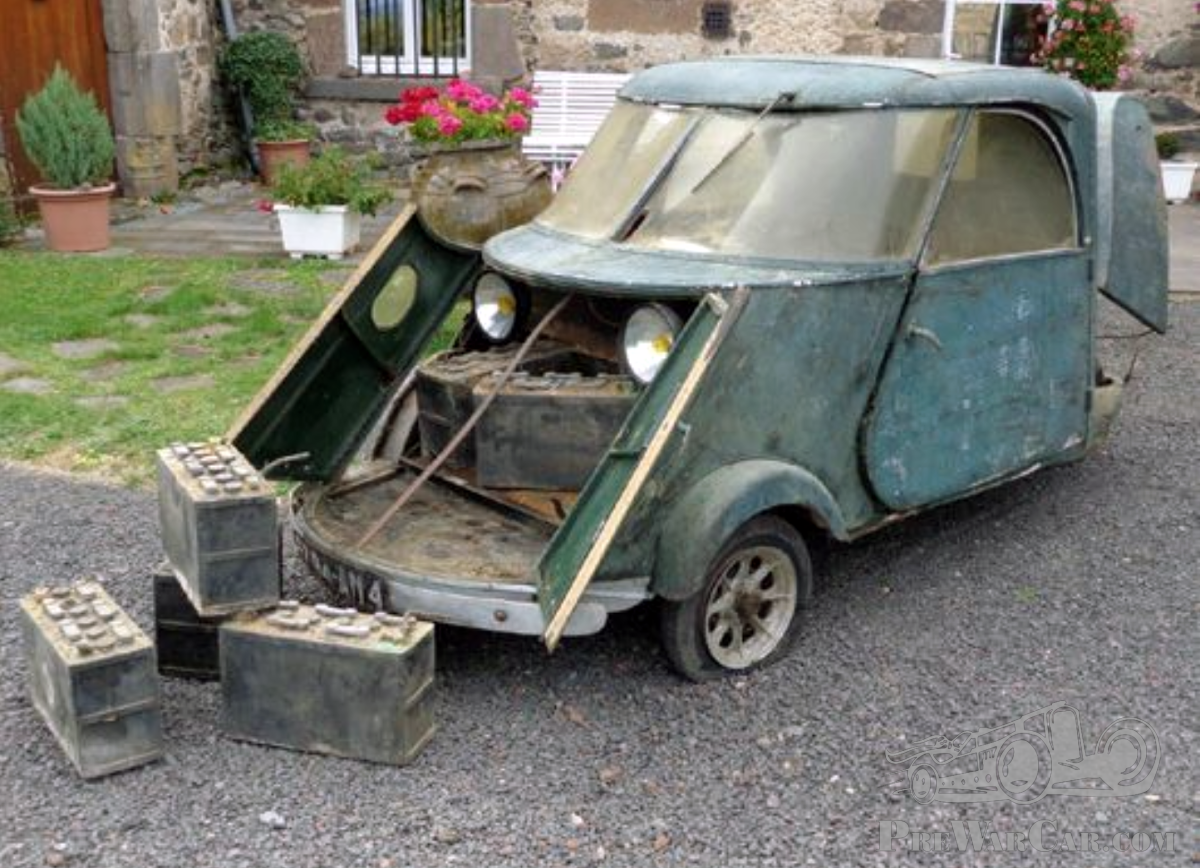
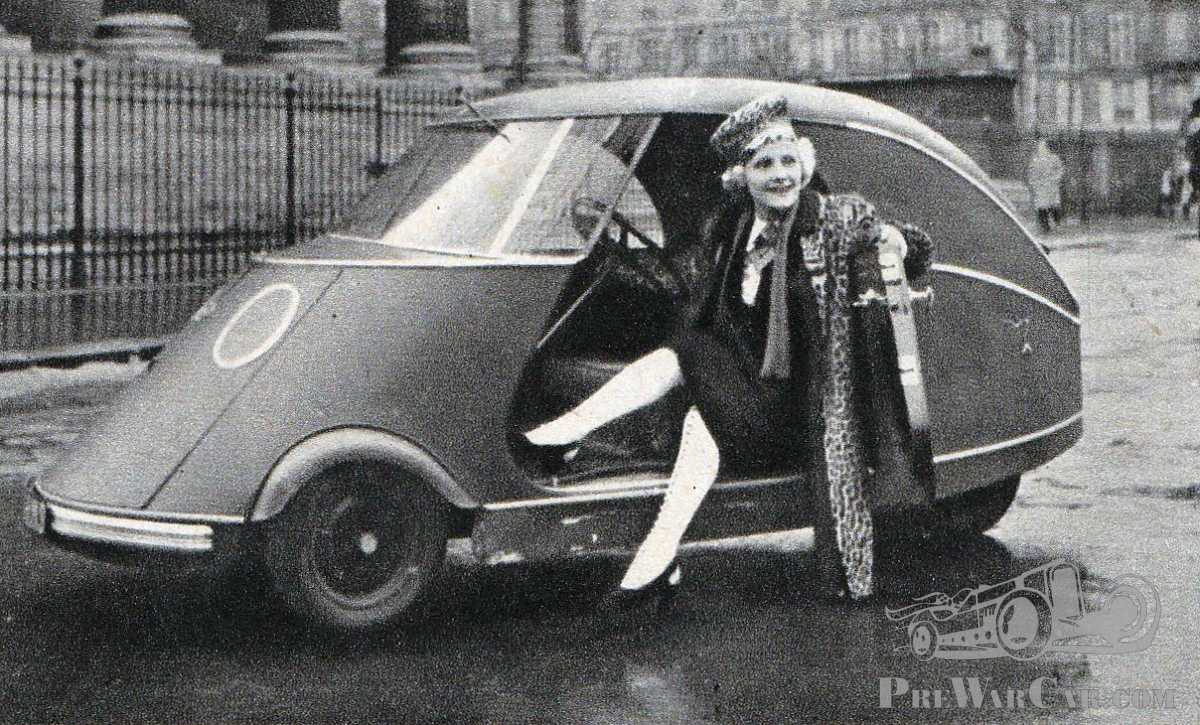


We don’t need to tell you that electric cars have been around for longer than the last decade or so. Still, it seems like a missed opportunity that a great number of early ideas for a really small city car never succeeded. The potential market for them could have reached peaks in times of scarcity, such as the oil crises or... war.
This tiny little electrically operated three-wheeler was invented just prior to WW2. French engineer Pierre Faure teamed up with designer Michel Dufet to come up with a car for two, powered by an electric motor and six 100 Amps / 72 Volts batteries. The 550-kg car could be recharged in 12 hours and plugged into any standard socket. Unlike many other electric vehicles, it was said to be comfortable to drive at 45 km/h, too, having an average range of between 50 and 75 kilometres. Faure aimed at the economical driver: according to the brochure, recharging it in Paris at the time cost 6 francs. Driving it as a daily car for 60 kilometres a day came to 6,000 Francs a year. Faure compared that to an average petrol motorcar, which would cost its owner 80,000 Francs a year. That’s more than 13 times as much.
It never succeeded, though, with just an estimated 20 being built, and survivors are hard to find. A few years ago, auctioneer Aguttes sold one, said to have been built in 1941. It came in highly original condition and complete, right down to its aluminium wheels and batteries (the ‘oily rag’ term seems not quite appropriate here, but that is how we’d describe it). It made 12,400 Euros.
The lady showing it here was Jeanne Aline Augustine Parisys, better known by her stage name, Mademoiselle Parisys. She was a revue star for the Midnight Follies and sang her songs and danced her dances not just in Paris—she toured Europe in the 1920s and 1930s. Born in 1900, she would live to be 103 years old, passing away in 2003.
Words: Jeroen Booij
Pictures: Le Mémorial de Falaise / Aguttes
Published:
Friday August 8th, 2025
Facebook
LinkedIn
Twitter
WhatsApp
Email
Copy
45 km/hr would have confined it to city use. At least when you were stopped in traffic it didn't use any "juice."
An amazing attempt at the future.