The global magazine and marketplace for classic car enthusiasts, by enthusiasts.


Filter
Make a choice:
- Cars
-
Make >>
-
Year >>
-
- Bikes
- Parts & more
-
Make of car >>
-
Manufacturer >>
-
Category >>
- Bicycles & more
-
Year >>
-
Countries


The original 'Bahnstormer: Auto Union's Schnellsportwagen becomes a reality
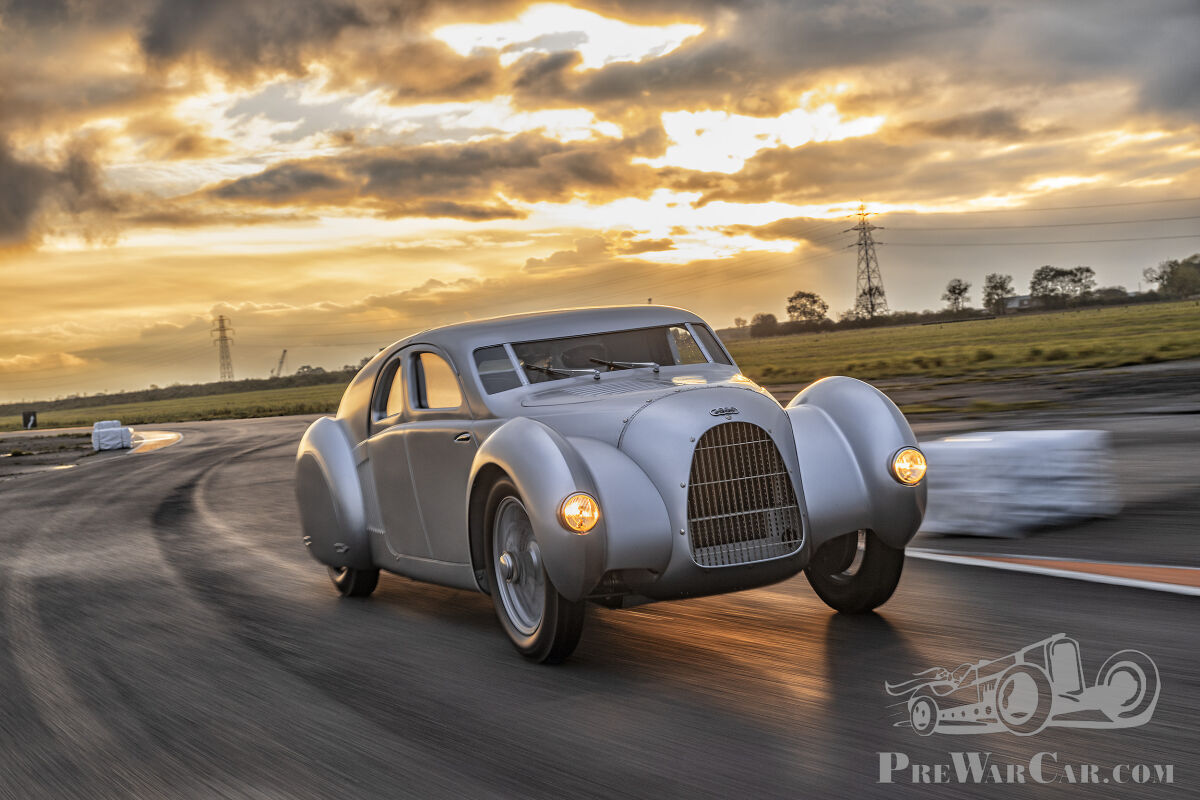
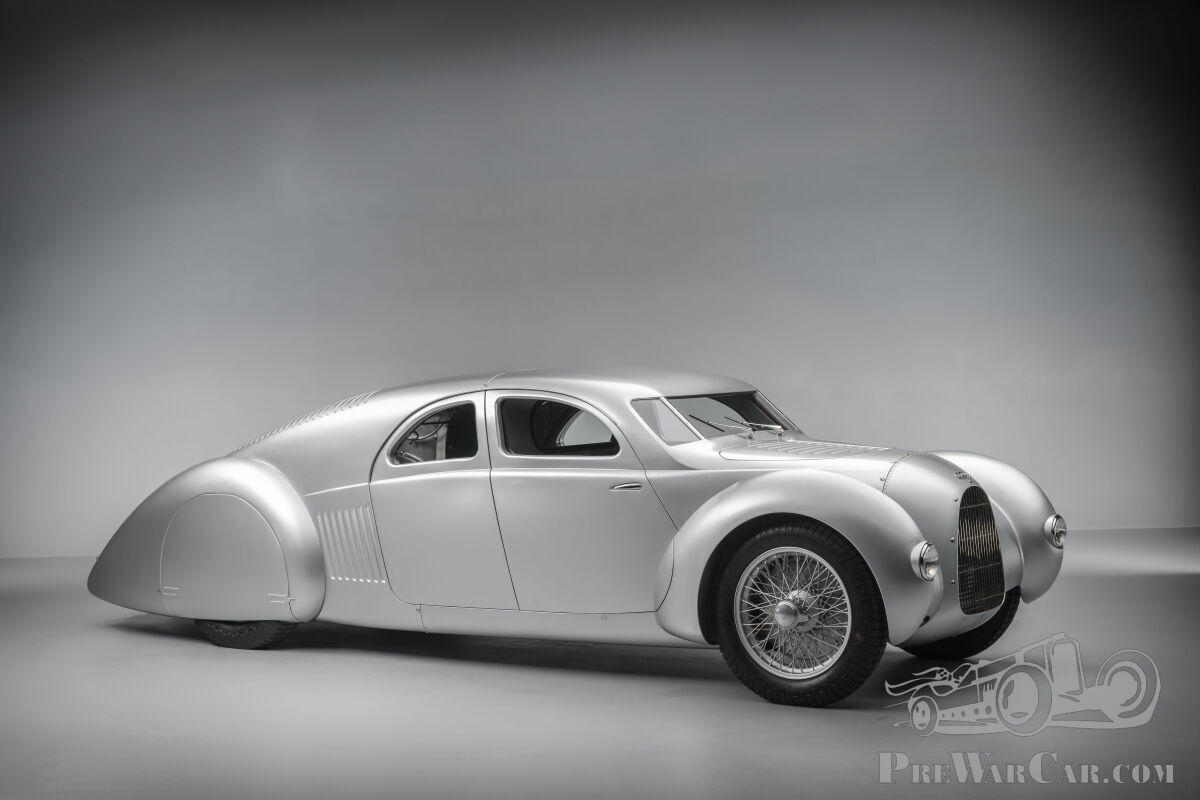
The Auto Union Type 52 has finally been brought to life having been lost to time for 90 years
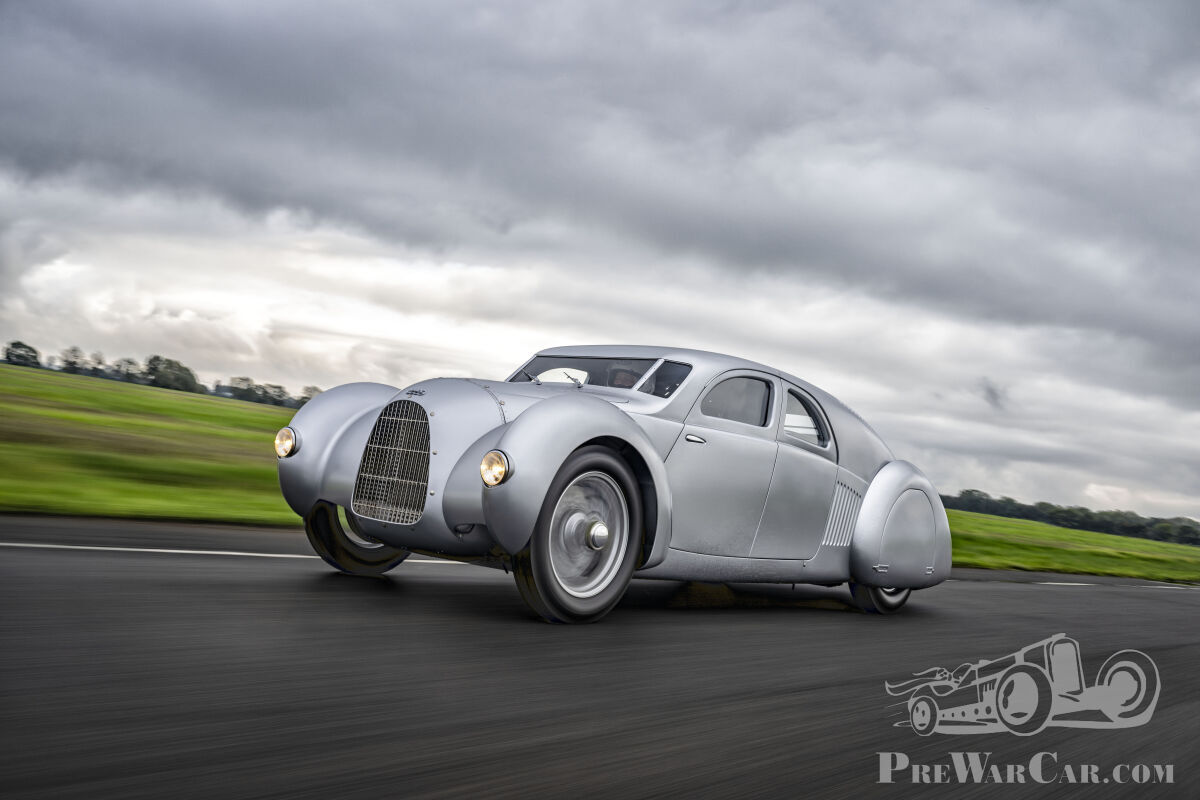
Even as a 1930s design, it looks like a vision from the future
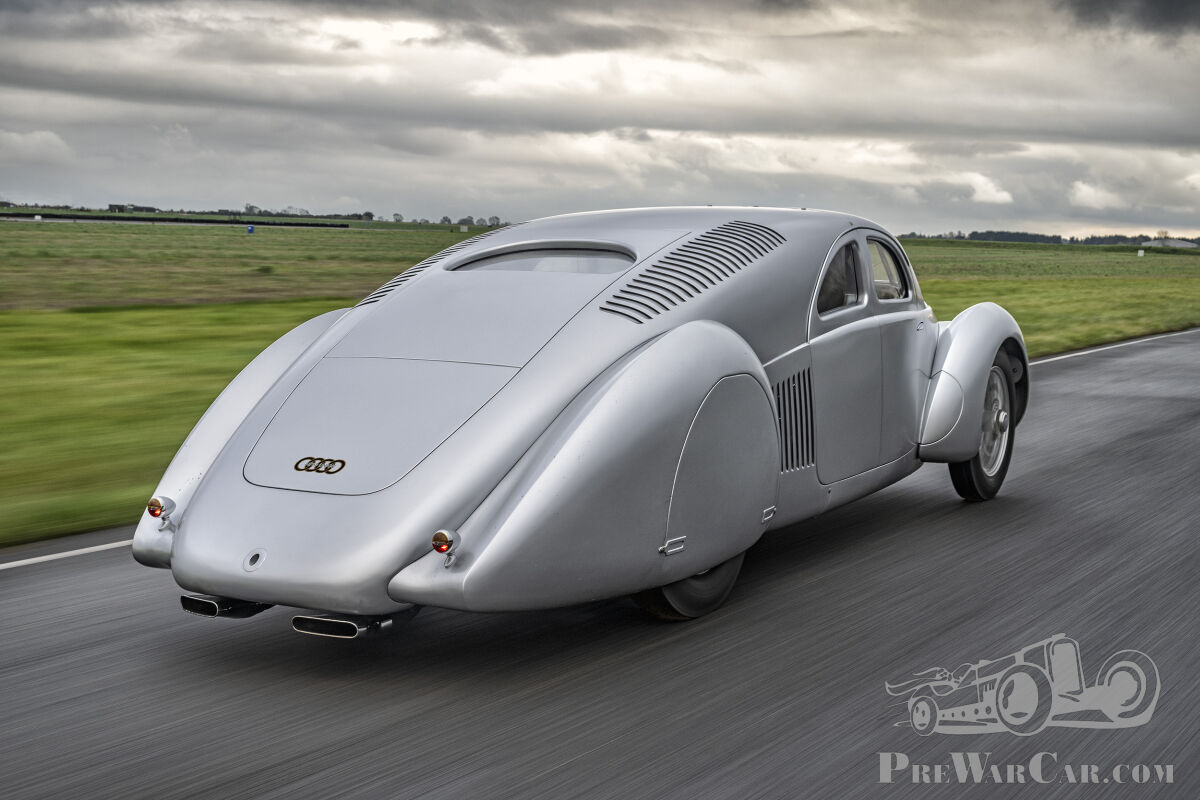
Had it been built in period, it could claim to have been the first ever mid-engined GT car
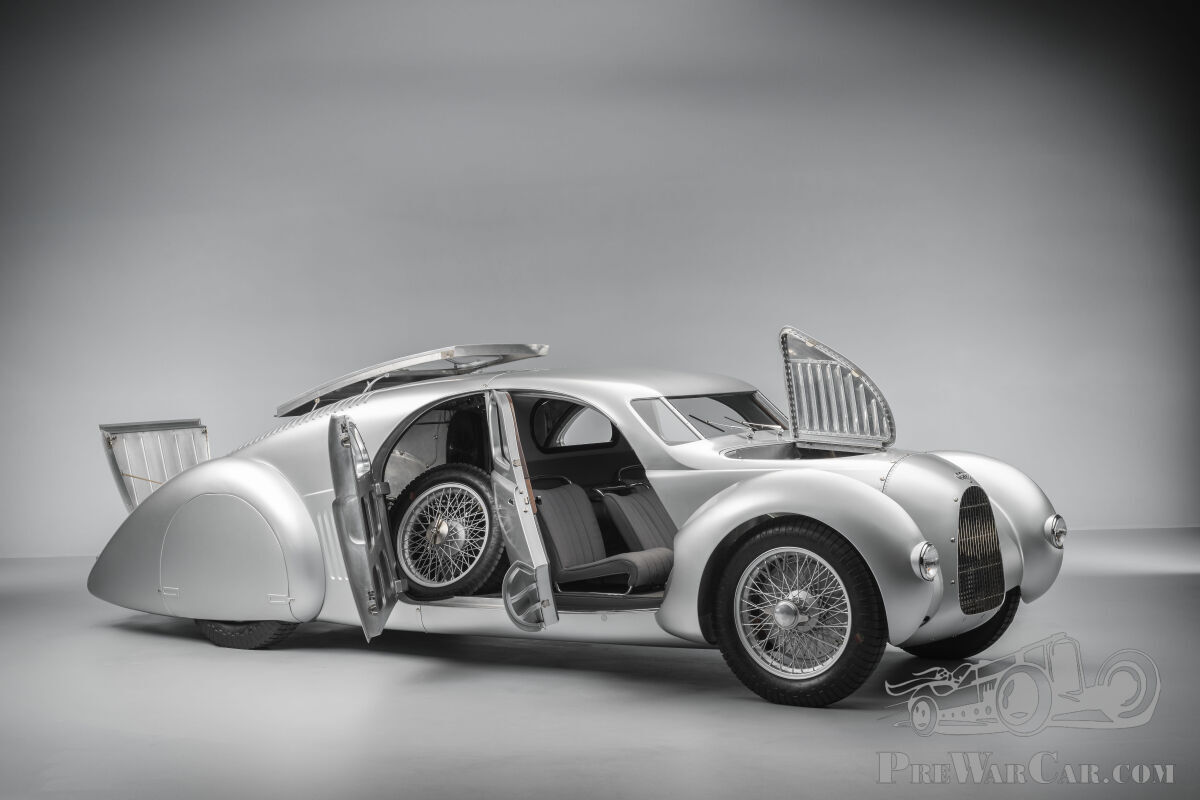
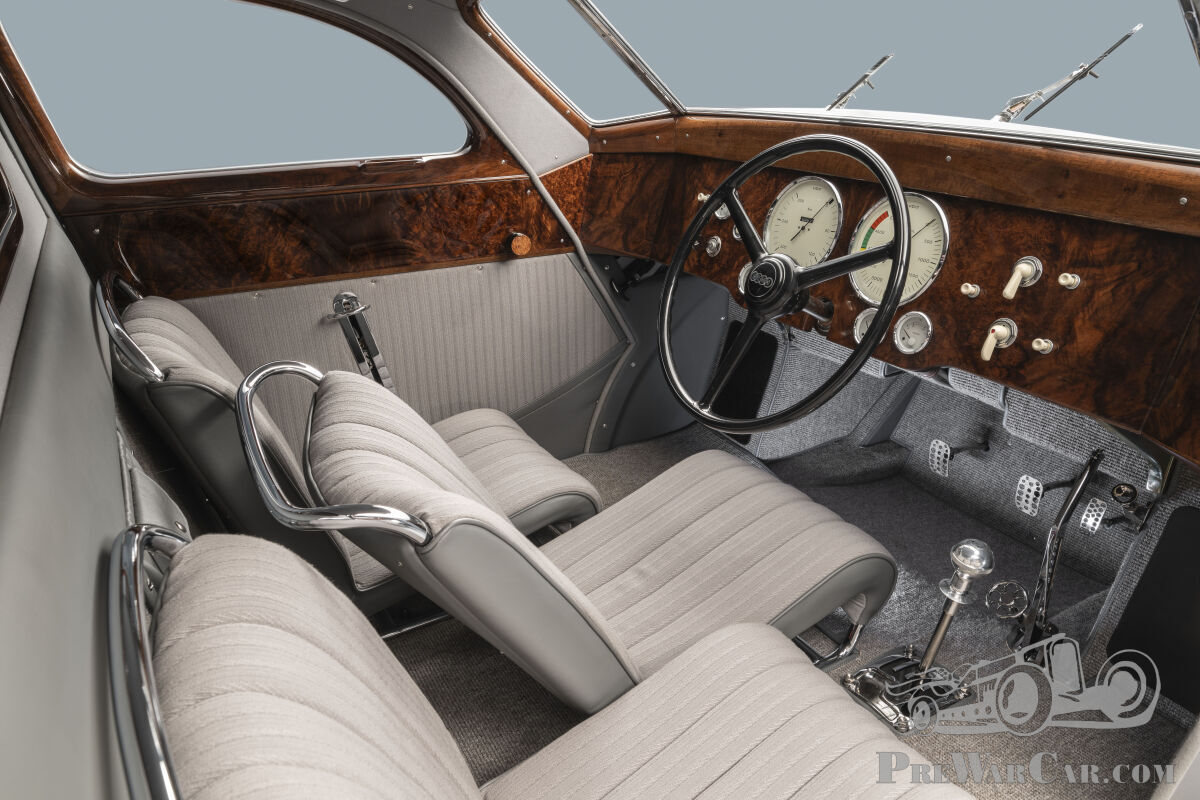
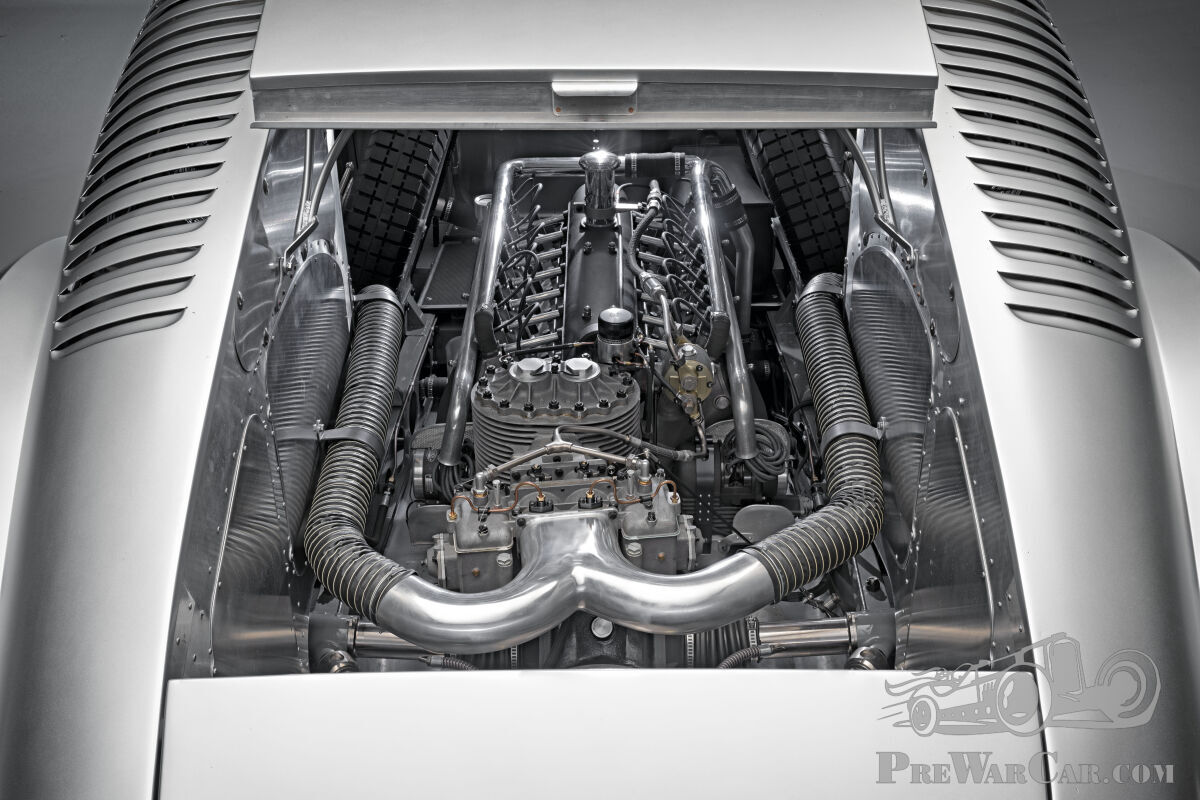
Audi Tradition utilised the six-litre, 16-cylinder supercharged engine from the Auto Union Type C
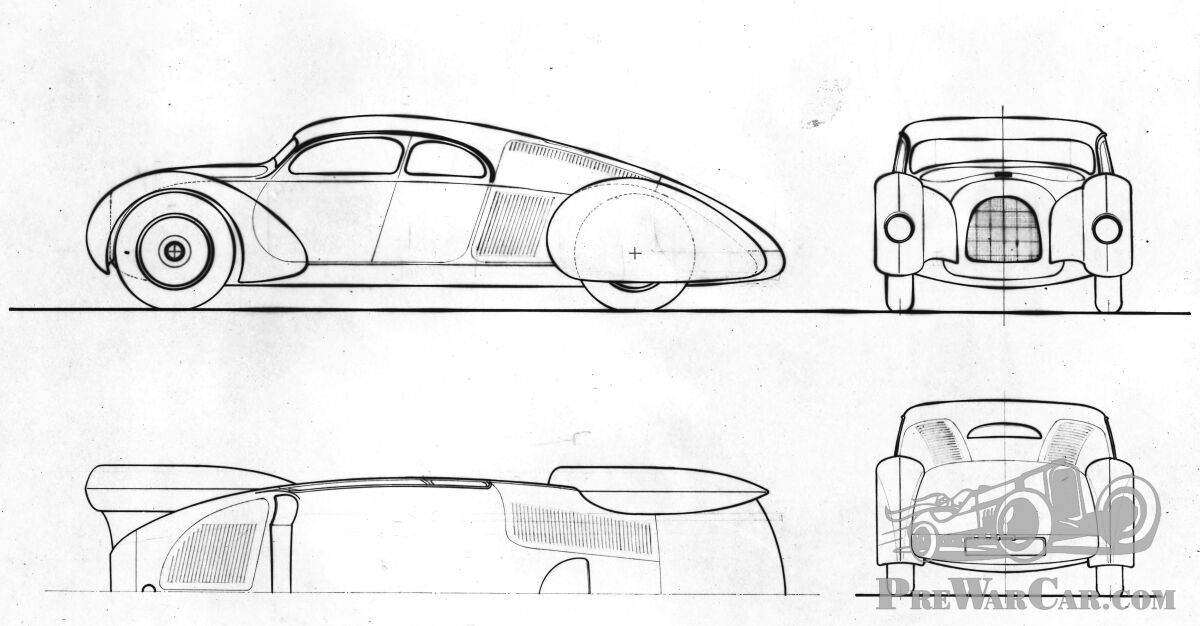
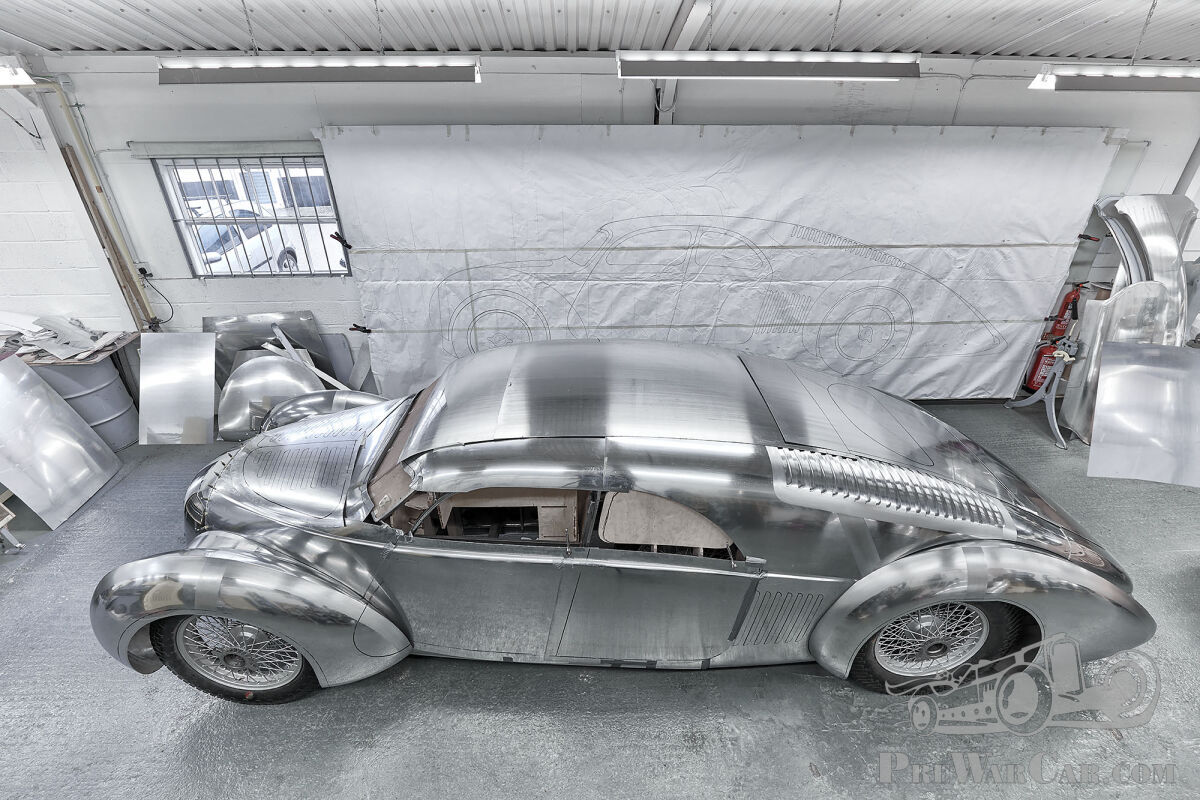
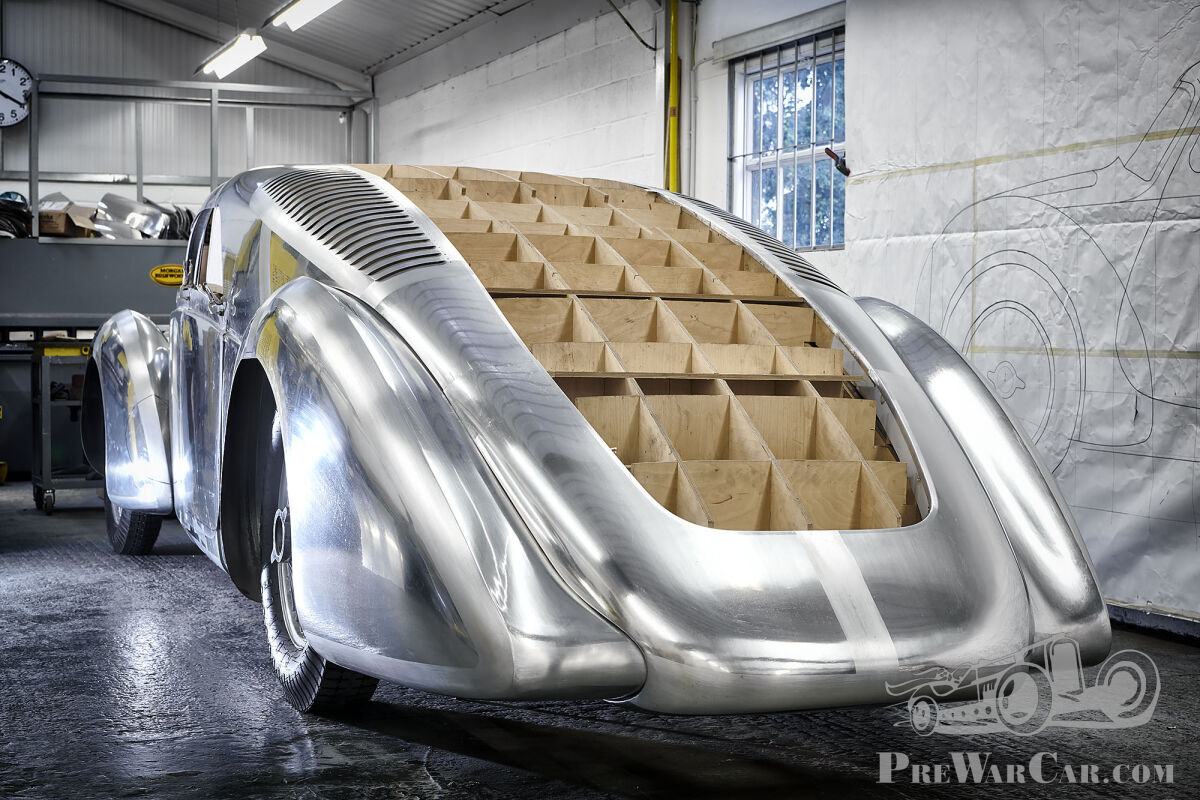
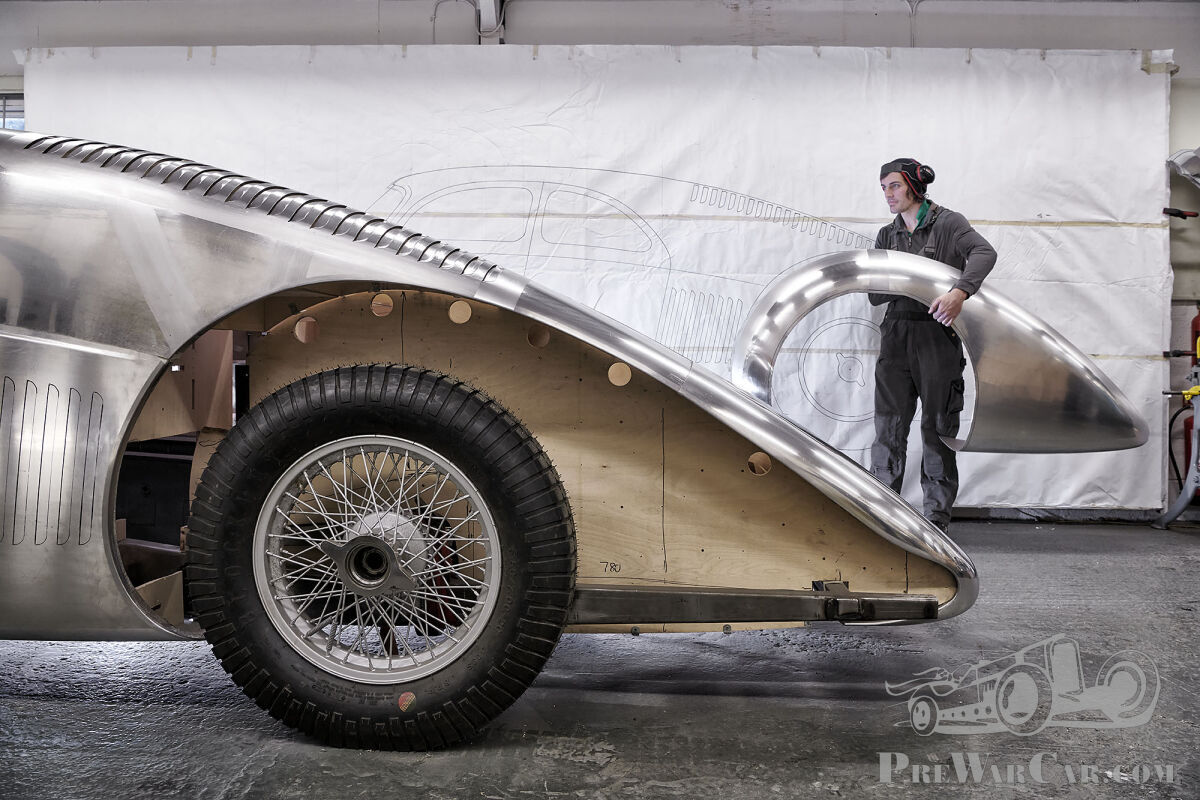
The Schnellsportwagen took shape in the English workshops of Crosthwaite & Gardiner
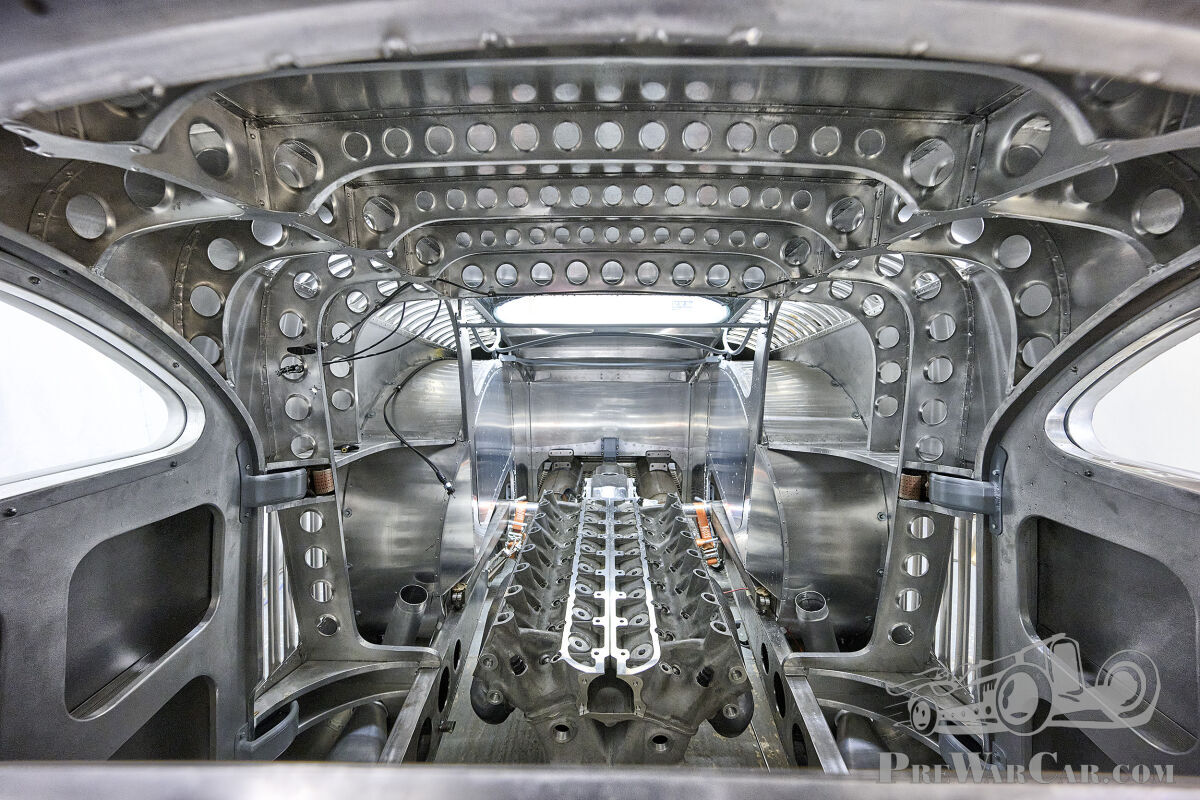
Was ever a skeleton so beautiful?
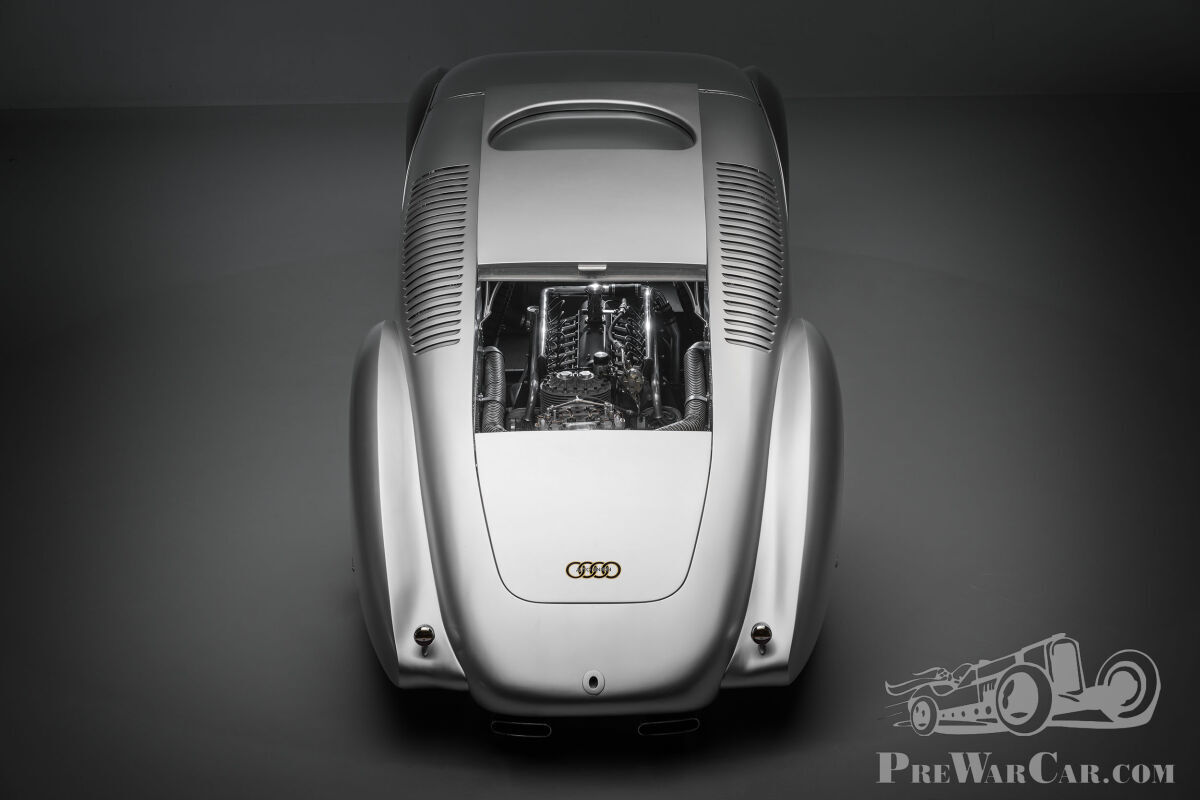
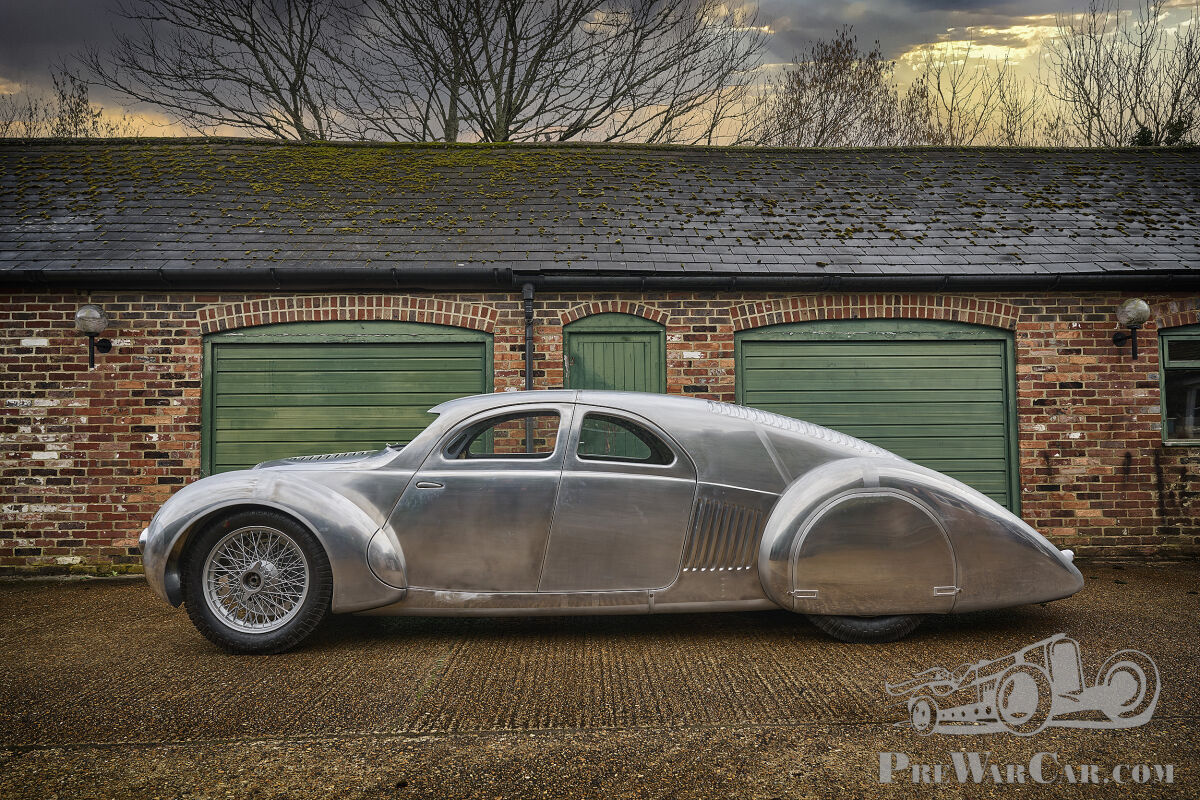
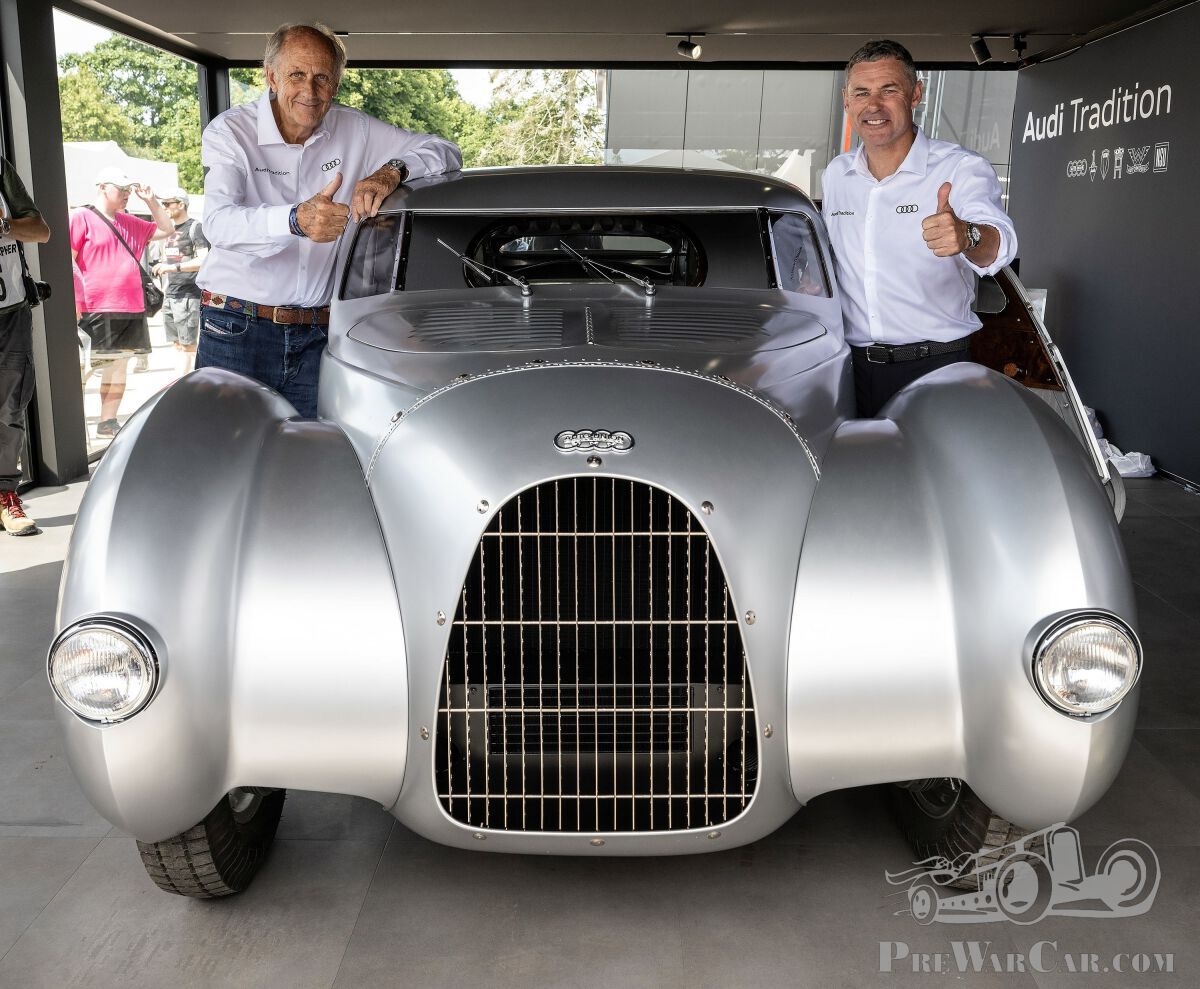
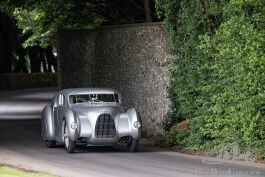
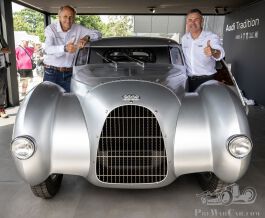
The Type 52 was unveiled at Goodwood, with Hans-Joachim Stuck (left) and Tom Kristensen
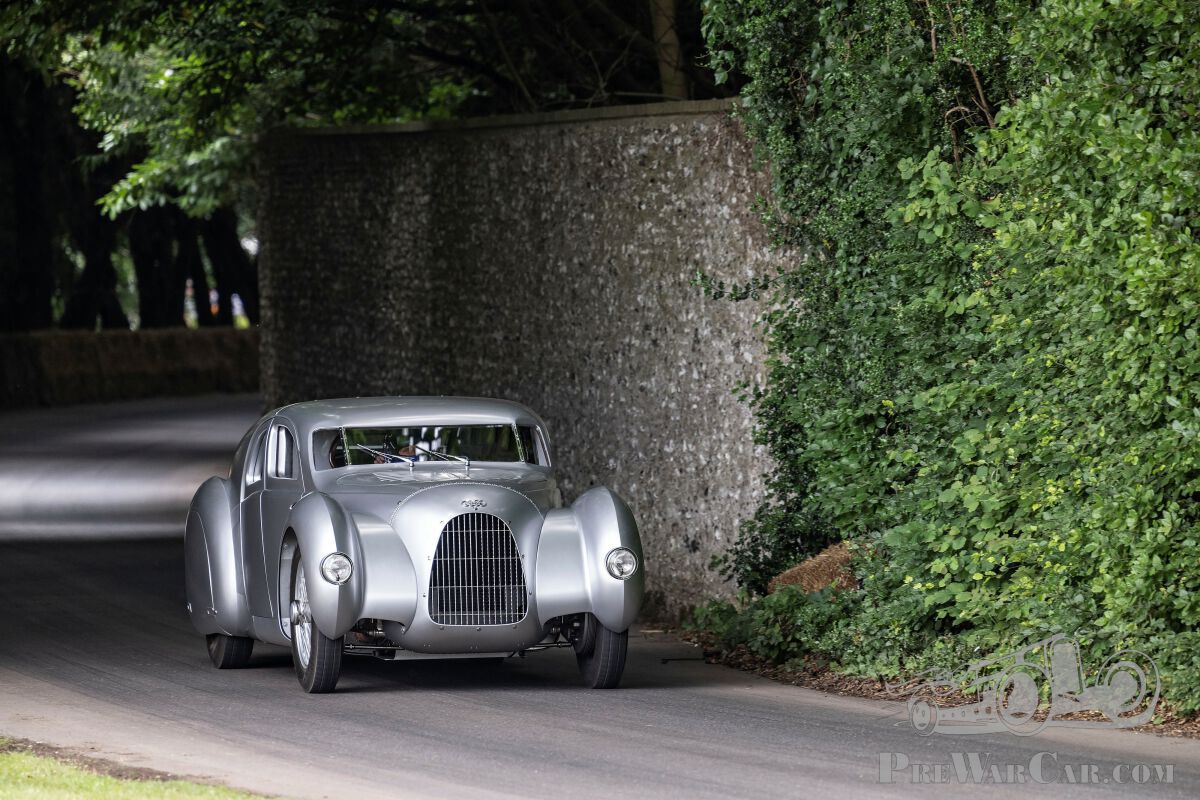


Everyone knows the Auto Union Silver Arrows, the legendary 1930s Grand Prix racing cars. But hardly anyone knows that a road-legal sports car version with a 16-cylinder engine was also planned for these pioneering racing cars: the Auto Union Type 52. Now Audi has built this car, the Schnellsportwagen, and presented it to the public for the first time at the Goodwood Festival of Speed in July, 2024.
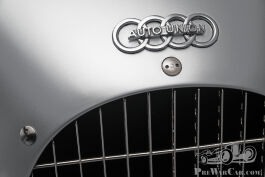
Back to the time when the Auto Union Type 52 was imagined: Auto Union AG, formed in 1932 from the merger of Audi, DKW, Horch and Wanderer, became a motor sport contender from early on to make its new logo, the four rings, a household name around the world. The same year, the rules were published for the new 750 k.g. formula used in Grands Prix from 1934 to 1936. In 1933, Auto Union A.G. commissioned the Stuttgart design office of Ferdinand Porsche to develop a racing car based on the 750 k.g. formula. Work on the Auto Union Type A (internally, Porsche called it the Type 22) began in March, 1933. Just one year later, Hans Stuck set a world record driving the car on the AVUS circuit in Berlin. When the innovative Auto Union and Mercedes-Benz race cars burst onto the international racing scene, the legend of the Silver Arrows was born.
Swift and sleek as their namesake, these mighty powerhouses captivated audiences with their futuristic design and revolutionary technology. While Mercedes-Benz favoured front-mounted engines, Auto Union was the first to place the engine behind the driver—a layout which would eventually set the standard for Formula One cars. In the years that followed, Auto Union set several world records, winning numerous hill climbs, three German championships, and the European championship in 1936 with the advanced Auto Union Type C. The rest, of course, is history...
Or maybe not quite, as one part of the story remained untold. Few people know that while the Grand Prix cars were being developed, Auto Union A.G. and the Ferdinand Porsche design office also planned a road-legal sports saloon. The concept papers called the vehicle Schnellsportwagen, apparently its intended marketing name. Today, with its distinctive characteristics, the car must be considered a pioneering effort to create a Grand Touring car.
The Auto Union Type 52, as the project came to be known, was intended to be sold to customers for driving in long-distance races such as the Mille Miglia, or in sports car competitions such as the endurance races at Spa-Francorchamps and Le Mans. There was also talk of it being a factory racing car.
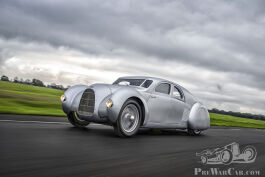
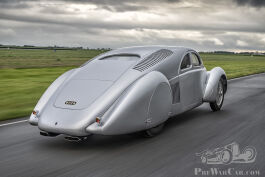
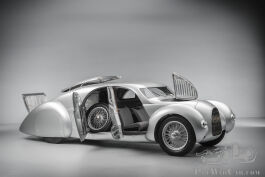
Sporty dynamics and everyday suitability
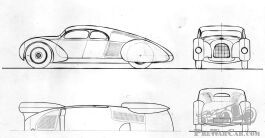
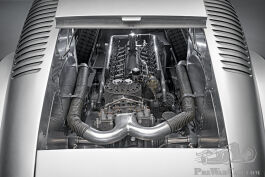
As early as the end of 1933, the Porsche design office drew up the first design sketches, which took on a more concrete form in 1934. The project managers decided to build a test car, but as far as we know today, it never materialised. The project was abandoned in 1935, and its trail lost in the archives of Audi and Porsche. But the developers left much ground-breaking work on paper. It was based on the technology of the Grand Prix racer that was developed at the same time; the chassis from the Auto Union Type 52 was designed as a ladder frame with a mid-mounted engine. The drivetrain of the Auto Union Type 22 was used, but the compression of the powerful 16-cylinder engine was reduced to allow the car to run on regular gasoline. At the same time, the engineers reduced the gear ratio of the Roots supercharger. The Auto Union Type 52’s engine was to draw around 200 PS from 4.4 litres of displacement at 3,650 r.p.m. Its maximum torque of 4,450 k.g.f.-c.m. (436 Nm) was achieved at a moderate 2,350 r.p.m. Compared to the Grand Prix legend, this was a reduction in output, but the excellent performance of around 125 m.p.h., as calculated by the engineers, shows that the Schnellsportwagen would have lived up to its name. In its day, it would have been one of the most powerful street-legal vehicles on the road and in sports car competitions – truly a "rapid sports car."
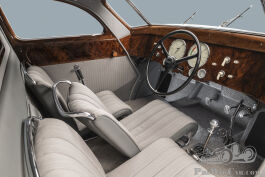
Building the car: historical documents as the starting point
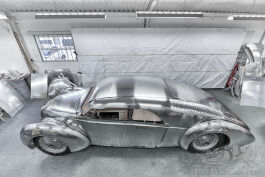
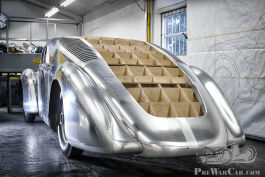
Audi commissioned Crosthwaite & Gardiner to build the Auto Union Type 52 using surviving archive documents, plans, and design sketches. The British restoration experts also curated the Silver Arrows for Audi’s historic vehicle collection and, after multi-year work, finished building the Schnellsportwagen in 2023. All components are custom-made and were handcrafted specifically for the model. At over five metres (16ft. 5in.) long, the Auto Union Type 52 makes an impact; its elongated silhouette reflects how its engineers designed the car for optimal aerodynamics and maximum performance. Unlike its Grand Prix siblings, the car is more suitable for everyday driving, as the designers intended, with an overhead roof, headlights, and room for luggage. There is also space for the two spare tires. But that is where the three-passenger car’s comfort features end. As is typical for a race car, the Auto Union Type 52 driver sits in the middle, with the rear passenger seats slightly offset to the side. With three passengers, 70 k.g. (154lb.) of luggage, and 150 k.g. (331lb.) of equipment, the technical data sheet lists the car’s total weight at 1,750 k.g. (3,858lb.), with an unladen weight of 1,300 k.g. (2,866lb.).
While the engine, transmission, and open five-speed gearbox were taken from the Grand Prix car, the engineers chose different technical solutions for the suspension and damping. Instead of a combination of transverse leaf springs and friction dampers like the Auto Union Type 22, the Type 52 uses longitudinal torsion spring suspension in combination with hydraulic dampers. During development, the 29-gallon fuel tank was relocated under the seats. In the Grand Prix race car, the significantly larger tank is located directly behind the driver in the vehicle’s center of gravity, giving the Silver Arrows an ideal weight distribution whether the tank is full or empty. Both the Auto Union Type 52 and the Type 22 use drum brakes on all four wire wheels.
.jpg)
Hans-Joachim Stuck comments...
Audi Tradition presented the Schnellsportwagen to the public for the first time at the Goodwood Festival of Speed in 2024, where it was driven by nine-times Le Mans winner Tom Kristensen and the multi-disciplined Hans-Joachim "Strietzel" Stuck. The latter’s father, Hans Stuck, went down in history as the “Hill Climb Champion” for his many victories in Auto Union Grand Prix race cars in the hill climbs popular in the 1930s. Hans-Joachim Stuck, speaking after his first test drive in the Auto Union Type 52: “When I occasionally drive the Auto Union Type C, which my father drove in his day, at Audi Tradition events, the excitement and fascination of the motorsport fans is palpable. It is a great honor and pleasure to drive the Auto Union Type 52 at Goodwood for the first time. The Schnellsportwagen is simply breathtaking: Its sound is incredibly sonorous – like it came from an orchestra. And the design of the Auto Union Type 52 will practically blow you away – it’s genius!”
As if an appearance at the Goodwood hill-climb with two of the world's greatest living racing drivers wasn't enough, the Type 52 rounded off its début year by being named Bespoke Car of the Year at the International Historic Motoring Awards in December.
The challenges of building this one-of-a-kind model
The Auto Union Type 52 never reached a completed state in period, so there are no pictures of a finished model. During Auto Union AG’s dissolution in the Russian occupation zone following the Second World War, most of the historic Grand Prix racers disappeared, as did many files and photographs. Similarly, there are no verified reports from contemporaries that would allow conclusions to be drawn about the planned Schnellsportwagen’s final configuration insofar as there ever was one. However, the plans provide a clear vision of the direction of development and the goals the engineers were pursuing.
During the building phase, Audi Tradition and the experts at Crosthwaite & Gardiner were in constant and intensive communication, during which Timo Witt, Head of Audi’s historical vehicle collection, had to resolve a range of technicalities. Decisions for or against individual technical solutions had to be made. Witt, after finishing the car project, said: “One insight that came out of our intensive exchange is that the developers in the 1930s would probably have had to adjust some of the technical details in the course of testing, too. Similarly, we had to lengthen the Auto Union Type 52’s wheelbase compared to the original design documents because it was technically unavoidable in combination with other components such as the front suspension, engine, steering, and transmission. The interior is inspired by the Auto Union Grand Prix race cars, with a modern interpretation of colours and fabrics.”
None of the documents specified the colour the car would have had at the time. So, Audi Tradition again took the racing car as its foundation and chose Cellulose Silver for the finish. When it came to the engine that would power the Auto Union Type 52, Audi consciously decided to deviate from the designers’ original plan. Audi Tradition used the 16-cylinder engine from the Auto Union Type C; its output was not restricted to the Type 52 to ensure compatibility with the Grand Prix race cars. For that reason, the engine runs on a special methanol mixture. Based on the information handed down, which Audi Tradition has interpreted and implemented with considerable care, the Auto Union Type 52 is the closest approximation to the Schnellsportwagen that was imagined some 90 years ago but never built – until now!
| Auto Union Type 52, 2023 | Auto Union Type 52, 1934 plans | |
| Engine | Mid-mounted, supercharged 16-cyl. | Mid-mounted, supercharged 16-cyl. |
| Displacement | 6,005 c.c. (similar to 1936 Type C) | 4,358 c.c. (equal to 1934 Type A) |
| Output | 520 PS at 4,500 r.p.m. | 200 PS at 3,650 r.p.m. |
| Top speed | n/a | Designed for 125 m.p.h. |
| Fuel | 50% methanol, 40% super unleaded, 10% toluene | Regular gasoline |
| Dimensions (l./w./h.) | 5,390 / 1,780 / 1,660 m.m. | — |
| Wheelbase | 3,315 m.m. | 3,000 m.m. |
| Unladen weight | 1,450 k.g. | 1,300 k.g. |
| Exterior colour | Cellulose silver | — |
| Number produced | One | — |
We are indebted to Audi Tradition for allowing us to republish this article, and we hope for plenty of opportunities to see the Schnellsportwagen in action at future events.
Words: Audi Tradition
Photographs: Stefan Warter for Audi Tradition
Published:
Thursday January 16th, 2025
Facebook
LinkedIn
Twitter
WhatsApp
Email
Copy
Comments
Steve Diggins
16 February 2025, 20:27
How can anyone use the word 'recreation' when it wasn't created in the first place?
Read more
Devin
19 January 2025, 23:21
Very much like a Tatra 77, but the Tatra was for real.
From Wikipedia :
"The Tatra 77 (T77) is one of the first serial-produced, truly aerodynamically-designed automobiles, produced by Czechoslovakian company Tatra from 1934 to 1938. It was developed by Hans Ledwinka and Paul Jaray, the Zeppelin aerodynamic engineer. Launched in 1934, the Tatra 77 is a coachbuilt automobile, constructed on a platform chassis with a pressed box-section steel backbone rather than Tatra's trademark tubular chassis, and is powered by a 60 horsepower (45 kW) rear-mounted 2.97-litre air-cooled V8 engine."
Read more
From Wikipedia :
"The Tatra 77 (T77) is one of the first serial-produced, truly aerodynamically-designed automobiles, produced by Czechoslovakian company Tatra from 1934 to 1938. It was developed by Hans Ledwinka and Paul Jaray, the Zeppelin aerodynamic engineer. Launched in 1934, the Tatra 77 is a coachbuilt automobile, constructed on a platform chassis with a pressed box-section steel backbone rather than Tatra's trademark tubular chassis, and is powered by a 60 horsepower (45 kW) rear-mounted 2.97-litre air-cooled V8 engine."
Martijn van Zwieten
19 January 2025, 12:47
What a lot of negativity.
I am personally happy that Audi is paying attention to its history, and even happier that they take the trouble to have cars that have been lost, or as in this case, not made it past the drawing board, recreated so that we can now enjoy them.
It is certainly not a fantasy car as some call it. Then there would have been no drawings from that period.
Read more
I am personally happy that Audi is paying attention to its history, and even happier that they take the trouble to have cars that have been lost, or as in this case, not made it past the drawing board, recreated so that we can now enjoy them.
It is certainly not a fantasy car as some call it. Then there would have been no drawings from that period.
Klaus Arth
18 January 2025, 12:14
I agree totally with Steve Dibbins. The car is an Audi P.R. affair, in which they spend an awful lot of money to create publicity which might raise sales. The next step is the 1935 Type B "Lucca" record car, also recreated by Crostwaithe & Gardiner. It will cost another awful lot of money. I don't believe that this is the right way for Audi.
Read more
Tony Hillyard
19 January 2025, 11:45
Perhaps Audi know more about their business than you do? Of course it is built for publicity, and what a superb forward-thinking company Audi are. I think you need to get out more my friend.
Read more
William Barlik
17 January 2025, 19:16
Another impressive bit of work from Crosthwaite & Gardiner. This gem outshines many of the restorations, recreations, and pre-war "bitsa" race cars featured throughout all the old car media. No complaints here on this interpretation of a pre-war Audi factory hot rod.
Read more
Steve Diggins
17 January 2025, 18:48
There are different categories of cars out there and this one should be listed as a 'fantasy car'.
Read more
Peter Maguire
16 January 2025, 16:22
At the time of writing this, I find the two existing comments rather interesting. In the end, it all amounts to hubris on the part of Audi Tradition. Their recreation of the entire collection of works racing Auto Unions was, I think (and perhaps many other would agree), inspiring, if only in so far as it allowed a modern audience to understand exactly what motor sport was about during the mid-to-late 1930s. Mercedes-Benz then followed suit and, again, I doubt if any would take issue with them in so doing.
As this particular car does not appear, except as some drawings, to have ever existed, to recreate it exactly to this existing information may be just about acceptable, otherwise, however superb the 'recreation', it becomes simply a figment of various imaginations and nothing more.
I will go further and say that as far as I am concerned (and I am suprised that the previous comments did not touch on this!) it sits in with all those spurious 1930s 'racing car'/Brooklands/Mille Miglia recreations, sometimes cars that actually participated in such events, sometimes not, that appear in adverts—not necessarily here on PreWarCar. Having myself constructed (as a profession, I am now very 'retired'!) a number of Austin Sevens for competitive use, I would happily say a lot more on this subject.
Read more
As this particular car does not appear, except as some drawings, to have ever existed, to recreate it exactly to this existing information may be just about acceptable, otherwise, however superb the 'recreation', it becomes simply a figment of various imaginations and nothing more.
I will go further and say that as far as I am concerned (and I am suprised that the previous comments did not touch on this!) it sits in with all those spurious 1930s 'racing car'/Brooklands/Mille Miglia recreations, sometimes cars that actually participated in such events, sometimes not, that appear in adverts—not necessarily here on PreWarCar. Having myself constructed (as a profession, I am now very 'retired'!) a number of Austin Sevens for competitive use, I would happily say a lot more on this subject.
Christoph Röhrs
16 January 2025, 14:04
In my opinion, this is also a rather questionable recreation of a planned project from the 1930s. I also find the changes to the original plans, such as displacement, power, fuel and wheelbase, incomprehensible. But 200 h.p. is probably no longer enough to generate enthusiasm today. A regrettable understanding of history in my opinion.
Read more
8E45E
04 February 2025, 14:37
Very often, one-off cars deviated from the original plans because of unforeseen issues arising along the way, as was stated with the suspension not fitting within the wheelbase as per the drawings with this car. The 'redline' drawings would be the ones to have used along with any revisions, if there were any, but as the car was never completed, there would have been no "as built" drawings to be signed off (yes, I am a mechanical engineering draftsman by trade). We should all be thankful there was enough evidence to go by to recreate this car to the best of the information still on hand.
Read more