The global magazine and marketplace for classic car enthusiasts, by enthusiasts.


Filter
Make a choice:
- Cars
-
Make >>
- Bikes
-
Location >>
- Parts & more
-
Make of car >>
-
Manufacturer >>
-
Category >>
- Bicycles & more
-
Year >>
-
Countries


One man's ideal: a 1933 Lagonda with a fresh face
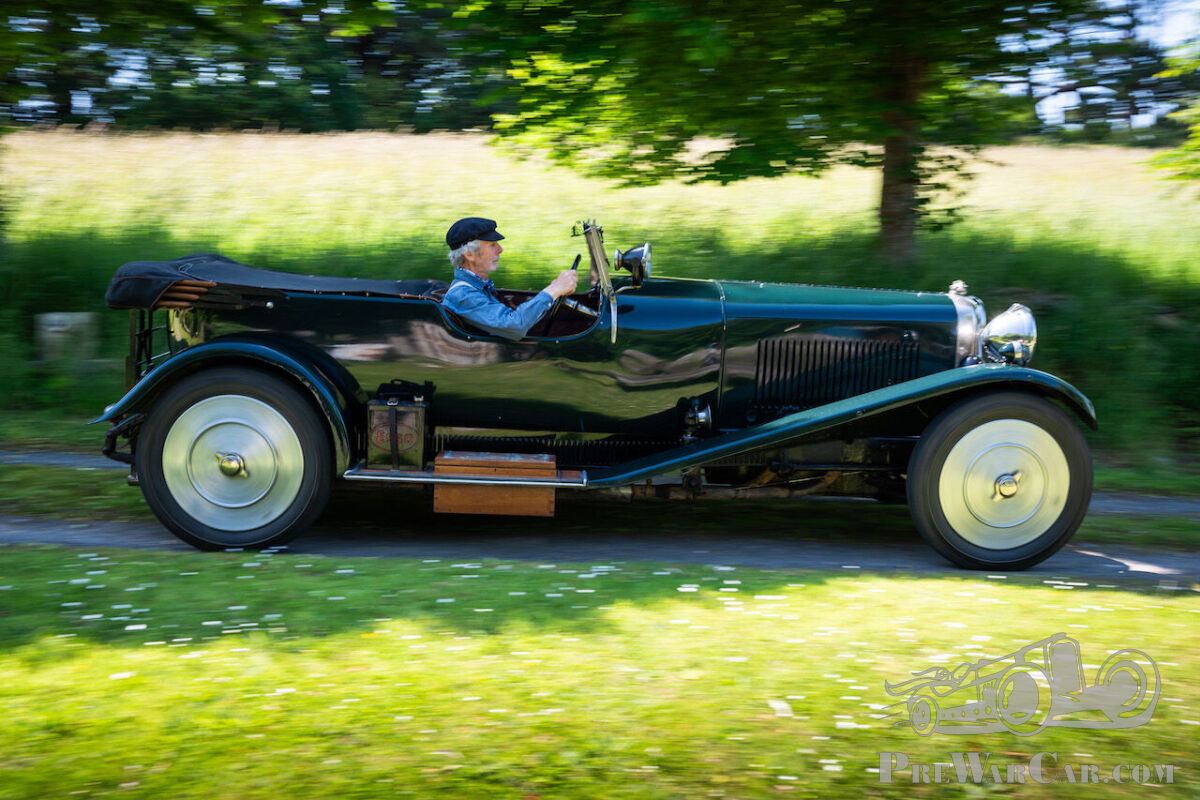
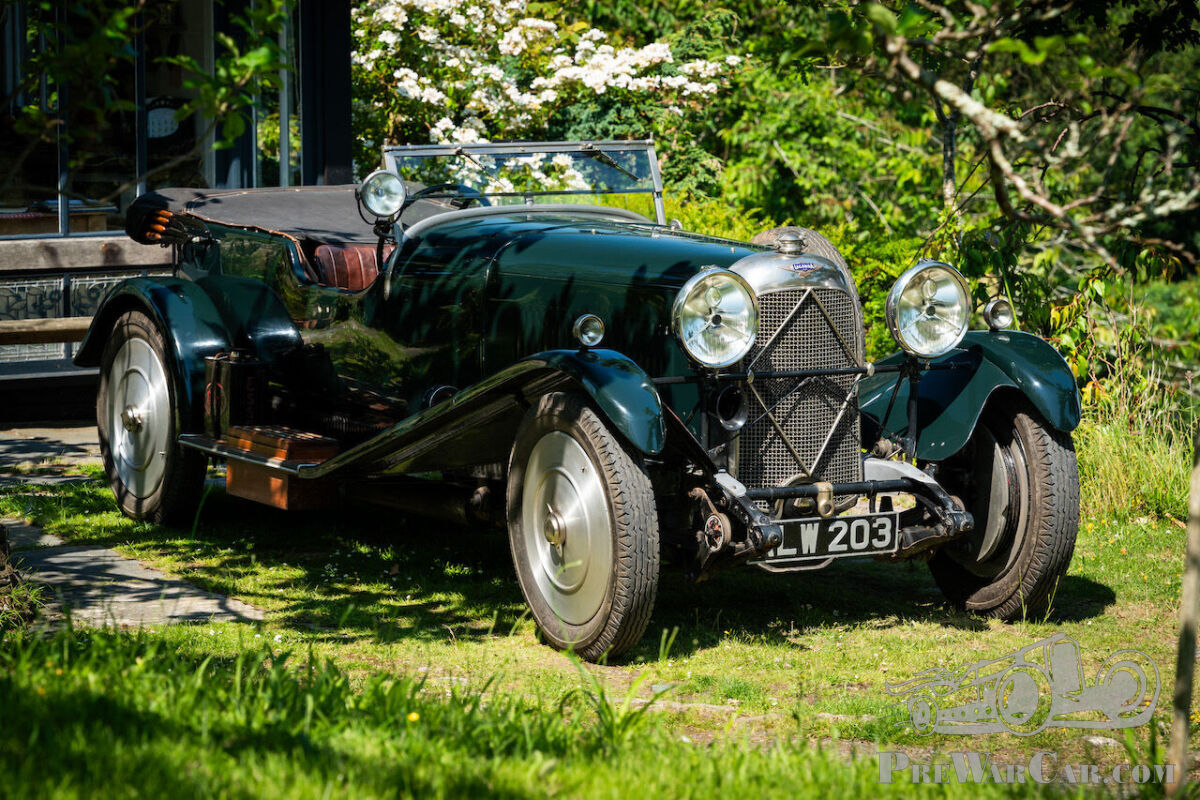


“Rebuilt to a bespoke specification” is not a phrase one always likes to hear. It can precede any number of misguided horrors, from a boat-tailed Rolls-Royce with an electric platform that rises to reveal a profusely monogrammed Louis Vuitton trunk, to a Derby Bentley modelled on Chitty Chitty Bang Bang. Yet custom coachbuilding gave us the most elegant and dashing cars of the 1920s and ’30s, and it would be a shame if the artistry and creativity that produced them were never again allowed to flourish. We ought, really, to encourage it.
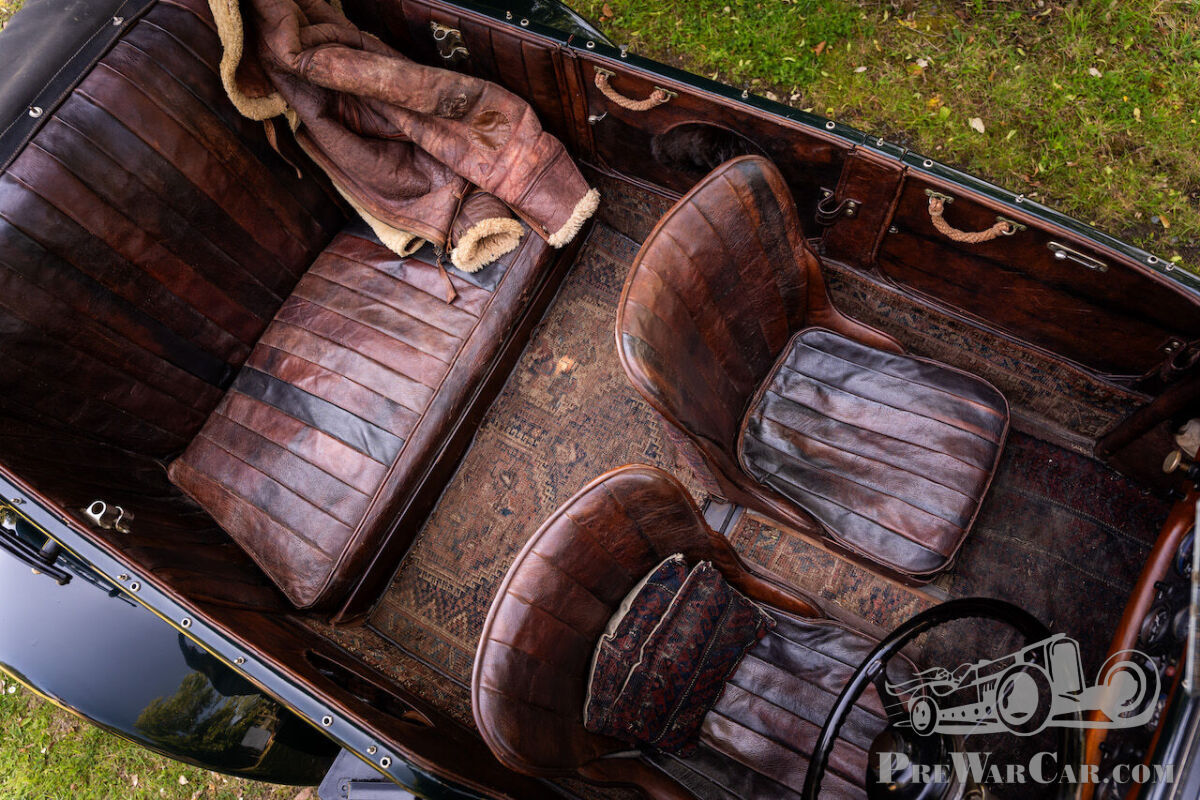
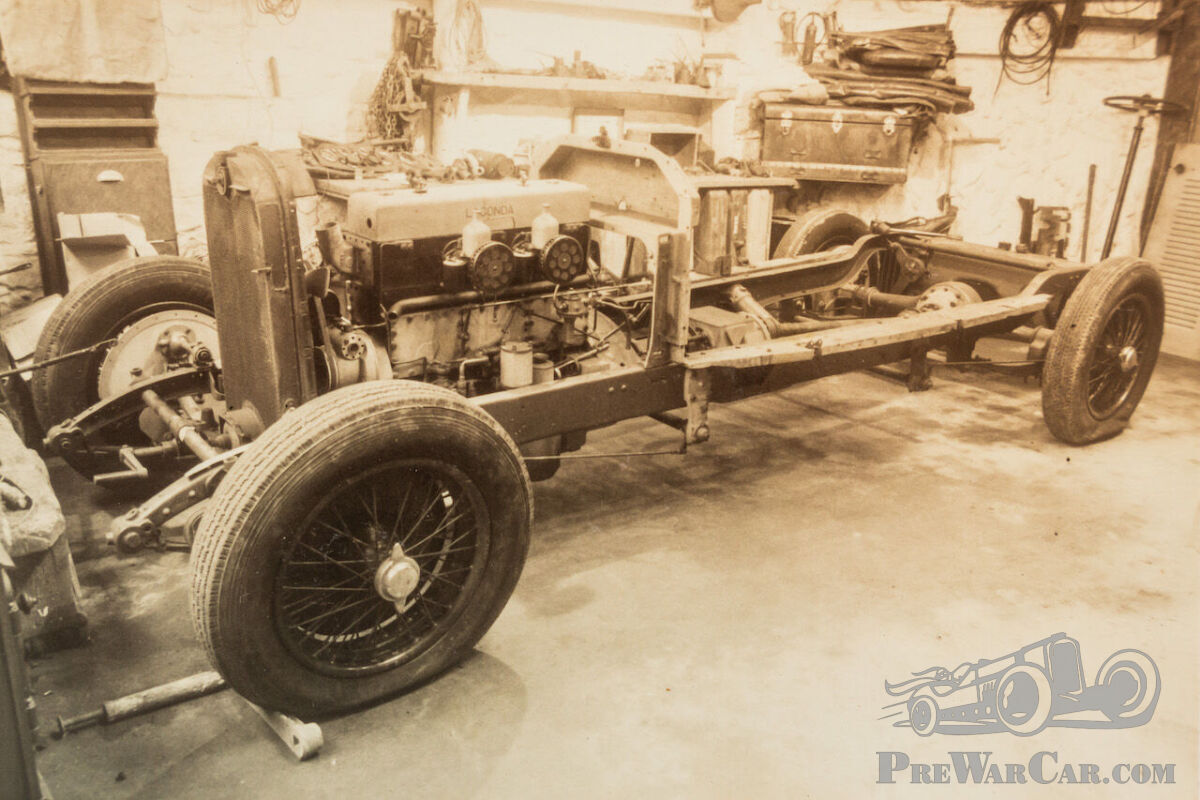
Let’s establish two rules for the creation of modern coachwork: 1) do not harm the originality or unity of surviving period coachwork; and 2) don’t do anything crass. Difficult for some, but not for the craftsman who breathed new life into this 1933 Lagonda Three Litre. Although originally a saloon, by the time he acquired it nothing remained save the chassis, bonnet, steering wheel and engine. He was therefore free to design it exactly as he pleased. While the body is modelled on Lagonda’s own T2 tourer coachwork, sharp eyes will spot several non-standard features, such as the vintage 21-inch wheels. The interior is lovely, too – upholstered in 18th-century leather, it could scarcely be otherwise.
Few observers would ever guess that it isn’t an original Lagonda creation, but the devil is in the detail. Fanny Johnstone examines those details in the September issue of The Automobile, on sale now.
Words by Zack Stiling
Photographs by Stefan Marjoram
Published:
Monday September 15th, 2025
Facebook
LinkedIn
Twitter
WhatsApp
Email
Copy
Comments
Richard Smith
16 September 2025, 09:45
Richard Branch
16 September 2025, 15:51
Lagondas of this era had Lucas starter motors.
Read more
Nigel H Wright
15 September 2025, 10:27
"Don't do anything crass.”
You cast aspersions on novelty – “misguided horrors” in your book, but bespoke coachwork of which you approve gets a pass?
Rule 1. is a given, but let’s NOT establish rules about what is and isn't "crass." That will only stifle the creativity you seek to encourage.
Read more
You cast aspersions on novelty – “misguided horrors” in your book, but bespoke coachwork of which you approve gets a pass?
Rule 1. is a given, but let’s NOT establish rules about what is and isn't "crass." That will only stifle the creativity you seek to encourage.
Most regrettably, this disease has spread amongst veteran cars which are now cheerfully advertised to have the "benefit" of electric start. What's the point of owning a veteran car if you start it with a key? Just get yourself a Ford Anglia and save the world from your ignorance. If today's owners knew how to start even the largest of early engines properly they would realise that electric start is not only a crass conversion but a totally unnecessary one at that. Lessons available by private arrangement.