The global magazine and marketplace for classic car enthusiasts, by enthusiasts.


Filter
Make a choice:
- Cars
-
Make >>
- Bikes
-
Location >>
- Parts & more
-
Make of car >>
-
Manufacturer >>
-
Category >>
- Bicycles & more
-
Year >>
-
Countries


Antique autos galore head to Hershey with RM Sotheby's
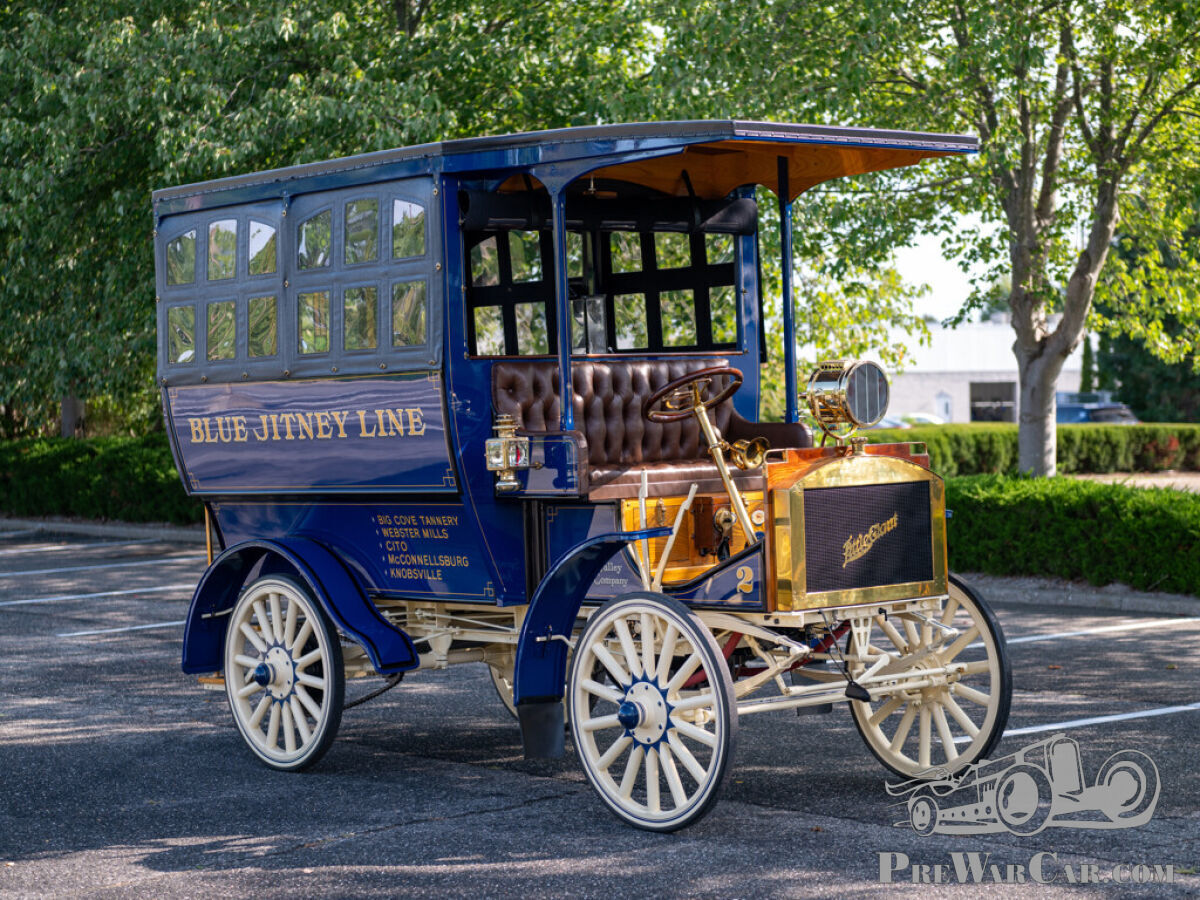
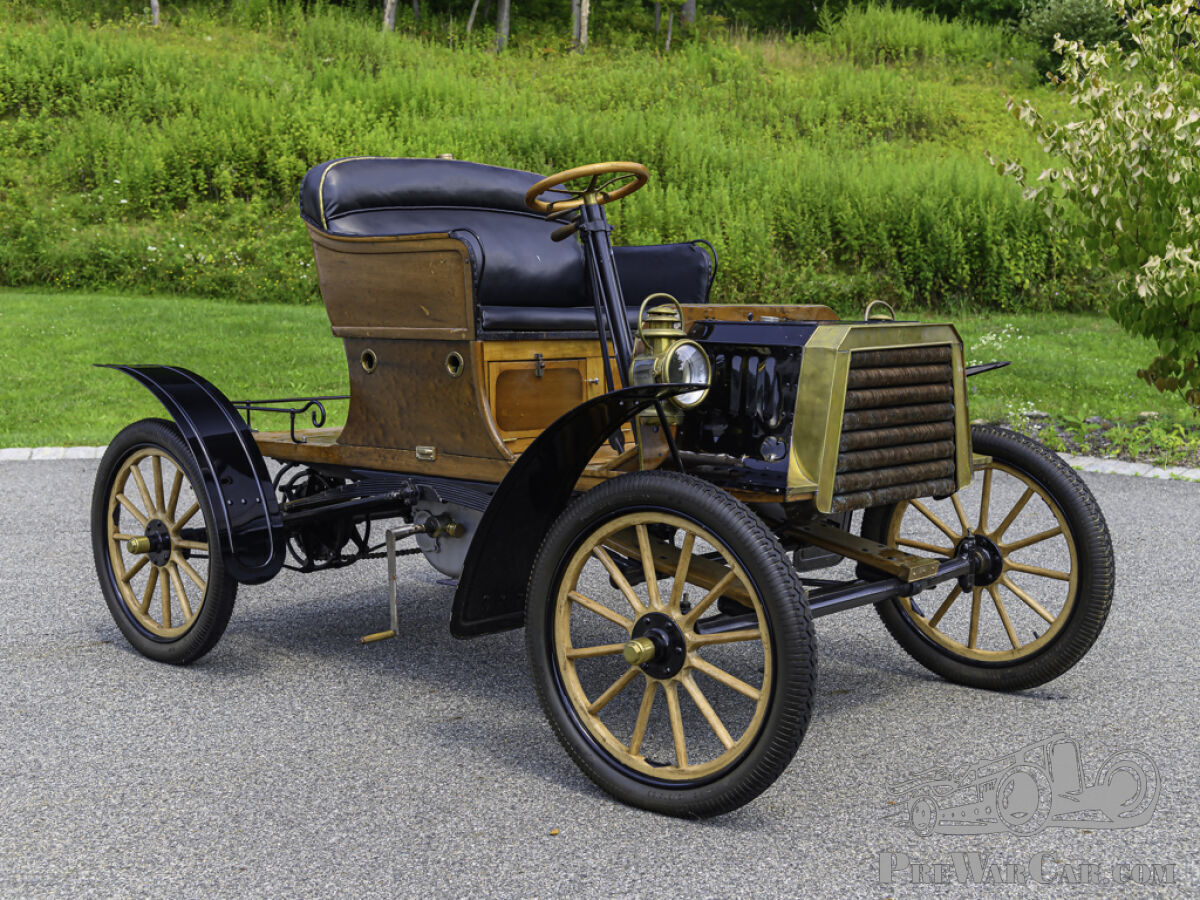

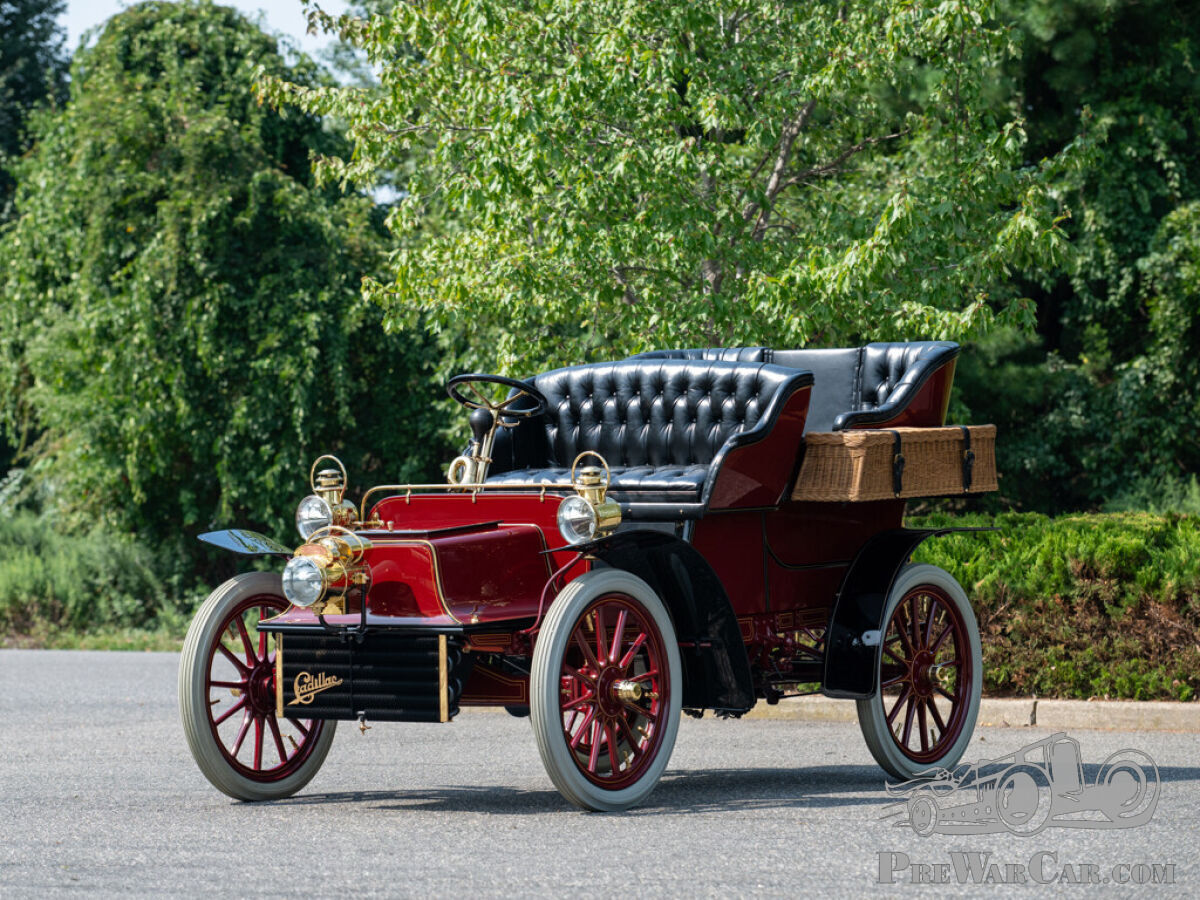
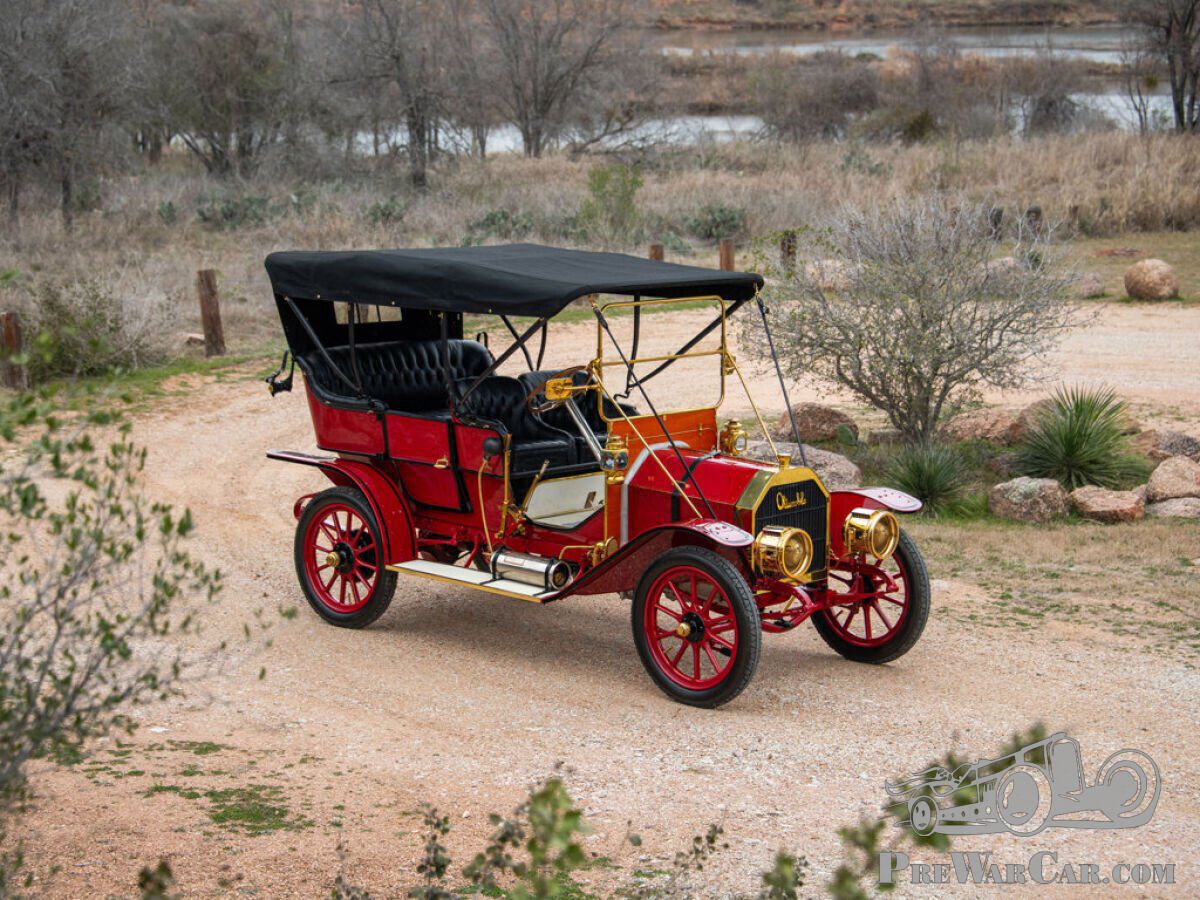
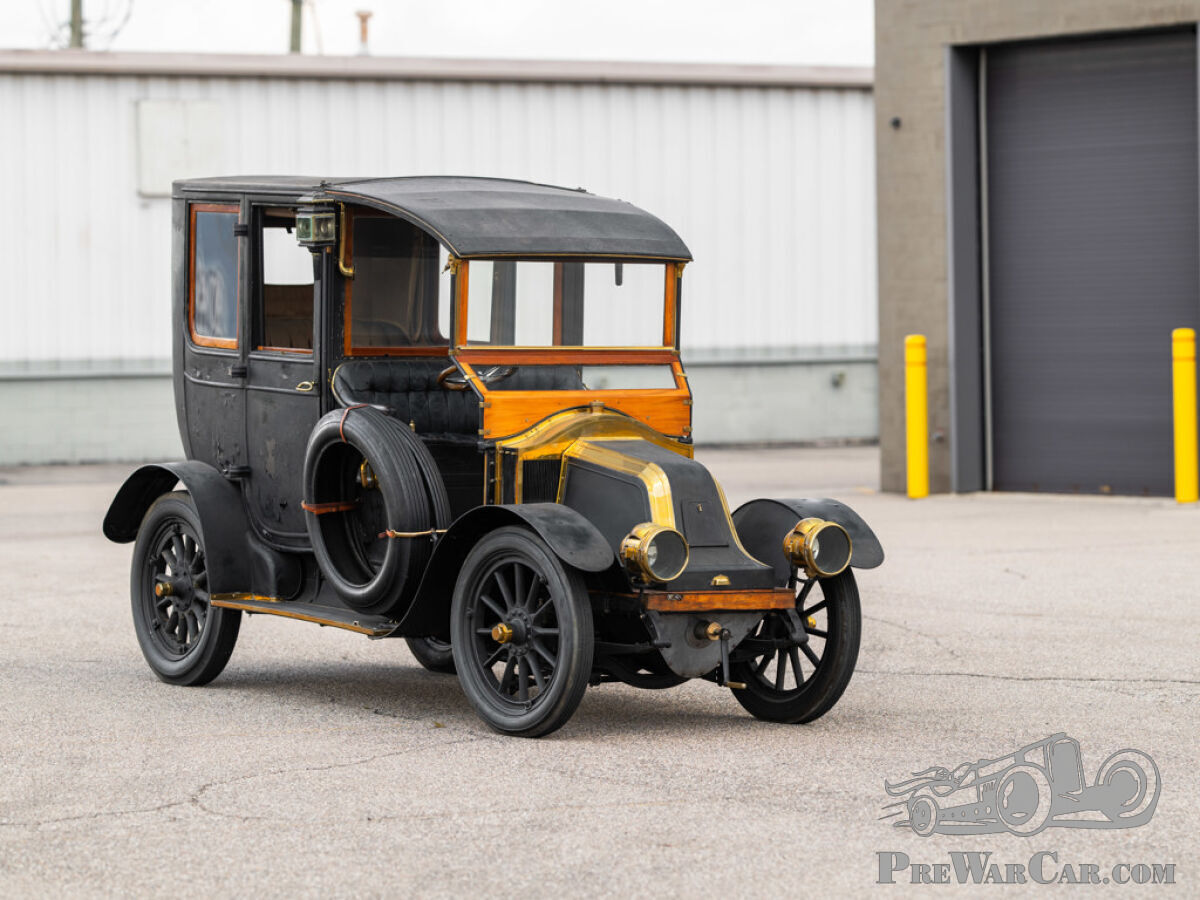
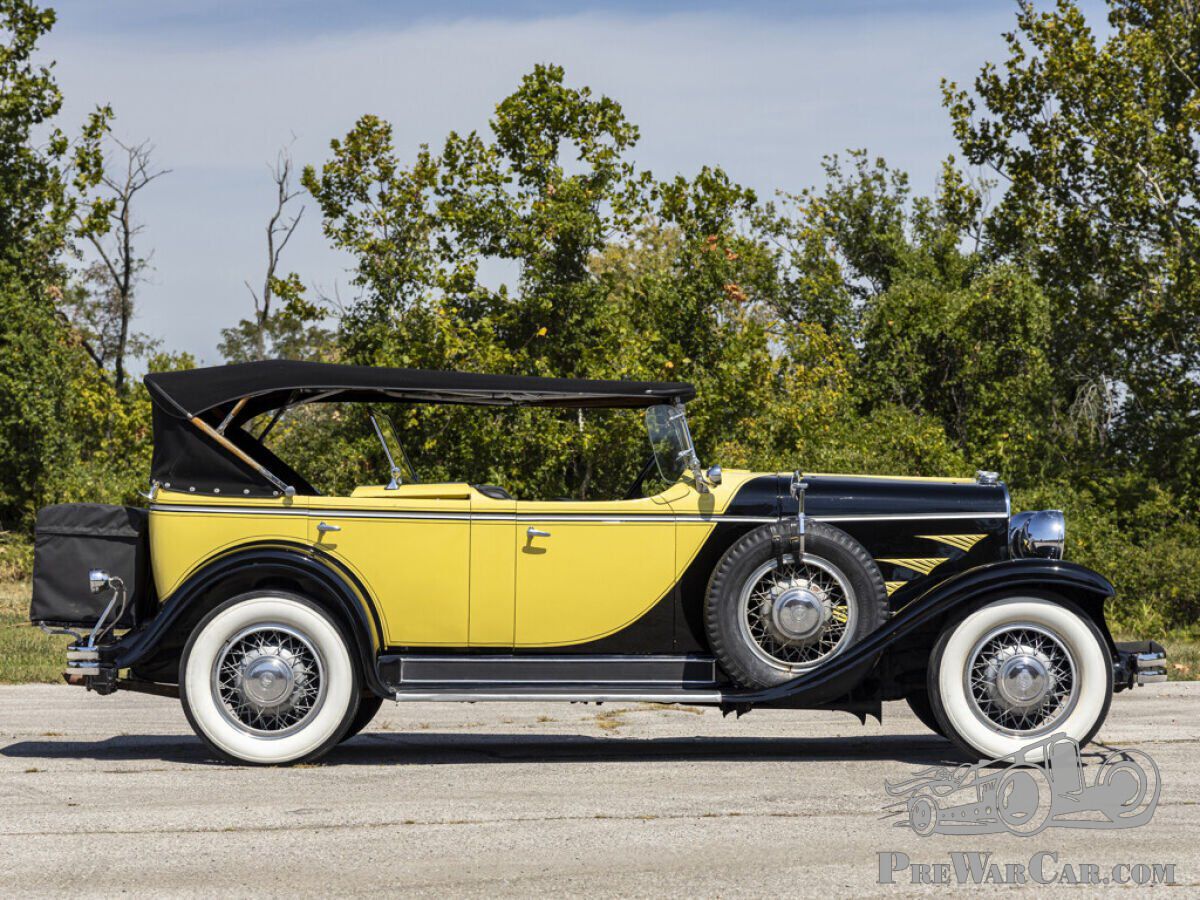
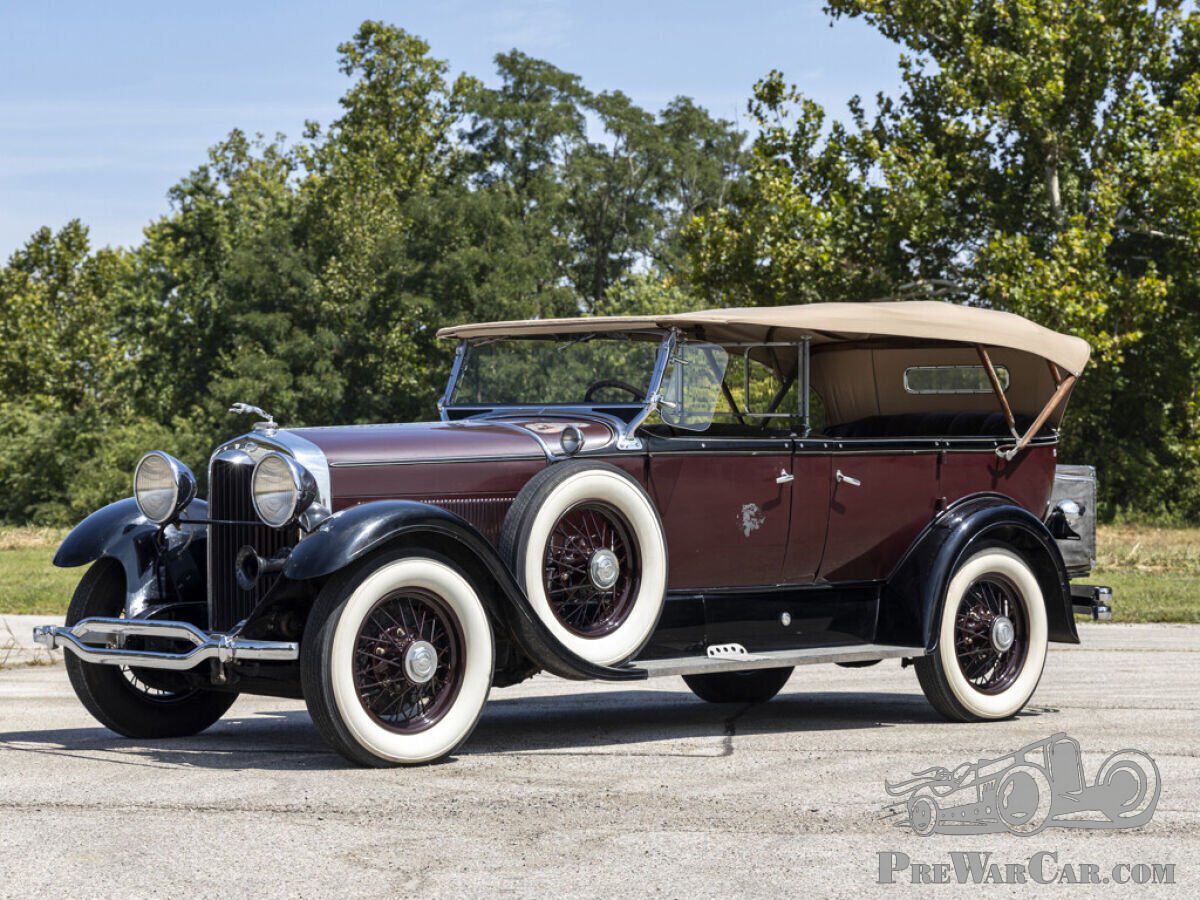
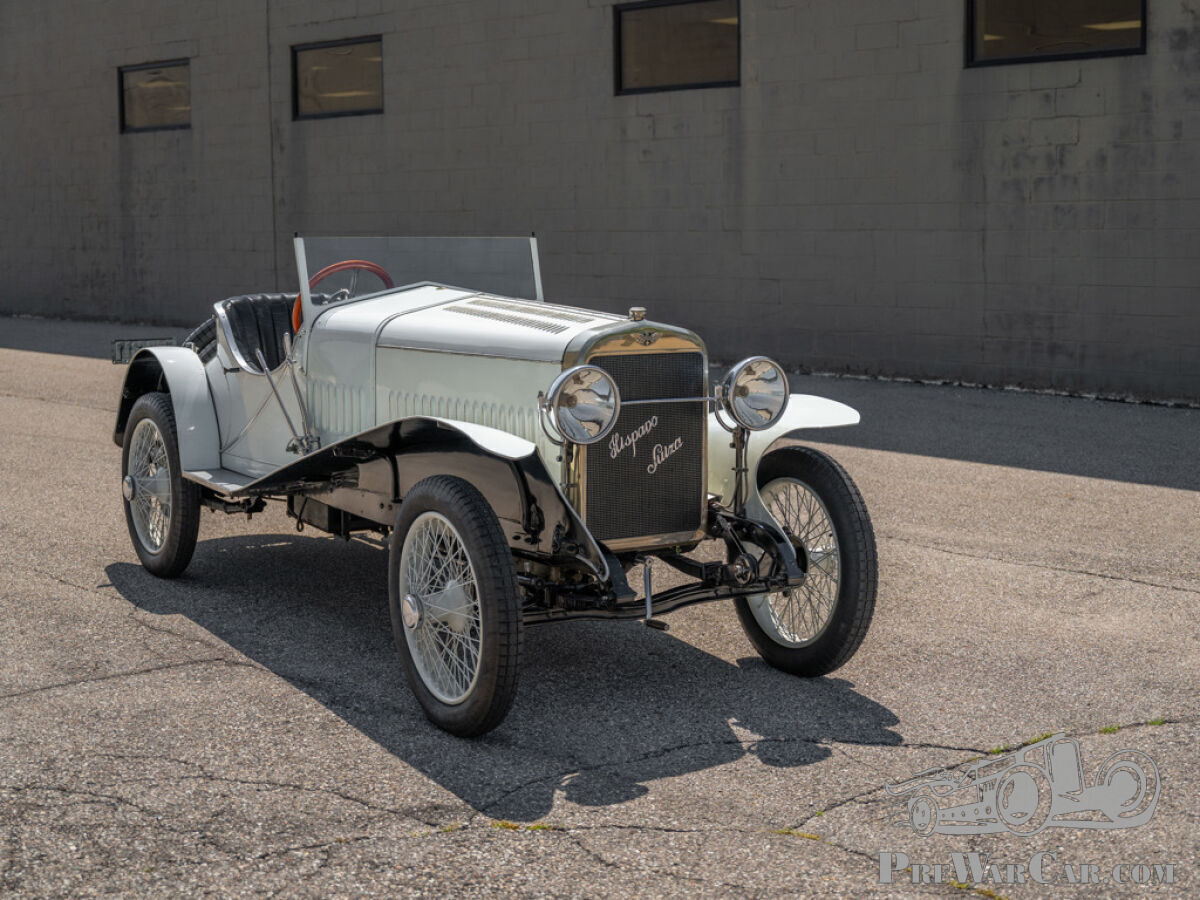



As many of our readers will know, the famous A.A.C.A. Eastern Fall Meet—Hershey to its friends—is to take place in the eponymous Pennsylvania town from October 8th to 11th. As a swapmeet, it's all about buying and selling, although those of you who've promised not to fill up your garage any more will still find plenty of cars and automobilia which are a delight simply to look at. It's already apparent that some of the best cars of the weekend can be picked up from the RM Sotheby's auction on 9-10th, which contains more than 80 pre-war cars.
As always, Brass Era cars are well-represented and there's even a smattering of veterans. Anyone who fancies finding an interesting new car for the 2025 London to Brighton Run should take a look at the quaintly charming 1904 Buckmobile runabout ($30,000-40,000), an extremely rare survivor which was restored about 10 years ago, but larger budgets should consider the 1902 Packard Model G tonneau ($500,000-600,000). The sole-surviving Model G, with engine number 2, has had only five owners from new and was acquired in 1930 by the celebrated and pioneering preservationist Lindley Bothwell. Following the dispersal of the Bothwell Collection in 2017, it has been treated to a full restoration. On the other hand, the 1904 Cadillac Model B tonneau ($90,000-120,000) is a popular and well-supported which the new owner should find highly useable.
The 1909 Oldsmobile Model X3 tourer ($80,000-100,000) is not only thought to be the sole-surviving X3 but, extraordinarily, has history traceable to its first owner, Mr. Smotherman of Wartrace, Tennessee. It wears an award-winning older restoration. A couple of our favourite Brass Era lots are the 1910 Renault Type BZ town car by Moore & Munger ($125,000-175,000) and the 1912 Little Giant Model D 'jitney' bus ($120,000-150,000). The Renault appeals greatly as an unrestored survivor, its history dating back to its purchase in 1955 by 14-year-old Ken Gooding. One of fewer than 10 surviving Little Giants, the example offered appears as a tiny bus with great character, having been restored with a historically-accurate body and livery in the colours of the Blue Jitney Line. Other Brass Era consignments include:
- 1908 Stanley Model EX runabout ($60,0000-80,000)
- 1911 Cadillac Model 30 roadster ($40,000-60,000)
- 1911 Oldsmobile Model 28 Autocrat roadster ($400,000-500,000)
- 1911 Singer motorcycle and sidecar ($35,000-45,000)
- 1912 Imperial Model 34 tourer ($80,000-120,000)
- 1913 American Underslung 34-A Tourist ($175,000-225,000)
- 1913 Marion Model 33 Bobcat ($100,000-140,000)
- 1916 Detroit Electric Model 67 ($85,000-115,000),
- 1916 Locomobile 48 Series Six coupé by Locke ($100,000-150,000)
- 1916 Pierce-Arrow Model 38-C-4 tourer ($75,000-100,000)
- 1917 Rauch & Lang BX-7 ($70,000-100,000)
- 1918 Detroit Electric Model 74A ($50,000-60,000).
Rare and outstanding coachwork
Moving forward in time, we really are spoilt for choice. We love interesting coachwork and a general sense of glamour, so we'd be very happy with the 1926 Duesenberg Model A dual-cowl tourer by Millspaugh & Irish ($175,000-250,000), 1929 Stutz Model M sports phaeton by LeBaron ($175,000-250,000) or the 1930 Chrysler 77 dual-cowl phaeton by Locke ($50,000-70,000), which looks all the better for the gentle patination of its award-winning early 1960s restoration. Then again, with our oily-rag hat still firmly in place, we are very much attracted to the patinated restoration of the 1930 Lincoln Model L tourer ($35,000-45,000), a reminder that some of the nicest lots are not always the most expensive.
Those with more Continental tastes may prefer one of the two Hispano-Suizas. The 1926 H6B with tourer coachwork by Hooper ($200,000-275,000) is a rather surprising inclusion, and also sports an older restoration, but the 1923 Type 16T roadster ($150,000-200,000) is by far one of the prettiest cars on offer. Known to have been in American enthusiast ownership since at least 1968, it is probably unique in the country and really does not compare with anything else in the catalogue. We also particularly admire the coachwork of the unique 1930 Rolls-Royce Phantom II Continental sportsman's coupé by H. J. Mulliner ($200,000-250,000).
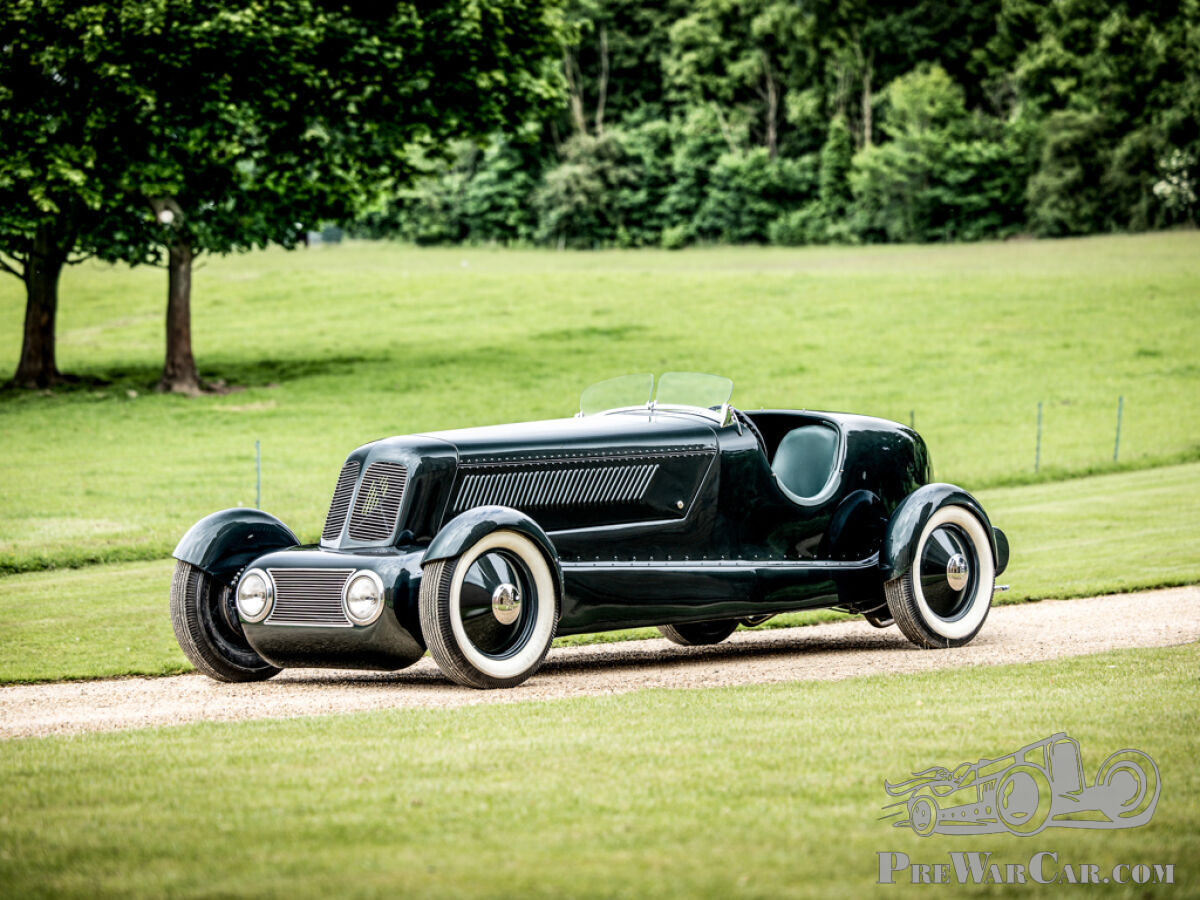
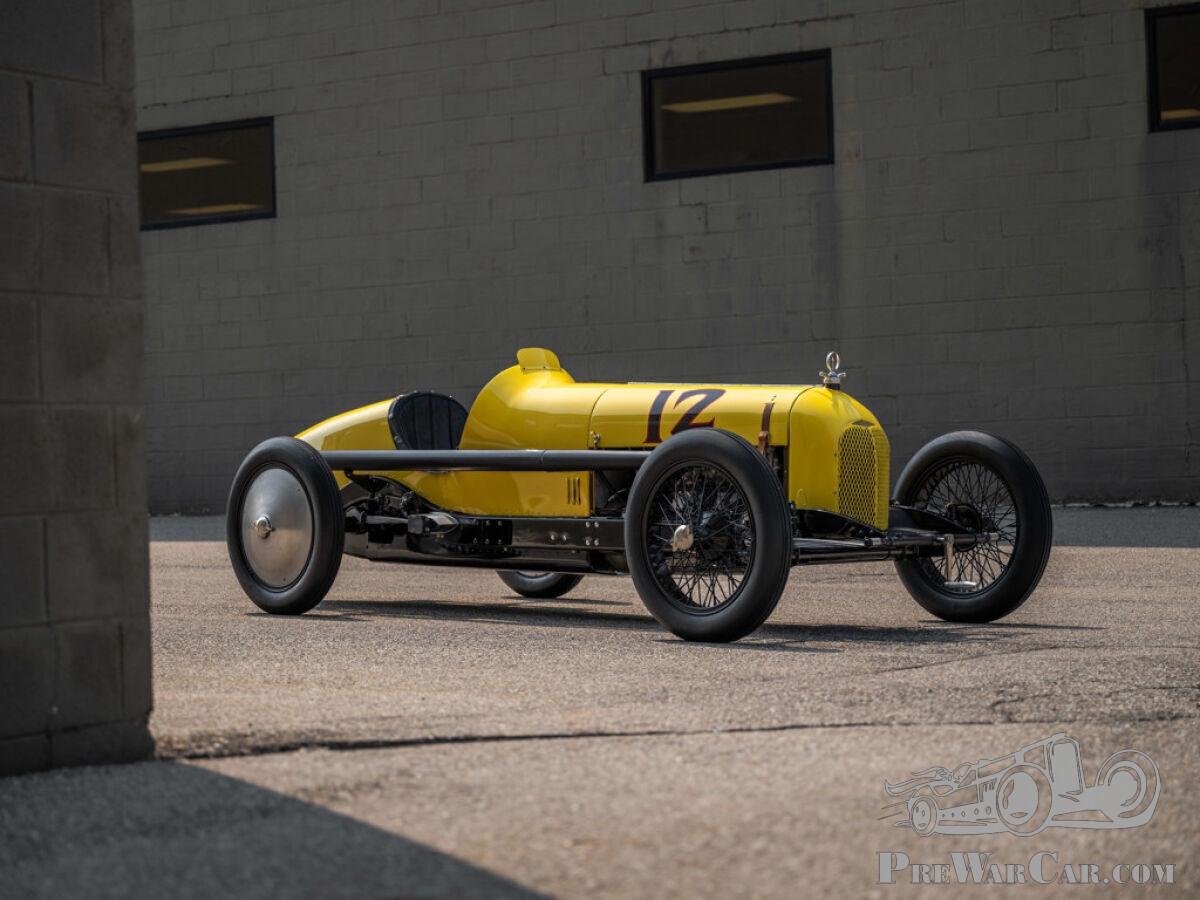
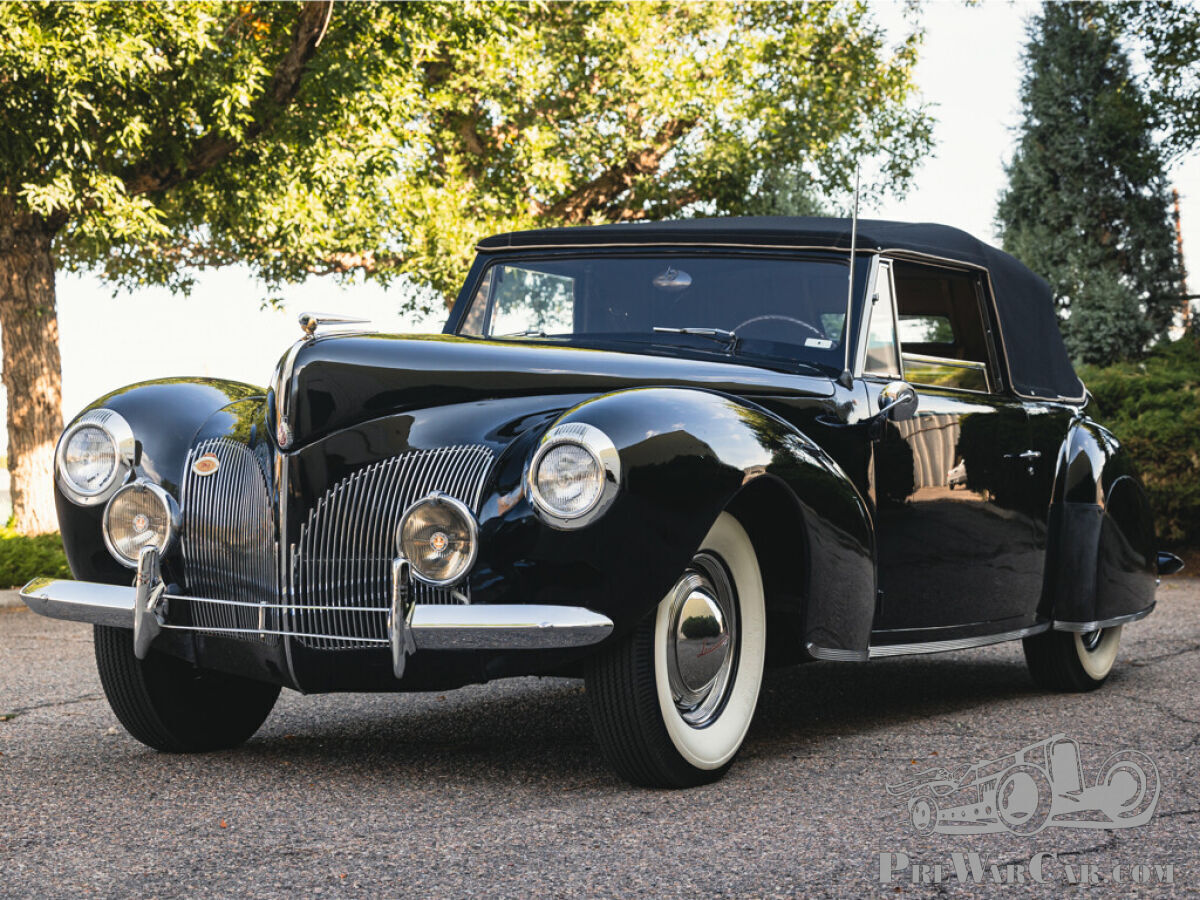
Finally, we should be really pleased to make room in our motor house for the famous 1934 Ford Model 40 speedster ($100,000-120,000) designed by Edsel Ford, even if the example offered is only a replica. In a similar vein, the meticulous recreation of Pete DePaolo's Immortal Banana Wagon, the bright yellow 1925 Duesenberg supercharged single-seater ($150,000-200,000) which he raced with much success in the A.A.A. National Championship, should not be ignored. If however, your budget does not extend to six figures, the 1940 Lincoln Continental ($30,000-40,000) would not be a bad substitute for the Edsel Ford enthusiast—the model stemmed from a prototype initially conceived by Edsel for his personal use. The example offered has ownership history from new and has never been fully restored.
Click here to see the full catalogue.
Published:
Wednesday October 2nd, 2024
Facebook
LinkedIn
Twitter
WhatsApp
Email
Copy