The global magazine and marketplace for classic car enthusiasts, by enthusiasts.


Filter
Make a choice:
- Cars
-
Make >>
-
Year >>
-
- Bikes
-
Location >>
- Parts & more
-
Make of car >>
-
Manufacturer >>
-
Category >>
- Bicycles & more
-
Year >>
-
Countries


The Gherkin on Wheels: How Mercedes Learnt the Art of Streamlining

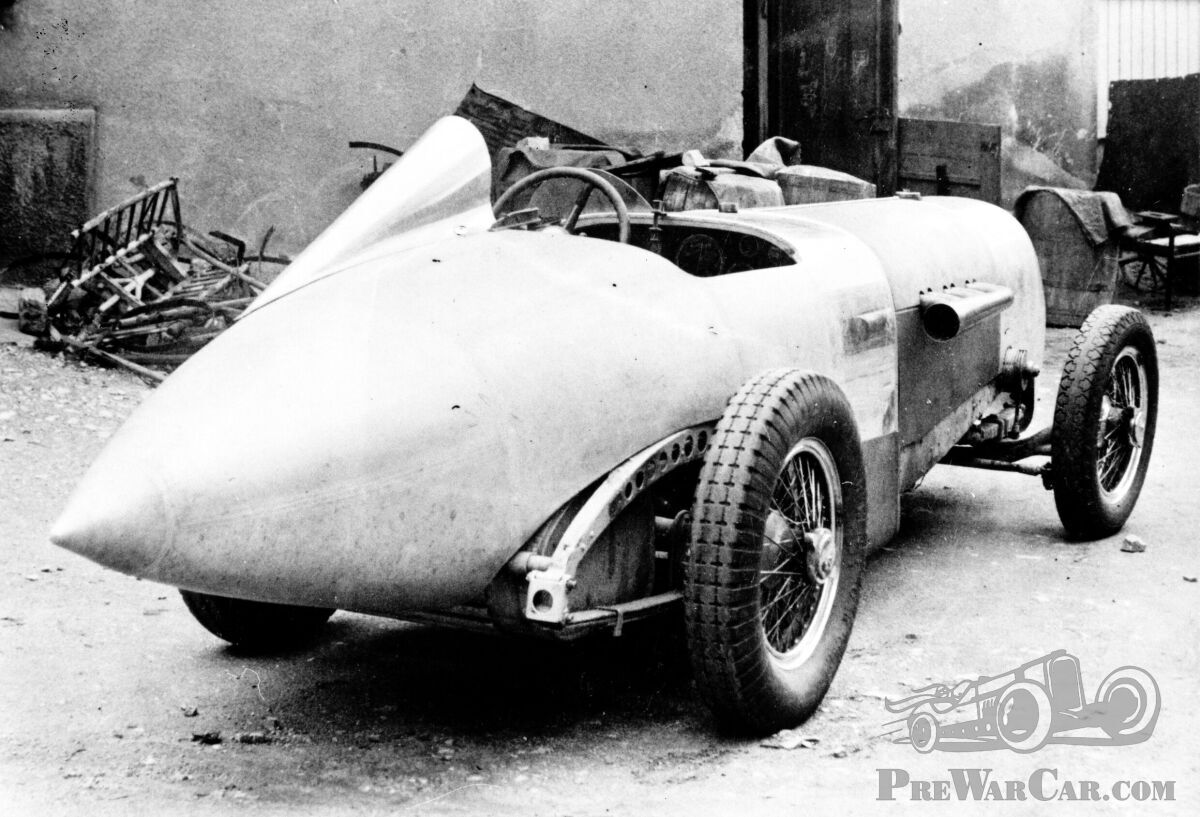
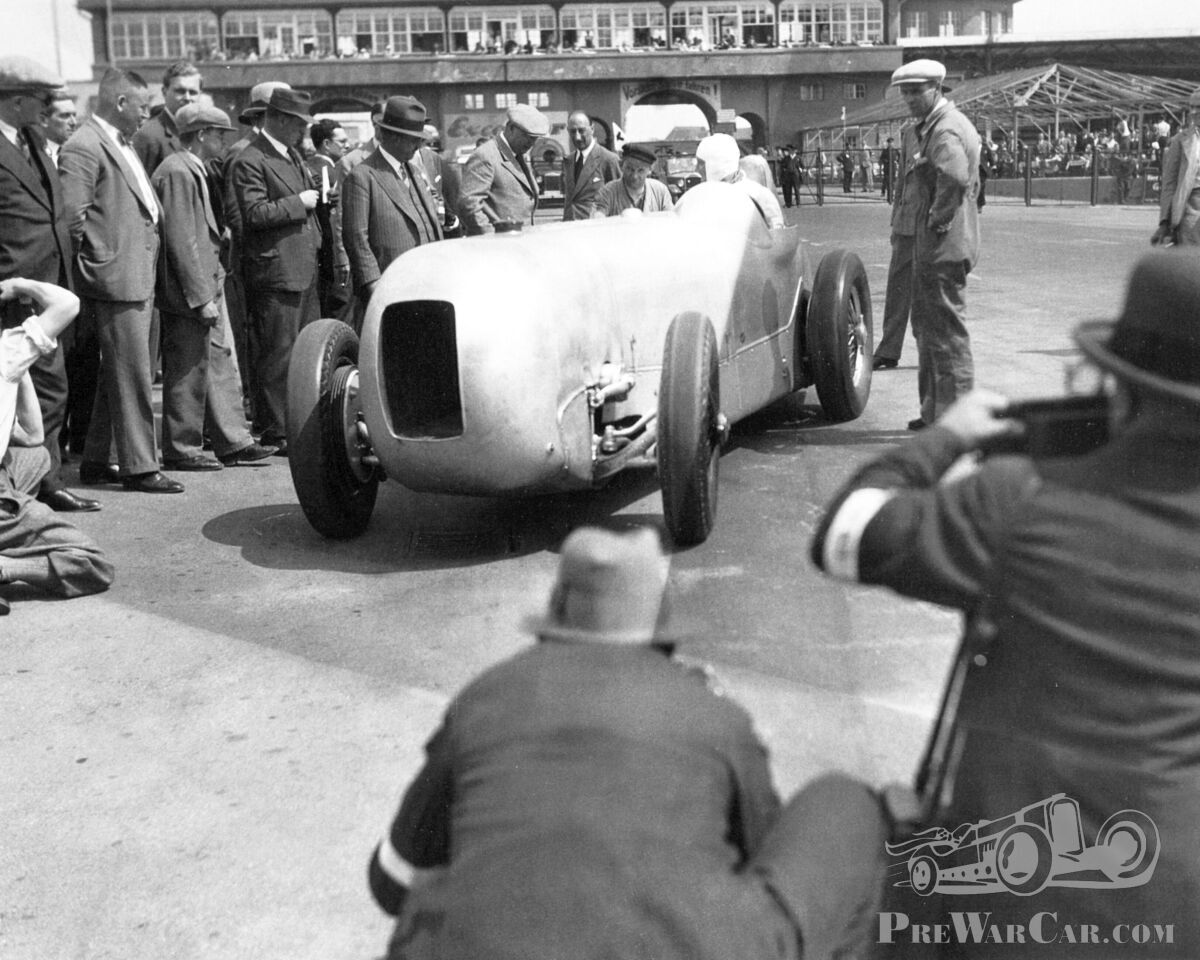


The principles of aerodynamic design gained rapid traction in the 1930s, but there often existed a disparity between what people thought an aerodynamic car should look like, and what it actually did look like. Baron Reinhard von Koenig-Fachsenfeld was concerned only with the latter.
Fascinated by aerodynamics since his student days, by 1931 he was setting motorcycle speed records at Montlhéry on a DKW with a streamlined fairing of his own design. Afterwards, he made the acquaintance of ace driver Manfred von Brauchitsch, whose bulky Mercedes-Benz SSKL was getting to be outclassed by smaller, more nimble cars such as 8C Alfa Romeos.
Baron von Koenig-Fachsenfeld had an idea for how the Mercedes could still be a race winner. Von Brauchitsch assented, and arrived at the 1932 Avus race driving what its detractors derided as an overgrown gherkin. What it was, in fact, was a streamliner concealing a 250bhp, 7.1-litre supercharged six – a more flattering commentator labelled it a ‘silver arrow’…
There was much at stake in the 183-mile race, but it was soon refined into a duel between Alfa driver Caracciola and von Brauchitsch in the Benz. Caracciola was held to be the better driver, but he couldn’t shake off the gherkin on the straights. Eventually, von Brauchitsch took the lead, but drove so furiously that Alfred Neubauer feared the Mercedes would destroy its tyres.
There was, of course, only one winner. Karl Ludvigsen champions the work of Reinhard von Koenig-Fachsenfeld in the January issue of The Automobile, available now.
Words by Zack Stiling
Photographs from the Ludvigsen Archive
Published:
Wednesday January 15th, 2025
Facebook
LinkedIn
Twitter
WhatsApp
Email
Copy
Comments
Peter Maguire
15 January 2025, 16:00
Looking at the chassis, where it can be seen in the photos, I assume that the car was an SSKL, so I wonder how much extra speed would have been obtained by removing the wings, windscreen and any other items that contributed to the overall cross-sectional area. Plus, say, a bit of judicious streamlining around the scuttle.
Interestingly, on a quite seriously tuned Austin Seven (Ulster-type body, road equipped, with cycle wings, windscreen plus aero screens and full weather equipment), removing the hood, even if folded, adds around five miles per hour or more to the top speed, while removing the windscreen adds a further ten to twelve! Folding it flat (on the bonnet) also helps, but not to the same extent. Removing cycle-type wings also helps to increase top speed, but not as much as is achieved by hood removal. However, I accept that this could be down to the profile of the cycle wings fitted to the car in question. I suspect that this would, in general, be the case with most vintage cars.