The global magazine and marketplace for classic car enthusiasts, by enthusiasts.


Filter
Make a choice:
- Cars
-
Make >>
-
Year >>
-
- Bikes
-
Location >>
- Parts & more
-
Make of car >>
-
Manufacturer >>
-
Category >>
- Bicycles & more
-
Year >>
-
Countries


Where is it now? The Million-Guiet monstrosity
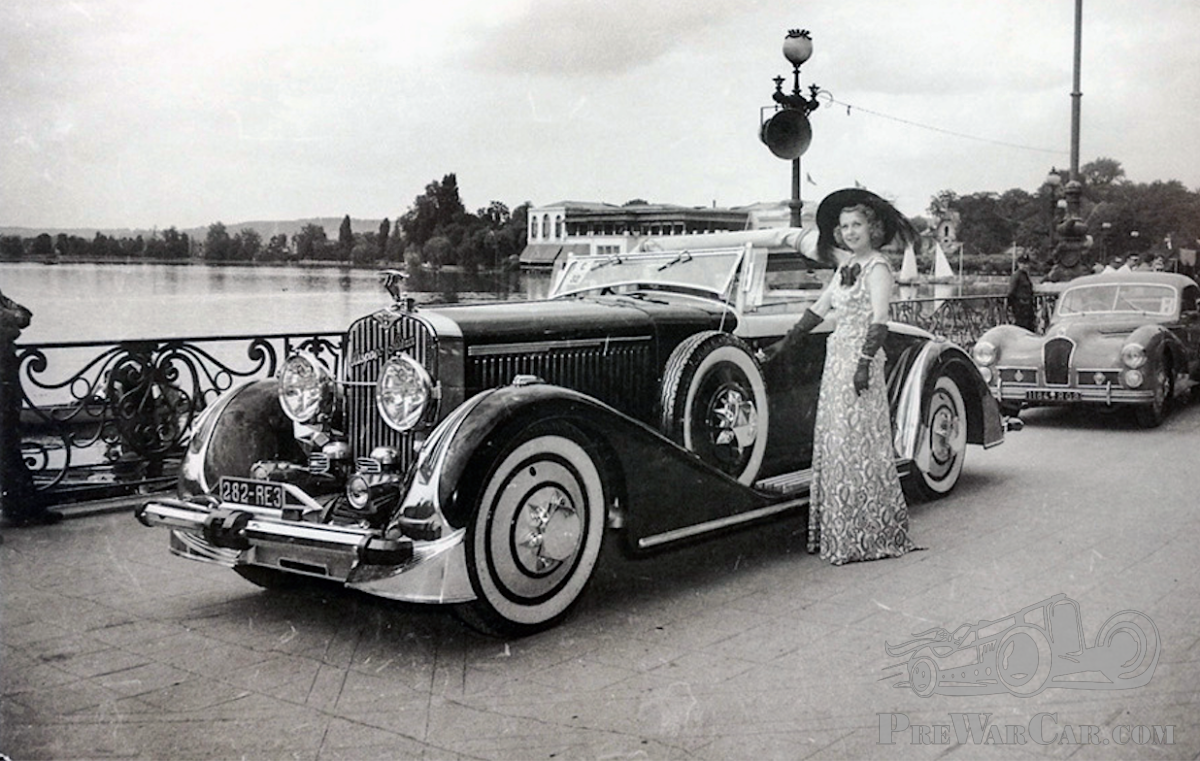
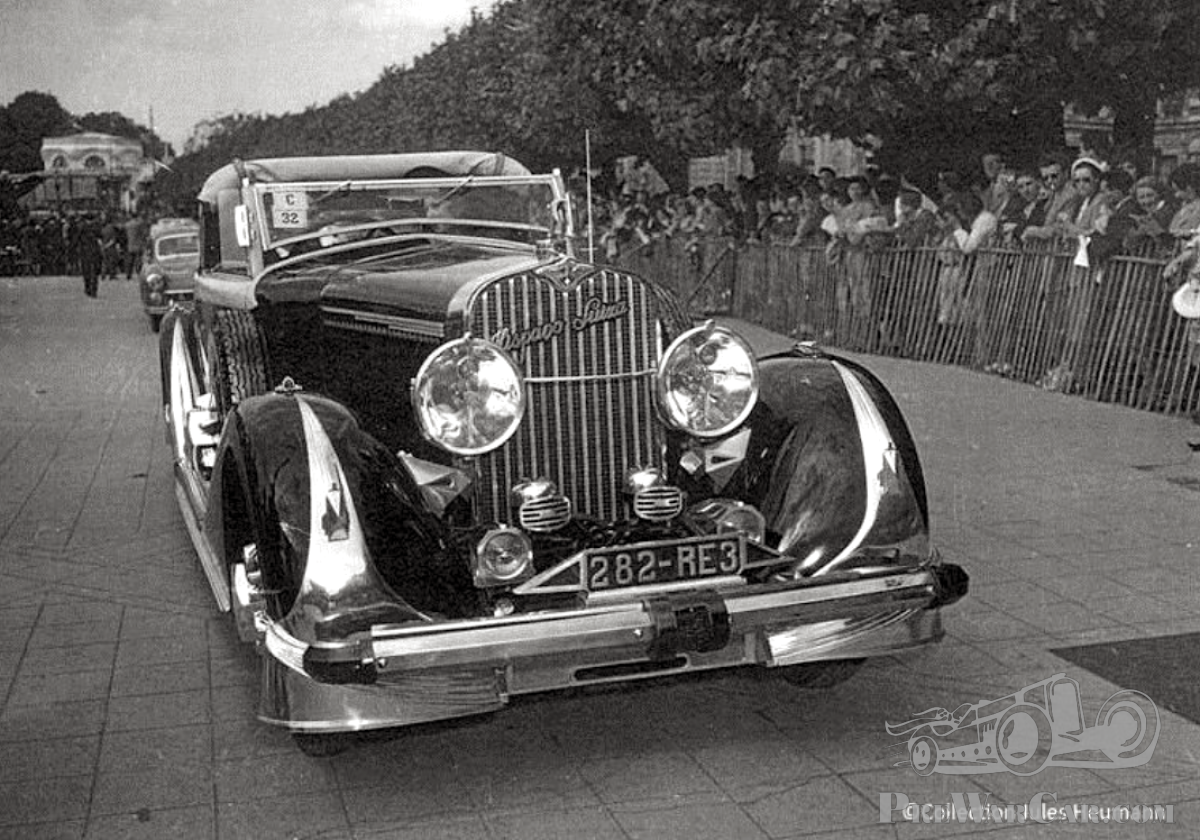


When we saw these pictures we nearly spat our coffee over our screen. What on earth was that..? Well, the car is a Hispano-Suiza – you wouldn’t miss it – but it would be good to place it in its context, as it seems unlike any other we had ever come across before. It was clearly photographed at a concours d’élégance, but not one of the 1920s or ’30s, judging by the other cars seen in the background. The Talbot Lago T26 behind the Hispano dates back to the late 1940s.
We found that the car was supposedly bodied by Million-Guiet of Paris and is probably a 32hp H6B model with its six-litre, six-cylinder engine. Now, Million-Guiet was a very prolific coachbuilder, and the number of Hispano-Suizas clad by the company is rather impressive, with even plenty of H6Bs in a variety of styles. Eventually it was the number plate 282-RE3 that gave away the details – and it was not what we expected!
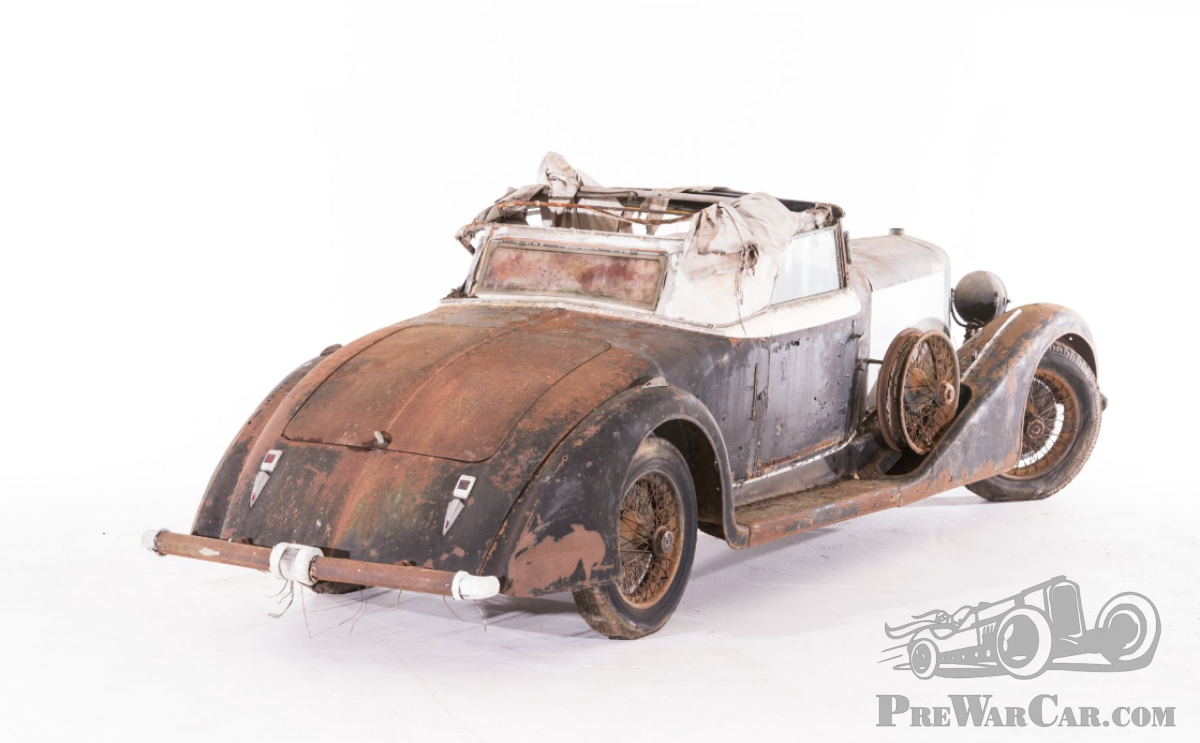
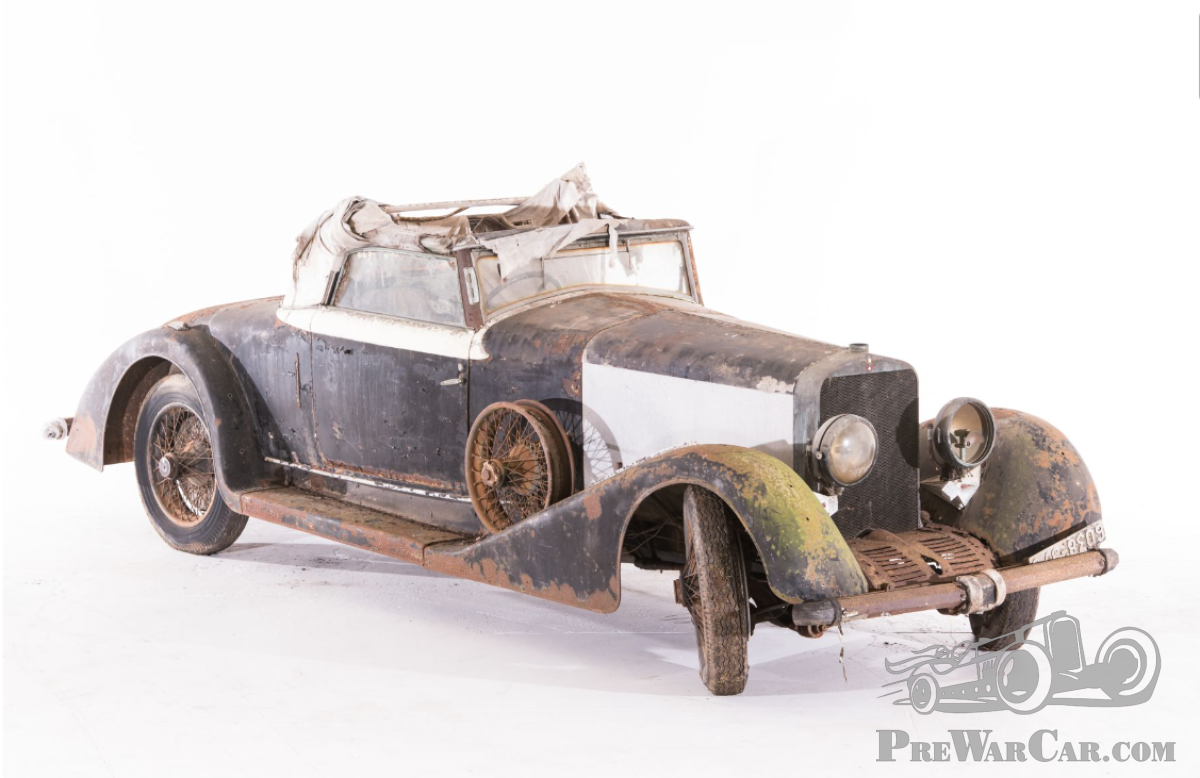
This, ladies and gentlemen, is that very sad car from the Baillon collection. Yes, that hulk of rust which was sold 11 years ago for a staggering 572,160 euros. Auctioneer Artcurial summed up the number plate in its sales blurb of 2015, and so we learned that the man responsible for the transformation was its sixth owner, former bicycle champion Henri Bréau. From the write-up: “Inspired by the post-war creations of certain French coachbuilders like Saoutchik, Bréau began to customise his cabriolet by adding certain accessories that grew in number over the years. This started with a stone guard for the grille, followed by hubcaps, wheel nuts, wing extensions, extra lights, headlamp brackets, wing tips... The Hispano slowly transformed into a ‘circus car’ that was not necessarily in the best taste. However, Henri Bréau, who was very proud of his car, displayed it at the Enghien-les-Bains concours d’élégance in June 1949.”
That must be where these photos were taken, too, so thank you! Bréau sold the car in 1955, and eventually it ended up – without the tons of added brightwork – with Roger Baillon in 1967. There, at the Château Gaillard near Niort in western France, the car deteriorated before being ‘rediscovered’ and sold.
Where is it now?
Words: Jeroen Booij
Pictures: Jules Heumann / Artcurial
Published:
Friday April 10th, 2026
Facebook
LinkedIn
Twitter
WhatsApp
Email
Copy
Comments
Herman van oldeneel
24 April, 09:32
the automobiles were pictured at the concours in 1949. The Talbot-Lago is #110.114 with entry number 12 in category D.
Read more
Jaroslav
13 April, 14:02
The car is currently in the biggest and probably the most important Hispano Suiza collection in the world, which is in the Czech Republic.
Since the purchase the car is in restoration process and hopefully it will be soon finished.
You can have a look at Hispano Suiza & Classic Club.
Read more
Since the purchase the car is in restoration process and hopefully it will be soon finished.
You can have a look at Hispano Suiza & Classic Club.
Delrieu
12 April, 10:48
Yes I confirm the place is Enghien-les-bains lac, a very nice place in north east of Paris where those concours d’élégance take place since 1948 , in 2026 it wille be 25 of April
Read more
Herman van Oldeneel
11 April, 08:10
Auto Veteran Com from Prague sold the car. On their website pictures and a movie with the unrestored Hispano. AVC is trading and restoring many magnificient cars and they show these on their website.
Thanks for putting me on their track whilst searching for an answer about the Hisso
Read more
Thanks for putting me on their track whilst searching for an answer about the Hisso