The global magazine and marketplace for classic car enthusiasts, by enthusiasts.


Filter
Make a choice:
- Cars
-
Make >>
-
Year >>
-
- Bikes
-
Location >>
- Parts & more
-
Make of car >>
-
Manufacturer >>
-
Category >>
- Bicycles & more
-
Year >>
-
Countries


April Fools!!!! Scoop! World’s most famous Renault recovered
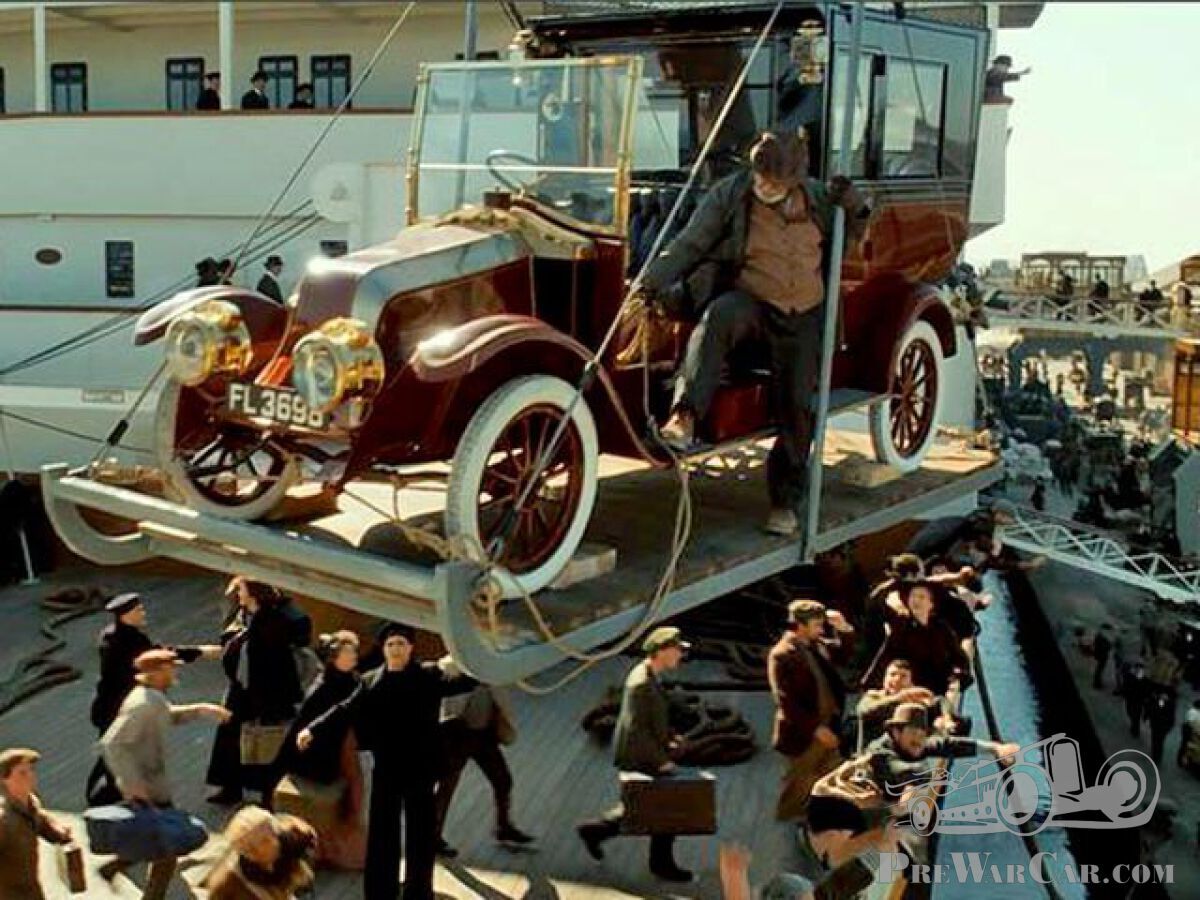
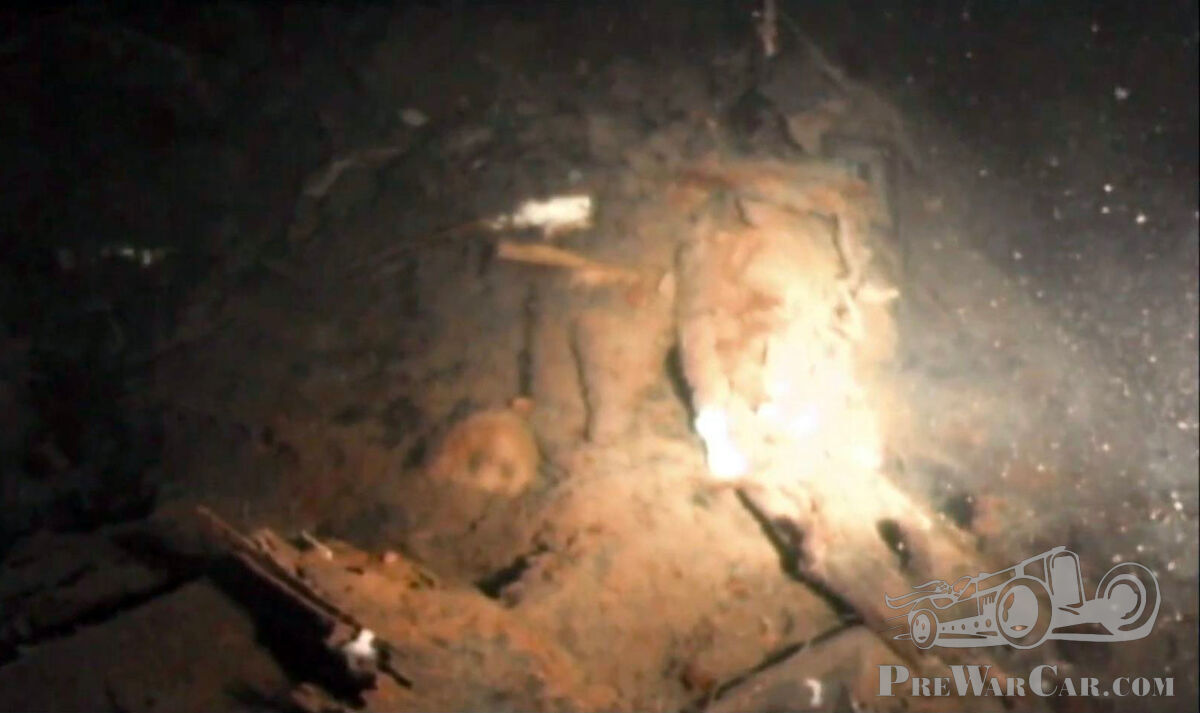
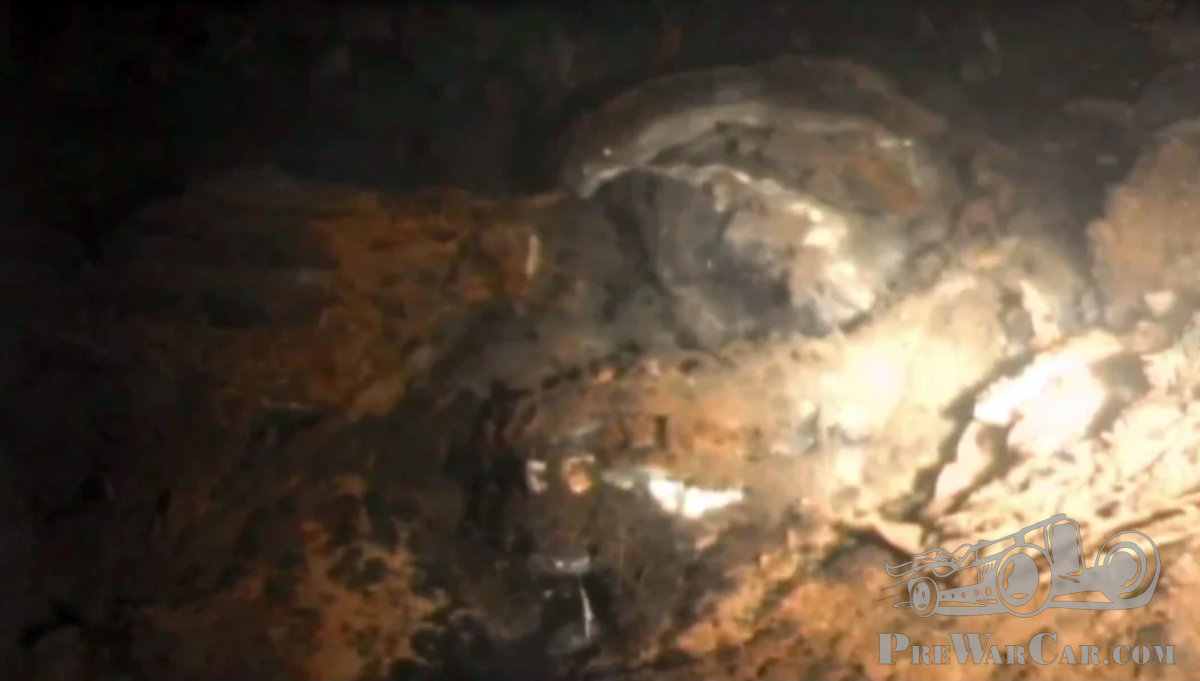


Now this is what we call a scoop! For more than a century, the world has obsessed over the cutlery, the jewels and the porcelain bathtubs of the RMS Titanic. Yet patiently, one of the ship’s most remarkable artefacts has been waiting its turn: the Renault 25hp CB Coupe de Ville that sank with the Titanic on that fateful April night in 1912. The car, or what remains of it, was recovered on Thursday 4 March and will be made public on 21 May at the exhibition ‘Titanic: The Artifact Exhibition’ in Cleveland, Ohio.
The Renault was raised from a depth of 3,800 metres in a discreet operation that took over two years of preparation. Deep-sea specialists from the French IFREMER (Institut Français de Recherche pour l’Exploitation de la Mer) worked closely with NOAA Ocean Exploration, the Great Lakes Science Center and the Titanic Historical Society in the US. Funding for the project was provided by the Bank of America and Renault itself.
The car famously belonged to American millionaire William E. Carter, who was travelling with his wife Lucile, their children and servants. Carter’s chauffeur, Augustus Aldworth, was also aboard, although he travelled in second class. While the Carter family survived the disaster, the Renault sank with the ship, along with Carter’s polo ponies. The 25hp Coupe de Ville is the only car confirmed to have been officially carried aboard the Titanic. It appeared on the ship’s cargo manifest and was insured for $5,000 with Lloyd’s of London. Despite its fame, however, the vehicle’s precise location on board remained unknown for decades, with no definitive evidence until now.
Research by the French-American team has confirmed that the Coupe de Ville was stored in the forward cargo hold. Other than the stern and much of the ship’s hull, which have collapsed, the bow is known to be relatively intact. However, the car itself had never been conclusively identified. But IFREMER spokesperson Nicolas Lavant confirmed the recovery to Prewarcar.com. According to Lavant, the institute’s deep-sea team succeeded in lifting the legendary Renault in just two attempts, using a lightweight recovery cradle. “Certain parts are in remarkable condition, given that this Renault has spent almost 114 years at the bottom of the North Atlantic,” he said. “We were even able to identify some of the body panels, though they have deteriorated significantly.” We understand that the chassis remains intact, as do the engine block and axles. “Most remarkable, however, is the brasswork, which is still in a relatively good condition,” Lavant added.
No photographs have yet been released, as the collaborating institutions are planning a grand unveiling on 21 May at the Great Lakes Science Center in Cleveland. Further information and tickets can be obtained here. Following the exhibition, the car’s remains will be transferred to the Renault Heritage Centre near Paris, where they will remain on display through at least the end of 2026.
Words Jeroen Booij
April Fools!
Sorry boys and girls, sometimes things are just too good to be true! Most of you had a good look at the calendar, but for those who didn’t: it’s the 1st of April. And as always, Jeroen came up with a fantastic story that almost could have been true.
Hope you enjoyed it!
Published:
Wednesday April 1st, 2026
Facebook
LinkedIn
Twitter
WhatsApp
Email
Copy
Comments
Jack Braam Ruben
02 April, 10:40
Great shame. I was already looking forward to put it next to the Bugatti Brescia out of the Lago Maggiore that I bought for the Mullin Museum years ago.
Read more
Larry A. Lewis
03 April, 07:23
Any idea where that Bugatti is now that the museum has closed? Just out of interest I own a Citroen that was exhibited at the Mullin when they had a special exhibit for them a few years ago. A 1937 "Challenger" Citroen 11BL. I'm restoring it now.
Read more
Jack Braam Ruben
05 April, 10:19
The Brescia must still be there in some backroom. I cannot recall selling Mullin this particular Traction.
I did get him the Type 15 plus 45 or so other examples. A lot of Chaprons. But I prefer the ones built by the factory.
Read more
I did get him the Type 15 plus 45 or so other examples. A lot of Chaprons. But I prefer the ones built by the factory.
Larry A. Lewis
05 April, 18:31
My 37 Challenger was bought by Peter Mulling from a woman in Arizona. I have the bill of sale for the car, signed by both parties.
Read more
Christoph Röhrs
01 April, 18:35
Given that these days we can no longer trust images either – meaning they can no longer be regarded as reliable evidence due to constant manipulation by AI and other technologies – I would argue that we should give 1 April a different, new meaning. Whereas in the past, one could rely on truthful statements 364 days a year and had to be more cautious in this regard on 1 April, today it could well be the other way round. And so we should make 1 April the Day of Truth.........
Read more
Robert MacWhirter
01 April, 10:14
Excellent April 1st ! Beautifully done, loved it .
Read more