The global magazine and marketplace for classic car enthusiasts, by enthusiasts.


Filter
Make a choice:
- Cars
-
Make >>
- Bikes
-
Location >>
- Parts & more
-
Make of car >>
-
Manufacturer >>
-
Category >>
- Bicycles & more
-
Year >>
-
Countries


Flying by night: a Swallow's view of the Nightjar Rally
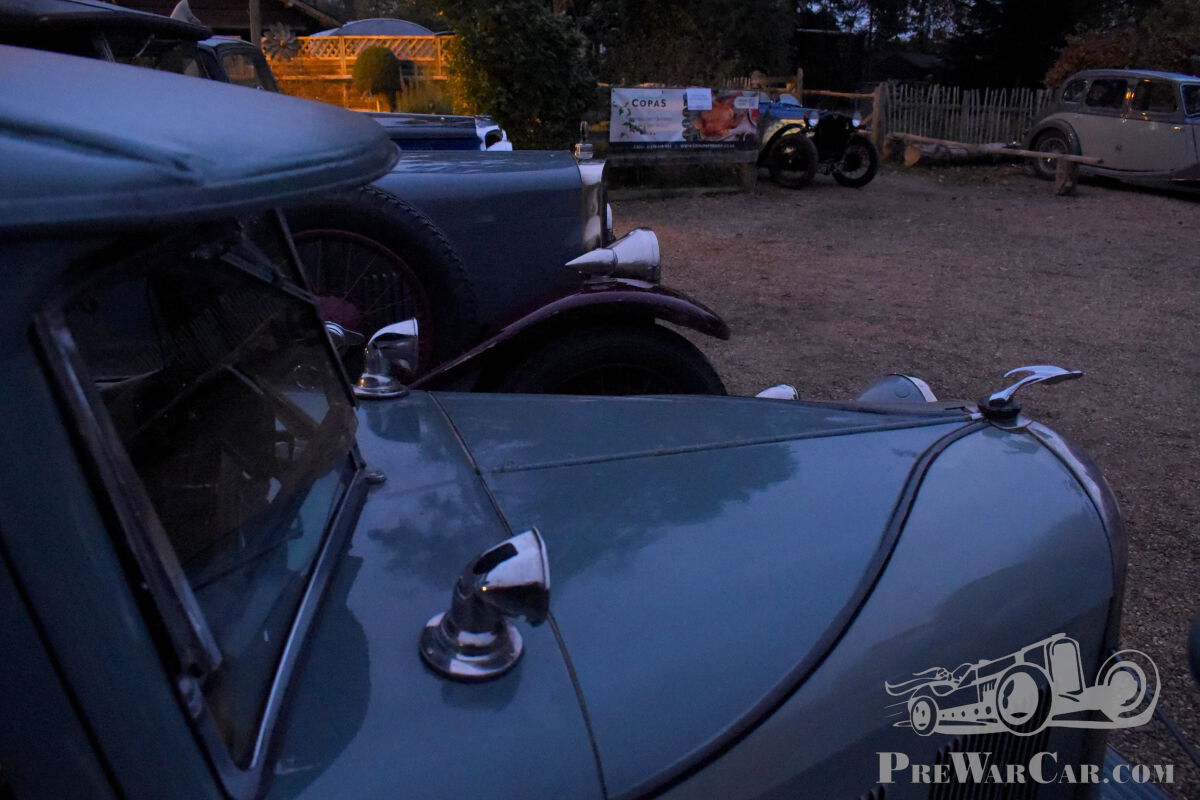
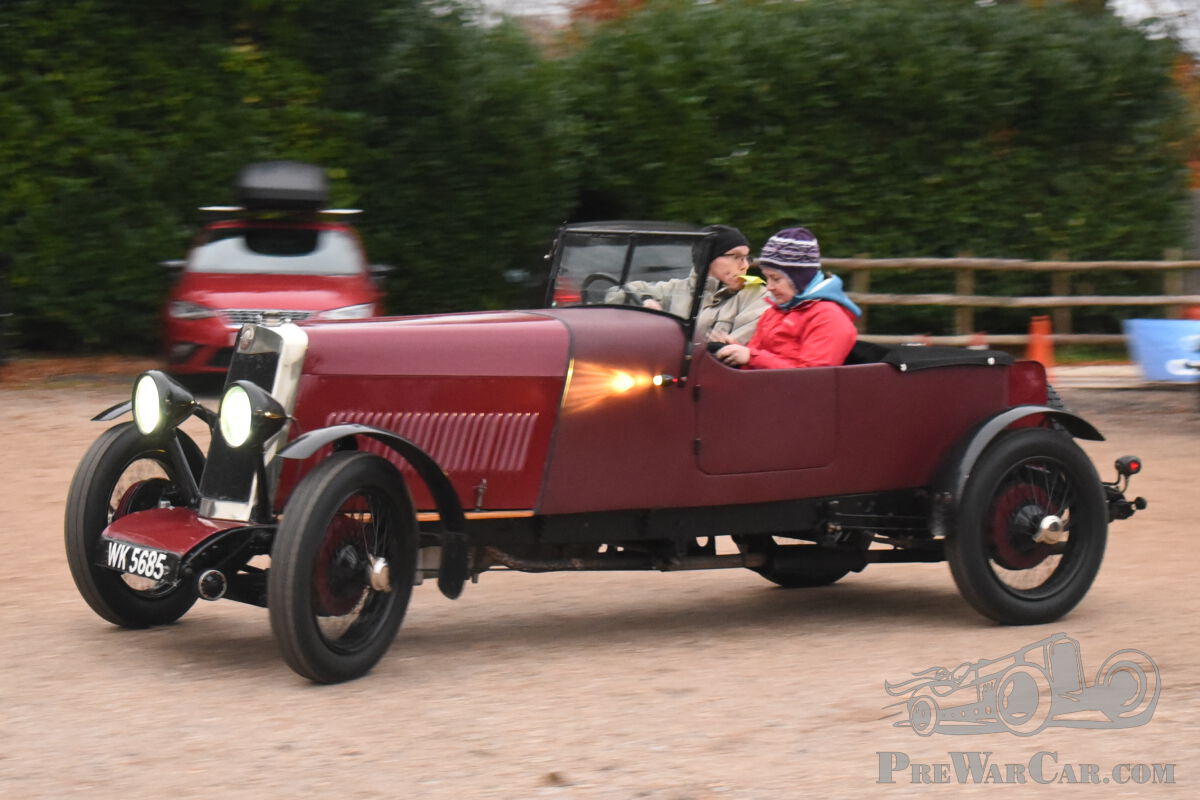
The 1928 Lea-Francis Type S was one of the sportiest entries
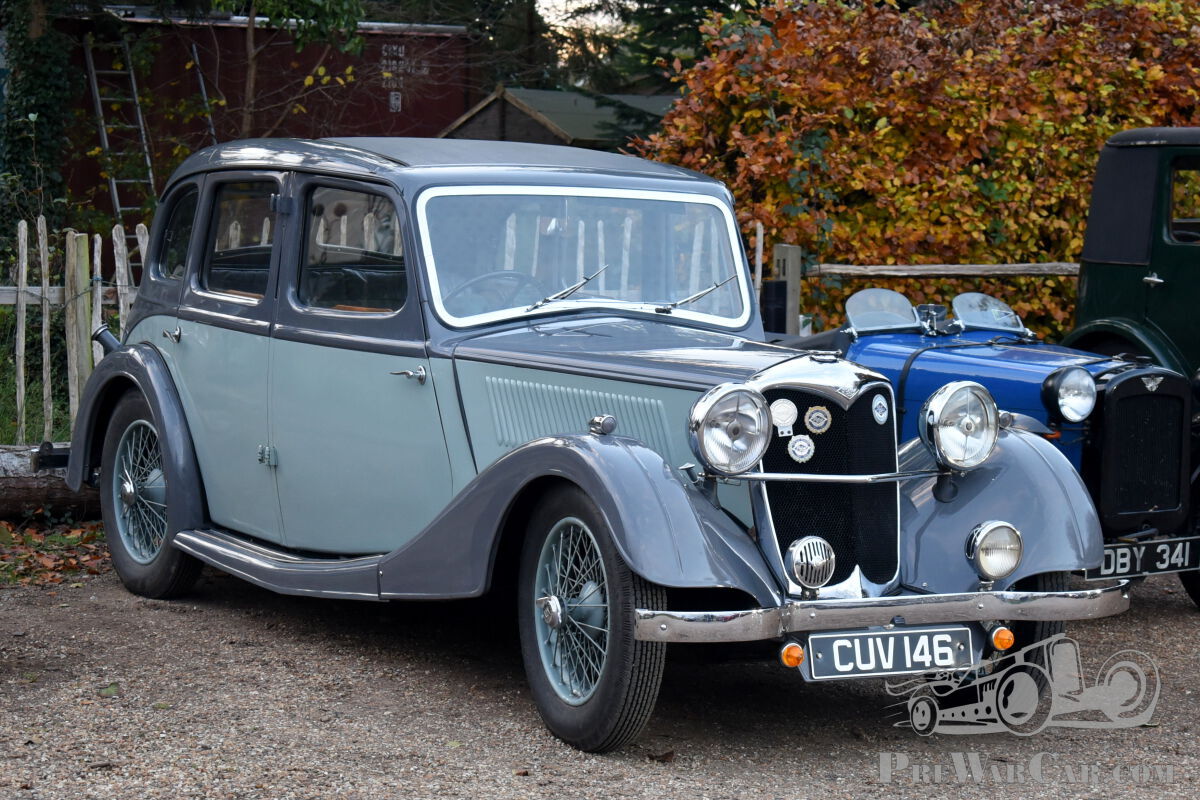
A three-car Riley team included this 1936 Adelphi
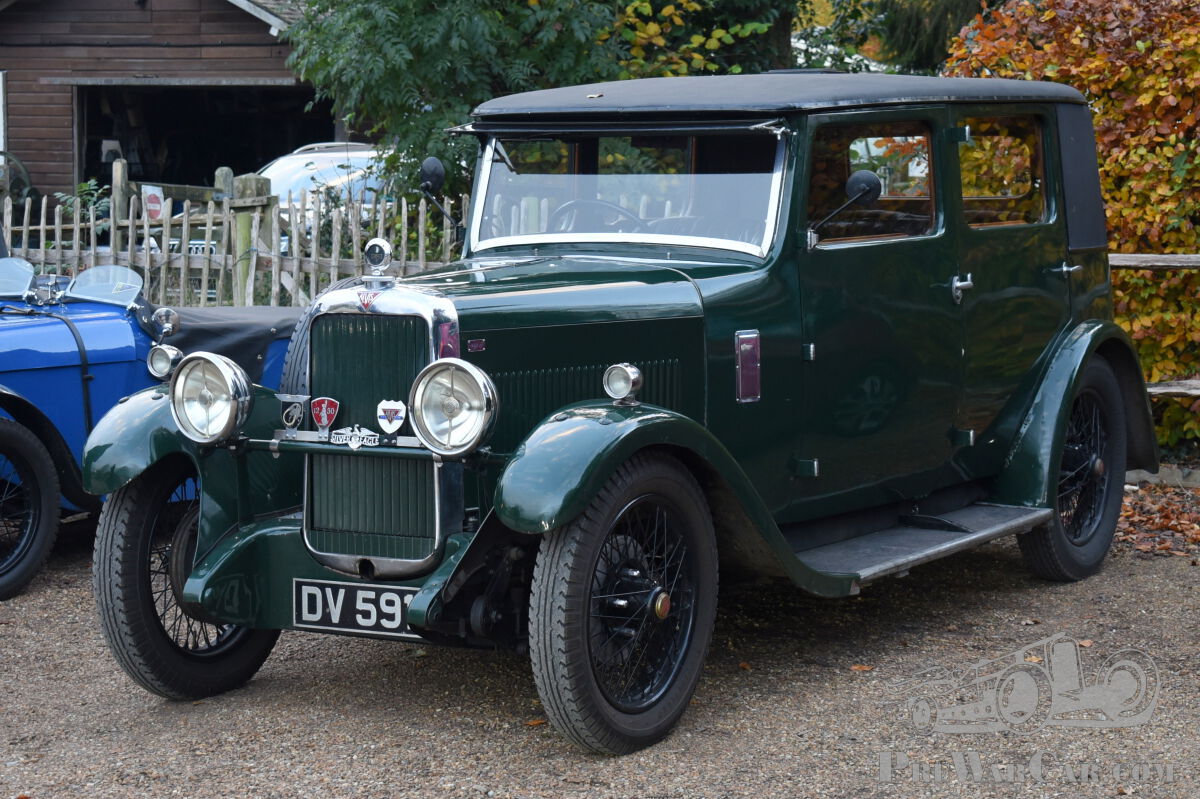
Marcus Creaser and Sam Whittaker did very well in the beginner class in their 1930 Alvis Silver Eagle
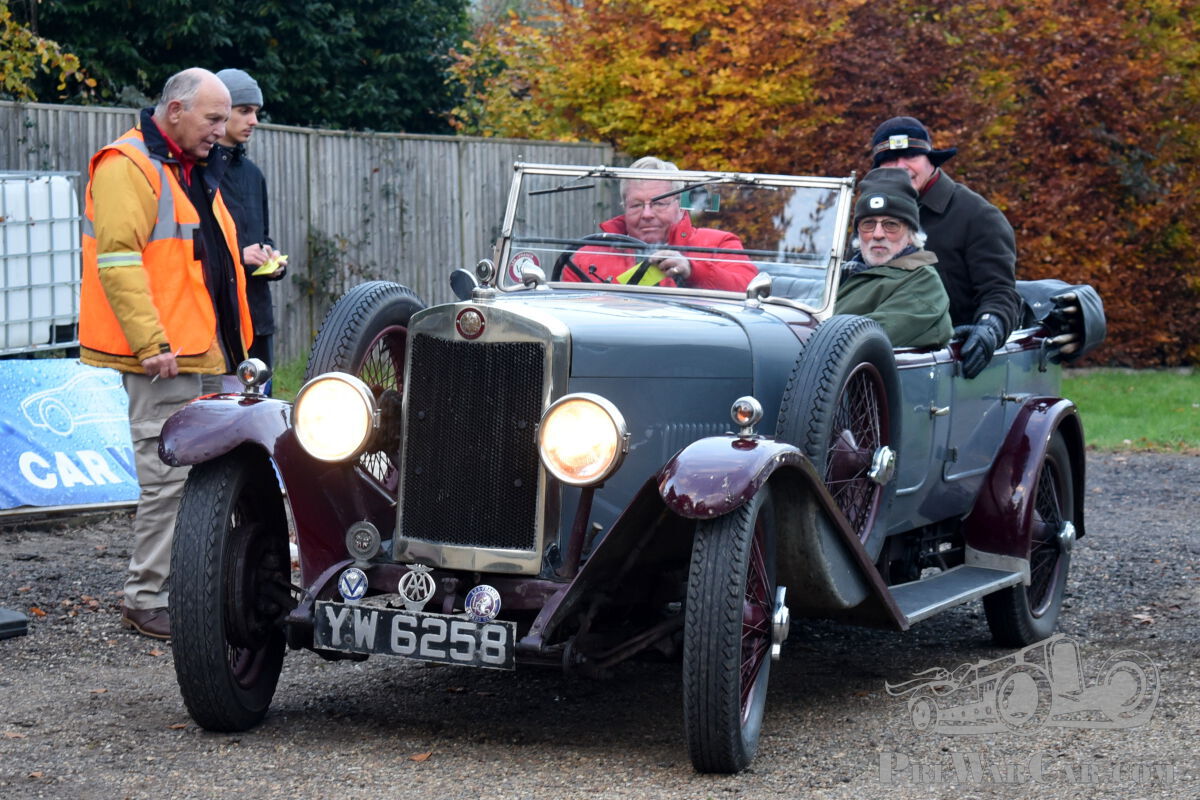
Another Lea-Francis, a 1928 P-type, looked particularly handsome
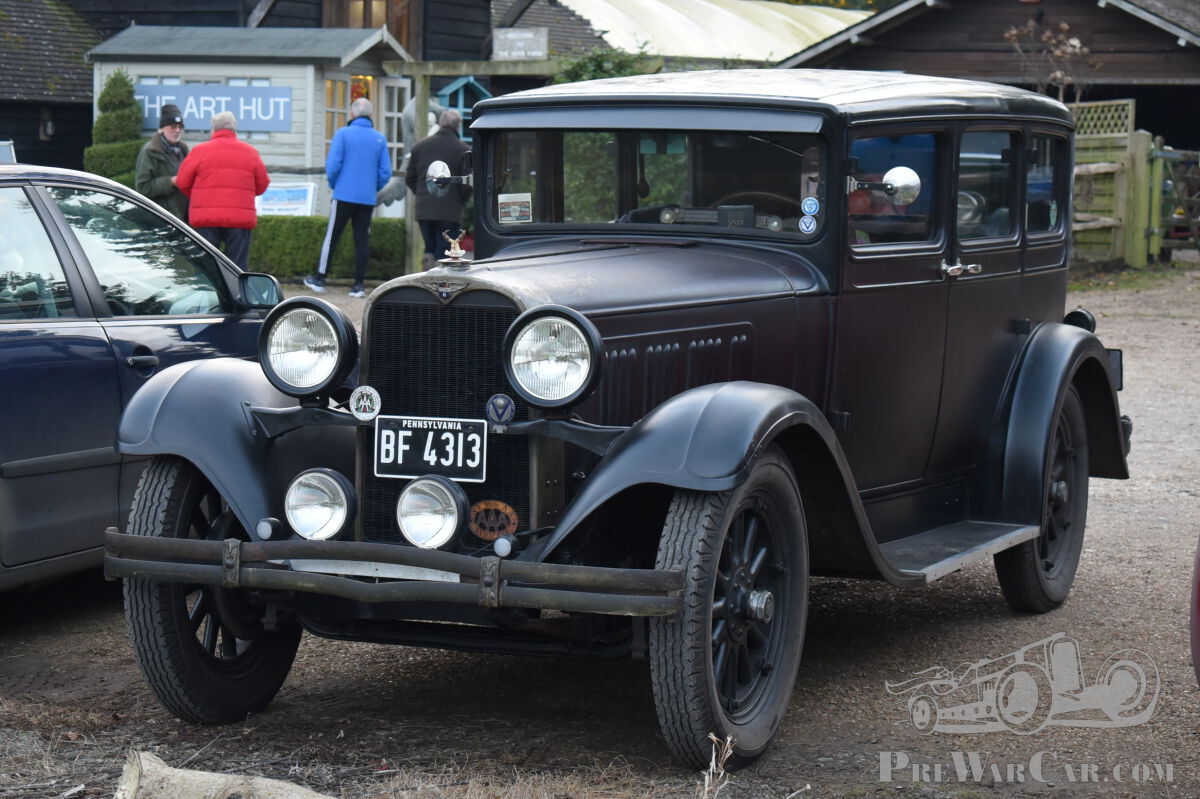
The 1928 Dodge Victory Six looked a handful to heave round the narrow lanes
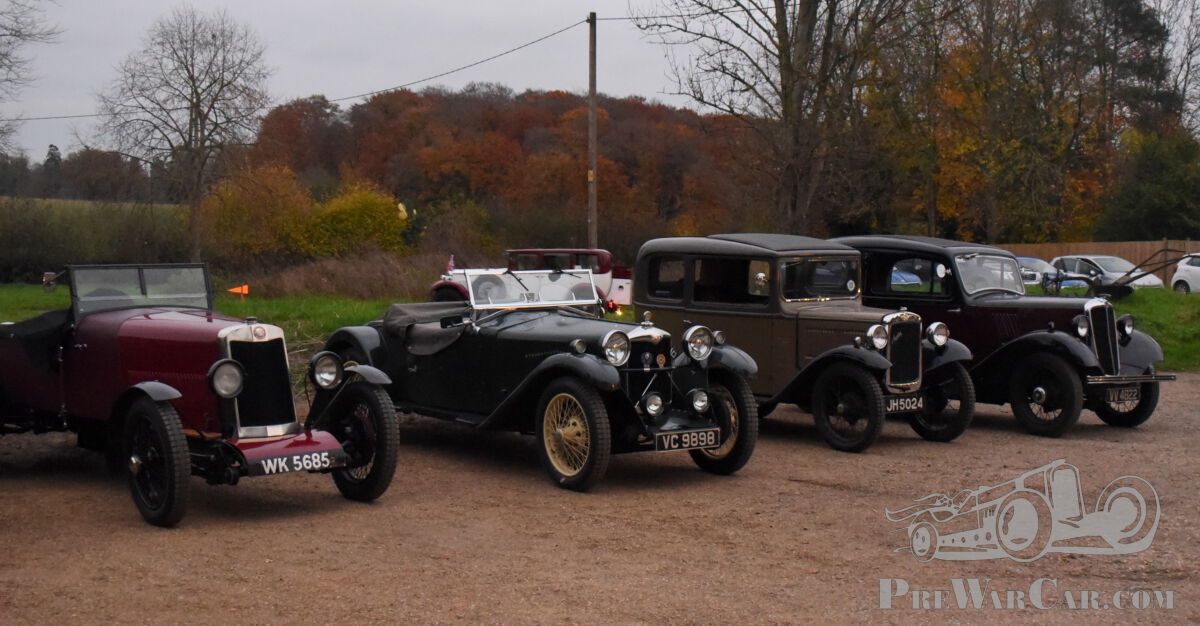
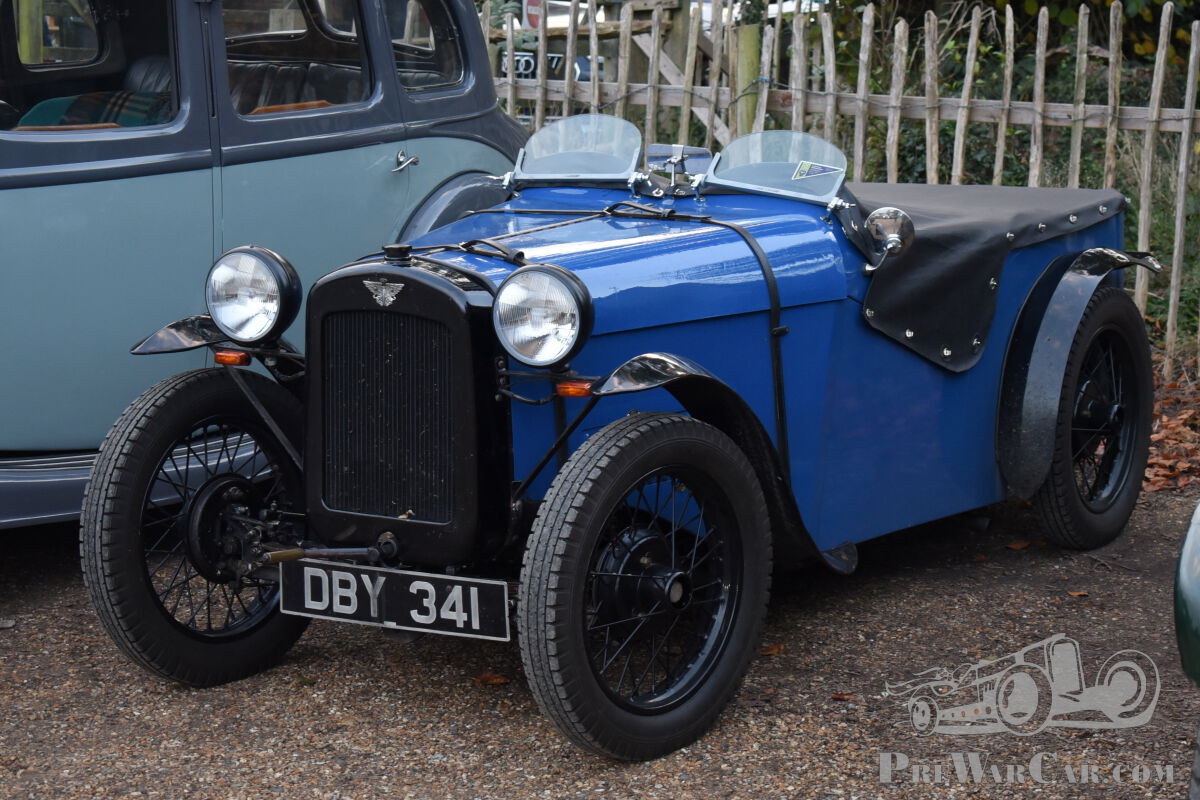
Chris Cooke's 1937 Austin Seven special was one of the three Sevens in the rally
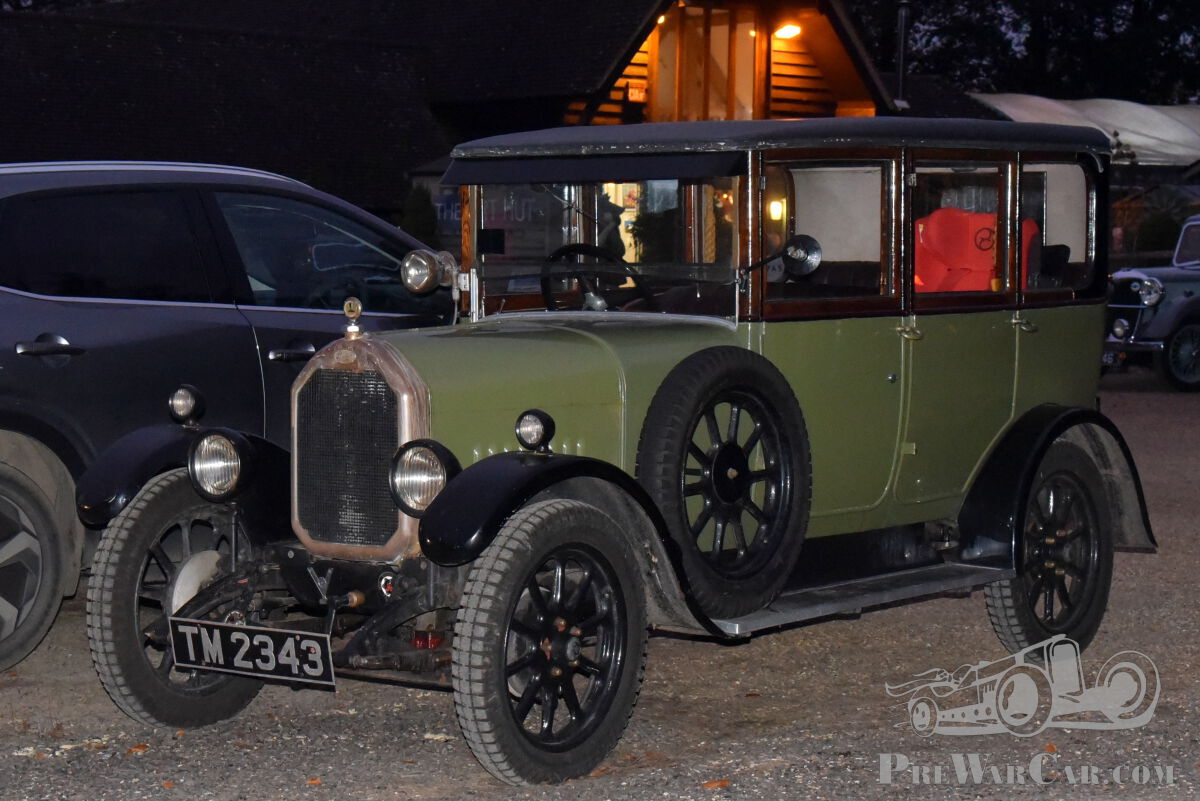
The sole Humber was this lovely 1927 14/40 saloon
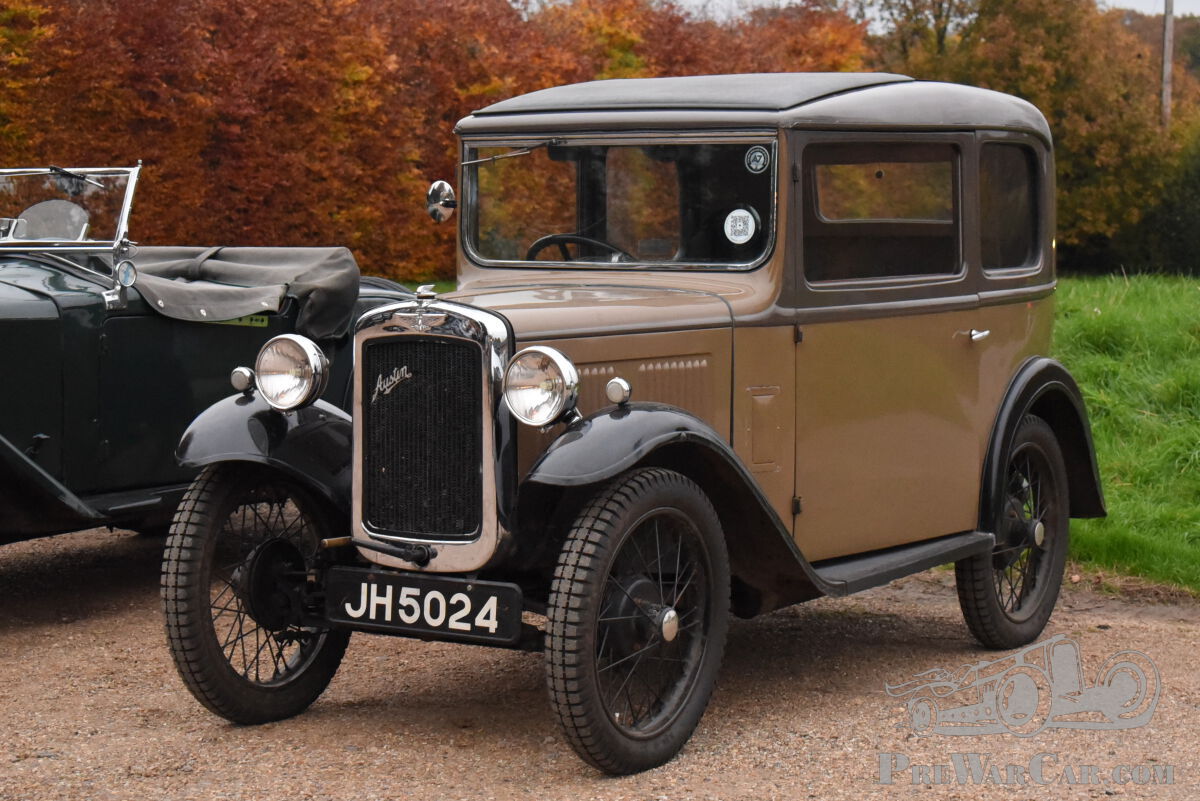
It was excellent to see young enthusiasts enjoying the 1934 RP saloon on loan from the Pre-War Austin Seven Club
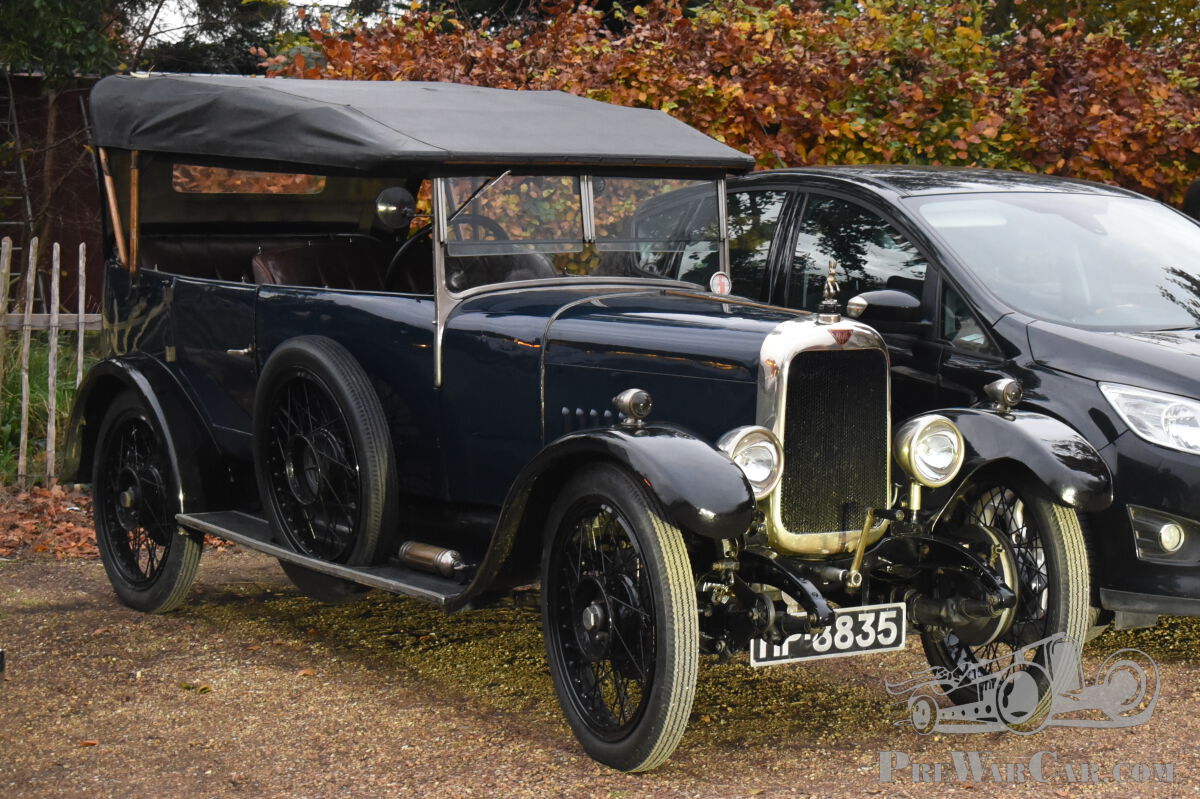
The 1924 Alvis 12/50 was the oldest car in the competition
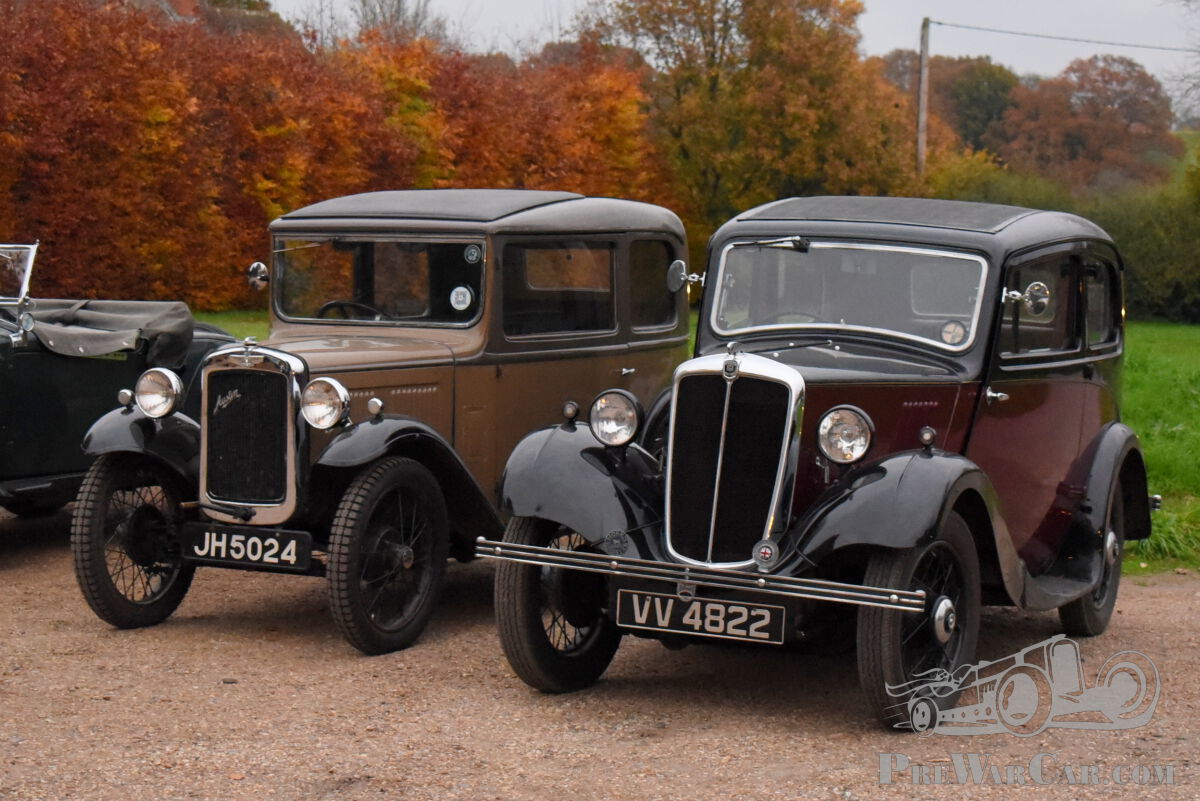
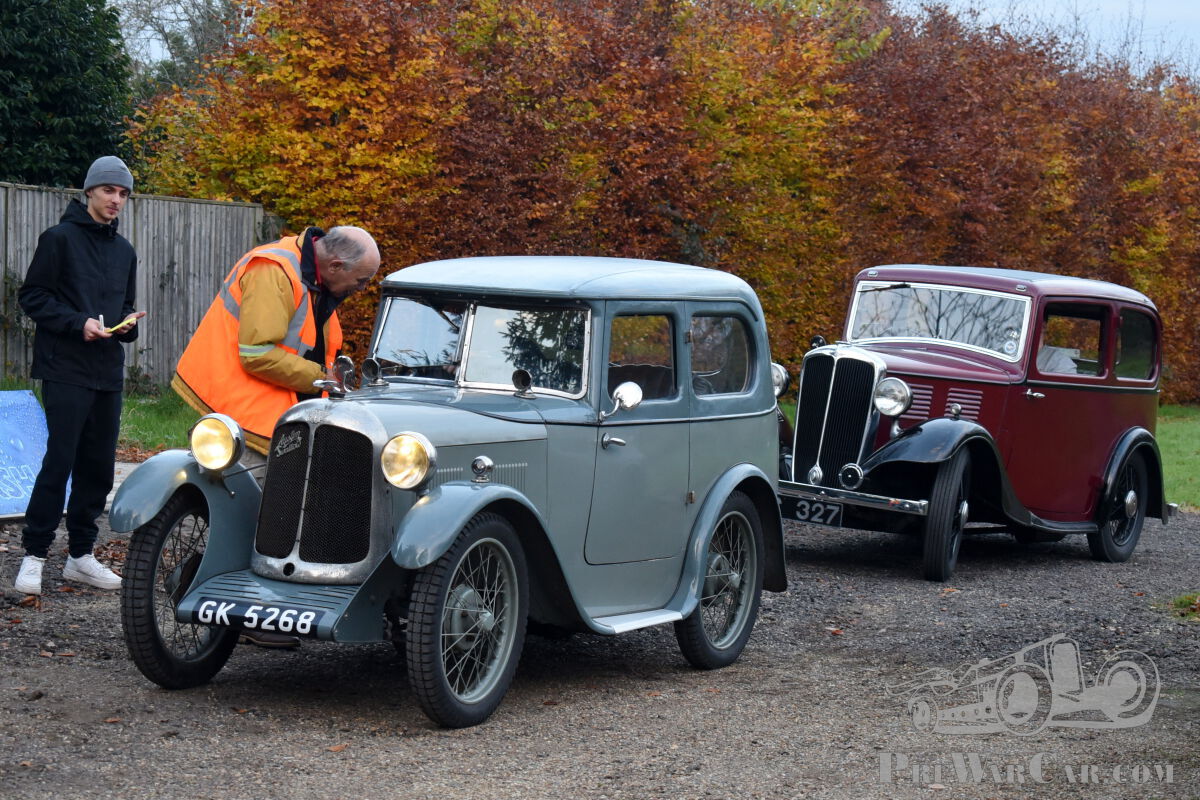
A 1936 Morris Eight side-by-side with the Seven evoked the charm of a bygone era
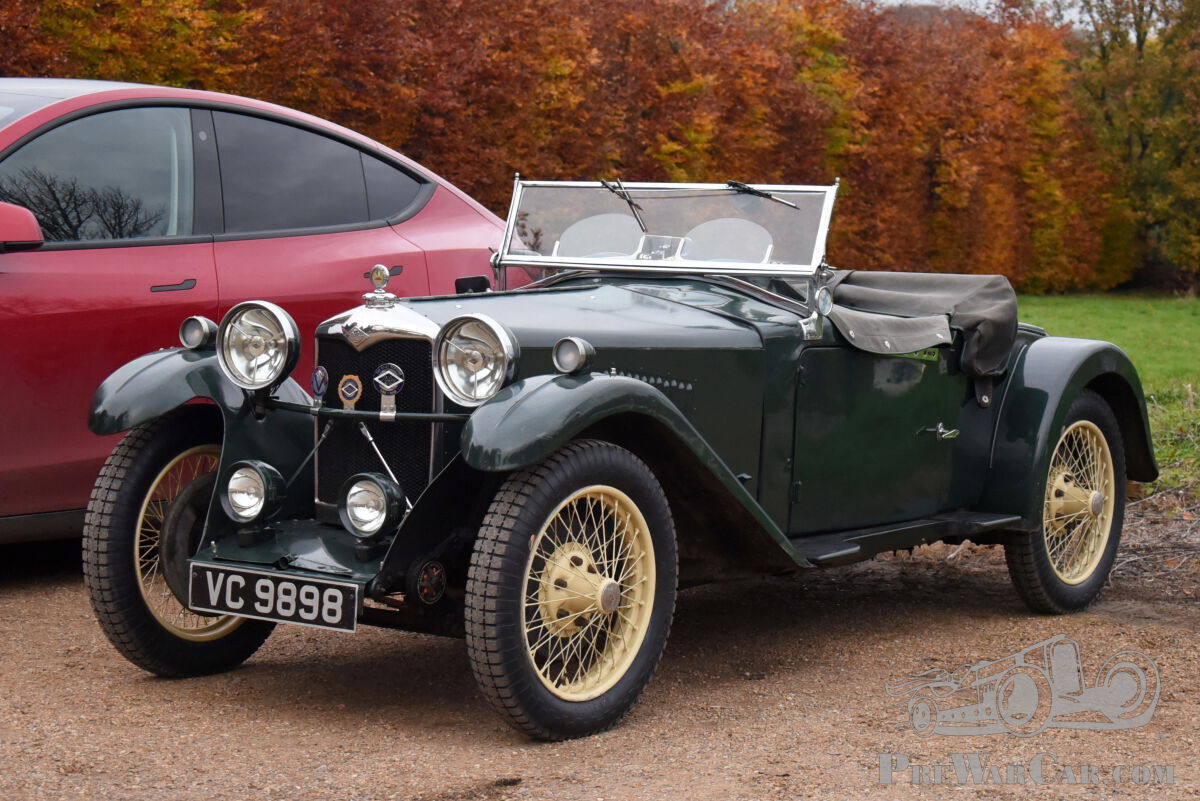
The low-slung 1931 Riley Gamecock blasted past us early on and we never saw it again...
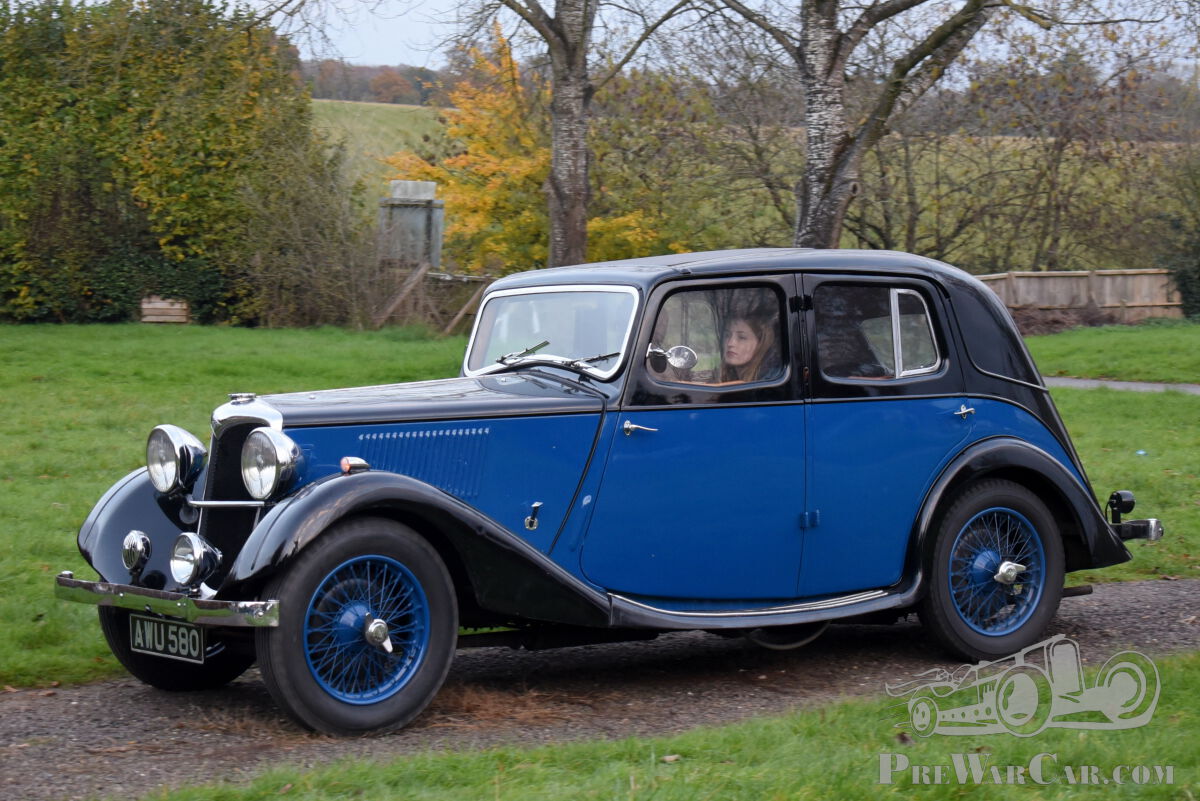
A 1935 12/4 Falcon completed the Riley trio
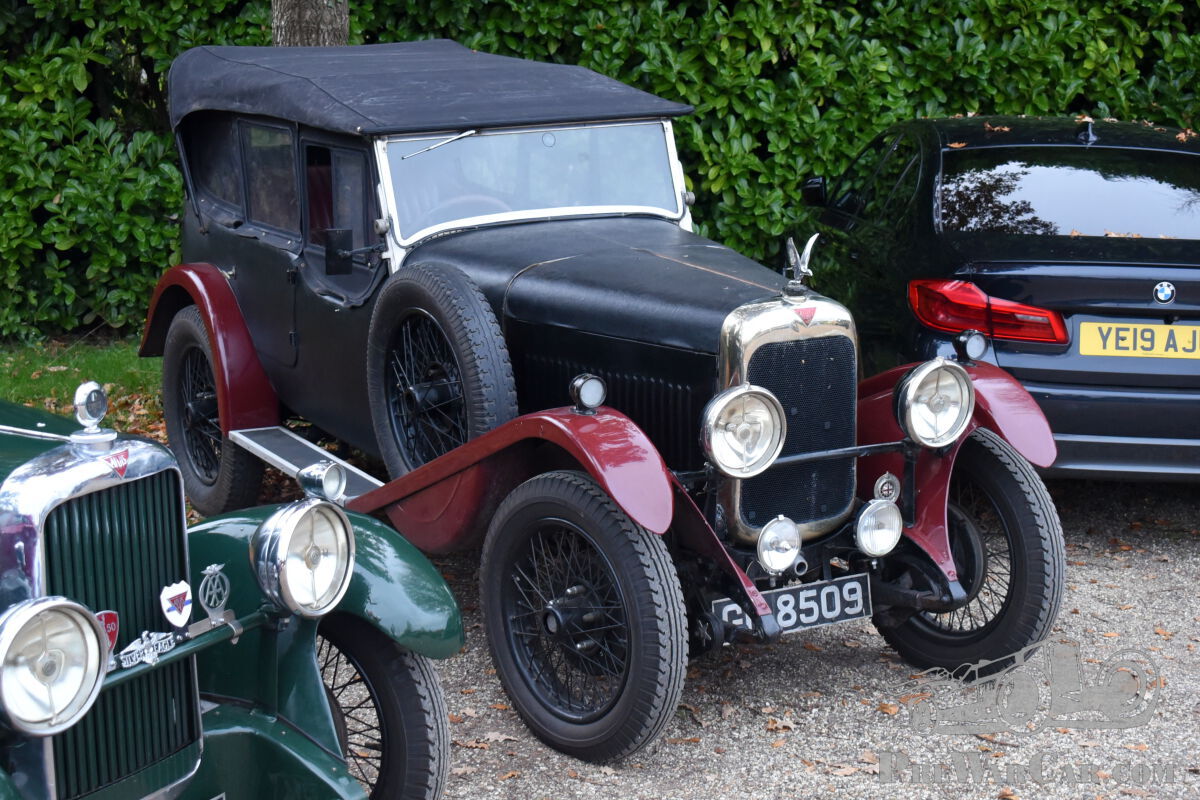
1929 Alvis Silver Eagle displayed some lovely patina
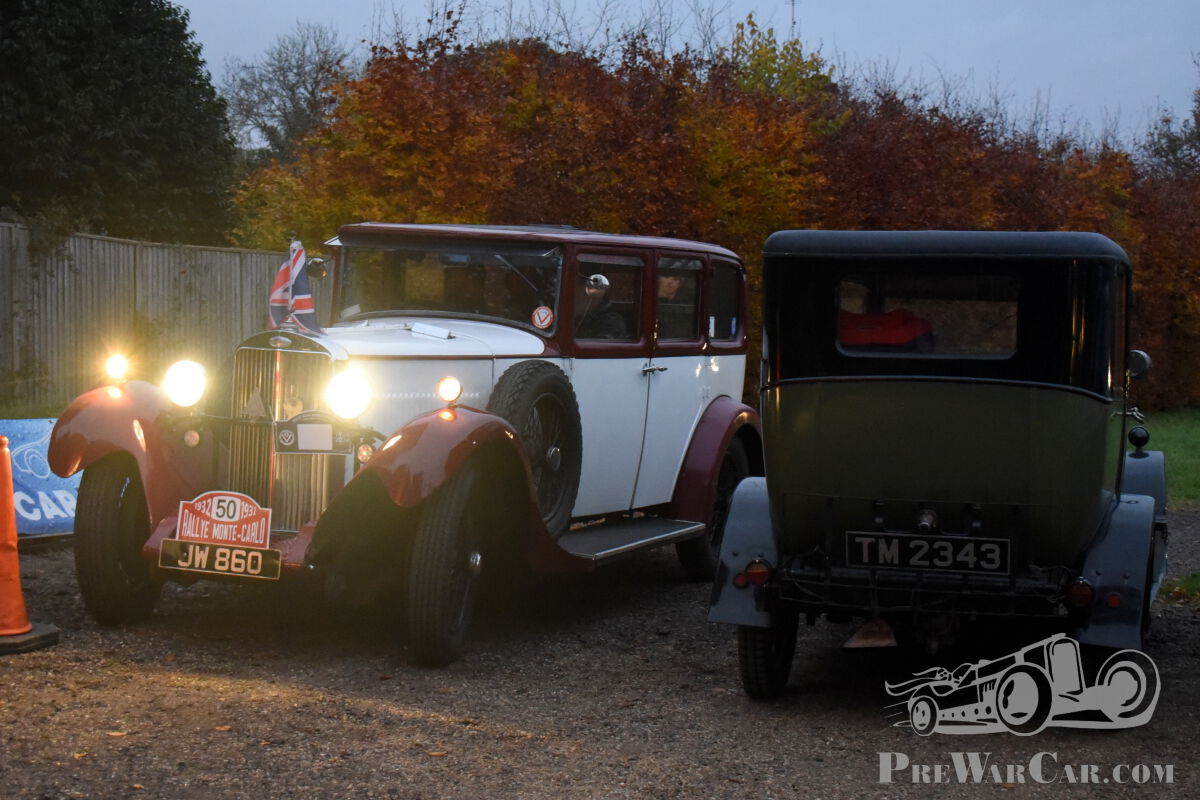
Possibly the largest car was Tim & David Britnell's 1931 Sunbeam 20hp
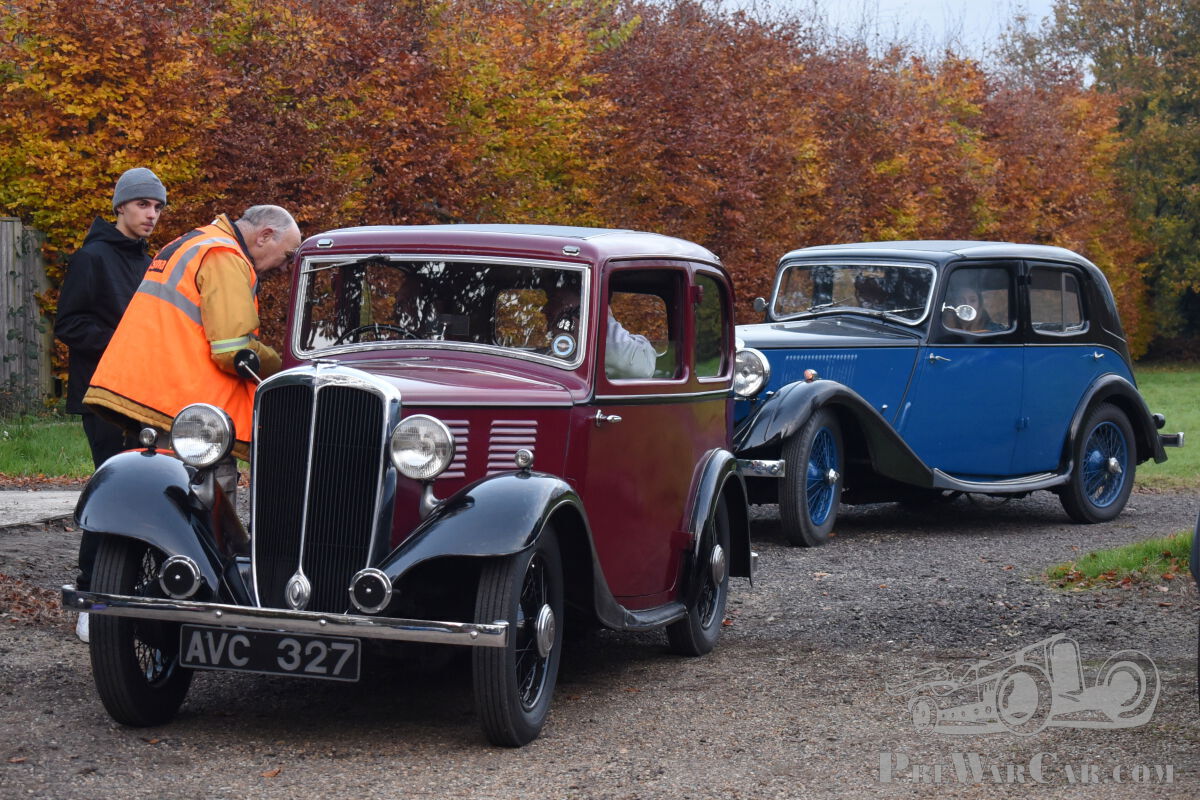
A particular rivalry was established between ourselves and Gary's friend and fellow Standard owner, Roger Dealtry, in his 1935 Standard Nine
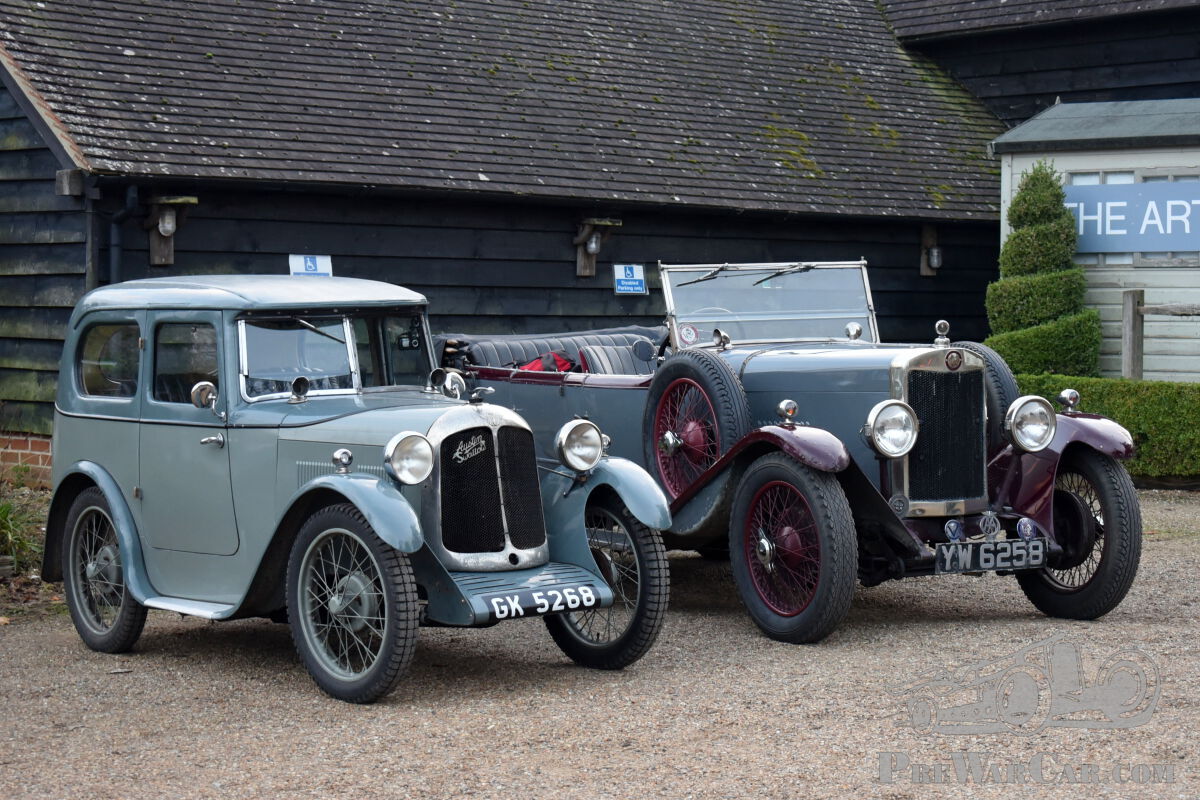
The editor was tasked with guiding this 1930 Austin Seven Swallow to victory, or somewhere thereabouts
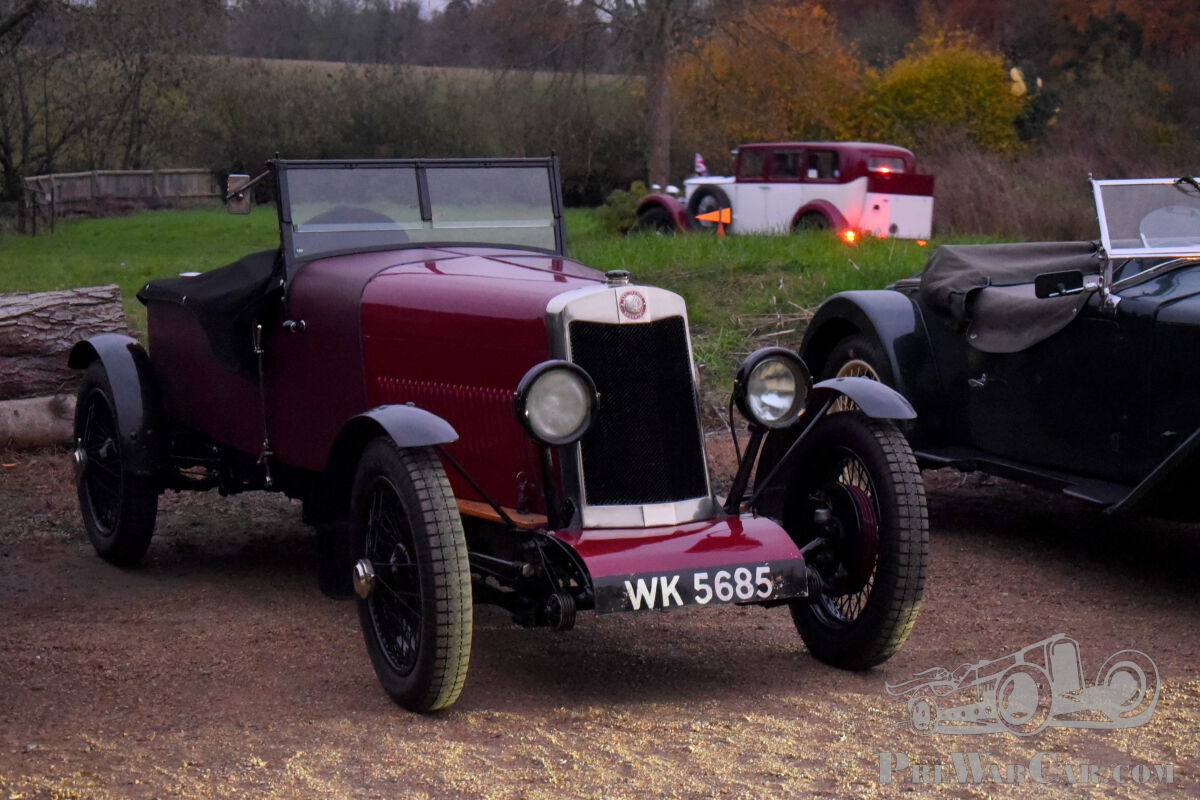
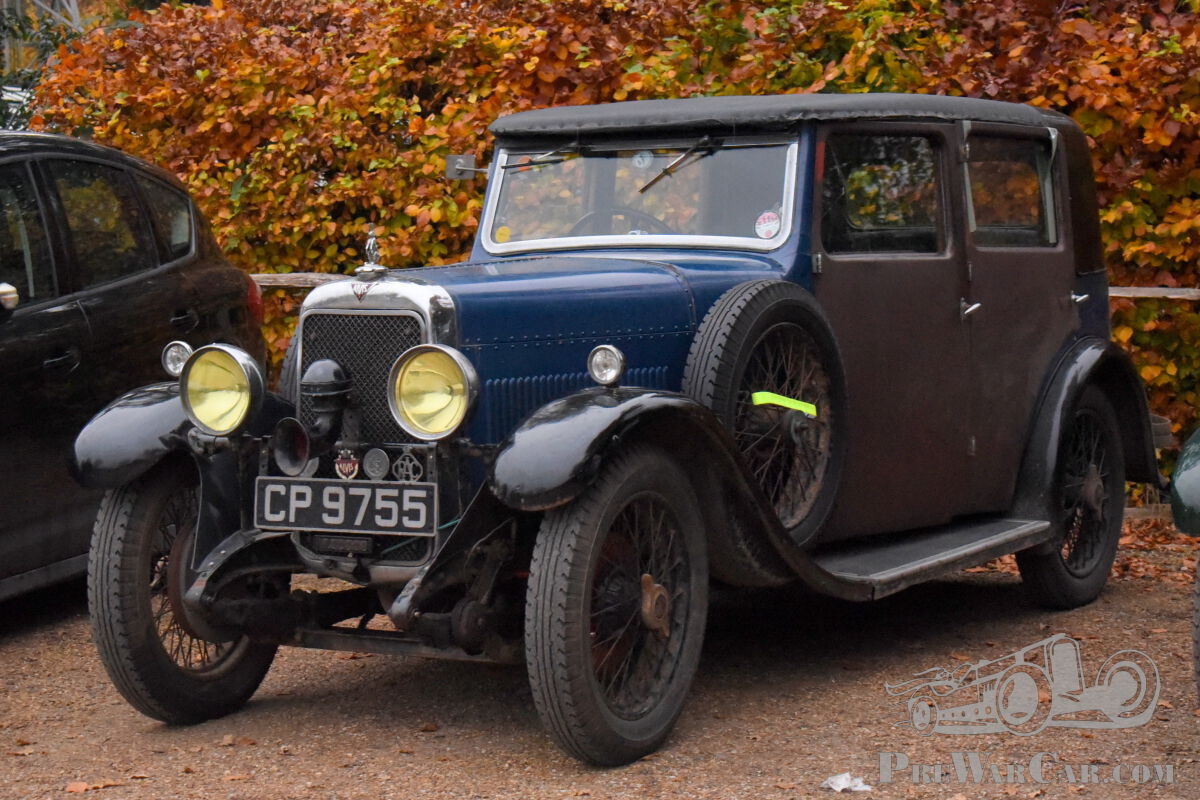
This 1932 Alvis had a particular oily-rag appeal
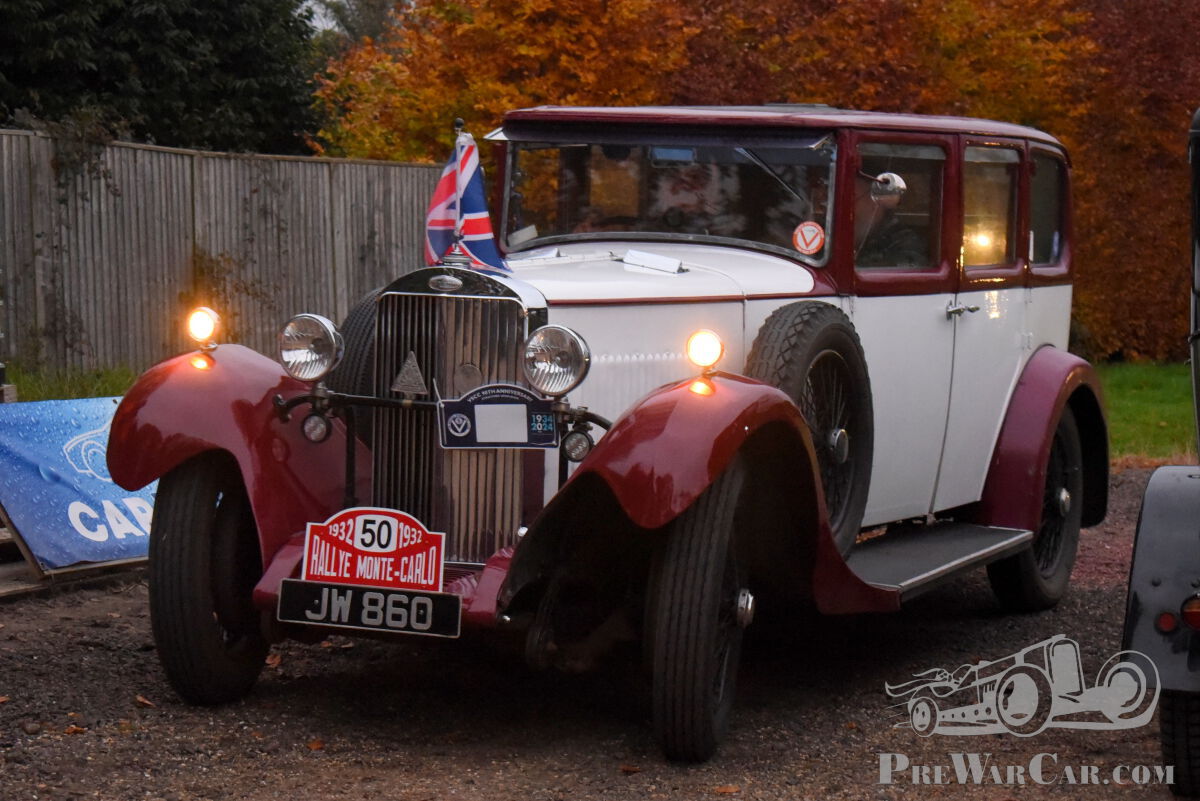
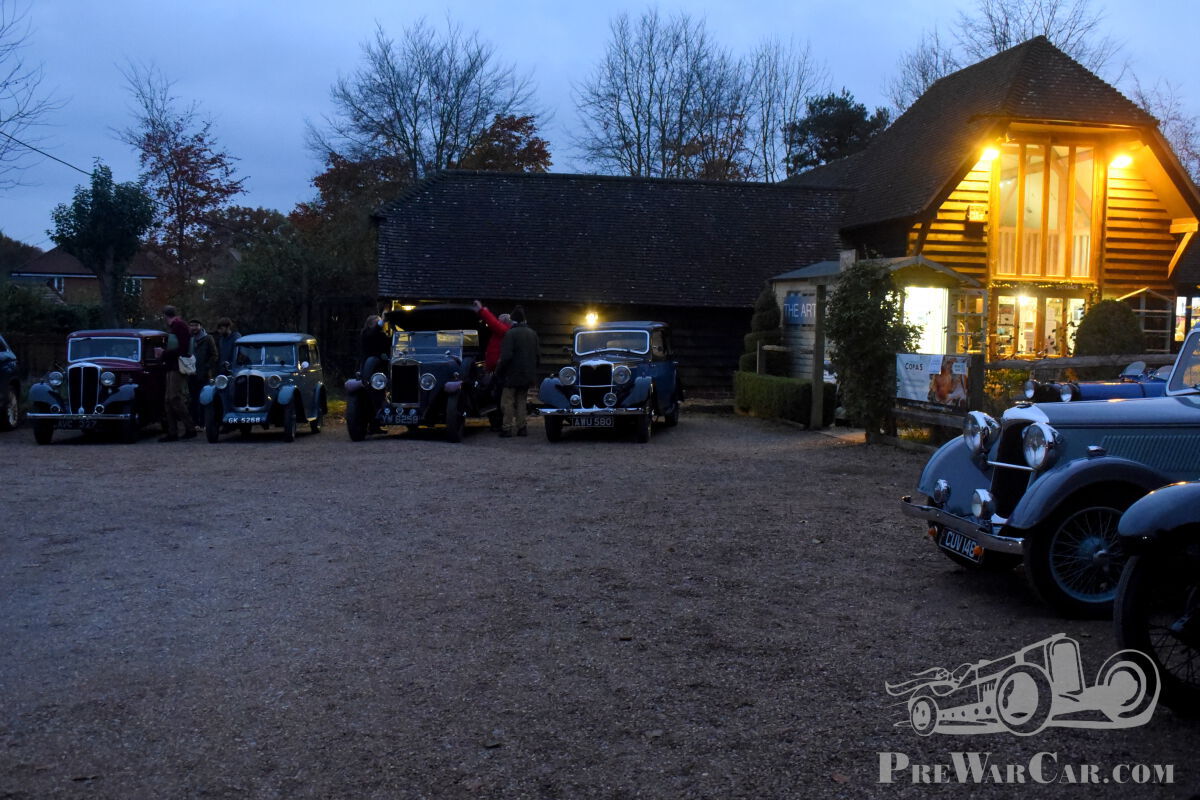


As one so often observes in life, fame is by no means a marker of quality; some world-renowned events are overhyped, while other events can pass by almost unnoticed, yet they provide some of the most enjoyable experiences of vintage motoring. Such is the Nightjar Rally, which has been staged annually since 1976 but only came to my attention this year, when I was invited to play the part of navigator for Gary Edwards in his 1930 Austin Seven Swallow.
The Nightjar originated through the North Hampshire Austin Enthusiasts' Group but is now run through the Inter-Register Club, an association which unites various pre-war-focussed car clubs of Britain. In its current form, it allows for the participation of up to 30 cars and was this year fully-booked, though modern cars are allowed to participate if not every space is taken by a pre-war model.
Come five o'clock, 18 pre-war machines departed from Sonning Common to head out into the pitch-black lanes of Berkshire, of which the oldest was a 1924 Alvis 12/50. Old though the cars may have been, a lot of young enthusiasts were taking part in navigatorial rôles, and an especially welcome sight was the Pre-War Austin Seven Club's loan car, which is presented to a different young enthusiast every year. Ben Stevens, just out of university, and friend Andrew Beggs were piloting the 1934 RP-type saloon, though Ben is also acquainted with far more obscure machinery—he was chauffeur of Imperial College's 1902 James & Browne on this year's Veteran Car Run.
A test of cars and compasses
Speaking of obscurity, the Nightjar takes the form of a scatter rally, i.e. a competition in which the participants race to far-flung locations in the middle of nowhere to garner points by solving cryptic clues requiring a spot of lateral thinking. As newcomers to the sport, Gary and I regretted having neglected our compass skills since our boy scout days, which rendered us quite outclassed in the six orienteering sections, but we got into the swing of the rest of it quite happily and before long were quite infected with the competitive spirit which had taken hold of each and every crew.
So we motored along, trusting to the good offices of Joseph Lucas and St. Christopher. Whenever we encountered a vintage car stopped, instinct required us also to stop alongside it under the suspicion that its crew might be onto something in their bid to solve one of the riddles, the answers to which could be something as unexpected and discreetly hidden as a serial number stamped on the back of a padlock on a gate in the middle of the woods. Whenever a few vintage cars landed at the same spot, the night's inky blackness was broken by the glow of the crews stumbling around, torch in hand, the blind leading the blind...
Vintage motoring takes on a distinctly different character when darkness descends—the Austin's Art Déco swallow volant is turned into a prowling nighthawk, and the red lenses in the sidelights shine like rubies in an Arabian treasure hoard, but they are trivialities when peering through a rain-spattered windscreen trying to spot the unlit turning to Exlade Street and the "Shakespearean connection" we are tasked with finding there.
After five hours in the cold and dark, there was a scramble to reach the finish, lest we should be late and accrue penalty points. Our novice minds had actually erred too much on the side of caution while hunting clues on the north of the side of the River Thames, so that we forsook a few of them and made the crossing at Pangbourne early, leaving us with time to spare after attempting all the southern clues. Having started to gaze hungrily into the warmly welcoming windows of the various country inns we passed en route, a pint of ale and a plate of lasagne at the village hall in Sulhamstead, generously laid on by the local Women's Institute, brought the rally to a most agreeable conclusion. Though our placing was comfortably mid-field, Gary was honoured as the recipient of the long-distance award, having travelled 96 miles from his home near Brighton to take part.
The feeling at the finish was that the 2024 Nightjar had been a resounding success, so a date has already been set for November 15th, 2025. If you've not attempted a scatter rally before, they make for an excellent opportunity to enjoy old cars while exercising the old grey matter and the Nightjar was a wonderful introduction. The Inter-Register Club organises several such events over the course of the year, so our British readers can be advised to head for their local scatter rally if they haven't done so before, and I hope some similar opportunities present themselves for our international readers.
Words and photographs: Zack Stiling
Published:
Thursday November 21st, 2024
Facebook
LinkedIn
Twitter
WhatsApp
Email
Copy