The global magazine and marketplace for classic car enthusiasts, by enthusiasts.


Filter
Make a choice:
- Cars
-
Make >>
-
Year >>
-
- Bikes
-
Location >>
- Parts & more
-
Make of car >>
-
Manufacturer >>
-
Category >>
- Bicycles & more
-
Year >>
-
Countries


Flying Scotsman Rally 2026; our preparation for Britain’s Premier Vintage Rally
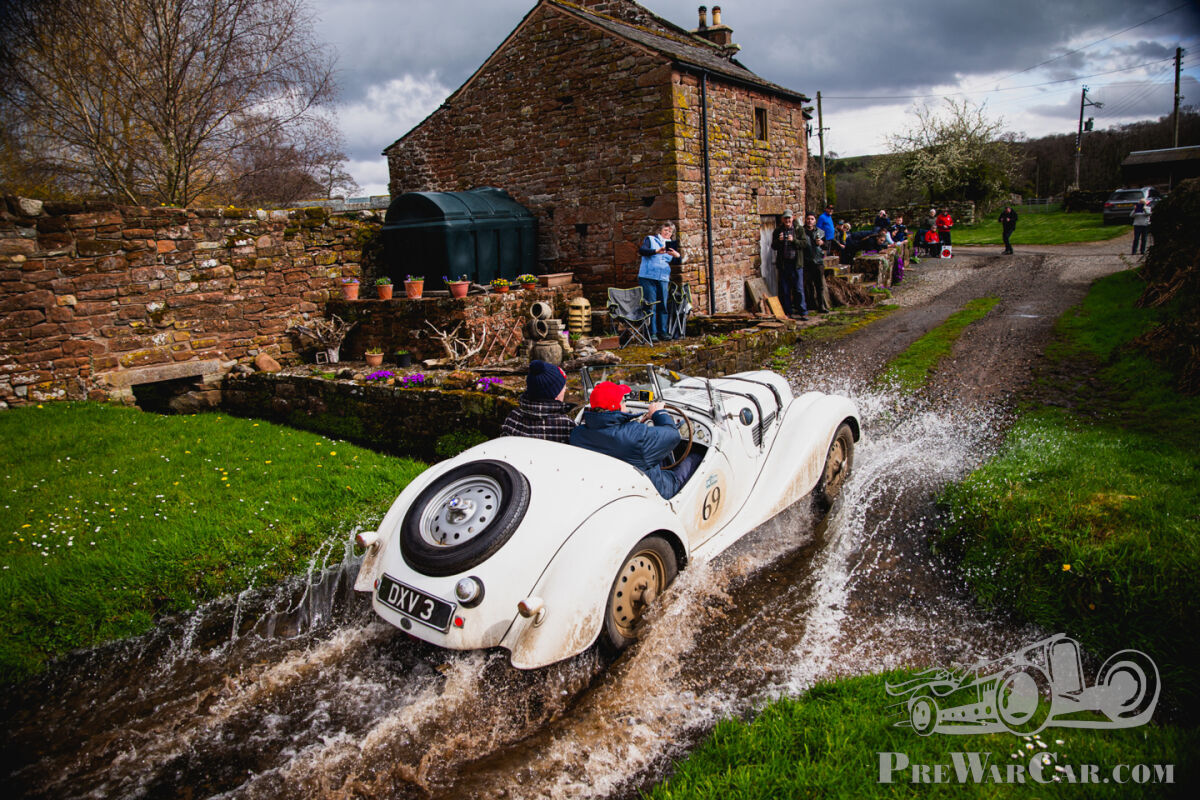
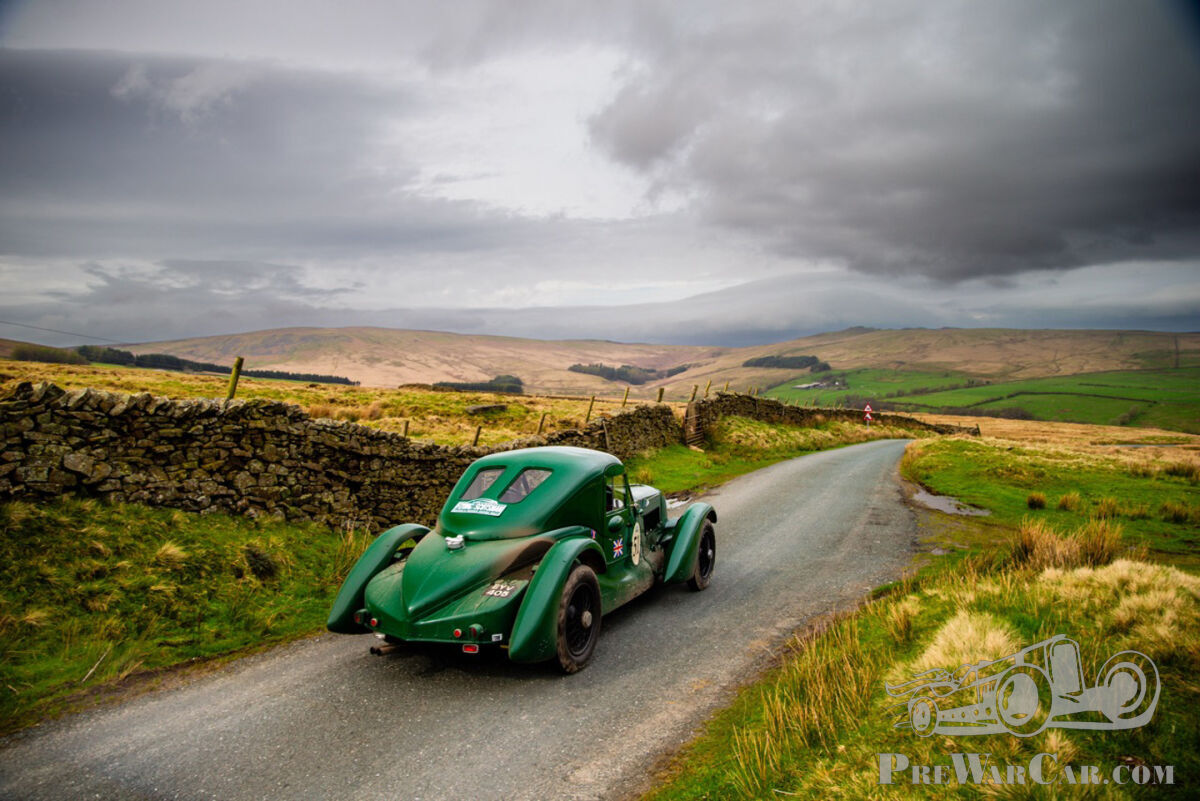
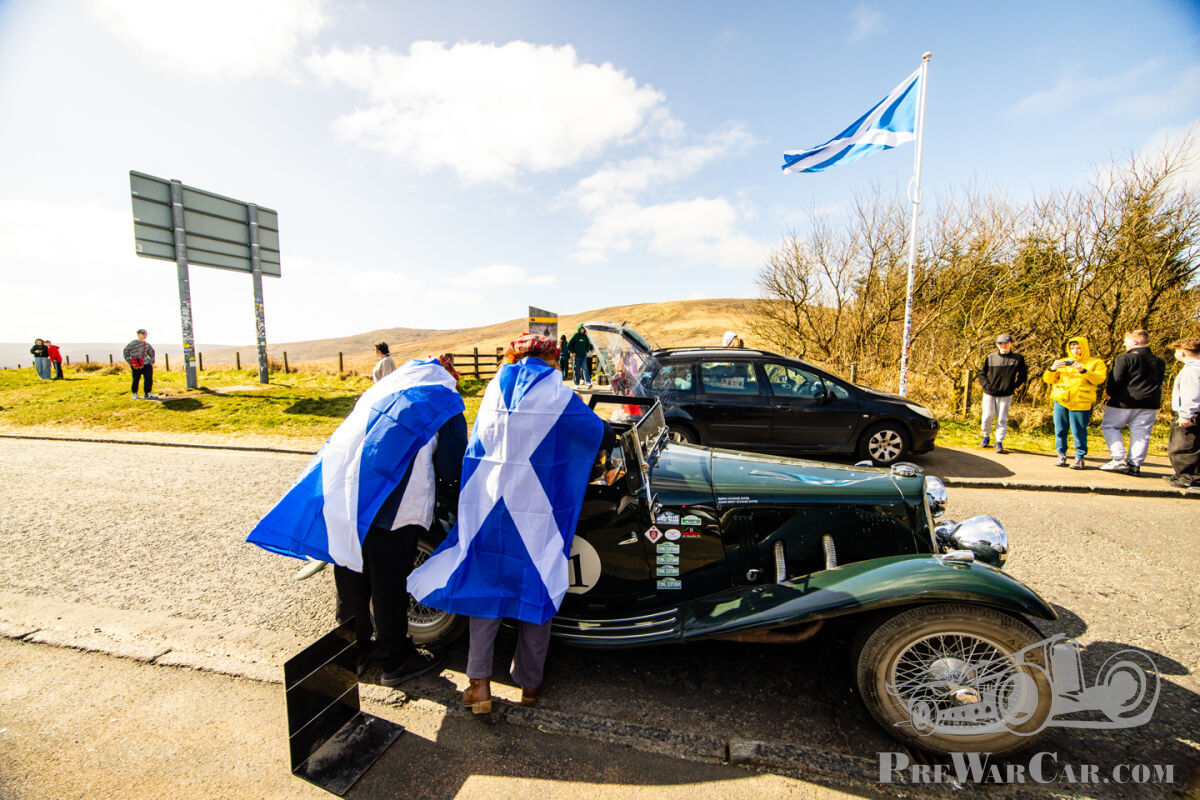
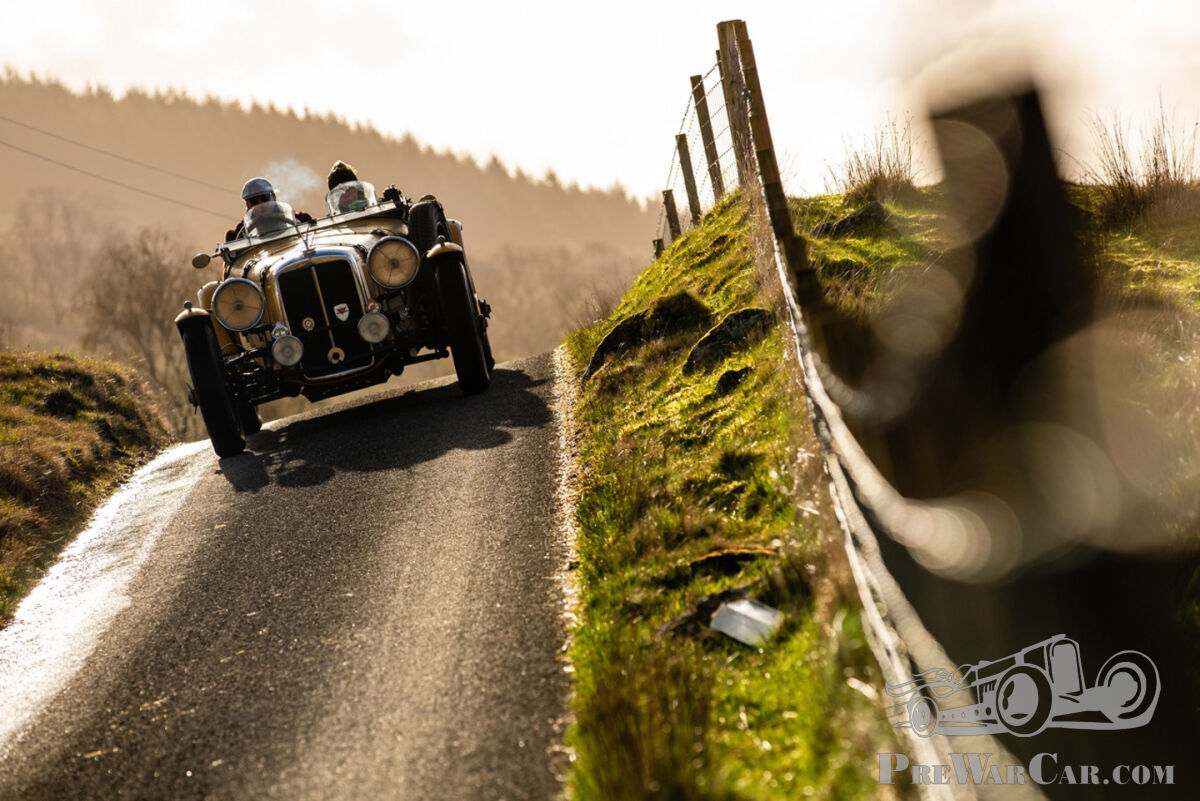
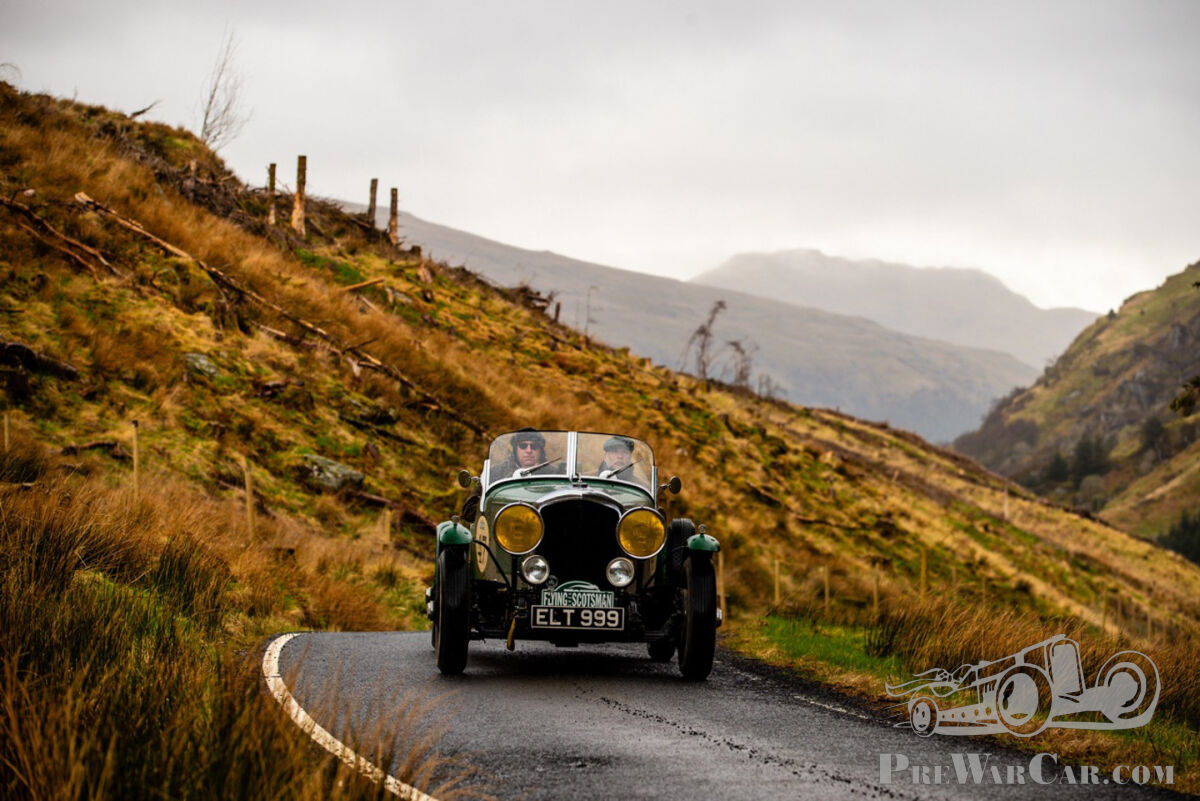
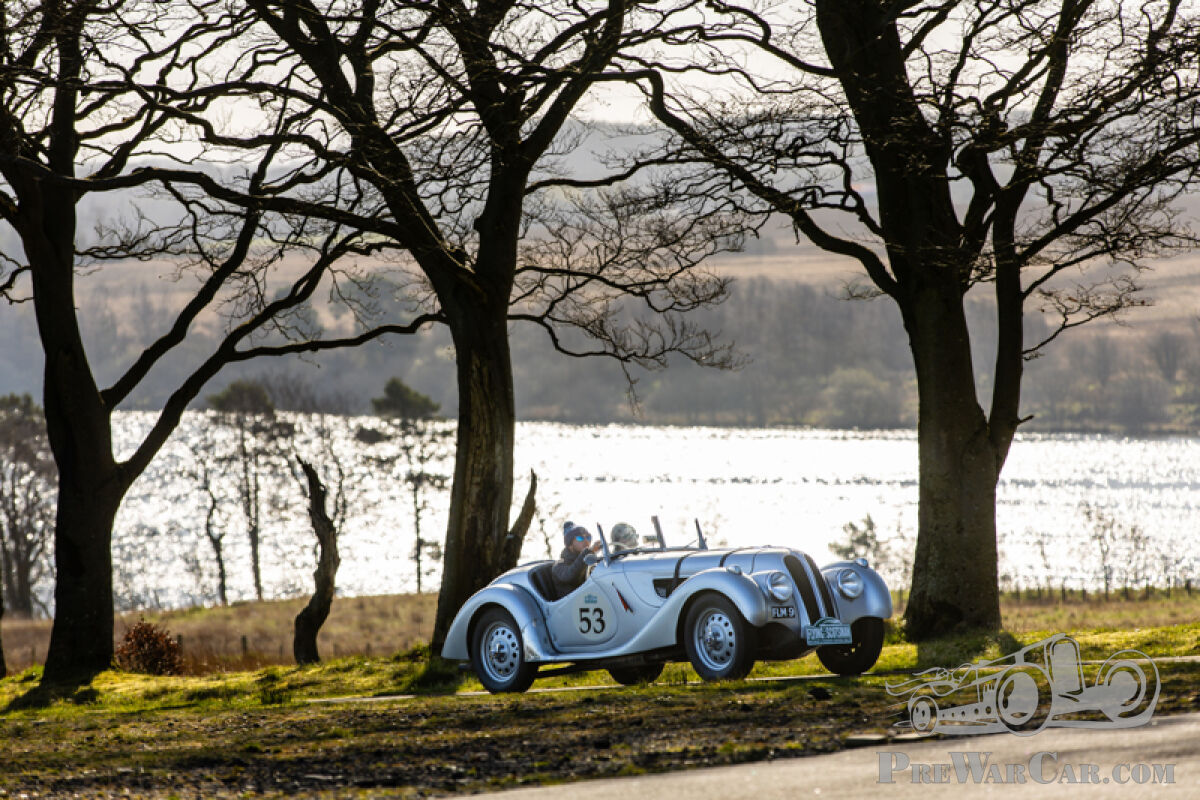
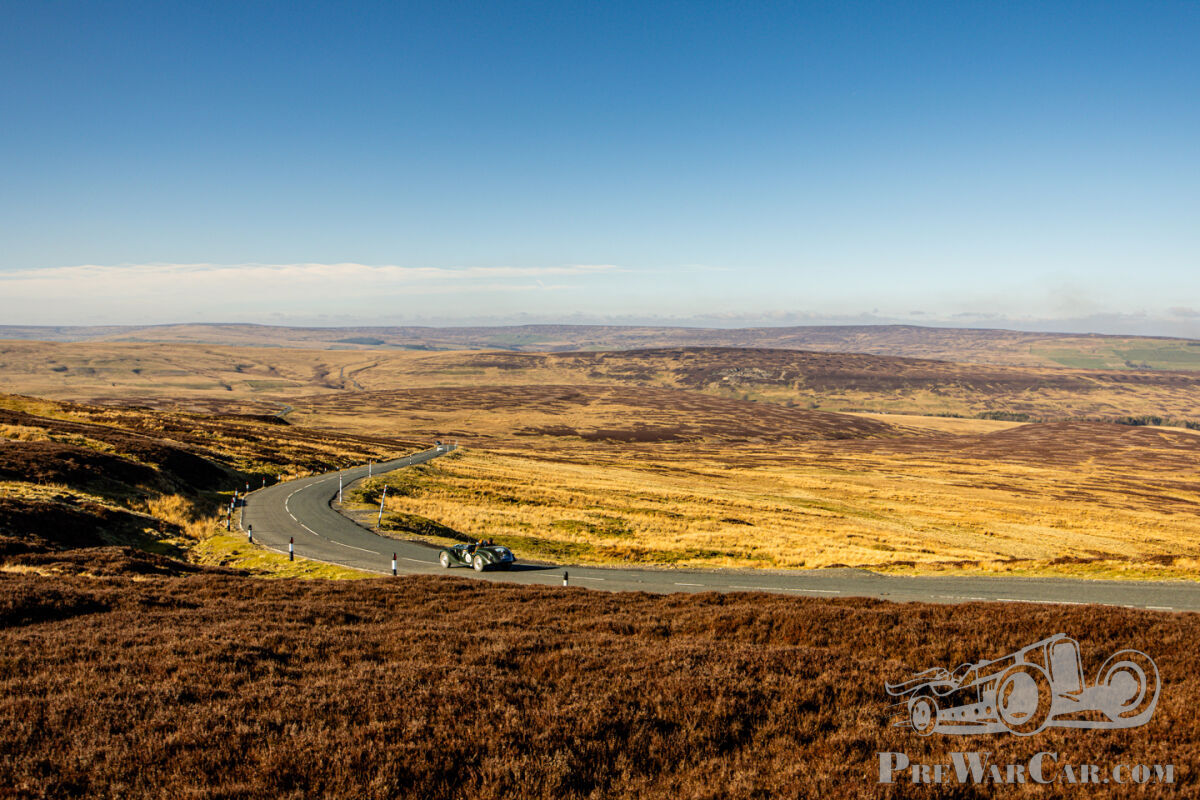
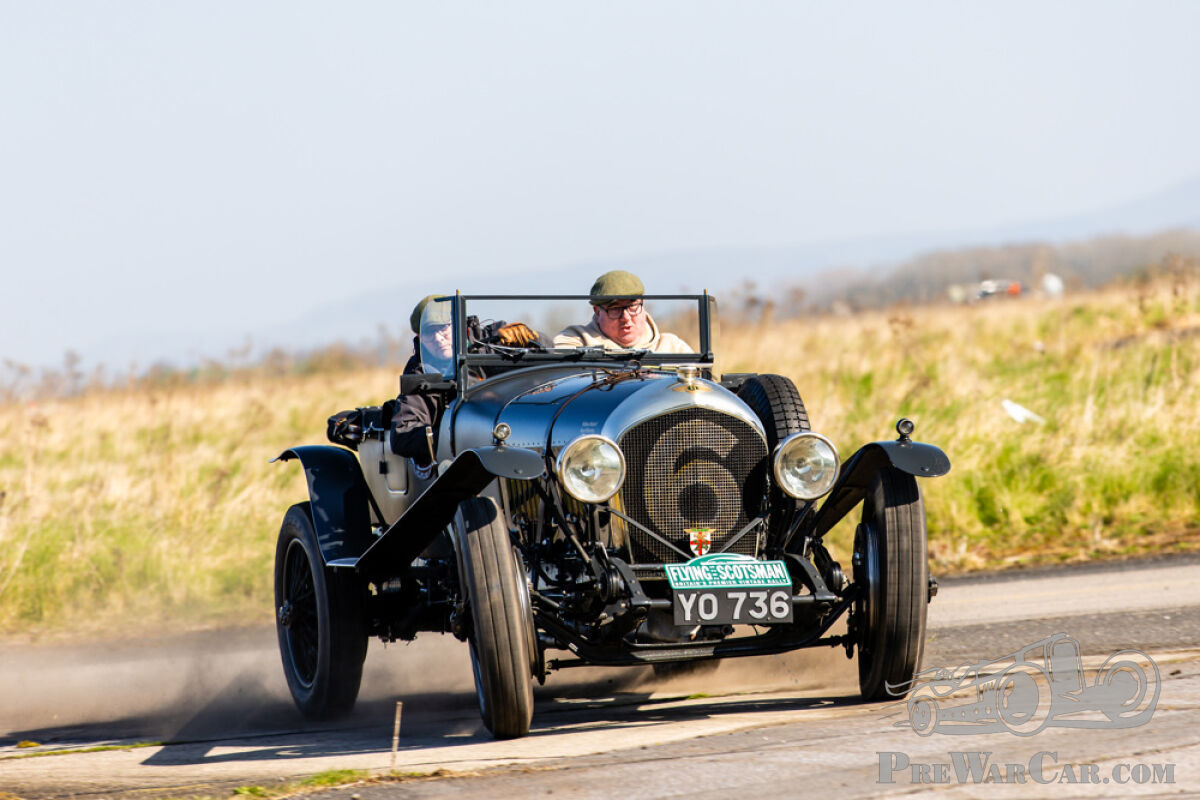
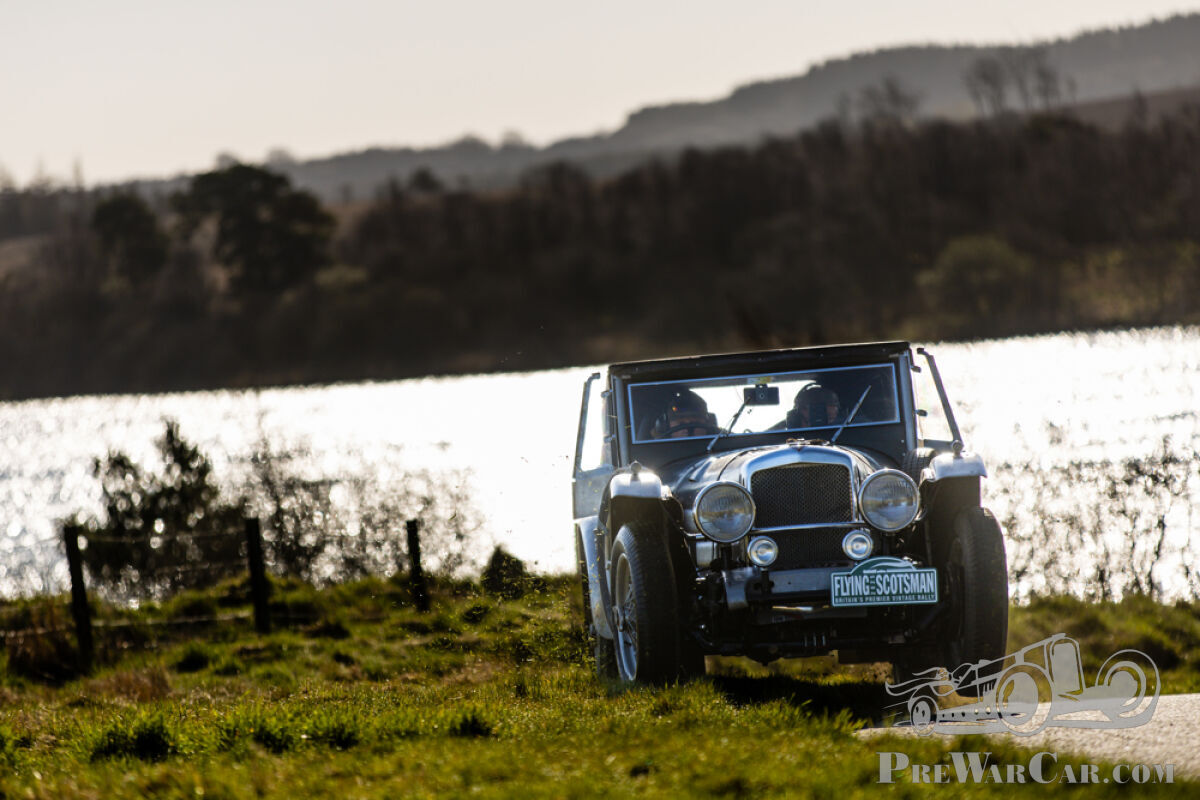
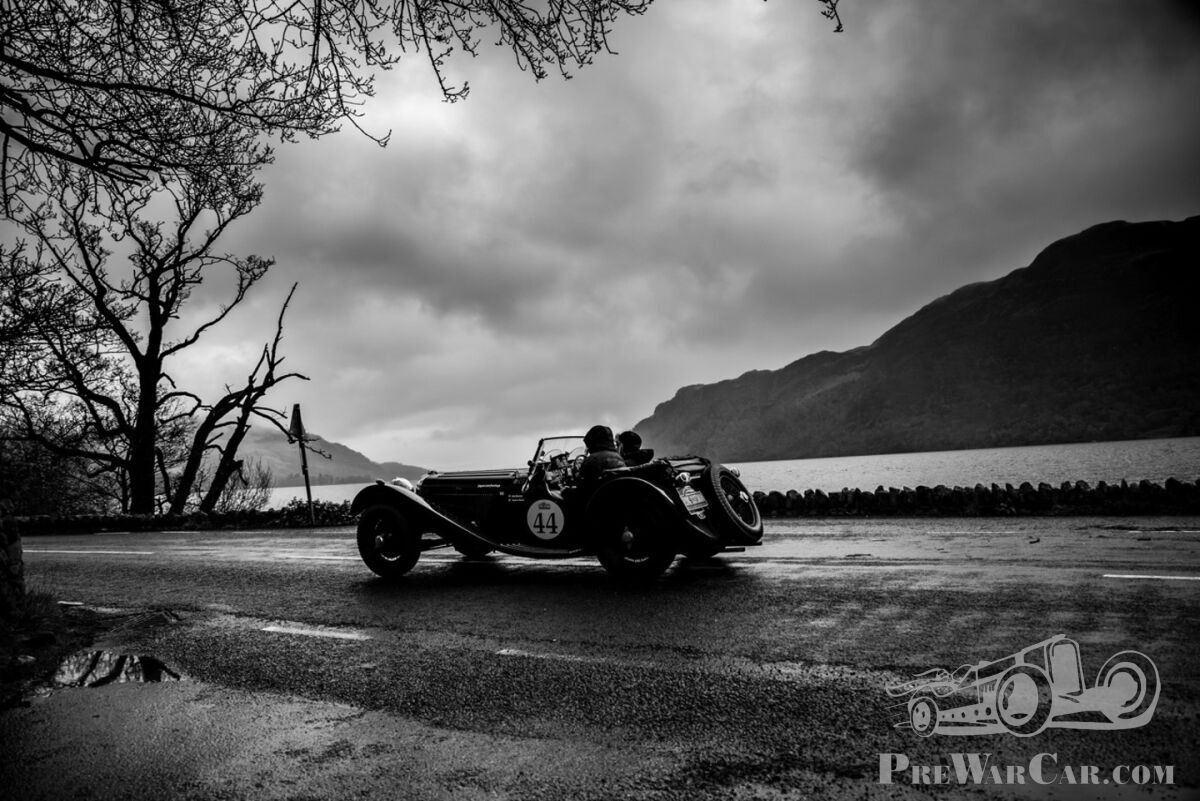
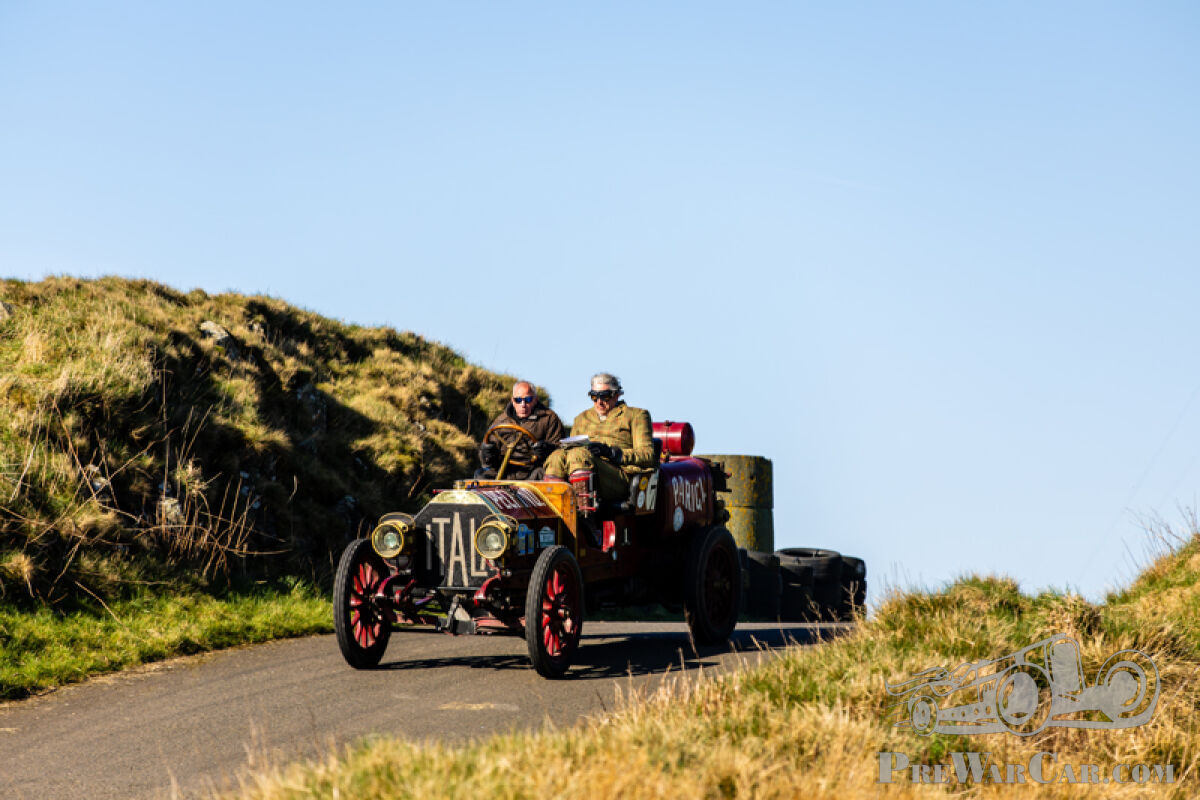
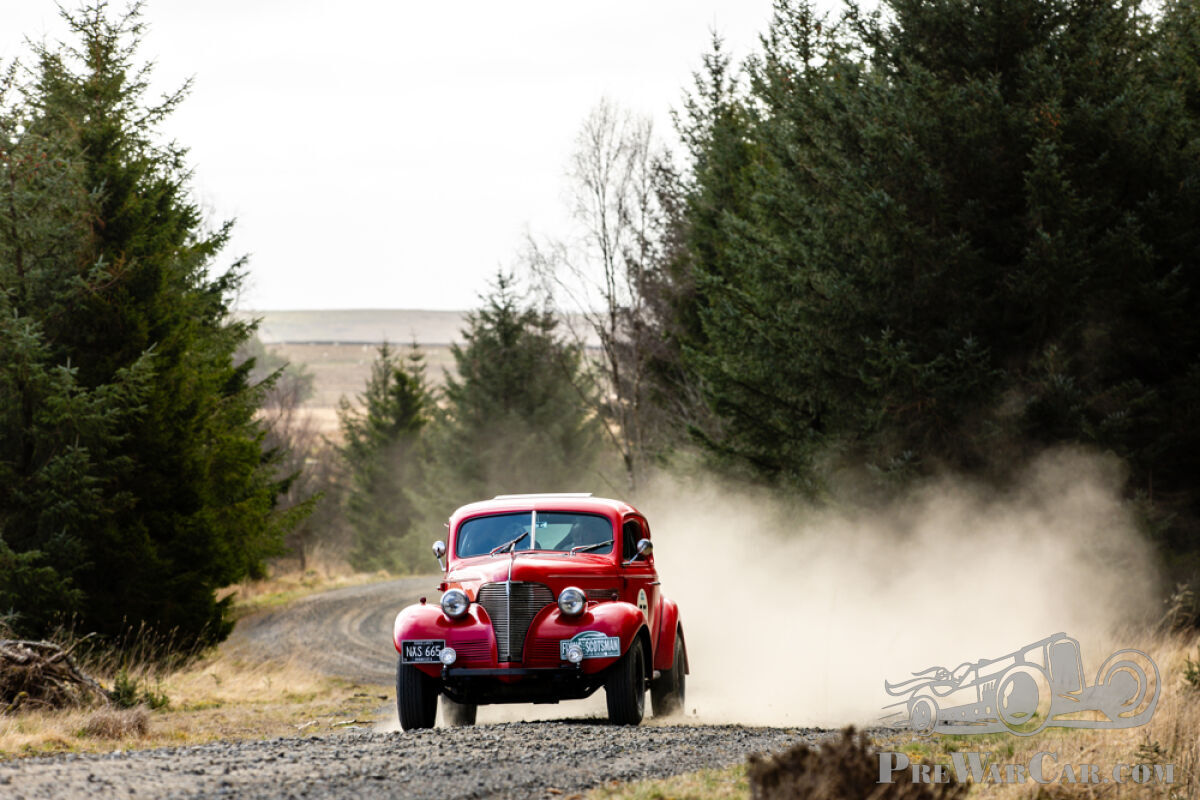
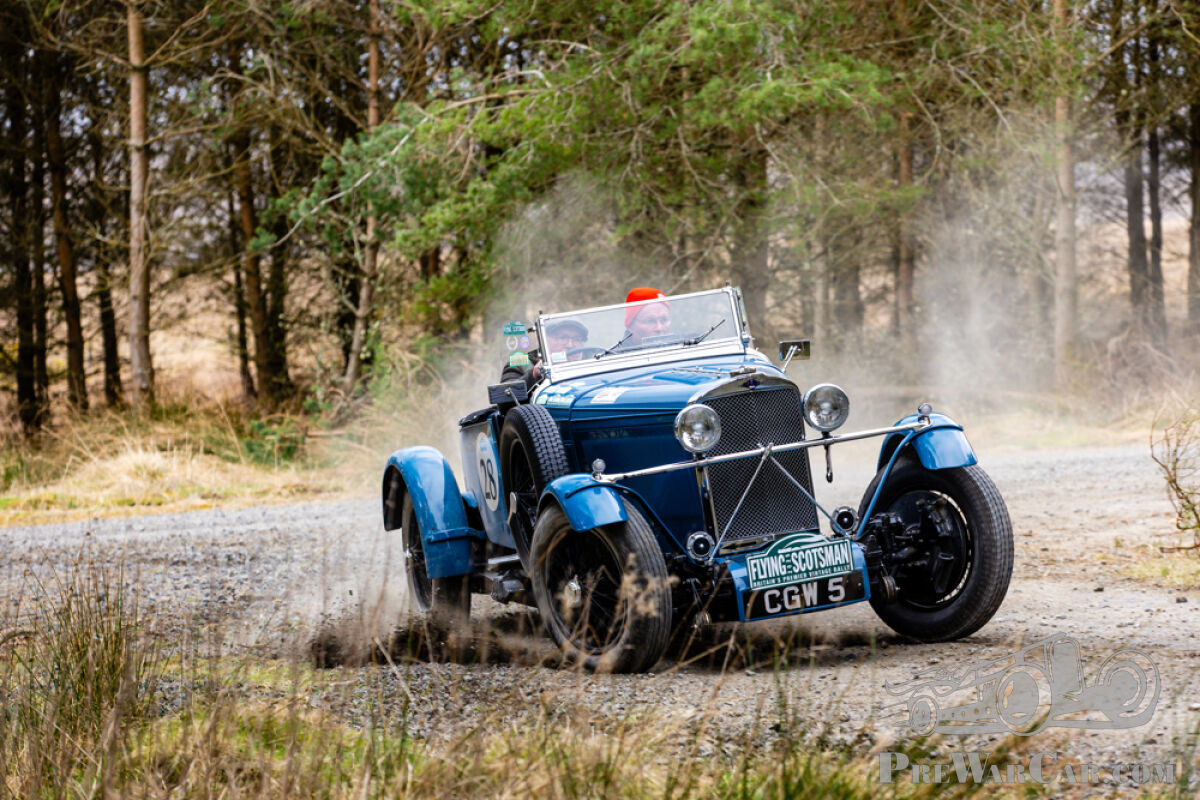
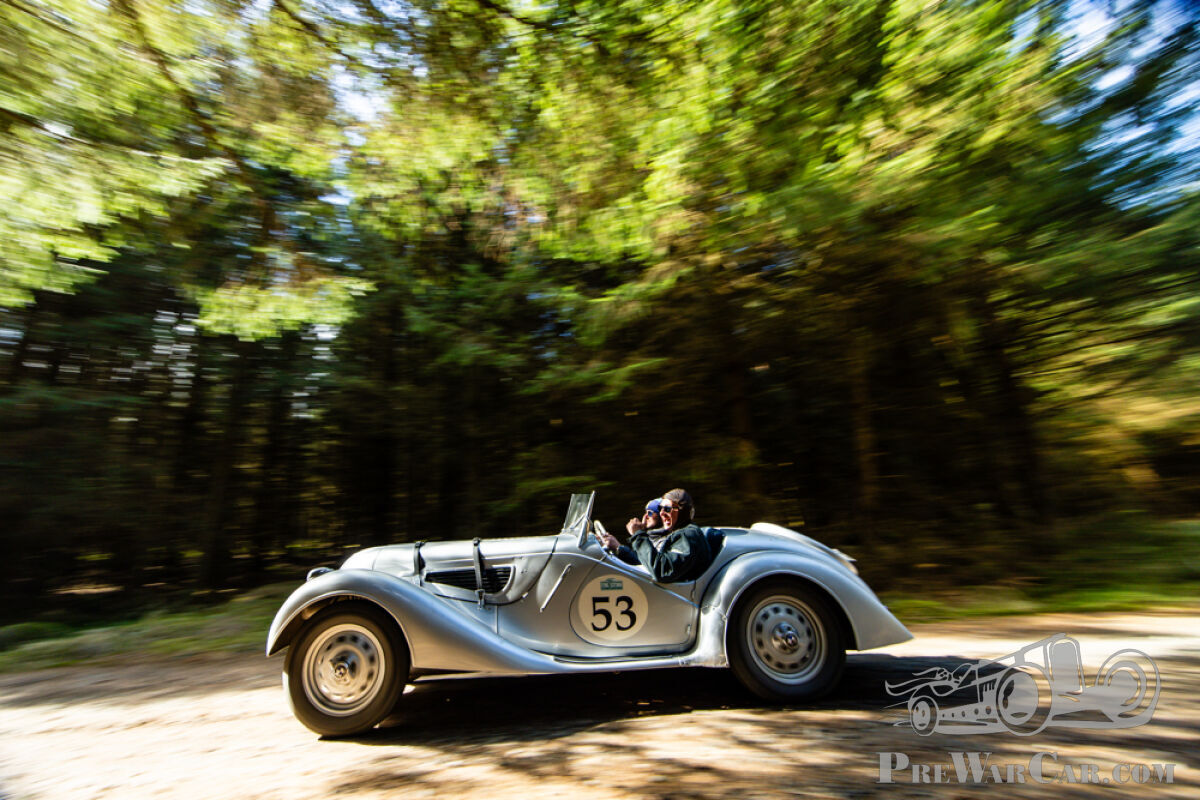
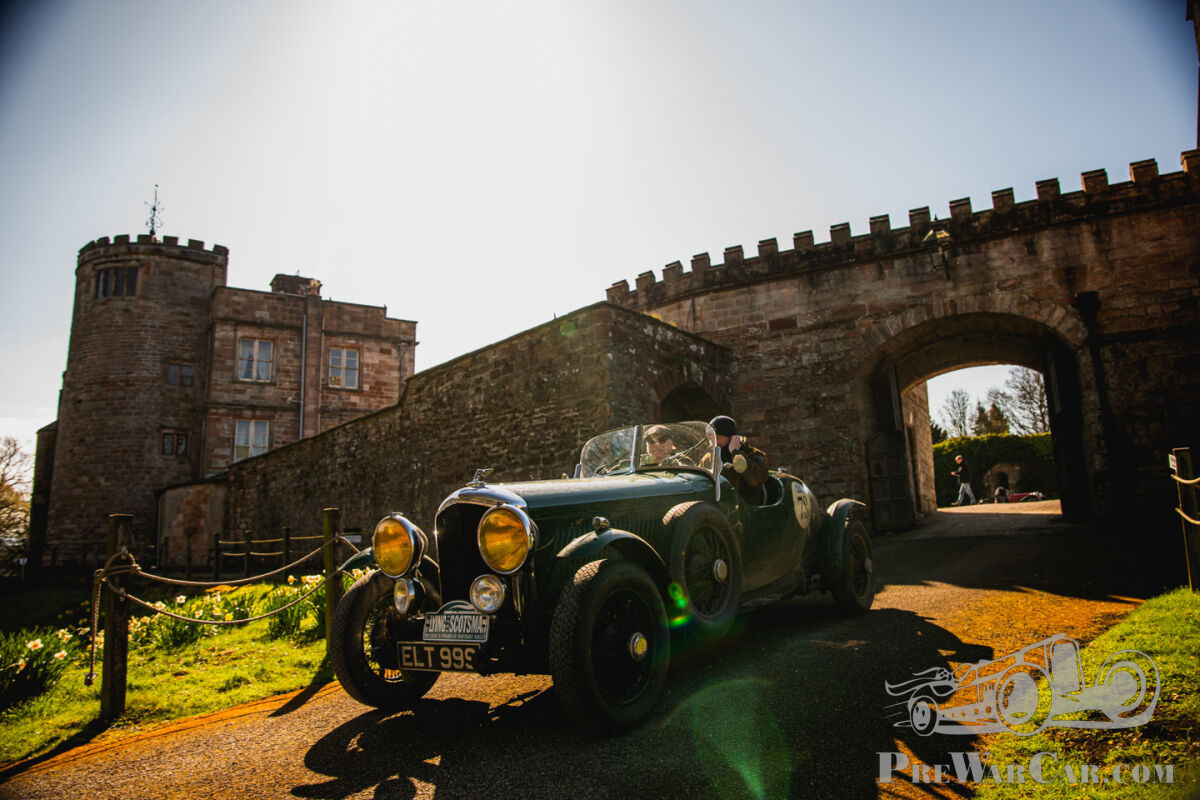
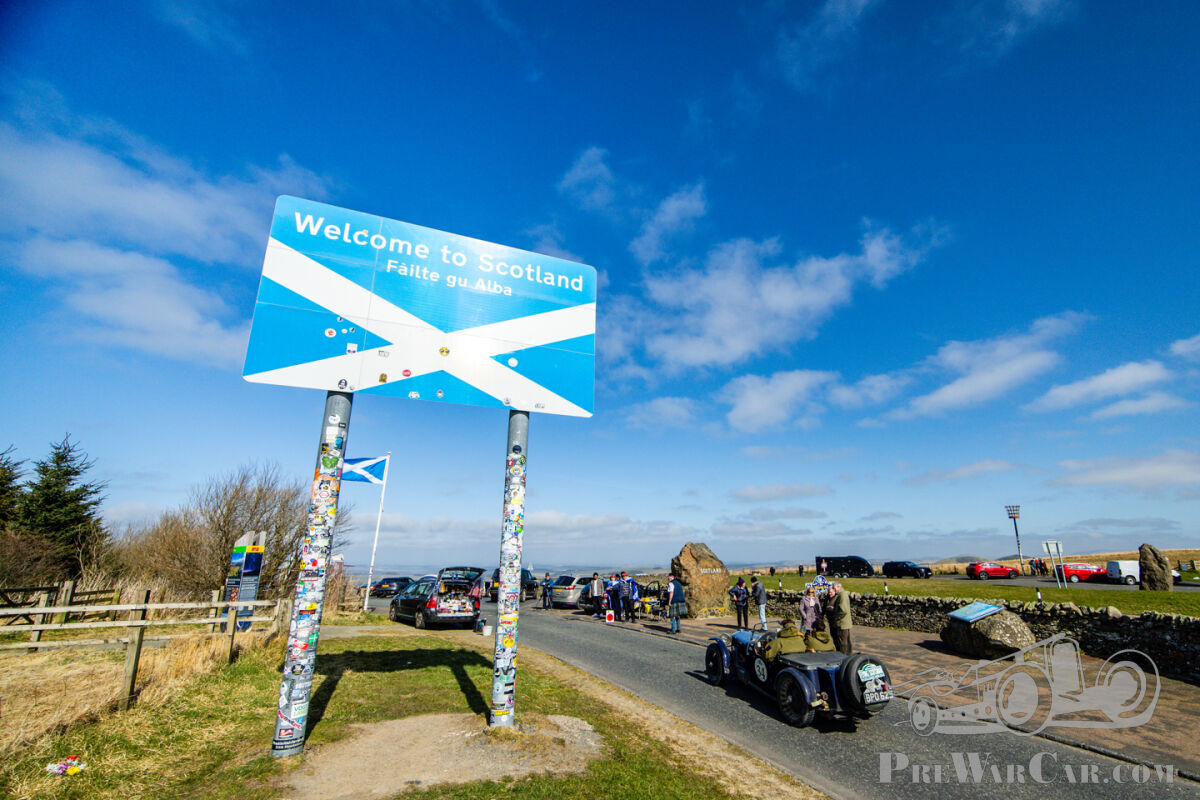
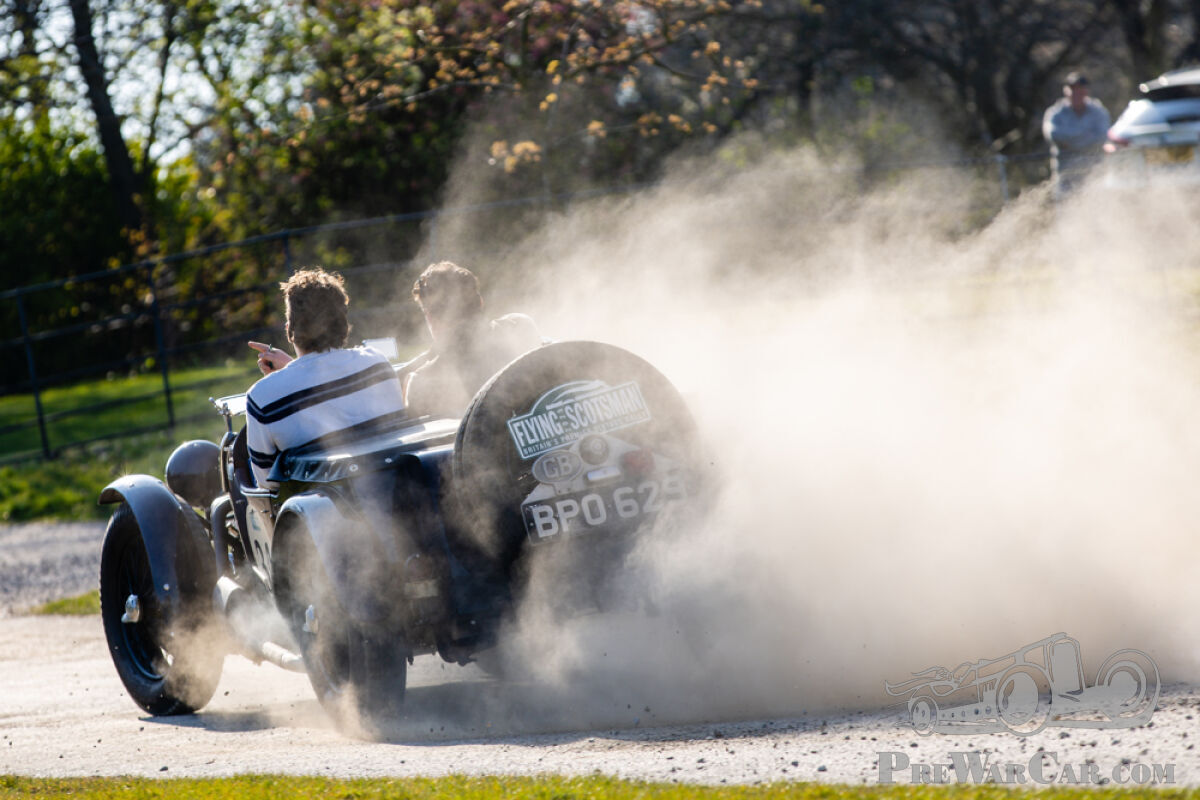
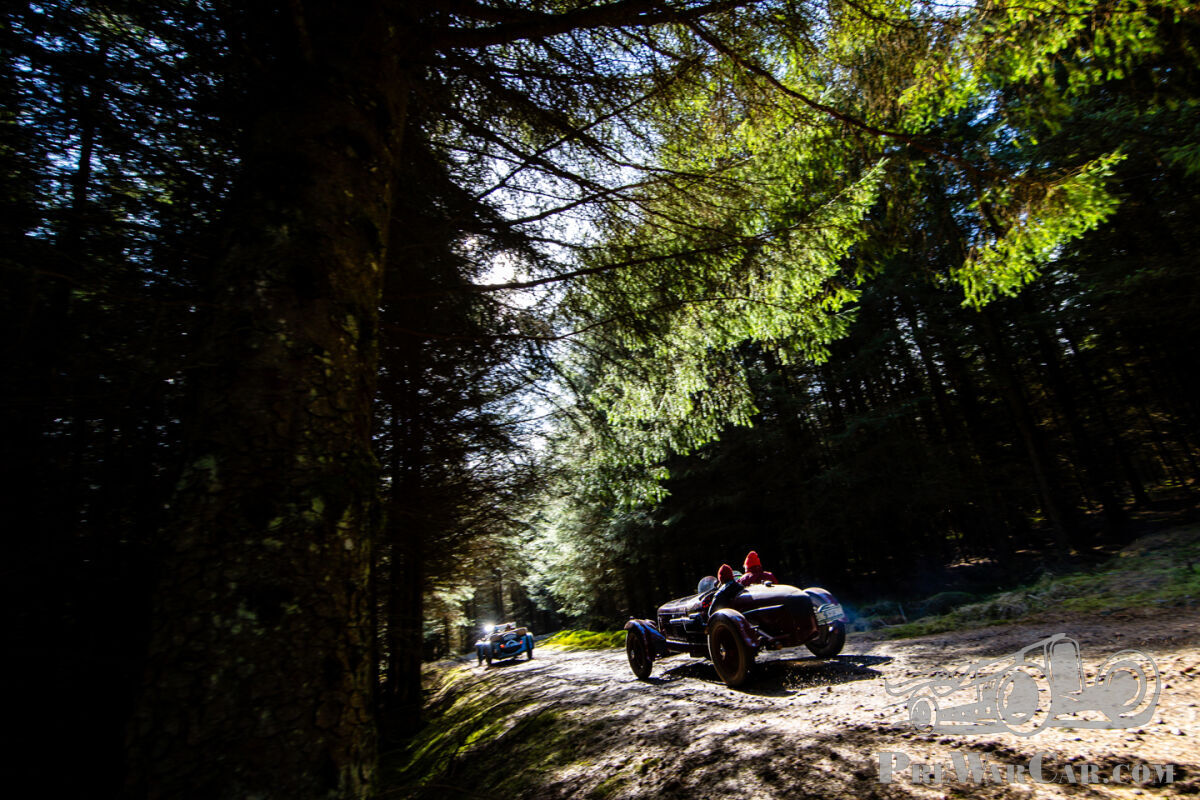
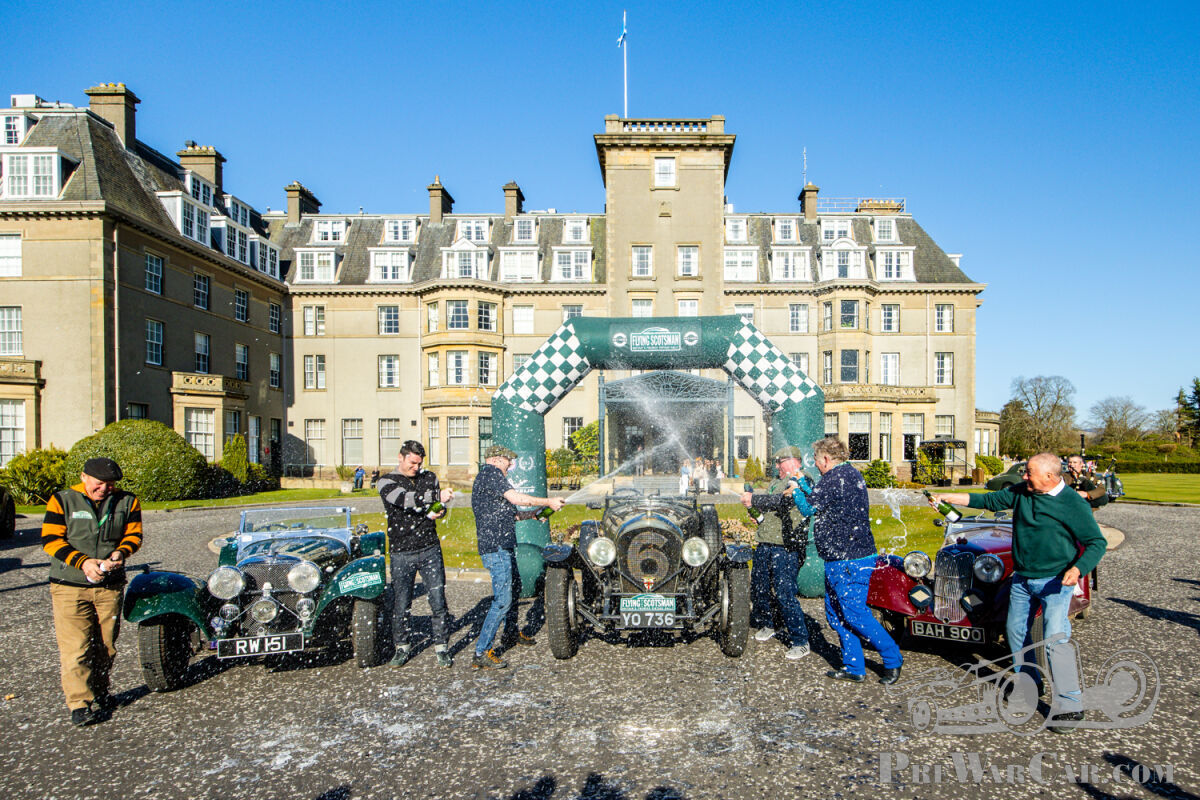


For years we’ve heard the tales: the Flying Scotsman is the rally for pre-war enthusiasts who believe cars belong on the road, not in museums. An event with spectacular routes, impeccable organisation, fierce competition, and an entry list that makes any vintage motorist’s heart beat faster. So the time has come for us to enter. But, as with any rally of this calibre, the adventure truly begins long before the start line.
The 2026 edition will take place from 23 to 26 April, starting and finishing at the iconic Gleneagles Hotel in Scotland. As participants travelling from the Netherlands, we have been advised to set off a day early: take the ferry from IJmuiden to Newcastle, then drive north for a few hours to Gleneagles. A comfortable way to let both crew and machine settle in. On the 23rd the scrutineering takes place, followed by an evening prologue – a brief run to find the rhythm and get acquainted with the surroundings before the serious driving begins.
The next morning the rally starts in earnest. Day one leads to Aberdeen, and on Saturday the route continues to Inverness. Along the way there are 10 Tests and 16 Regularities. The Tests range from precision manoeuvres on private ground to short timed sections. The Regularities demand strict timing, accuracy and focus. And believe us: the competition is taken seriously. A tripmaster is not only helpful, it is absolutely essential. One experienced participant told us plainly: without one, don’t bother turning up.
The route crosses hills, valleys, gravel tracks and the occasional ford. The Flying Scotsman is well known for classic British weather in all its glory: rain, fog, sunshine, and possibly even snow – sometimes within the same day. The car therefore needs to be not only beautiful, but mechanically sound. As one former entrant put it: this is not a parade with police escorts like the Mille Miglia – this is real driving.
On Sunday 26 April the crews return to Gleneagles for the finish and, of course, the well-earned champagne. The atmosphere is sporting, but undoubtedly competitive. Evenings tend to be spent checking timings, repairing what needs repairing, and preparing for the next day.
We will be taking part with a Lancia Lambda MM Casaro, likely one of very few Italians amidst the British field – joined, as far as we know, only by an Alfa Romeo 6C. Whether we can hold our own against the local machinery remains to be seen.
One thing is certain: we are very much looking forward to finding out.
Words: Laurens Klein
Details:
- Event: The Flying Scotsman 2026
- Date: 23 - 26 Apr 2026
- Location: Gleneagles, Scotland
- Lenght of route: 600 Miles (965 km)
- Register: Click here
Published:
Thursday November 13th, 2025
Facebook
LinkedIn
Twitter
WhatsApp
Email
Copy
Comments
Bart Kleyn
16 November 2025, 10:32
In the 1928 Mille Miglia, Lancia entered three Casaro-bodied Lambda's. One of them, driven by the factory test-driver Luigi Gismondi with G. Valsania, delivered a remarkable performance. For a long stretch of the race, this Lambda held the virtual first position: the car that would eventually win still had a refuelling stop to make, which would have allowed the Lancia to win.
However, on the final part of the route towards Rovigo, the Gismondi–Valsania car suffered a catastrophic mechanical failure – most sources simply record a major engine breakage, sometimes retold as a broken con-rod – forcing them to retire while running at the very front.
A second Lambda, car driven by Ermenegildo “Gildo” Strazza with Attilio Varallo, ran consistently and reliably. Although it never led the race outright, it climbed steadily through the field and ultimately achieved an outstanding fourth place overall, while winning its class, confirming the Lambda’s reputation for advanced engineering and stability on poor roads.
The third Lambda entry, a privately entered car, finished seventh.
A remarkable result for non-factory supported cars competing against far more powerful sports cars of the period.
Together, the three Lambdas demonstrated the design’s extraordinary combination of agility, endurance and innovative construction, making Lancia one of the quiet heroes of the 1928 Mille Miglia.