The global magazine and marketplace for classic car enthusiasts, by enthusiasts.


Filter
Make a choice:
- Cars
-
Make >>
-
Year >>
-
- Bikes
-
Location >>
- Parts & more
-
Make of car >>
-
Manufacturer >>
-
Category >>
- Bicycles & more
-
Year >>
-
Countries


Fuzzi logic: the remaking of an eccentric special
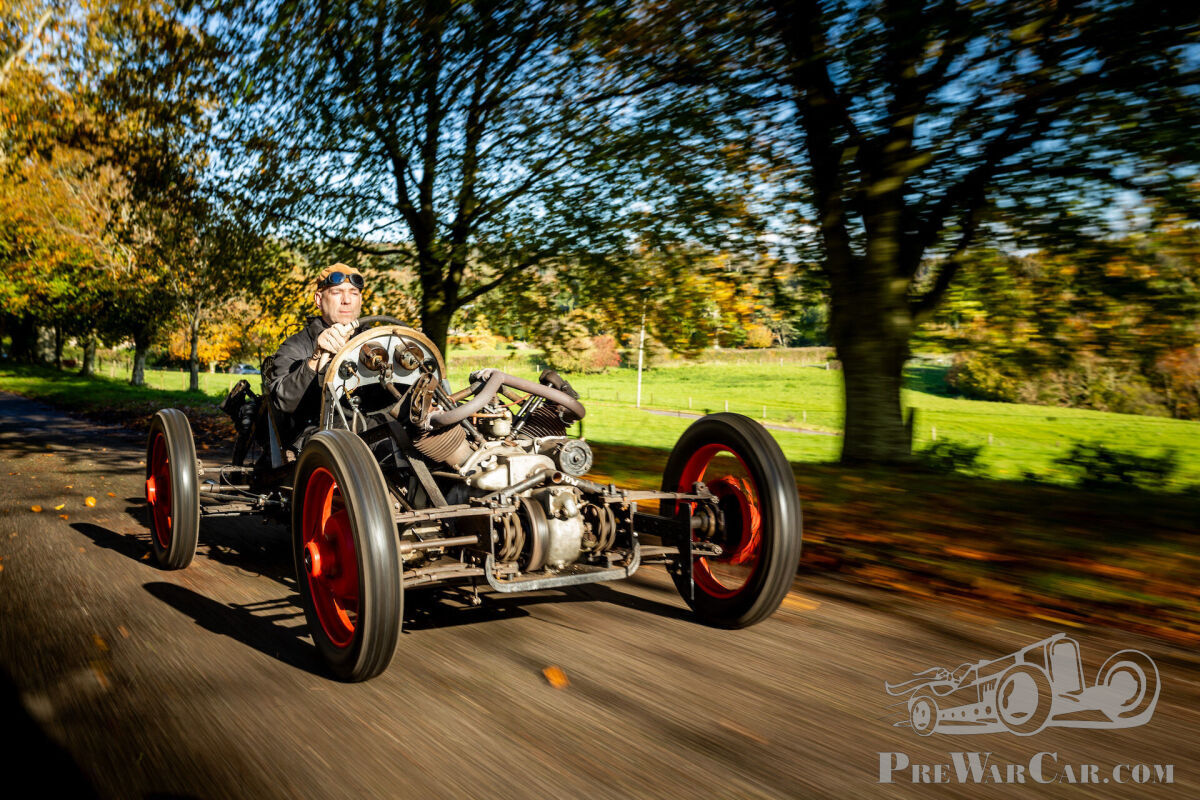
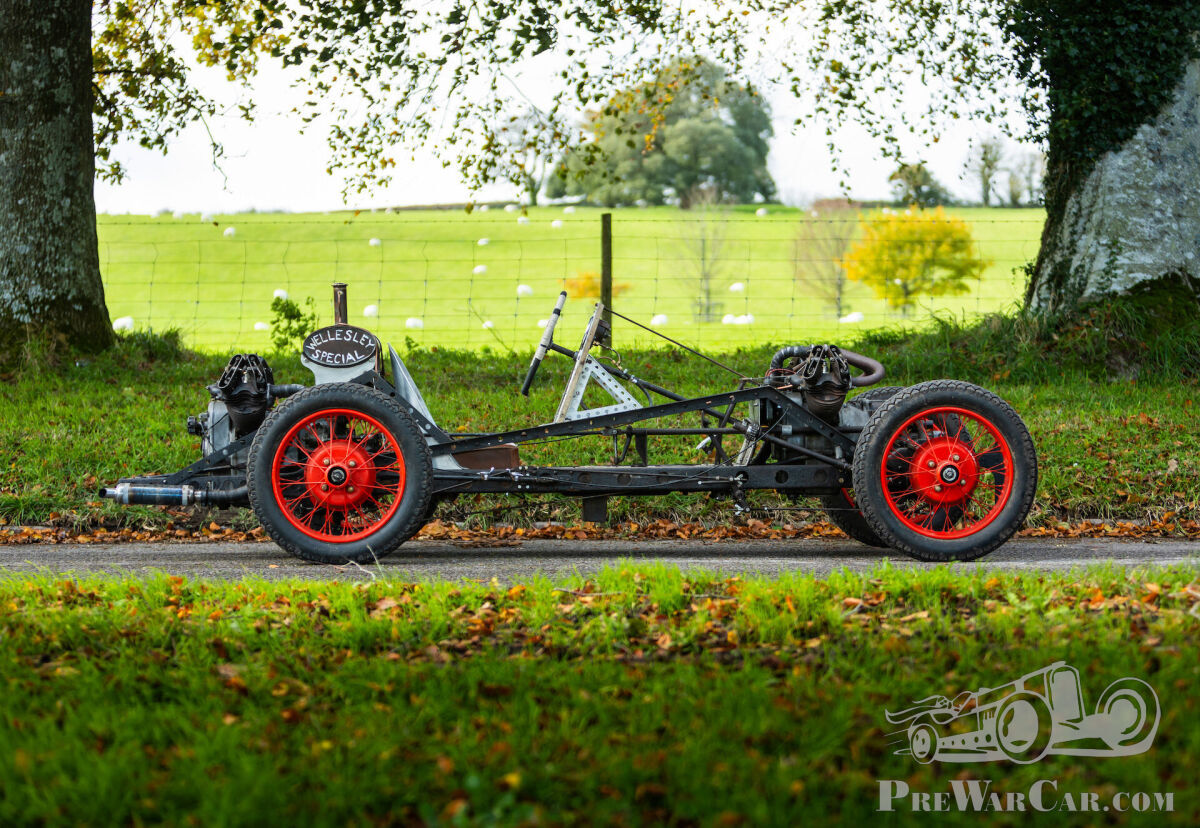
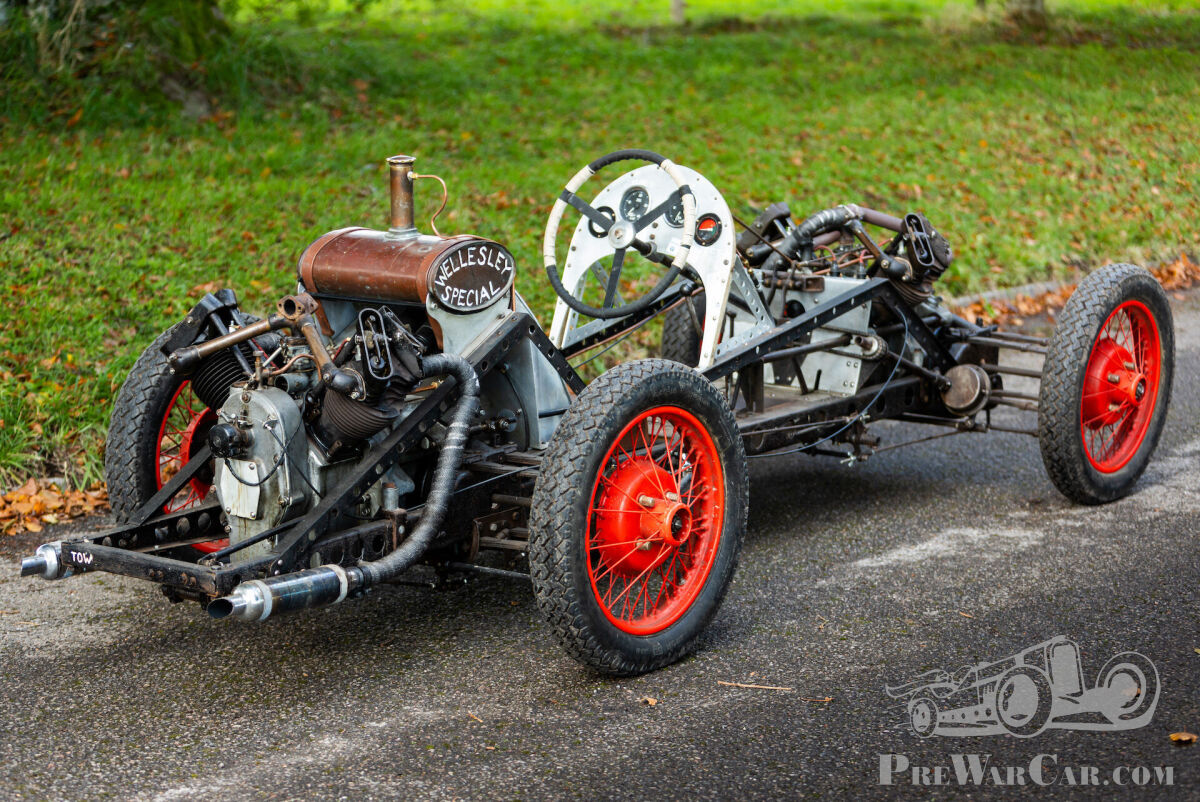
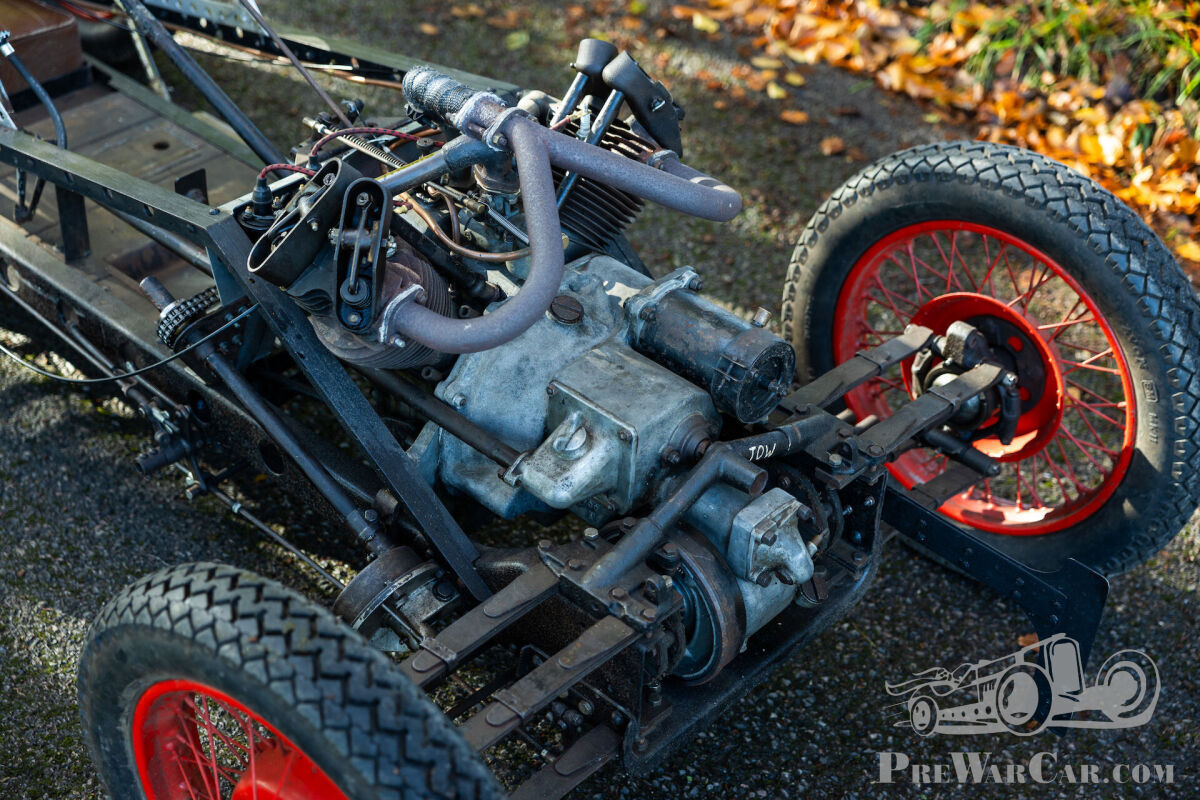


Motor sport has seen many great eccentrics, but few who could match Robert Waddy. In the 1930s, the Brooklands habitué built a hill climb special called Fuzzi from chrome-moly tubing (thus creating probably the first car with a spaceframe chassis) and a pair of 500cc JAP vee-twins, one at the front and one at the rear, each driving its respective axle. The four-wheel drive concoction rewarded its builder with several impressive performances, notably at the Lewes Speed Trials, where it fired the imagination of 16-year-old Richard Wellesley.
Wellesley, nephew to the Duke of Wellington, was a poor academic performer at school and was sick of the opinion some people held as a consequence: that he must be stupid. Having already joined the ranks of motorists with a Morgan, he set about proving his detractors wrong by constructing his own car along the lines of Waddy’s fantastic Fuzzi. He procured two vee-twin BSA three-wheelers, chopped them up and reassembled them as one, with the front and rear engines driving front and rear wheels respectively. Wellesley, still sans driving licence, raced his special at the 1937 Lewes Speed Trials, winning the approval of John Bolster, and afterwards made it road-legal.
Despite a brief postwar Prescott career with Richard Shakspeare, the Wellesley Special disappears completely after 1947. One enthusiast, however, has completed an exacting replica. Martin Bell reveals how he recreated a piece of history in the July issue of The Automobile, available now.
Words by Zack Stiling; Photographs by Stefan Marjoram
Published:
Wednesday July 3rd, 2024
Facebook
LinkedIn
Twitter
WhatsApp
Email
Copy
Has there been a bit of misunderstanding with the original information or was the original car also BSA powered?