The global magazine and marketplace for classic car enthusiasts, by enthusiasts.


Filter
Make a choice:
- Cars
-
Make >>
-
Year >>
-
- Bikes
-
Location >>
- Parts & more
-
Make of car >>
-
Manufacturer >>
-
Category >>
- Bicycles & more
-
Year >>
-
Countries


Gendebien's grande routière: Belgian Bentley to star at Prewar Days
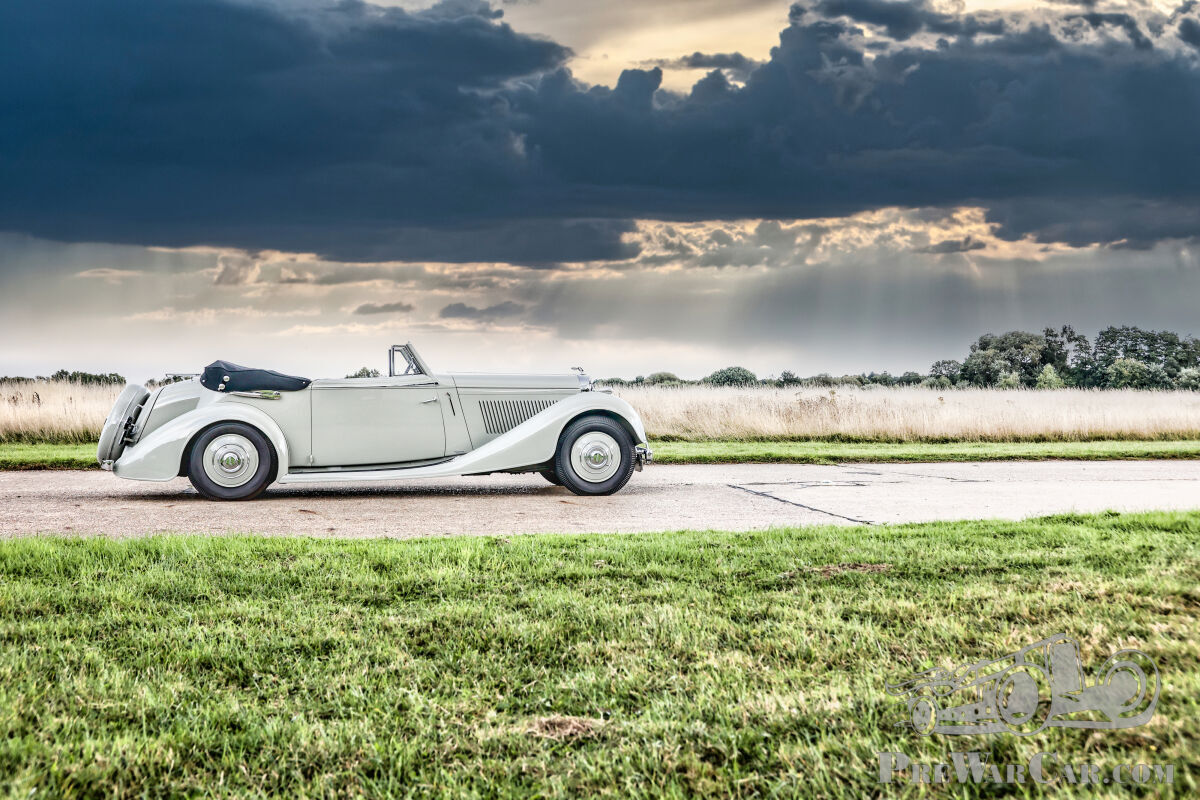
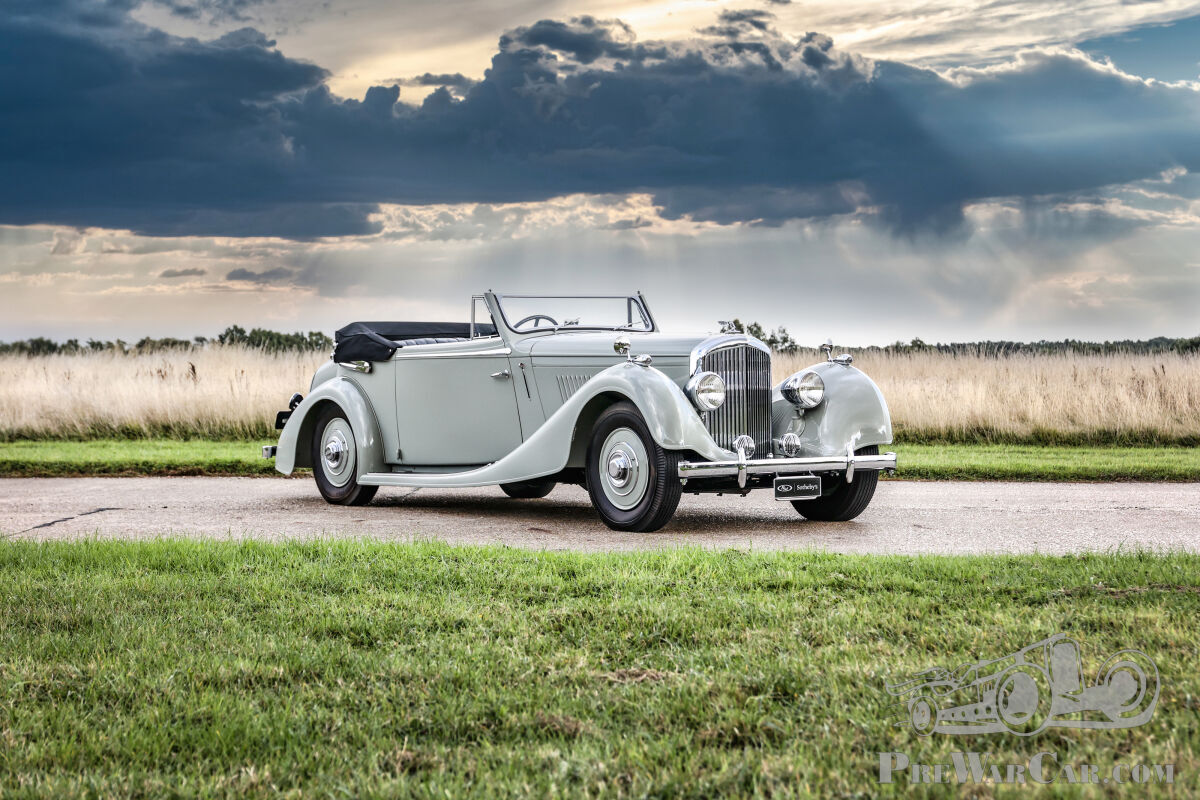
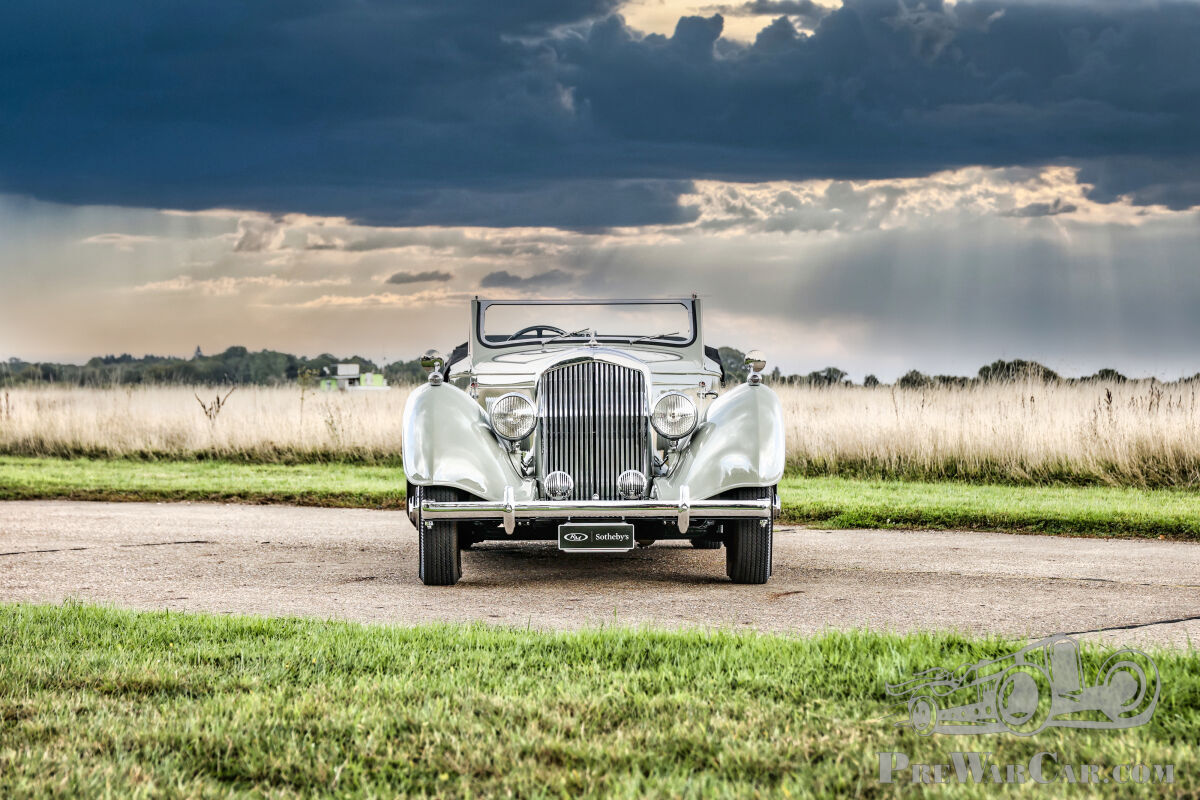
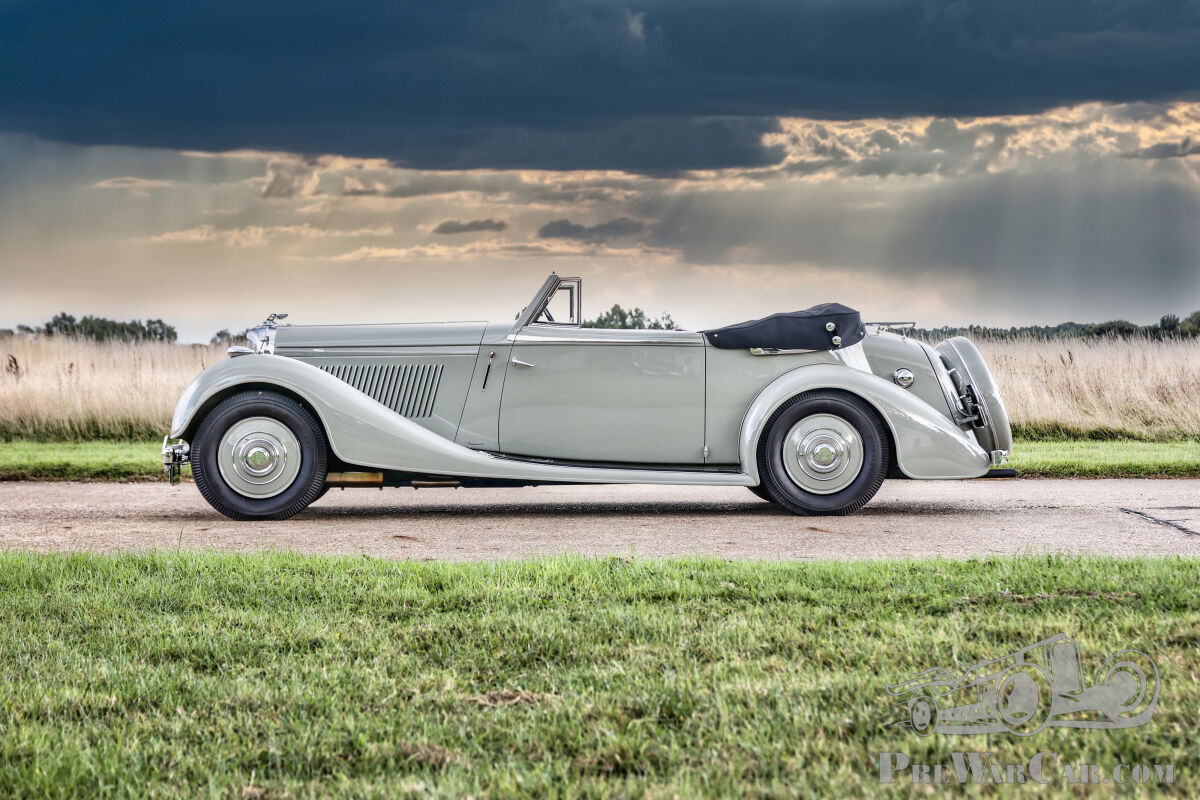
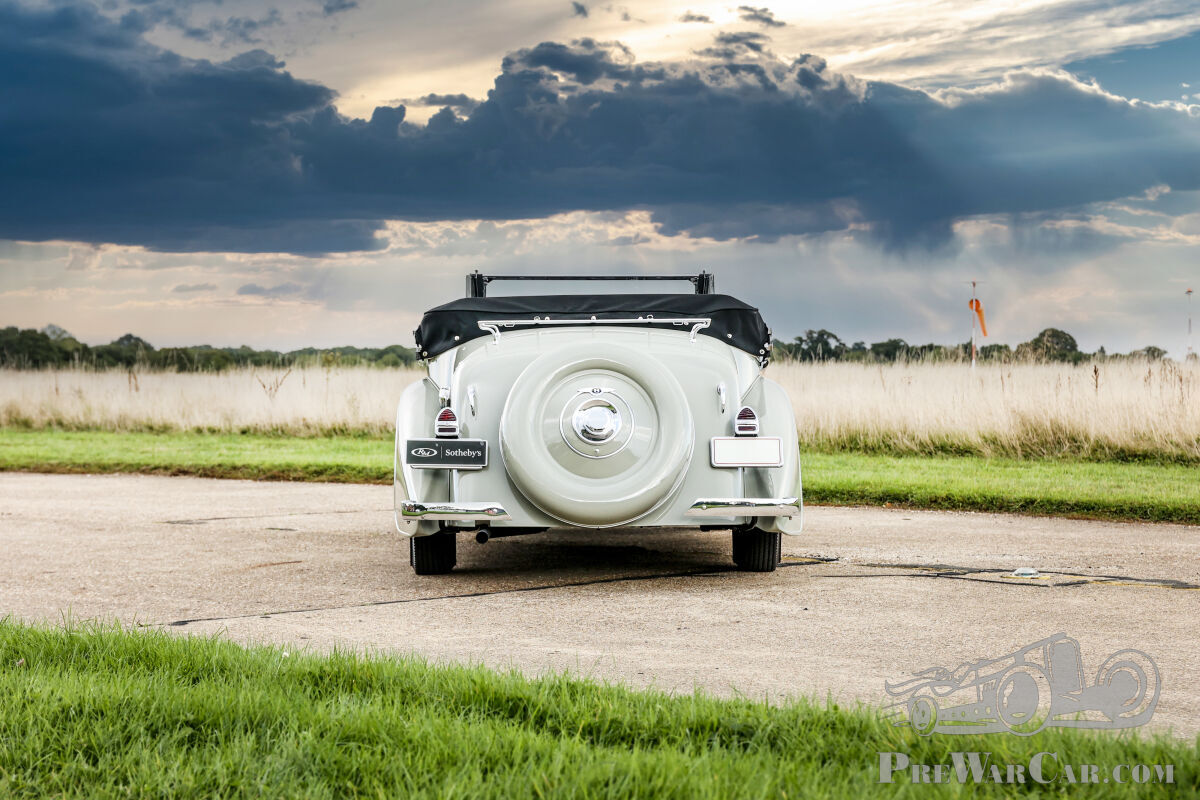
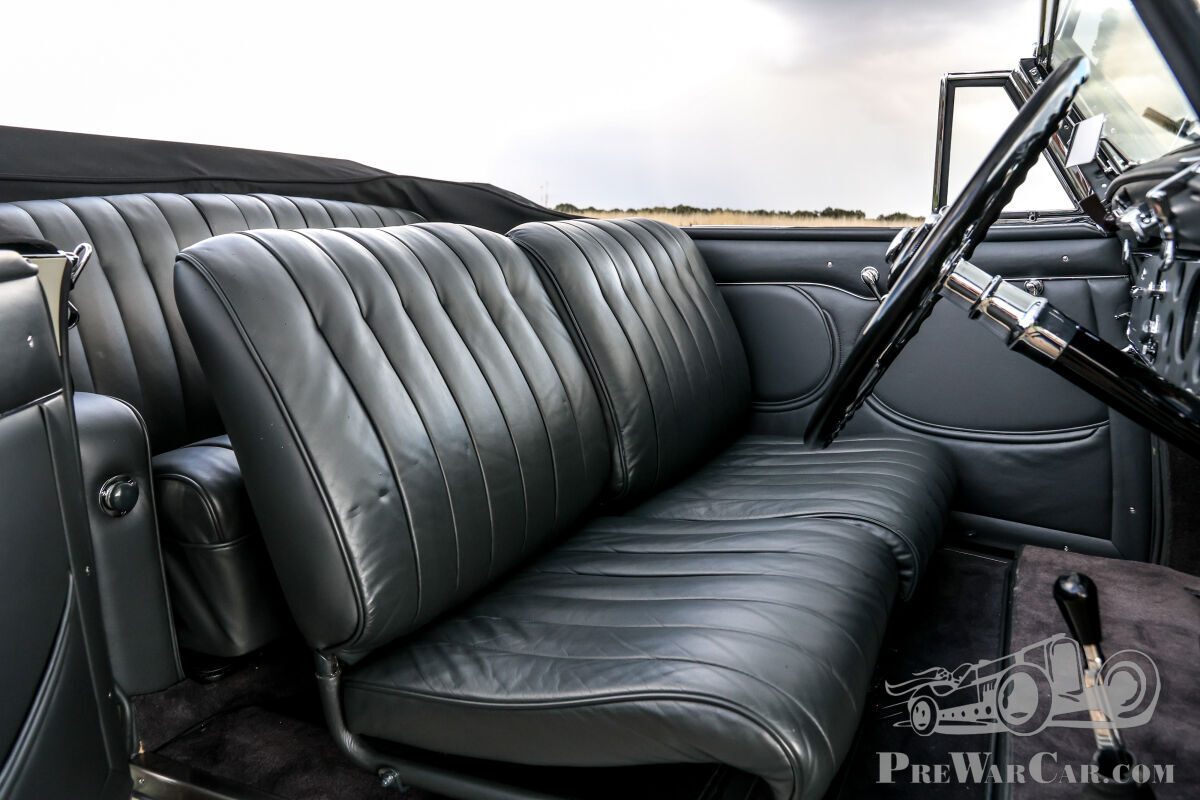
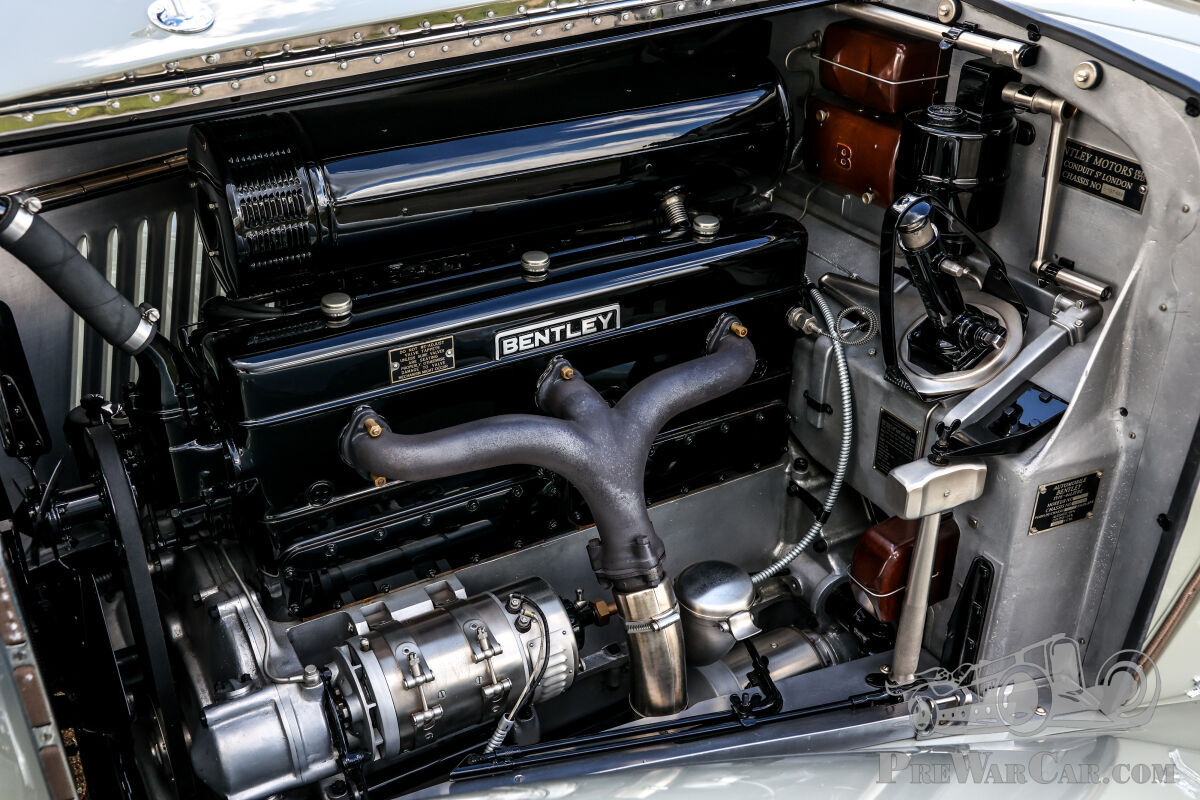
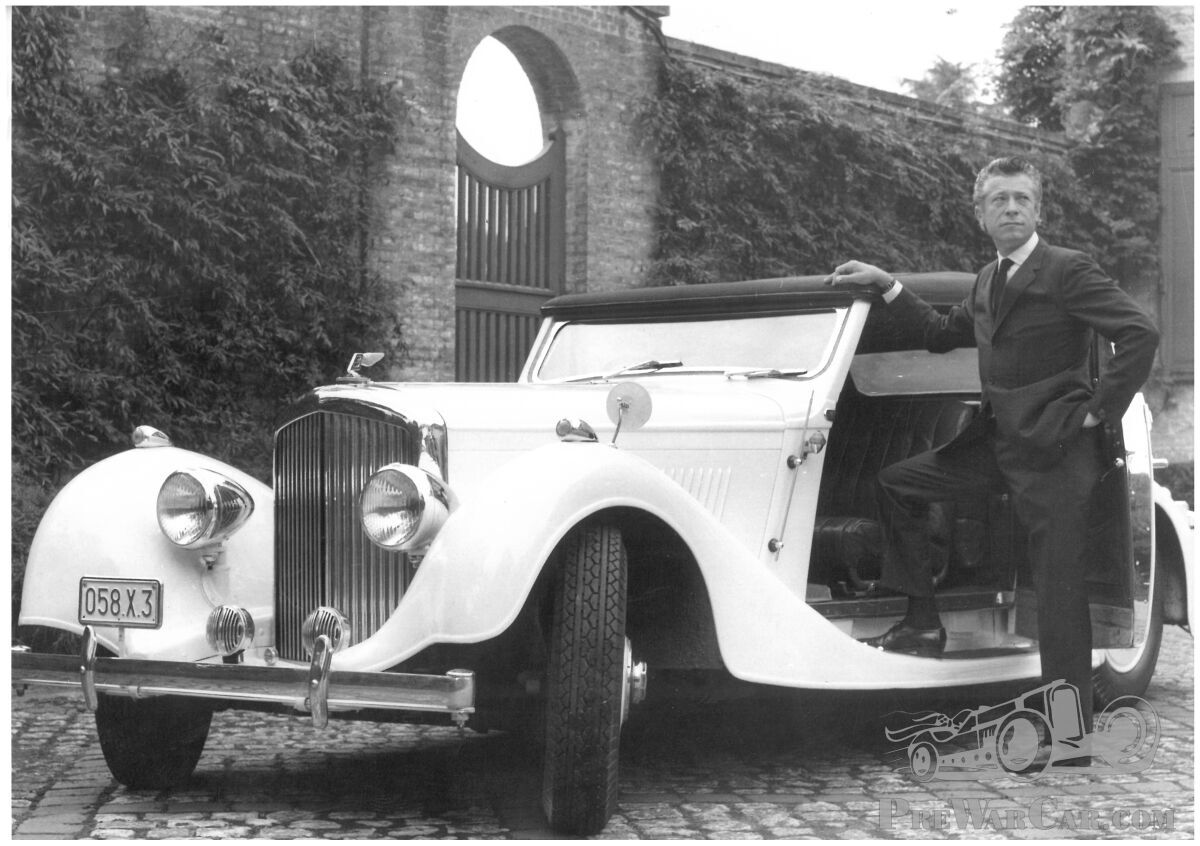
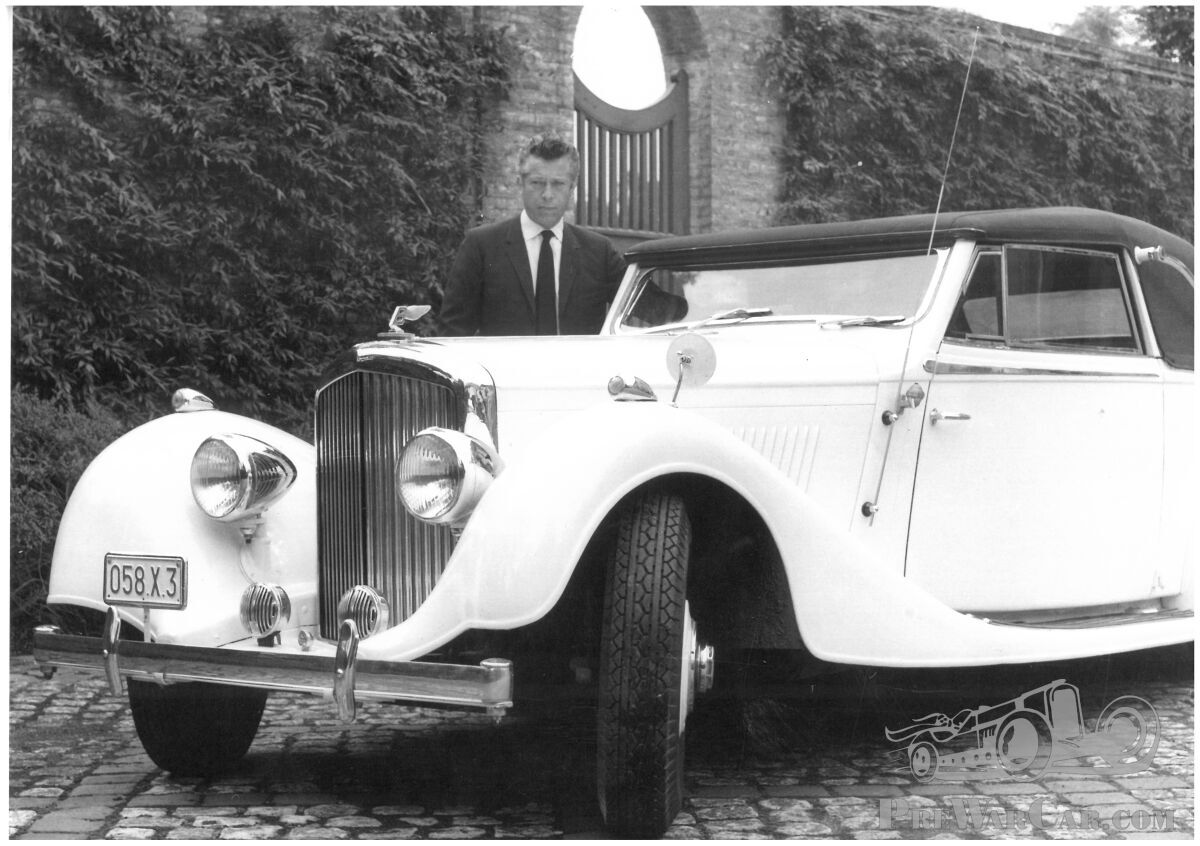
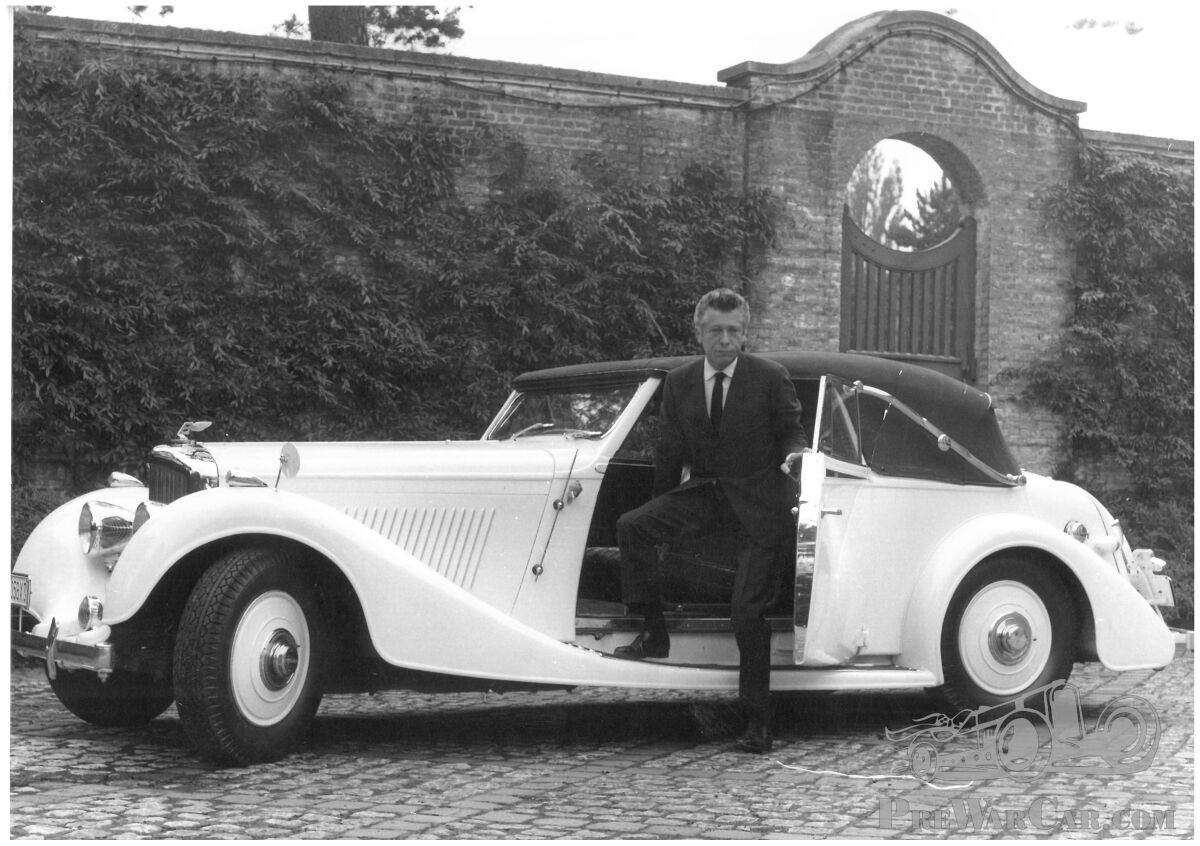
Olivier Gendenbien enjoyed the Bentley all through his life


It was a dark day for marque enthusiasts when Bentley Motors Ltd. went into liquidation in 1931. Gone and never to return were the days of the great, burbling blood-and-thunder machines which had showered themselves in glory at the race meetings of Europe, but what lay ahead was a new era of refined sporting motoring: the age of "The Silent Sports Car."
The bankrupt Bentley was purchased by Rolls-Royce, and when the 3½-Litre model was launched in 1933, there could hardlier have been a happier outcome—a car with the necessary sporting credentials for a Bentley but with the civility and gentle manners of a Rolls-Royce; a grand touring car which would reward the enthusiastic owner-driver on long runs cross-country while remaining manageable in and around town. It happened somewhat by accident, as Rolls-Royce had in mind to build a supercharged car which would be the opposite of a Rolls-Royce in character, but a lack of time combined with early difficulties with supercharging led to Rolls-Royce simply putting one of its 20/25 engines into the experimental Peregrine chassis, and the Silent Sports Car was born.
The engine gained a few little performance enhancements, such as an increased compression ratio and twin SUs, and in 1936 was replaced with a new unit bored out to 4¼ litres. E. R. Hall, driving in the Ulster T.T., proved that the 3½- and 4¼-Litre could be treated as full-blooded racing cars in the Bentley Boy tradition, but the Derby models ultimately made little impact in the motor sport world and almost all were supplied instead as elegant sports saloons, tourers and drophead coupés for a class of well-heeled, discriminating motorists who wanted an uncompromising marriage of speed and luxury, power and grace.
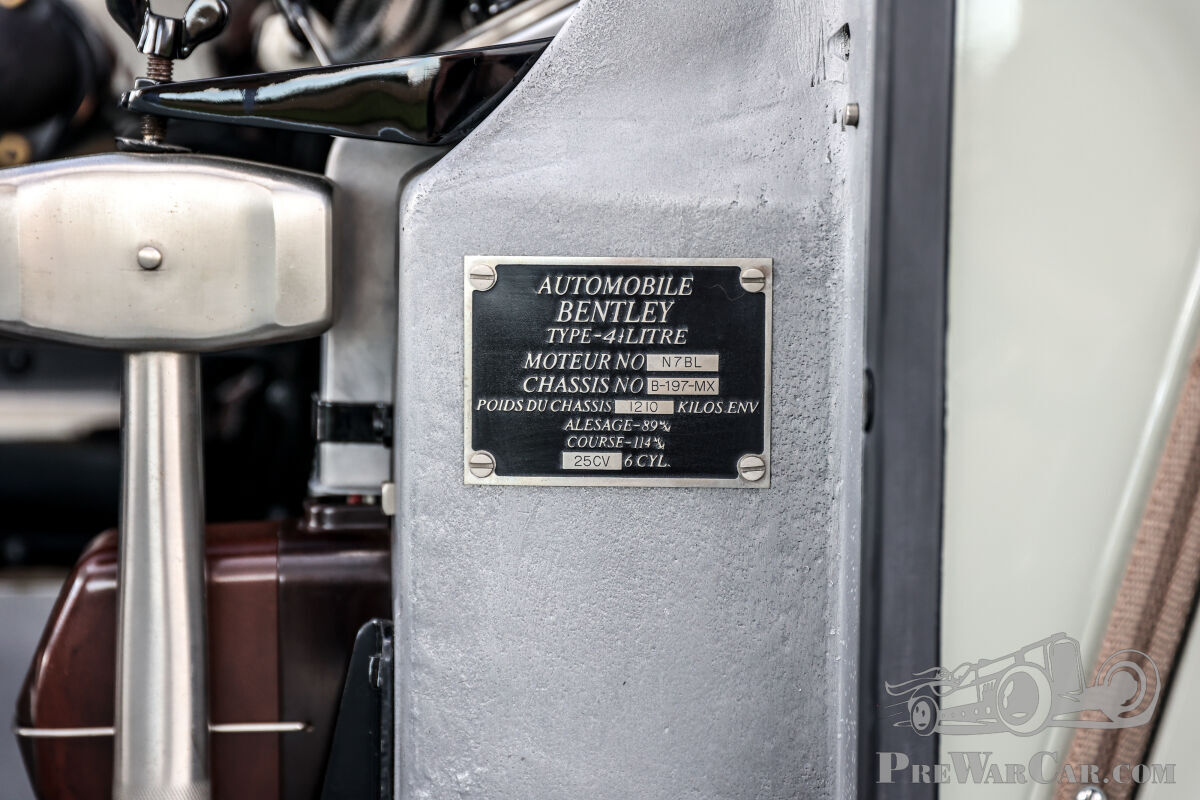
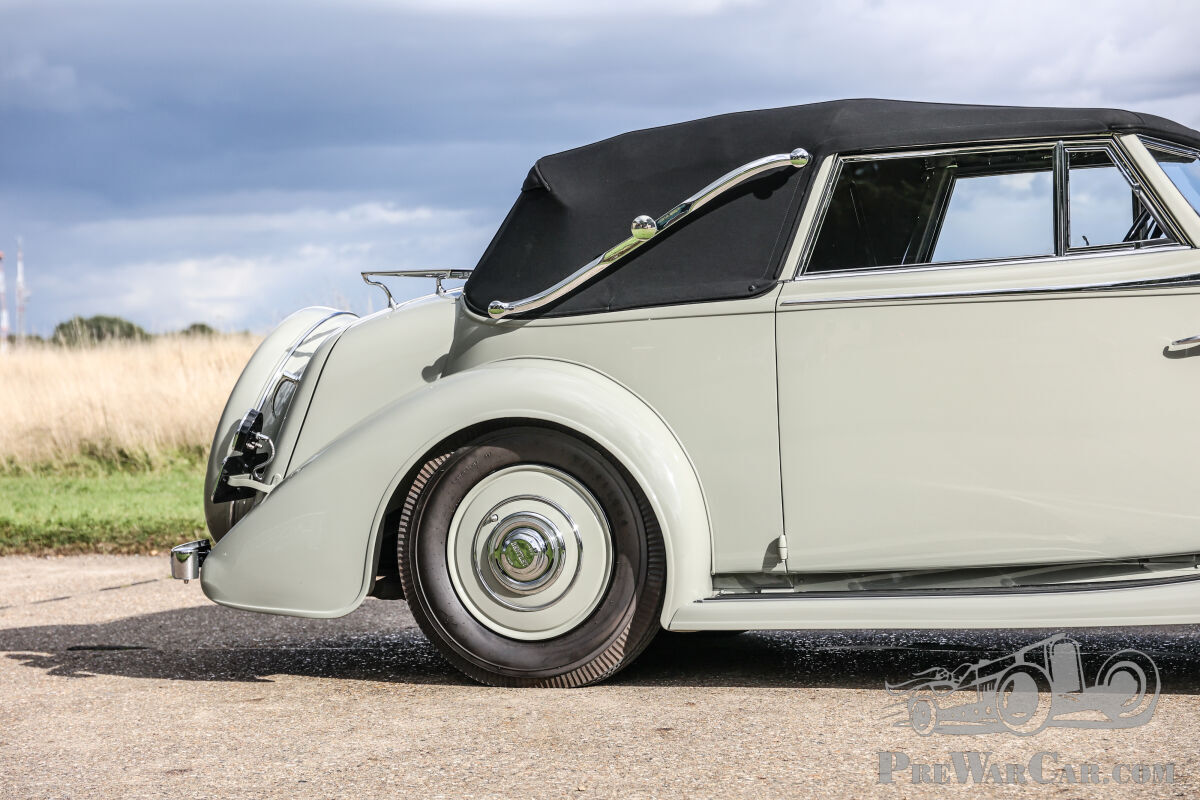
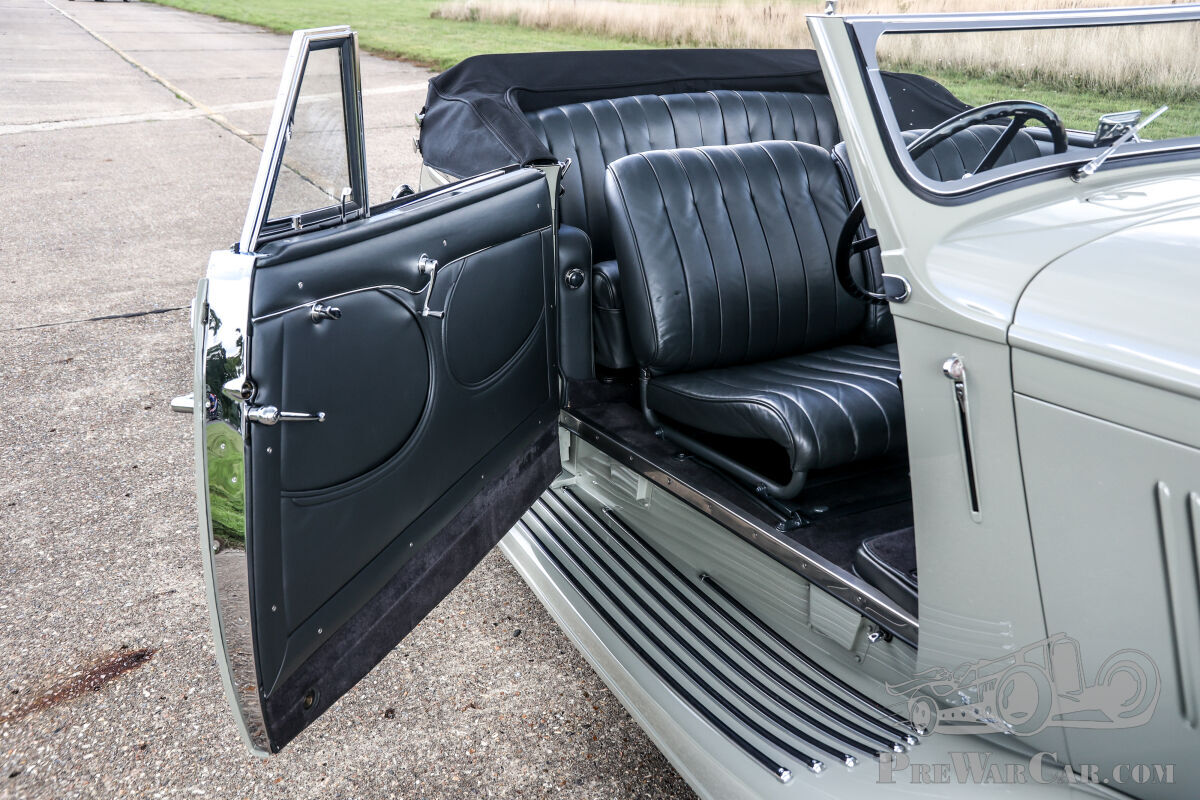
A 4¼-Litre was the perfect car for somebody like Baron Robert Gendebien (1885-1954) of Brussels, who, after giving valiant service in the Kaiser War, divided his time between business and collecting art—he could get to meetings quickly, and keep his æsthetic senses satisfied with an object of real beauty. He ordered his car, B197MX, an overdrive model, viâ André Pisart of Brussels, and became one of a handful of Continental customers to specify Continental coachwork. On October 12th, 1939, the chassis arrived at the Vanvooren workshop and was then equipped with an extremely graceful four-seater drophead body. On January 15th, 1940, the car was back in England to be tested by Park Ward, and then shipped across to the baron in Belgium.
The timing was unfortunate—war, obviously, was once again menacing Belgium, and Baron Gendebien only used the car for five months before having to hide it from occupying forces on his estate. When peace returned, the car was entrusted to Robert's son Olivier (1924-98), who would enjoy a highly creditable racing career from 1954 to 1962, which commenced with victory in his first event, the Tulip Rally. Olivier Gendebien retained the Bentley for the rest of his life, notably using it to travel to race meetings and, in later life, enjoying it on the roads near his home in Les Baux, in the South of France.
In recent years it has been subject to a concours restoration as part of a private collection. Upon completion of the restoration, it débuted at the 2019 Pebble Beach and was awarded a first-in-class prize.
We are very pleased to be able to present this splendid pre-war thoroughbred on the PreWarCar.com stand at Prewar Days in Kortrijk, Belgium, from December 6th to 8th, ahead of its sale in Paris by RM Sotheby's on February 4-5th, 2025.
Prewar Days is the world's only indoor car show exclusively for pre-war vehicles, and we will also be exhibiting a 1928 MG 14/40 and a 1921 Rudge Multi which originally belonged to King Onyeama of Eke, Nigeria. For more information, visit https://www.prewardays.be/.
Published:
Wednesday December 4th, 2024
Facebook
LinkedIn
Twitter
WhatsApp
Email
Copy
---------------------------------
Mercis pour ces infos.