The global magazine and marketplace for classic car enthusiasts, by enthusiasts.


Filter
Make a choice:
- Cars
-
Make >>
-
Year >>
-
- Bikes
-
Location >>
- Parts & more
-
Make of car >>
-
Manufacturer >>
-
Category >>
- Bicycles & more
-
Year >>
-
Countries


Ginger Rogers and the shimmering origins of metallic paint
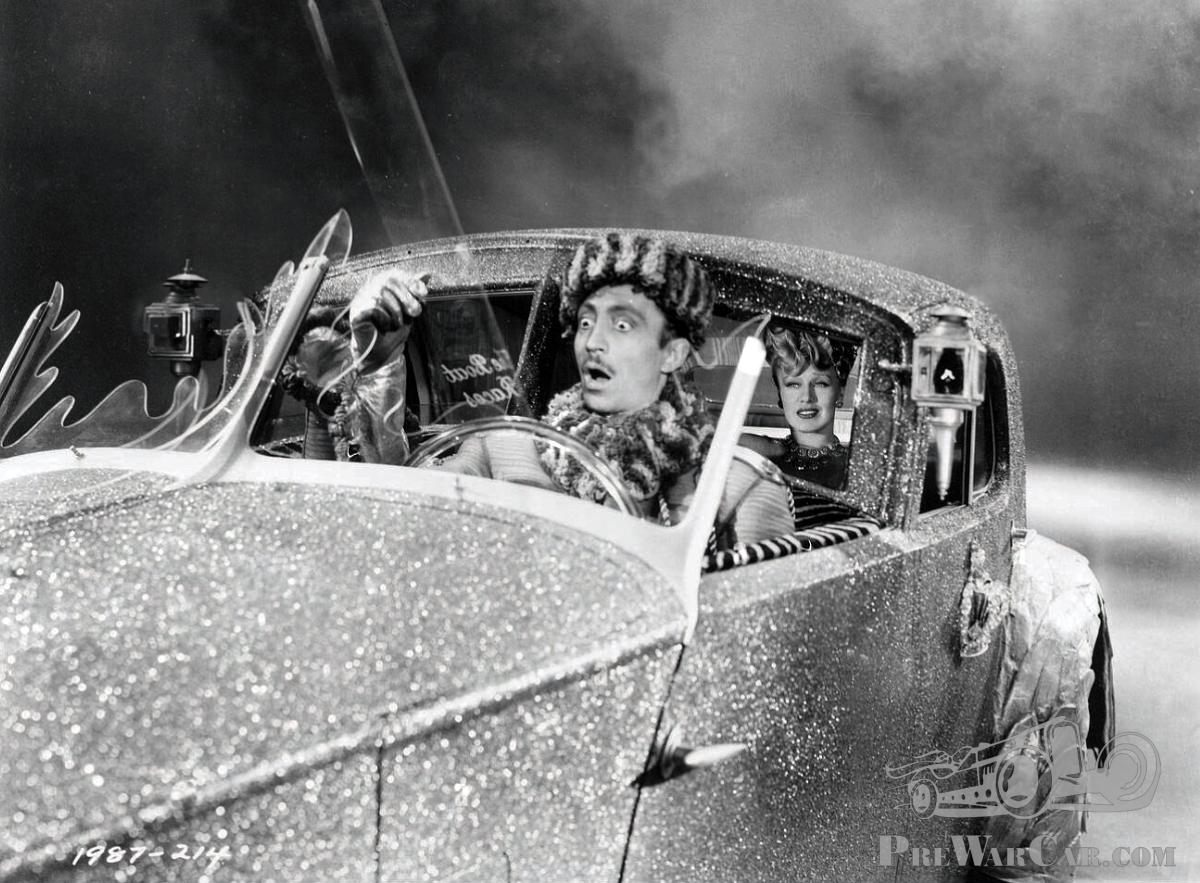


Look up metallic paint on the worldwide web and you will find a great number of historic details which do not necessarily correspond. Metallic paint originated in the late 1920s in the automotive industry, say most, with some adding that DuPont introduced the aluminium flake-based lacquer in 1927.
But there is also the fish scales story. It is said that only the silvery inside of the fish scales was isolated and added as a pigment to the lacquer in the early 1920s. That must have been quite a job! “To produce 250 grams of real fish silver for ‘fish silver paints’, a ton of fish was needed, so this valuable material was only used to a very limited extent.” One other source that we found makes that slightly more perceptible by adding: “It would have taken 40,000 herring to make one kilo of paint. But they would give paints a mother-of-pearl sheen that could show off the curved forms of the cars of that day.”
And then there is the Metalflake finish, believed to originate in the custom car world of George Barris in 1959, in cooperation with a company named Bobeckmun. Fish scales were mentioned in a press outing once more, as was ‘crushed diamond dust’. That definitely makes it sound like a silly PR thing.
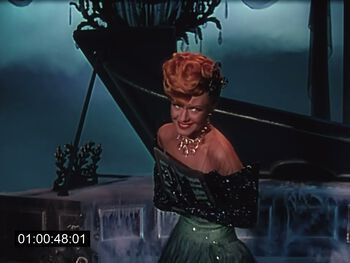
Now… what we see here is Ginger Rogers being chauffeured in the movie ‘Lady in the Dark’, which was filmed as early as 1943 – in colour. The movie’s trailer mentions: ‘Reflecting a new wizardry of lighting, photography and colour that the screen has never been able to achieve before’. We would have loved to see moving images of that heavily modified landaulet in colour, but could not find them. Any guesses what that much-modified landaulet really is?
Words: Jeroen Booij; Picture: Paramount Pictures
Published:
Thursday April 9th, 2026
Facebook
LinkedIn
Twitter
WhatsApp
Email
Copy
Comments
René Verbiest
12 April, 10:42
The fish scale paint was introduced in 1928 by LaSalle as a first in the USA. From 1929 it could be ordered for your Cadillac
Read more
Jeroen Booij
19 April, 12:30
But LaSalle and Cadillac were no paint manufacturers...
Read more
Clive Rigby
12 April, 07:08
Your mention of fish scale paint reminds me of a colleague who once worked for McClaren cars telling me stories of various clients’ expensive, idiosyncratic demands which included a customer in the jewellery business whose requirement was that his car be sprayed with a diamond dust paint. Apparently it was a nightmare as it kept clogging the spray guns. I was told that, despite the expense, it was not a great success aesthetically…
Read more
Peter Larsen
12 April, 06:17
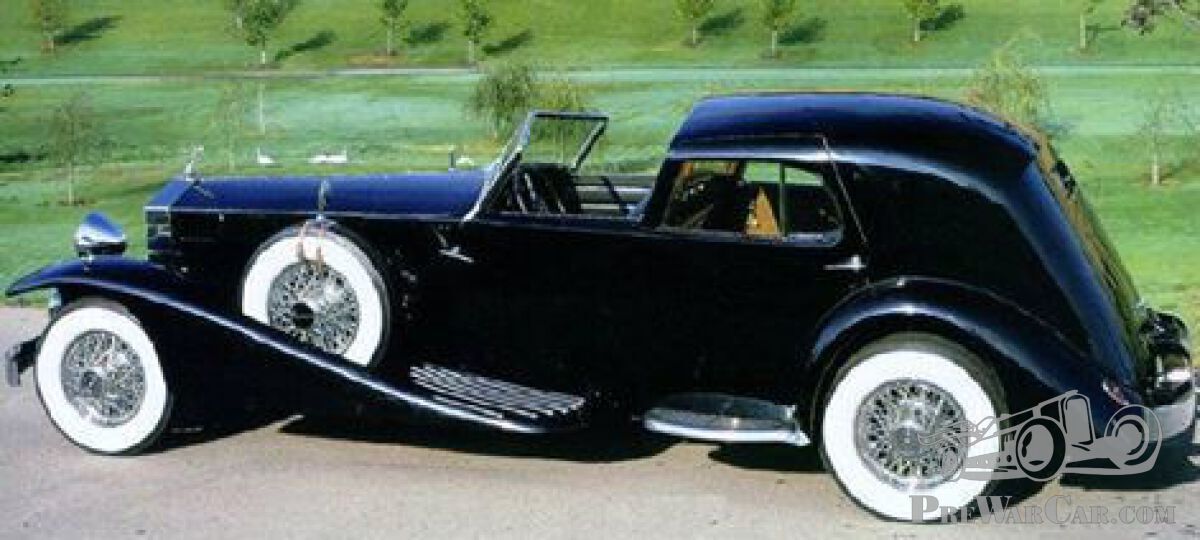
The car is the 1931 re-bodied Sedanca de Ville by Hibbard & Darrin (chassis 243AJS) for Countess di Frasso
Read more


Terry Cockerell
12 April, 01:44
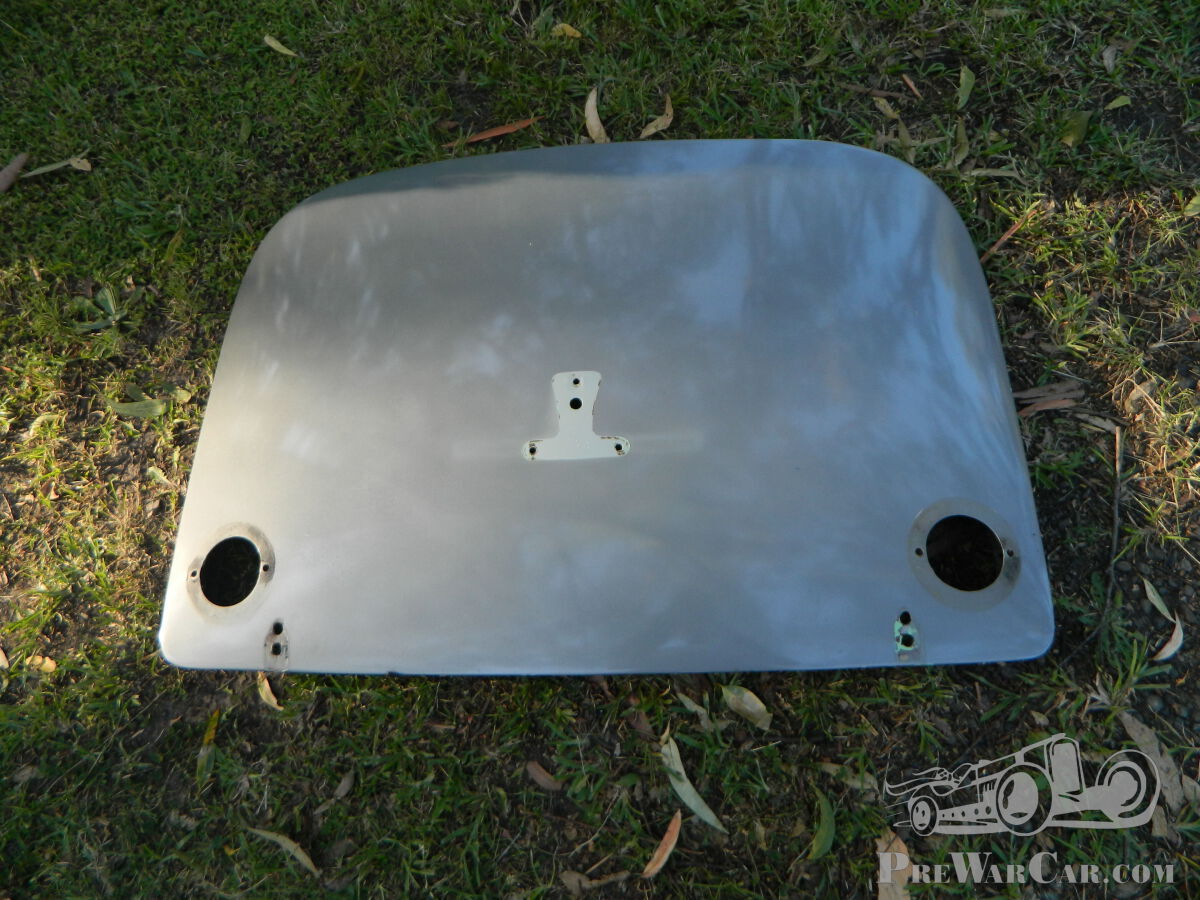
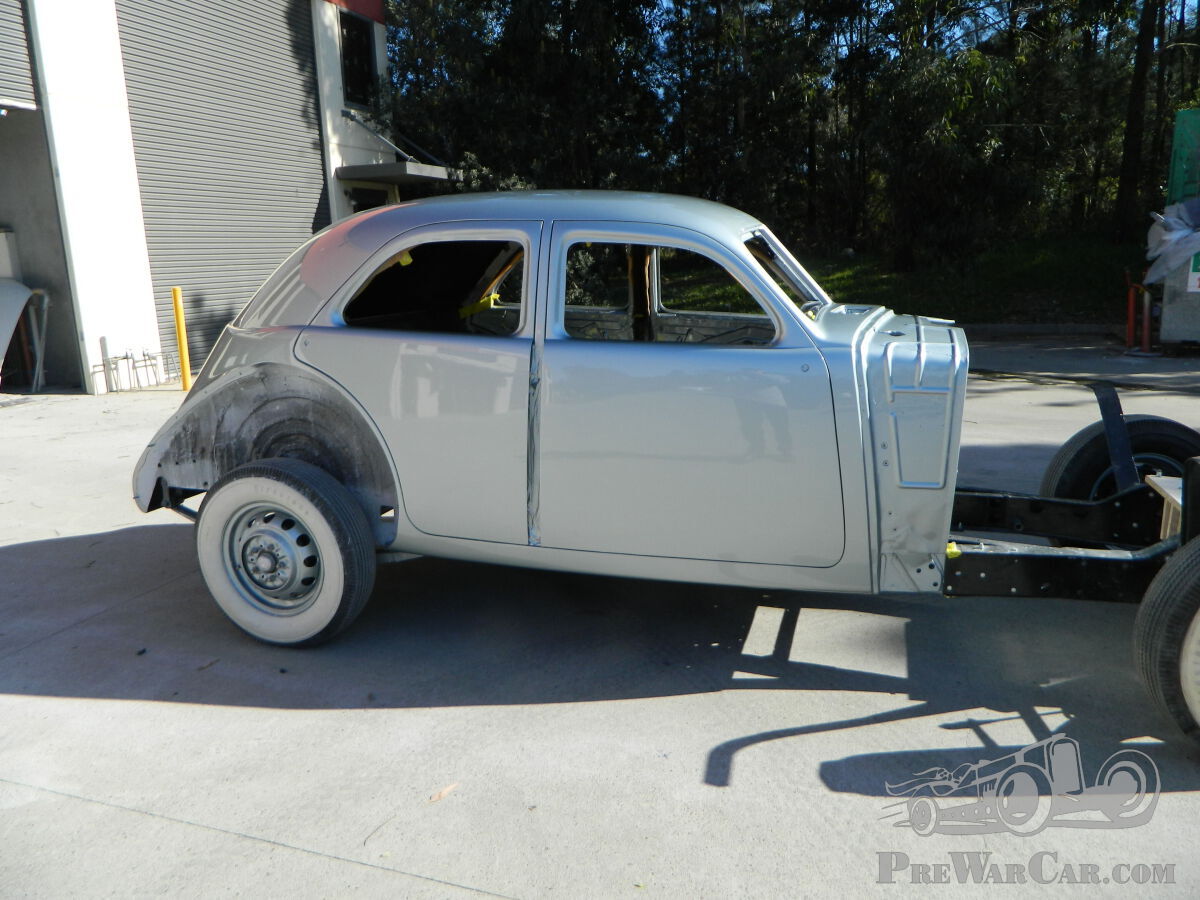
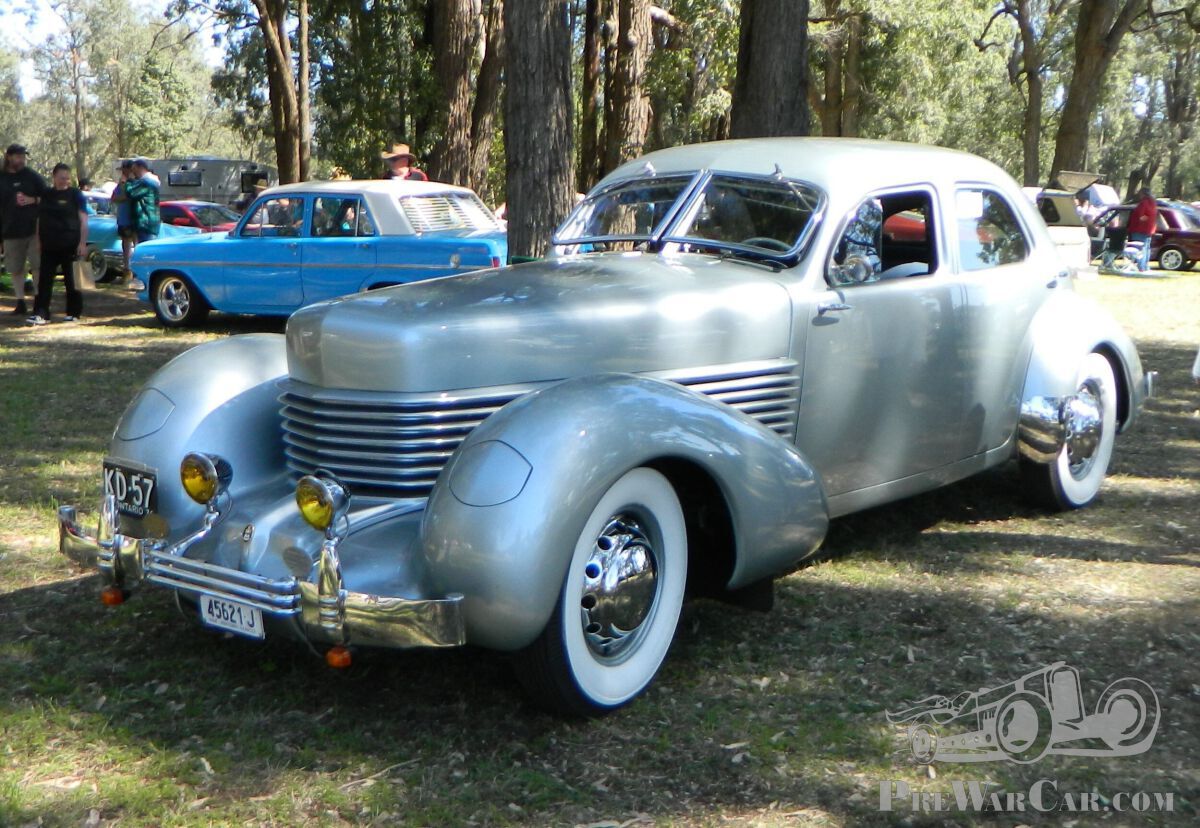
Yes, I can confirm that Fish Scales were used. I have a 1936 Cord 810 Westchester sedan that was originally painted with what the Auburn Factory called Cadet Grey. The paint had a luminescence caused by the reflection of light in the ground up Fish Scales.
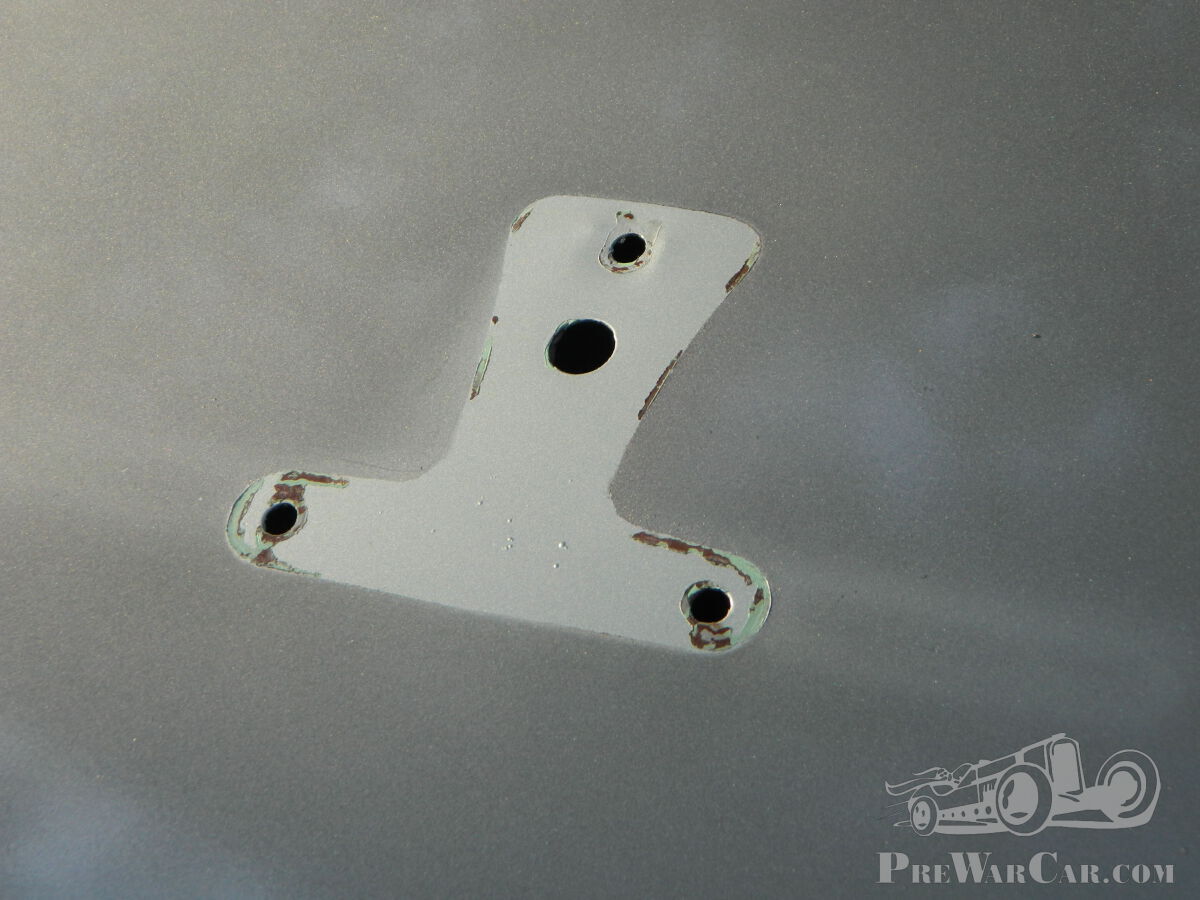
During the restoration I discovered a small patch of the original paint under the rear license plate light. It sparkled in the sunshine. This was despite the fact that the car had been repainted twice from new. That light housing had never been removed.
The patch was analyzed and reproduced with fine metal flakes. Samples of the paint were sent to senior members of the ACD Club in America for comment. They all agreed that it looked pretty good to them. One added that a blue tinge should be seen where panels change direction.
The blue tinges were there to be seen when the body was painted.
While researching the early ownership of the car I made contact with a lady who saw the car way back in 1936 when her aunt and uncle came to visit in their sparkling new car. She remembered the colour as in her words "Silvery blue." She was six years old in 1936. We were good email friends for about eight years. She passed away at the age of 95 just before Christmas 2025
Read more
During the restoration I discovered a small patch of the original paint under the rear license plate light. It sparkled in the sunshine. This was despite the fact that the car had been repainted twice from new. That light housing had never been removed.
The patch was analyzed and reproduced with fine metal flakes. Samples of the paint were sent to senior members of the ACD Club in America for comment. They all agreed that it looked pretty good to them. One added that a blue tinge should be seen where panels change direction.
The blue tinges were there to be seen when the body was painted.
While researching the early ownership of the car I made contact with a lady who saw the car way back in 1936 when her aunt and uncle came to visit in their sparkling new car. She remembered the colour as in her words "Silvery blue." She was six years old in 1936. We were good email friends for about eight years. She passed away at the age of 95 just before Christmas 2025