The global magazine and marketplace for classic car enthusiasts, by enthusiasts.


Filter
Make a choice:
- Cars
-
Make >>
-
Year >>
-
- Bikes
-
Location >>
- Parts & more
-
Make of car >>
-
Manufacturer >>
-
Category >>
- Bicycles & more
-
Year >>
-
Countries


Memories on two, three, and four Wheels: the story of Bob’s De Dion Bouton
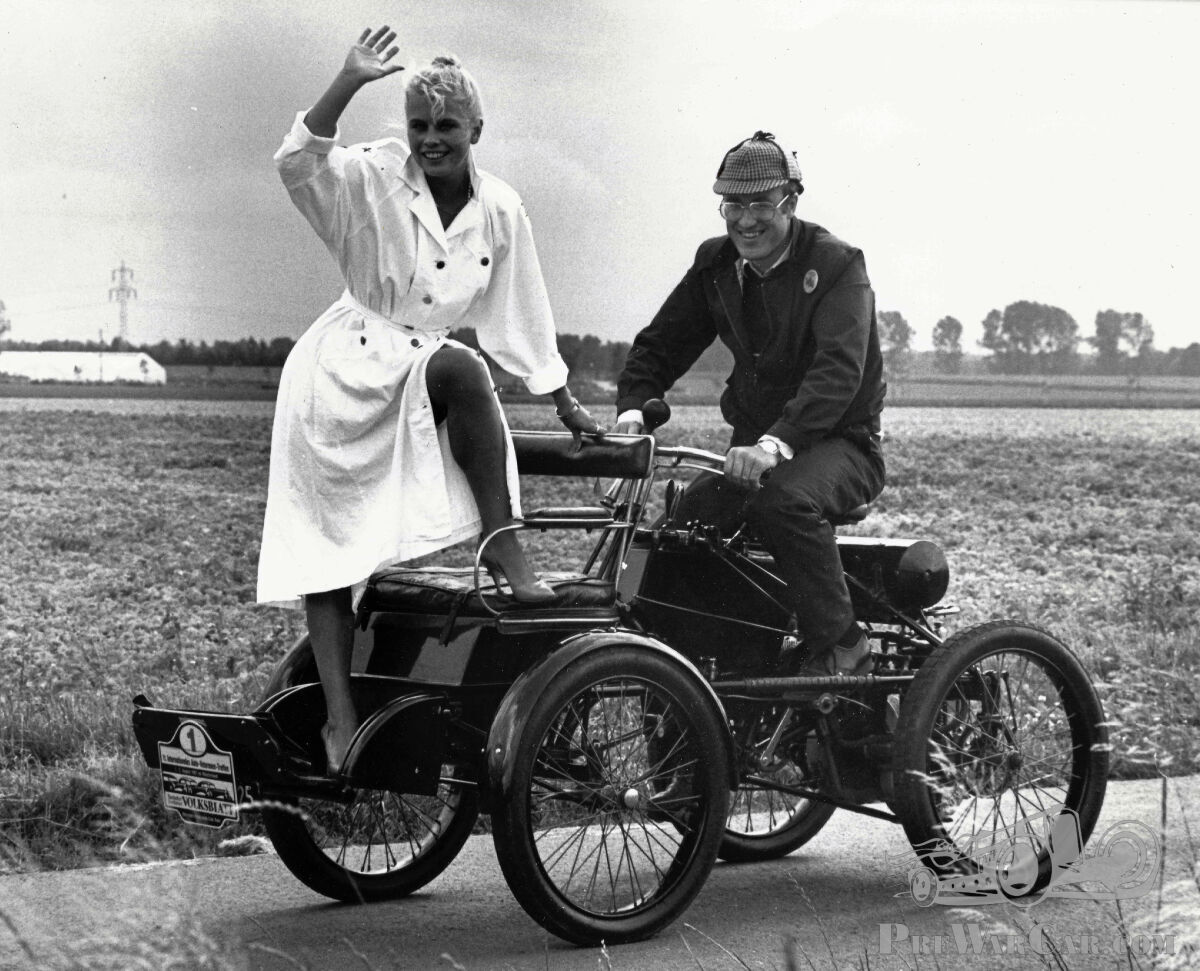
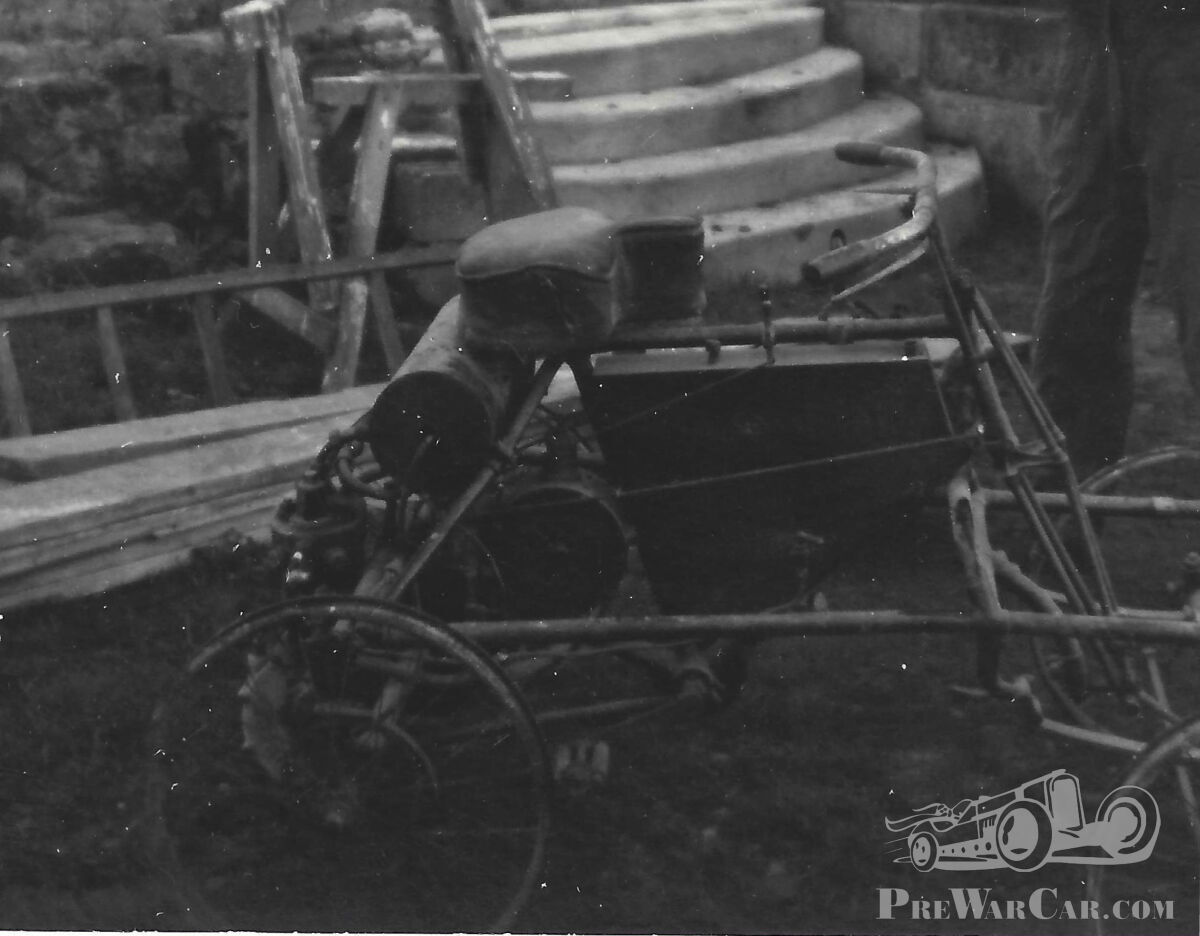
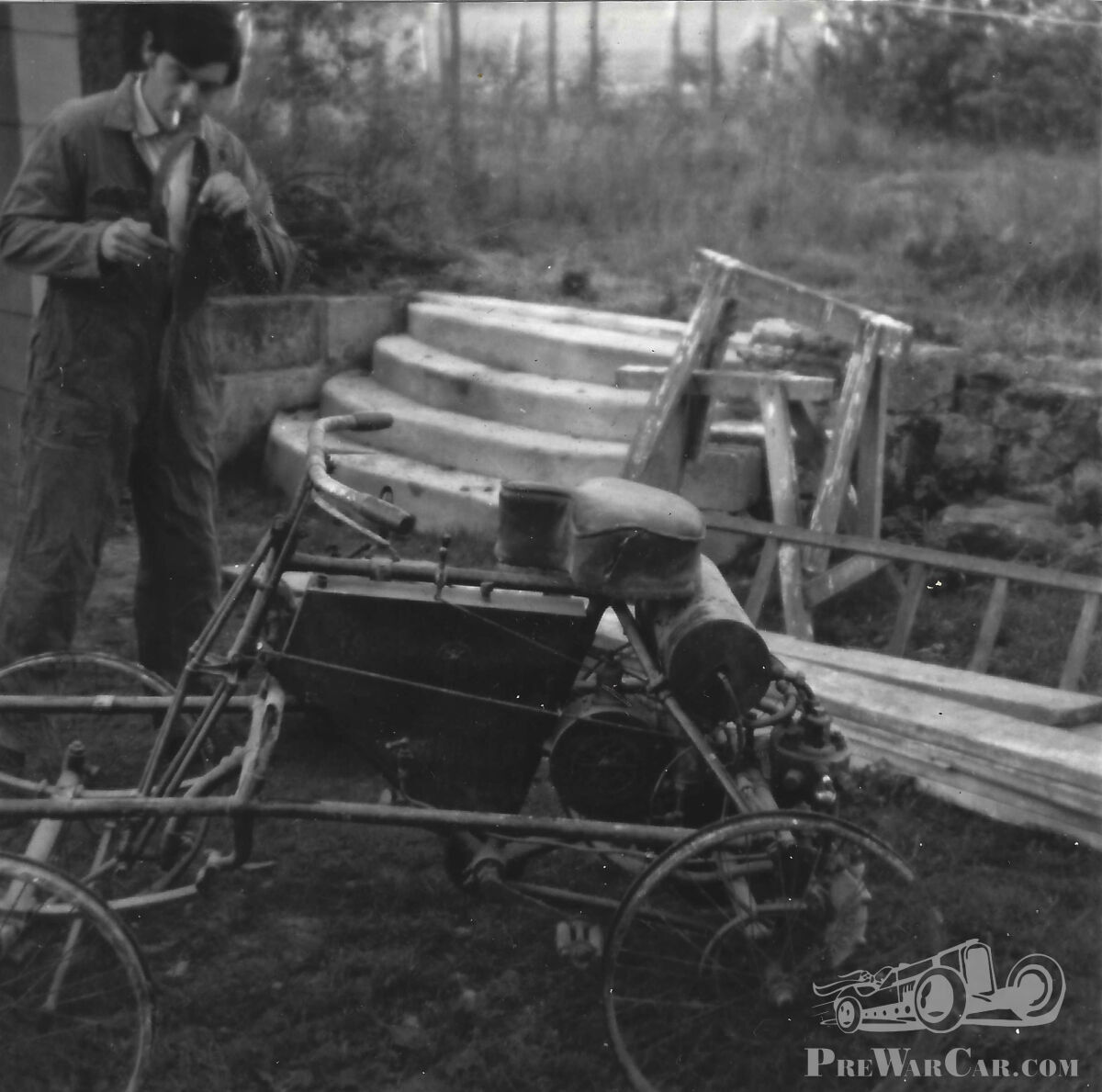
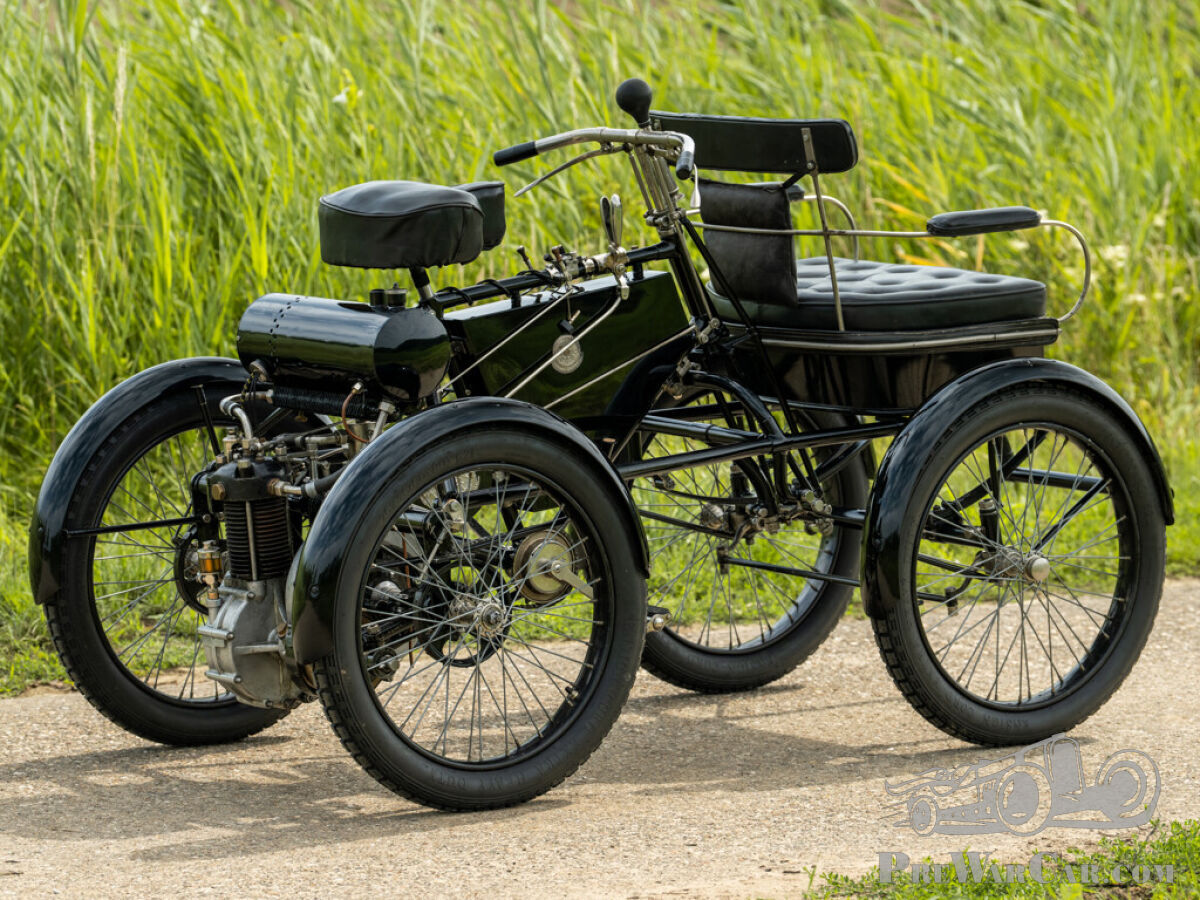
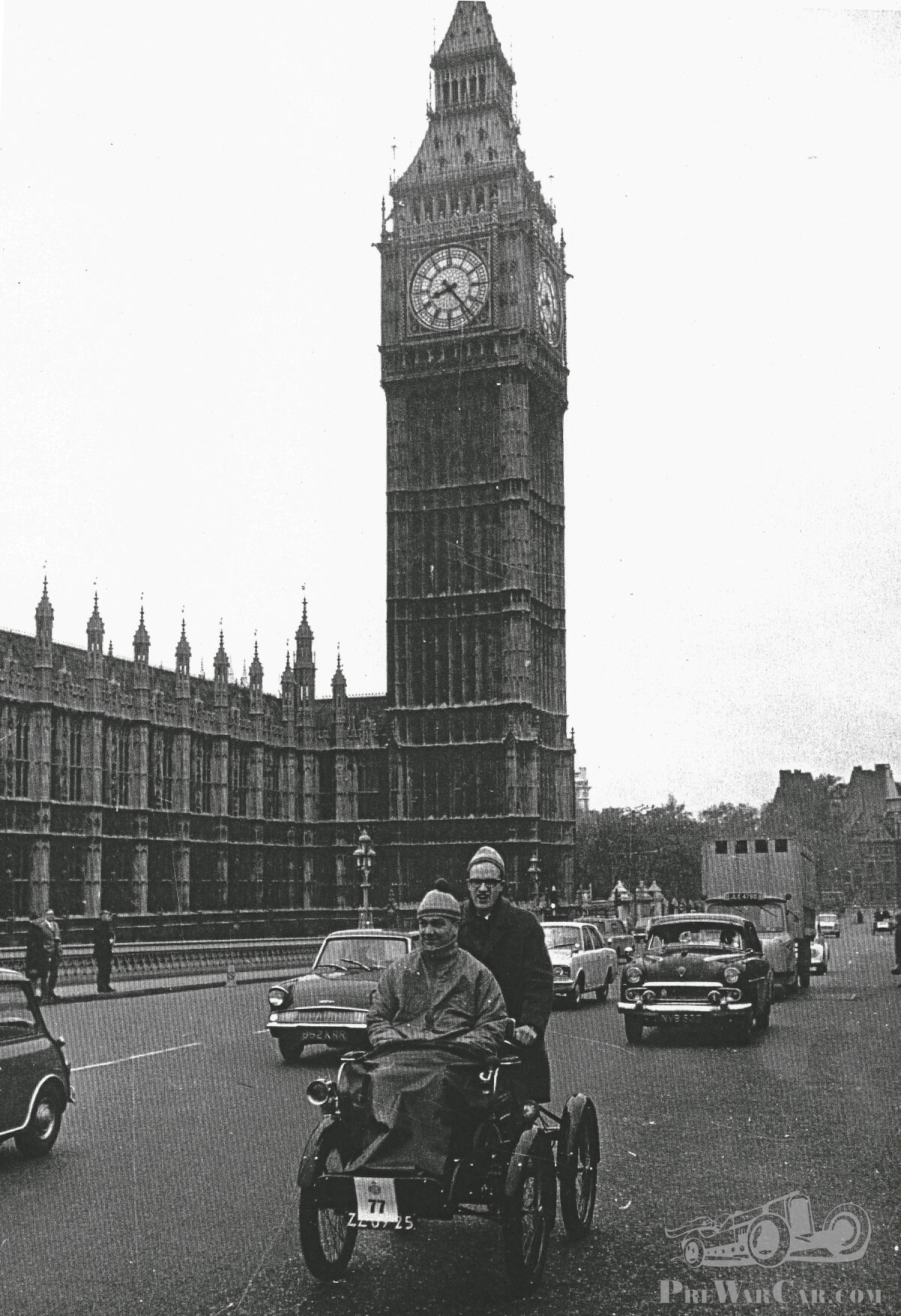
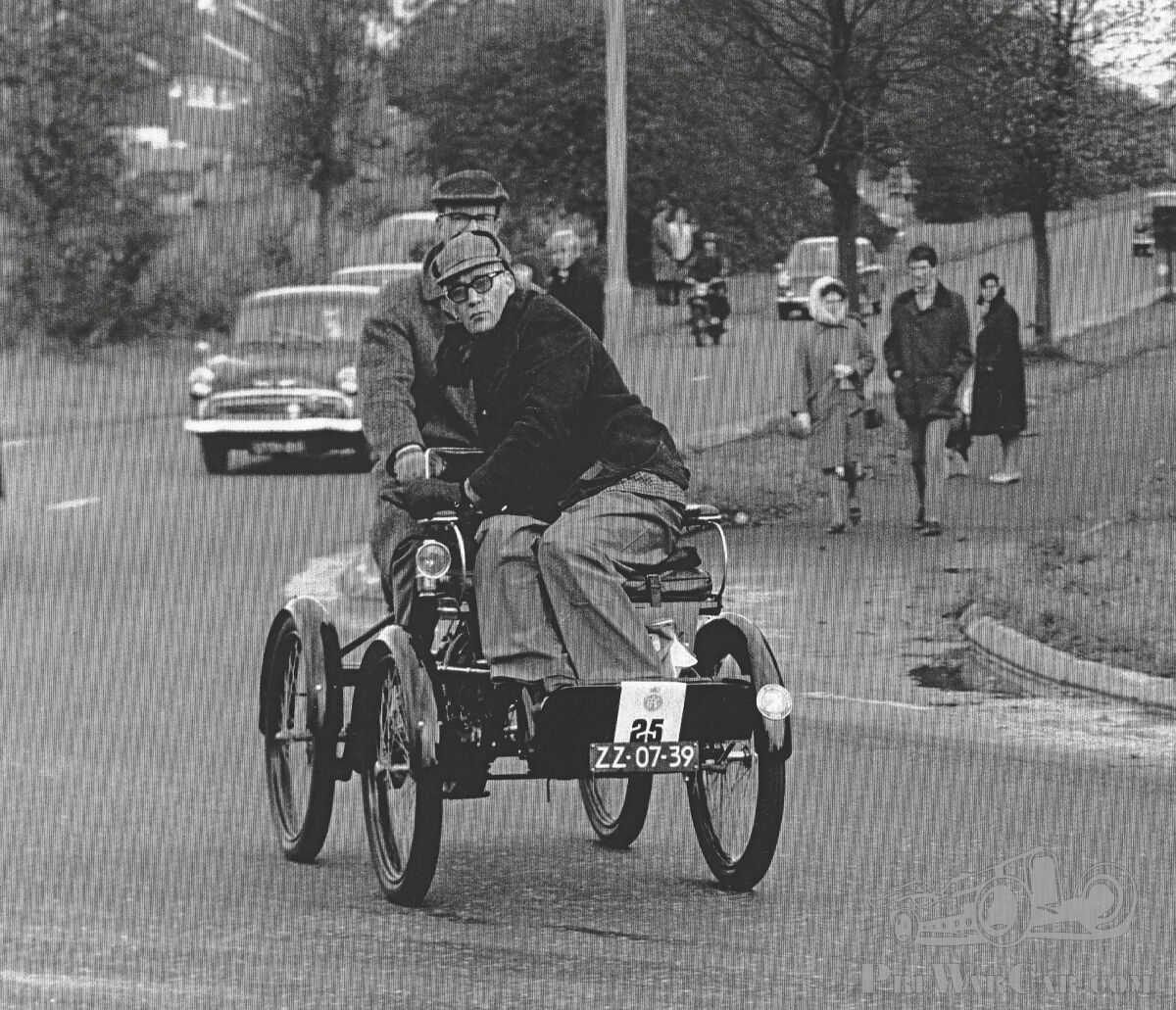
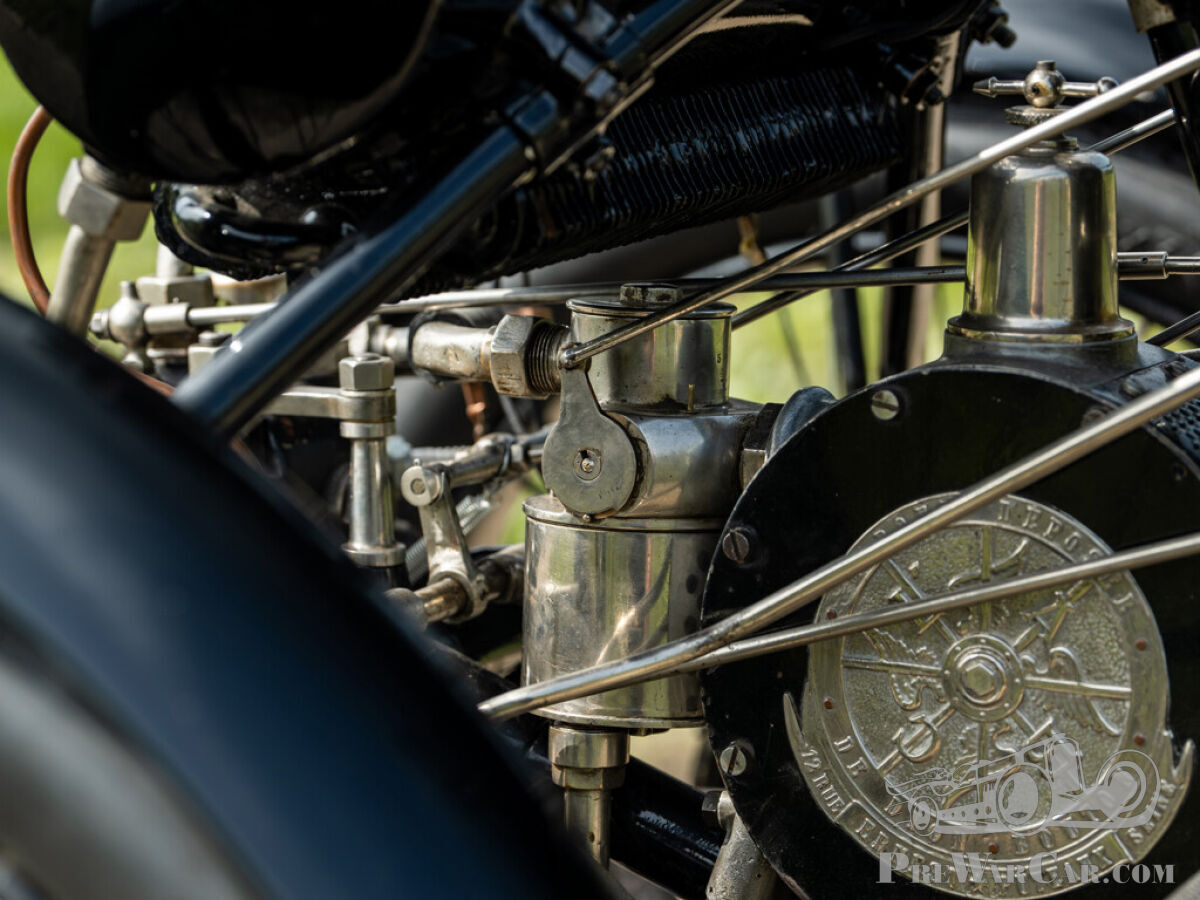
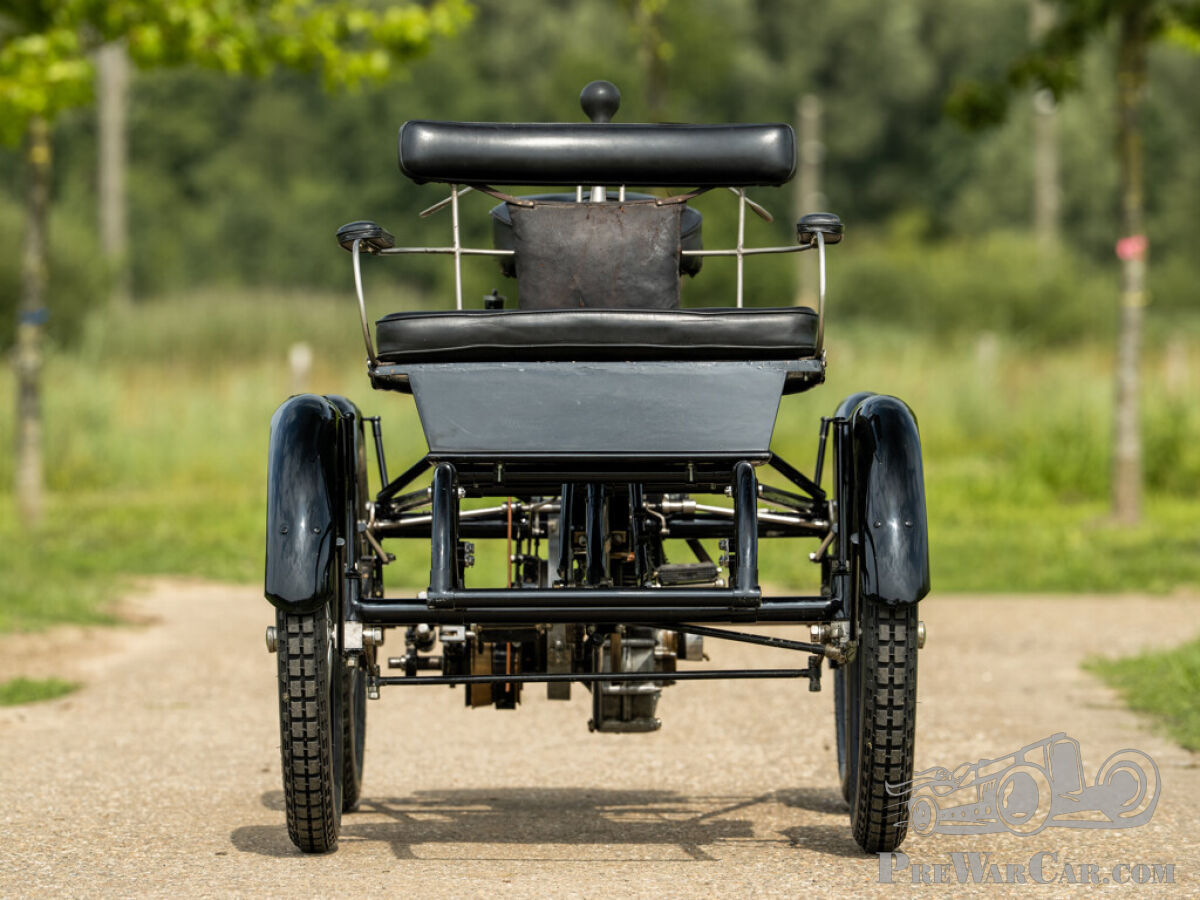
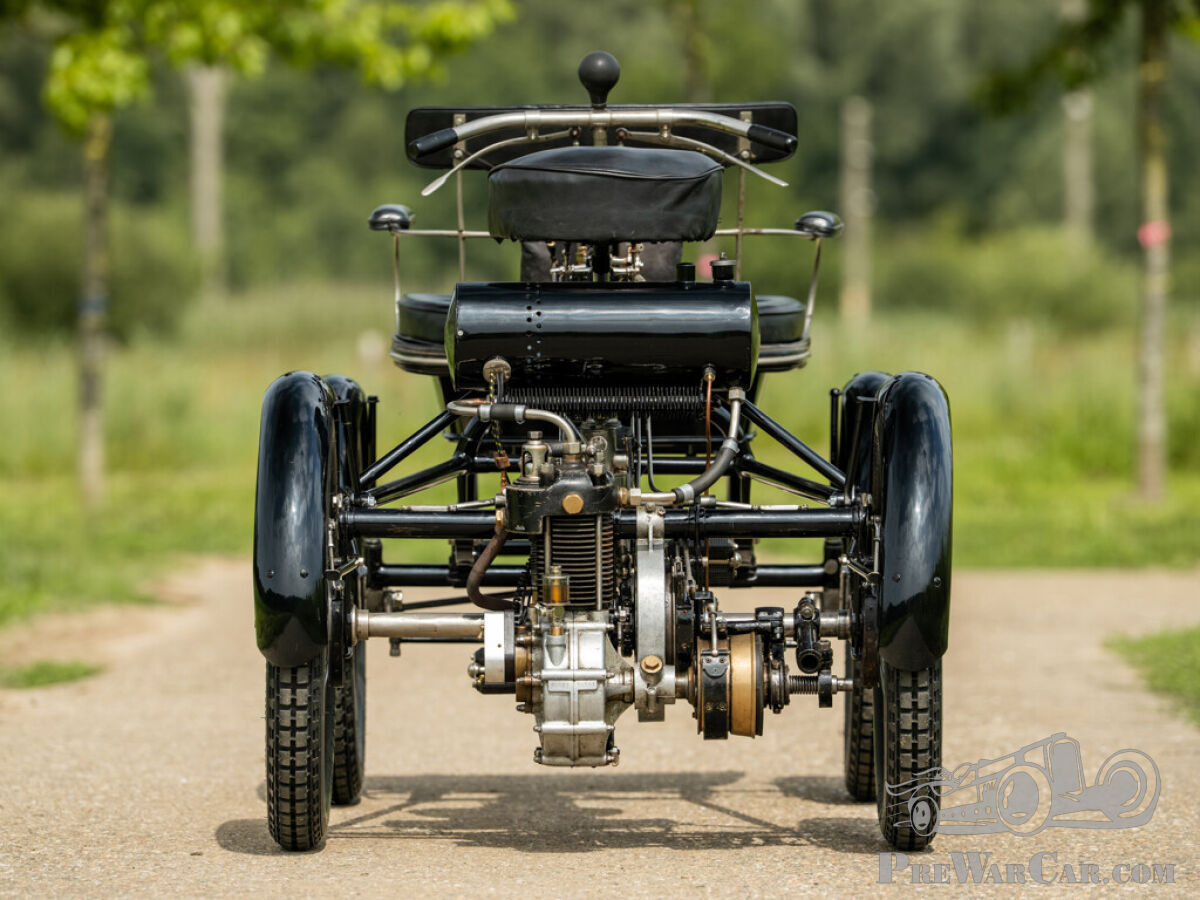
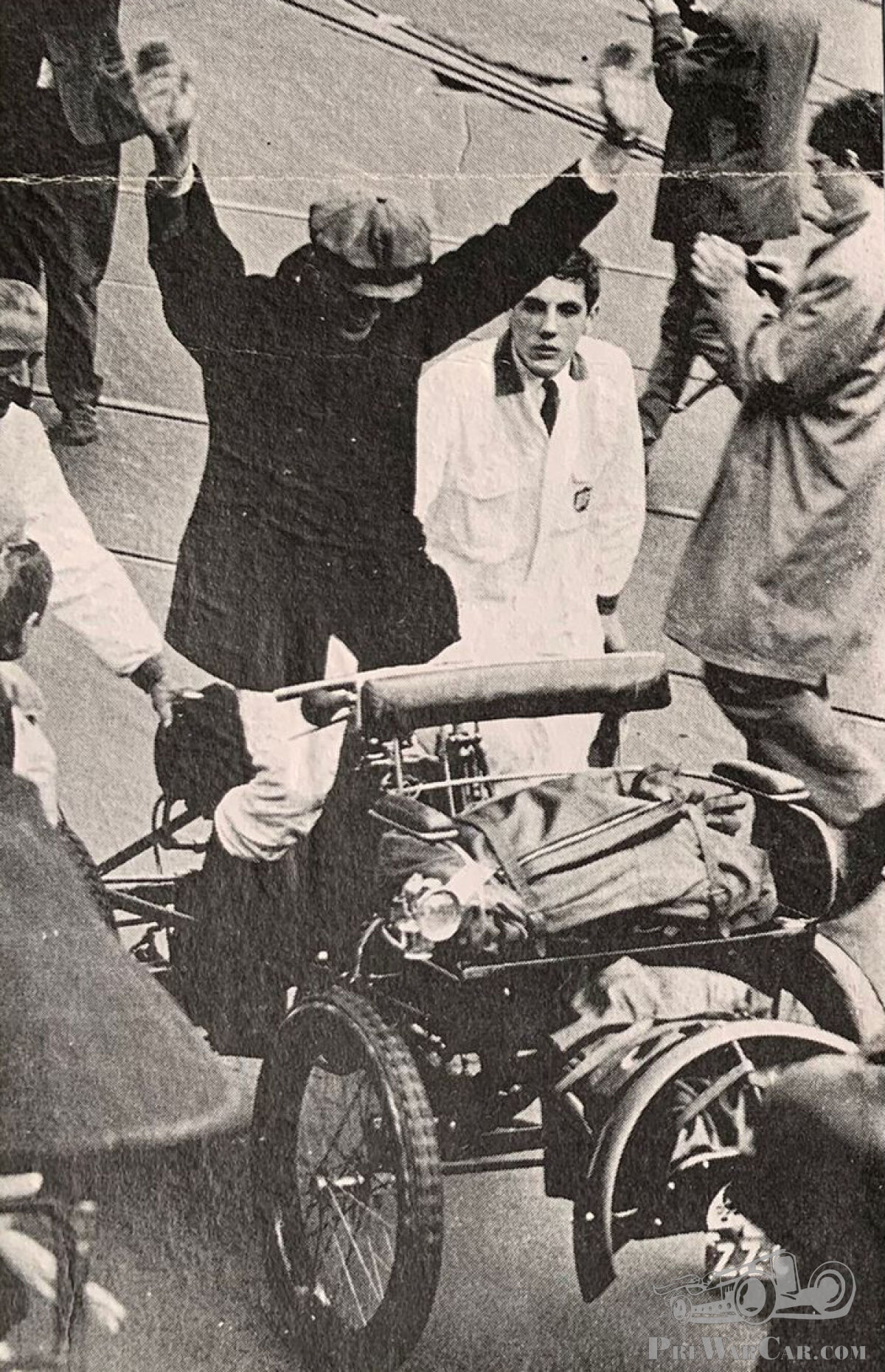
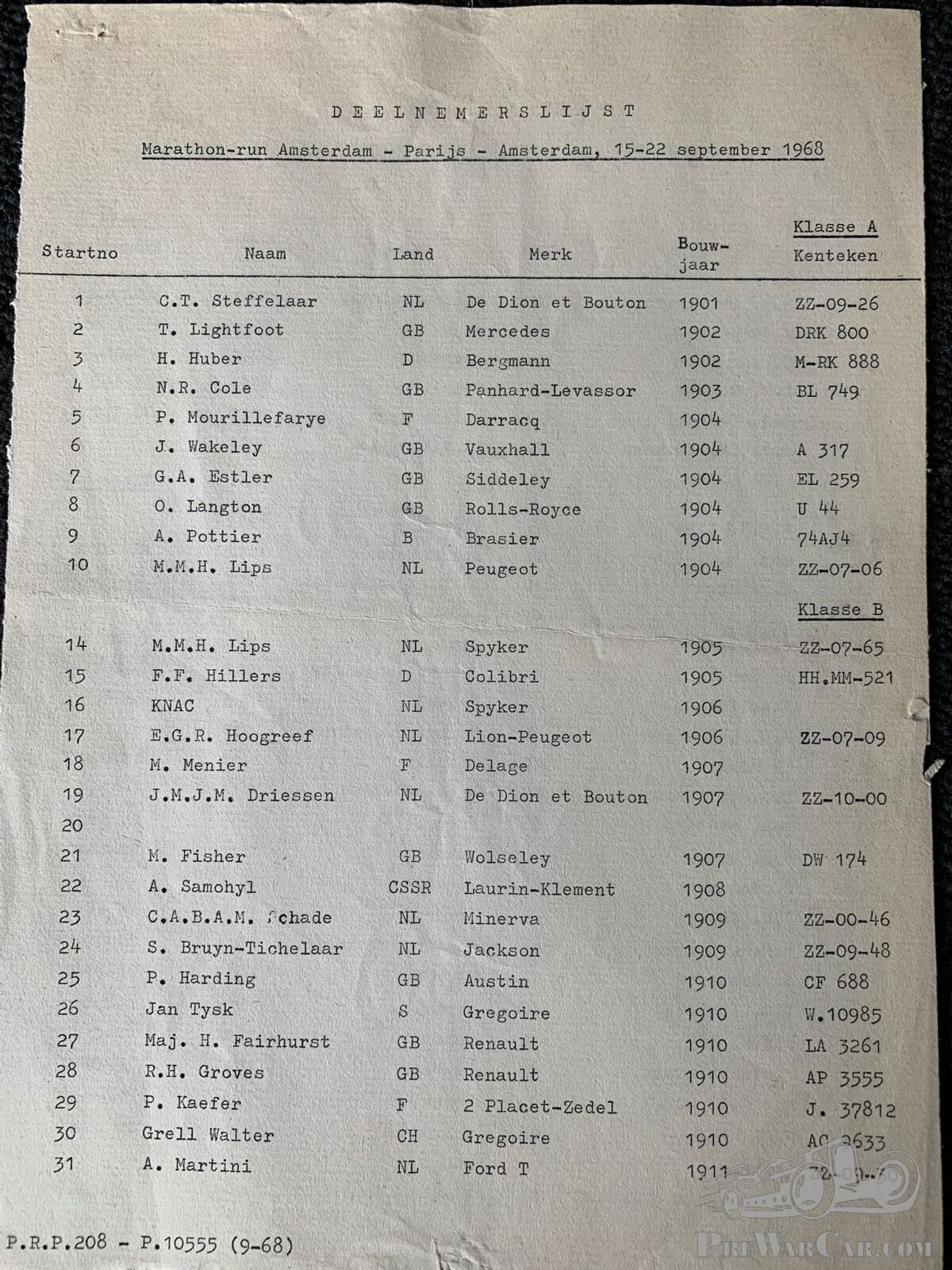
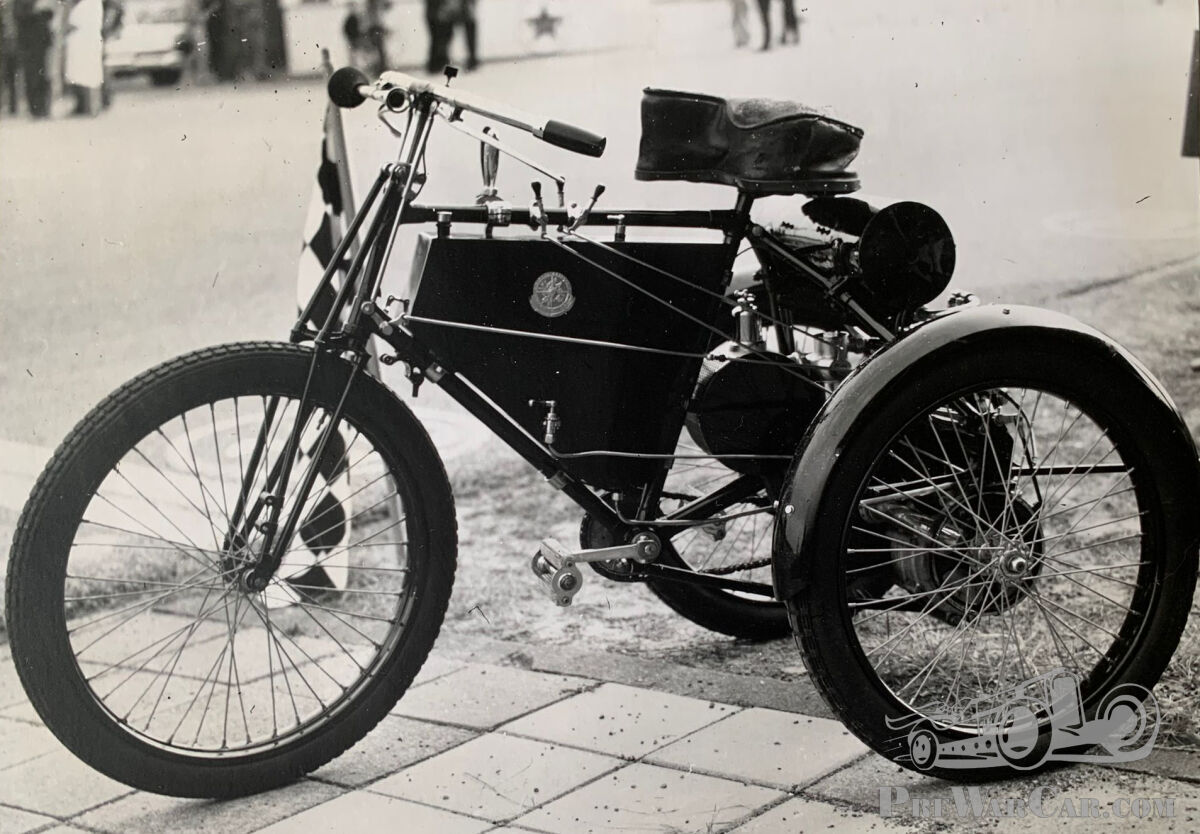


Growing up in the 1990s meant one thing for us: frequent trips to veteran car events. And at every single one, we would see a De Dion Bouton Quadricycle, driven by the ever-smiling Bob Steffelaar. It was an impressive machine. Bob drove it with passion and always managed to put on a show. Recently, we spotted this very De Dion Bouton in the RM Sotheby’s catalog—a perfect reason to dive deeper into its story.
A life with De Dion Bouton
Bob bought his 1901 De Dion Bouton back in the early 1960s, a purchase that would change his life. Many tricycles, quadricycles, and other early vehicles followed, but this Quadricycle always remained with him. He immersed himself in its history, even producing replacement parts for these pioneering machines. And most importantly—he used it for what it was built for: driving!
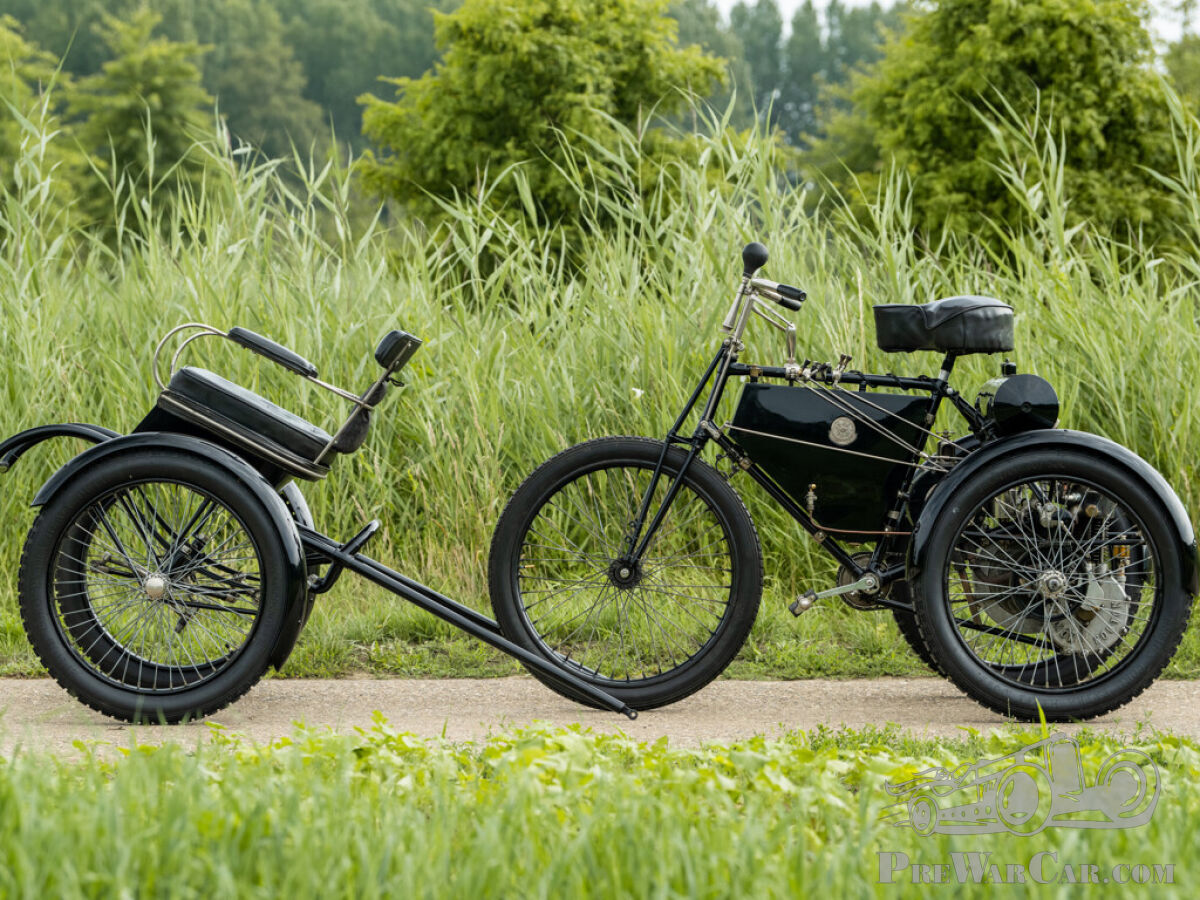
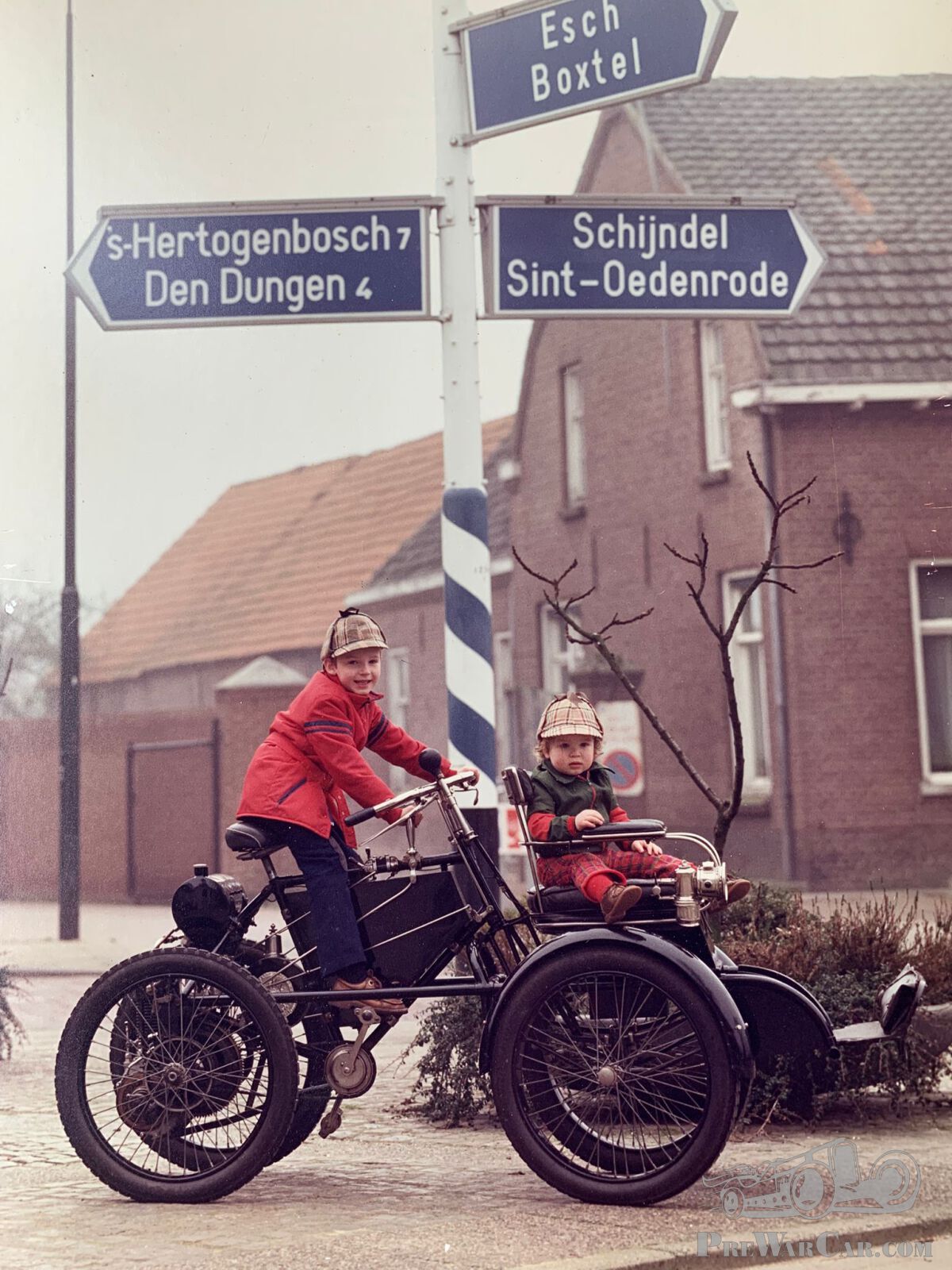
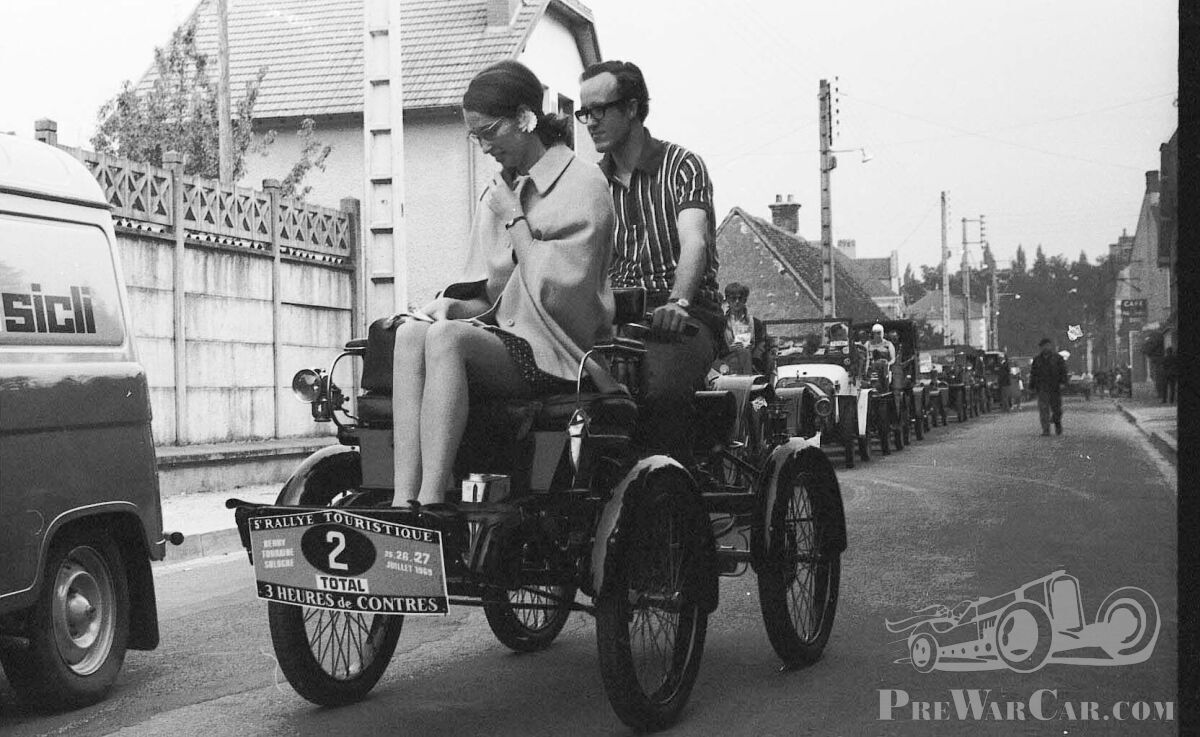
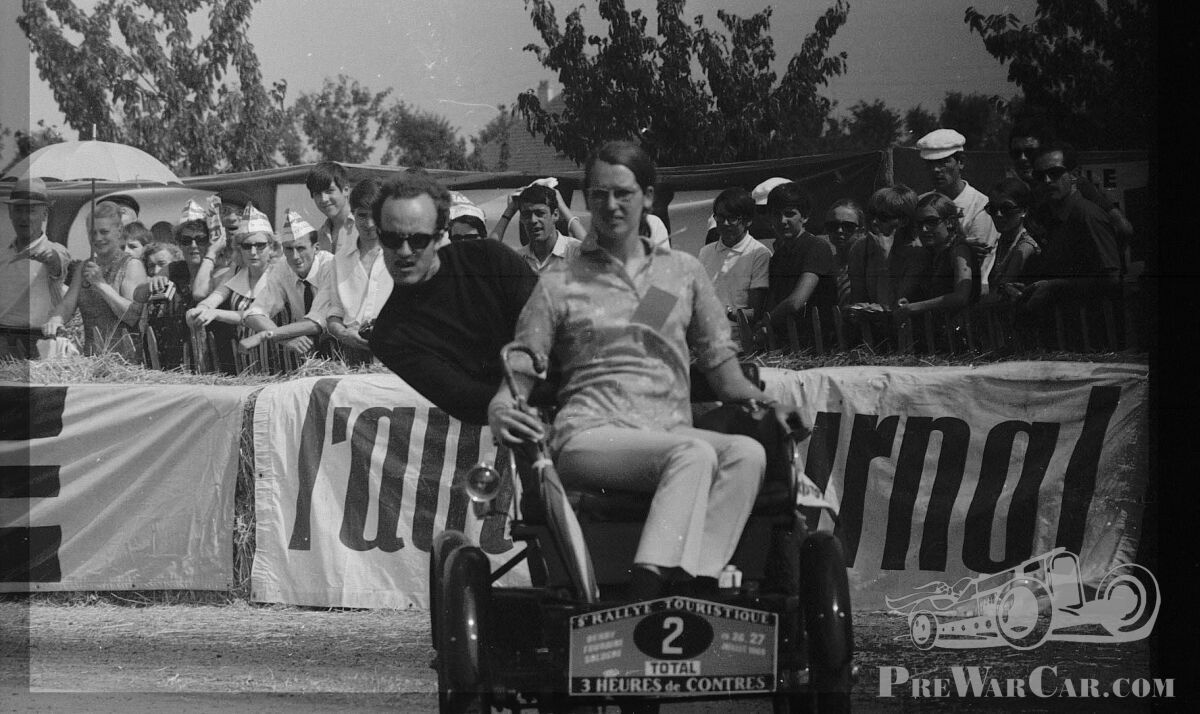
I call it a Quad, but in fact it is a Tricycle that, with four bolts, could be converted into a Quadricycle—an original De Dion Bouton feature. In my memory, Bob usually drove it in quad form, often with a passenger up front. My sisters regularly took that seat while Bob pushed the 2.75 hp engine to its limits. Leaning into corners on two wheels, climbing hills with ease, weaving through crowds—it all left a deep impression on me during events in France, the Netherlands, Belgium, and Germany.
At the London to Brighton Veteran Car Run, Bob was also a familiar sight. His Quad took part no fewer than 17 times. According to Bob, he covered more than 45,000 km on this De Dion Bouton—and when we spoke with his son, he believed the true figure was even higher.
Restoration
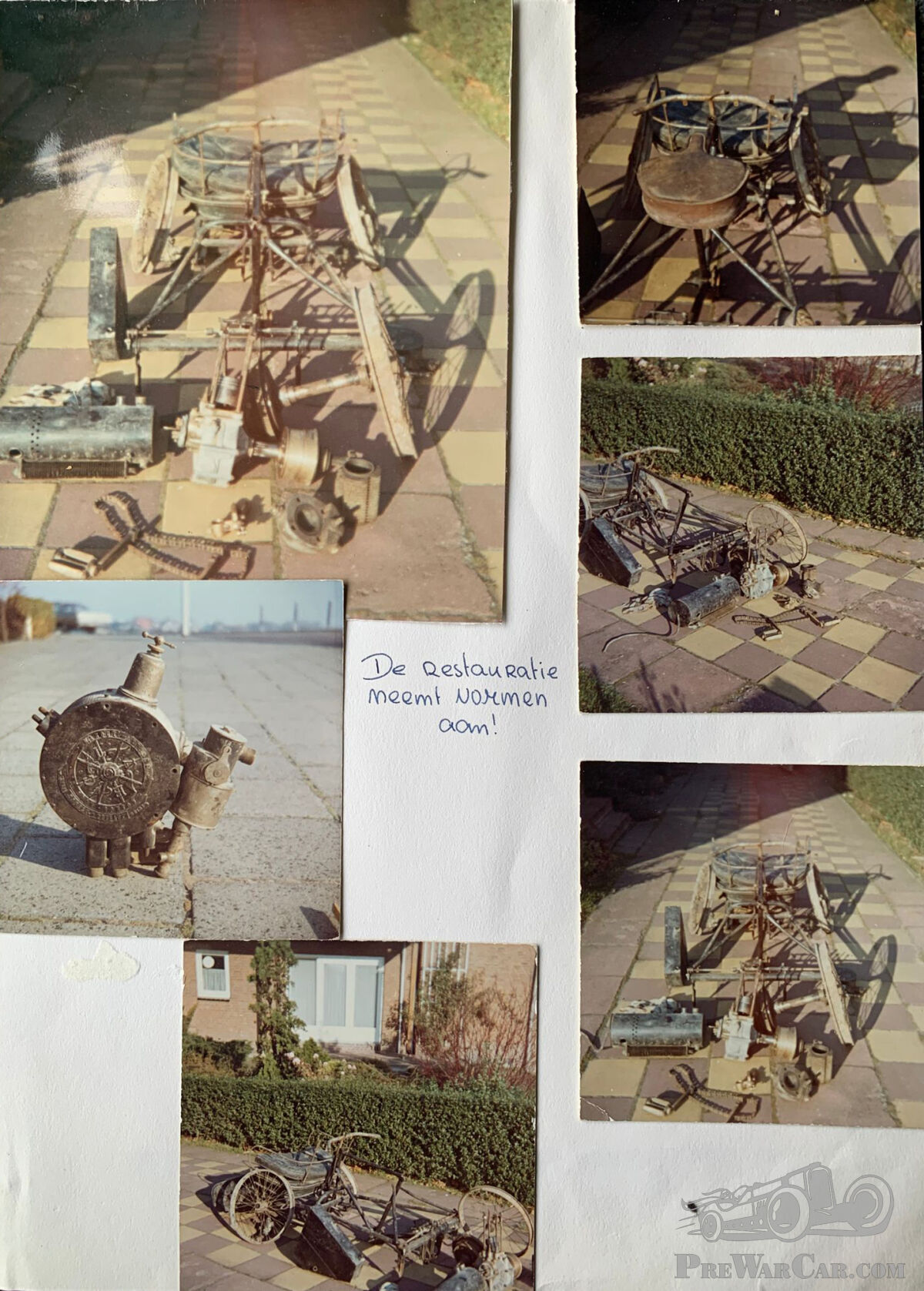
In 2015, Bob began a full restoration. The entire vehicle was dismantled, every part inspected, and where needed, rebuilt. After Bob’s passing, the machine went to a local specialist for the final adjustments and testing.
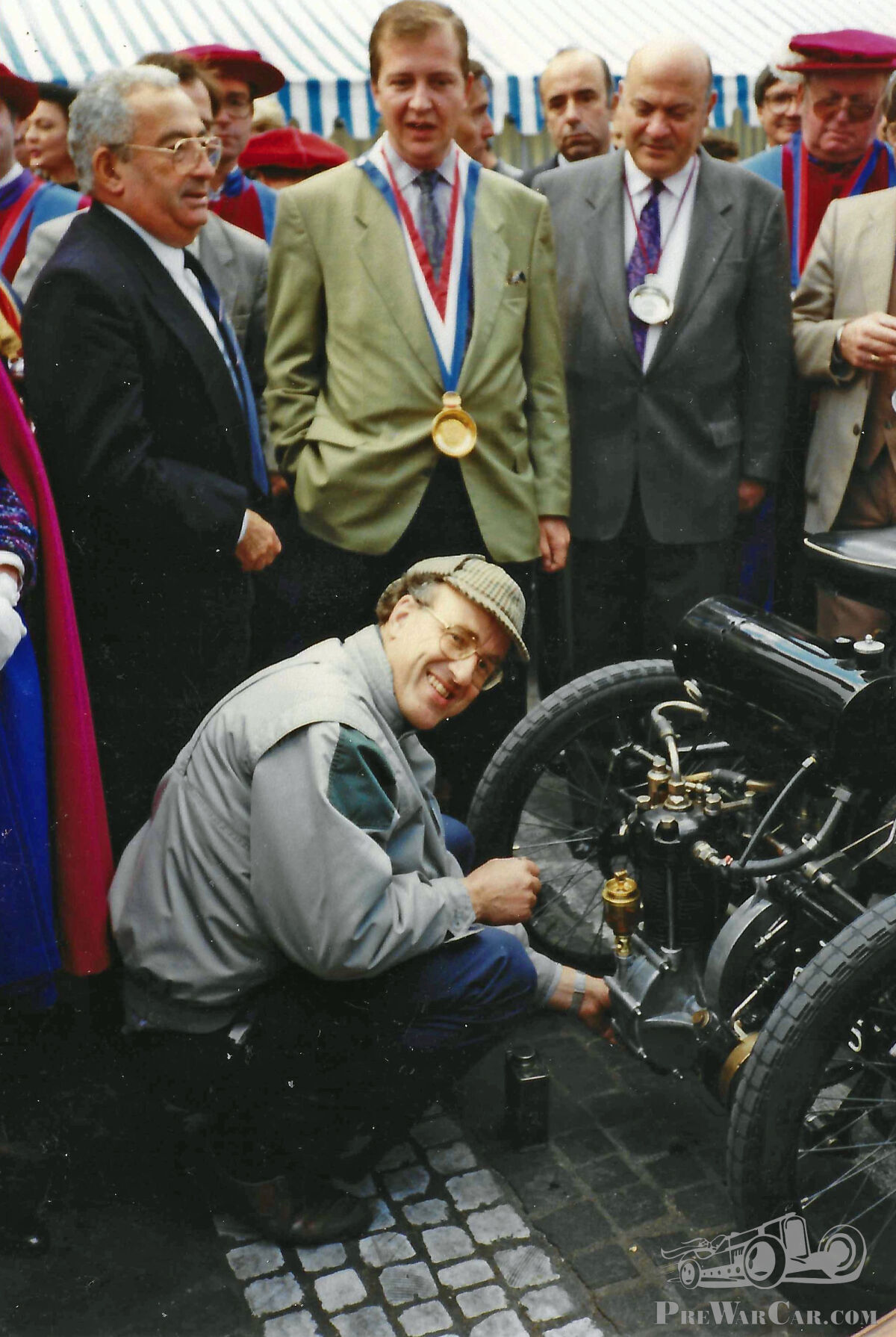
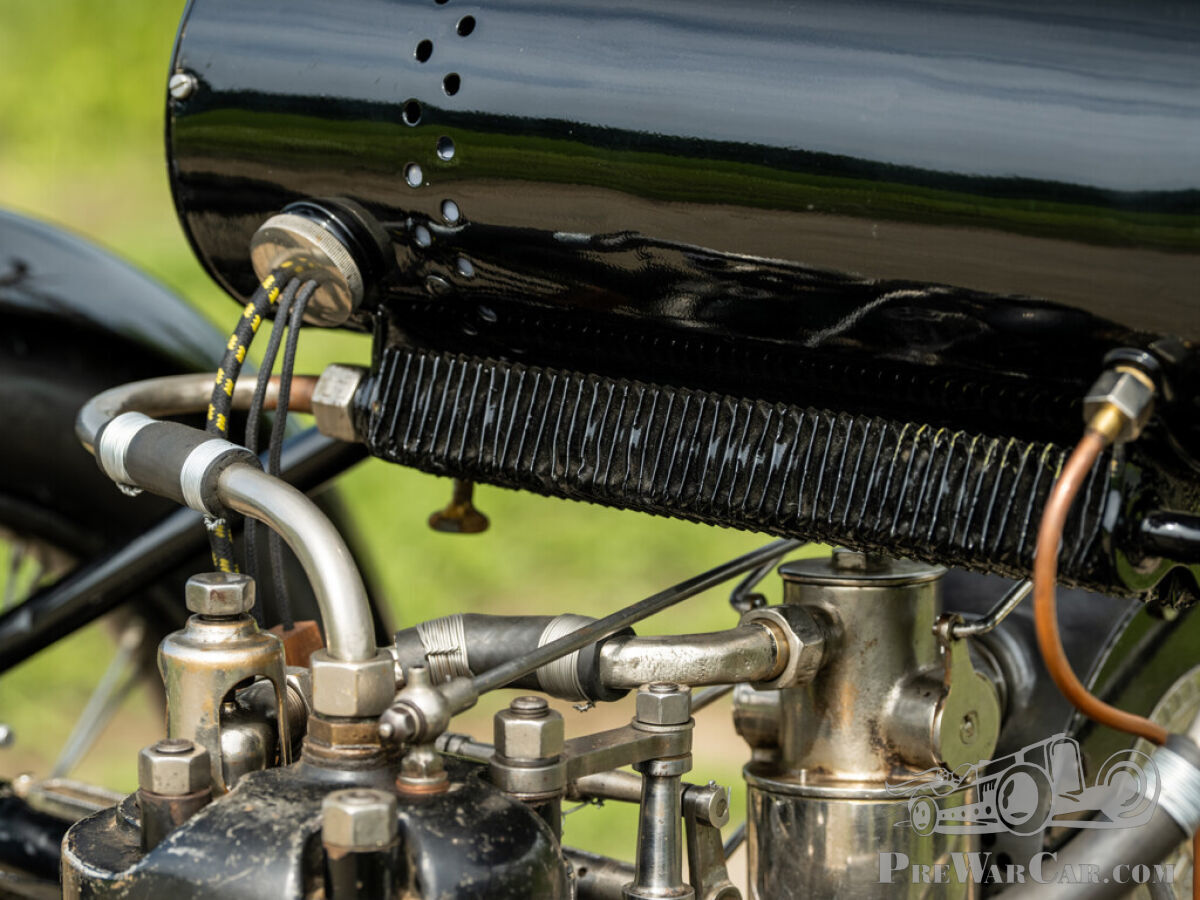
That was where we saw the De Dion Bouton again. The memories came rushing back. The mechanic explained how the Quadricycle had to be carried out of Bob’s living room first. “Luckily, most of the big jobs were already done; it was really just a matter of fine-tuning.” Every part proudly bears the De Dion Bouton logo, and all were inspected by expert Michael Edwards, who confirmed: “This is probably one of the best-known and most thoroughly used trikes I’ve ever seen. Everything we were able to check is correct and original.”
The starting ritual
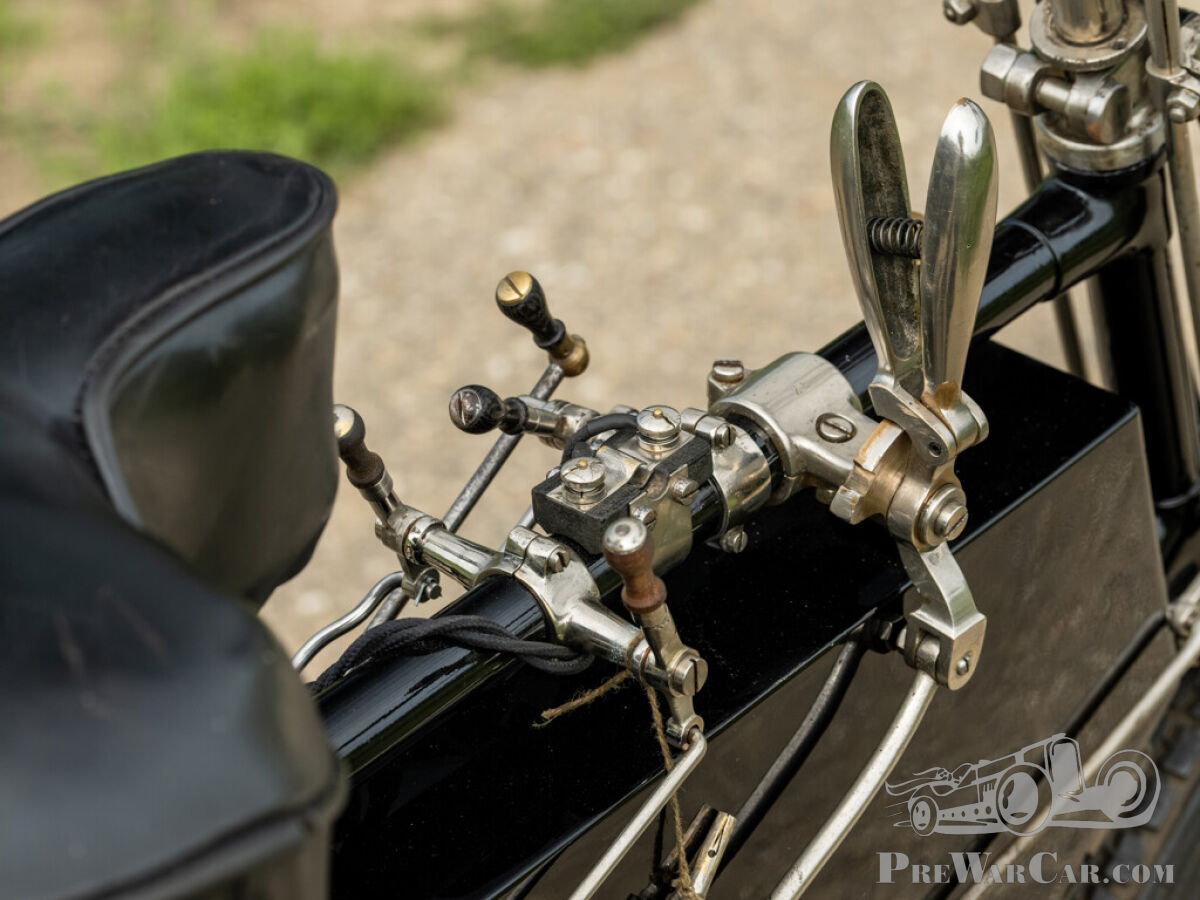
Then came the moment to start it up and take a drive myself. The process requires a few steps: the seasoned driver opens the decompressor, adjusts the throttle and ignition levers, switches on the ignition, and pushes the vehicle forward a few meters. The engine fires up immediately, followed by a nimble hop into the saddle—off you go—while at the same time closing the decompressor and fine-tuning throttle and ignition advance on the move.
For the less experienced driver—such as your editor—it’s wise to enlist a friendly pusher, so you can already be seated comfortably and take control the moment the engine comes to life. Thanks to the Bozier gearbox, it was less daunting than with earlier Tricycles we had tried: there was no sudden leap forward, as the engine can idle calmly in neutral thanks to the clutch.
Adjusting the fuel mixture using the levers on the tank did take some practice, but with a bit of guidance we soon got the hang of it. First corner: throttle back, retard ignition—smoothly done. Thankfully not on two wheels, though; that will take more attempts. Shifting up with the other lever on the tank brought more speed, and with it the adrenaline. At that moment we instantly understood why Bob never parted with this De Dion Bouton. I too came away with an unforgettable experience.
First time ever offered publicly
The 1901 De Dion Bouton Tricycle with its original Quadricycle conversion will be offered without reserve at RM Sotheby’s on Saturday, 1 November 2025. The lot includes an entry to the 2025 London to Brighton Veteran Car Run. For the new owner, guidance in driving and maintaining the De Dion Bouton can be arranged.
Text by Laurens Klein, photos from own archive, RM Sotheby's and Steffelaar family.
Details:
- RM Sotheby’s London Auction
- Date: 1 November 2025, 4:00 PM
- Location: The Peninsula Hotel, London
- See all listings >>
Published:
Wednesday October 22nd, 2025
Facebook
LinkedIn
Twitter
WhatsApp
Email
Copy
Comments


DESFOSSE Pierre-Jean
31 October 2025, 17:19
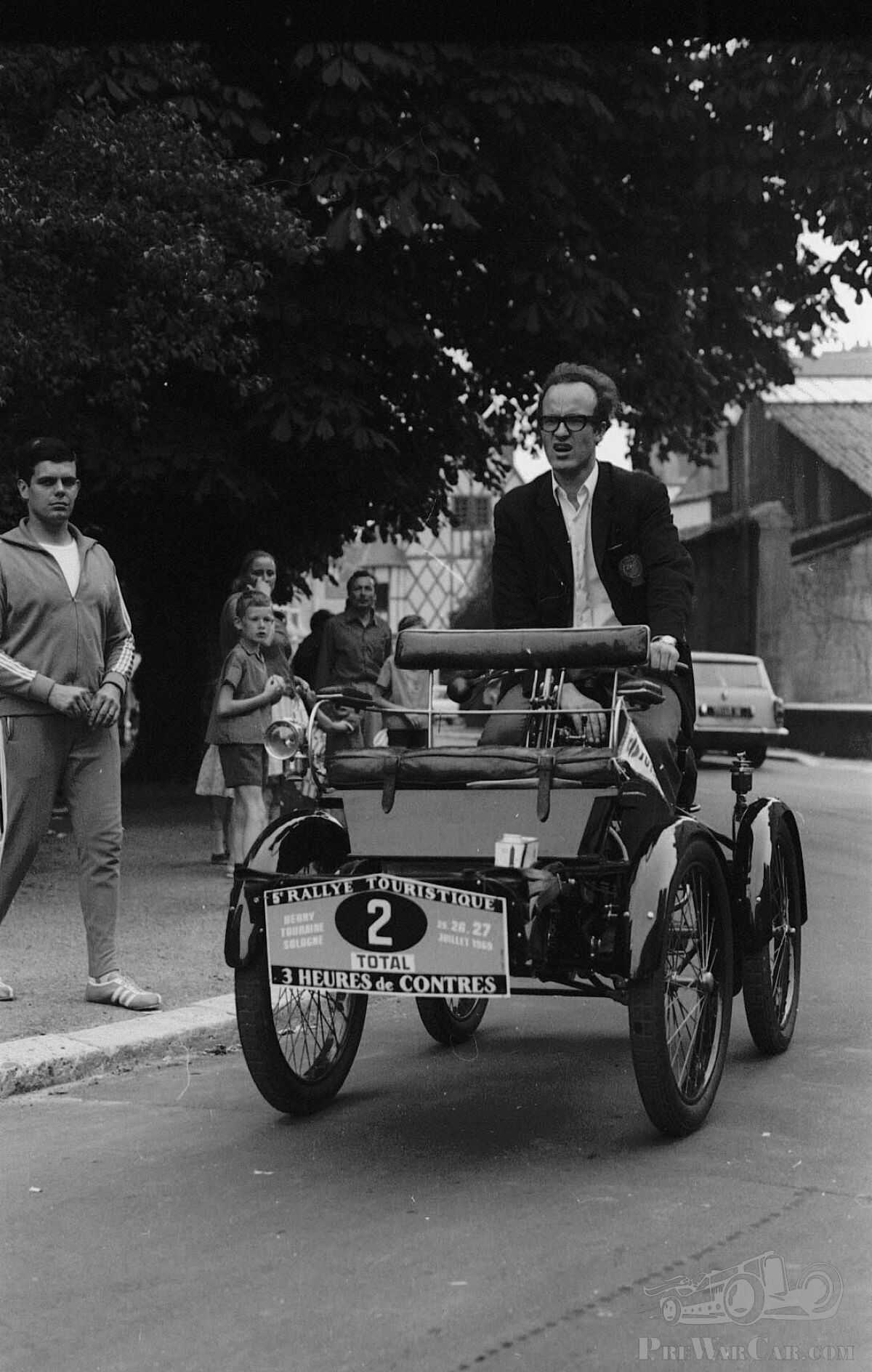
The first time I met Bob was in 1969 - 3 Heures de Contres Rallye - France. Just Yesterday !
Read more
Jos Cox
23 October 2025, 14:21
In 1984, Bob participated with this quadricycle in an Amilcar rally we organized in Eindhoven. Bob (formerly Kees) rode with me as a passenger in the front, comfortably seated, through the busy city traffic. At a traffic light, we stopped next to a city bus. All the passengers on the bus stood to one side and looked down at us, causing the bus to lean. The driver looked out the side window, and Bob (formerly Kees) said, "A race?" When the light turned green, the unbelievable happened. Bob started pedaling like crazy, and the quadricycle actually kept pace with the bus for a few meters. And the passengers burst into applause. I'd never had a motorsport experience like this again...
Read more