The global magazine and marketplace for classic car enthusiasts, by enthusiasts.


Filter
Make a choice:
- Cars
-
Make >>
-
Year >>
-
- Bikes
-
Location >>
- Parts & more
-
Make of car >>
-
Manufacturer >>
-
Category >>
- Bicycles & more
-
Year >>
-
Countries


Heroes of Sitges-Terramar - don’t try this yourself
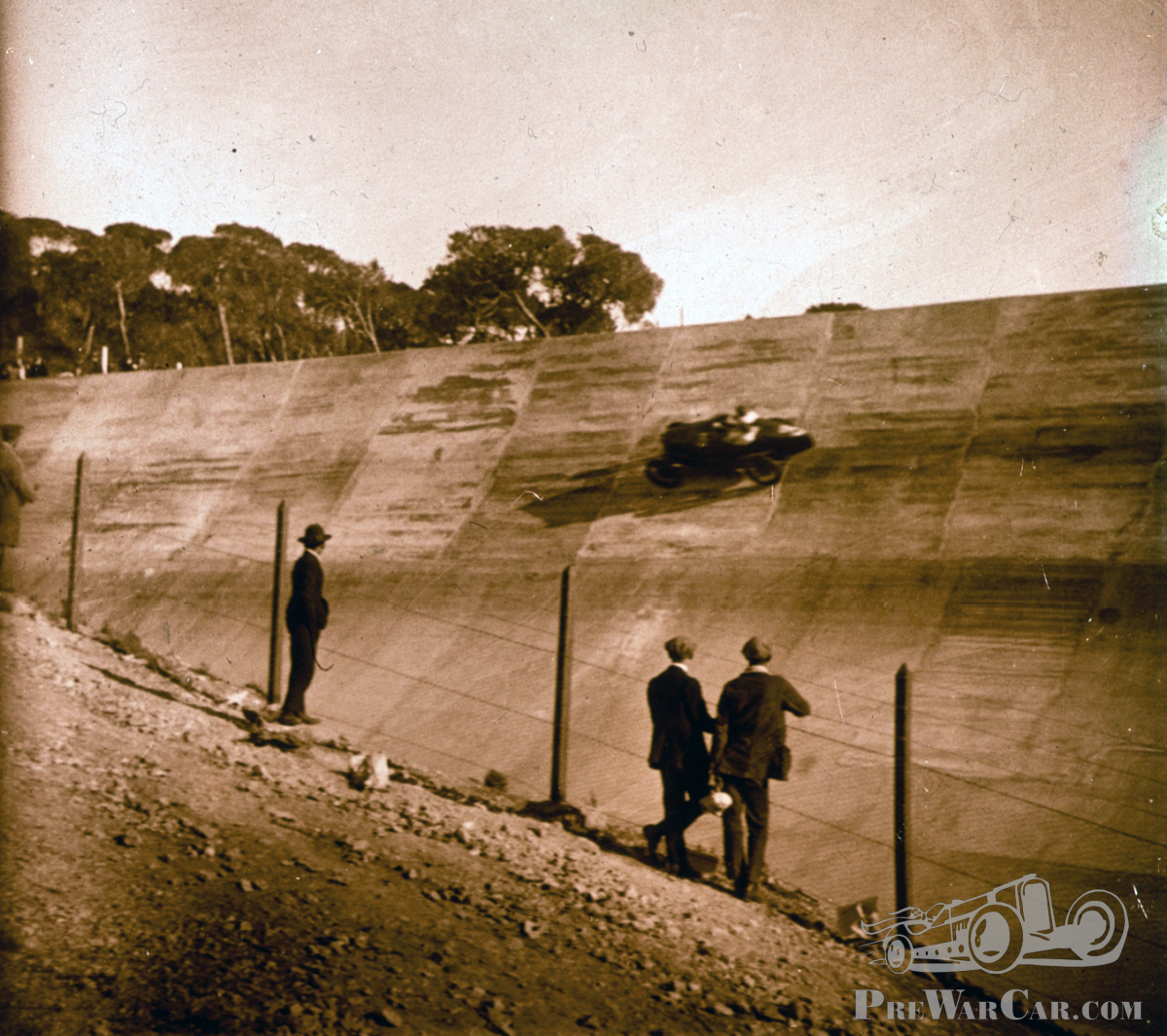
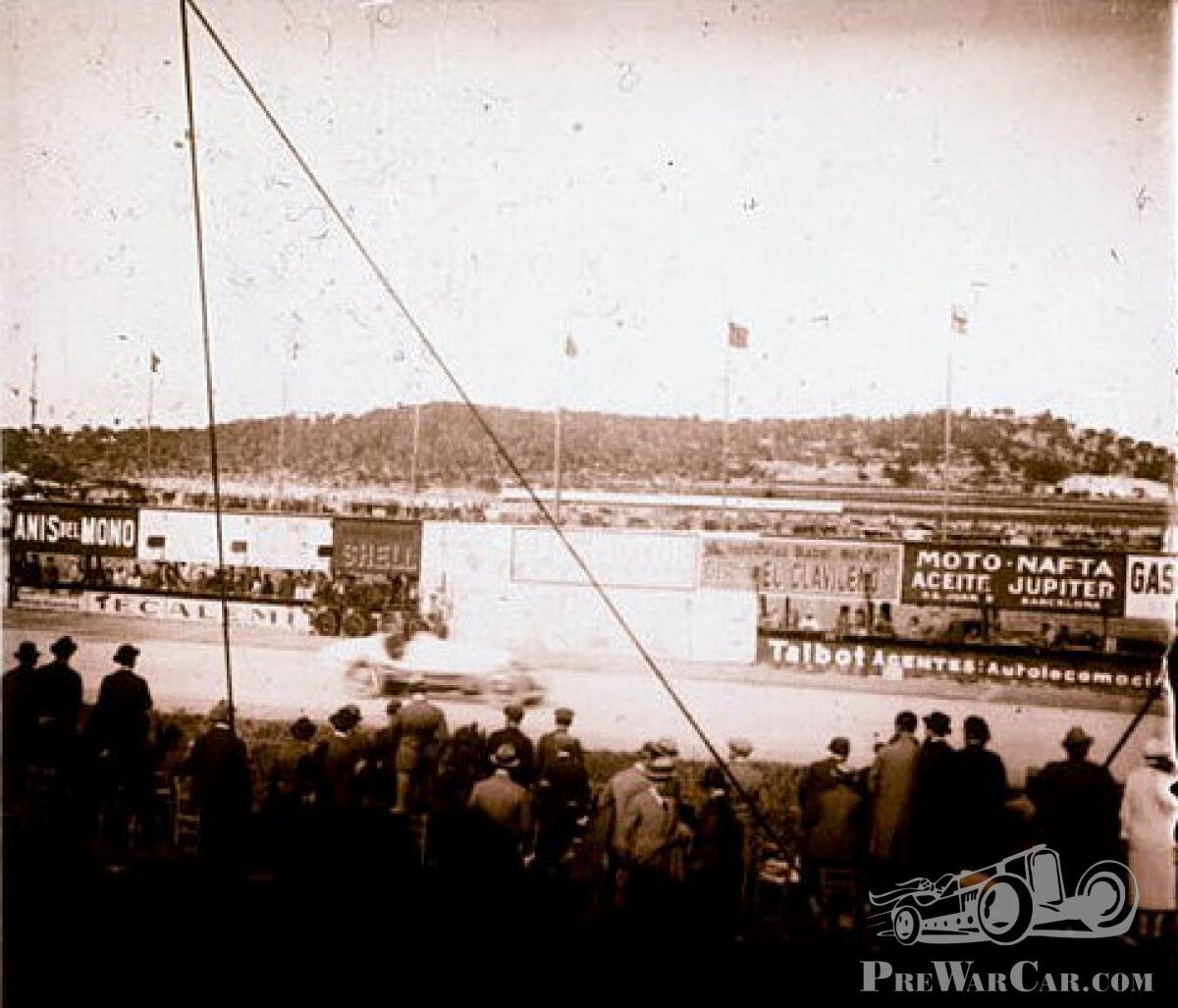


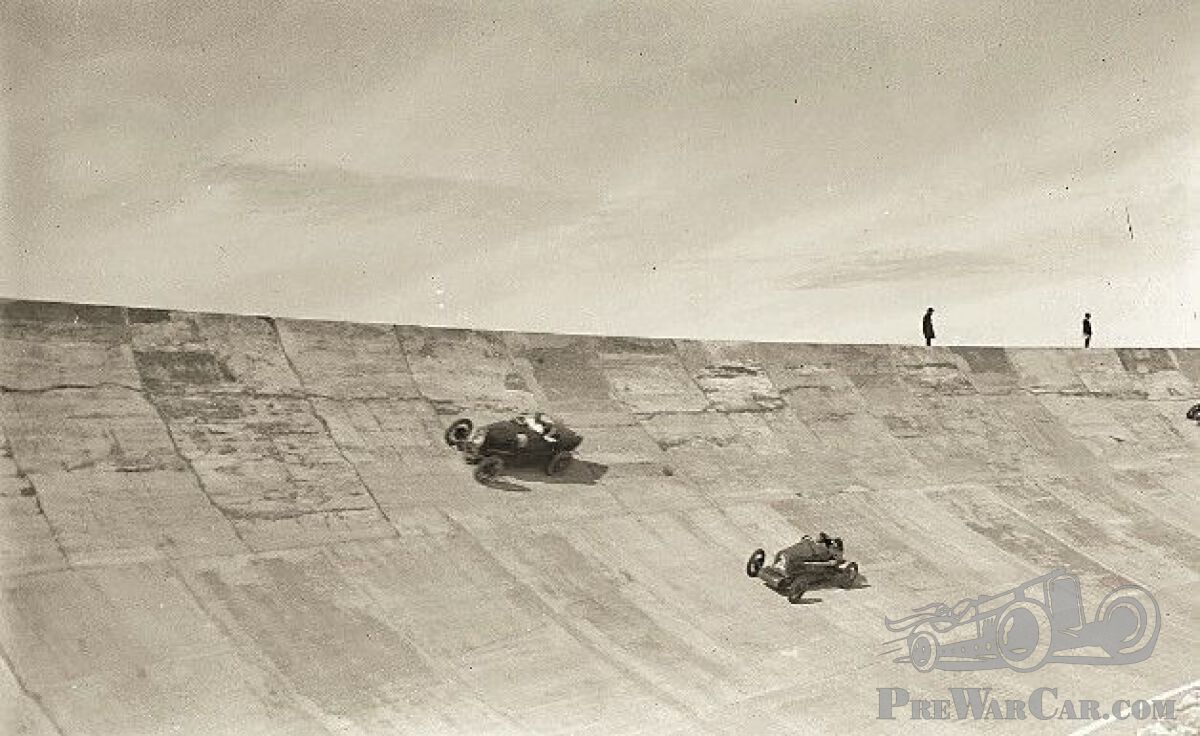
A Spanish amateur photographer took these two lovely pictures at the circuit of Sitges-Terramar almost a century ago in 1923. He or she wrote on the first one ‘El héroe de la tarde’ or ‘The hero of the evening’ and it is dated 4th November 1923. The other mentions ‘El conde Zborowski a 156 mk por hora’ or ‘Count Zborowski at 156km per hour’ and we can only guess that this one was taken at the circuit’s inaugural race a week earlier 'won by Albert Divo in a Sunbeam defeating Count Louis Zborowski in a Miller, with a winning speed of 96.91mph (155.96km/h)', or so Wikipedia tells us.
A circuit with problems
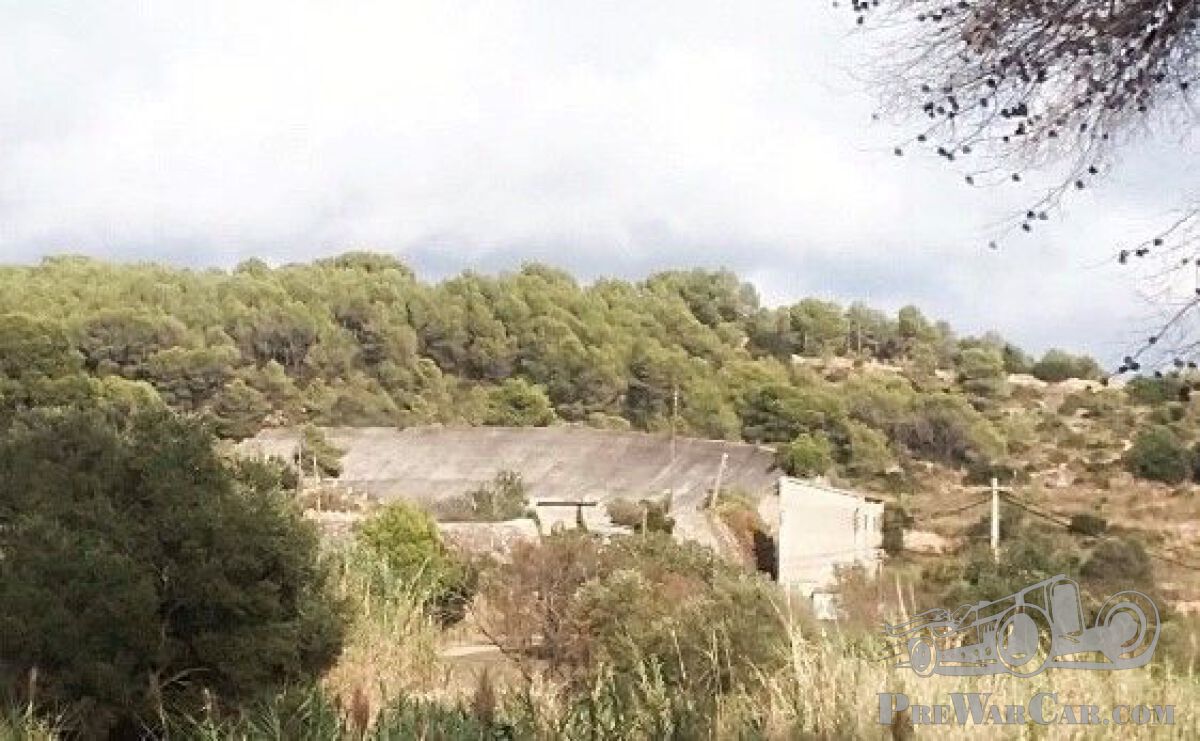
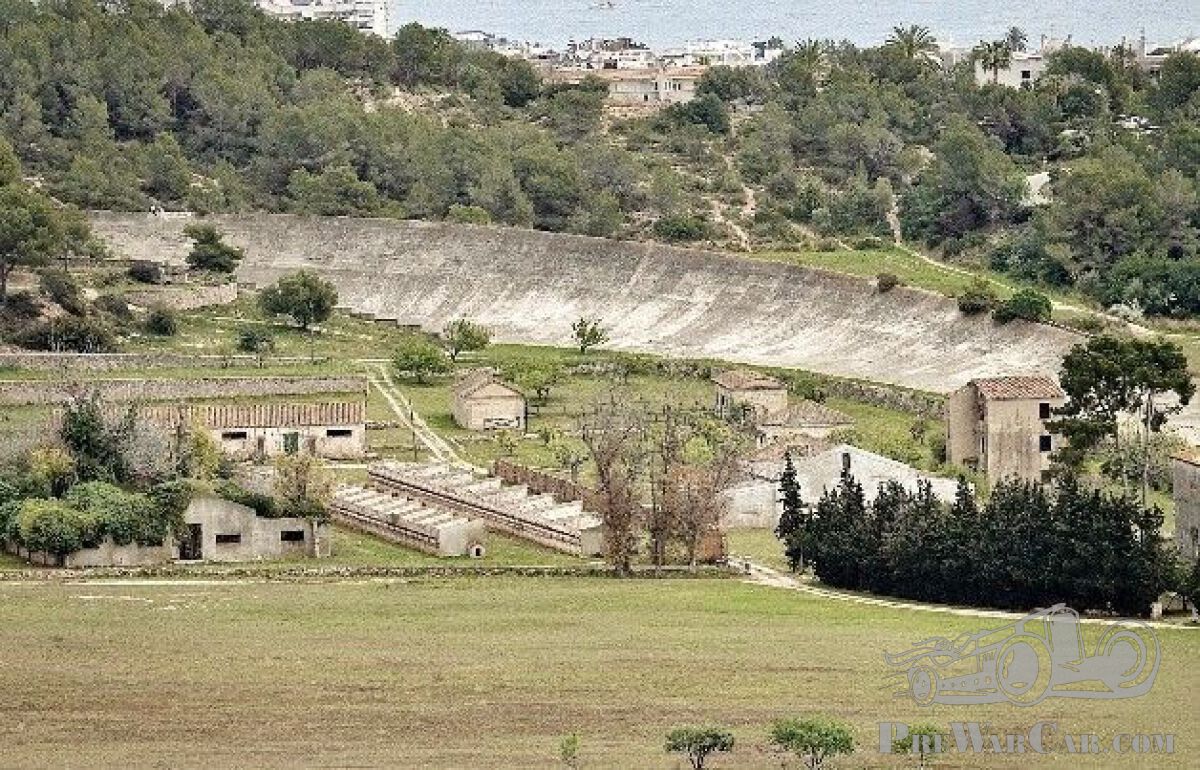
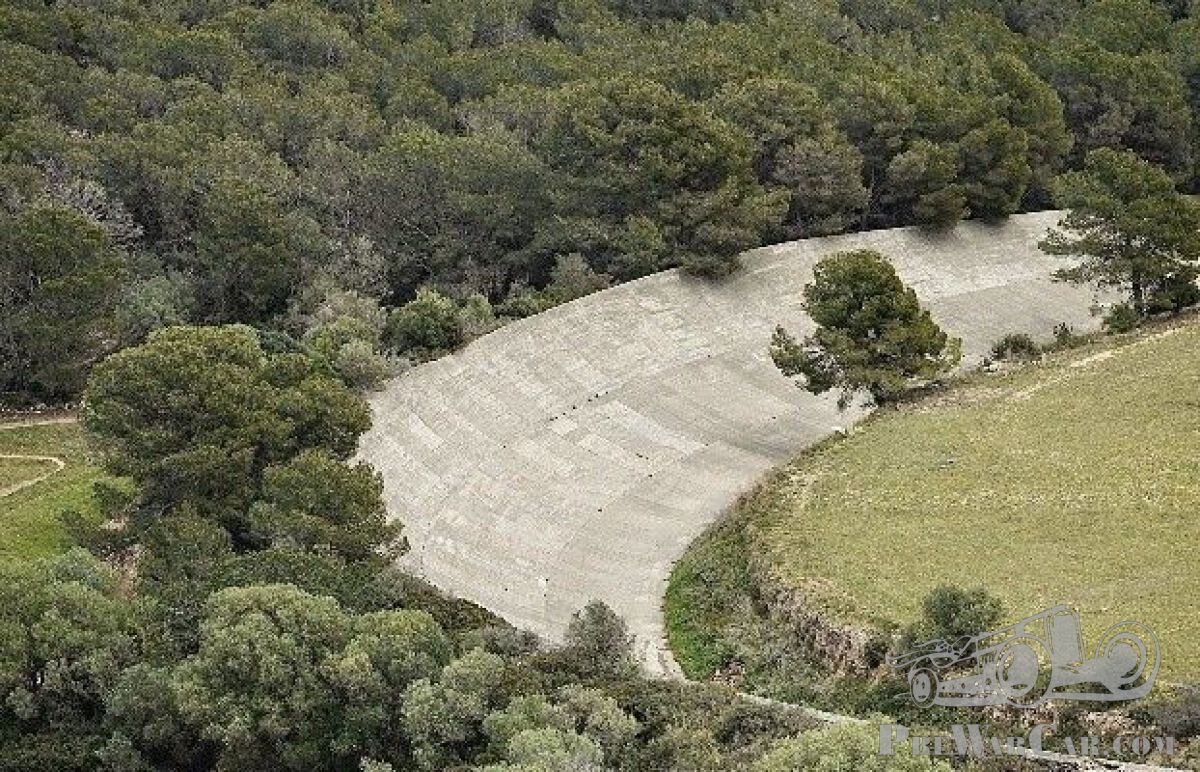
King Alfonso XIII himself spoke during that first Spanish Grand Prix, in front of 30,000 spectators. But sadly, Sitges-Terramar didn’t become Spain’s national pride in terms of motor racing. The last official race took place just two years later after much discontent from not paying the workers who had built the circuito over 300 days. A ban on international racing also played a role, but above all there was the architecture of the track itself. Architect Jaume Mestres i Fossas had made one fatal mistake. While he built the mighty bowl curves solid and strong - 3½ million kilograms of concrete were used - their progression to the straights was way too abrupt. This meant that racing here became a truly dangerous affair. Drivers could not quite go as fast as they wanted because it was virtually impossible to return to ground level from the banking at top speed. Doubtless, 156km/h must have been a really scary affair back in 1923.
Our own experience
As a matter of fact, we gave it a try ourselves many years ago when we were young and reckless. Getting access to the track had been one thing, climbing the banking at speed was something else! Cautiously, our modest car climbed higher and higher in the western curve, which was a lot less overgrown than the eastern one at the time, up to 120km/h. And it must be said: things got scary there and then. It was like being smashed into the ground after the bend, spat out with car and all.
As early as 1925, racing ceased at the Spanish circuit that was meant to compete with Avis, Brooklands and Monza. Spanish-based but Czech-born racing driver Edgar Morawitz bought the track in 1929 and organised motorbike championships for some time. But this time the Spanish Civil War caused him trouble, stopping any activity after 1936. Morawitz reportedly used the track as a base for Russian Polikarpov fighter planes. How he died in 1945 is not known to us, but his family crest still adorned the door of the old house next to the watchtower when we were there.
(Words Jeroen Booij, pictures Ajuntament de Girona)
Published:
Thursday September 29th, 2022
Facebook
LinkedIn
Twitter
WhatsApp
Email
Copy
Comments


Jakob Bonfils
11 October 2022, 08:52
I just found some pictures from that old old track, on my electronic map in my iPad.
Read more
Steve Hartwich
04 October 2022, 21:47
What an interesting and fantastic track and history. And to think it still exists today and has been preserved by
quite a few different men and entities. I'm fascinated with all of this having recently written a story about our
local, former Board track which hosted its first race 17 September 1922. One hundred years to the date
of the first race.
Thank you for enlightening people like me who love vintage vehicle and vintage racing.
Read more
quite a few different men and entities. I'm fascinated with all of this having recently written a story about our
local, former Board track which hosted its first race 17 September 1922. One hundred years to the date
of the first race.
Thank you for enlightening people like me who love vintage vehicle and vintage racing.
David Grimstead
03 October 2022, 00:27
Sunday, November 4th 1923 was the date of the Spanish light car (voiturette) race. “El héroe de la tarde” was likely Dario Resta, as this final race of the track’s inaugural meeting gave “Dolly” his first win in Europe since 1914.
Reuter immediately cabled this result: “The Spanish Grand Prix (600 kilometres) race for light cars, contested here today on the Sitges racing track, was won by Resta, on a Talbot car in 4hrs. 22min. 1 5-6 sec. [i.e., 1.83 sec.] at a speed of 137 kilometres an hour. Divo, who was also driving a Talbot, was second his time being 4hrs. 22min. 12sec.” A few days later, an advert for Wakefield’s Castrol oil, used by all three, confirmed that the two Talbots had beaten Count Zborowski, driving an Aston Martin, into third.
Divo may have won the 200-lap/400 km. Spanish Grand Prix “at the Barcelona International meeting” in a Sunbeam on 28th October but Zborowski’s Miller recorded fastest lap at 157.2 k.p.h.
That Grand Prix car race preceded the Spanish Motor Cycle Grand Prix held there on the morning of the 29th October, which was won on a Peugeot by Frenchman Gillard, with his compatriot Pean second on another Peugeot, with Englishman Walley third on a Douglas. There were 17 starters and the winner’s average speed was 126 k.p.h.
A 350-c.c Rex-Acme motorcycle set Spanish speed records during a race meeting held there on 31st January 1926, lapping once at 131 k.p.h. and a sleeve-valve Willys-Knight set six Spanish speed/distance records (78 k.p.h. for 24-hrs) in July but even in 1928, when improved and considered a popular race track because spectators could see all the circuit, it was unflatteringly described as a “soup-plate” when compared to other banked circuits.
Read more
Reuter immediately cabled this result: “The Spanish Grand Prix (600 kilometres) race for light cars, contested here today on the Sitges racing track, was won by Resta, on a Talbot car in 4hrs. 22min. 1 5-6 sec. [i.e., 1.83 sec.] at a speed of 137 kilometres an hour. Divo, who was also driving a Talbot, was second his time being 4hrs. 22min. 12sec.” A few days later, an advert for Wakefield’s Castrol oil, used by all three, confirmed that the two Talbots had beaten Count Zborowski, driving an Aston Martin, into third.
Divo may have won the 200-lap/400 km. Spanish Grand Prix “at the Barcelona International meeting” in a Sunbeam on 28th October but Zborowski’s Miller recorded fastest lap at 157.2 k.p.h.
That Grand Prix car race preceded the Spanish Motor Cycle Grand Prix held there on the morning of the 29th October, which was won on a Peugeot by Frenchman Gillard, with his compatriot Pean second on another Peugeot, with Englishman Walley third on a Douglas. There were 17 starters and the winner’s average speed was 126 k.p.h.
A 350-c.c Rex-Acme motorcycle set Spanish speed records during a race meeting held there on 31st January 1926, lapping once at 131 k.p.h. and a sleeve-valve Willys-Knight set six Spanish speed/distance records (78 k.p.h. for 24-hrs) in July but even in 1928, when improved and considered a popular race track because spectators could see all the circuit, it was unflatteringly described as a “soup-plate” when compared to other banked circuits.
Leo Schildkamp
29 September 2022, 14:46
Autódromo de Sitges-Terramar on Google maps you can see where it is and there are also more than 100 photos from then and now.
---------------------------------------
Original text:
Autódromo de Sitges-Terramar op Google maps kun je zien waar het ligt en daar zijn ook meer dan 100 foto's van toen en nu.
Read more
---------------------------------------
Original text:
Autódromo de Sitges-Terramar op Google maps kun je zien waar het ligt en daar zijn ook meer dan 100 foto's van toen en nu.