The global magazine and marketplace for classic car enthusiasts, by enthusiasts.


Filter
Make a choice:
- Cars
-
Make >>
- Bikes
-
Location >>
- Parts & more
-
Make of car >>
-
Manufacturer >>
-
Category >>
- Bicycles & more
-
Year >>
-
Countries


In memoriam: the Brighton Speed Trials
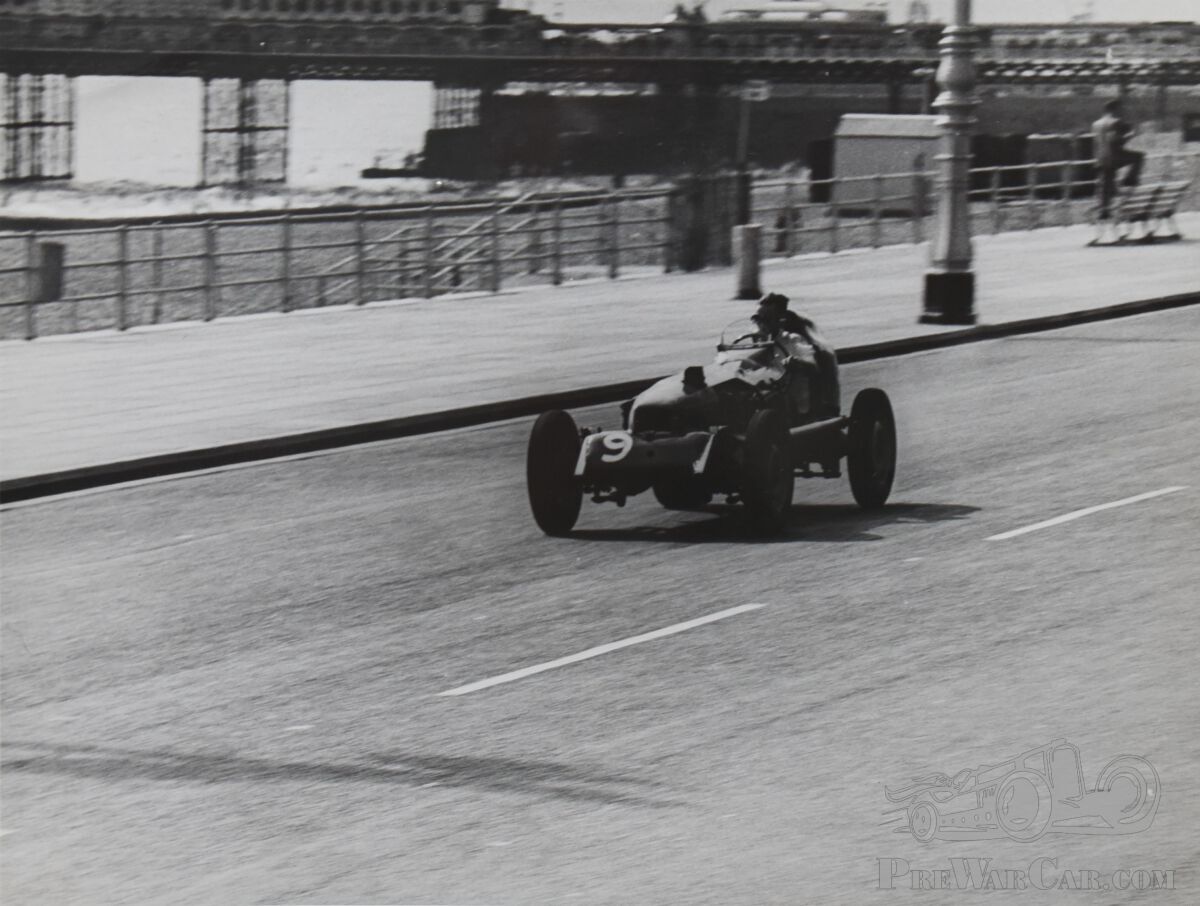
Archie Butterworth drives his ingenious AJB Special, which utilised a four-wheel drive Jeep chassis and 4½-litre Steyr V8, towards his f.t.d. at the 1949 Speed Trials
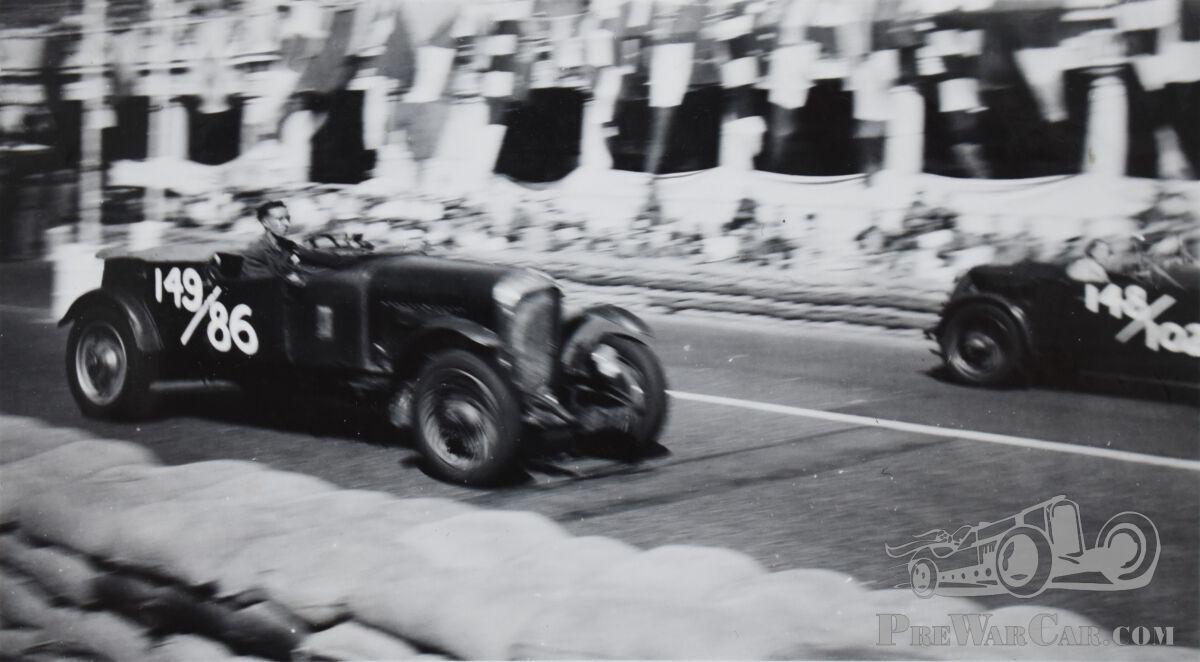
A pair of vintage Bentleys battle for supremacy at Madeira Drive in the 1950s

A single-seater leaves the start line at a 1950s Speed Trials
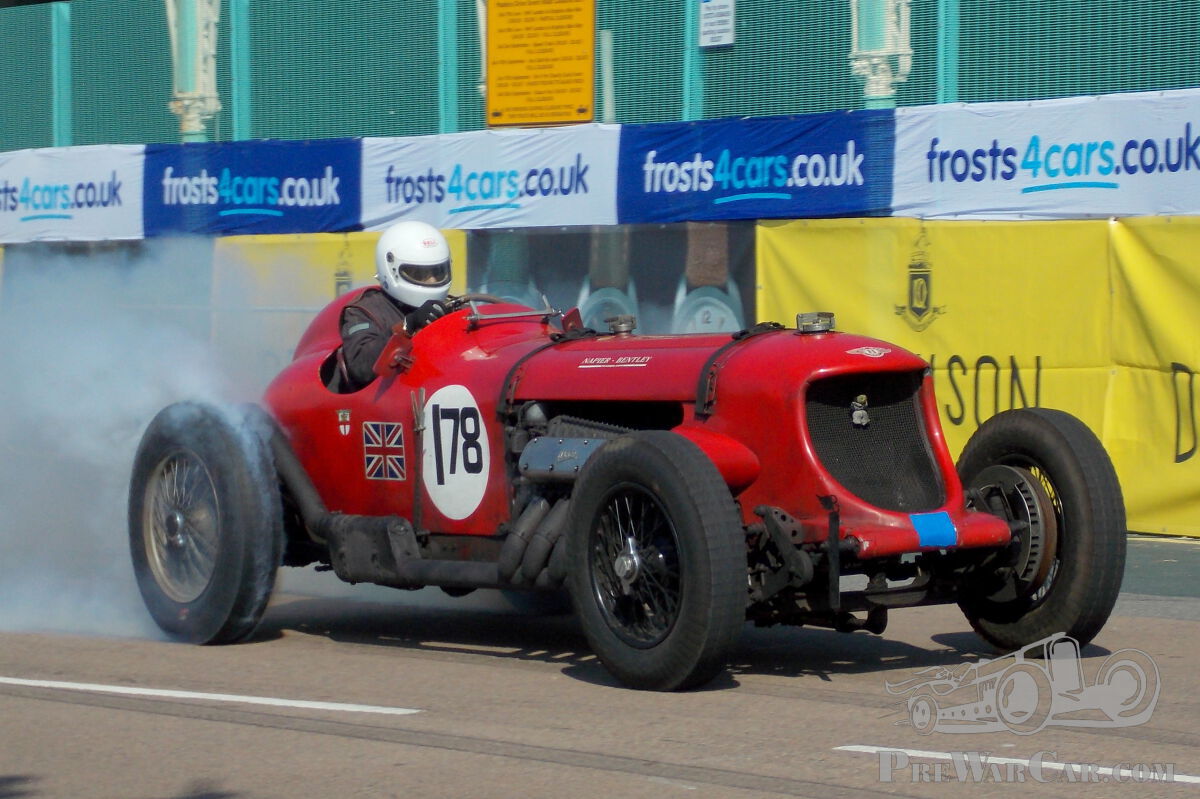
The famous 24-litre Sea Lion-engined Napier-Bentley burnt some rubber in 2017
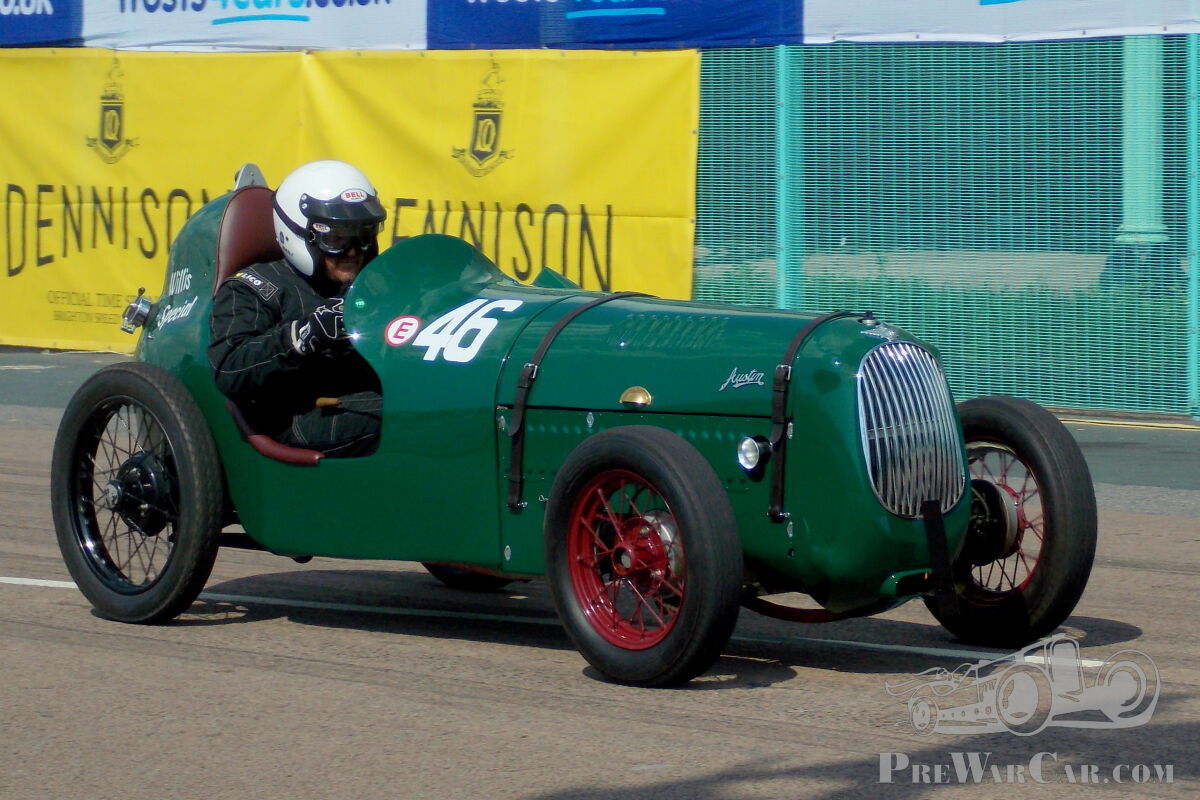
The Austin Seven Willis Special was built in 1937 on a '32 chassis by Bill Williams for R. R. Willis, who raced it at Brooklands, Shelsley Walsh and Southport Sands. It raced at Brighton in 2017.
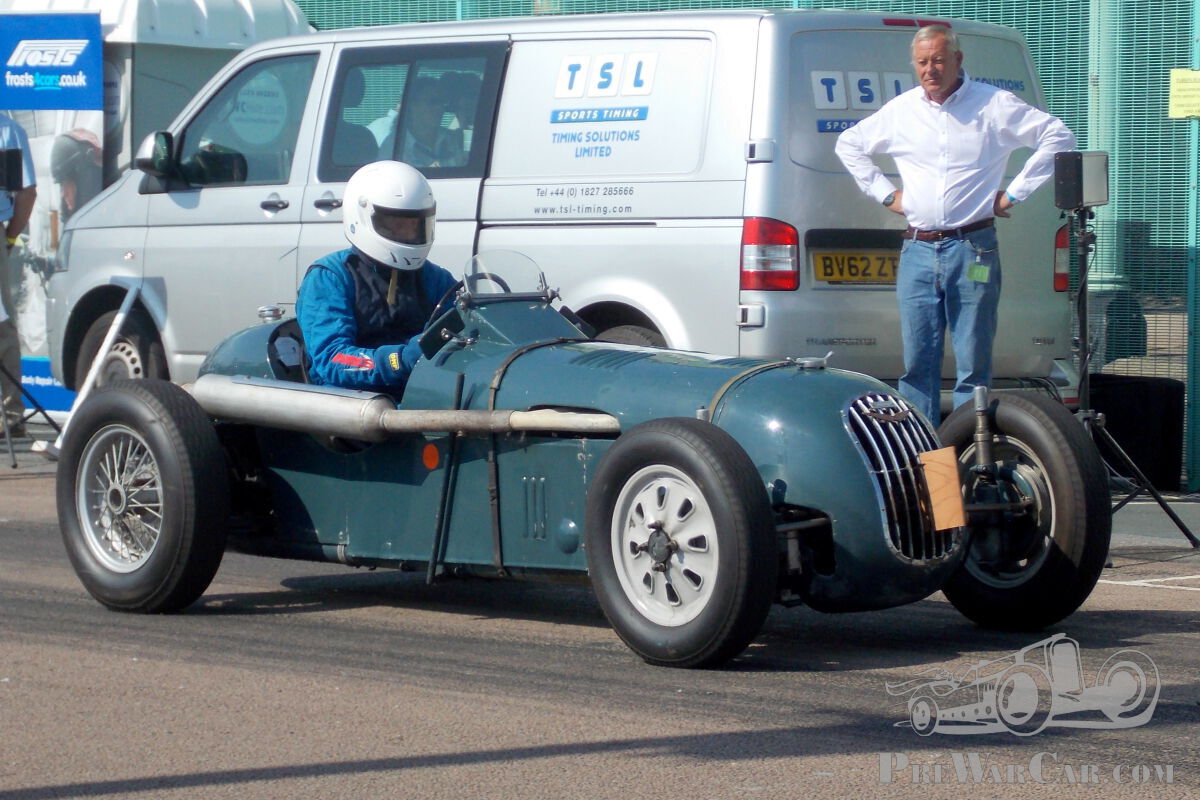
The 1936 Alta 'Norris Special' has a long history of competing in speed trials and hill-climbs
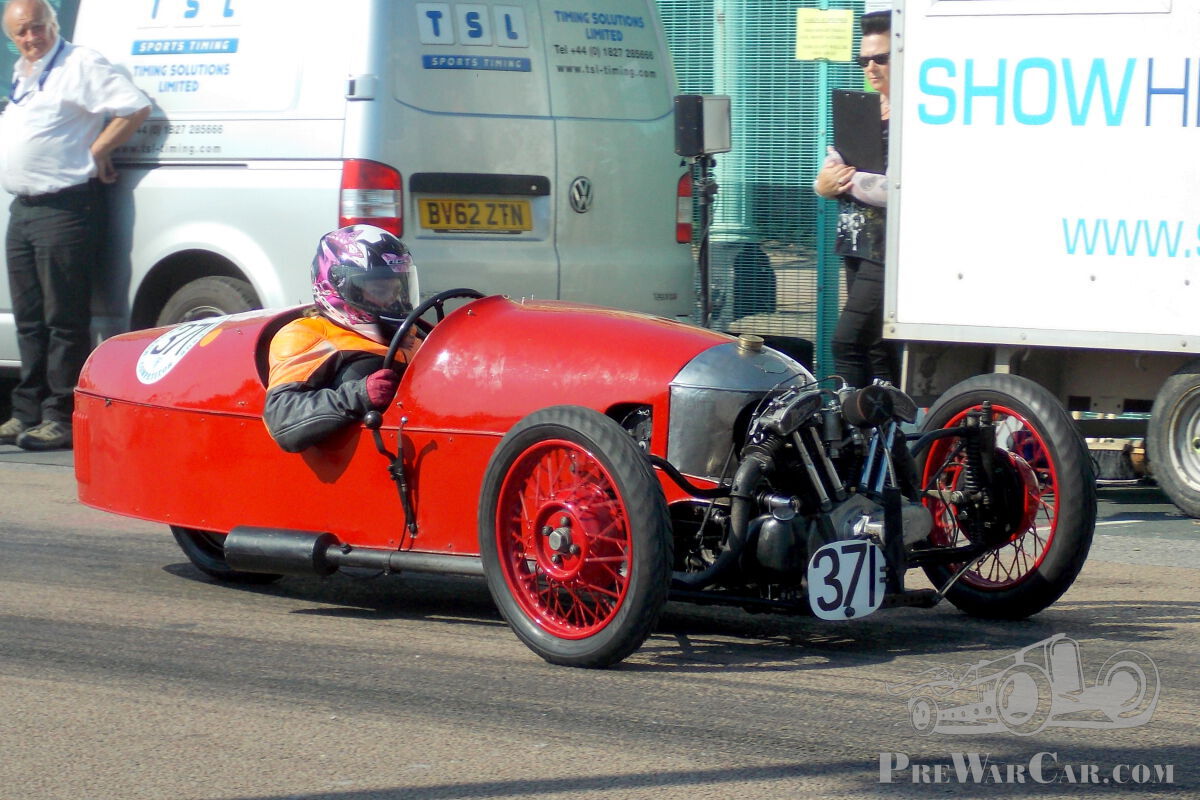
This 1930/34 Morgan Super Aero ran in 2017 in the motorcycle category

Robin Beech's Phantom II-based, Merlin V12-engined Handlye Special was a familiar sight in the latter years of the Speed Trials

In 1949, Betty Haig went head-to-head against an HRG at Brighton in this MG TC. The car returned in 2019, when it was the oldest entry, if one discounts the Handlye Special.
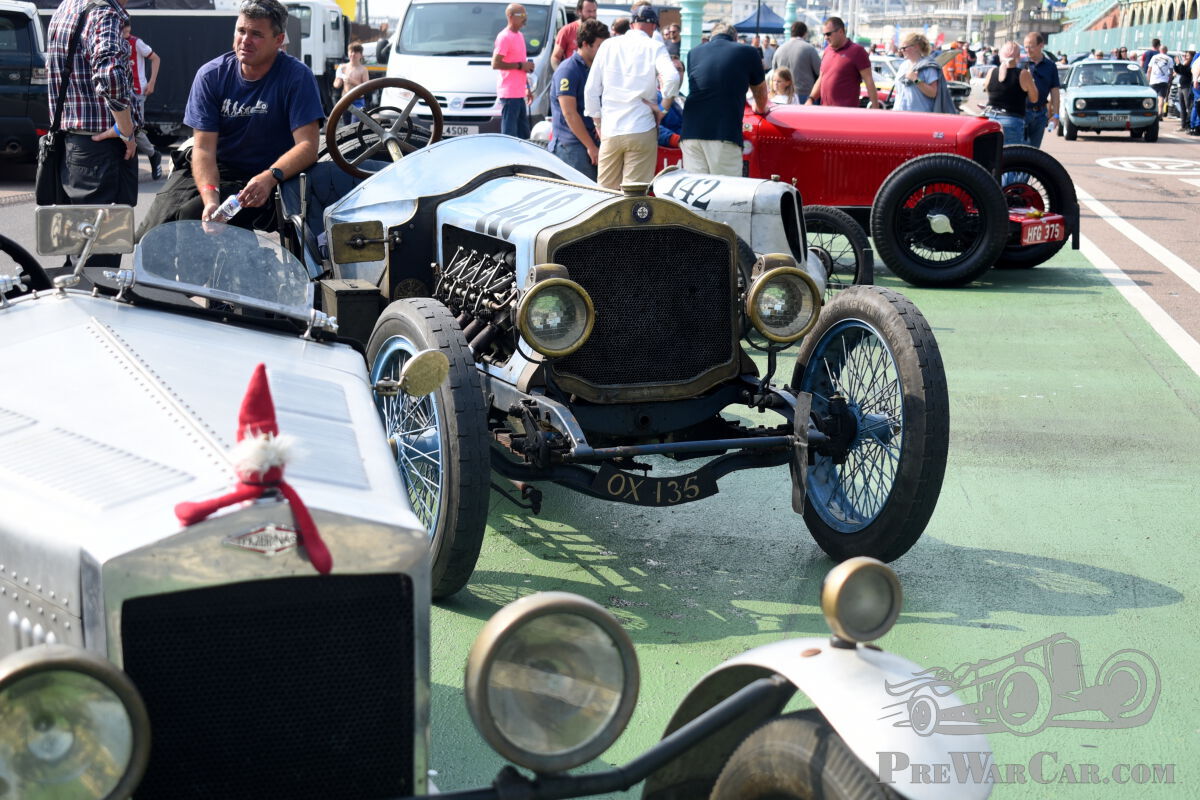
The pre-war contingent looked somewhat healthier in 2021
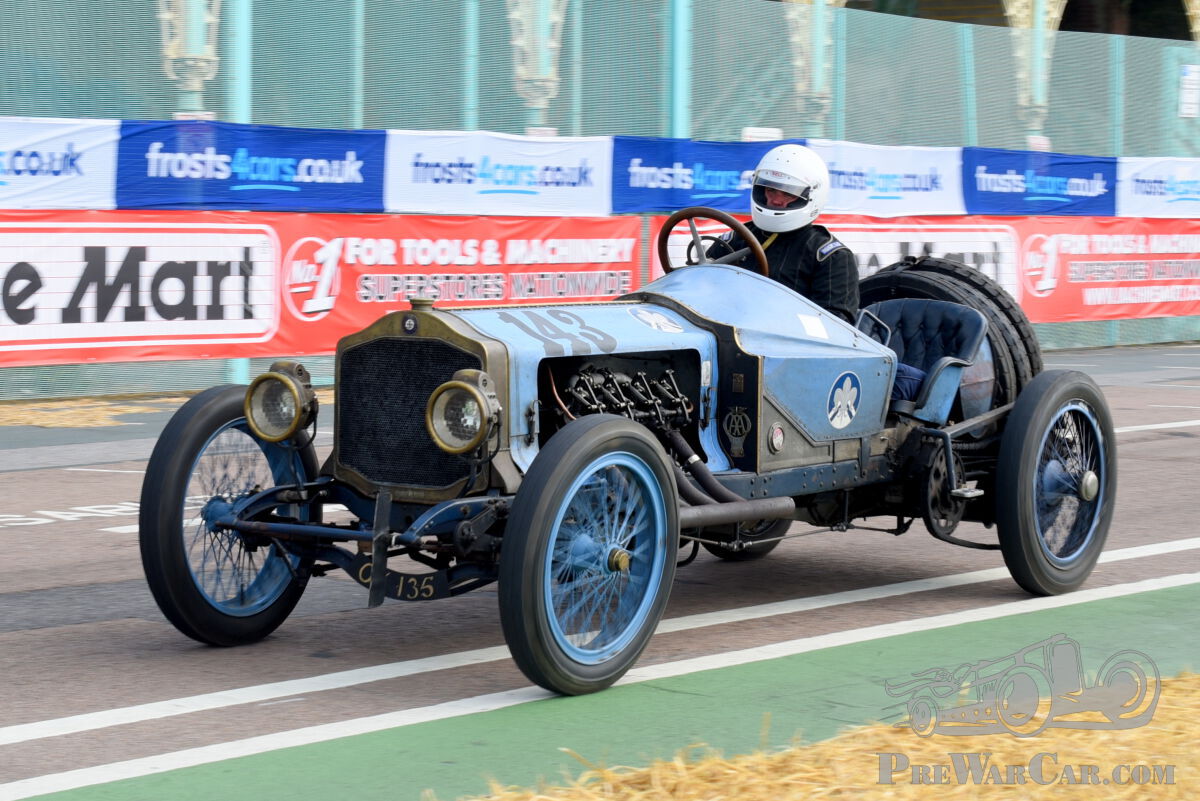
The Curtiss-engined 1912 De Dion-Bouton was one of the oldest cars to compete at Brighton in recent years
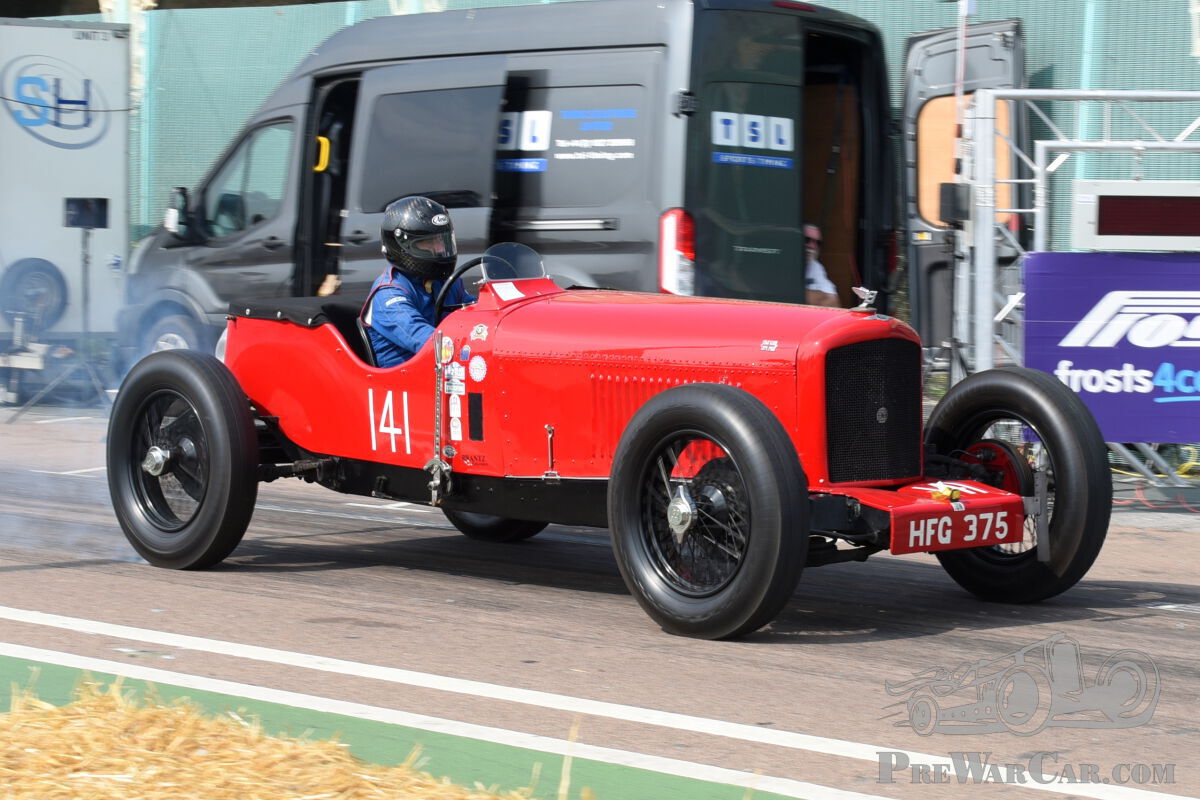
1949 Bentley Mk. VI special competed alongside the pre-war entries
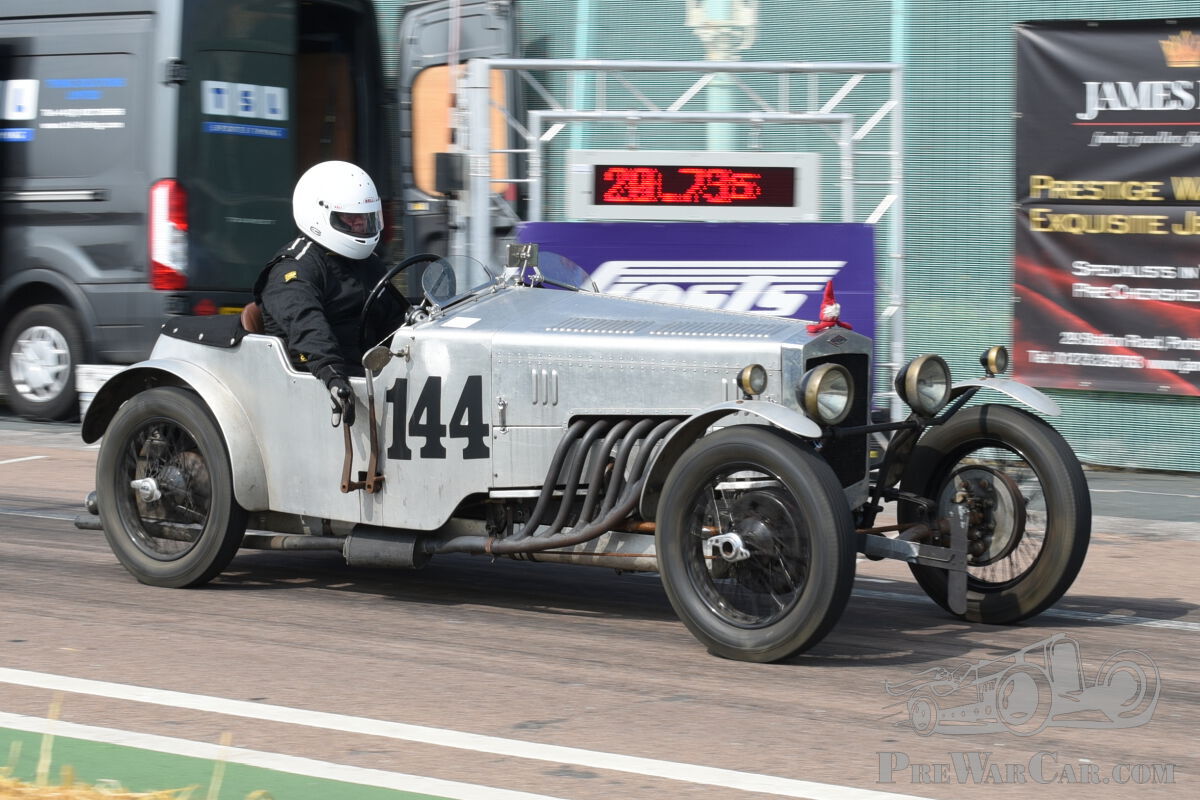
1929 Frazer Nash kept the spirit of Archie Frazer-Nash alive

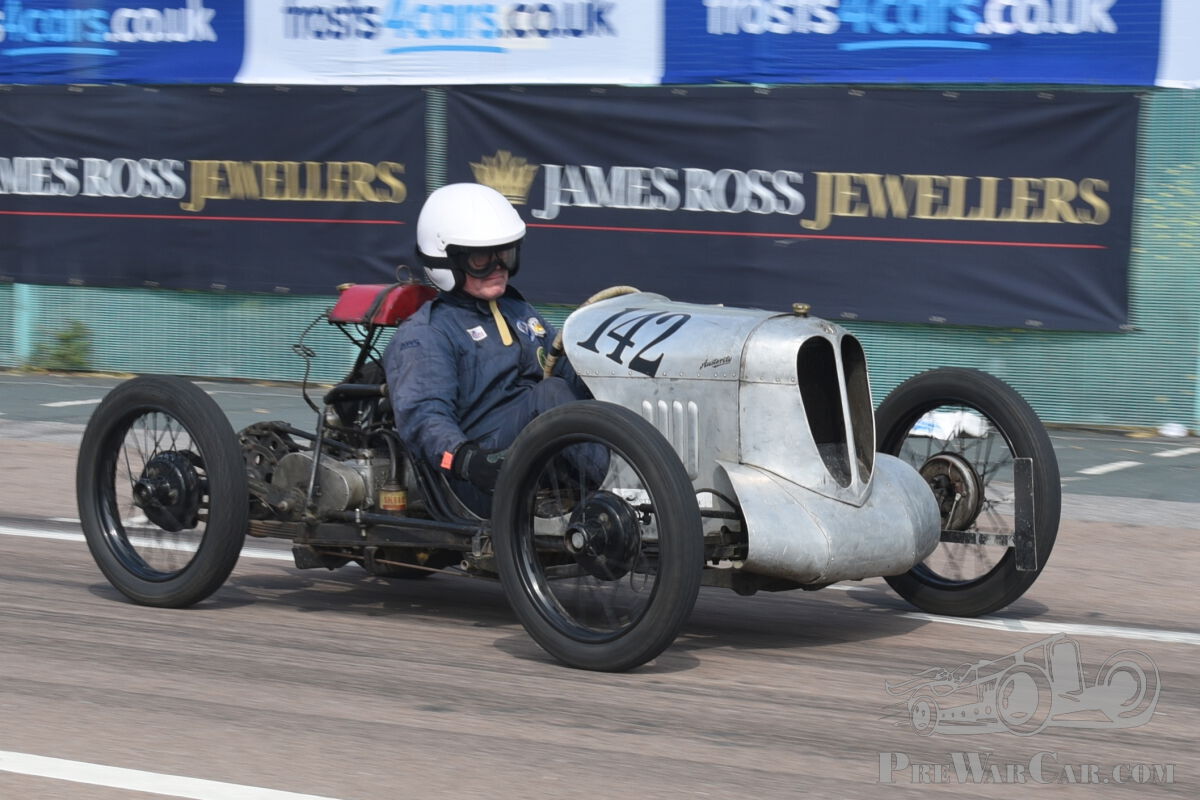
The glorious Austin Seven special 'Austerity' evoked the great Shelsley specials of the 1930s
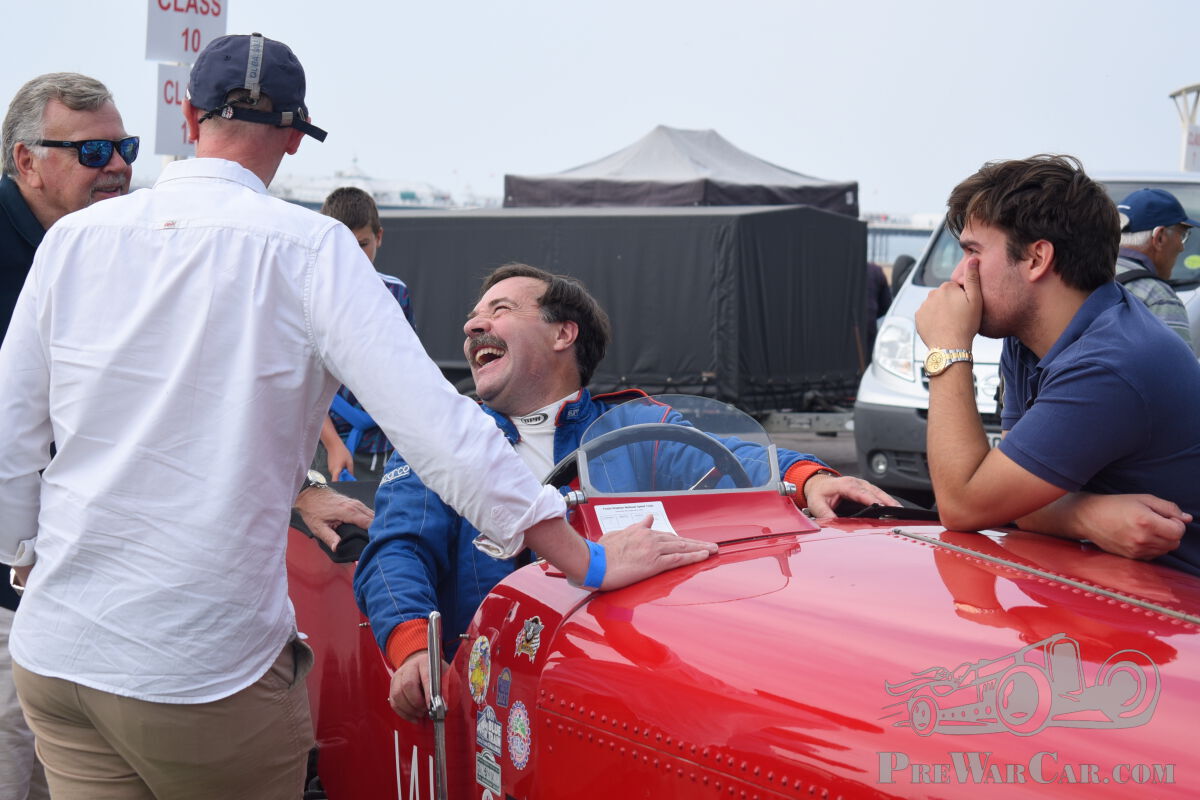
The Speed Trials atmosphere was always convivial


The first weekend in September has always been an important one for car enthusiasts. While many will associate it with the Beaulieu Autojumble (which has swapped weekends this year), for more than 90 years it marked the occasion of the Brighton Speed Trials, where racing cars stormed side by side 'twixt Madeira Drive's handsome Victorian ironwork and the sparkling sea.
Alas, no more. In January, Brighton & Hove Motor Club announced that it would no longer run the sprint, which first took place in 1905, returned briefly in the 1920s and became an annual fixture from 1932. In recent years, it was dealt a succession of blows by the Philistine Brighton & Hove City Council: first, it attempted to end the event following a fatal accident in 2012, but withdrew its plans after a petition against them attracted more than 12,000 signatures. In 2014, the historic Madeira Terrace, a popular viewing platform, was closed down on safety grounds as the council's had allowed it to fall into disrepair. In 2021, an entirely pointless cycle lane was laid out on Madeira Drive with a surface deemed to provide insufficient traction for motorcycles to compete. The Vintage Motor-Cycle Club's Sprint Section tried to negotiate with the council but was routinely ignored. Finally, the stipulation that new concrete crash barriers would have to be erected to protect a new complex of meagre retail huts at the roadside rendered the occasion untenable, and so 120 years of local heritage was laid, at last, in the grave.
It was a tragically unspectacular end to an event which, in 1905, attracted over 400 cars and motorcycles, with drivers including C. S. Rolls and Dorothy Levitt, and was the reason for Madeira Drive being covered in Tarmac. In 1932, a brilliant 100mph duel took place between Malcolm Campbell in the Sunbeam Tiger and John Cobb in a Delage, and in 1936 the meeting was branded "undoubtedly the most important speed-trials on the British calendar" by Motor Sport. From the '30s onwards, Madeira Drive hosted countless figures from motor racing's first and second ranks, among them George Abecassis, Prince Bira, Peter Collins, John Cooper, Archie Frazer-Nash, Joe Fry, Mike Hawthorn, Earl Howe, Alec Issigonis, Denis Jenkinson, Stirling Moss, Reg Parnell, Kay Petre, Geoffrey Taylor, Rob Walker and Ken Wharton. In the 1960s, the venue became famous as the birthplace of British drag racing; meanwhile the old guard, in their big Edwardians and vintage Bentleys, continued to battle side by side.
When I first visited the Speed Trials in 2017, it had become a shadow of its former self. The spectacle of two cars storming along together was stopped in 1981 and never revived, and the number of pre-war entries was disappointingly small. Even so, I was irresistably drawn back and returned in 2019 and 2021—why? One does not necessarily need to have any interest in the equipment to appreciate a good day's sport, and on my last visit, in 2021, I remember the fastest times being posted by a succession of chequebook racers in Nissan GT-Rs and Audi R8s. It wasn't a terribly exciting spectacle... until an owner-driver-mechanic with a 1990s Subaru Legacy he'd modified himself shot away from the start line and smashed the times set by the modern supercars. Another hero of the course was Jim Tiller, who consistently set some of the fastest times every year with his much-modified 1950 Allard J2, which he had owned since the 1960s and taken to almost 200mph at Bonneville. The fact that he was in his late eighties did not seem to make him any less competitive.
Whether with pre-war cars or not, the Brighton Speed Trials was, up to its final years, very much the enthusiast's event, with a warm atmosphere and a smattering of cars and drivers which one felt moved to cheer on. Formula One has long since mutated into a corporate bore, an industry rather than a sport, and as creditable as Goodwood's events are, they are costly affairs which hardly cater for the man on the street. With the end of the Brighton Speed Trials, Britain is bereft of any urban, grass-roots historic motor sport, and I would be remiss if I allowed it to fade away uneulogised.
The gallery of photographs of pre- and early post-war cars at the trials will, I hope, awaken some happy memories in those who once went to spectate, and preserve some of the atmosphere for those who were never so fortunate as to see it in person.
Words: Zack Stiling
Photographs: Zack Stiling/Stiling Collection
Published:
Friday September 6th, 2024
Facebook
LinkedIn
Twitter
WhatsApp
Email
Copy
Comments
Jonathan Dudley
10 September 2024, 17:44
A suitable and sad epitaph to the Brighton Speed Trials. Back in the analogue days I helped man the timing caravan, bolstered by bottled beer and fish and chips yet miraculously managing to post the results accurately. As Zack rightly points this was a historic event dating back to 1905 when it was run in the opposite direction with the same healthy mix of cars and motorcycles. In the 1960s I was fortunate enough to witness the visiting American drag racers demonstrating their eye-opening machinery on a thoroughly unsuitable track right through to the time when we could see the fastest motorcycles exceed 180mph. There was always a vintage presence of both four and two-wheeled racers, lots of Bentleys, Bugattis, Rudges, Douglas and Nortons and of course the late George Brown who I believe holds the standing kilometre record at Brighton in perpetuity on his Vincent. The aroma of salt, vinegar, chips, methanol and burning rubber plus a camaraderie amongst the competitors... that was Brighton and we shall not see its like again.
Read more
Keith Kuehn
10 September 2024, 17:39
Someday, they will find a way to take all our fun away, except behind closed doors. Then, they'll find a way to end that too... 'they' being those who think they should be in charge and "run the show", more's the pity. A lot of the blame goes to the courts, lawyers, etc. Far be it for someone to stub their toe on a bump in the city and then take said city to court. Can't have that.
Open road racing? I fear never again. Yes, oh, for the old days...
Read more
Open road racing? I fear never again. Yes, oh, for the old days...
Michael Edwards
08 September 2024, 08:55
As a Brighton resident, the Speed Trials were always one of my eagerly anticipated events of the year. With access to the terraces, the views of the cars were fantastic. The restriction of access to the crumbling terraces a few years ago was a blow, and the ending of the event completely is very sad. With the Pioneer Run finish now moved to Shoreham Airport, the future of the other historic event, the London to Brighton Car Run finish on Madeira Drive, is a concern.
Read more