The global magazine and marketplace for classic car enthusiasts, by enthusiasts.


Filter
Make a choice:
- Cars
-
Make >>
-
Year >>
-
- Bikes
-
Location >>
- Parts & more
-
Make of car >>
-
Manufacturer >>
-
Category >>
- Bicycles & more
-
Year >>
-
Countries


Eastern intrigue: the mysterious life of a Soviet Rolls-Royce
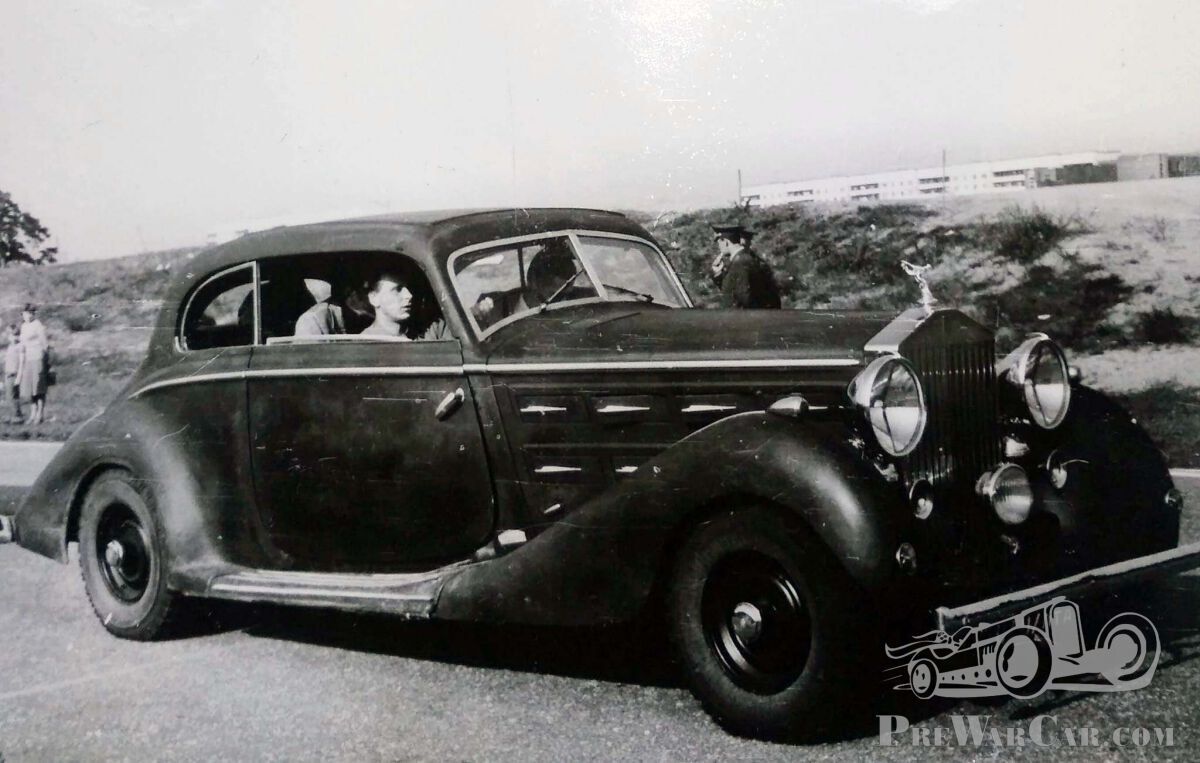
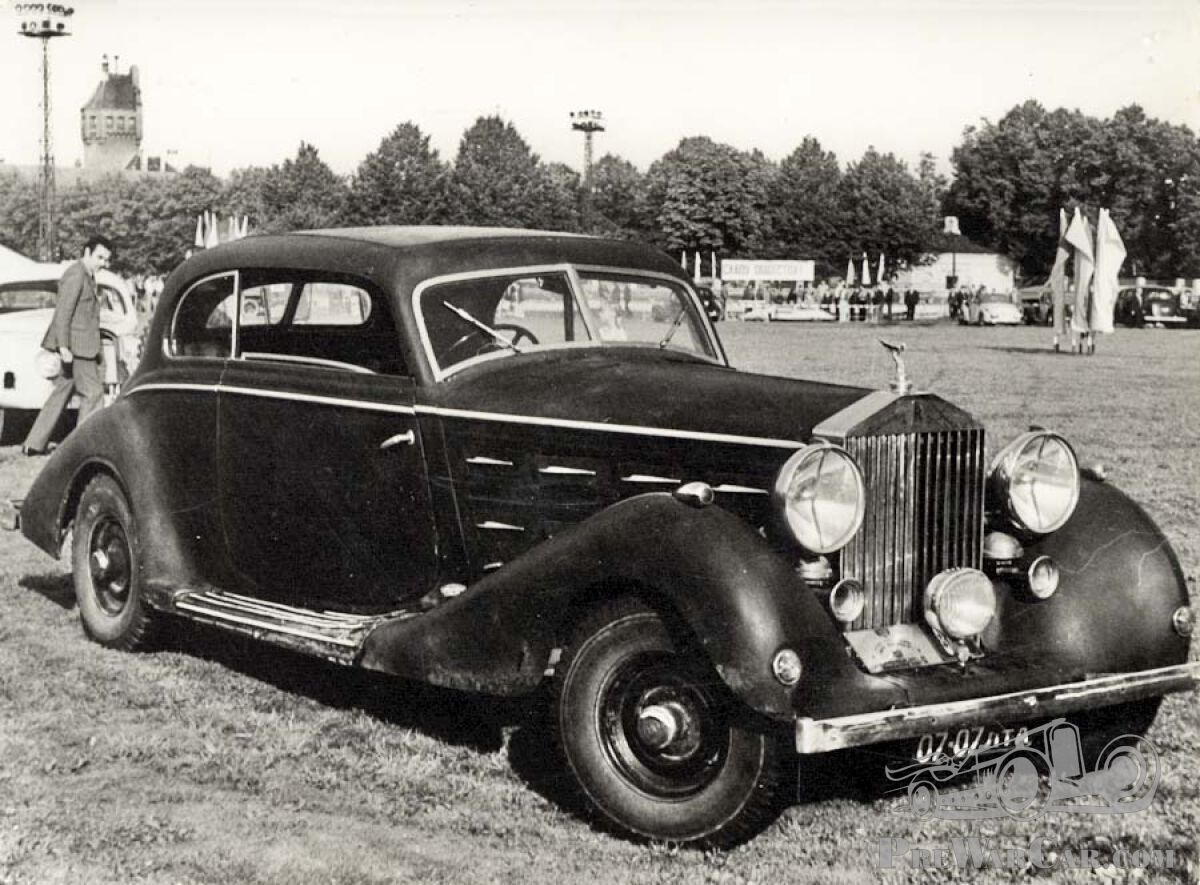


Not everything that gets trumpeted all over the worldwide web is true, but upon seeing this photograph we did have to scratch our heads and wonder. It’s a Rolls-Royce Wraith—a rarity on its own—but what really caught our attention here was the information that came with it: this car was supposedly gifted in 1939 by Nazi minister Joachim von Ribbentrop to Soviet Premier Vyacheslav Molotov. That's right, the signatories of the Molotov–Ribbentrop pact, which gave Hitler the green light for the invasion of Poland that very same year. Let that sink in for a little while before you post your comments below.
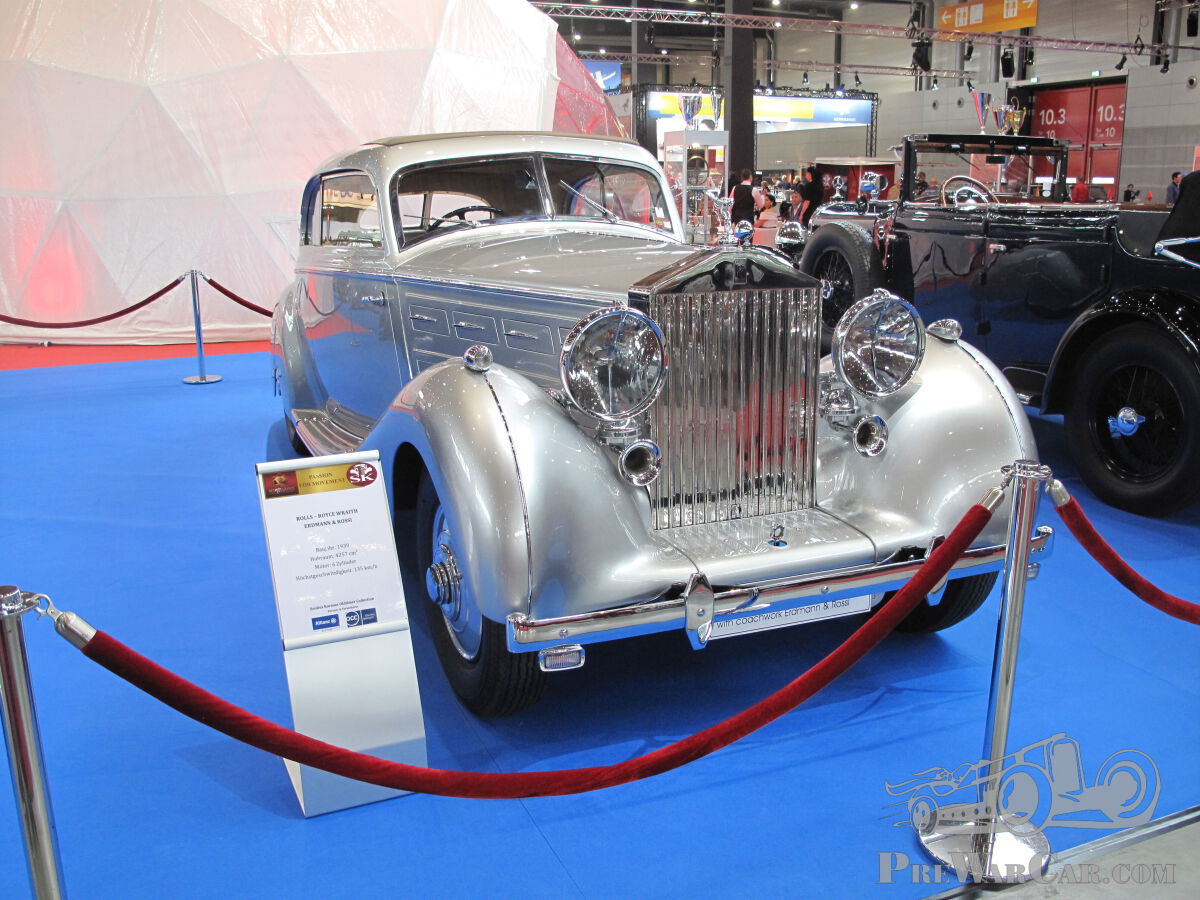
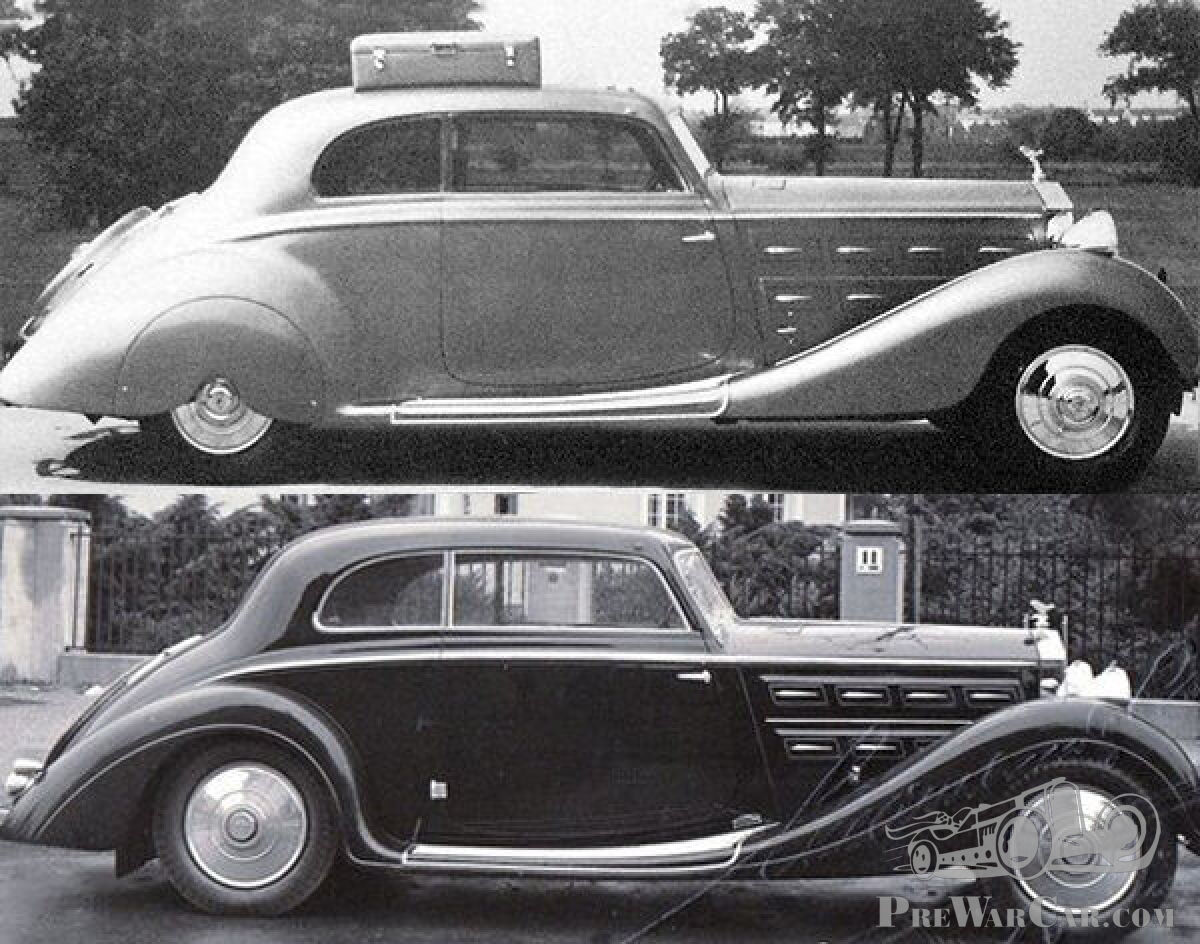
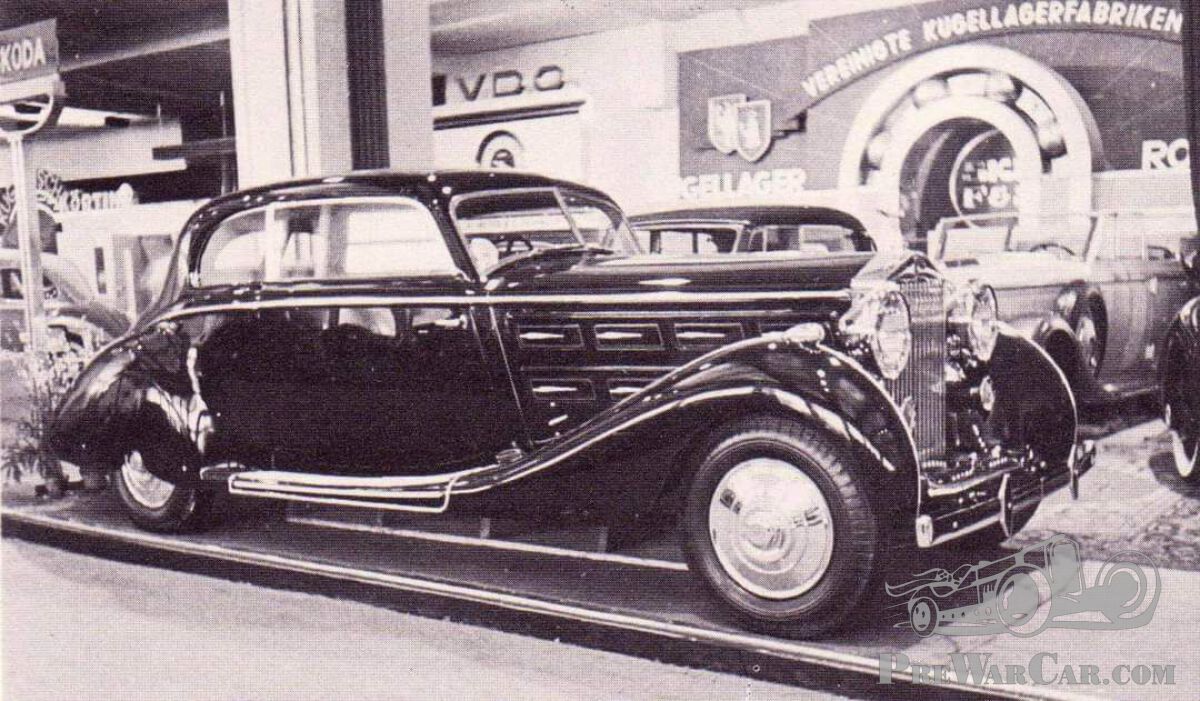
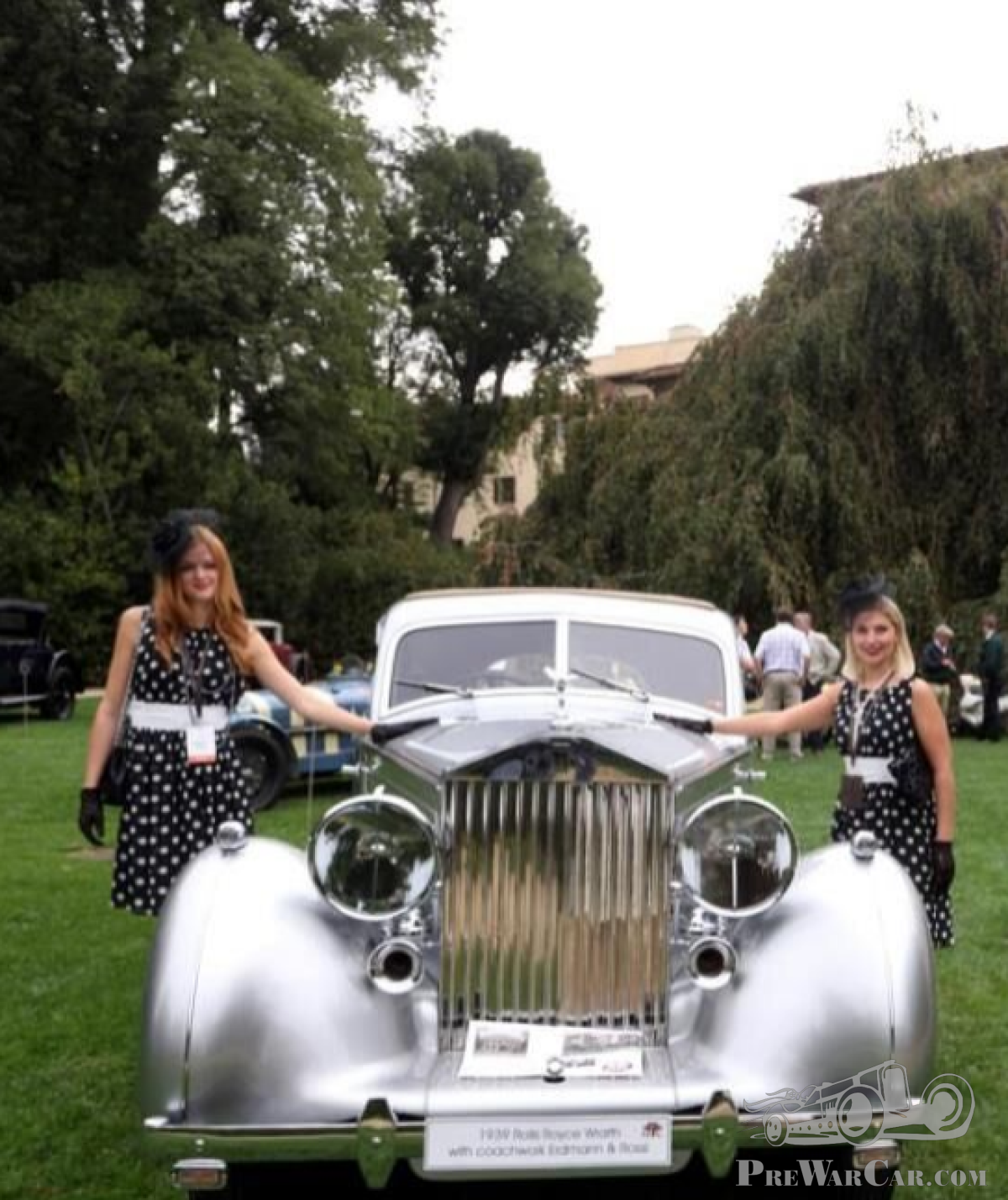
The question we must ask is whether it can really be true, and we think probably not. Let’s start with the Rolls-Royce itself. It wears a sleek coupé body by Erdmann & Rossi. The Berlin coachbuilder supposedly built two of them, with one making it to the 1939 Berlin Motor Show.
Rolls-Royce historians hasten to add that there’s no possible von Ribbentrop or Molotov connection because the two Erdmann & Rossi-bodied Wraiths respectively went to a nobleman named Michael von Althan of Silesia, a European region spread across Poland, Bohemia and Germany, and one Herr Doberg of a company named Lindemann KG in Germany. Further information would be much appreciated.
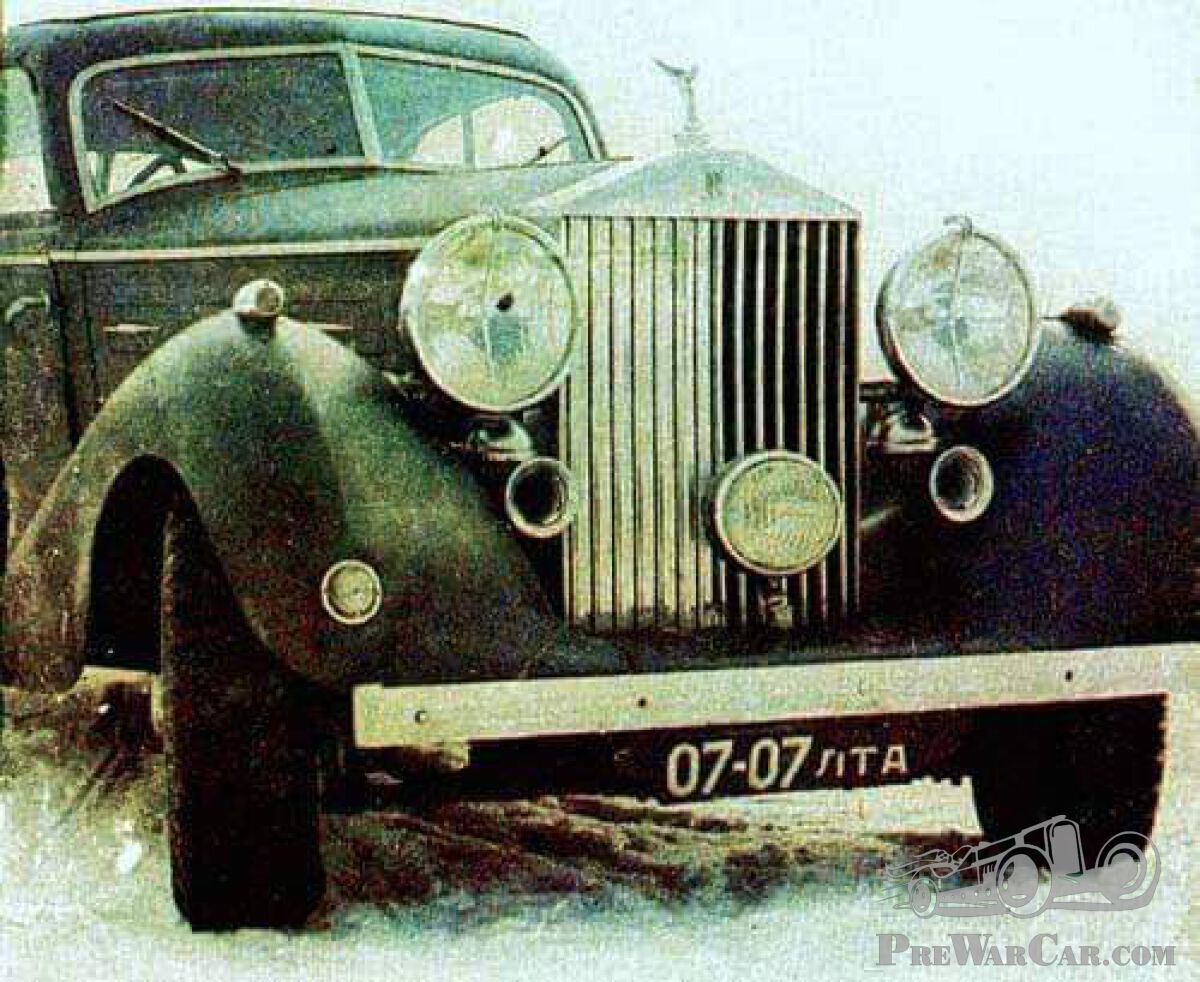
Now look at that number plate. Is it Russian? We thought it could well be. The most plausible assertion we could find is that the car ended up as a war trophy taken by the USSR after the war. Some say it was used by Molotov when the war was over, but other Russian owners are mentioned with disputable veracity: the clergyman Alexy I of Moscow and Nikalai Baranov, chief architect of Leningrad. Are they just rumours, or is there more to them?
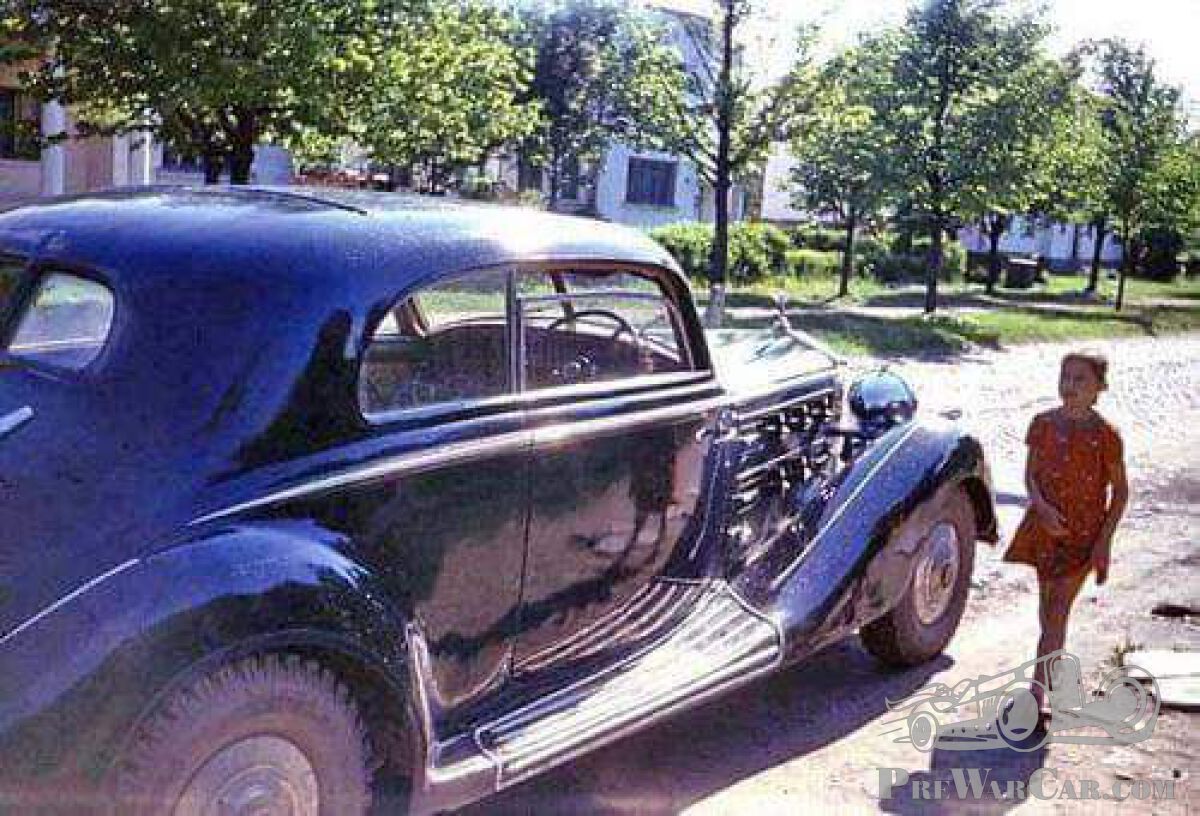
While the picture does look historic, it may not be as old as you would think. After Russia, the Rolls-Royce supposedly found its way to Estonia in the 1950s and then to Latvia. We came across further pictures of it taken in the early 1970s in what is believed to be its Estonian period—note the same number plate and those treaded tyres! The buildings in the background in the first black and white picture might date from that period, too... What do you think?
Words: Jeroen Booij; pictures: archive, eag.vanatehnika.ee
Published:
Wednesday May 1st, 2024
Facebook
LinkedIn
Twitter
WhatsApp
Email
Copy
Comments




Maxim Kartashev
17 December 2025, 11:39
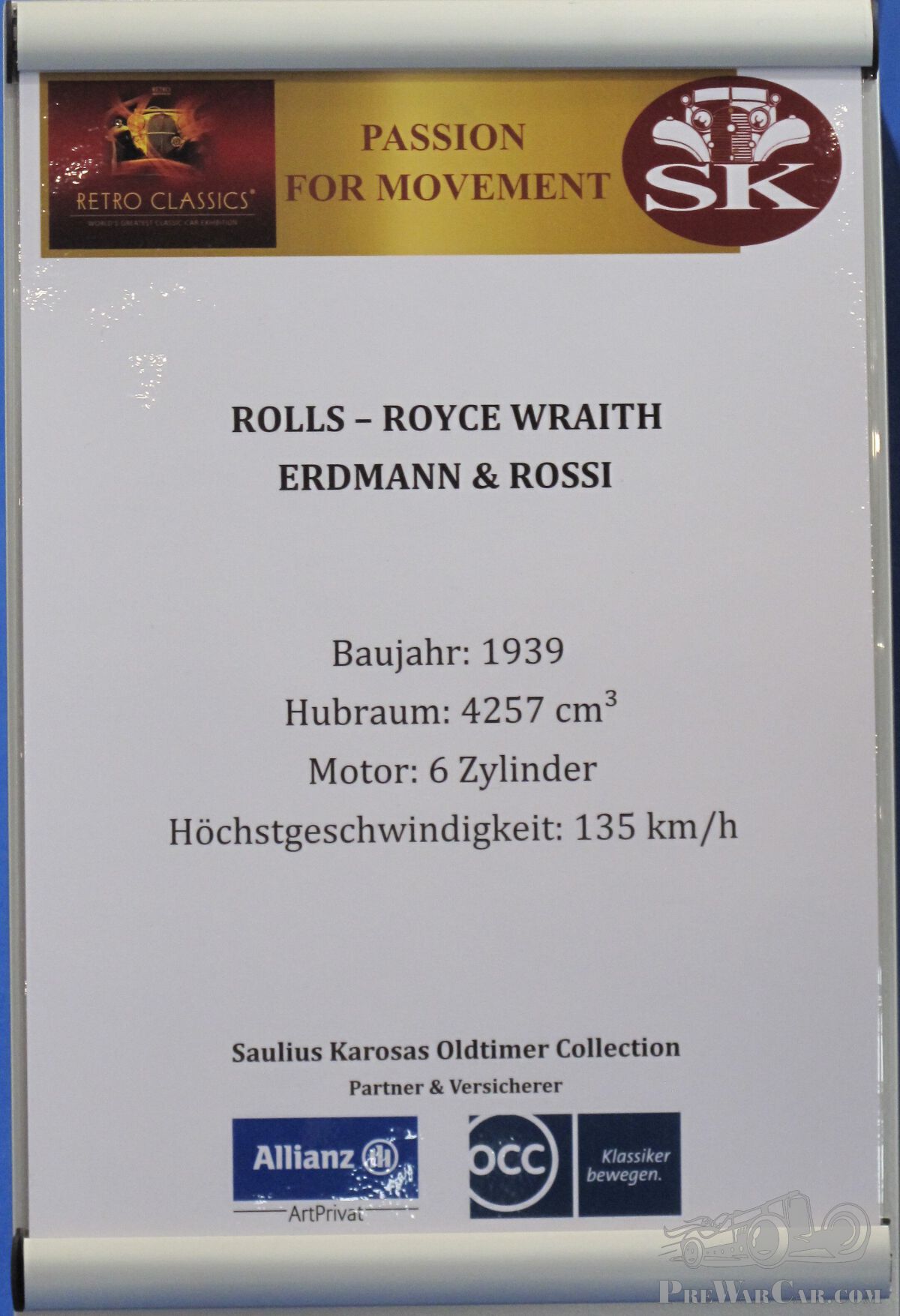
This car is the model 25/30HP Wraith (chassis no. WXA106, engine no. B5 WF) with the body of the German coachbuilder Erdmann und Rossi - Jos. Neuss. The car was painted in very prestigious Fisch-Silber color. In February 1939 this Rolls-Royce became the star of the last pre-war Berlin Motor Show. The car was built by order of Reichsgraf Michael von Althann, governor of the Mittenwalde community in Silesia. The body design was created by the outstanding automotive architect Johannes Beeskow.
There is an unconfirmed legend that it was taken out of Germany as a trophy and given to the People's Commissar of Foreign Affairs Vyacheslav Mikhailovich Molotov, and he, in turn, handed it over to Patriarch of All Russia Alexy I. It is known for certain that, in 1976, founder of the Riga’s Antique Car Club and director of the Riga’s Motor Museum Viktor Kulbergs found a unique car on a farm near the Estonian town of Pärnu. At that time the owner of car was, a mechanic of milking equipment. For two years, Victor Kulbergs persuaded the owner to sell him a car. In the end, he succeeded. The car was on display at the Motor Museum in Riga for, and later it ended up in the collection of Saulius Karosas, the richest citizen of Lithuania. The car was restored to perfect condition. It managed to take part in several elegance competitions. In March 2018 collection of Saulius Karosas, including this car, was on display at the Retro Classics Exhibition in Stuttgart.
Read more
There is an unconfirmed legend that it was taken out of Germany as a trophy and given to the People's Commissar of Foreign Affairs Vyacheslav Mikhailovich Molotov, and he, in turn, handed it over to Patriarch of All Russia Alexy I. It is known for certain that, in 1976, founder of the Riga’s Antique Car Club and director of the Riga’s Motor Museum Viktor Kulbergs found a unique car on a farm near the Estonian town of Pärnu. At that time the owner of car was, a mechanic of milking equipment. For two years, Victor Kulbergs persuaded the owner to sell him a car. In the end, he succeeded. The car was on display at the Motor Museum in Riga for, and later it ended up in the collection of Saulius Karosas, the richest citizen of Lithuania. The car was restored to perfect condition. It managed to take part in several elegance competitions. In March 2018 collection of Saulius Karosas, including this car, was on display at the Retro Classics Exhibition in Stuttgart.
Hergen Deuter
08 May 2024, 01:29
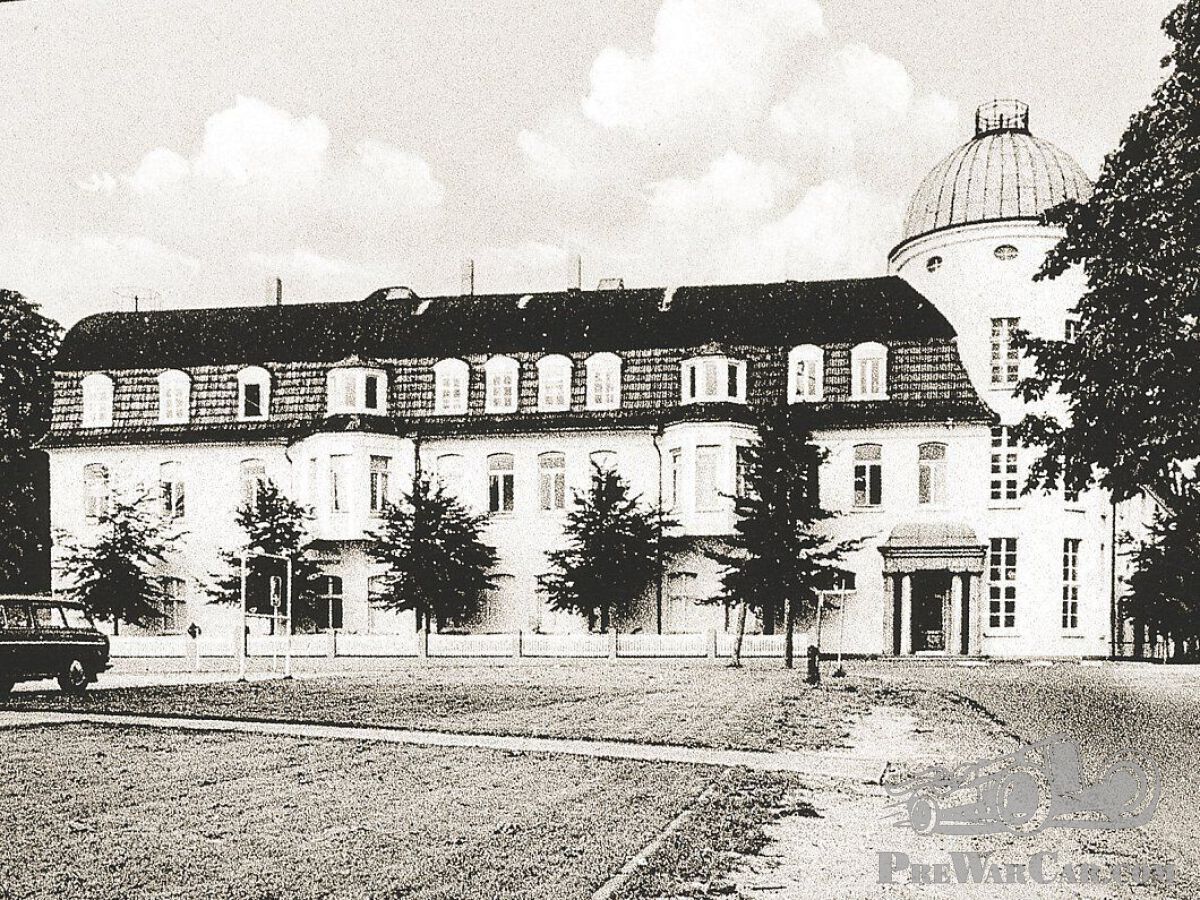
The car in the photo above is obviously WXA106 shown at the Berlin Motor Show, subsequently owned by the Austro-Prussian nobleman Michael Karl Graf von Althann and perhaps ordered as a wedding gift for his English wife Vera Alys Levinge. The picture below must show WHC45, which was acquired by the successful margarine manufacturer Wilhelm Lindemann from Doberg, near Bünde, Westphalia, and apparently later disappeared.
Read more
Joschka Röben
29 September 2024, 11:08
The car shown in the picture below is not WHC45. It's a 25/30hp, chassis GZR33. WHC45 was never bodied due to outbreak of the Second World War, as records from 1947 prove. While the last Phantom III chassis delivered to Germany/Erdmann & Rossi survived and is now in the Nethercut Collection, the last Wraith chassis, WHC45, disappeared.
Read more
Jan van der Gaag
11 May 2024, 16:30
Ik was in 1971 in het Lenin museum in Moskou en daar hing een foto van de auto van Lenin en dat was een Rolls-Royce. Heeft niets met deze auto te maken, maar ik vind het leuk om dit even te melden.
--------------------------------------------------------------
I was in the Lenin Museum in Moscow in 1971 and there was a picture of Lenin's car and it was a Rolls Royce. It has nothing to do with this car, but I wanted to mention it.
Read more
--------------------------------------------------------------
I was in the Lenin Museum in Moscow in 1971 and there was a picture of Lenin's car and it was a Rolls Royce. It has nothing to do with this car, but I wanted to mention it.
Alexander Koehnlechner
07 May 2024, 10:01
I think that Ribbentrop would rather have given away a top German product like a Mercedes-Benz or a Maybach.
I remember around 30 years ago when the Iron Curtain became full of holes and the first pre-war exiles from the Eastern Bloc came to Germany. Every Mercedes on offer was Adolf Hitler's and every Horch was Eva Braun's...
Read more
I remember around 30 years ago when the Iron Curtain became full of holes and the first pre-war exiles from the Eastern Bloc came to Germany. Every Mercedes on offer was Adolf Hitler's and every Horch was Eva Braun's...
William Lee Kohler
06 May 2024, 11:08
Just a personal comment: perhaps a German official might not want to touch a British car, but if it was something that Molotov wanted very much said German official might do it to seal the deal. It happens all the time in politics.
Read more
Marco Makaus
05 May 2024, 19:39
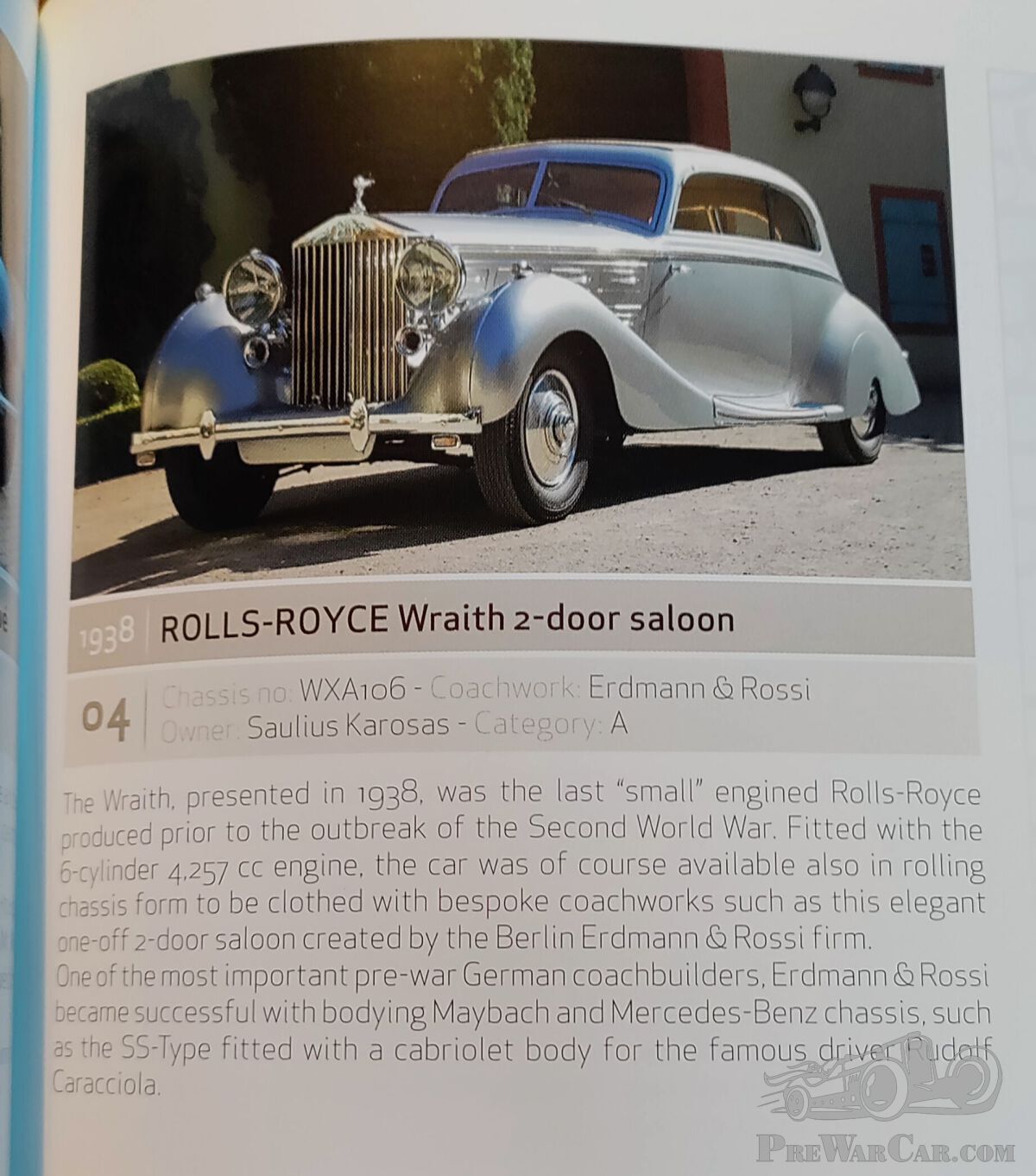
I find it very unlikely that a top ranking Nazi would touch a British product, let alone use it for an official deal with Russia. In addition, it is interesting to note that on the second picture we can see something that could be a sort of rally plaque in front of the radiator. I think that Mr. Thomsen's comment about Karosas is the strongest lead we have here.
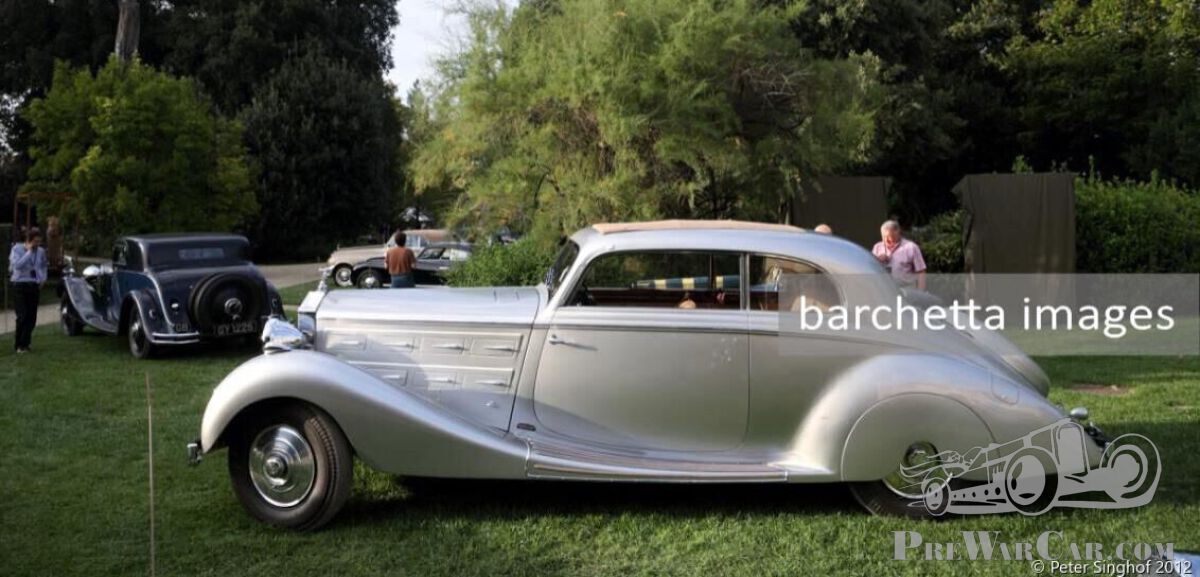
I remember seeing WXA106 at the Uniques Concours in Florence in September, 2012, where it was indeed entered by Mr. Karosas together with a Maybach SW38 cabriolet from 1947. With a bit of luck you may be able to see the catalogue entry below.
Read more
I remember seeing WXA106 at the Uniques Concours in Florence in September, 2012, where it was indeed entered by Mr. Karosas together with a Maybach SW38 cabriolet from 1947. With a bit of luck you may be able to see the catalogue entry below.
Henning Thomsen
05 May 2024, 11:28
Several things brings me to think that this car was owned by the late Lithuanian oligarch Saulius Karosas, who mainly collected Erdmann & Rossi bodied cars. His SK collection manager, Emmanuel, may confirm this.
It’s not the prettiest body on a Rolls Royce, but no doubt an interesting story with its eastern European connection.
Read more
It’s not the prettiest body on a Rolls Royce, but no doubt an interesting story with its eastern European connection.




Sue Jones
01 May 2024, 12:20
This would be WXA106, which was a war trophy. Ordered by Michael Reichsgraf von Althan, it has been restored as you can see from these photos found on the internet.
Read more
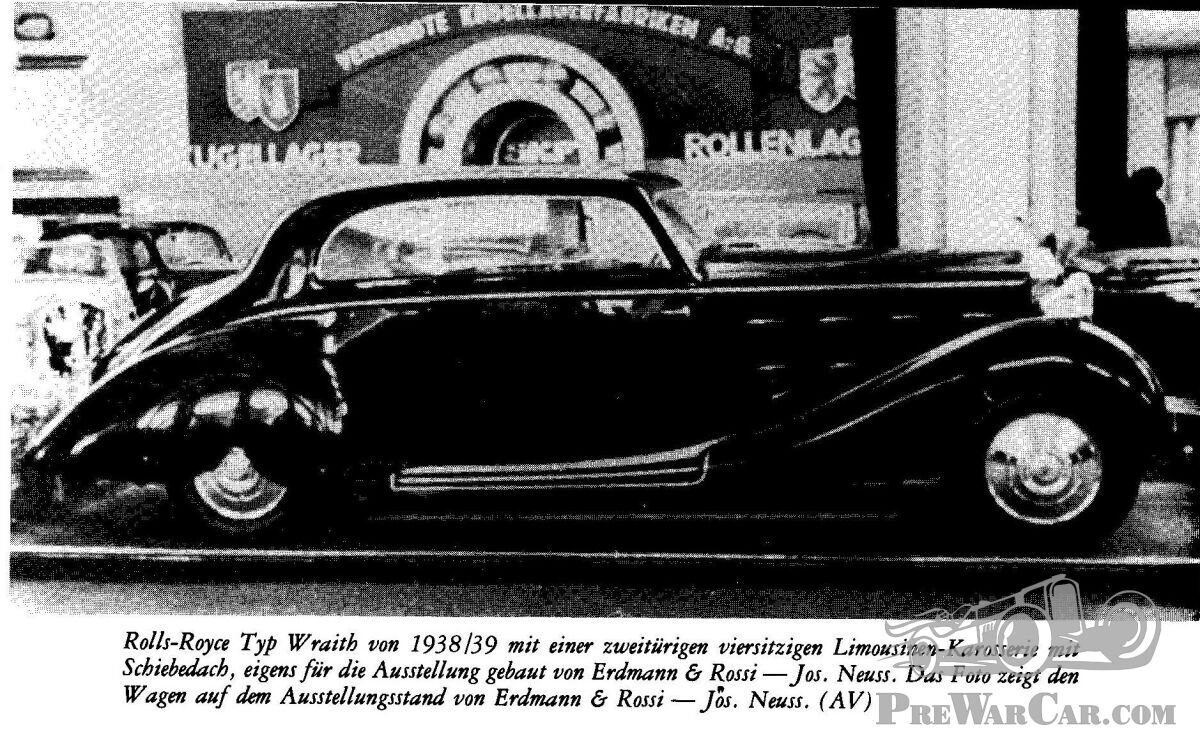
There was a National Socialist model enterprise: Wilhelm Lindemann KG Westphalian Margarine Factory Doberg near Bünde/Westphalia
Source: German Historical Museum, Berlin