The global magazine and marketplace for classic car enthusiasts, by enthusiasts.


Filter
Make a choice:
- Cars
-
Make >>
-
Year >>
-
- Bikes
-
Location >>
- Parts & more
-
Make of car >>
-
Manufacturer >>
-
Category >>
- Bicycles & more
-
Year >>
-
Countries


Invicta S90 Simplon: the British aristocrat with a racer’s heart
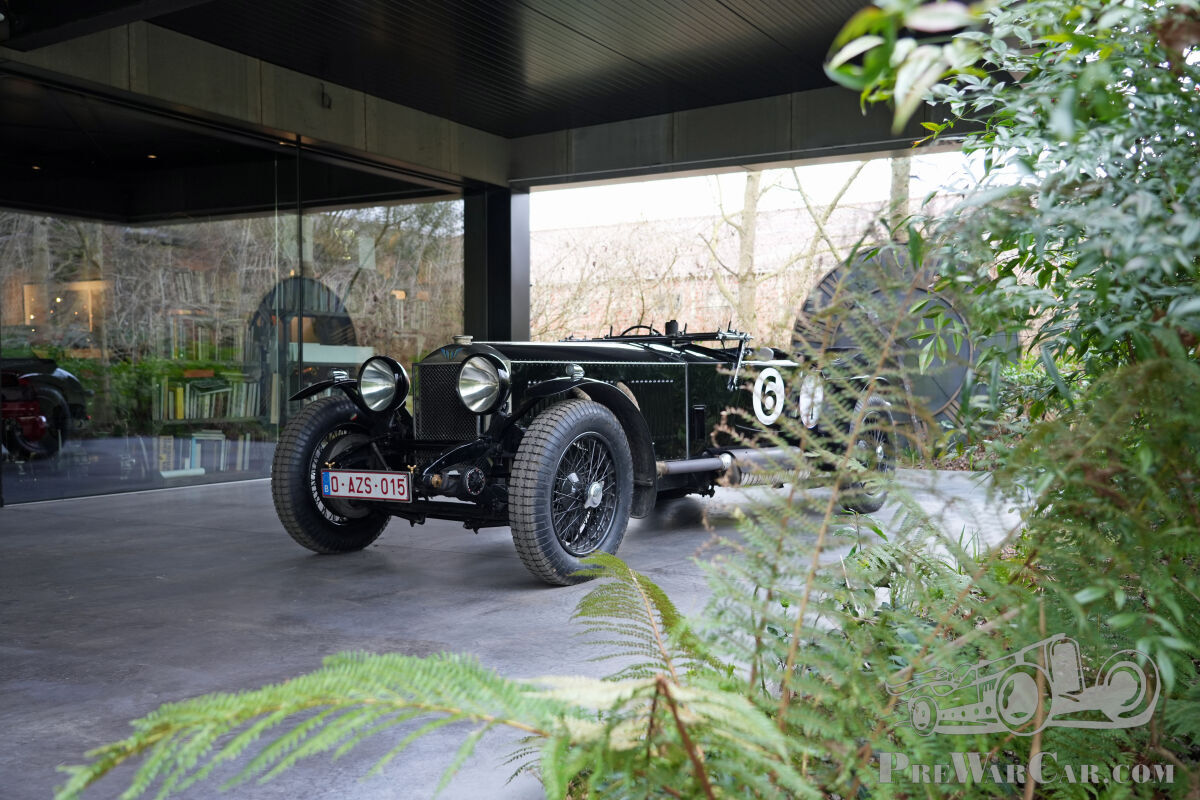
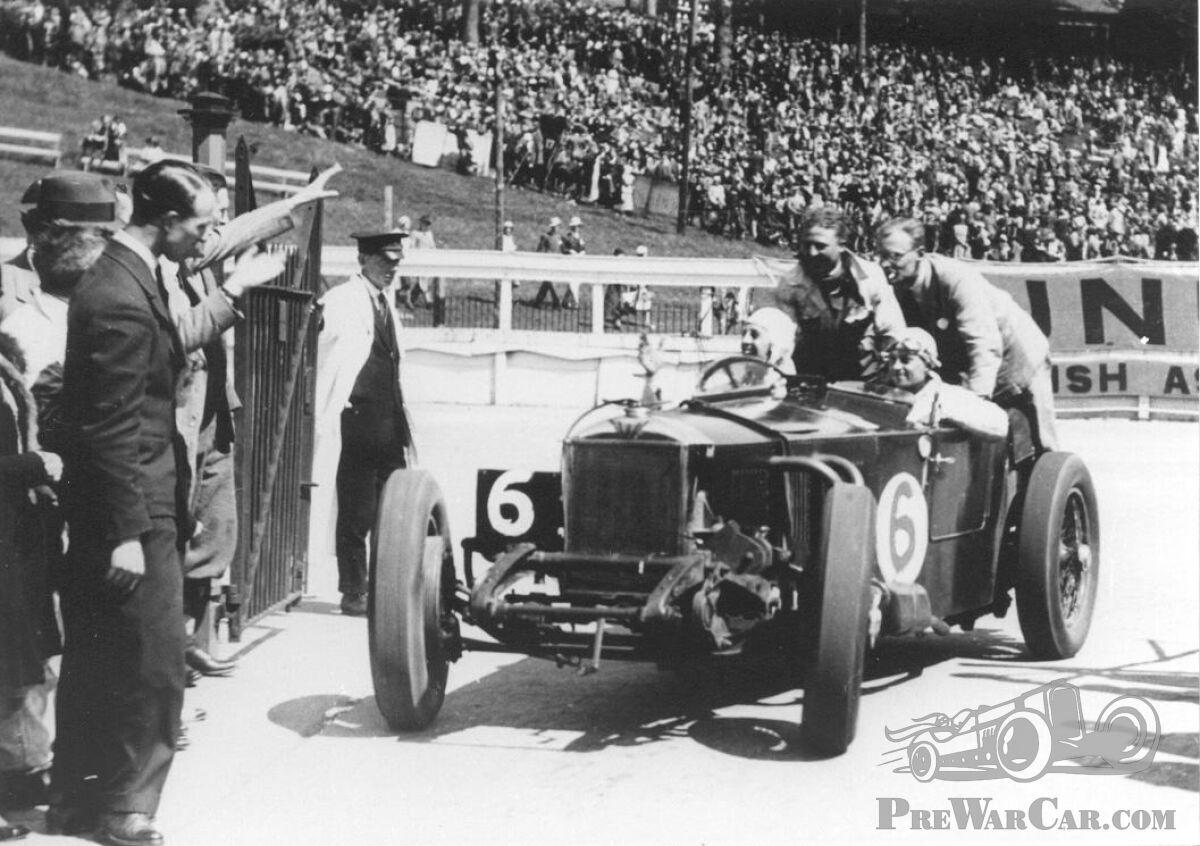
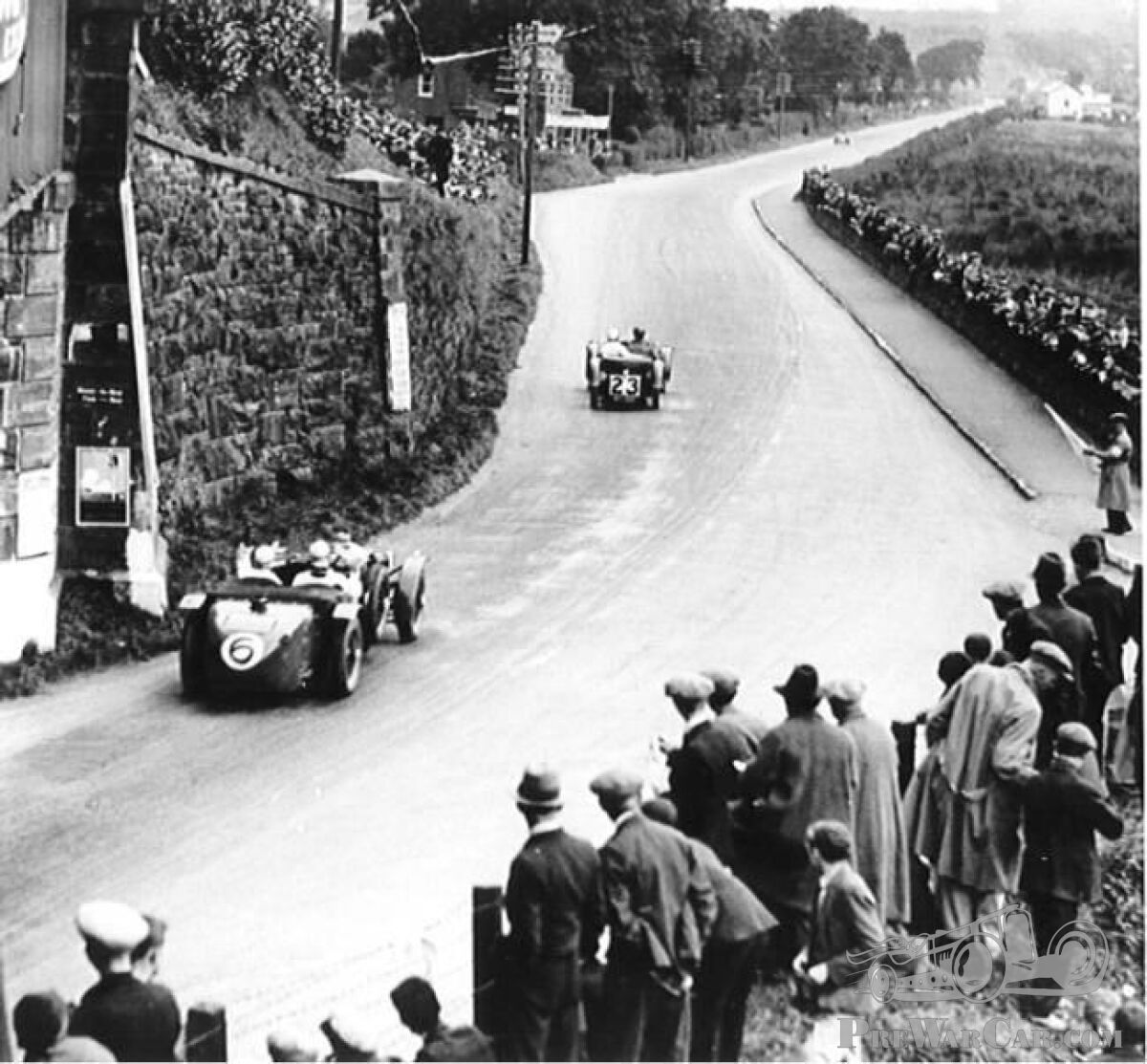
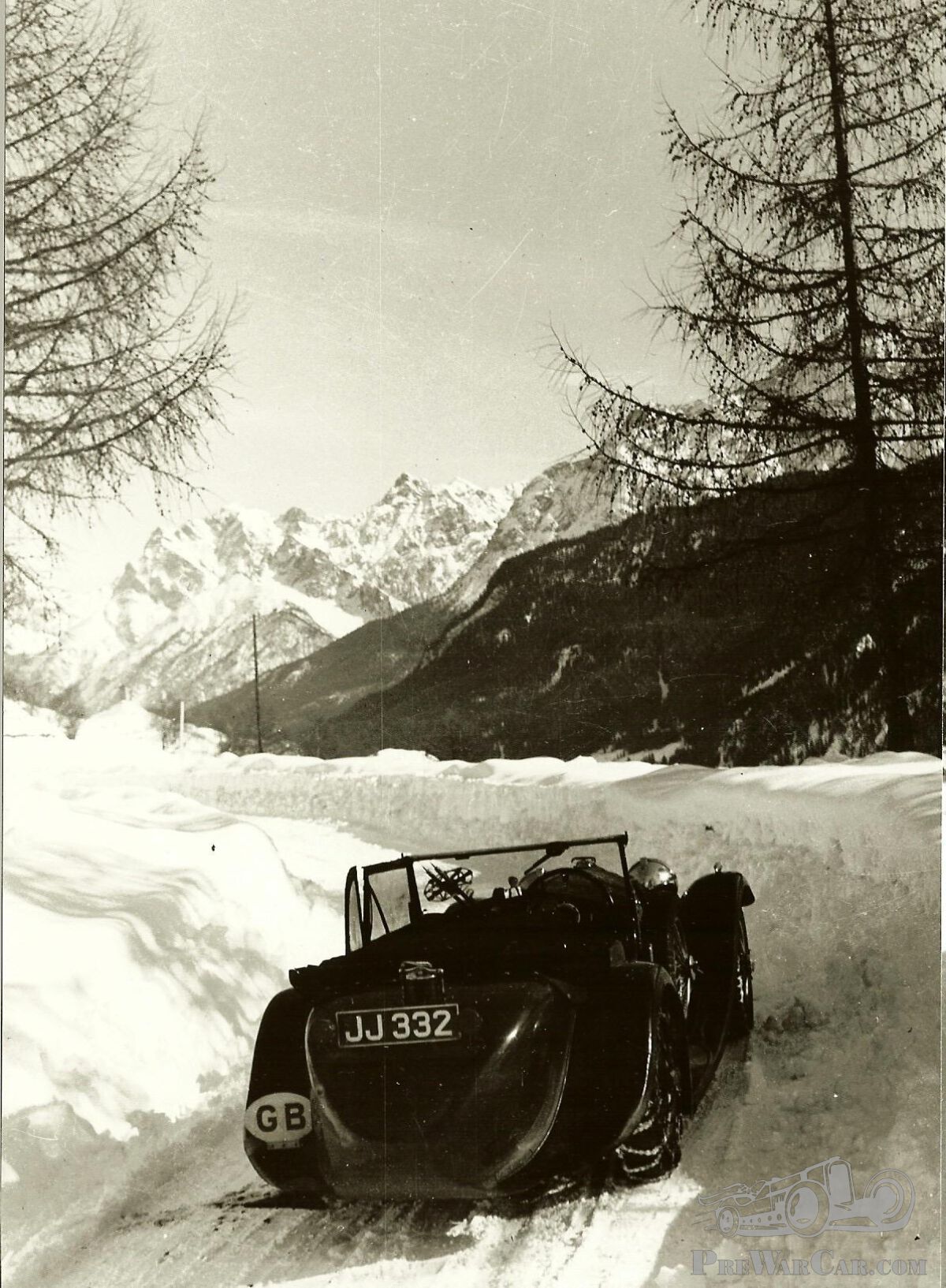
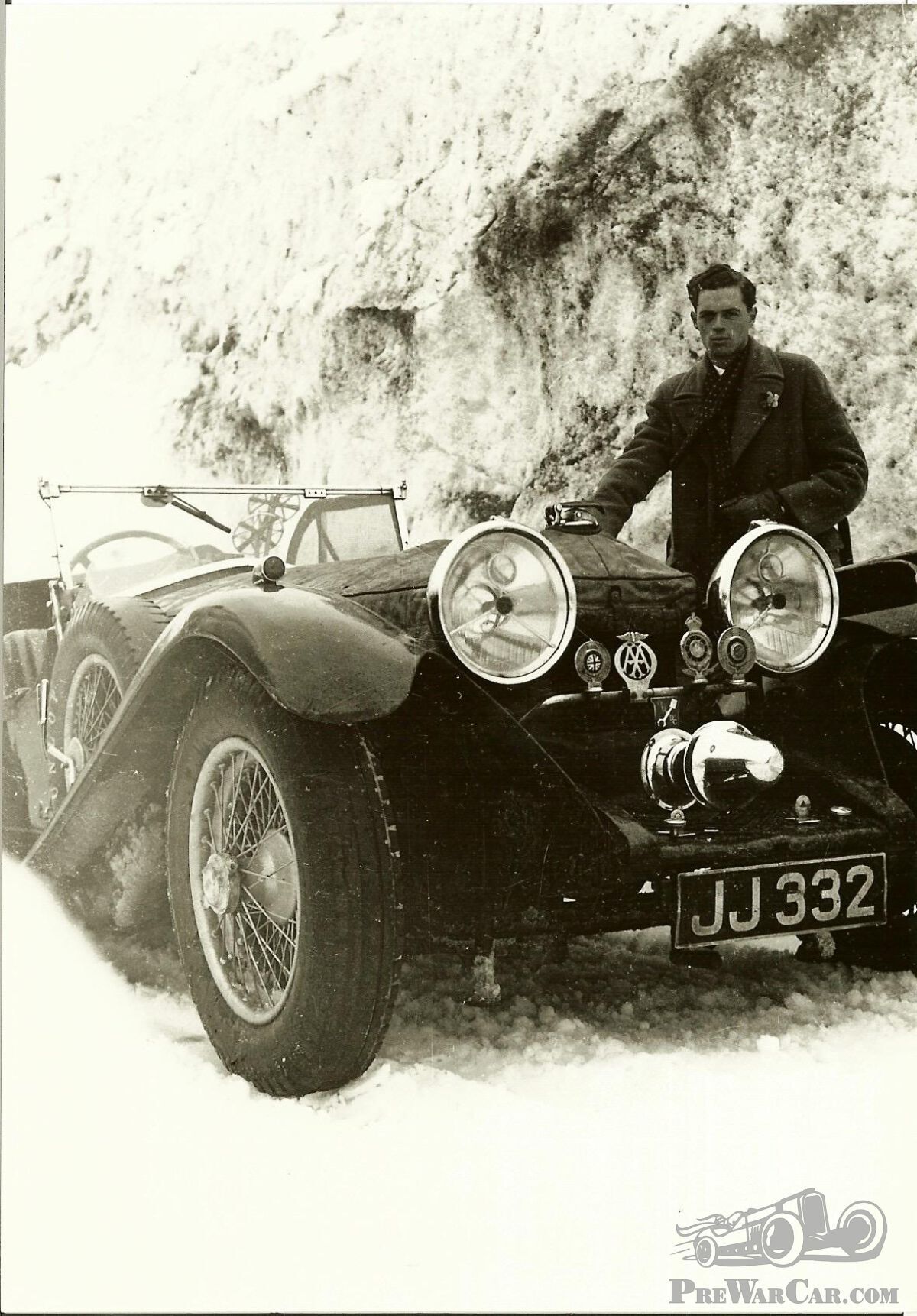
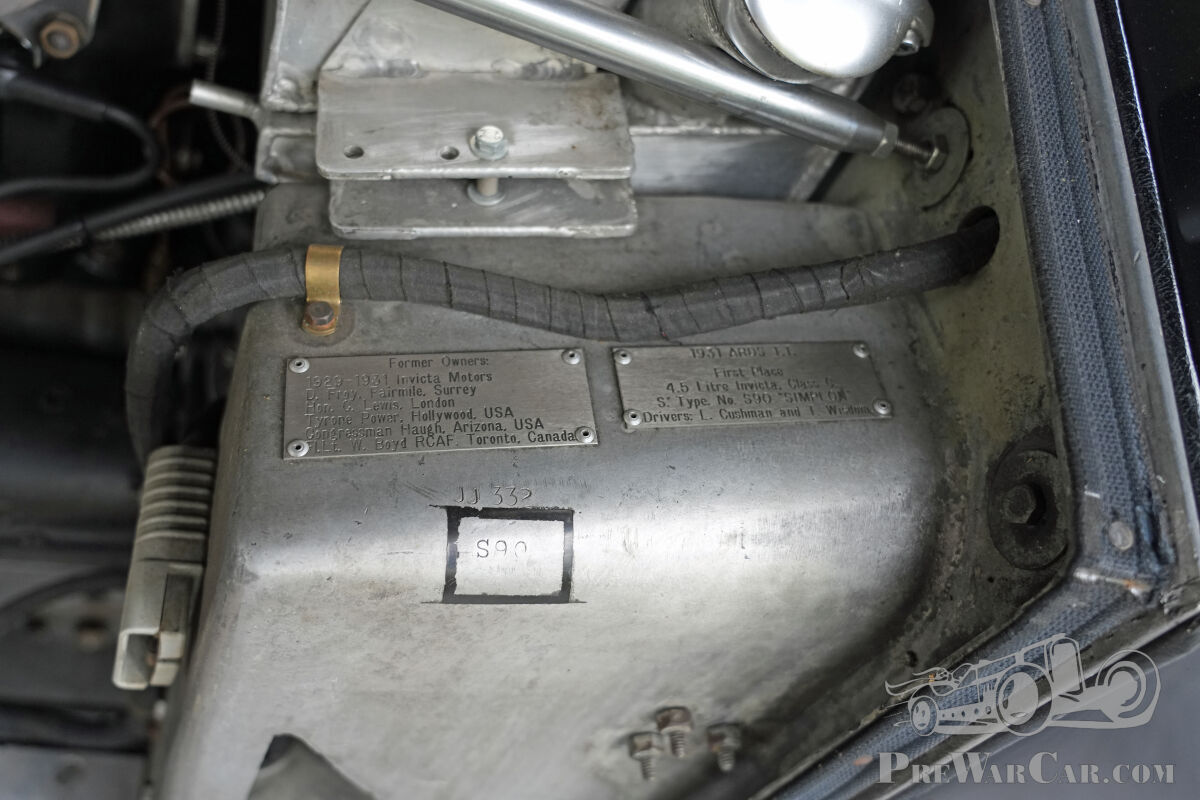
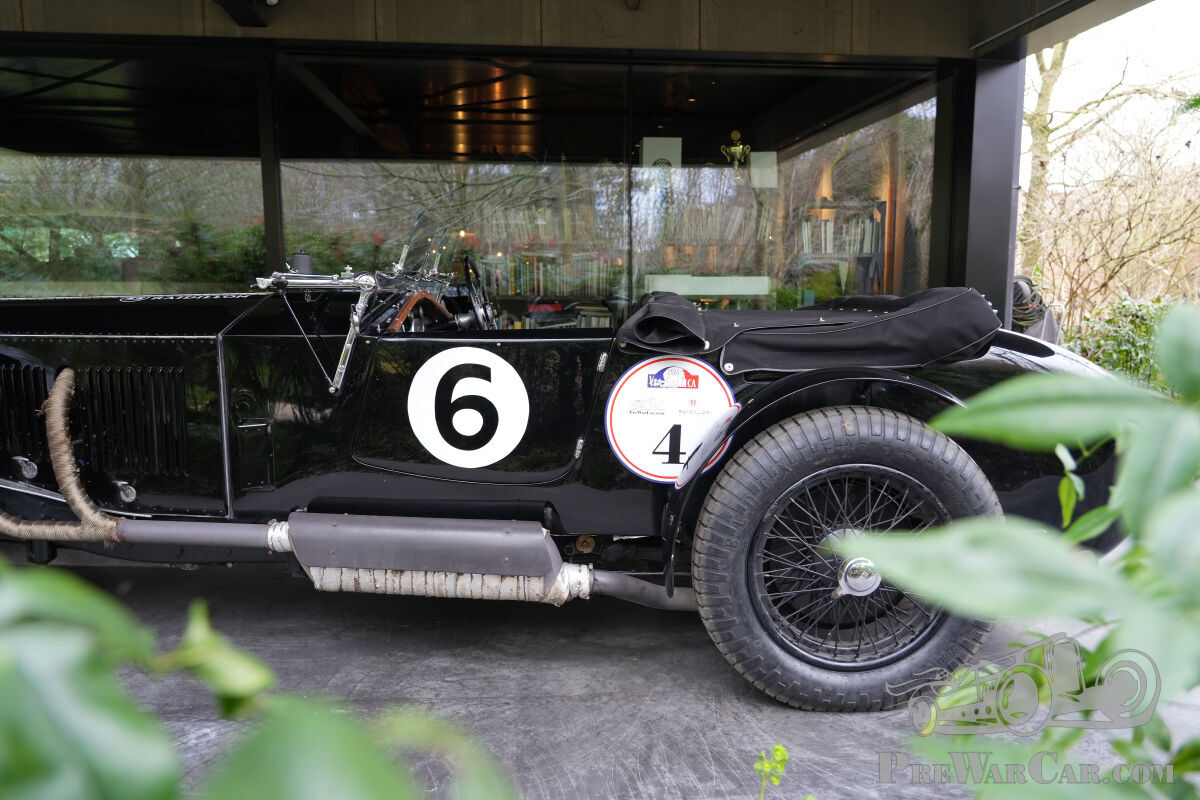
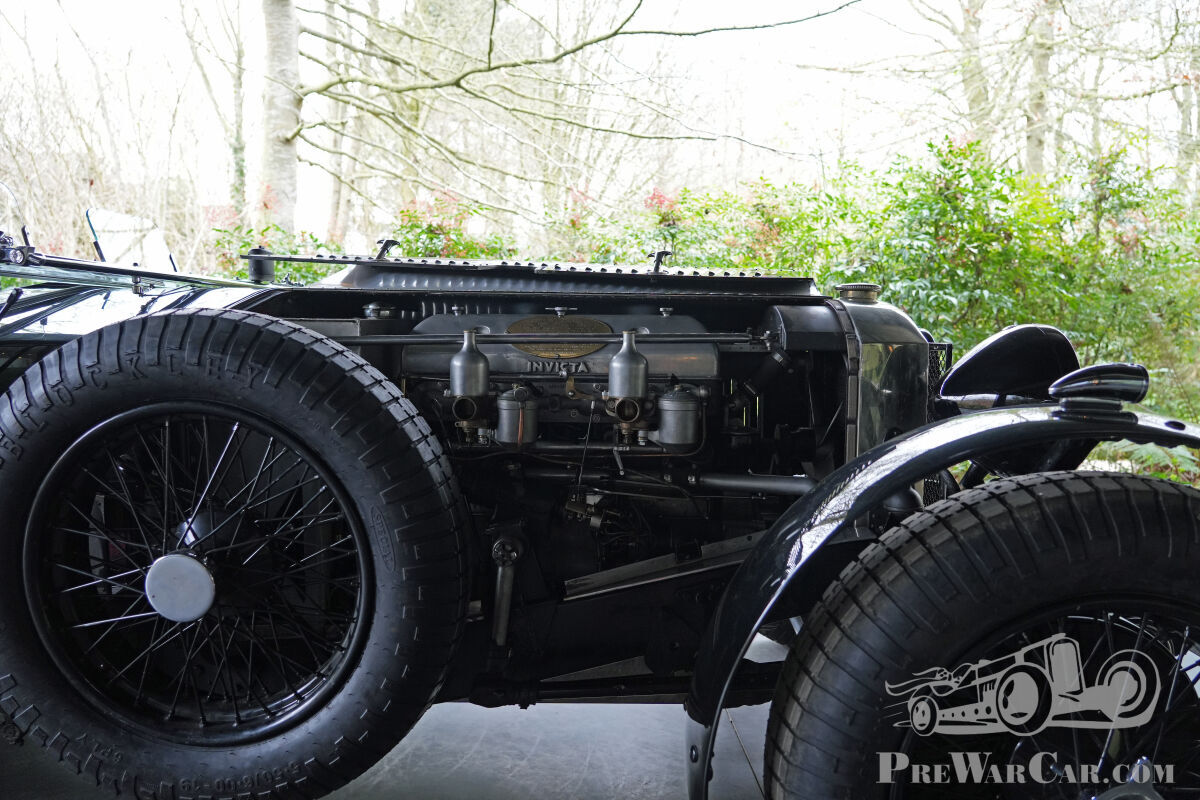
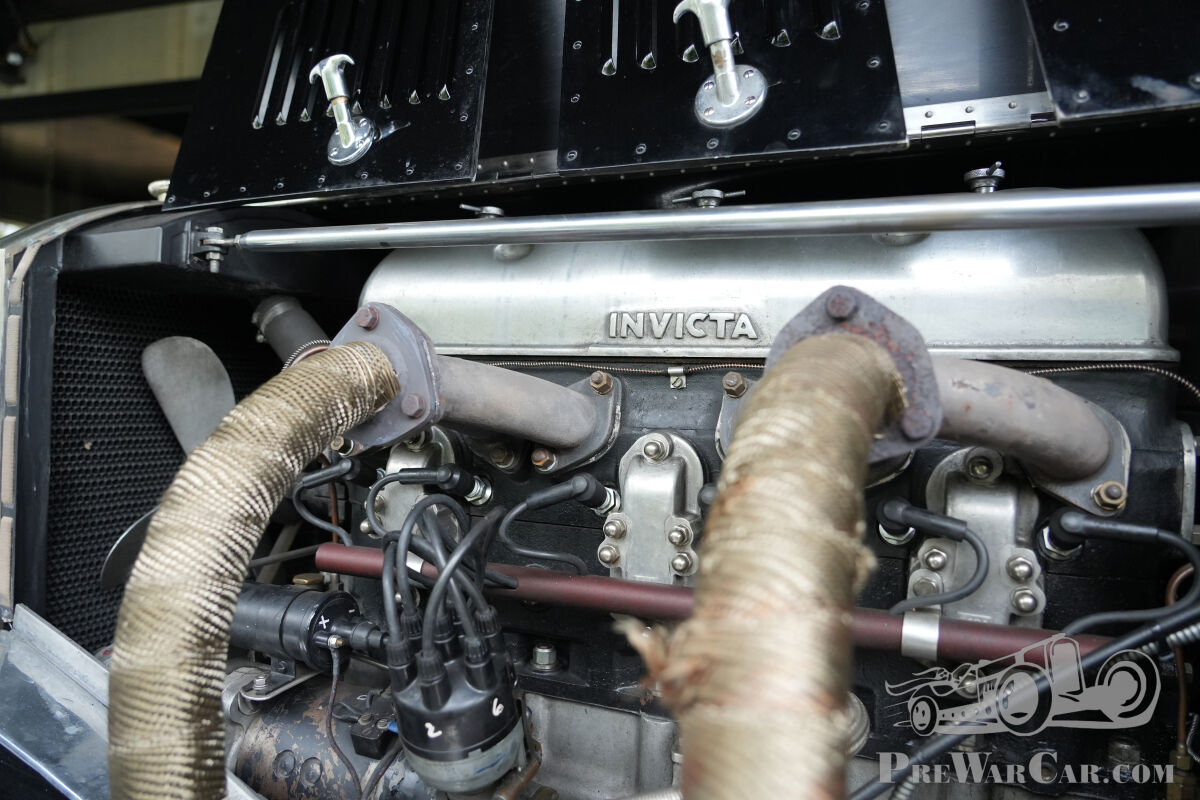
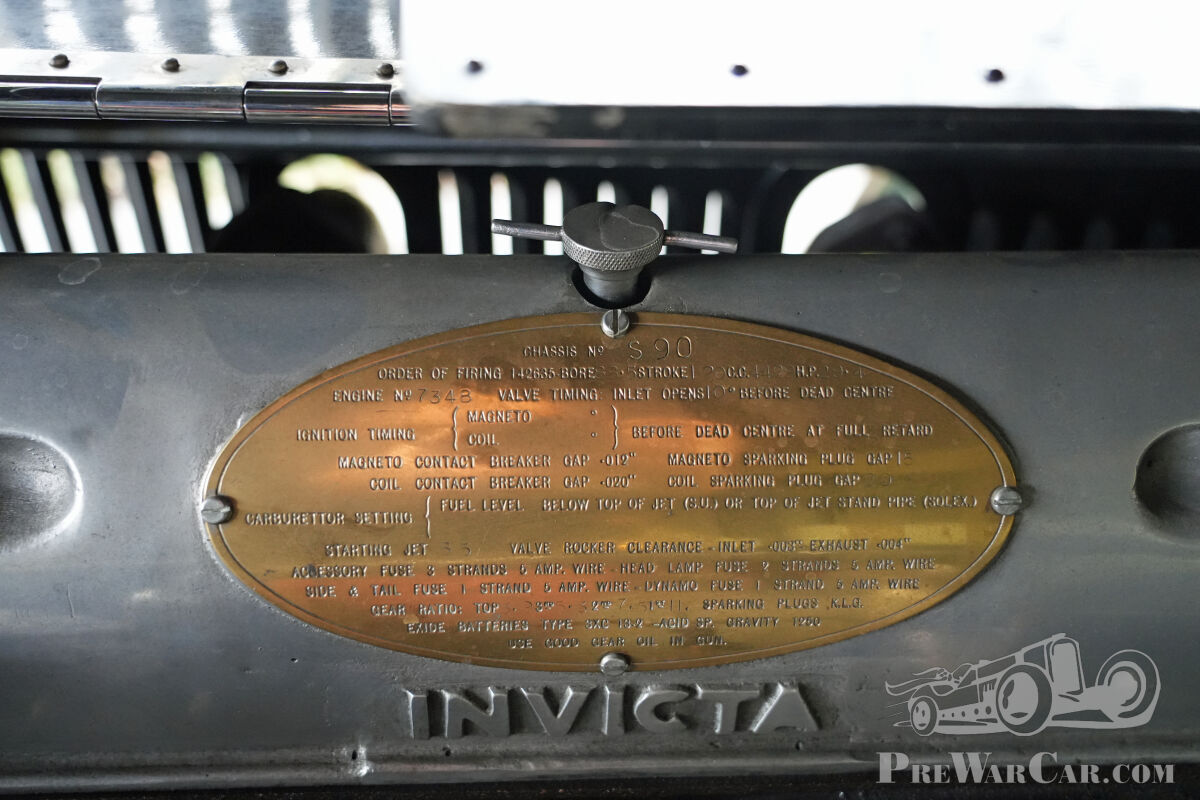

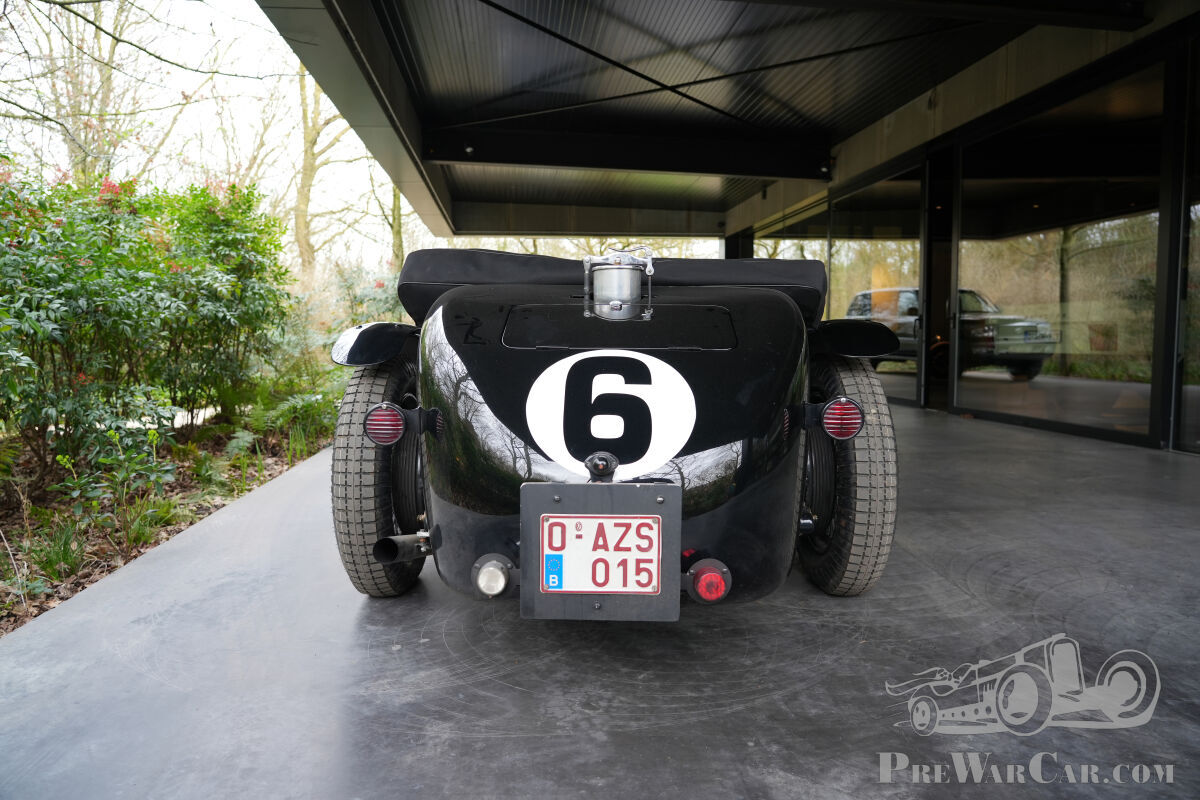
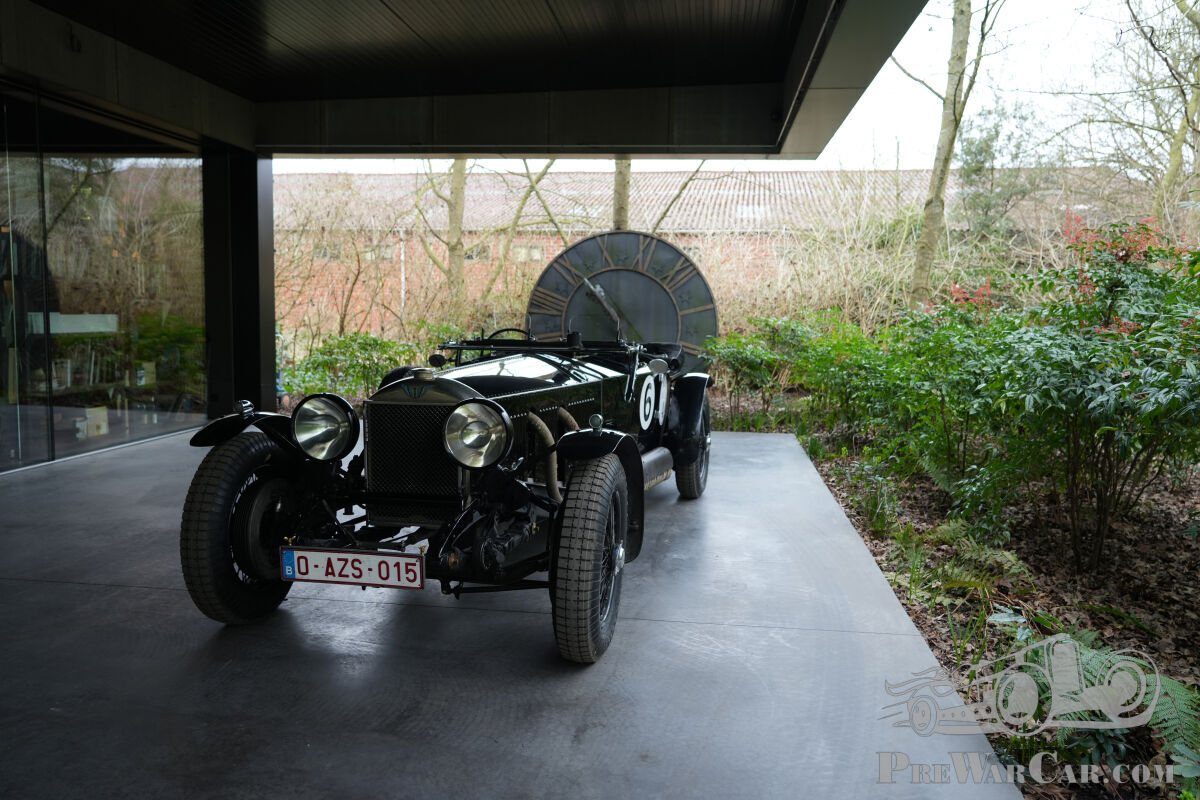
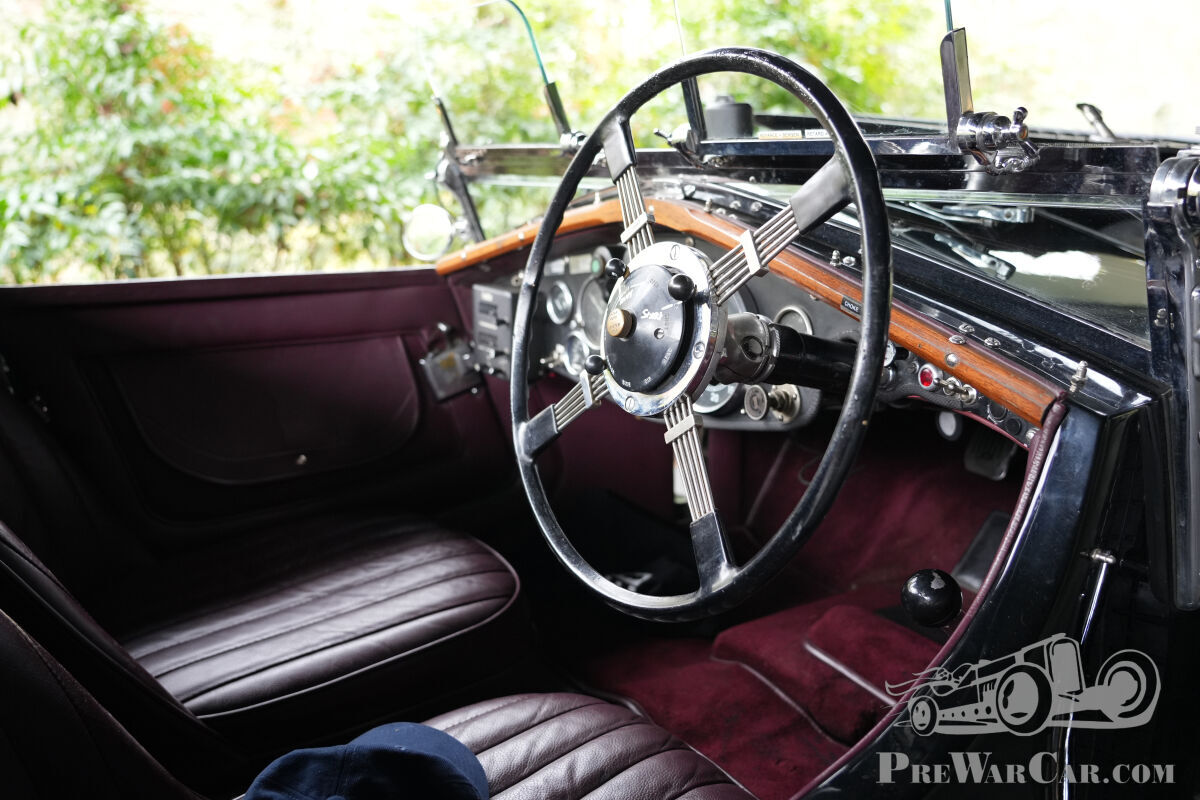
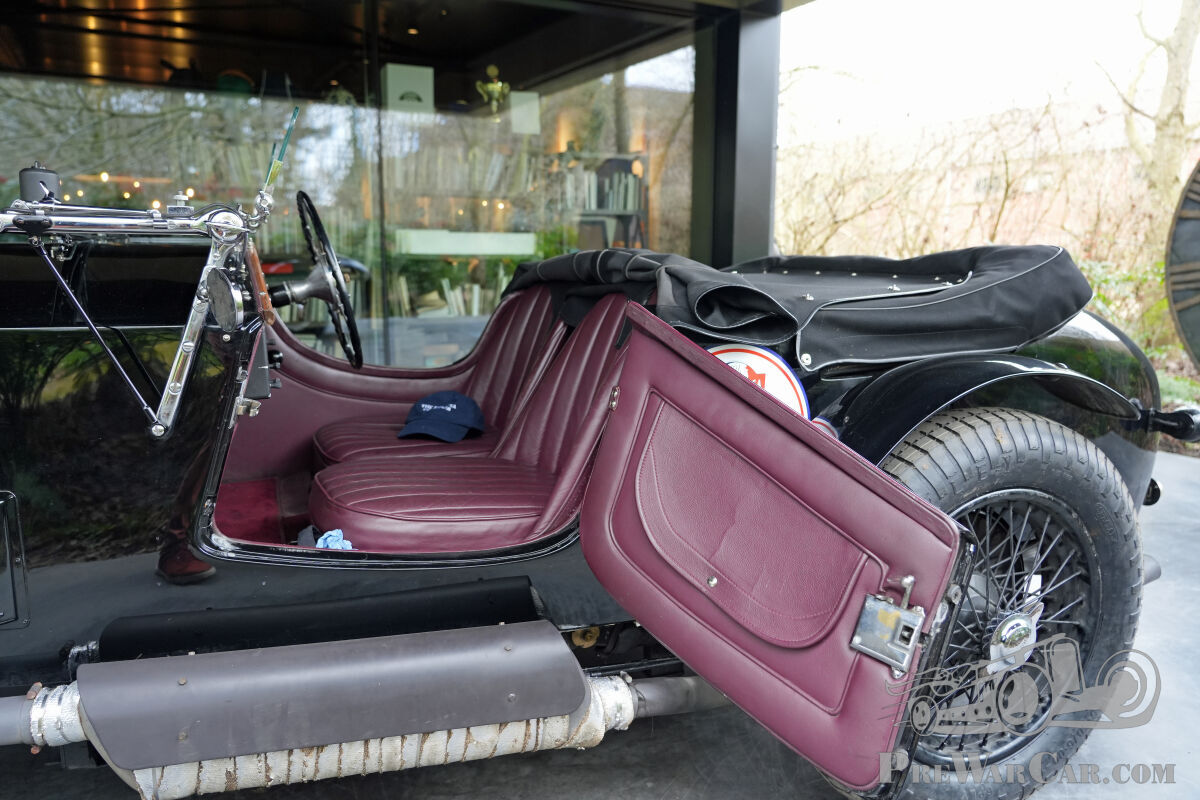
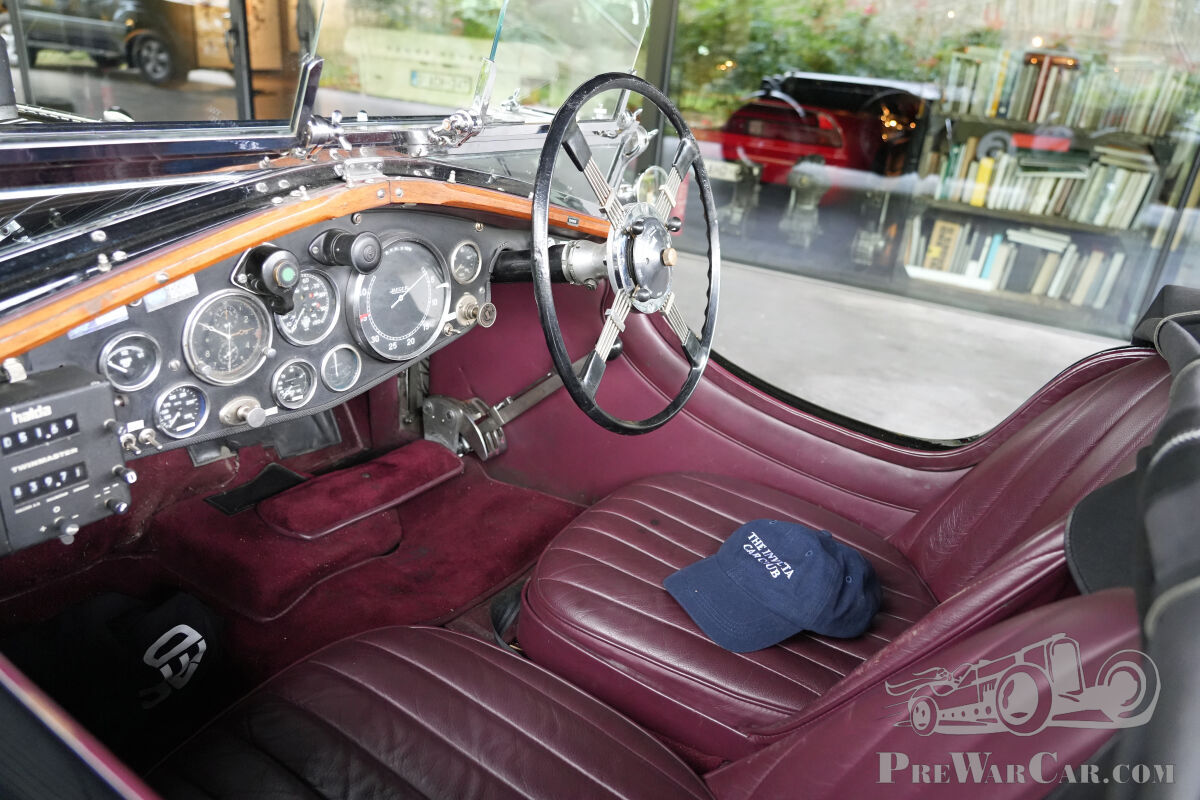
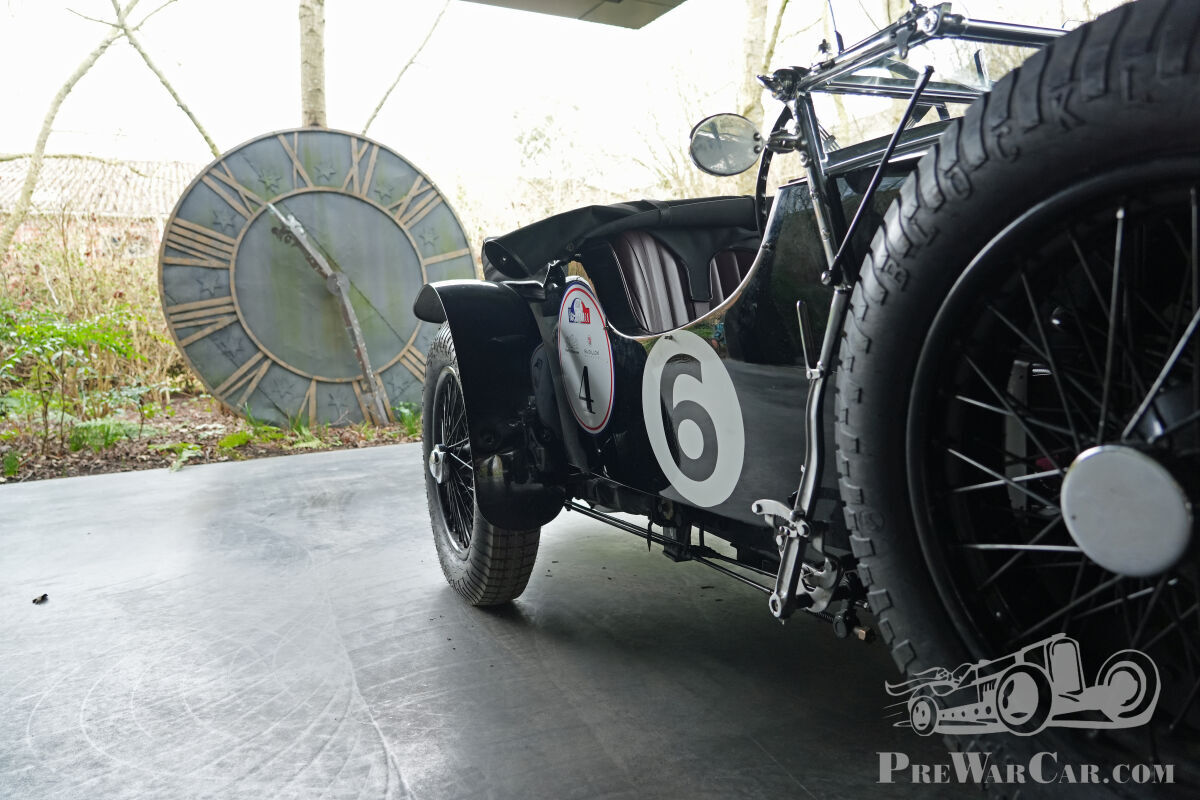
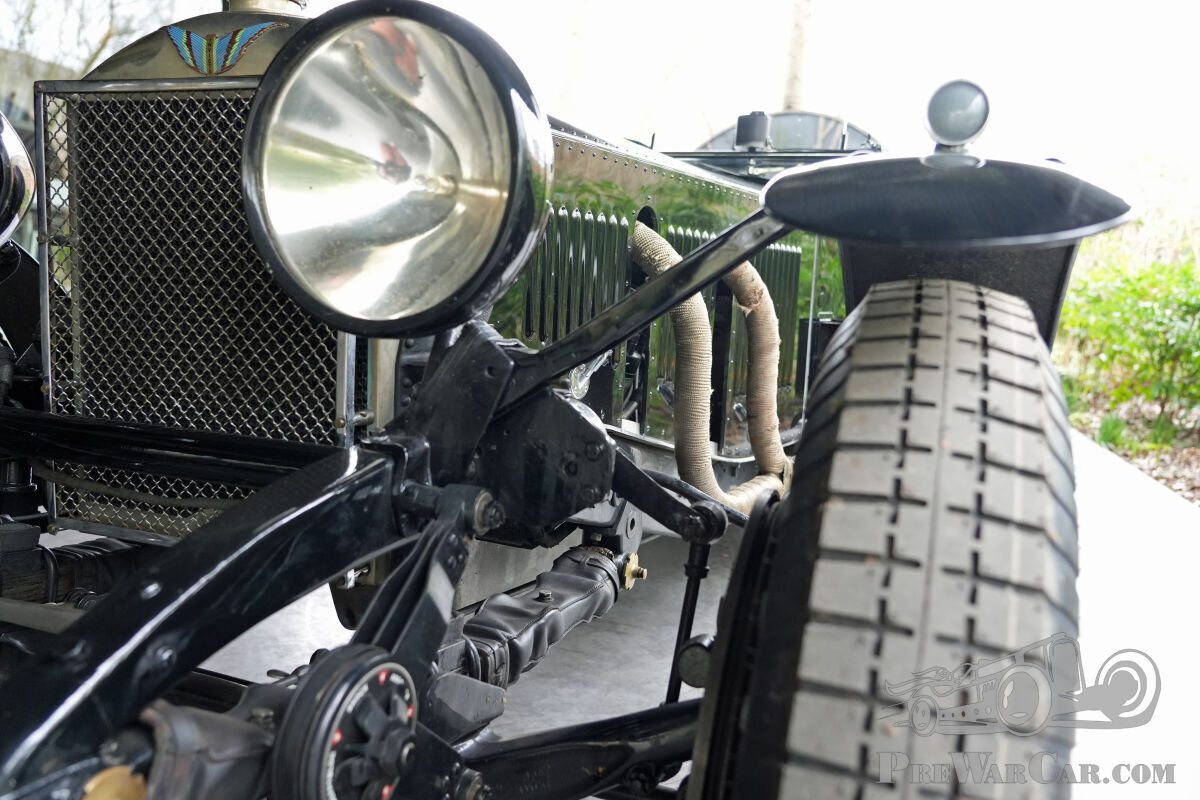


As soft veils of rain drift over the Belgian countryside, a gate swings open to reveal a modern home. There, we meet a collector who keeps several exceptional cars in his unique garden pavilion—including the very one we've come to see today: the Invicta S-type Low Chassis, specifically the car with chassis number S90, also known as ‘Simplon’.
This model is widely regarded as one of the most elegant sports cars ever built in Britain, celebrated for both its mechanical excellence and aesthetic beauty. Unsurprisingly, it’s a frequent guest at concours d’élégance events around the world. Fittingly, Invicta is one of the featured marques at this year’s Pebble Beach.
The current owner acquired ‘Simplon’ four years ago, adding it to his impressive collection of fine automobiles. He had been in love with the model his entire life, but the right car never crossed his path. After a period experimenting with a Vauxhall 30/98, which ultimately didn’t capture his heart, S90 appeared on the market. It didn’t sell at auction, and soon after, made its way to Belgium.
But S90 isn’t just any S-Type—it’s one of the original works racers, with a fully documented history. Highlights from its early years include victory at the Ards T.T. on August 22nd, 1931, and a win at the B.A.R.C. Closing Meeting at Brooklands that same year.
Much of its story can be found in old books and magazines. During his research, the owner discovered from period photographs that the car originally had a small hatch at the rear. Upon closer inspection, this hatch turned out to still be hidden beneath the paint. Remarkably, the wooden interior is also largely original. The cycle wings have been remade, but with careful attention to period-correct craftsmanship.
Although the car no longer has matching numbers, the engine history alone is worth telling. During the war, the original engine was replaced with a Buick unit. Later, engine number 7411—originally from chassis S33—was installed. In the early 2000s, the current engine, number 7348, was fitted and remains in the car today.
S90’s body was crafted by Carbodies, a Coventry-based firm renowned for its coachbuilding expertise. Most of the S-types we’ve seen have different coachwork, but in our opinion, this one boasts a particularly elegant and characterful rear design.
The Invicta S-type came equipped with a 4½-litre Meadows straight-six engine with a long stroke, first unveiled at the 1928 Olympia Motor Exhibition. Known for its high torque and flexibility, the engine could pull strongly from as little as 6 m.p.h. in top gear—all the way up to 90 m.p.h.—a remarkable feat for its time.
After photographing and spending time with the car, we fully understand the owner’s dream. What a magnificent machine. The combination of raw power and refined elegance makes this a truly exceptional vehicle. As the gate closes behind us once more, we can’t help but know what we’d love to see in our own garage one day…
Words and photos by Laurens Klein
Published:
Monday April 7th, 2025
Facebook
LinkedIn
Twitter
WhatsApp
Email
Copy
Comments
Simon Thomas
08 April 2025, 10:04


Peter Maguire
07 April 2025, 14:06
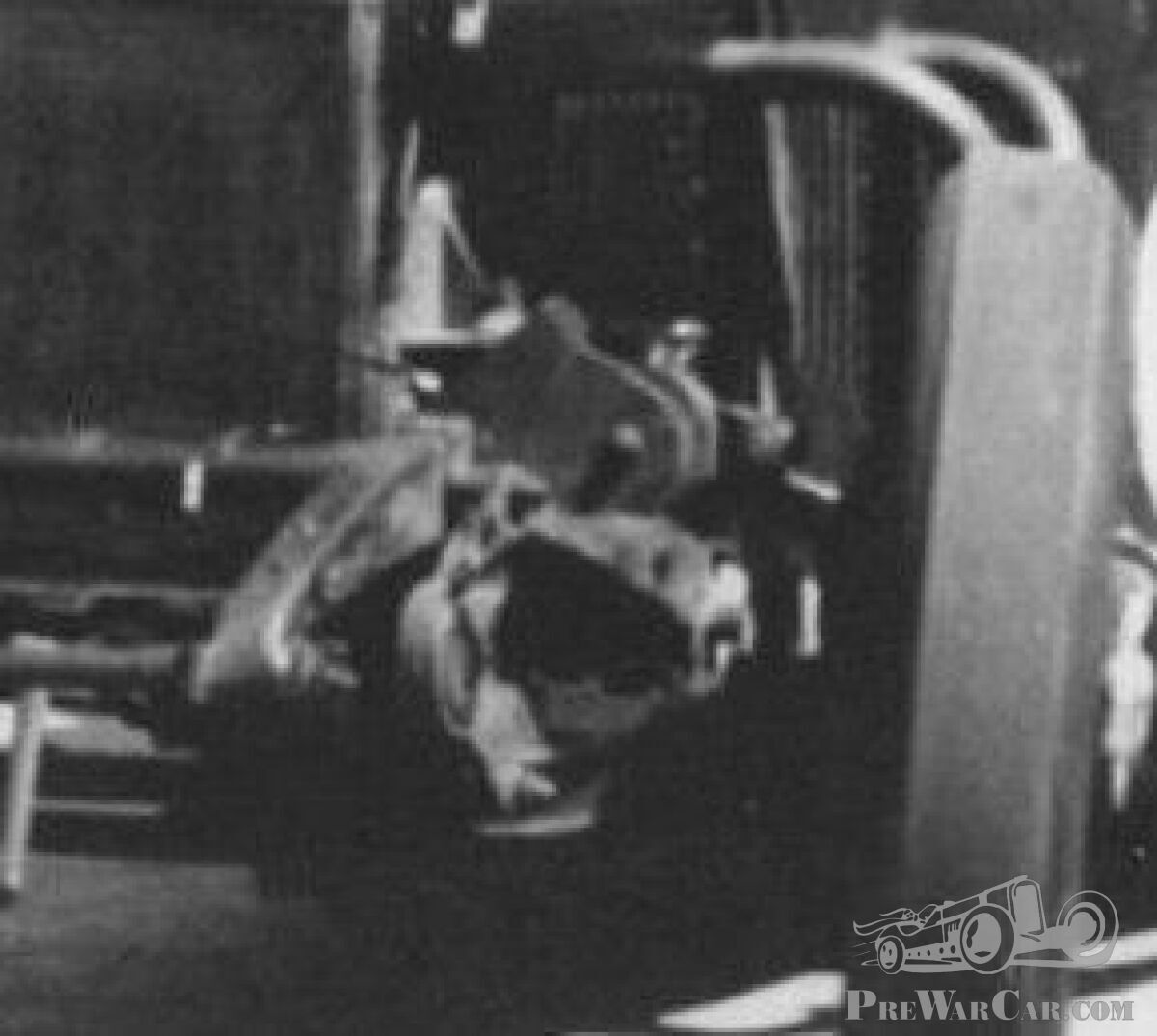
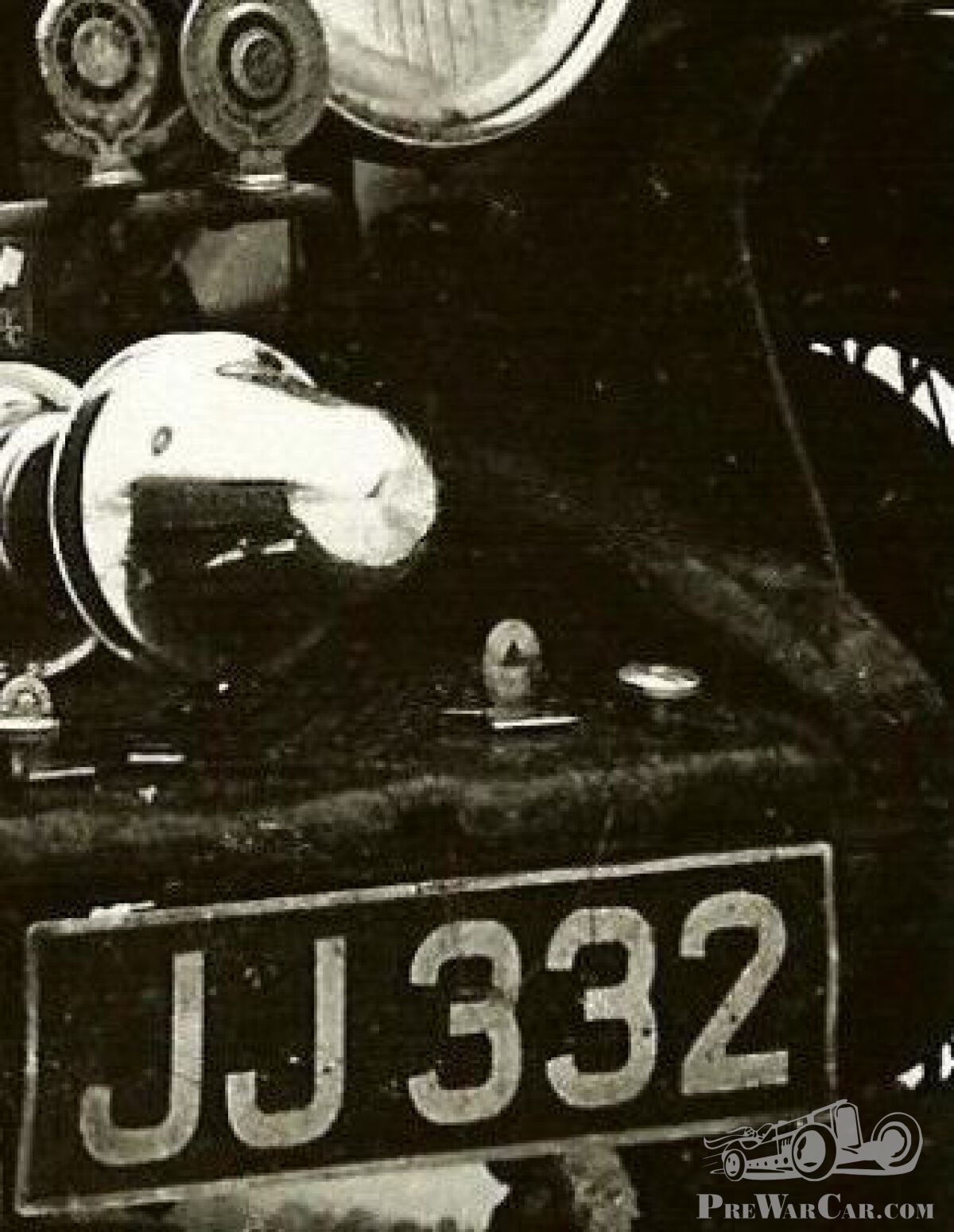
Are we talking about two different cars here? I ask, because the car in the photos taken in the "mountains in the snow" has a completely different front supension configuration from that in the other photos. This is evident and can be easily seen in photo six, the second in the snow with a man standing behind the car to the right of the photo. In this photo it can be seen that there is no provision for the shock-absorber system set at right angles to the chassis. This requires bulges on the radiator side of the wings to accomodate the mounting brackets on the side/top of the chassis. These would be situated just aft of the headlamp mounts and they are not there (easily apparent under three hundred per cent. enlargement). A minor point, but of importance. These mounts are very evident in most of the other photos, including those taken in the 1930s.
Read more
Simon Thomas