The global magazine and marketplace for classic car enthusiasts, by enthusiasts.


Filter
Make a choice:
- Cars
-
Make >>
-
Year >>
-
- Bikes
-
Location >>
- Parts & more
-
Make of car >>
-
Manufacturer >>
-
Category >>
- Bicycles & more
-
Year >>
-
Countries


Jan’s Chenard et Walcker: traces of another life
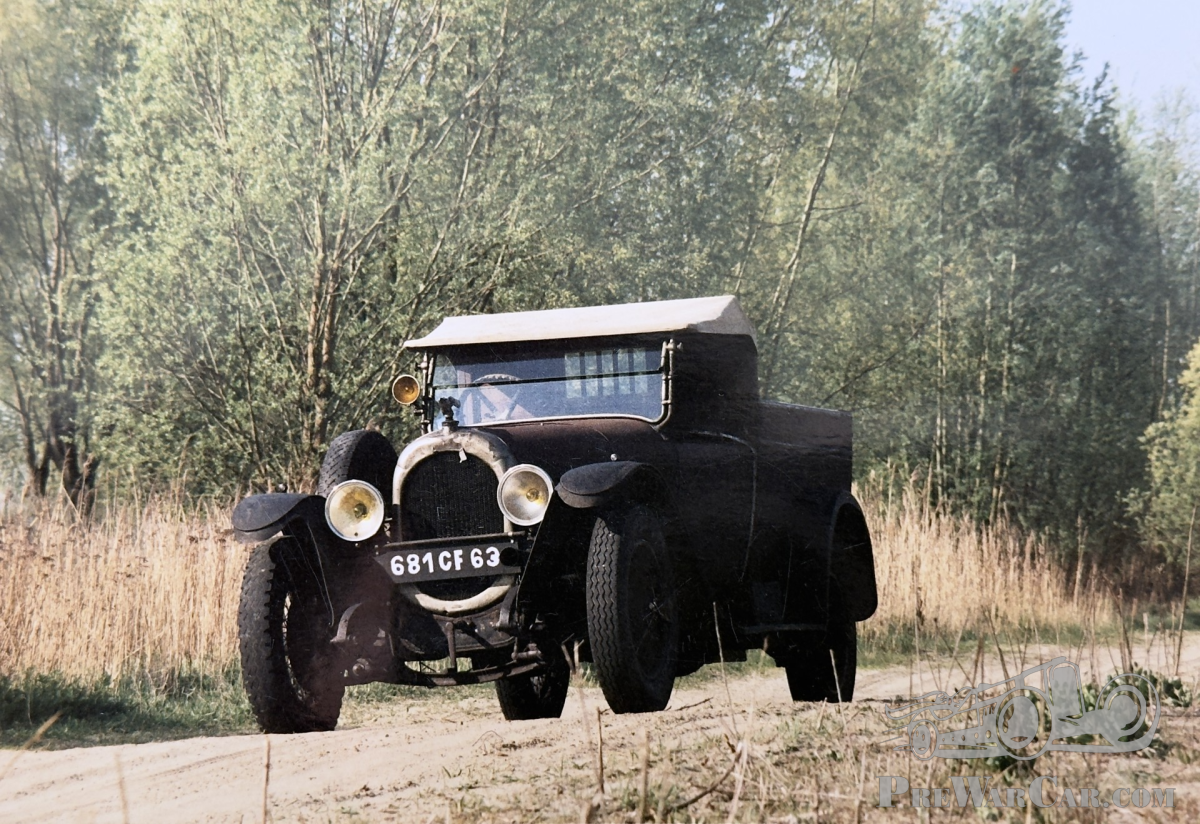
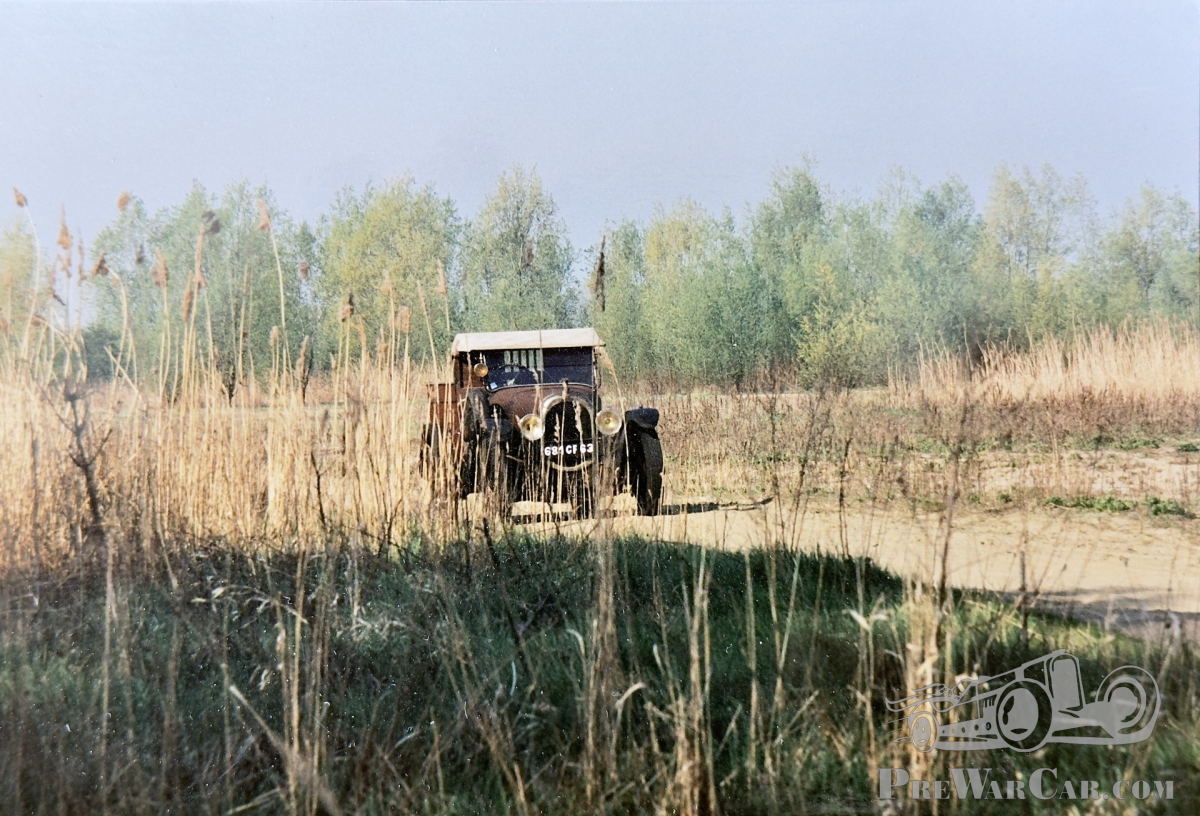


As a child in the Flemish Ardennes, I would gaze in awe at the little truck of the beer distributor and coal merchant, struggling up the hill with a monotonous groan, only to roll peacefully down the other side with a gentle wobble. Old, worn carts with a life of their own—never gleaming, but reeking.
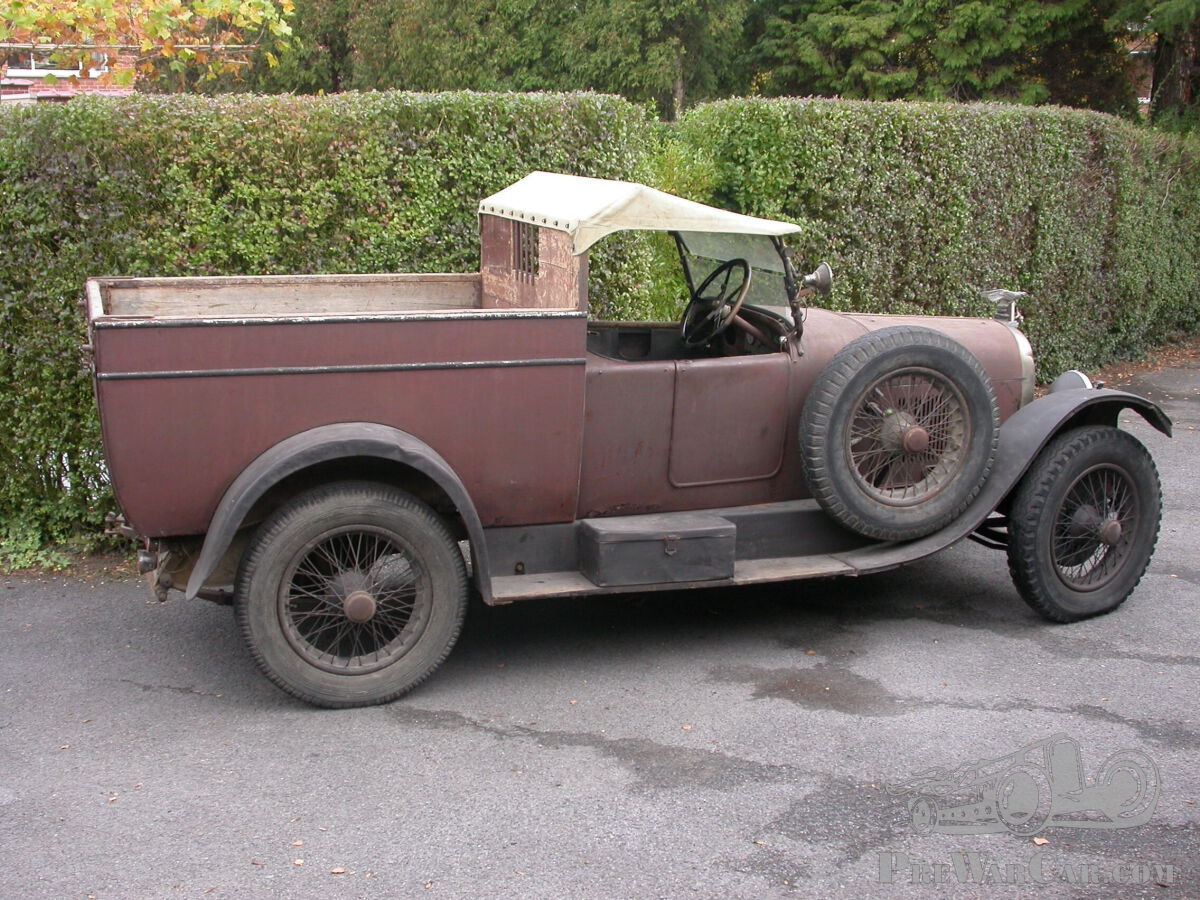
Because concours restorations tend to trade soul for commercial polish, I set out in search of a souvenir from my youth. ‘Unrestored’ was the goal. A square French saloon car often appeared too worn to show in public, unlike a utilitarian vehicle that can proudly bear its battle scars.
The History:
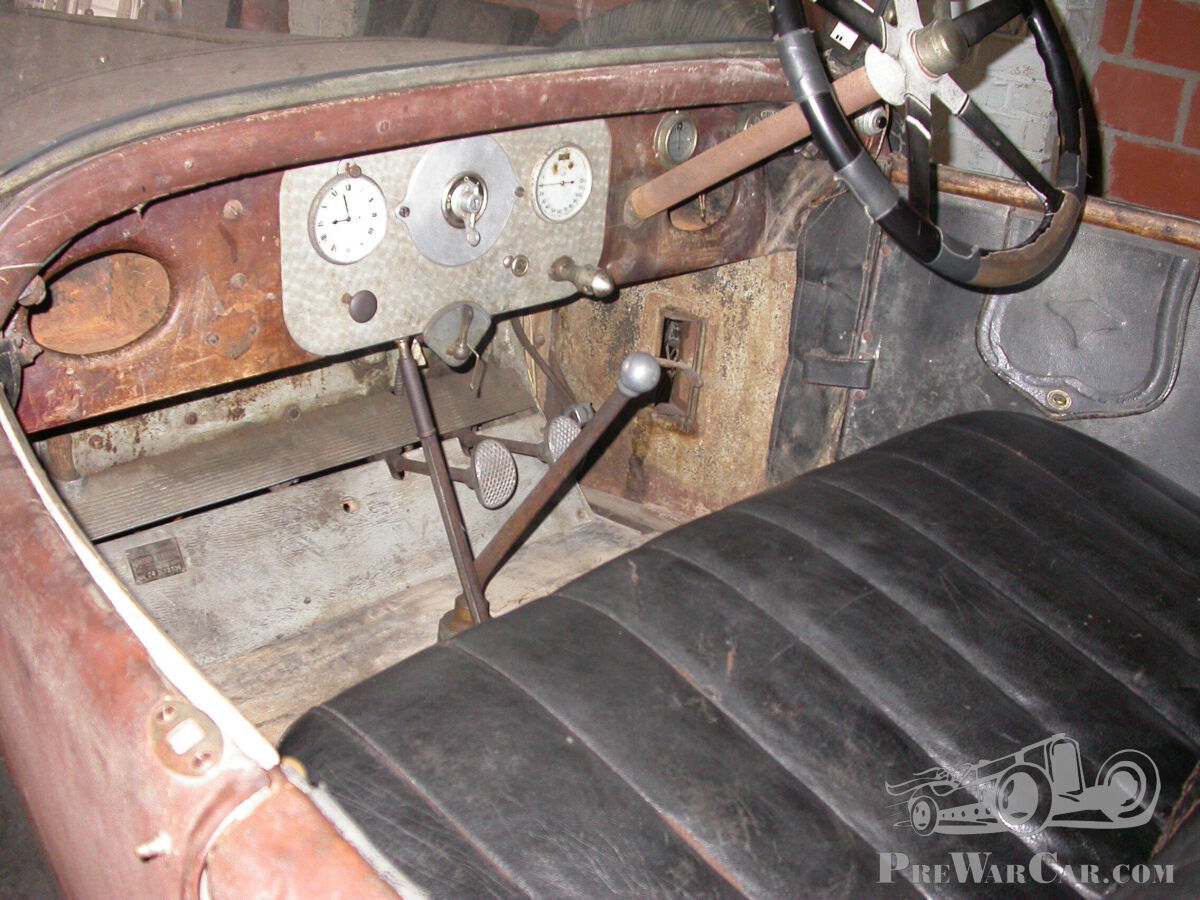
In 2001, I purchased a Chenard & Walker T4, built in 1924, through an advertisement for a FORD T in the French magazine "La Vie de l'Auto". The Chenard was unrestored, complete apart from minor details, and in remarkably sound condition. It had two different wheel sizes and was missing its headlights. So I combed through the next issue of "La Vie de l'Auto" in search of those parts, until my son said: “Hey Dad, there are two Chenards for sale here.”
Since France is a large country, I asked: “What’s the phone number (which region?)” To our surprise, it was a Belgian number with prefix 055. Incredible—that’s our own area. And indeed, I ended up buying two Chenard T4 wrecks that had been sitting dormant for twenty years just 500 meters from my home (= 3x T4 in 2 weeks).
Using the best parts from the three cars, the French Chenard underwent a thorough conservation treatment. It is now technically perfect and reliable. My longest drive so far has been 70 km non-stop on a scorching summer afternoon.
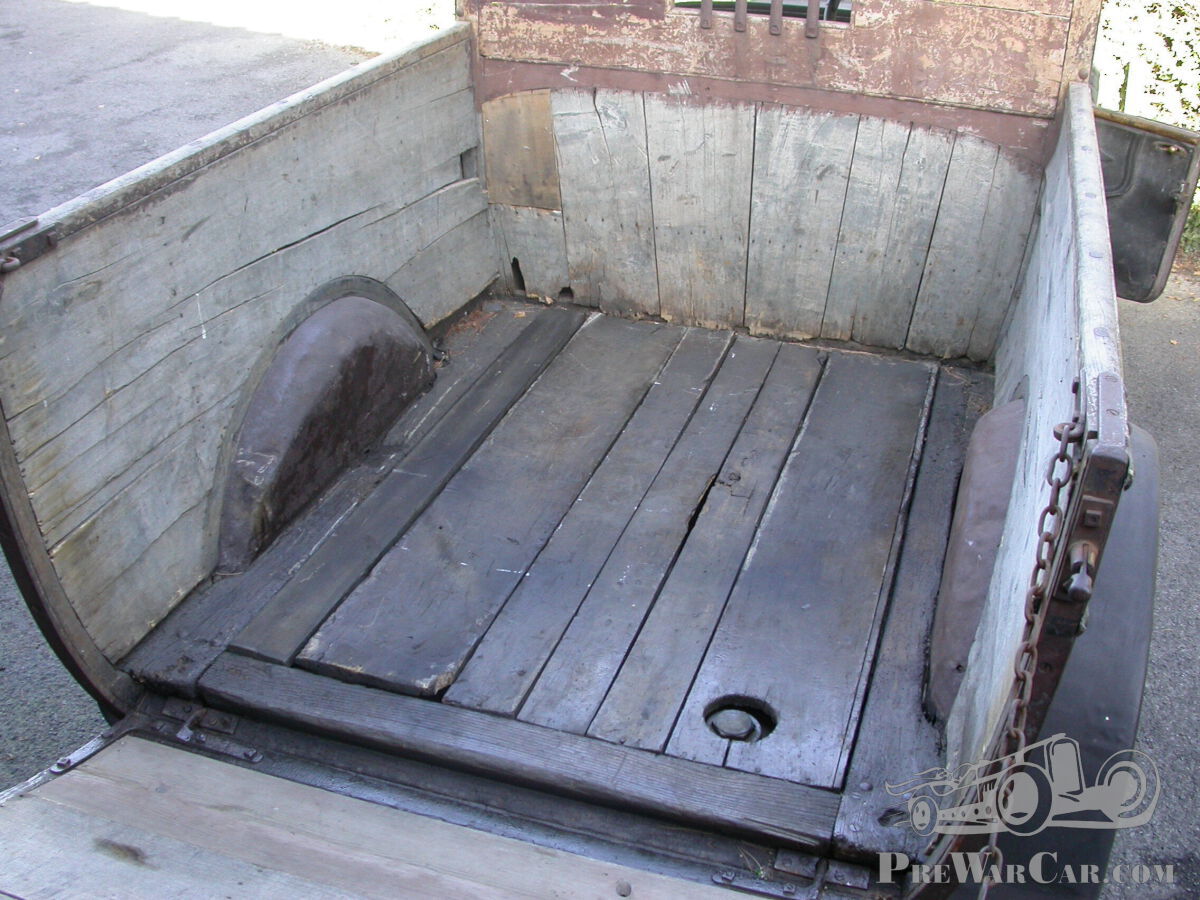
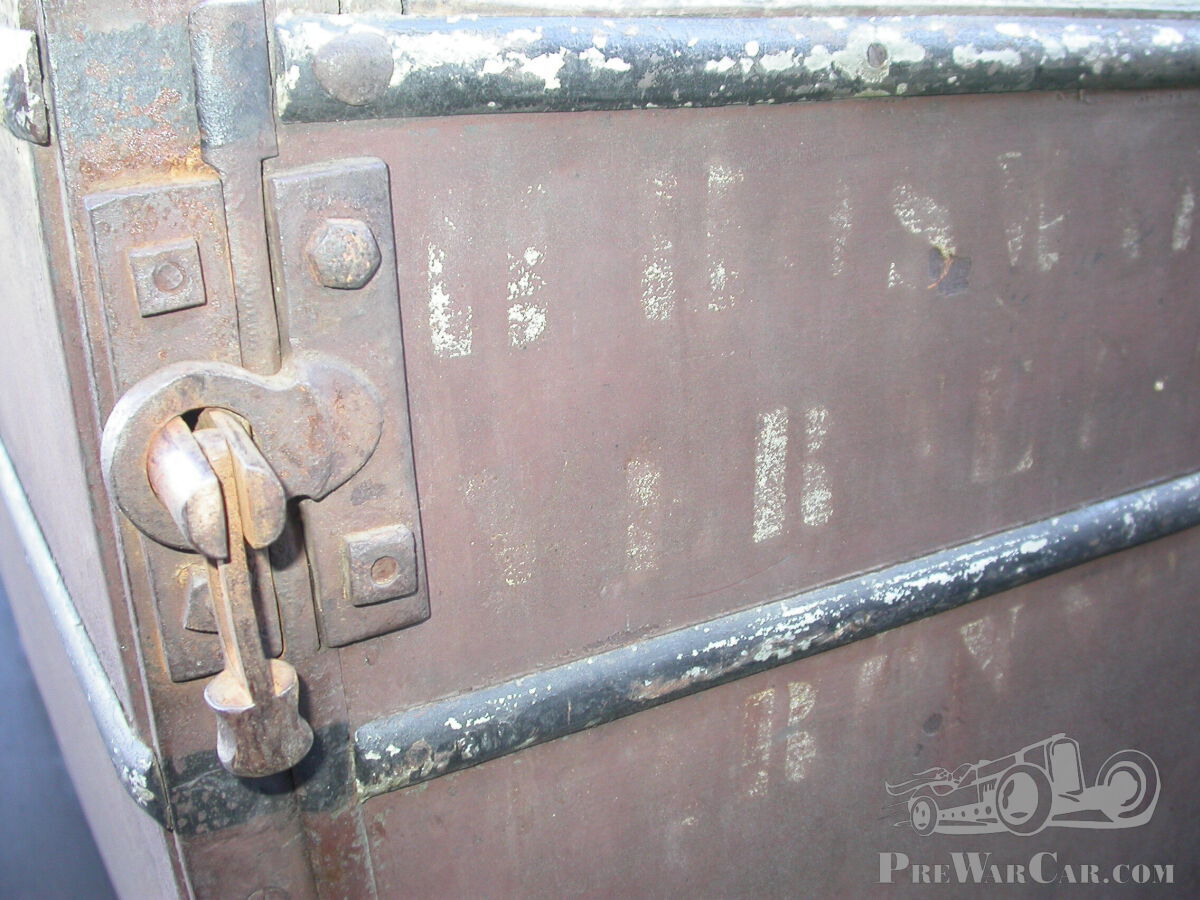
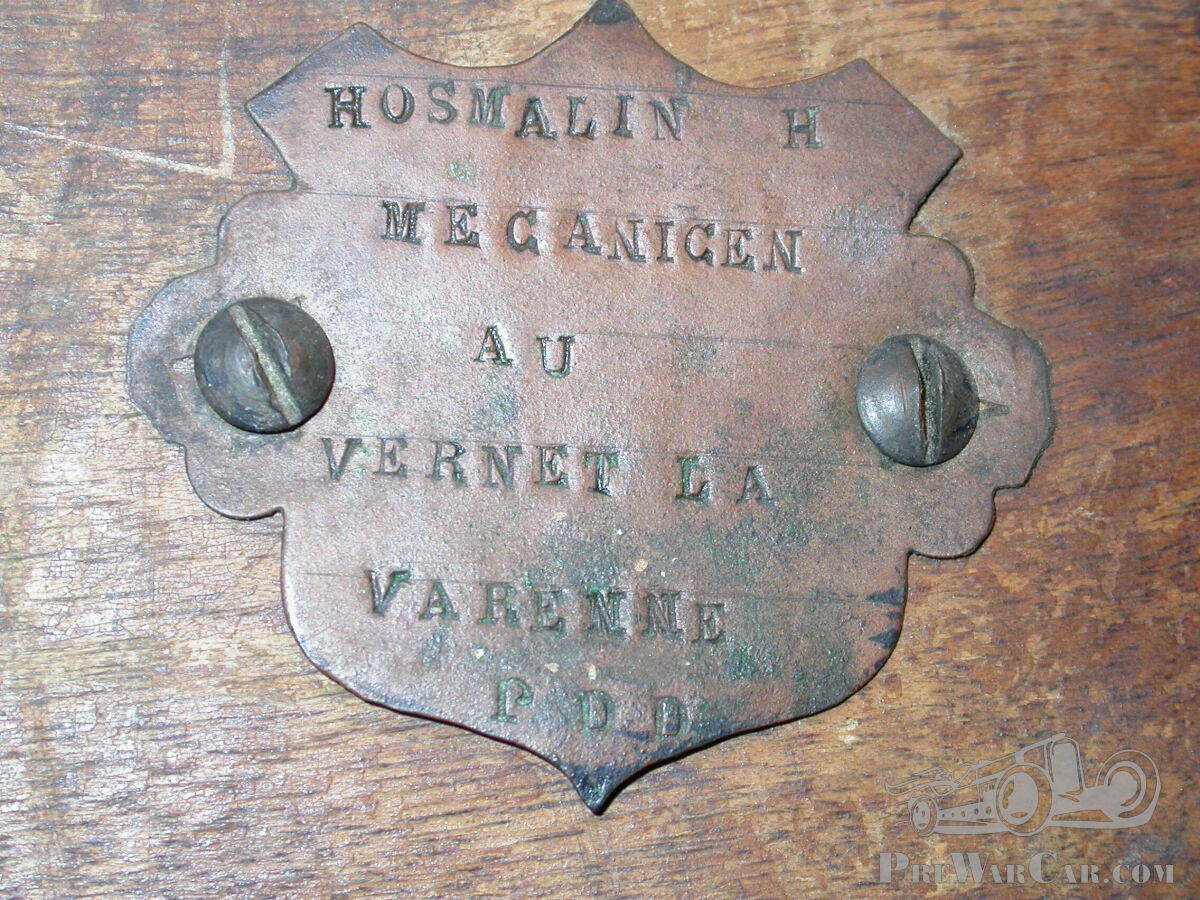
On the dashboard and in traces of paint on the tailgate, the name and hometown of the previous owner can still be found: Henri Hosmalin. Born in the late 1800s in Vernet-la-Varenne in the French Puy-de-Dôme. He served in the trenches of Verdun during his military service and, after the war, went to work at Citroën in Paris. After a year, he sought advancement and joined Berliet, where he rose to the rank of “Maître Tôlier” (master panel beater).
Homesickness brought him back to Vernet in the 1920s, where he started an agency for the fine French automobile brand “Chenard & Walker”. Times were not favorable for the brand, and as a skilled mechanic, Henri was forced to specialize in making saw tables—a necessity in that forested region before chainsaws became common.
Henri had a rather strong personality, and conflicts arose with his family. He was also not particularly well-liked in Varenne due to his sympathies for Mr. Hitler. As a result, he left Varenne and settled in Vinzelles, a small district of Bansat, where his wife came from and where his brother-in-law owned a farm. He passed away there in 1962 after a long illness.
In 2003, I made a pilgrimage to the roots of my Chenard. In Vernet, I approached elderly locals at random, and although Mr. Hosmalin had left sixty years earlier, memories were still vivid—especially for the farmhand who had worked for him.
This led me to a nephew, Hosmalin, a man in his seventies renovating a house in the hamlet of Le Mas. When I introduced myself, he was moved to tears and returned with a photograph of “Uncle Henri” in his 1914 military uniform. His account of the family dispute guided me to the in-laws in Vinzelles, to a niece of Henri’s wife.
To justify my visit, I showed a photo of my Chenard, still in its current condition. Immediately, a box of photographs was brought out, and after some searching, a picture from the 1940s emerged—our car, with Henri at the wheel. The farm remained unchanged, and in a dilapidated shed, some Chenard parts (gearboxes and wire wheels) still lay there in 2003, hidden by Henri during the war.
There I learned about his illness, where his workshop and house once stood, and that his wife passed away in the late 1990s. The property then went to the heirs, while the contents—including the car—were sold to a dealer in antiques. Cars were not his passion, so he contacted the Chenard Club.
I bought the car without documents. Believe it or not: my cousin is married to a woman from the Puy-de-Dôme region, whose mother worked at the prefecture of Clermont-Ferrand. With Henri Hosmalin’s name and license plate, she arranged everything, and within three weeks I became the second owner of a car that is now 102 years old.
Anecdote 1:
Among Henri Hosmalin’s close acquaintances were two brothers (name forgotten). Two unmarried men, over 90 years old, living a primitive life in a remote hamlet. So I went looking for them in the middle of nowhere. Unfortunately, that afternoon they had gone to their cows grazing on higher pastures.
As an unfriendly black sky loomed, I did not wait for their return. Back in Varenne, I went for a drink while rain poured down deafeningly. Only the siren of ‘les sapeurs-pompiers’ piercing past rose above the noise.
The next day, before heading back to the brothers (still no recollection of their name), I followed my usual habit abroad and bought a local car magazine at a Tabac/Press. The two women ahead of me were discussing how the firefighters had been called out during the storm the previous day to retrieve one of those brothers—yes, indeed—who had been struck dead by lightning under a tree. Swallow.
Anecdote 2:
During the conservation work, I removed the leather upholstery, previously repaired by Henri, to replace it with better leather from one of the wrecks. Well, well… Mr. Hosmalin had placed a protective layer beneath the leather during his repair—and had used a large Wehrmacht linen mail sack, complete with eagle and swastika…
Text by Jan De Bleeckere
Published:
Monday May 4th, 2026
Facebook
LinkedIn
Twitter
WhatsApp
Email
Copy
Comments


William Lee Kohler
12 May, 11:36
Delightful story. Absolutely. While NOT a fan of the Nazi war machine it would be interesting to see the mail sack. An honest war souvenier.
Read more
Sander Maij
11 May, 17:50
I would love to see some more pictures of your car and the preservation process it has gone through.
It's always much fun to trace down a cars' history. I managed to do so back until the factory for my 1940 Citroën U23 as well as for my 1949 Peugeot Q3A.
Regards, Sander
Read more
It's always much fun to trace down a cars' history. I managed to do so back until the factory for my 1940 Citroën U23 as well as for my 1949 Peugeot Q3A.
Regards, Sander
Jean-Philippe Limal
05 May, 10:40
Thank you for this story; the quest to uncover the history of an object often leads us to our ‘elders’: nostalgia takes them by surprise, barriers come crashing down, and they reveal to us a forgotten everyday life, one that is unknown to us. Our ‘elders’ offer us this journey through time and space… ‘Inanimate objects, do you really have a soul?’
---
Merci pour ce récit, la quête de l'histoire d'un objet nous mène souvent à nos "anciens": la nostalgie les cueille par surprise, les barrières se brisent, ils nous révèlent un quotidien oublié, pour nous inconnu. Les "anciennes" nous offrent ce voyage dans le temps et dans l'espace..."Objets inanimés, avez-vous donc une âme?"
Read more
---
Merci pour ce récit, la quête de l'histoire d'un objet nous mène souvent à nos "anciens": la nostalgie les cueille par surprise, les barrières se brisent, ils nous révèlent un quotidien oublié, pour nous inconnu. Les "anciennes" nous offrent ce voyage dans le temps et dans l'espace..."Objets inanimés, avez-vous donc une âme?"
Jan De Bleeckere
07 May, 21:34
Merci pour la reaction , si cela peut vous interesser , j'ai constitueé un ficher de fotos pour illustrer l 'auto
Read more
Ivo Braeken
05 May, 08:04
A lovely story – I read it with great interest. Hopefully we’ll bump into him one day on an RVCCB ride.
---
Mooi verhaal, met verbazing gelezen. Hopelijk komen we hem een keer tegen op een rit van rvccb.
Read more
---
Mooi verhaal, met verbazing gelezen. Hopelijk komen we hem een keer tegen op een rit van rvccb.