The global magazine and marketplace for classic car enthusiasts, by enthusiasts.


Filter
Make a choice:
- Cars
-
Make >>
-
Year >>
-
- Bikes
-
Location >>
- Parts & more
-
Make of car >>
-
Manufacturer >>
-
Category >>
- Bicycles & more
-
Year >>
-
Countries


Kings and Cars Part 1 - Alfonso XIII of Spain




Nick Jonckheere has compiled a series of articles about Kings and Cars. The upcoming weeks - on Sunday - he will be telling us about various royal highnesses and their love for PreWarCars. Today we start with Alfonso XIII of Spain.
Alfonso XIII of Spain
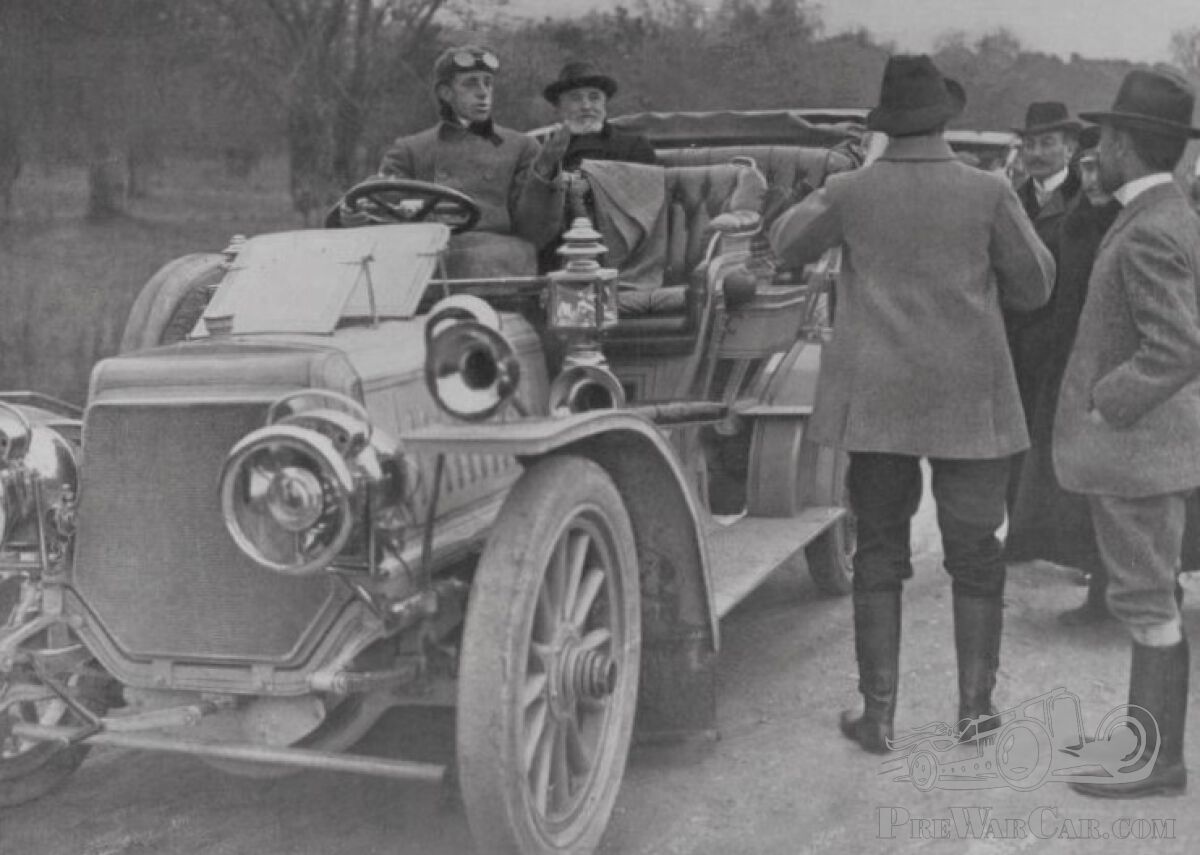
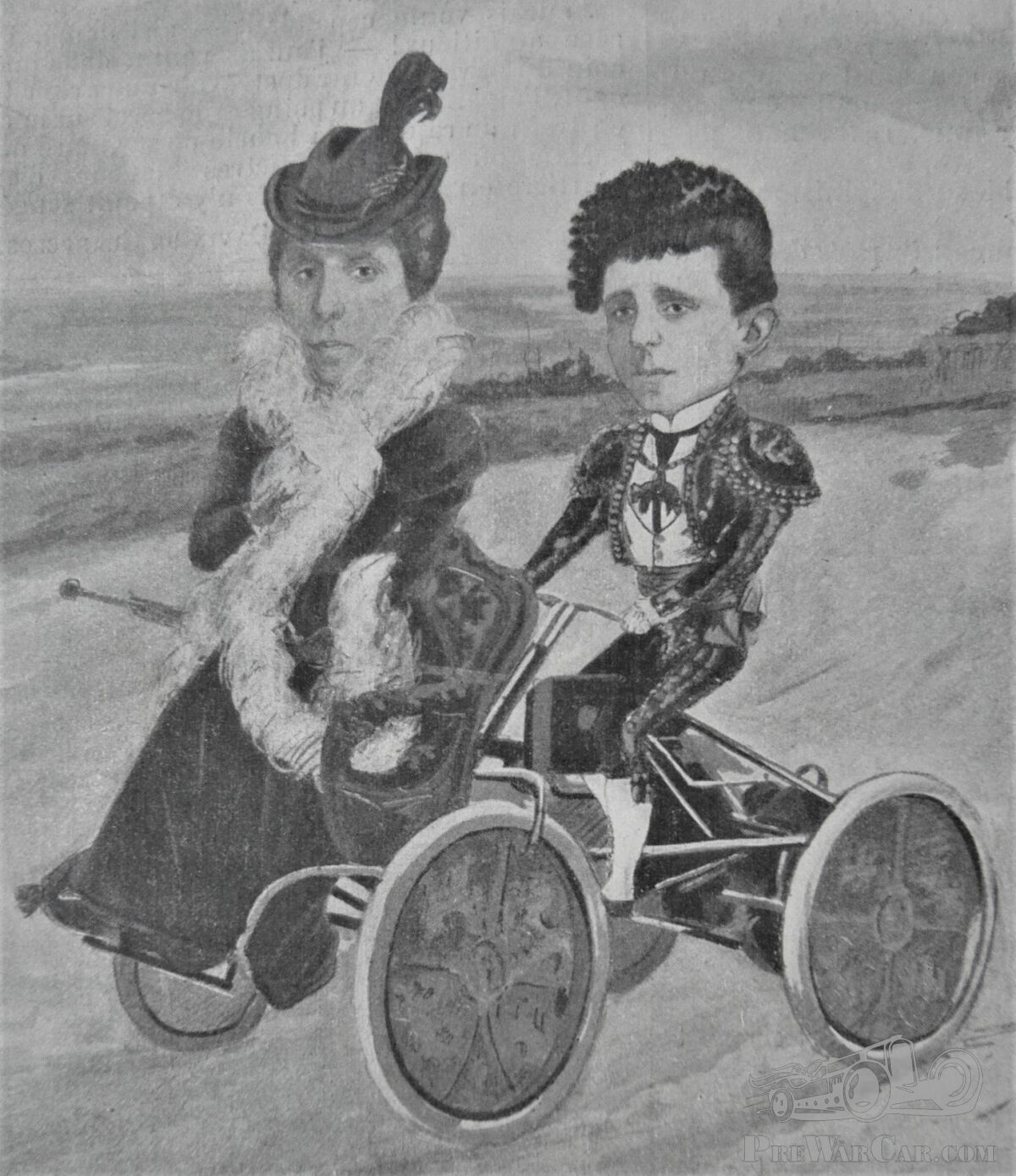
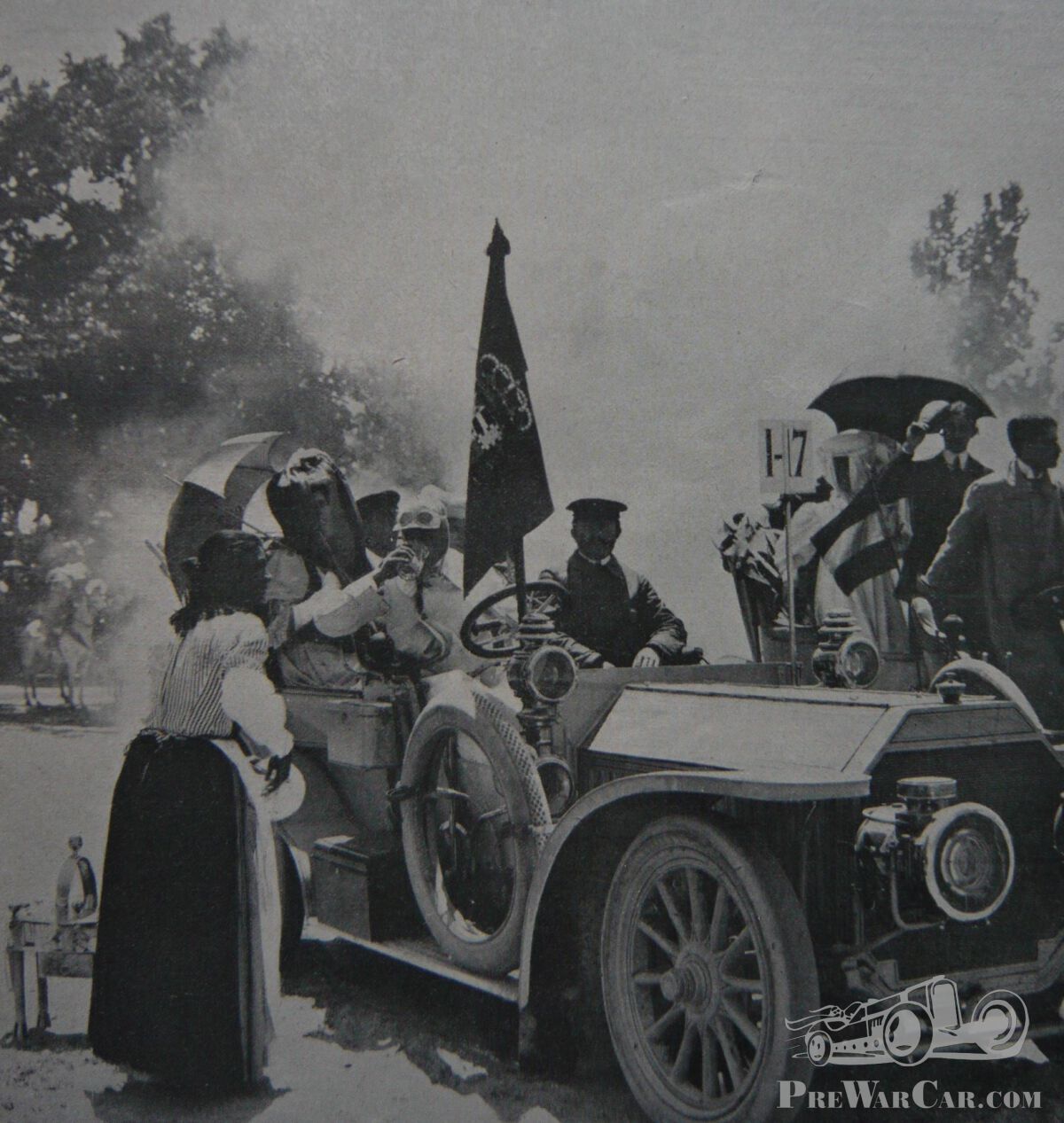
A motoring man of the earliest days, King Alfonso XIII of Spain was clearly not one to be chauffeured, as in many pictures he is behind the wheel himself. The earliest illustration we found is a cartoon from around 1898 with possibly his mother in the front (tue-belle-mère) seat of a quadricycle. On the day Alfonso married Victoria Eugenie ('Ena') of Battenberg in 1906, a bomb was thrown at the royal carriage. Fortunately both narrowly but luckily escaped. Being a real petrolhead, an automobile meeting had also been organised two days before, where Alfonso drove a 50 hp Panhard-Levassor, and two hundred cars joined the ride from the Royal Palace to El Pardo. Clearly, Panhard-Levassor was one of his favourite marques, but we also see Alfonso in a De Dion Bouton in 1908. When Hispano-Suiza started in Barcelona in 1904, Alfonso showed great interest and bought their stately cars. Designed by the brilliant Swiss engineer Marc Birkigt (Hispano-Suiza literally means Spanish-Swiss), the ambitions were to build more speedy cars, and he designed race cars that became more and more successful. One of them became available for the public, and the greatest honour (to anybody) came when Hispano-Suiza named their 15T model after Alfonso. It was a novel machine and often called the first sports car. It was such a success that in 1911 a factory was built near Paris for French production. Alfonso loved this type and was seen using it on many occasions, even for transporting visiting dignitaries and for visits that should not be known. Besides 6 children with Ena, he also had 6 illicit children. Birkigt was to design aircraft engines in WWI, the mighty V-8 blocks, with a much better power-to-weight ratio than the first-popular rotary engines. Hispano-Suiza went on to become a high-end luxury marque, with rich customers all over the world, making them highly collectable cars today.
Alfonso was King of Spain until his exile in 1931 when Spain became a republic. He died in 1941.
Words by Nick Jonckheere.
Next week: 'Kings and Cars' Part 2.
Published:
Sunday February 16th, 2020
Facebook
LinkedIn
Twitter
WhatsApp
Email
Copy
