The global magazine and marketplace for classic car enthusiasts, by enthusiasts.


Filter
Make a choice:
- Cars
-
Make >>
- Bikes
-
Location >>
- Parts & more
-
Make of car >>
-
Manufacturer >>
-
Category >>
- Bicycles & more
-
Year >>
-
Countries


Art-deco Ariès lives again - and is for sale
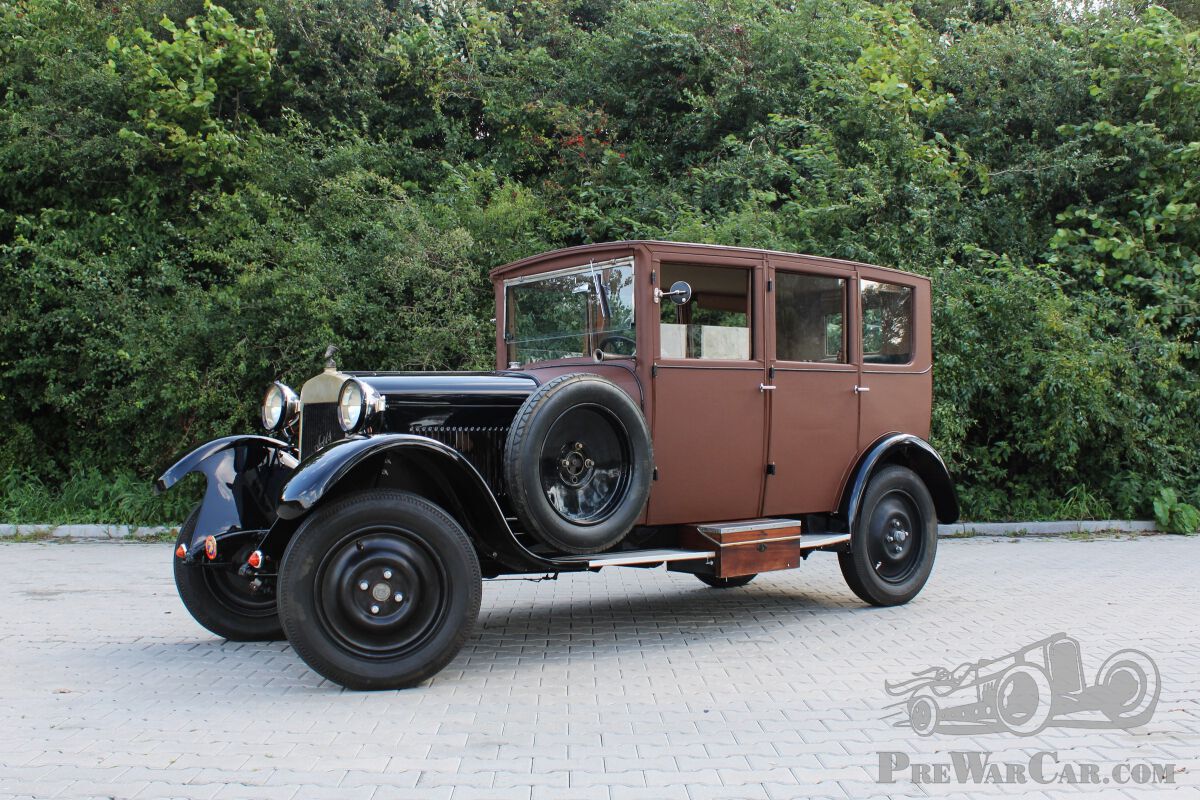
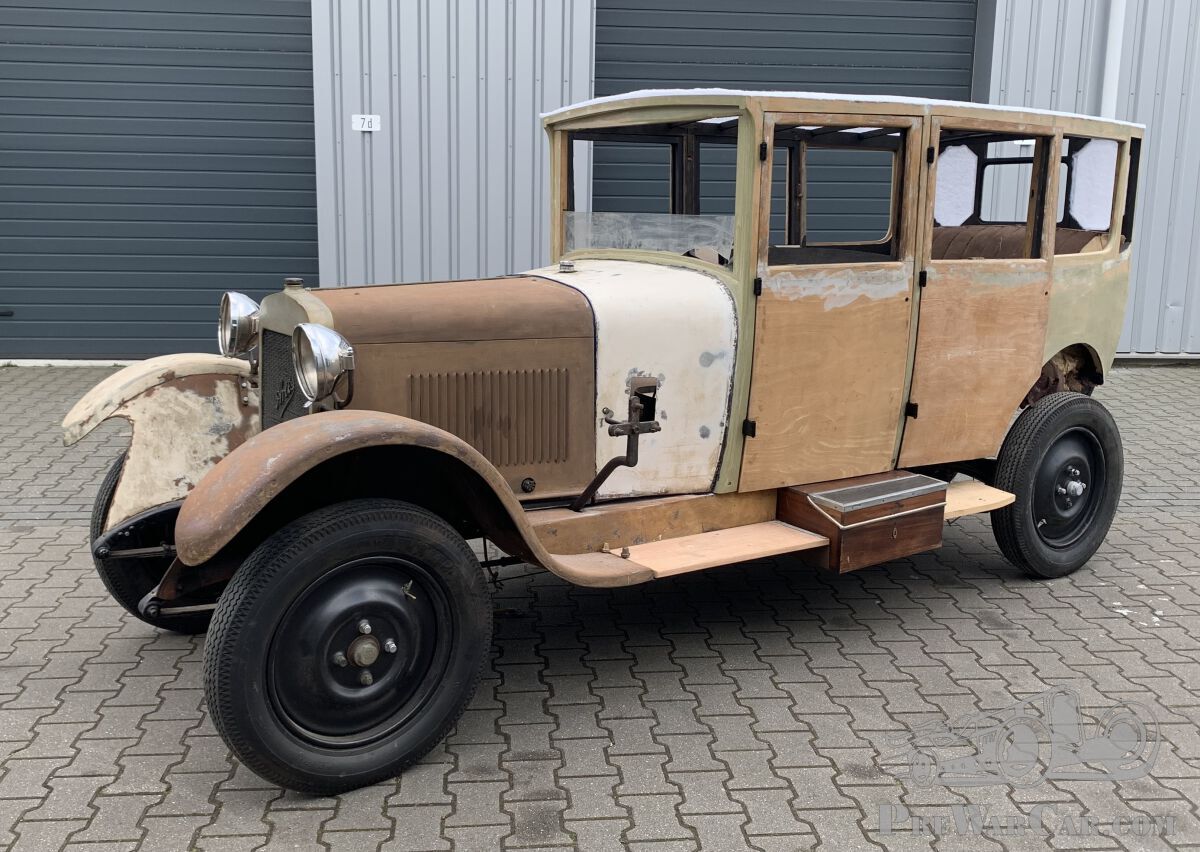
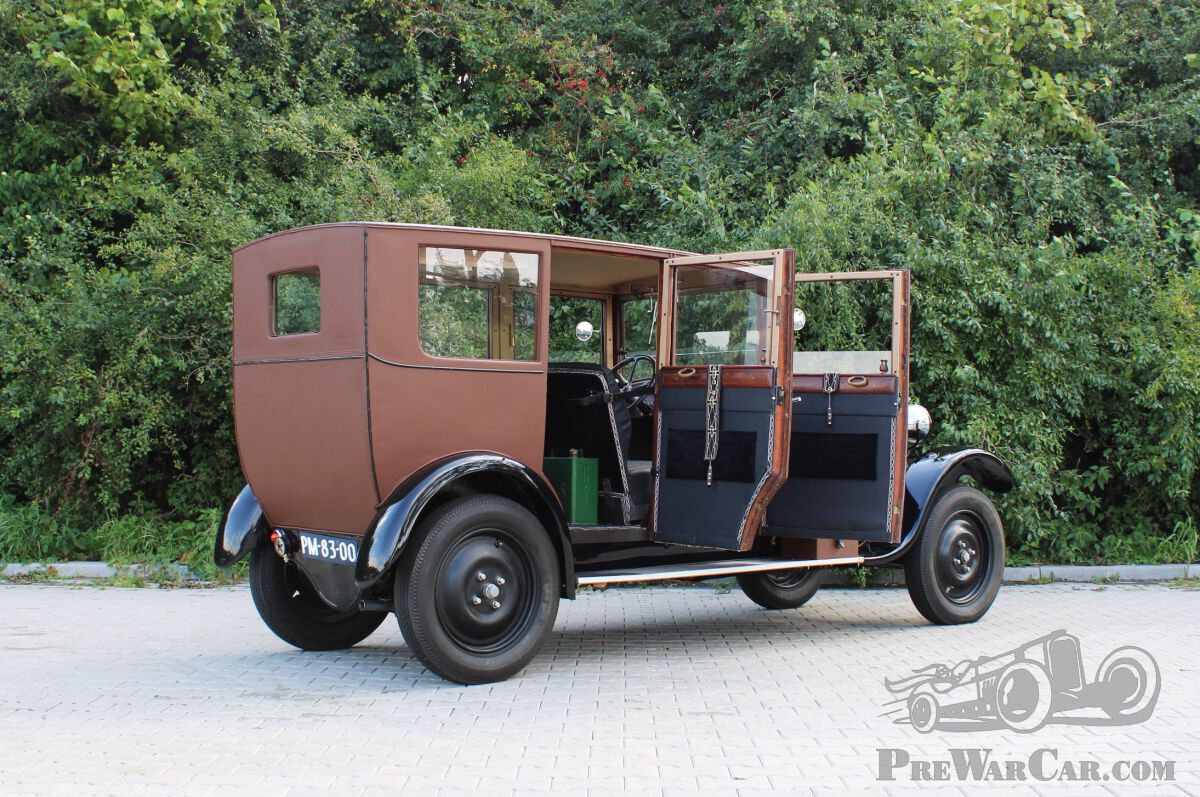
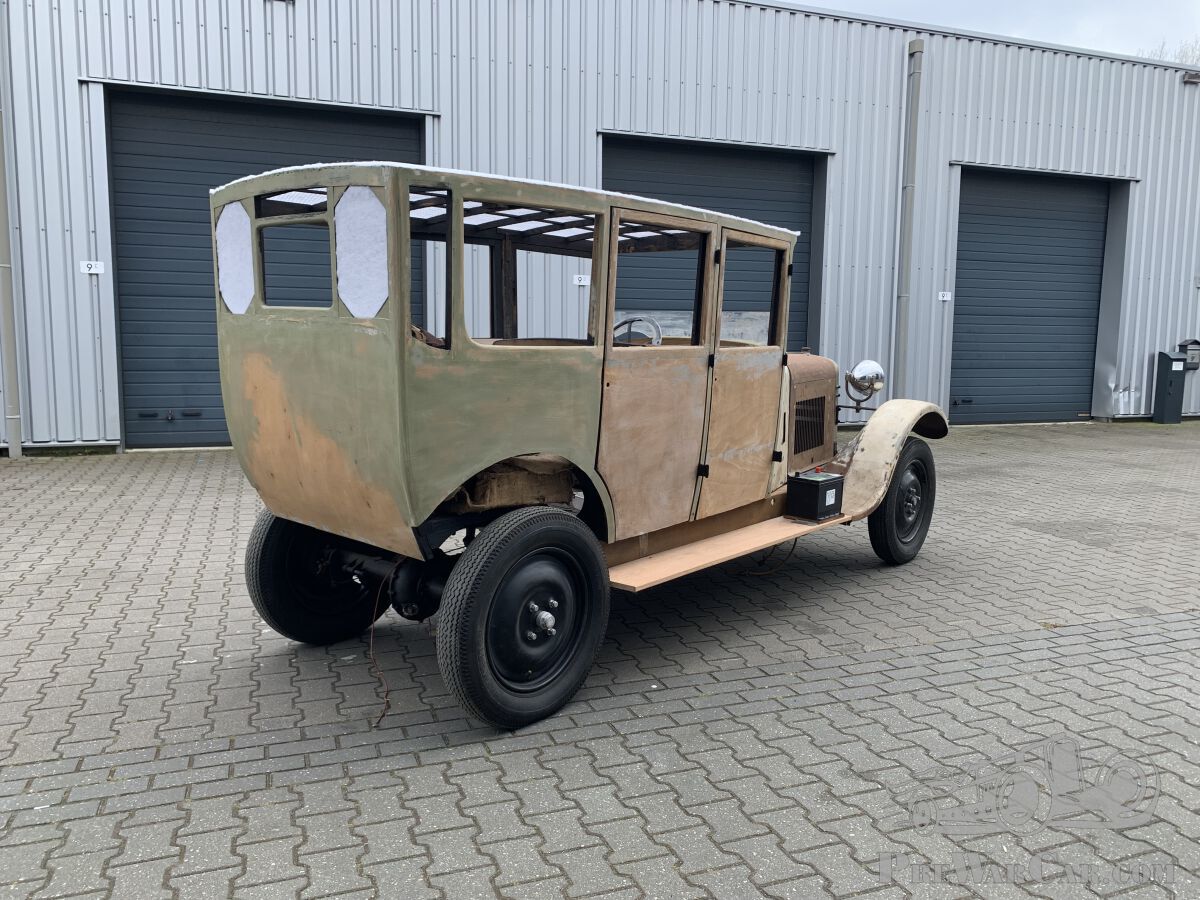
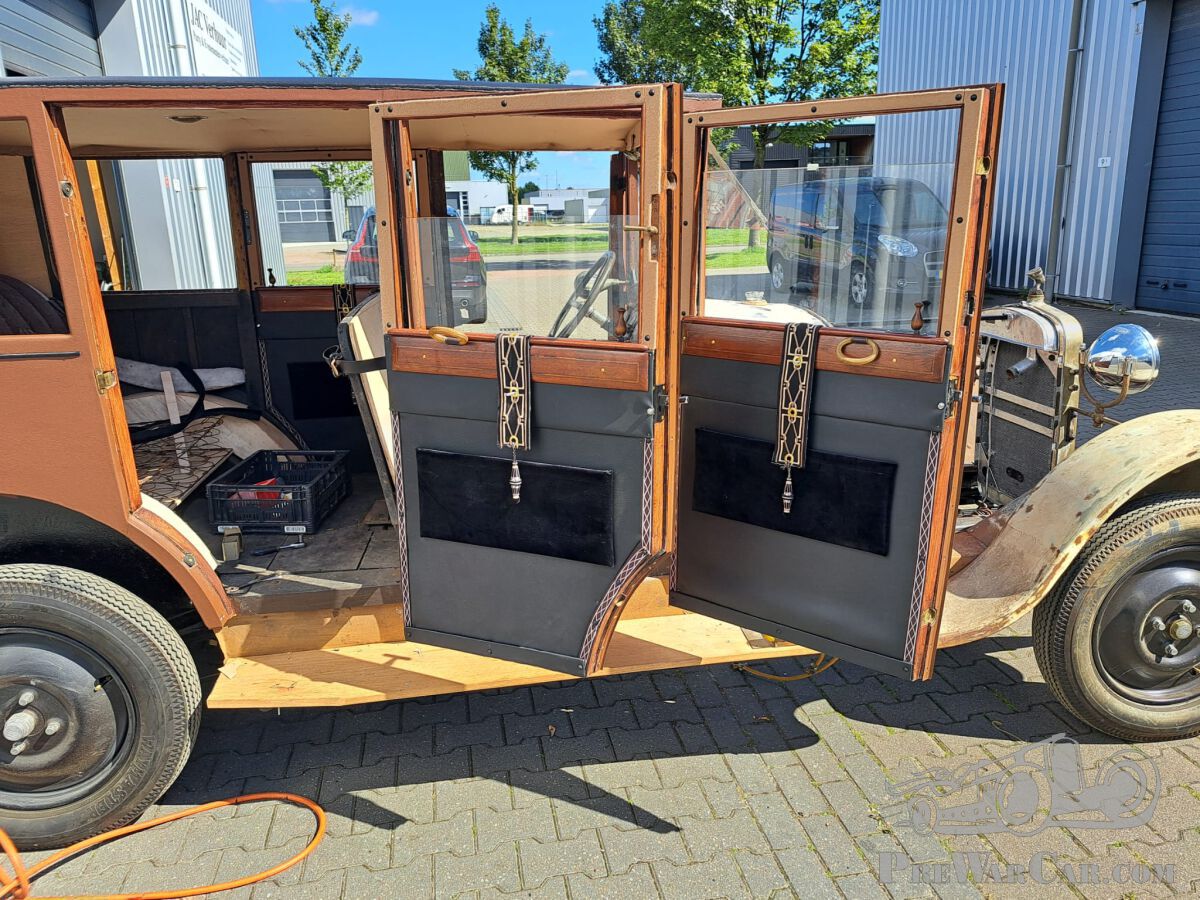
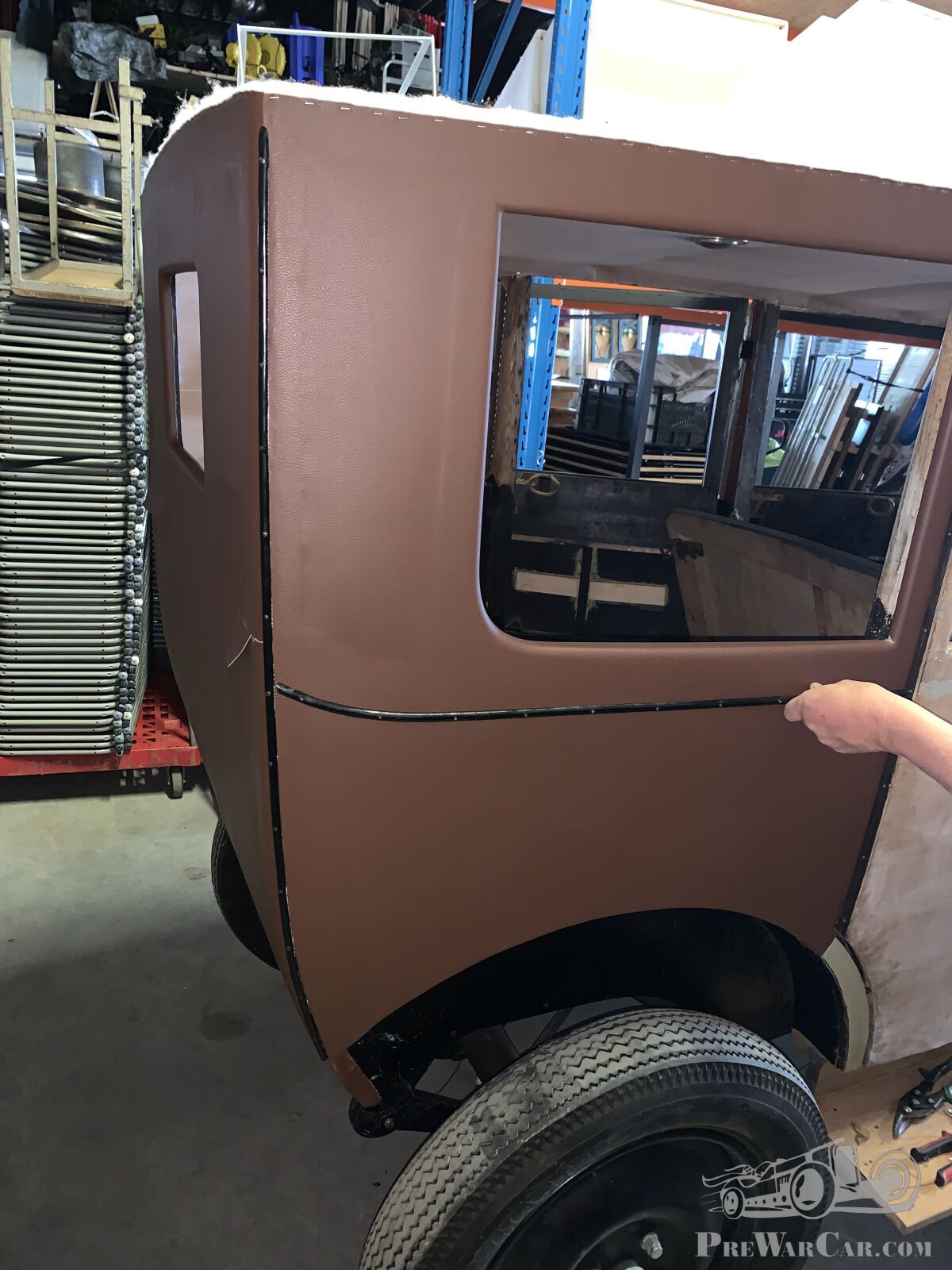
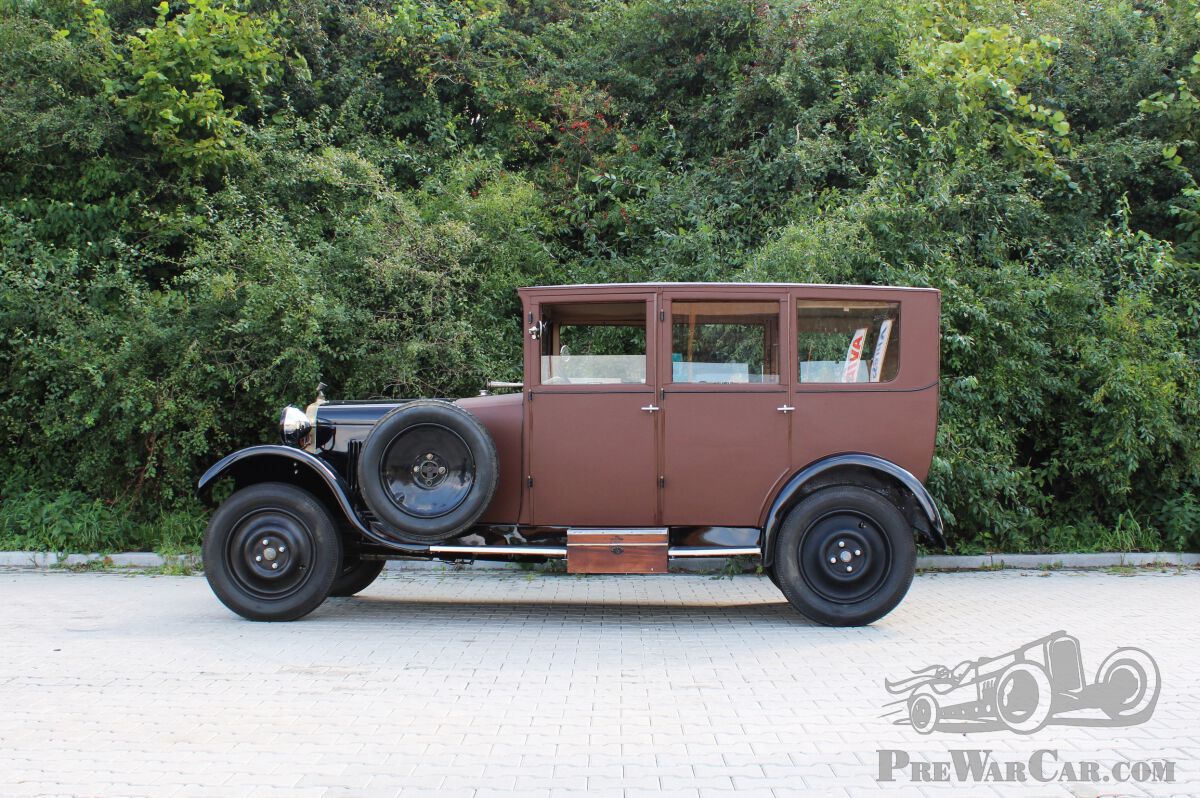
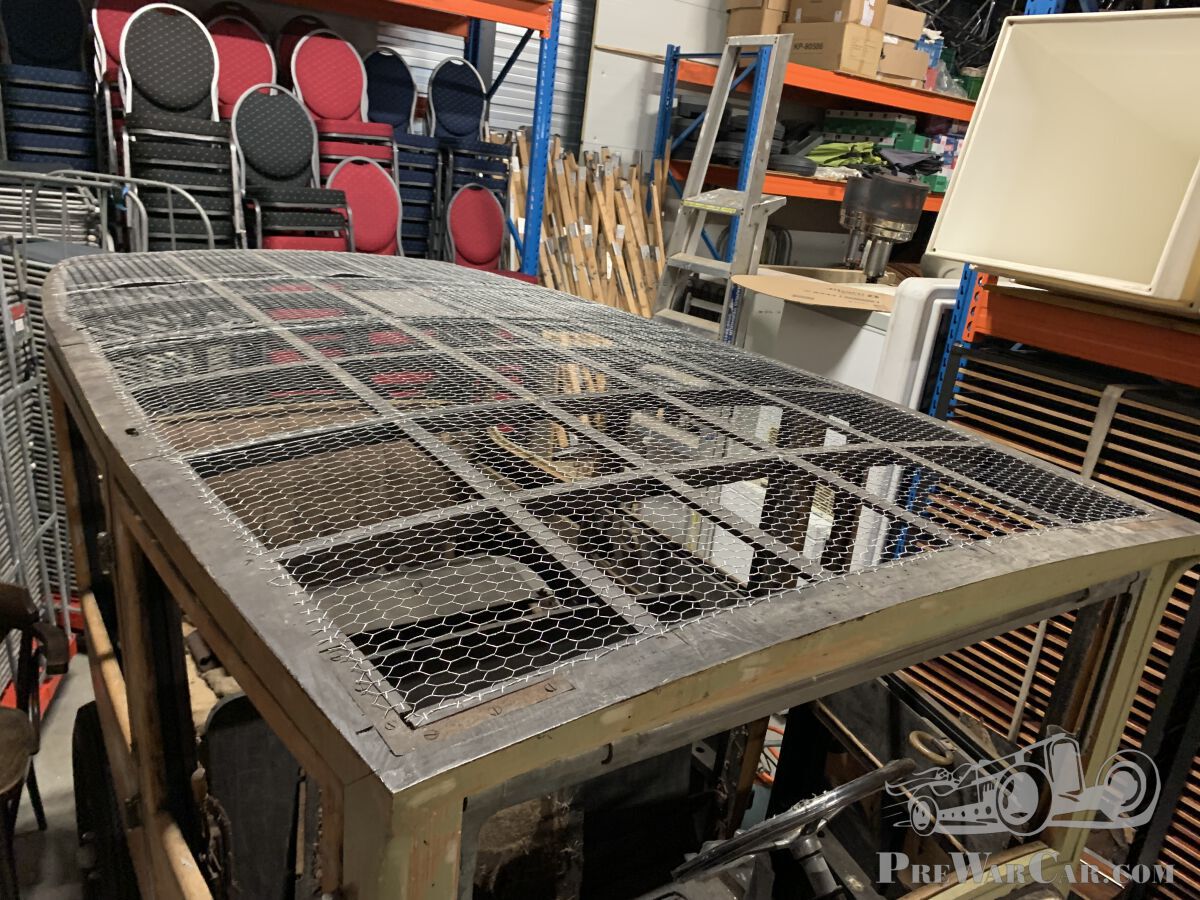
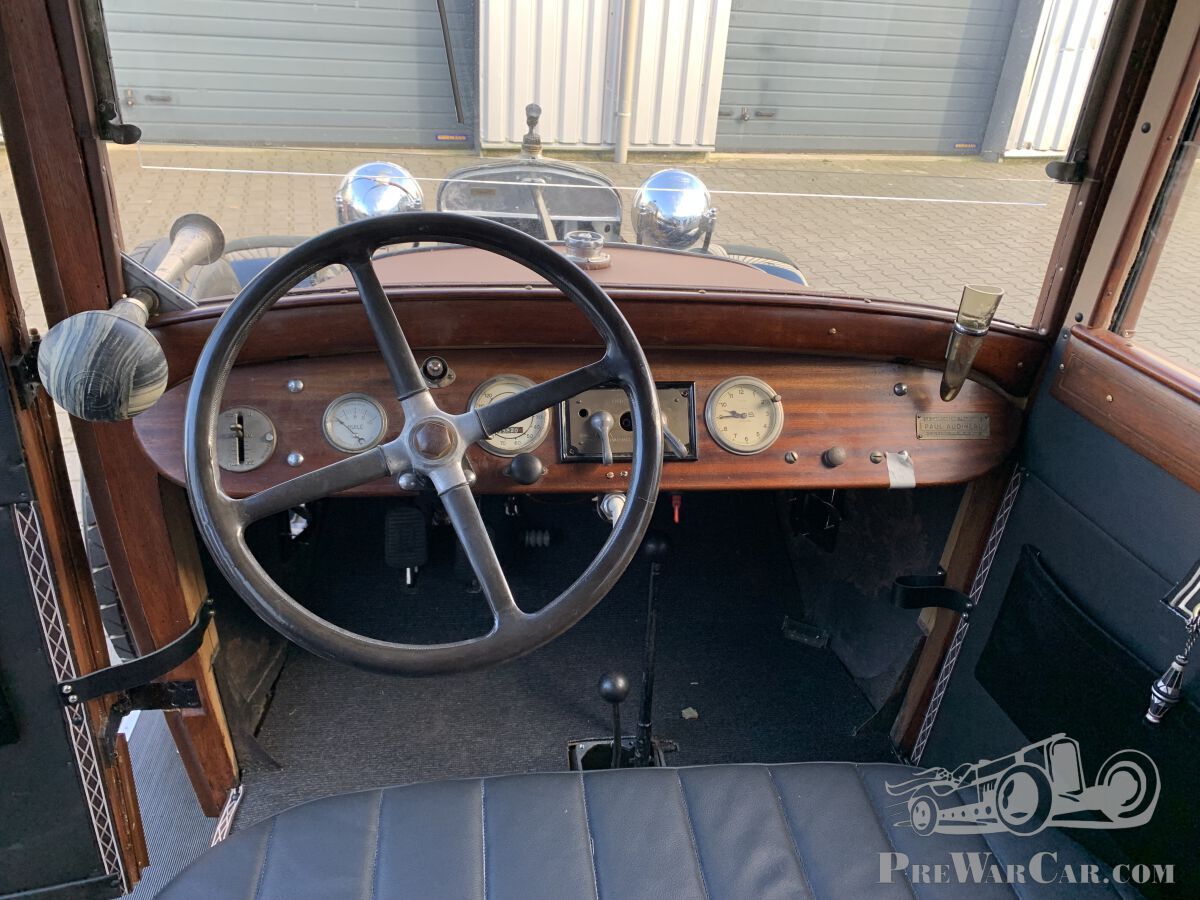


Let’s have a look at a great little car on offer at PreWarCar.com right now. Not exactly a stocking filler perhaps, but still a rare chance to own a nice piece of French motoring history at an affordable price. We spoke to the man who restored and now offers his art-deco Ariès.
Ariès, from the suburbs of Paris, was a motor manufacturer which seemed to adapt particularly well to the turbulent times it grew up in. Founded by the charismatic baron Charles Petiet in 1902, initial cars focused on luxury and used Aster two- and four-cylinder engines mated to a shaft-drive and double rear axle. After a few years the Aster units were changed for a V4 of Ariès’ own design. When WW1 presented itself next, the manufacturer switched to military trucks for army use. When the war was over Ariès thought racing was the way to go. When the financial crisis announced itself, small cars were the requirement needed. When another World War followed it was, however, too much and car production stopped. But after WW2 the manufacturer came back with mopeds. It all ended in 1953, with baron Charles passing away a few years later.
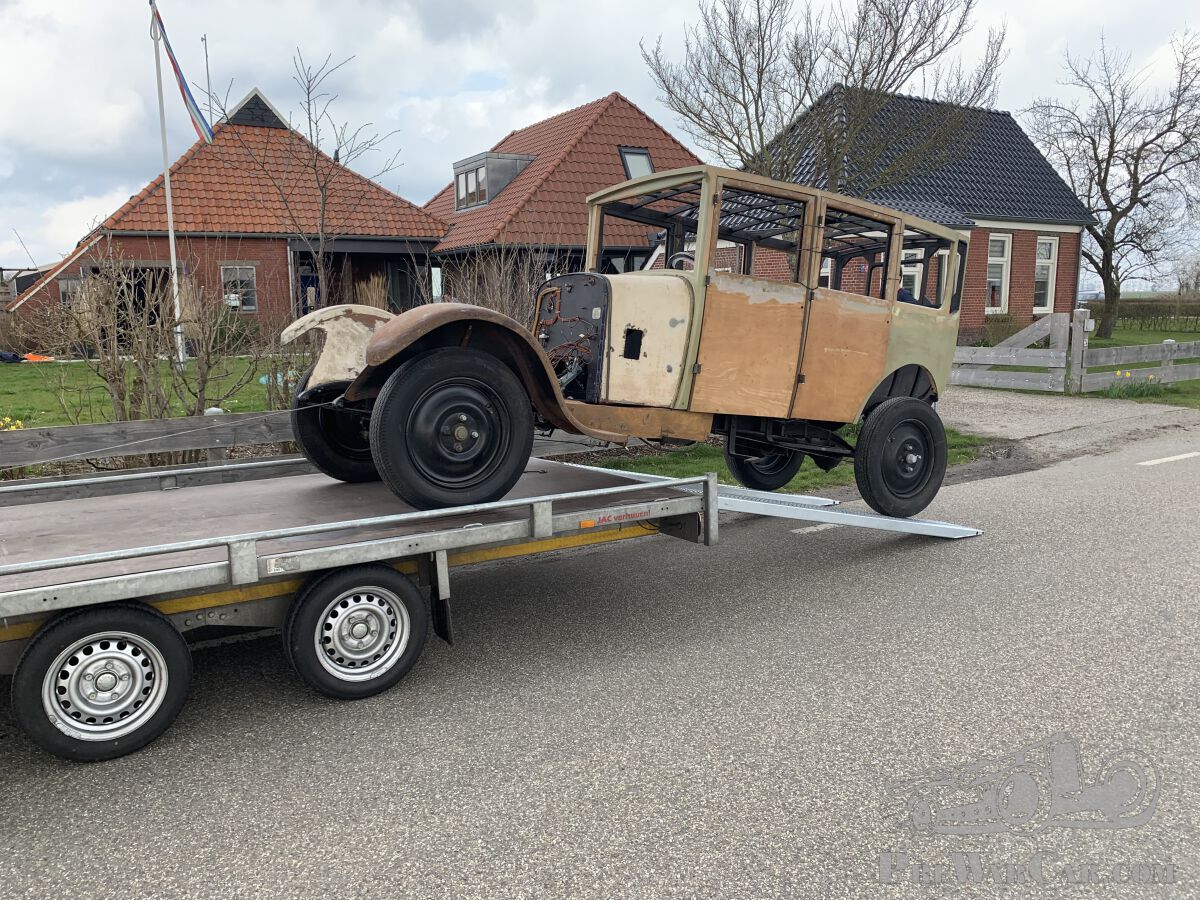
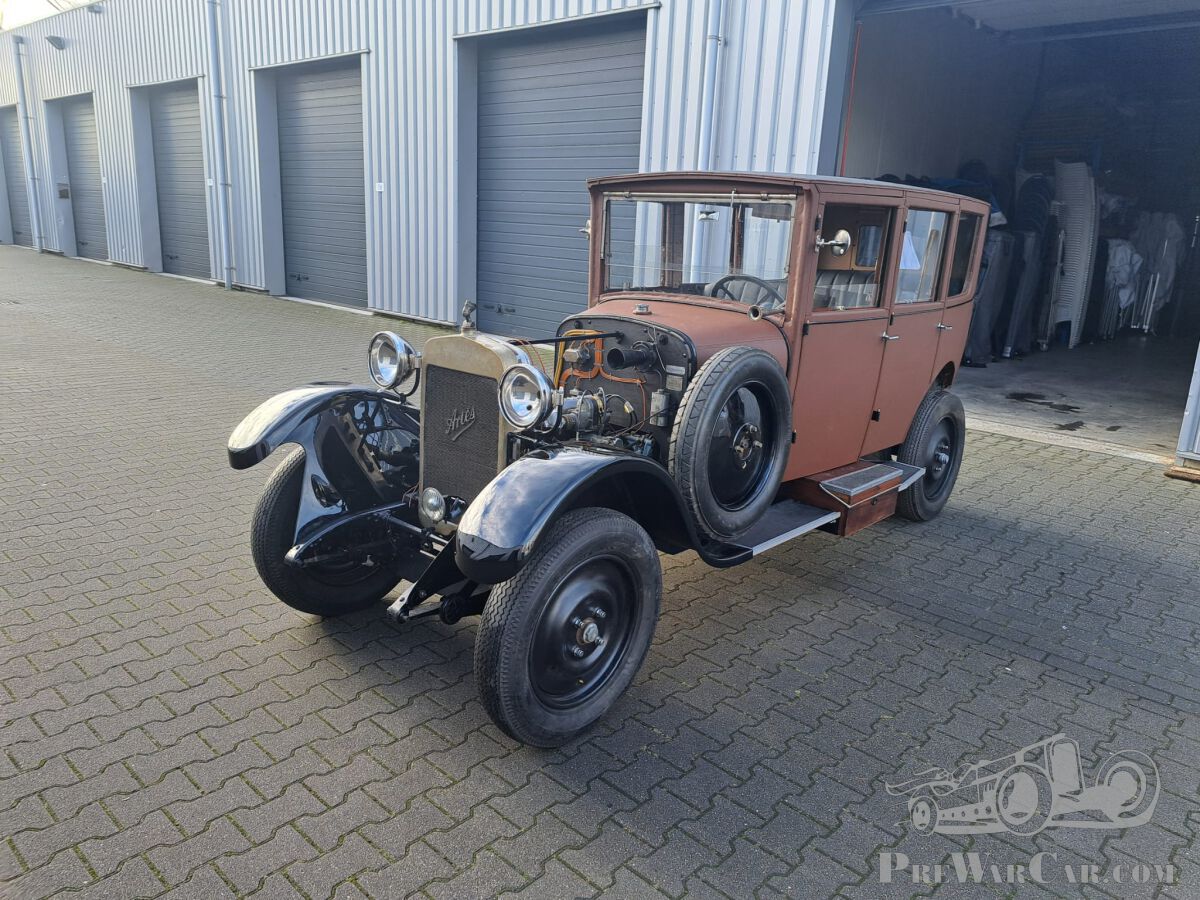
That still means some 20,000 cars were built in a great variety of models, types and sizes, of which maybe 3,000 survive today. One of them, a CC4S with fabric-covered Weymann-style wooden framed body, was restored recently after having lain dormant for decades. It is the only CC4S believed to survive with this type of body.
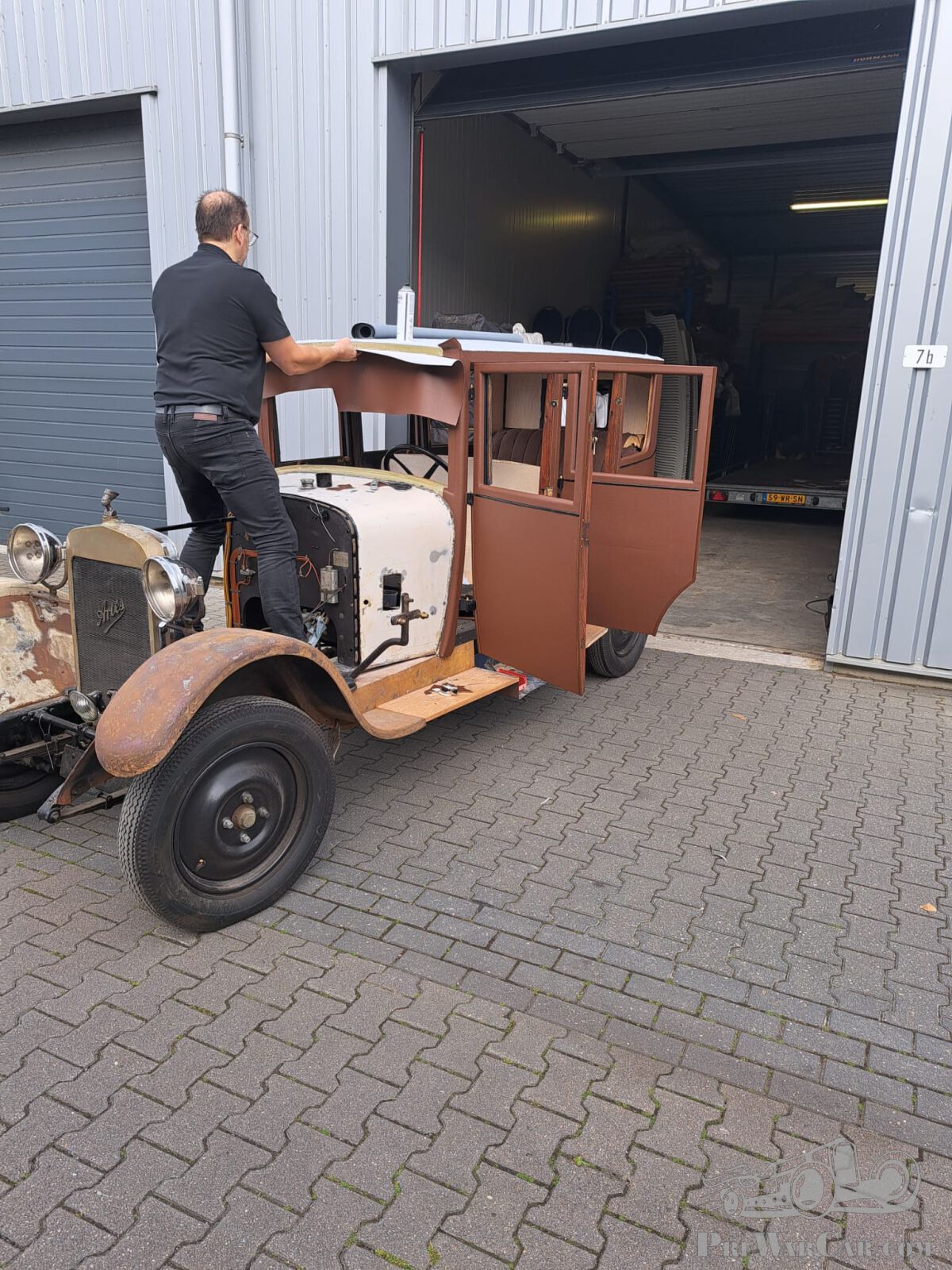
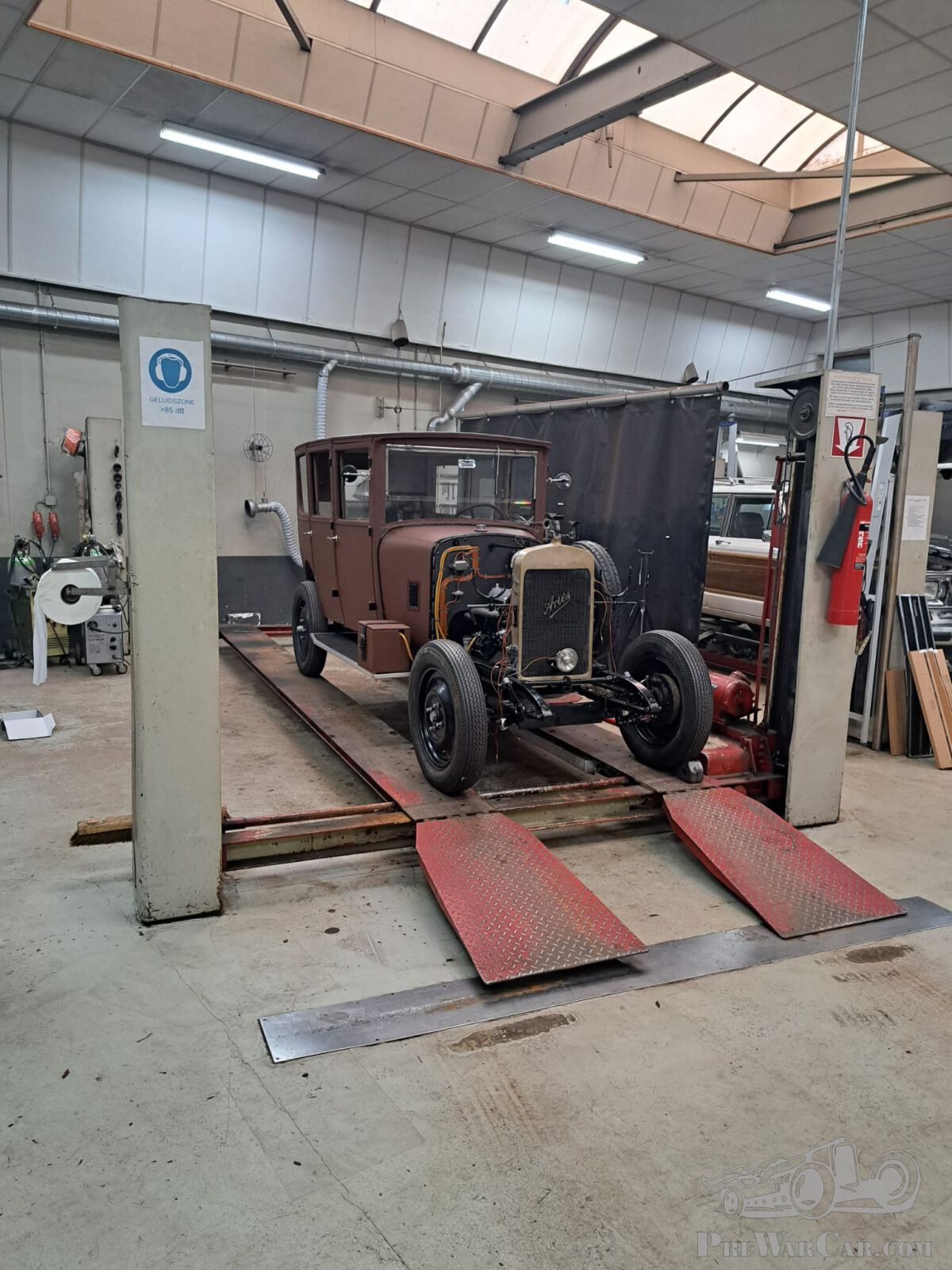
Dutchman Feiko Jac de Vries got hold of the car under two years ago, when it was a project in dire need of restoration. Work had started decades earlier when in the hands of an Italian enthusiast, who never got much further than disassembling it. De Vries says body and chassis were there, both needing total refurbishment, with the engine and all of the mechanicals next to it. “I made a bet with my son, who wasn’t quite so sure I could do it. Well, I did.” Old pictures and information from the French club led to how the car was supposed to look when it was new. De Vries worked hard and surprisingly fast on the car’s resurrection. “I discussed the type and colour of fabric to be used on the body with an expert in France. They used brown, blue, green and red for it and I thought brown fitted best with the black wings. There was some paint left, so we knew these had been black.” De Vries took great pride in the car’s interior as well. “I worked in the fabrics trade for most of my working life, so I have the contacts there. The interior is something that is often overlooked in a restoration, but not on this car. All the art-deco trimmings are there.”
He also rebuilt all of the mechanical bits himself. The engine is the 40hp 1130cc four-cylinder with overhead camshaft and magneto ignition. De Vries: “In a tuned configuration this very engine was used to power Ariès’ Le Mans entries of the 1920s, in that case with raised capacity and double spark plugs, providing dual ignition for each cylinder.” That lovely ‘Nefertiti’ radiator cap was found in a box with engine parts and De Vries thinks it may well have been original to the car. Fact is it does go together particularly well with the body’s shapes and art-deco interior. It is a lovely driver, too, he says. Still, now that the car is registered and ready, De Vries has decided to sell it. “I am more British-oriented after all and have five more cars to care for. This is the odd one out, so it needs to go.” Triggered? You can see the ad here.
Words Jeroen Booij
Published:
Thursday December 11th, 2025
Facebook
LinkedIn
Twitter
WhatsApp
Email
Copy