The global magazine and marketplace for classic car enthusiasts, by enthusiasts.


Filter
Make a choice:
- Cars
-
Make >>
- Bikes
-
Location >>
- Parts & more
-
Make of car >>
-
Manufacturer >>
-
Category >>
- Bicycles & more
-
Year >>
-
Countries


La Belle Aéro: How Renault mixed aviation and elegance


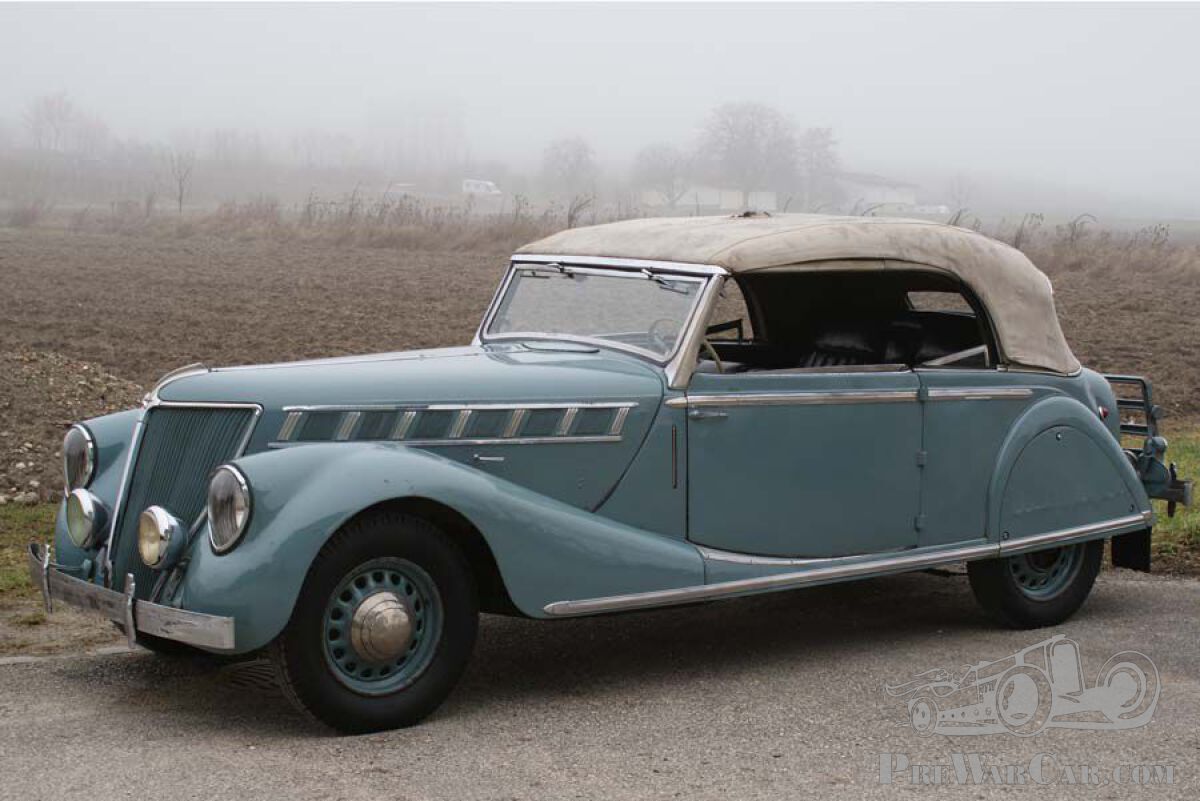
Who needs a Renault Espace seven-seater when there’s something as lovely as a Renault Viva Grand Sport cabriolet to transport the family?
Built between 1934 and 1939, this particular example is easy to recognise as a later model, thanks to its round nose and distinctive radiator grille. Behind that sits a 4.1-litre inline six producing 95 horsepower. The styling came from Marcel Riffard, who had previously designed light fighter aircraft for the French Air Force with Caudron-Renault—yes, that name is no coincidence.
When Riffard joined Renault, the company was eager to use his aviation background to add a touch of aeronautical flair to the big Viva. The design highlighted aerodynamically-shaped wings with built-in headlights, rear wheel spats, and a folding windscreen. But Renault wanted more than a design to turn heads. When the model débuted in 1934, they enlisted Hélène Boucher to help promote it. She was a pioneering pilot with several women’s world speed records to her name, including one for distances over 1,000 km at an average speed of 250.086 km/h, flying a Caudron-Renault.
Tragically, Boucher was killed in a flying accident in 1934, not long after the Viva’s launch.
The Grand Sport cabriolet pictured here wears a license plate marked "W" for Wien, or Vienna. It was photographed on the Wiener Höhenstrasse, with the city spread out below. High up—but still on the ground.
Words by Jeroen Booij
Published:
Friday May 9th, 2025
Facebook
LinkedIn
Twitter
WhatsApp
Email
Copy
Comments


Christoph Grohe
12 May 2025, 08:46
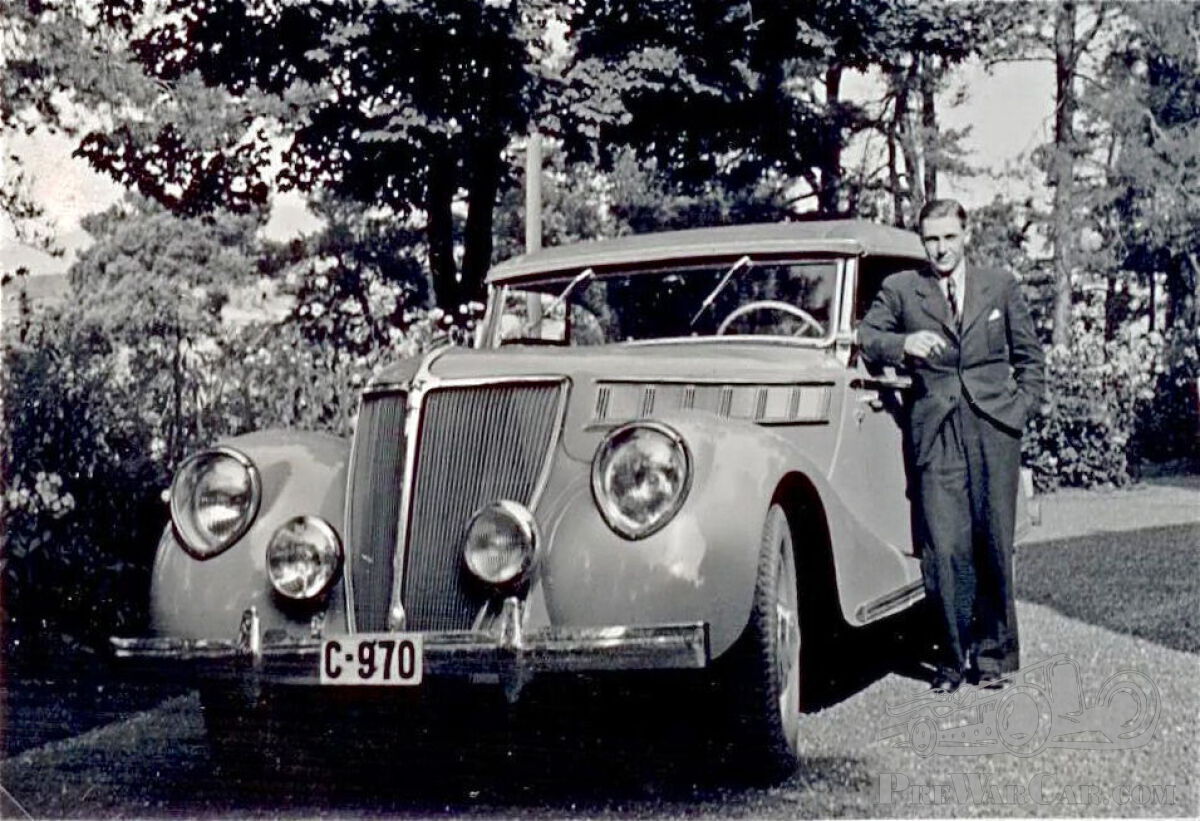
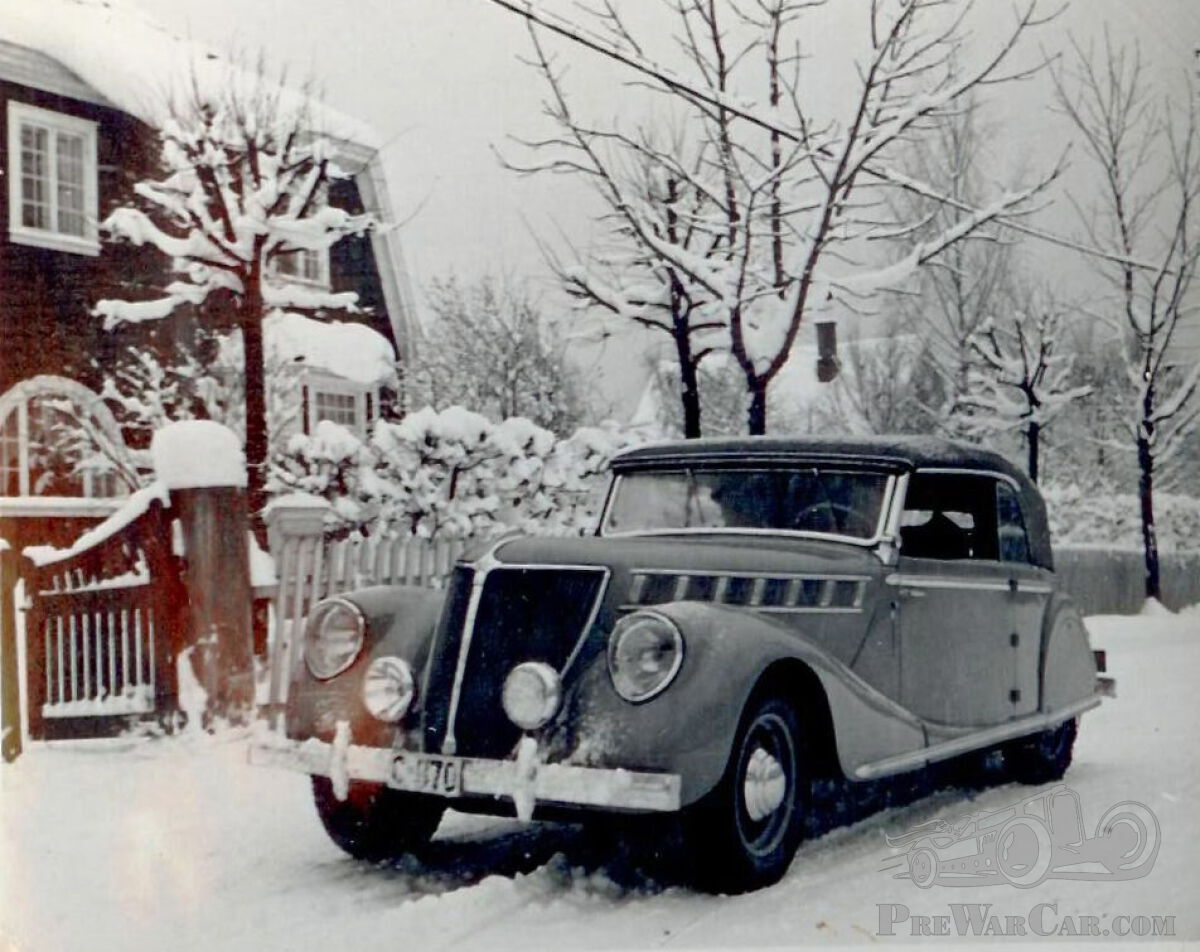
I sold such a car some years ago. It was owned by a Norwegian gentlemen who used to drive it on the German motorway and thorugh the Alps to Italy.
Read more
Michael Schlenger
11 May 2025, 21:11
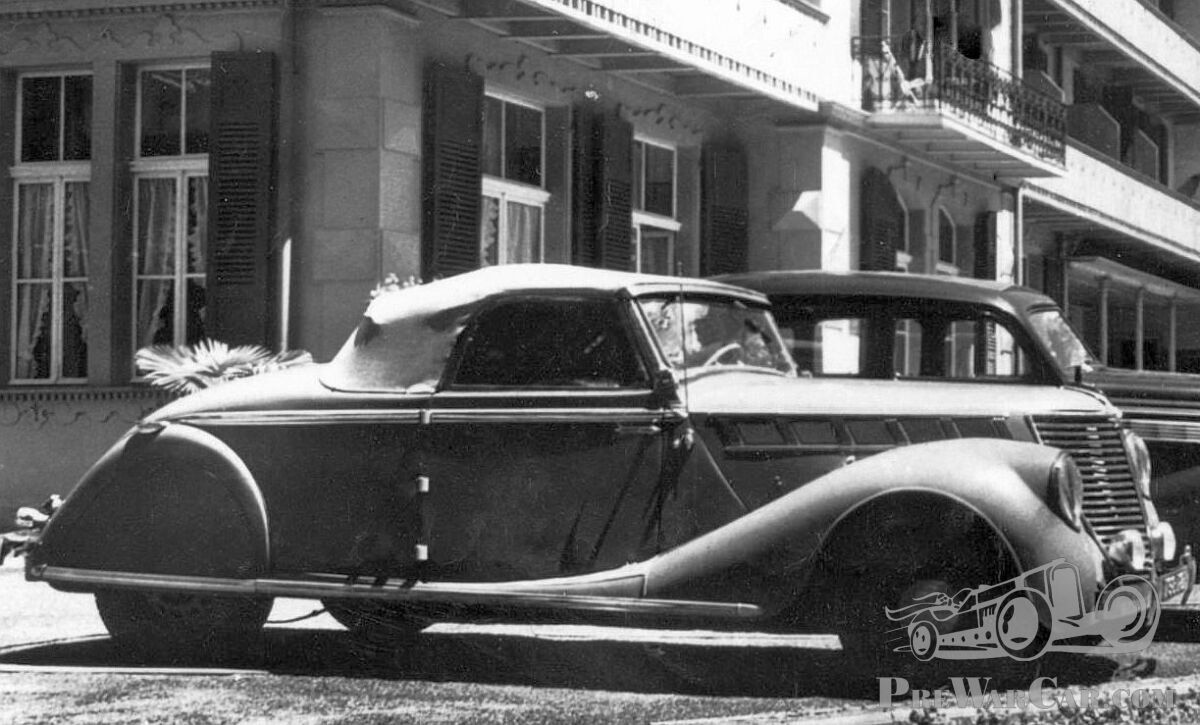
The car is definitely a Renault from the late 1930s—the distinctively shaped headlights can be found on several models from that period. However, the radiator grille with rare vertical rods might make one think of Ford V8 at first glance. In the literature on Renault pre-war models there a only a few photos showing this radiator version. Usually, the grille featured horizontal rods like in the case of the 1938 Renault Suprastella in the attached photo (from my collection).
Read more