The global magazine and marketplace for classic car enthusiasts, by enthusiasts.


Filter
Make a choice:
- Cars
-
Make >>
-
Year >>
-
- Bikes
-
Location >>
- Parts & more
-
Make of car >>
-
Manufacturer >>
-
Category >>
- Bicycles & more
-
Year >>
-
Countries


The joy and drama of veteran motoring: London to Brighton 2025
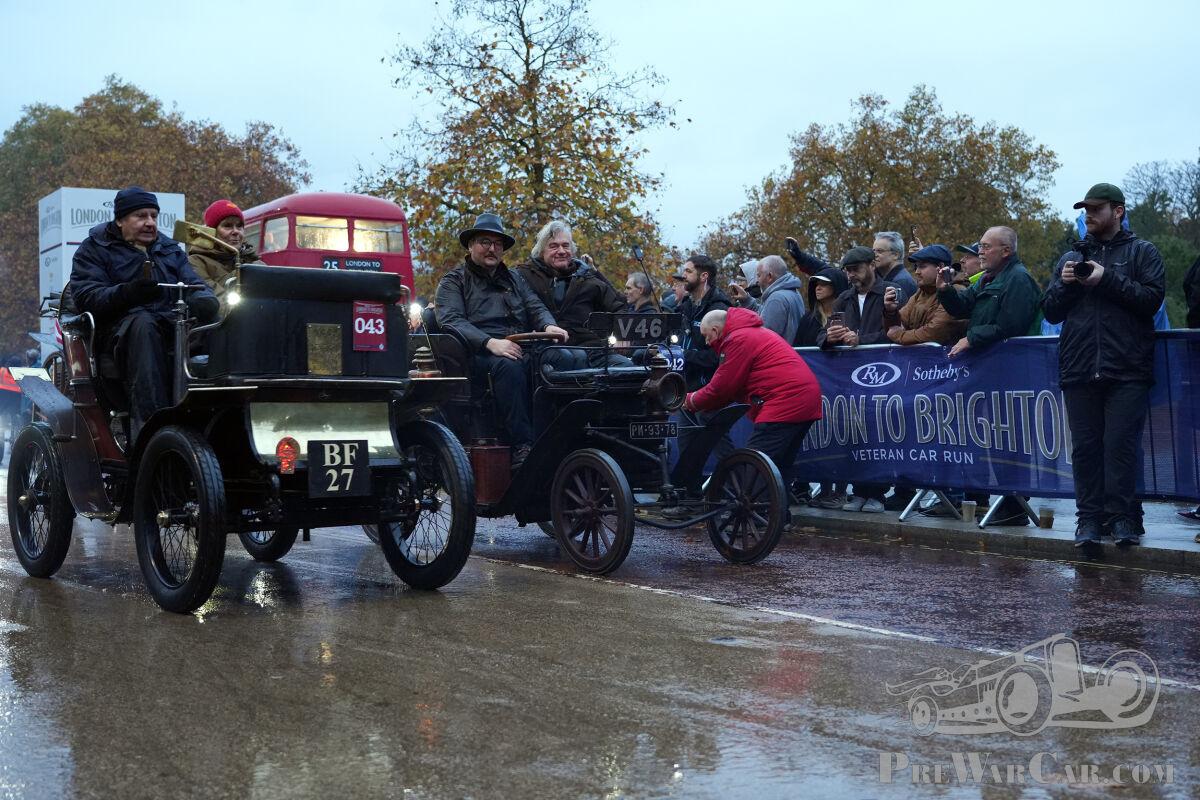
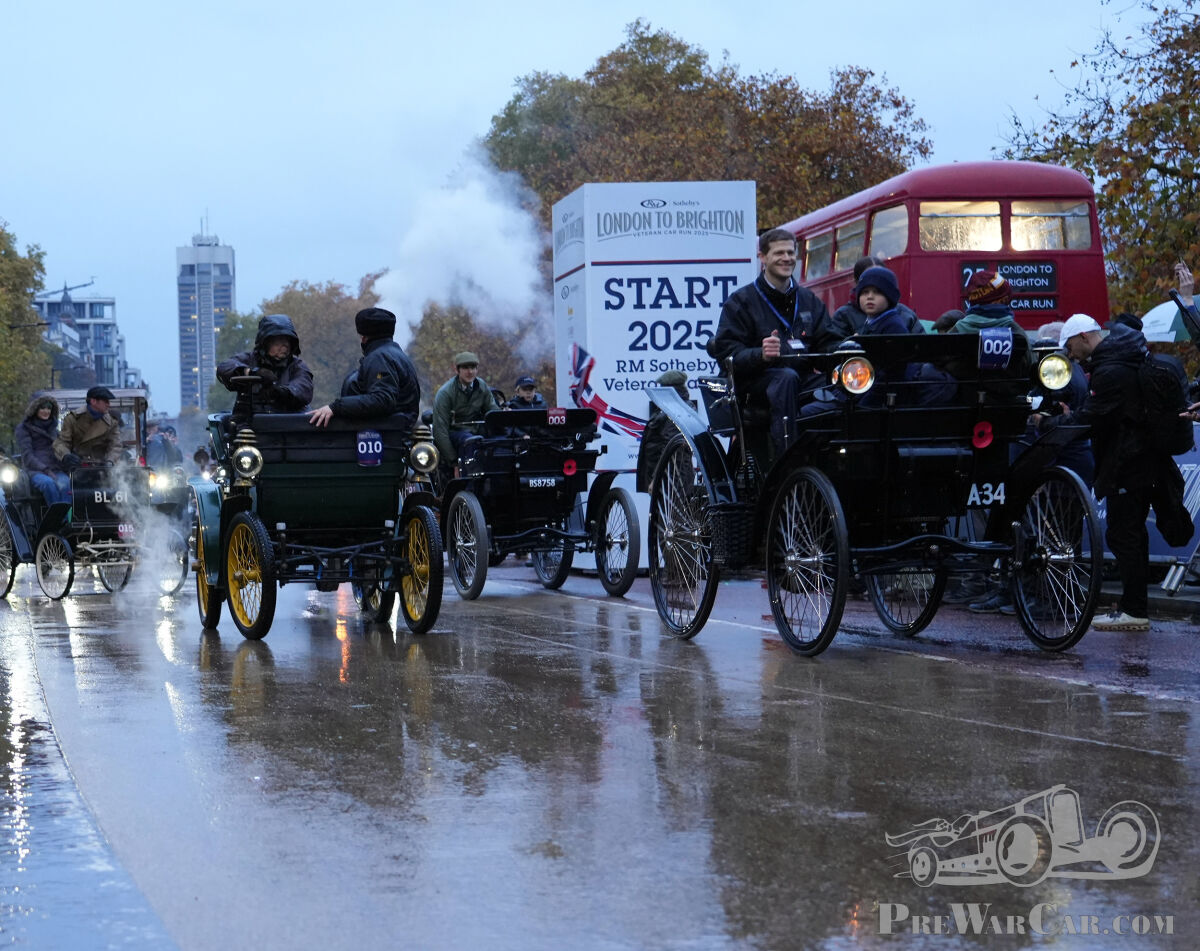
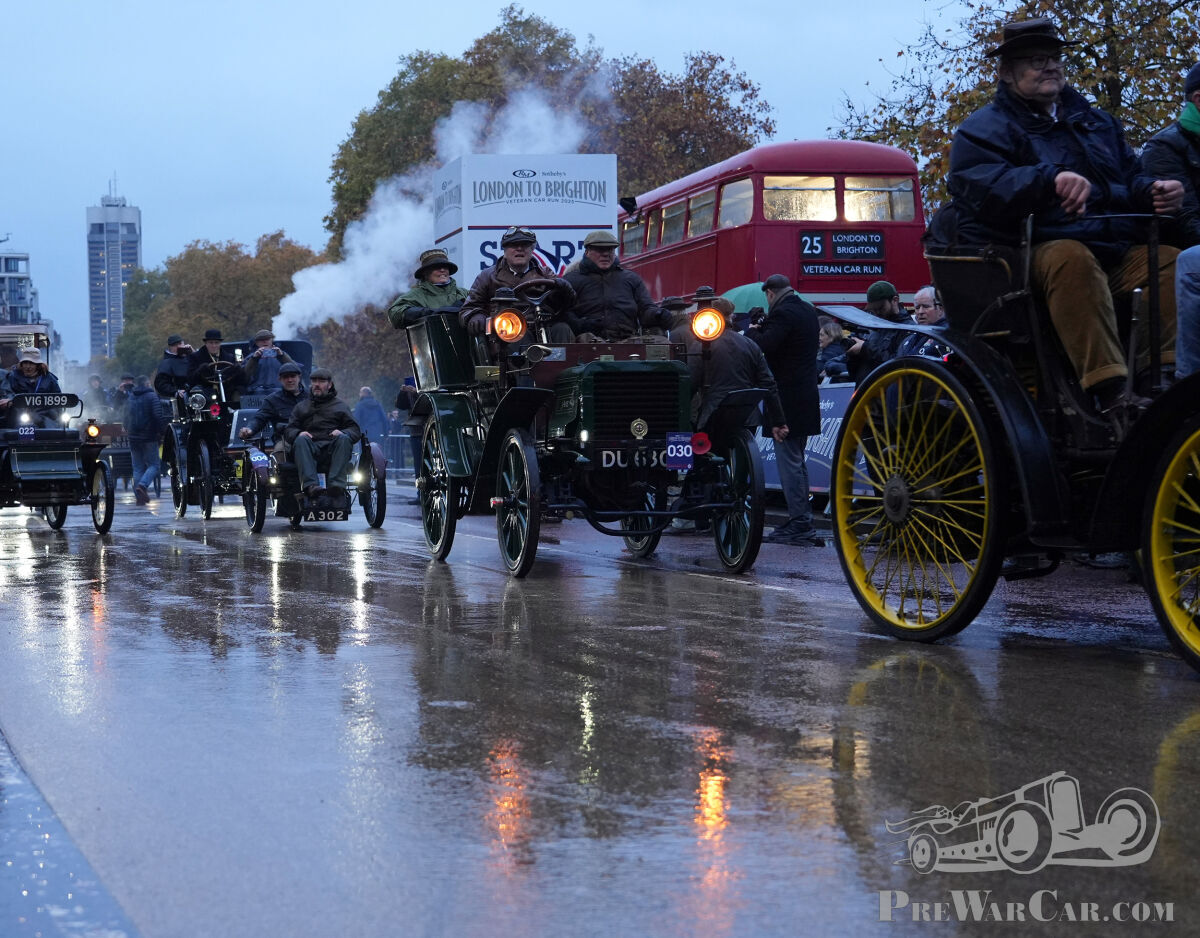
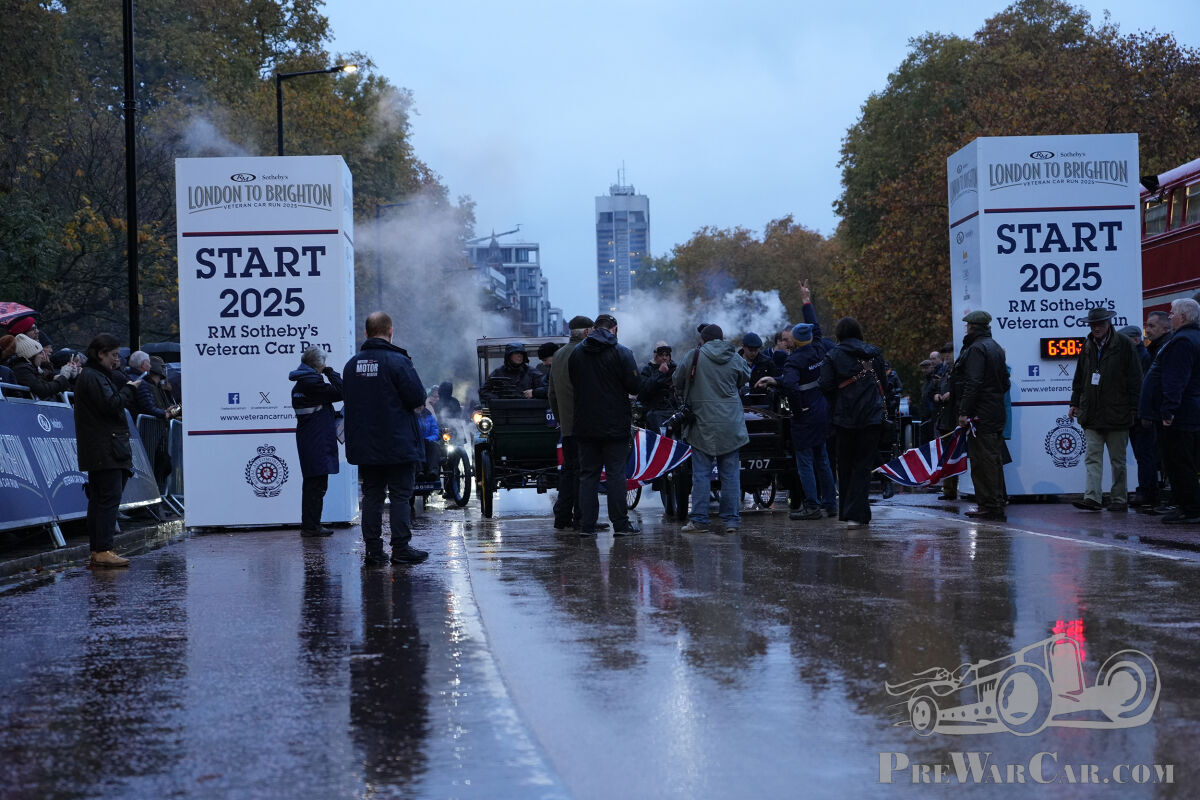
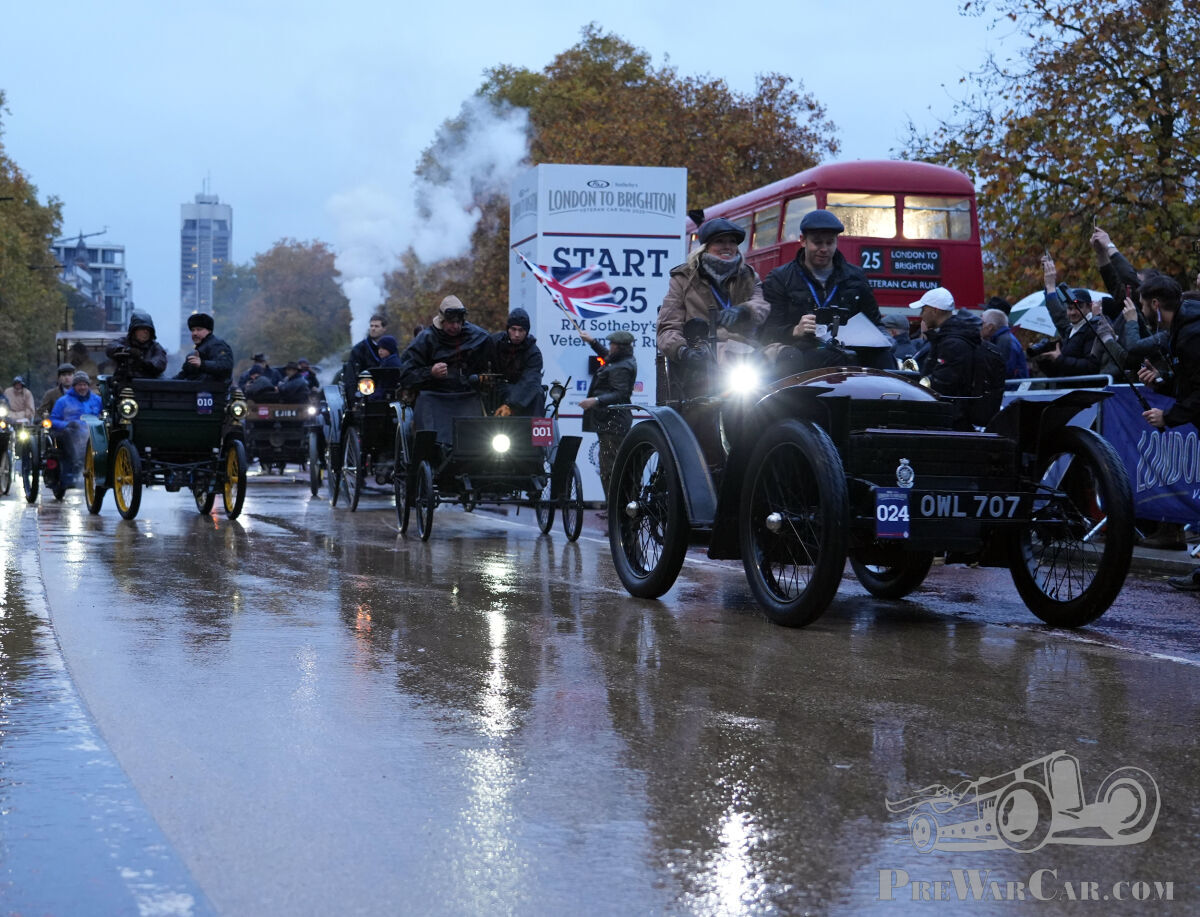
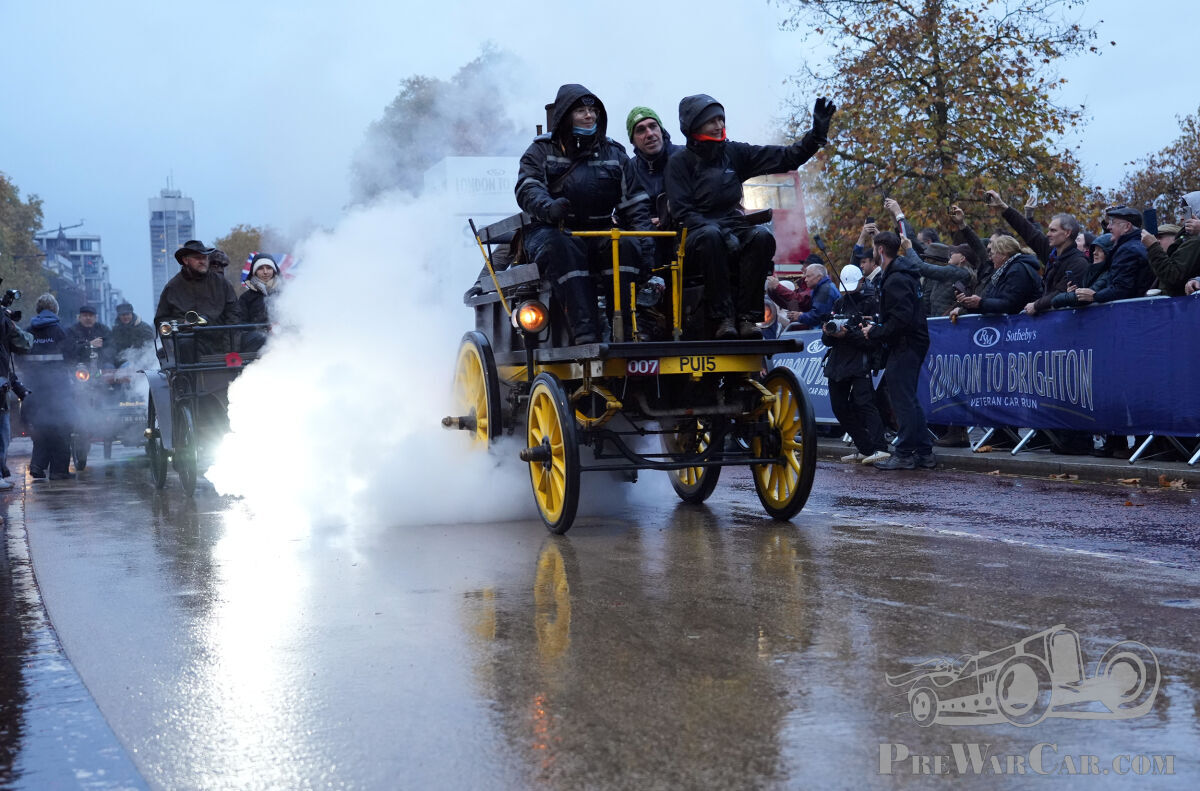
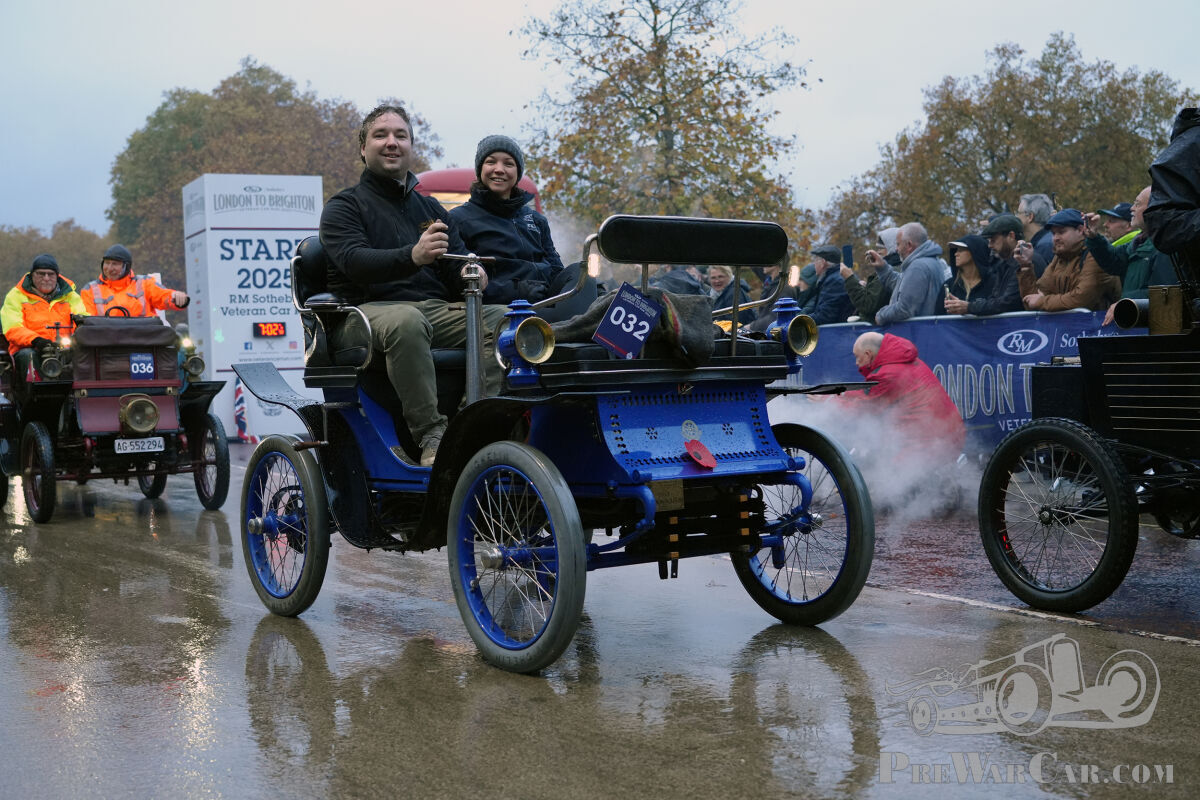
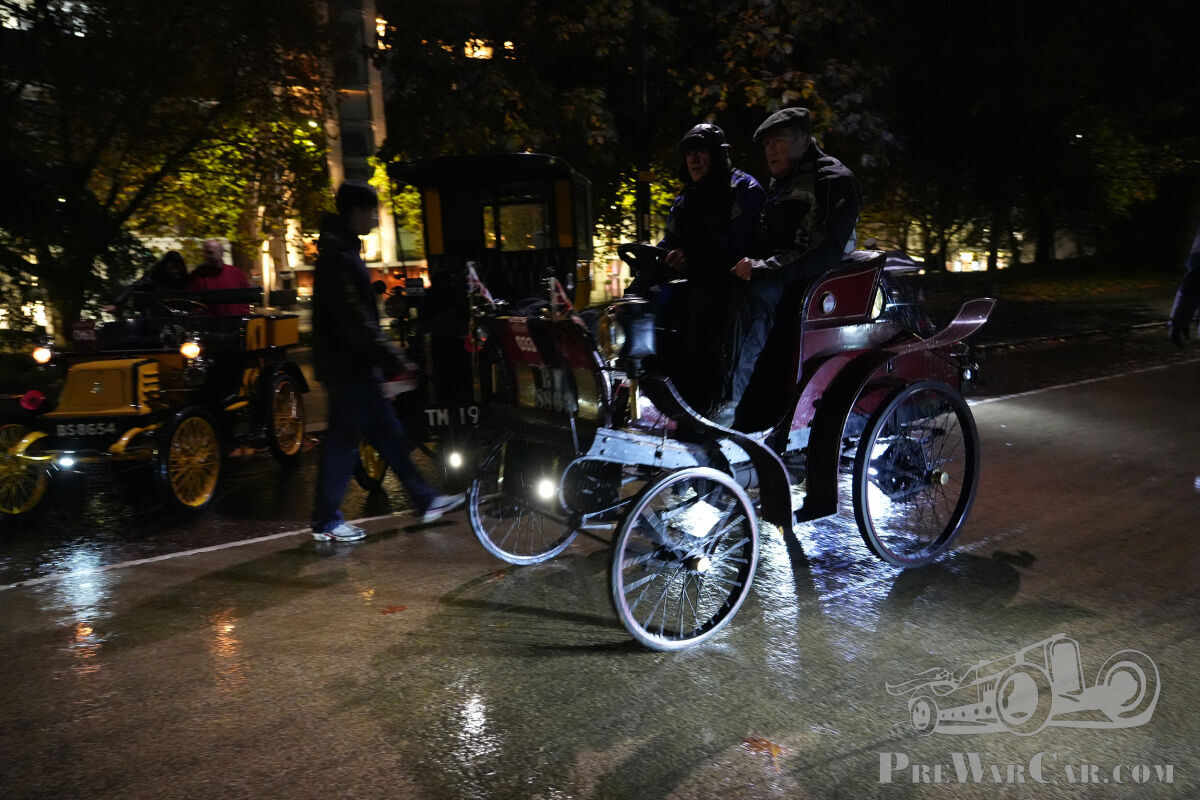
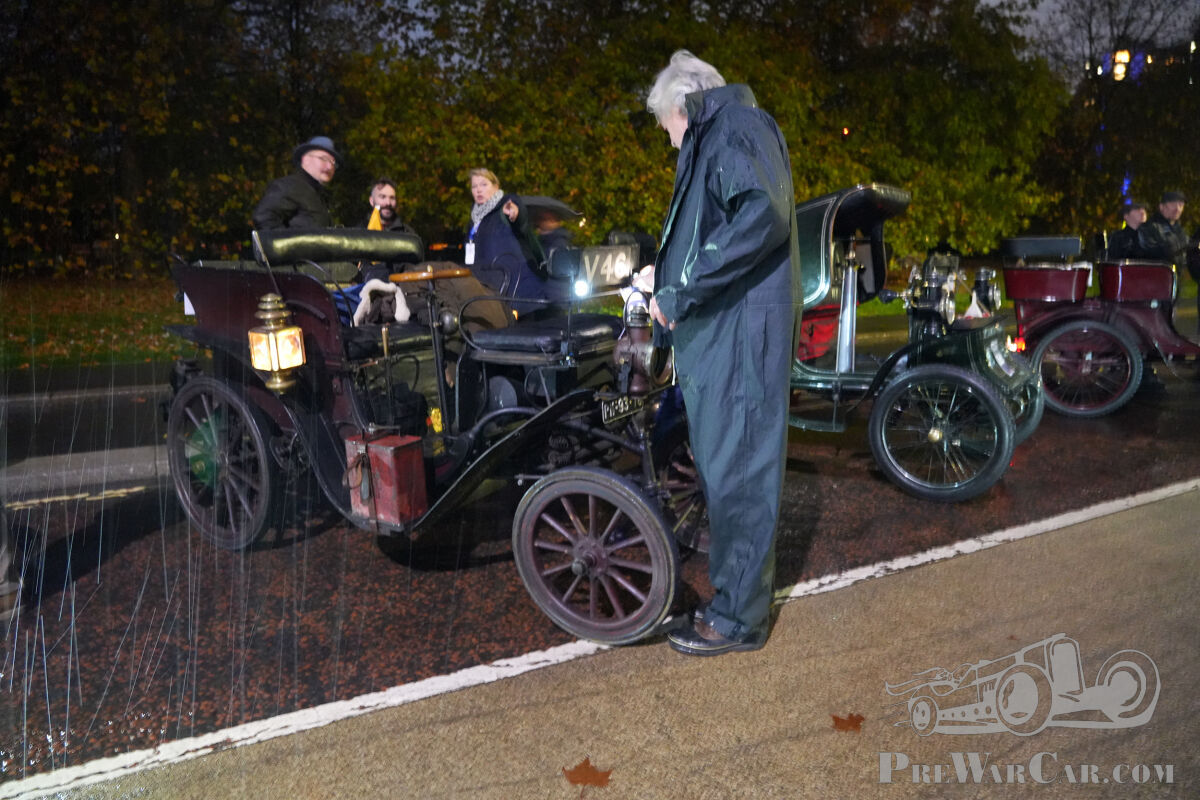
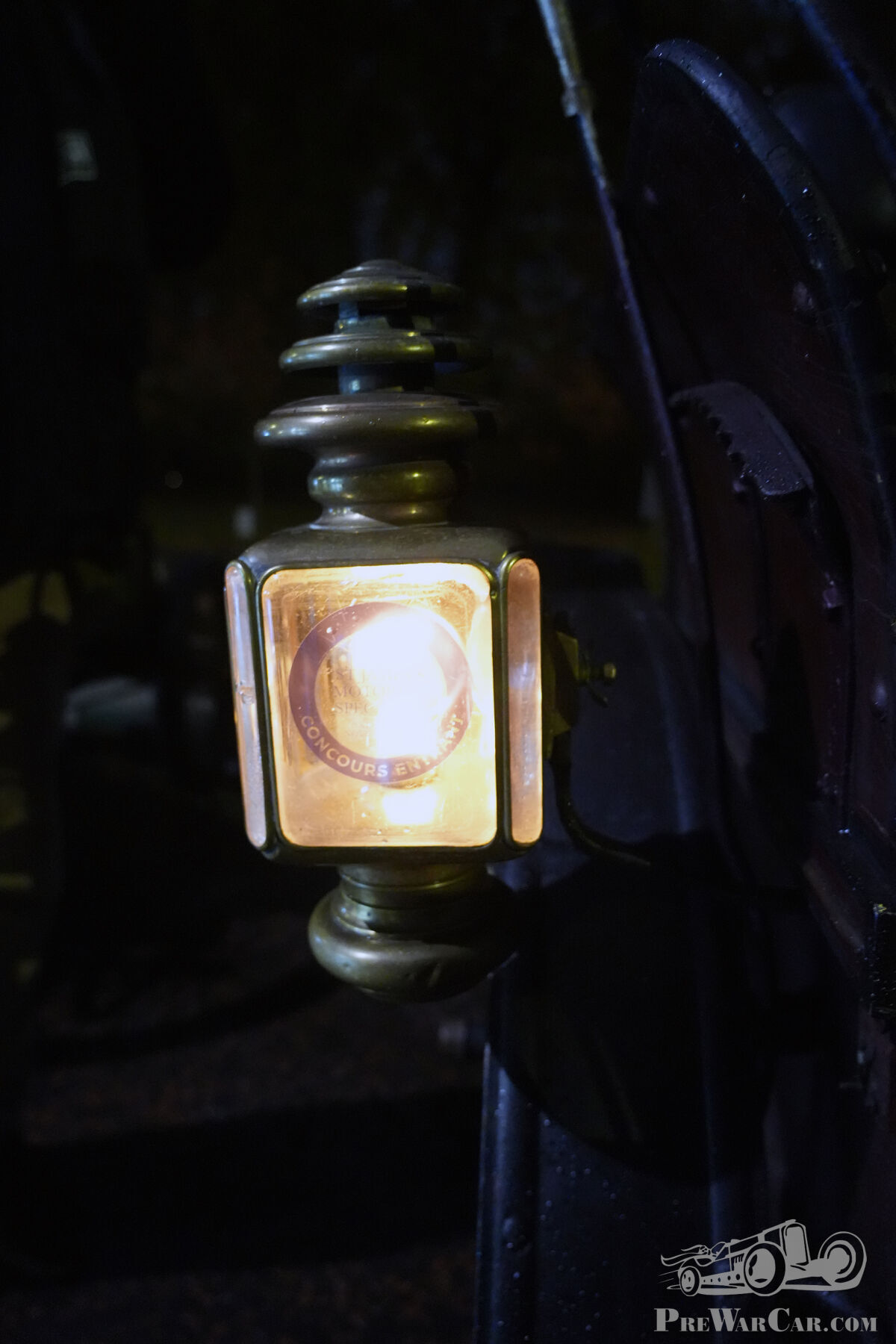
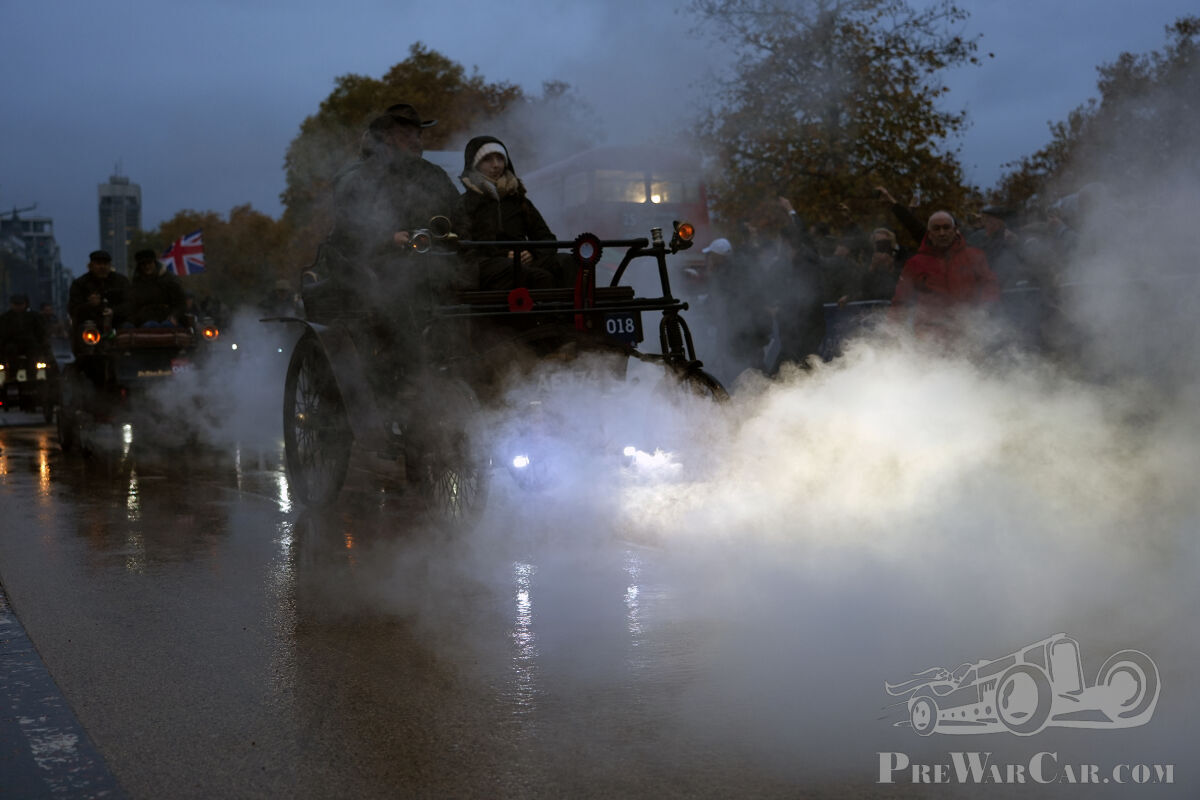
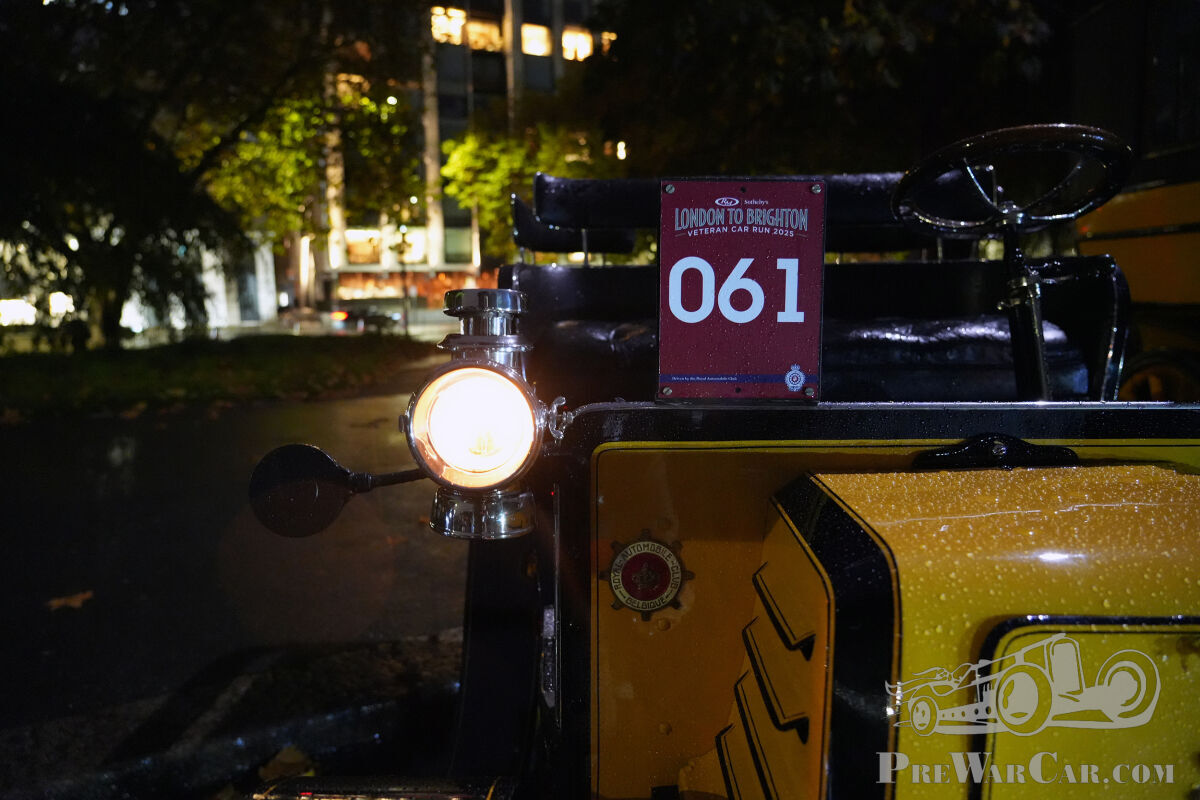
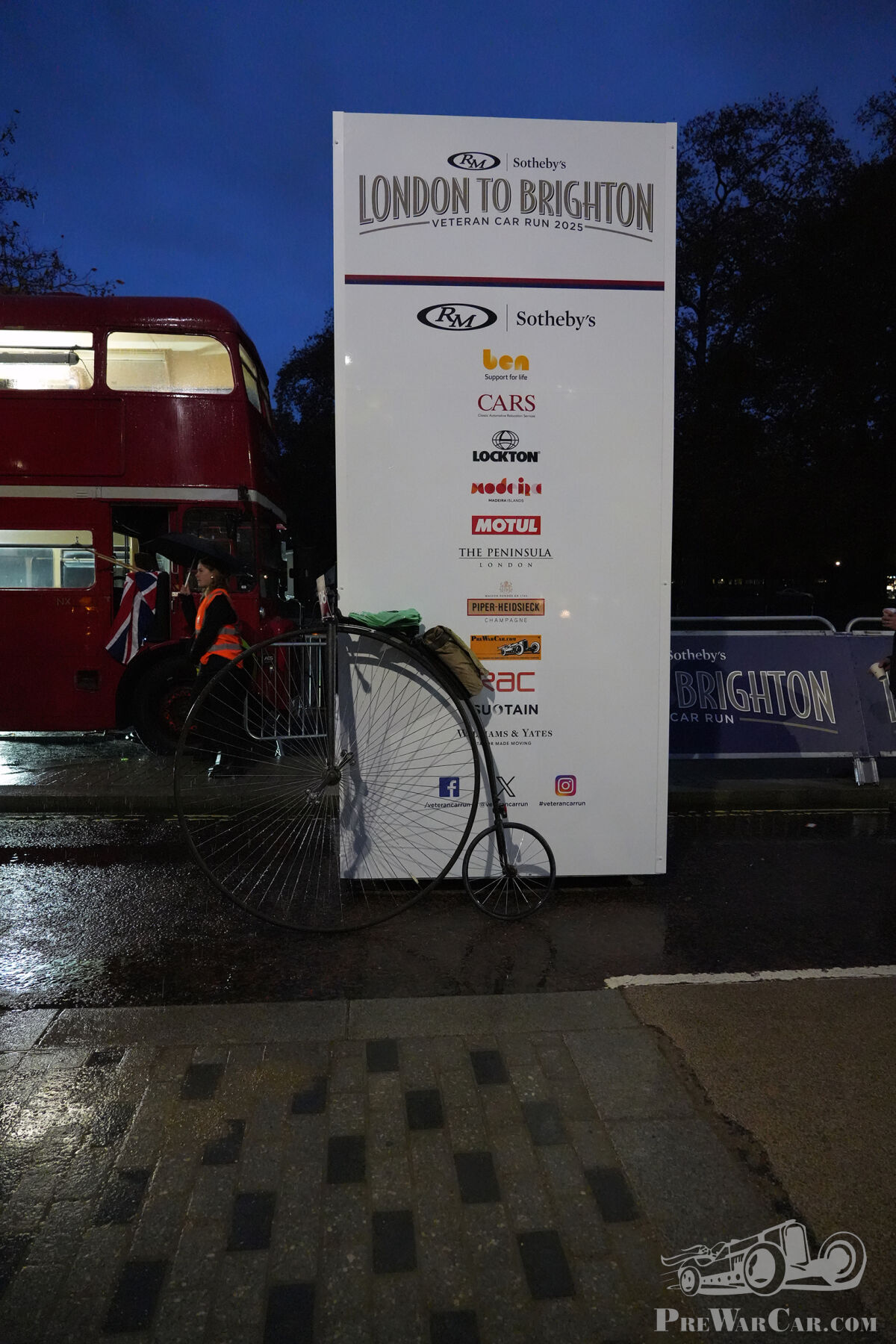
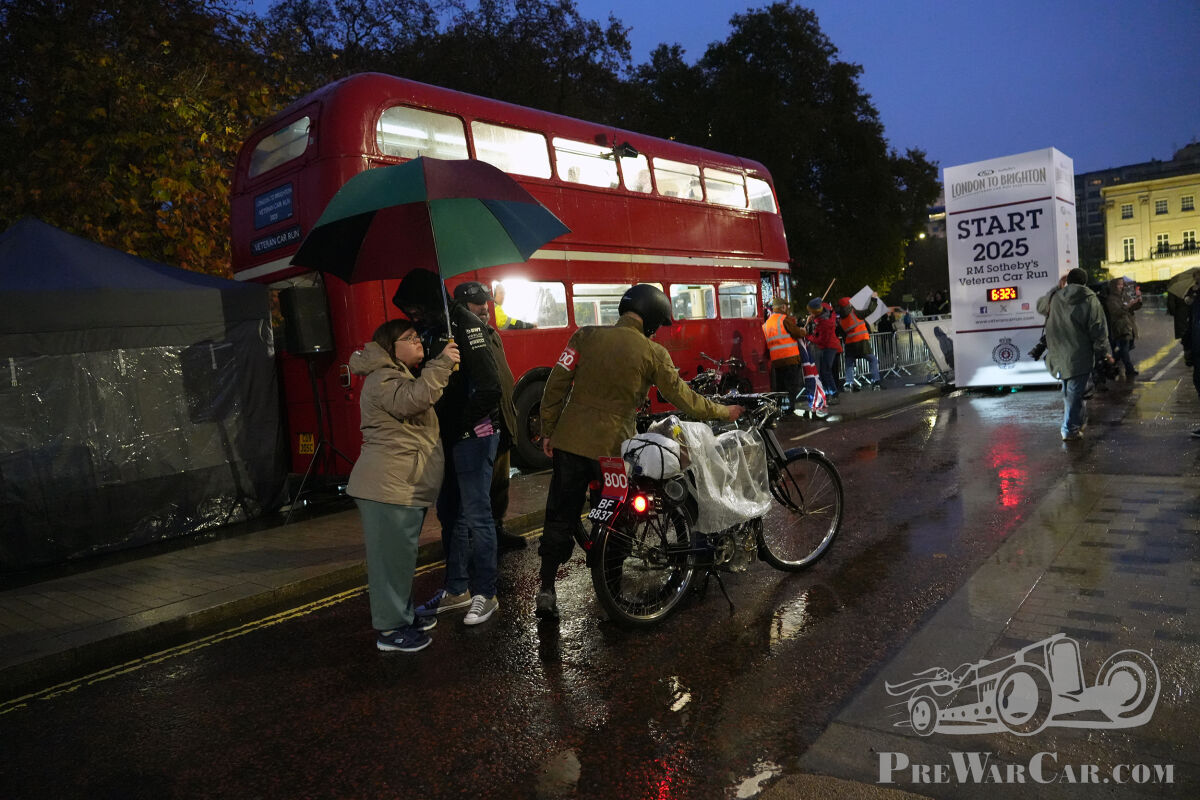
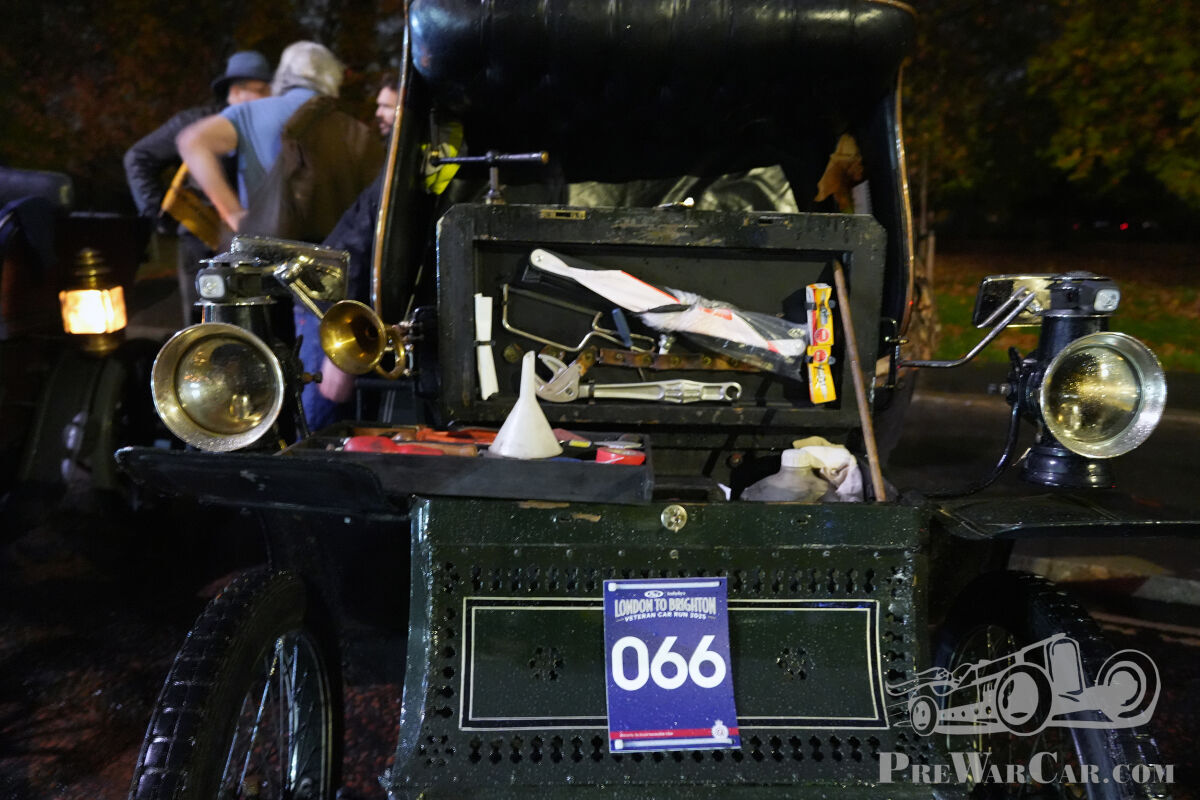
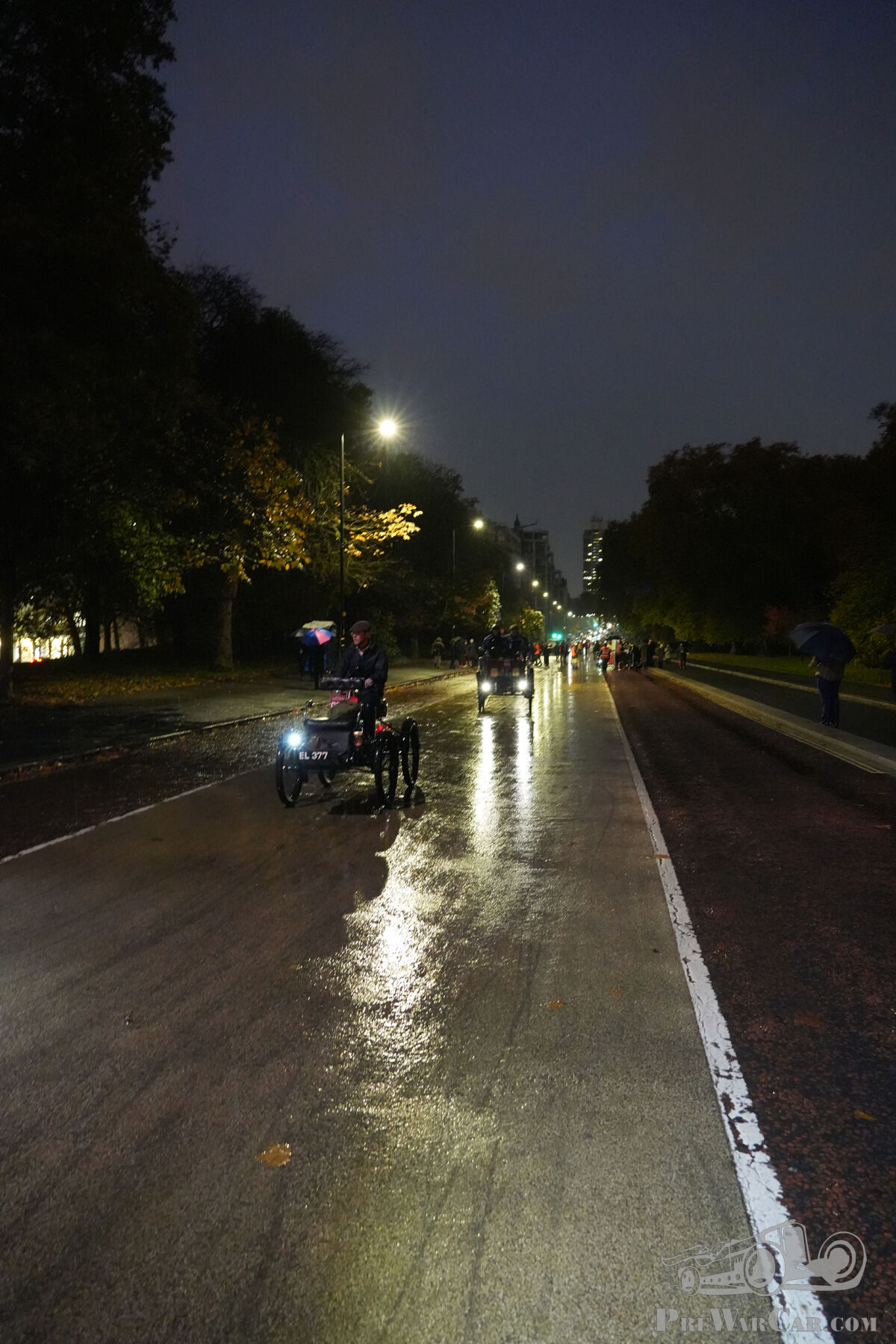
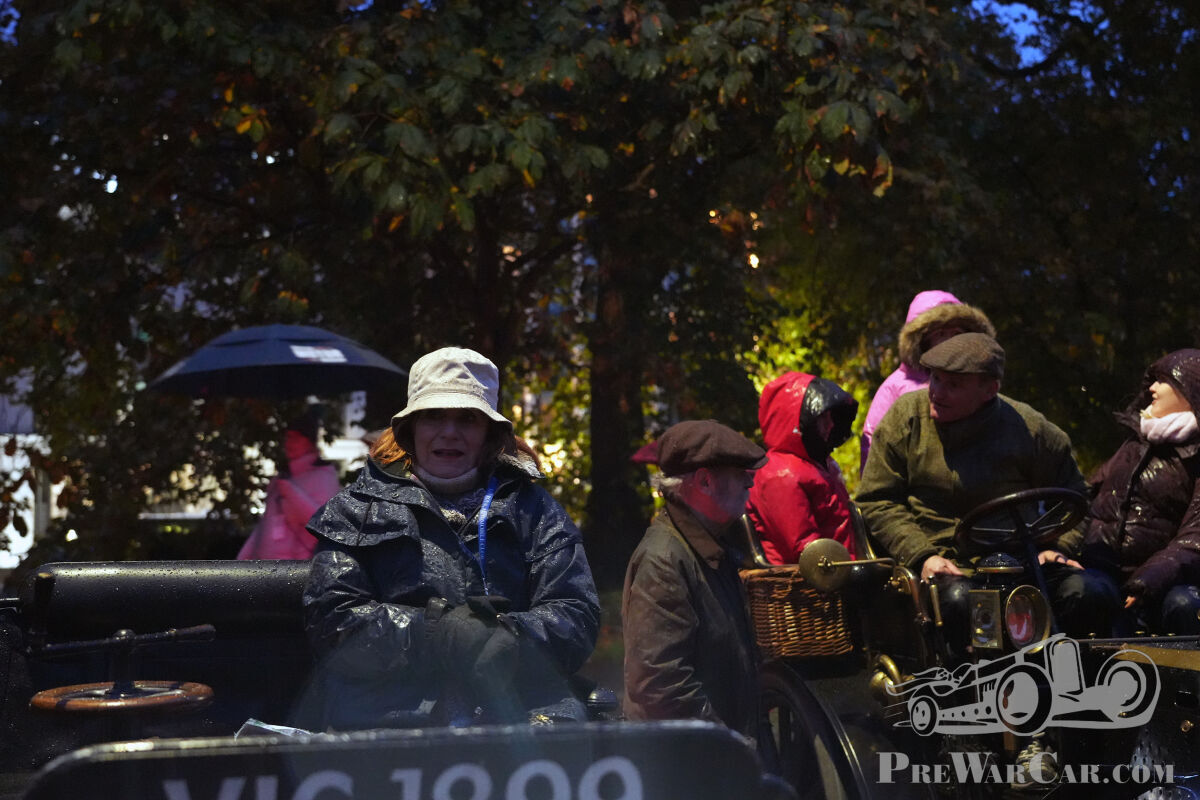
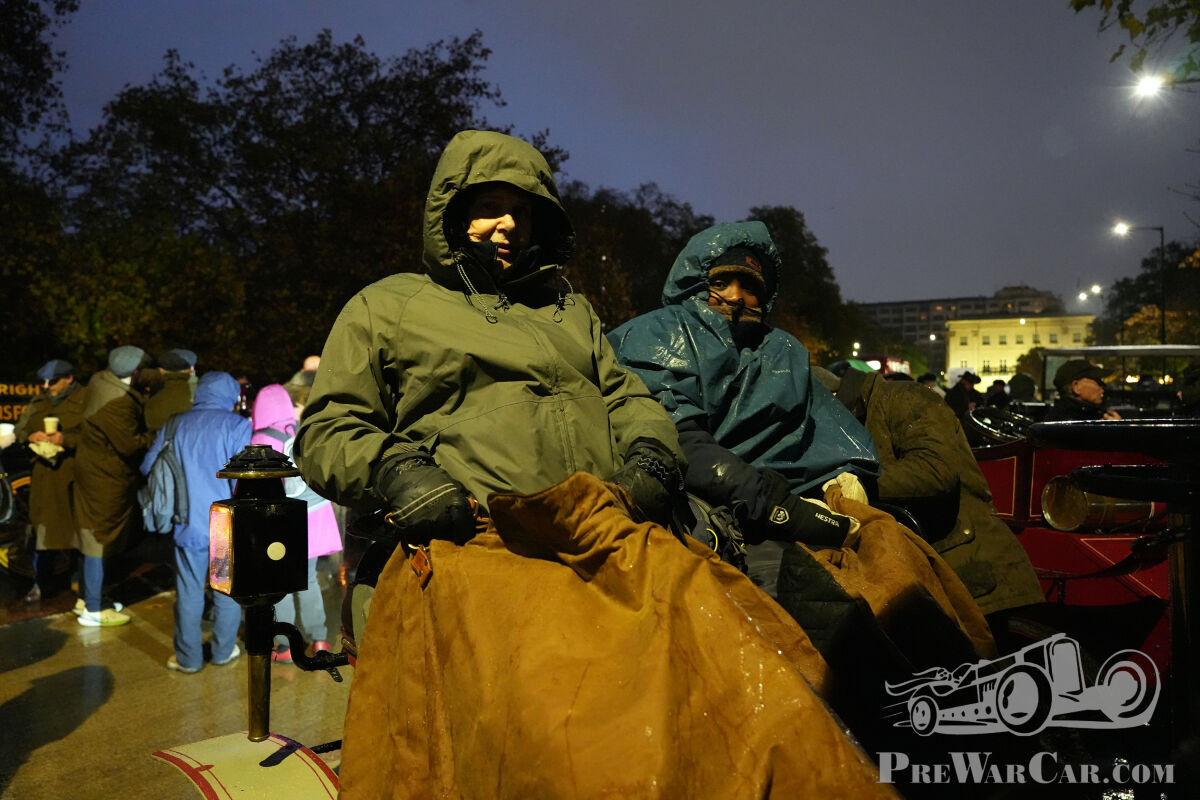
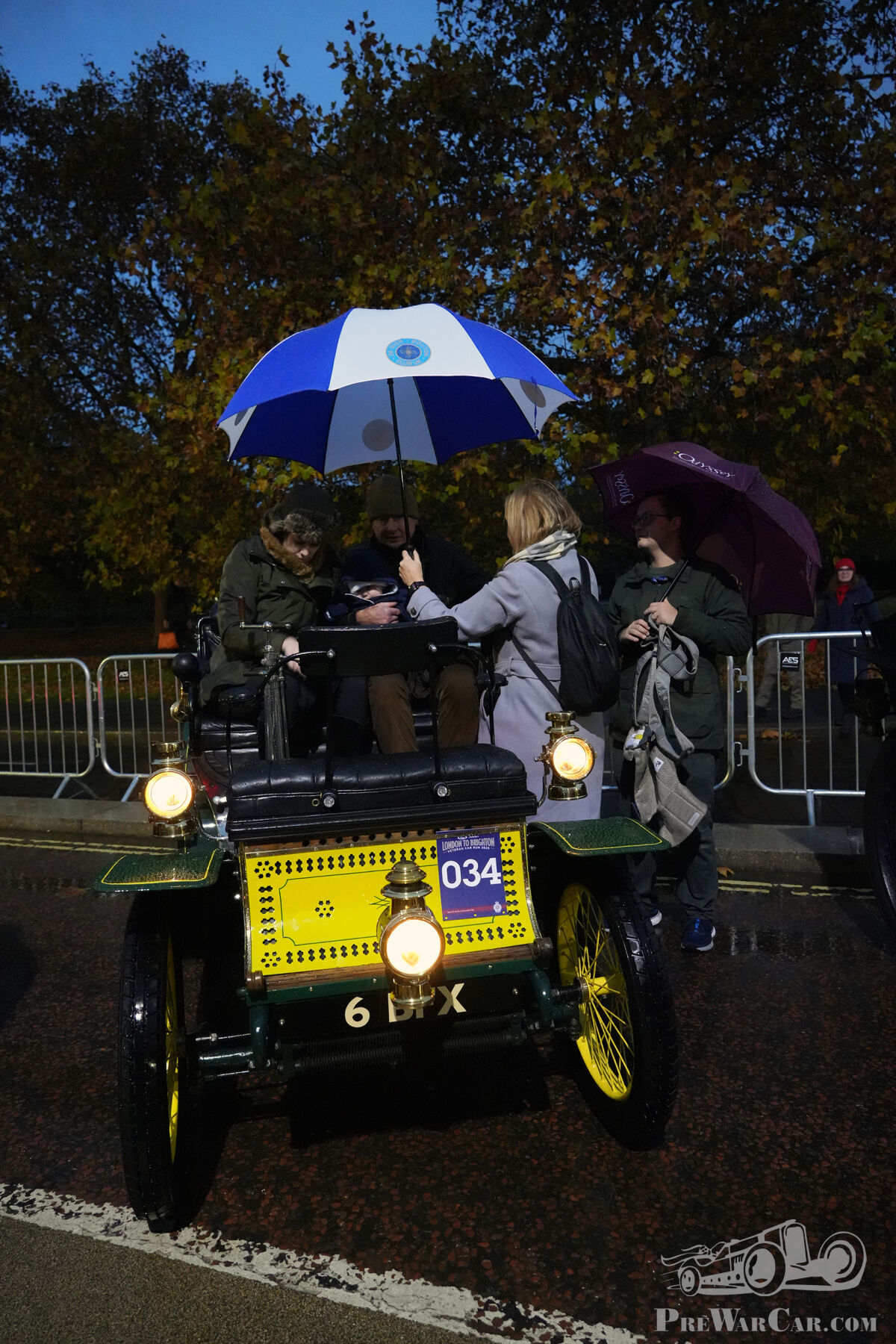
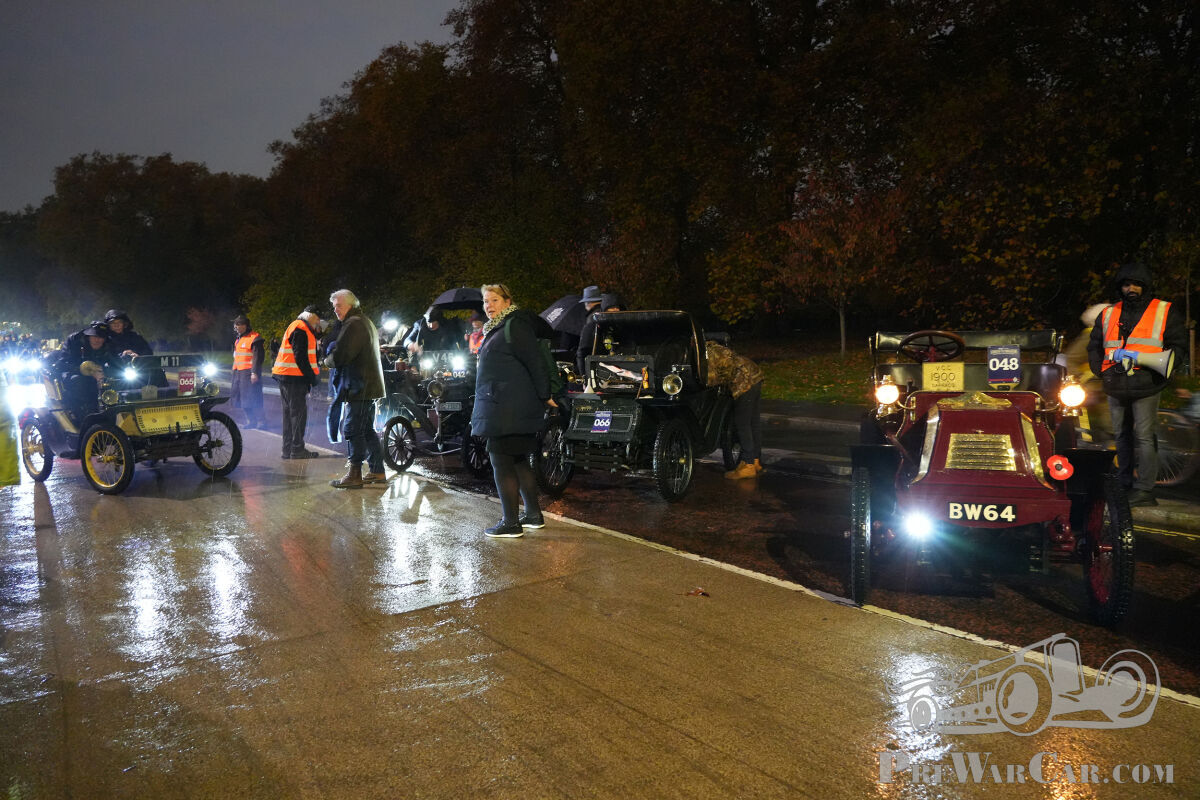
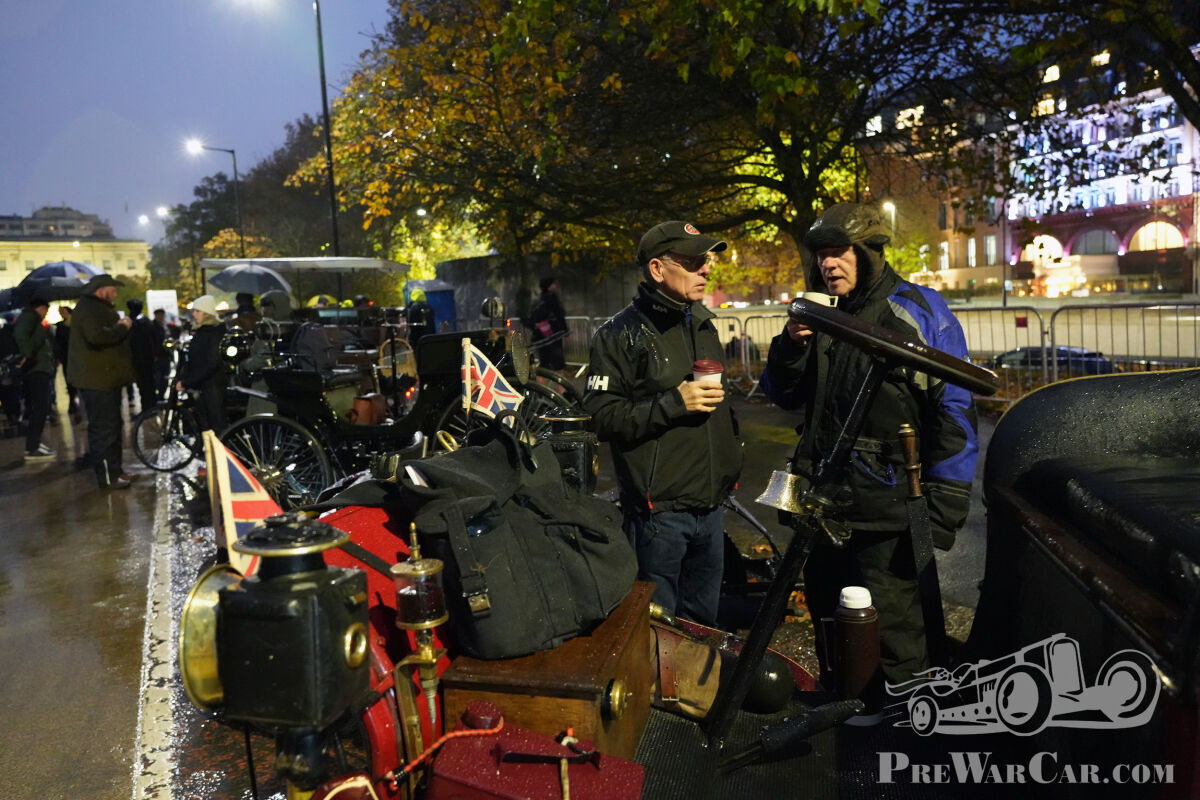
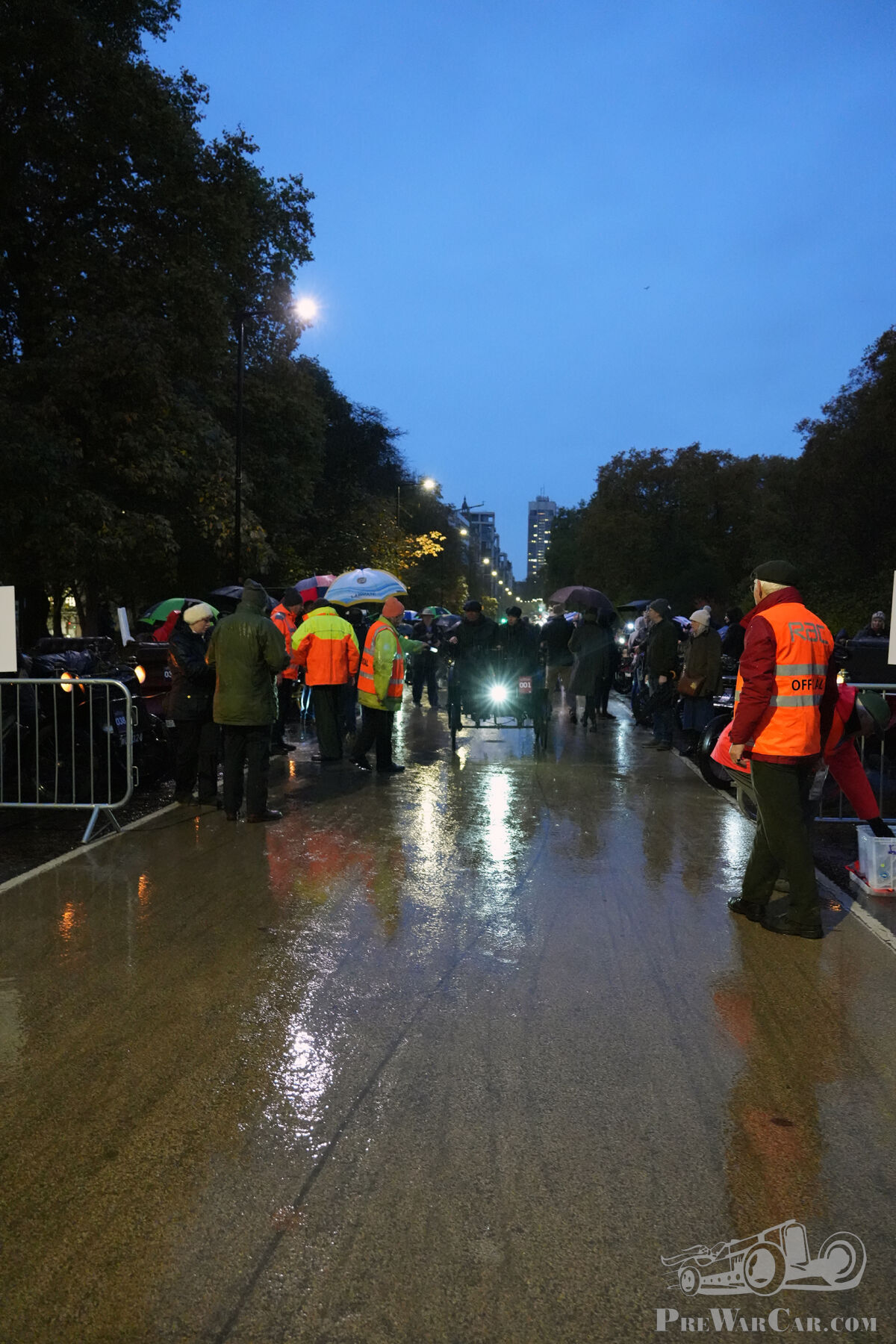
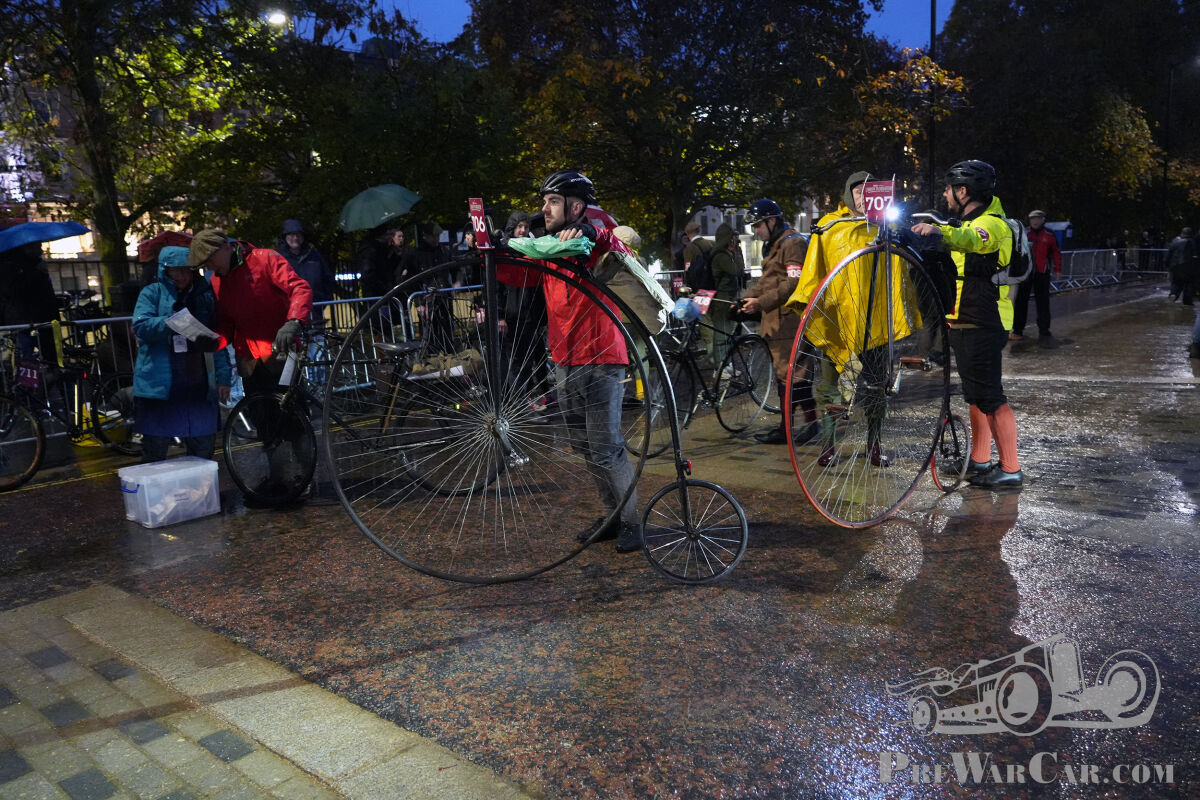
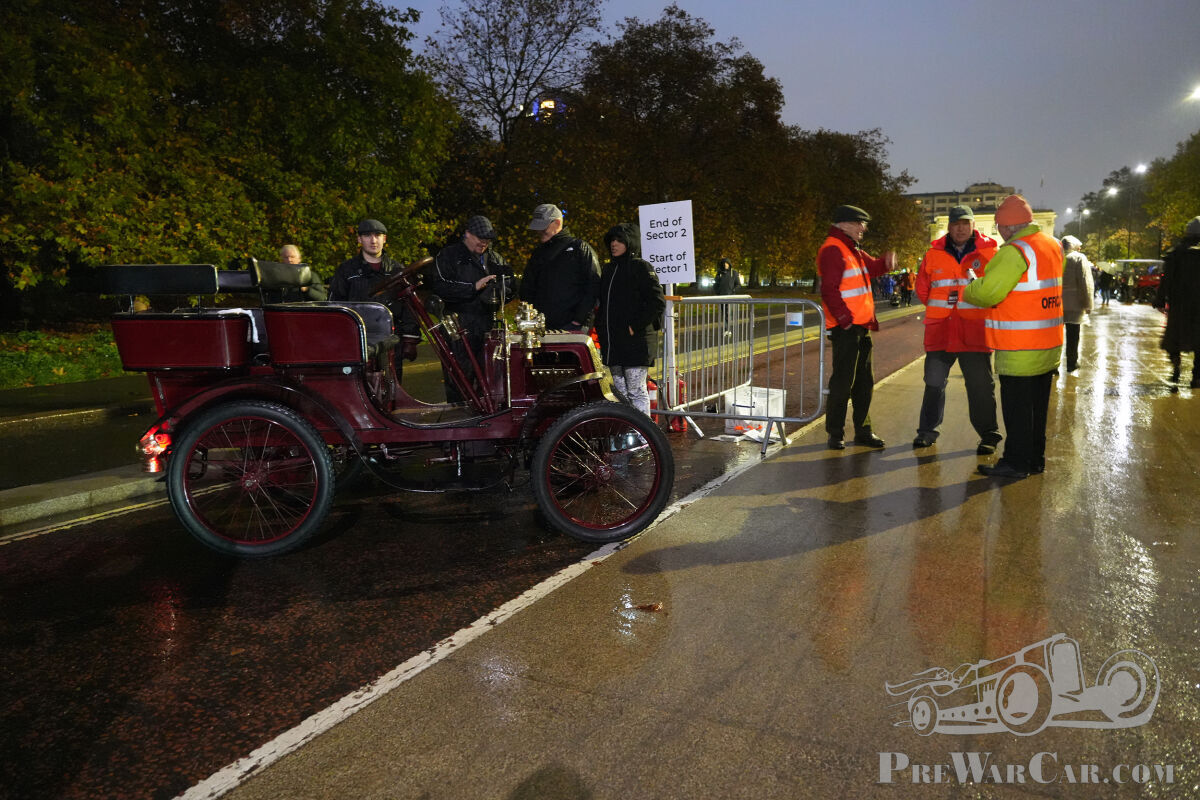
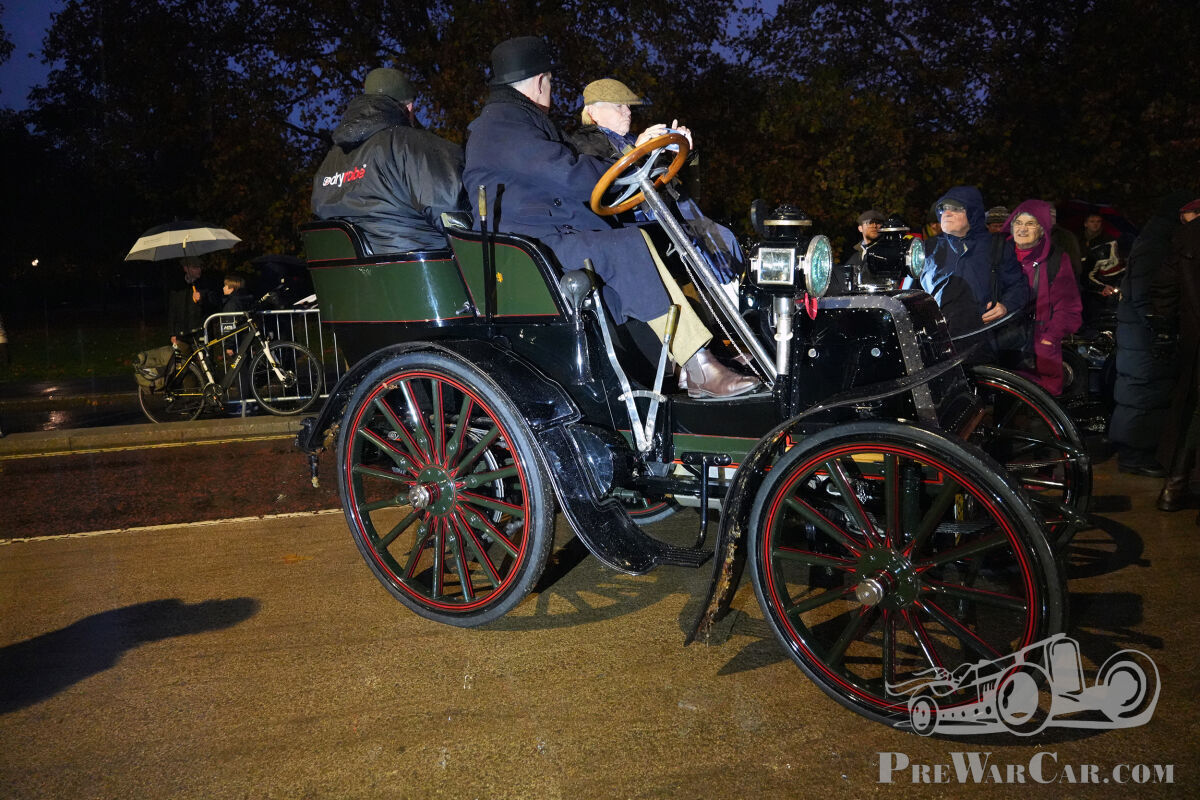
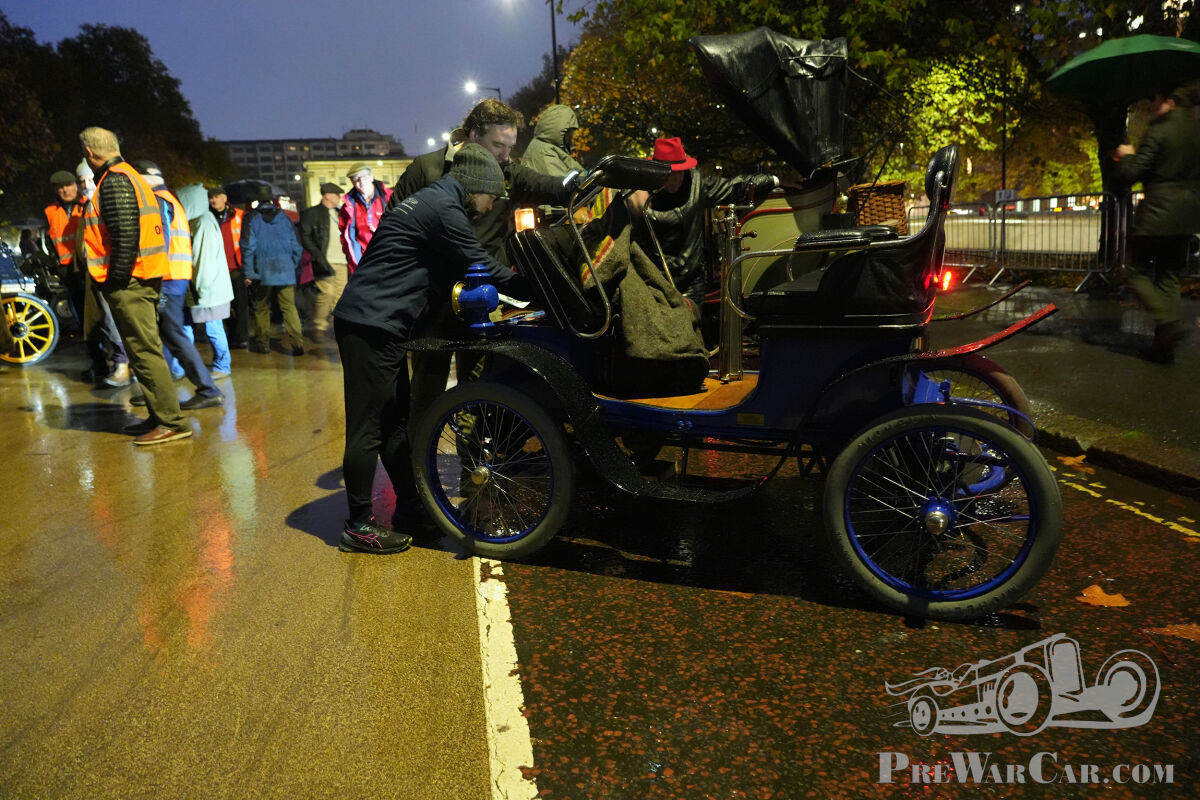
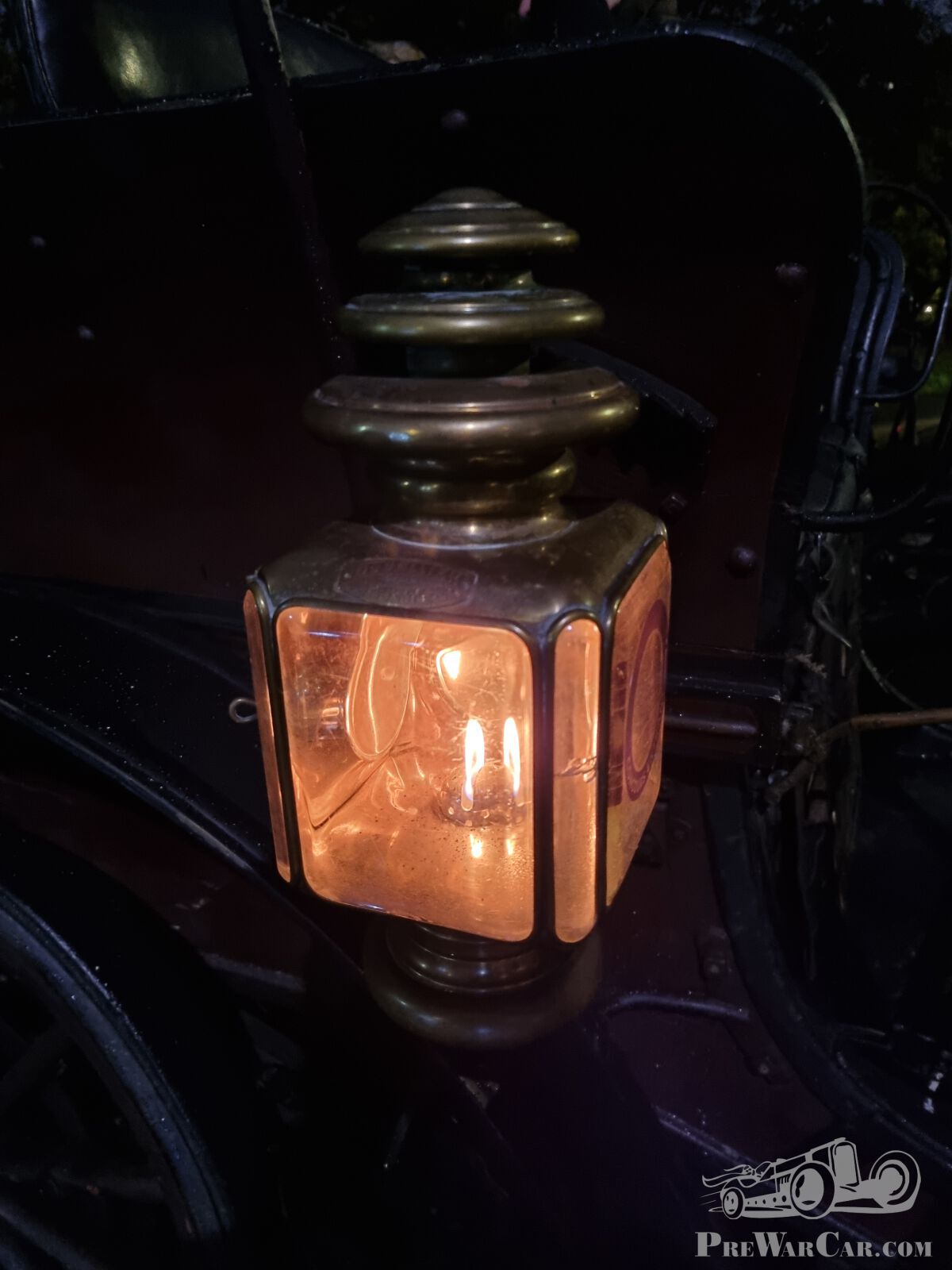
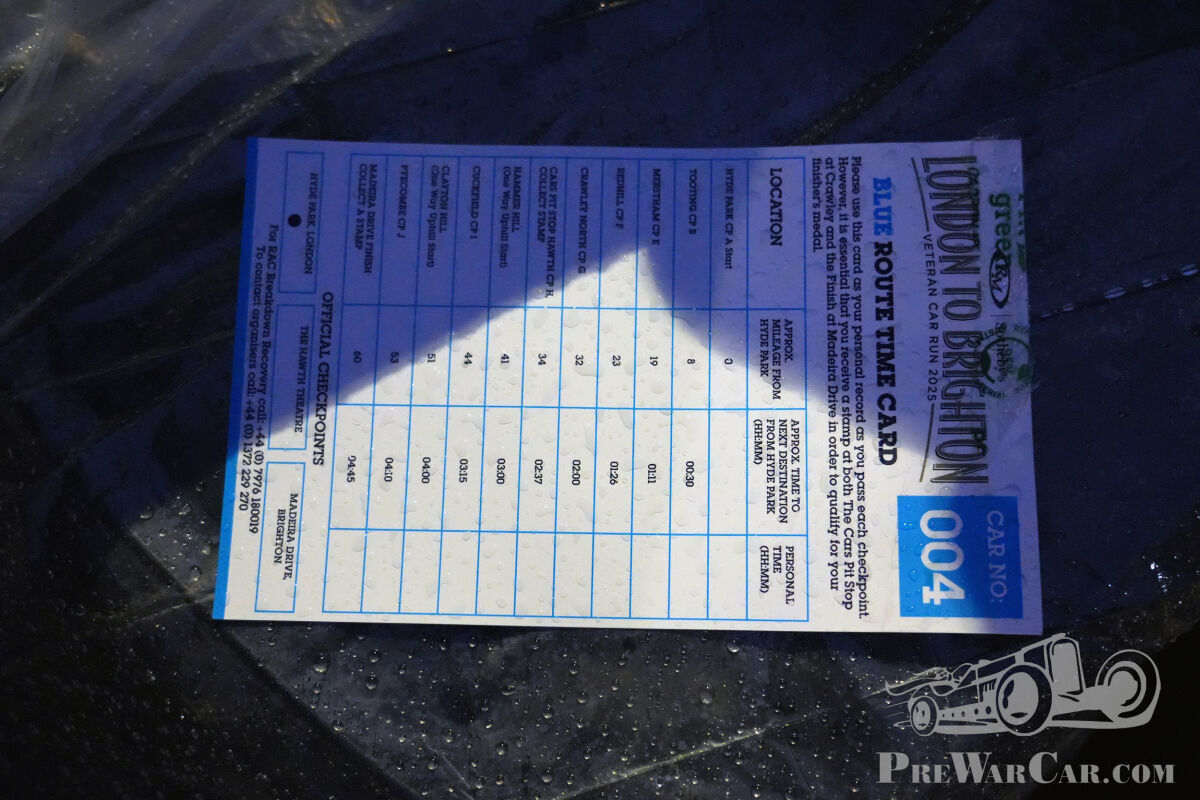
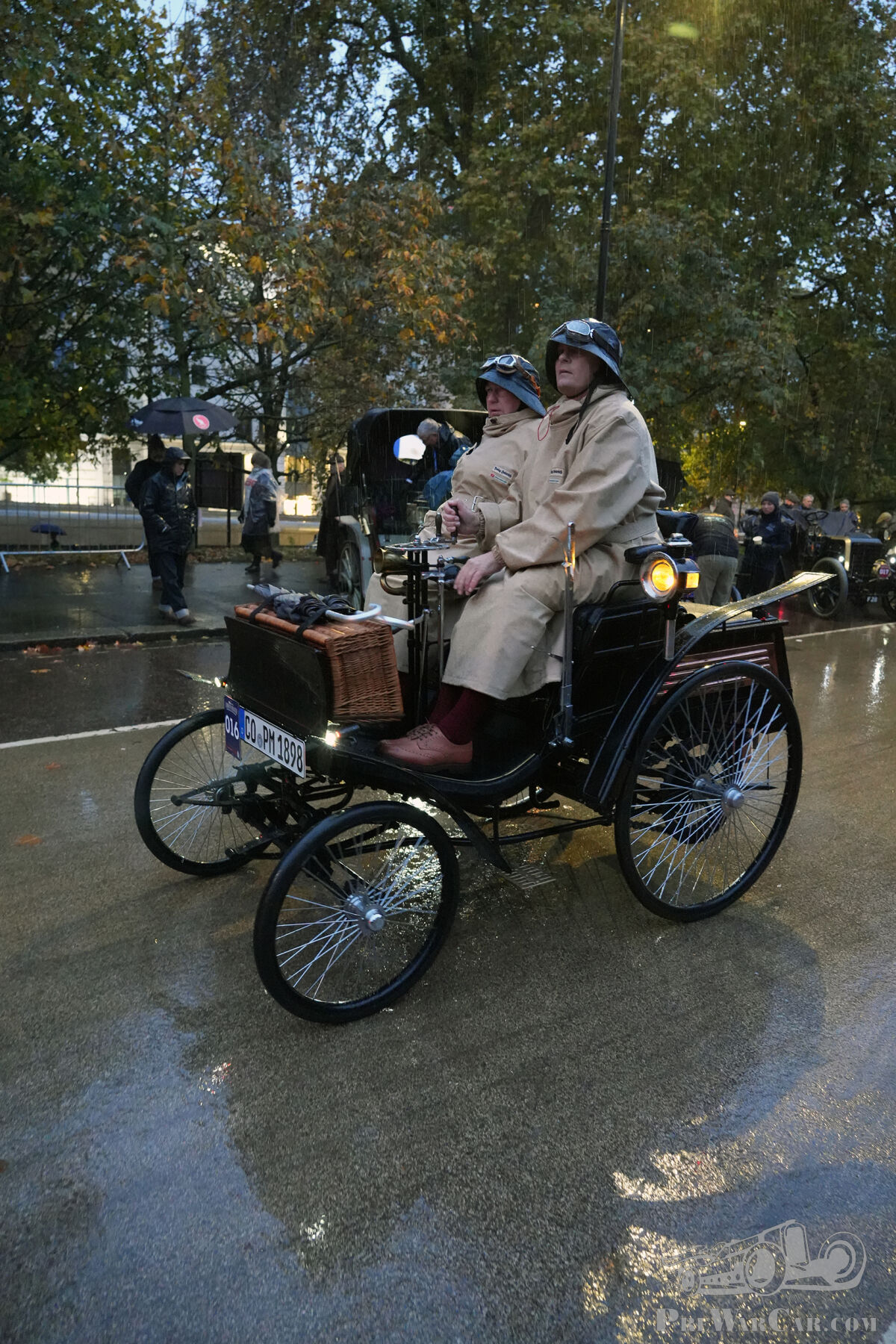
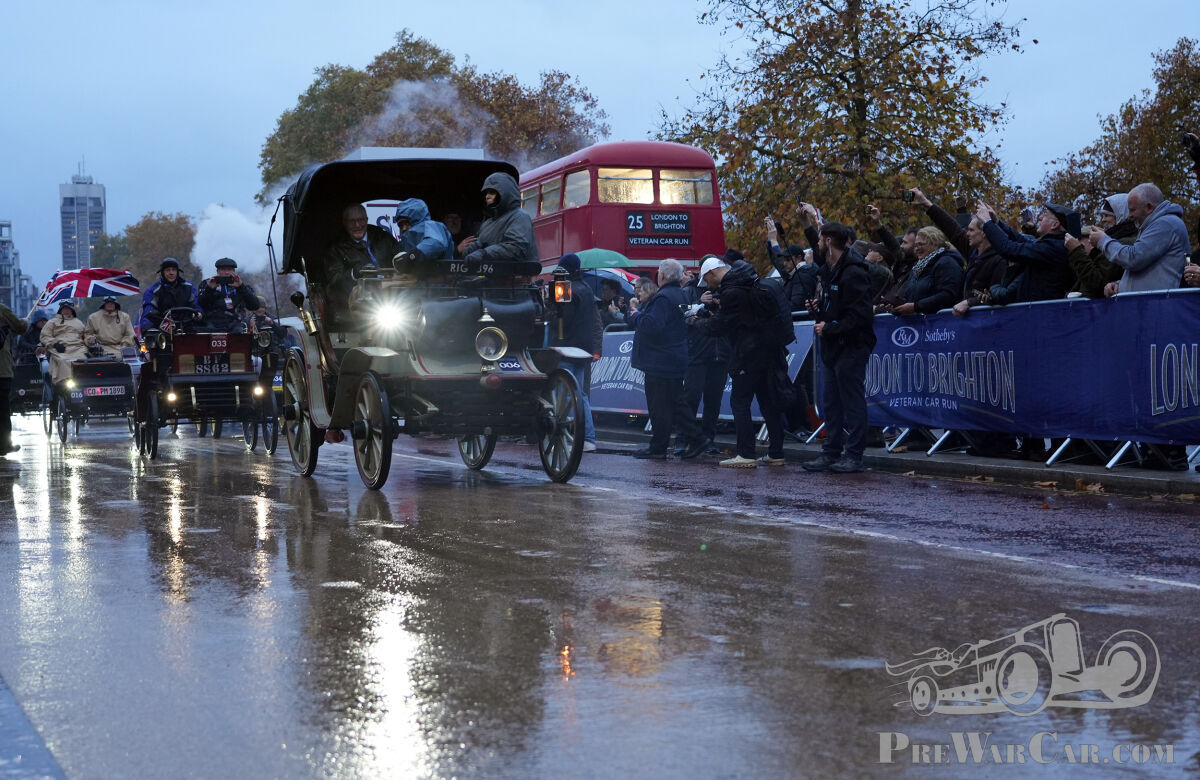
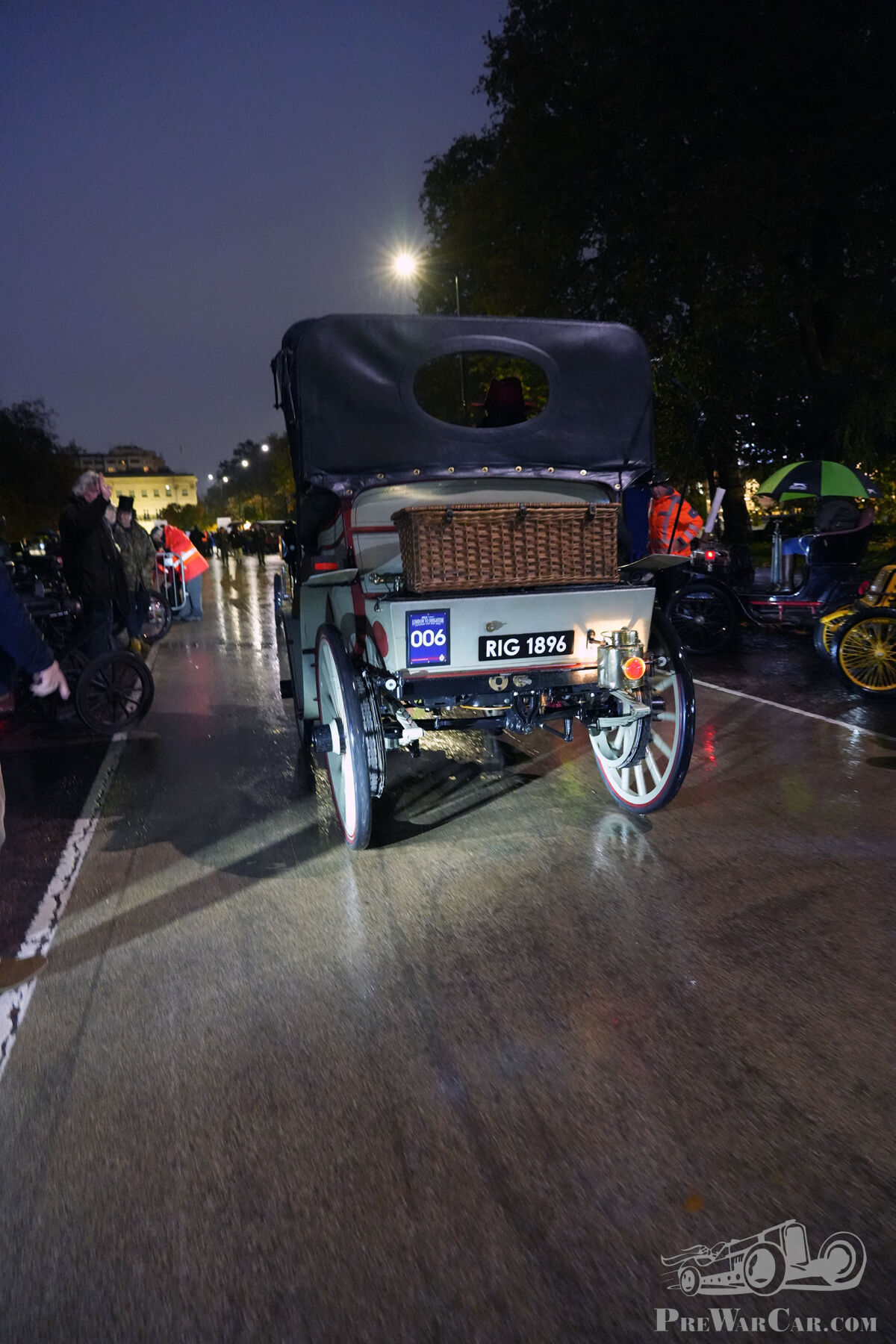
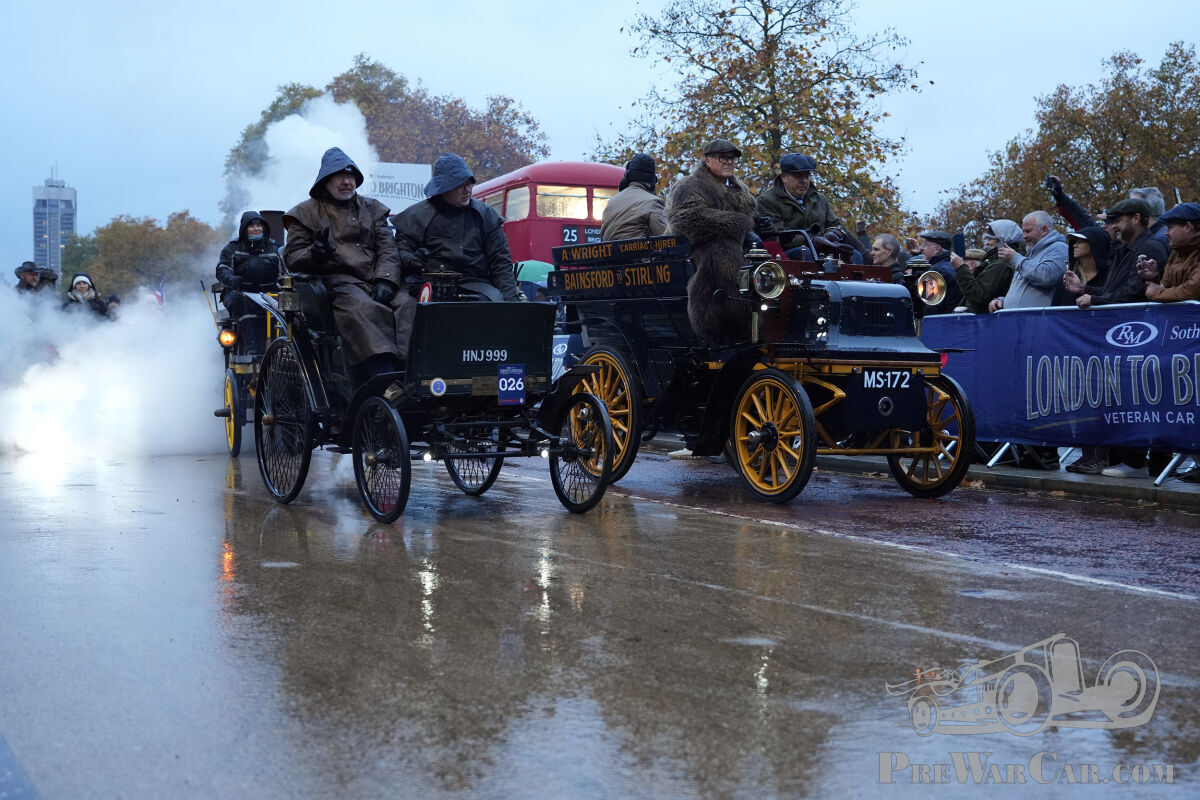
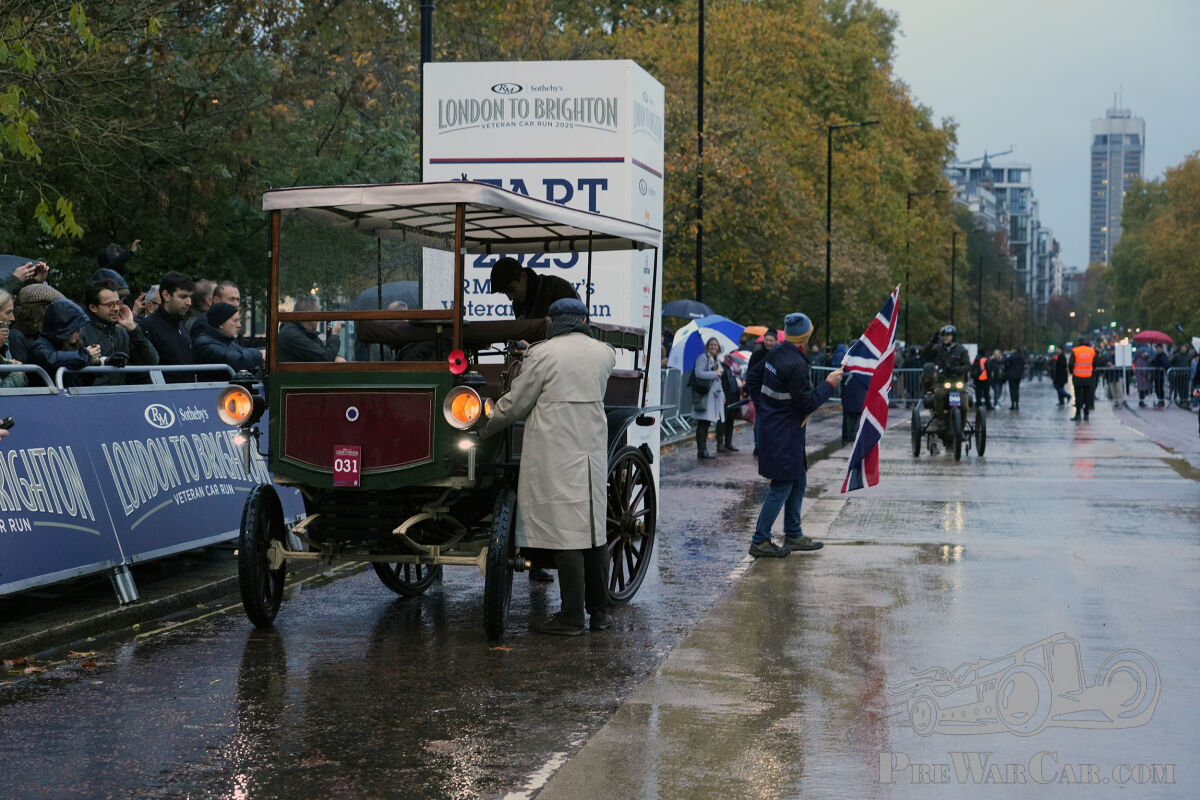
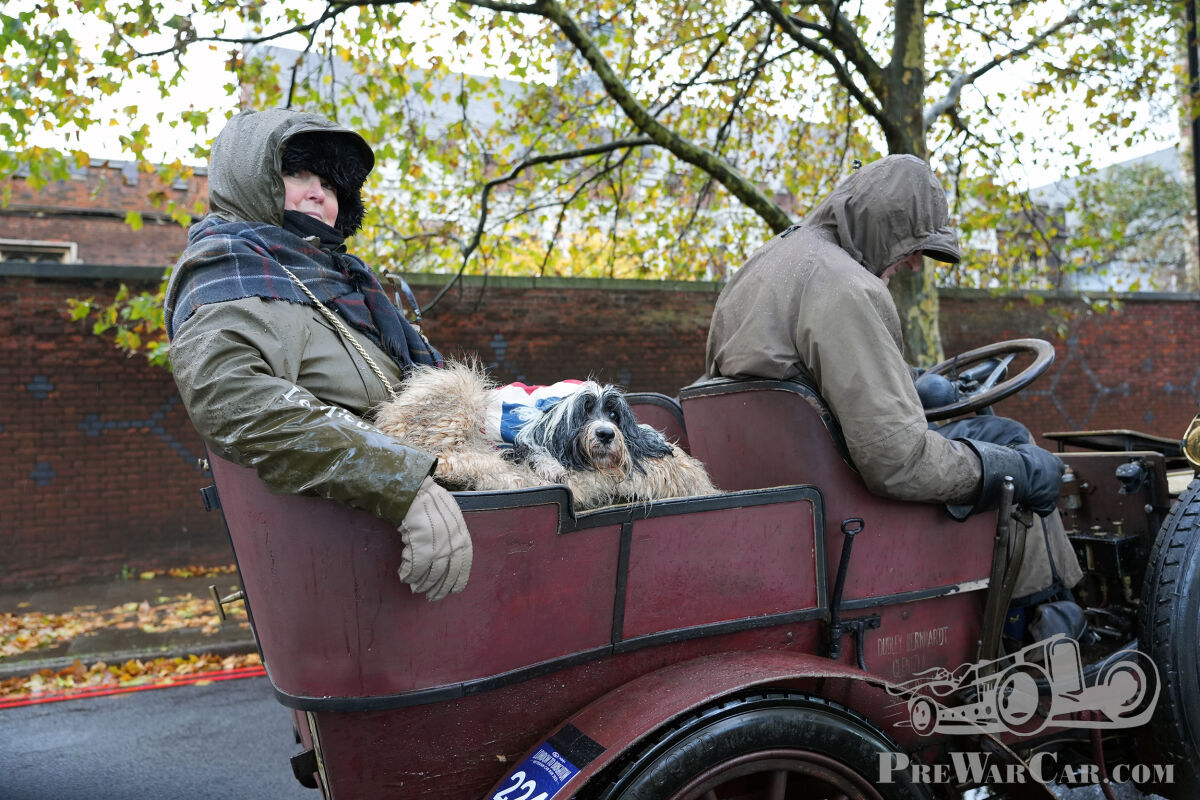
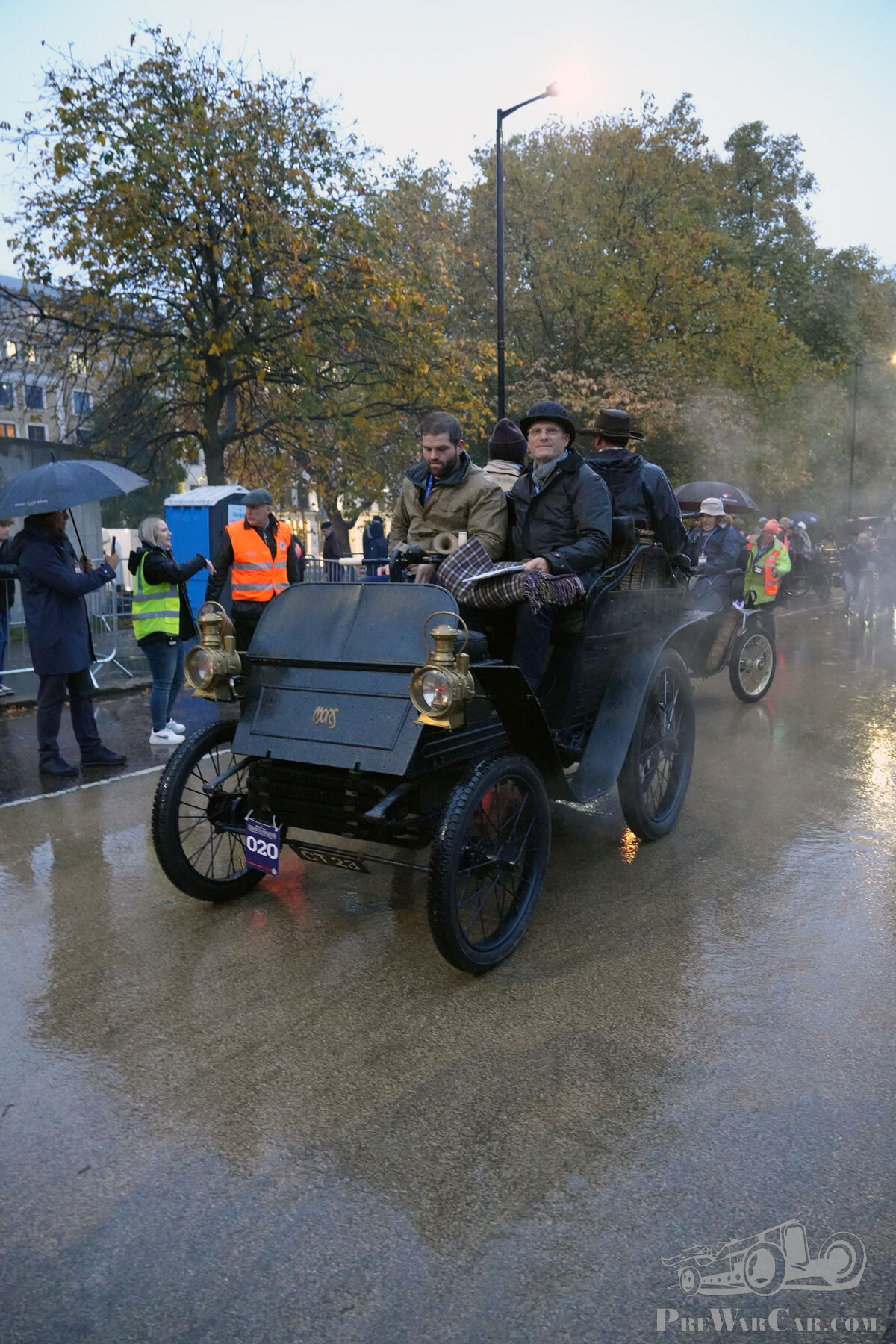
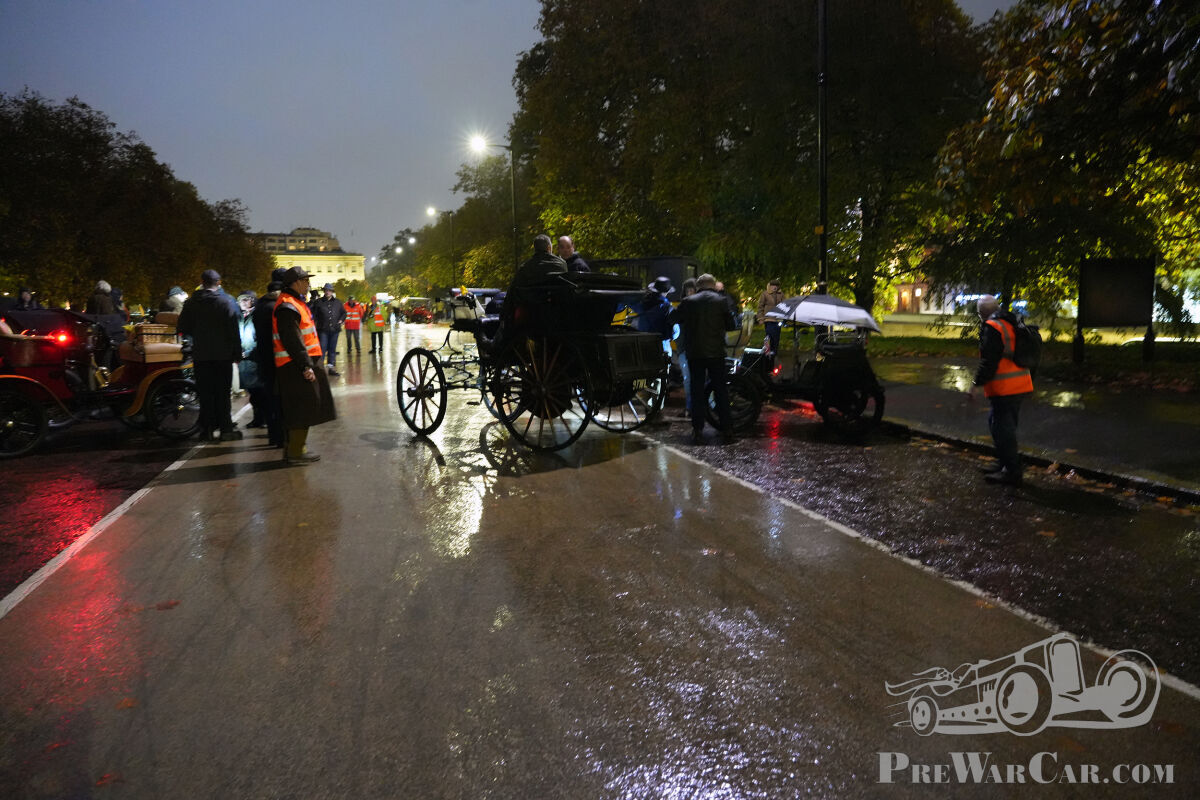
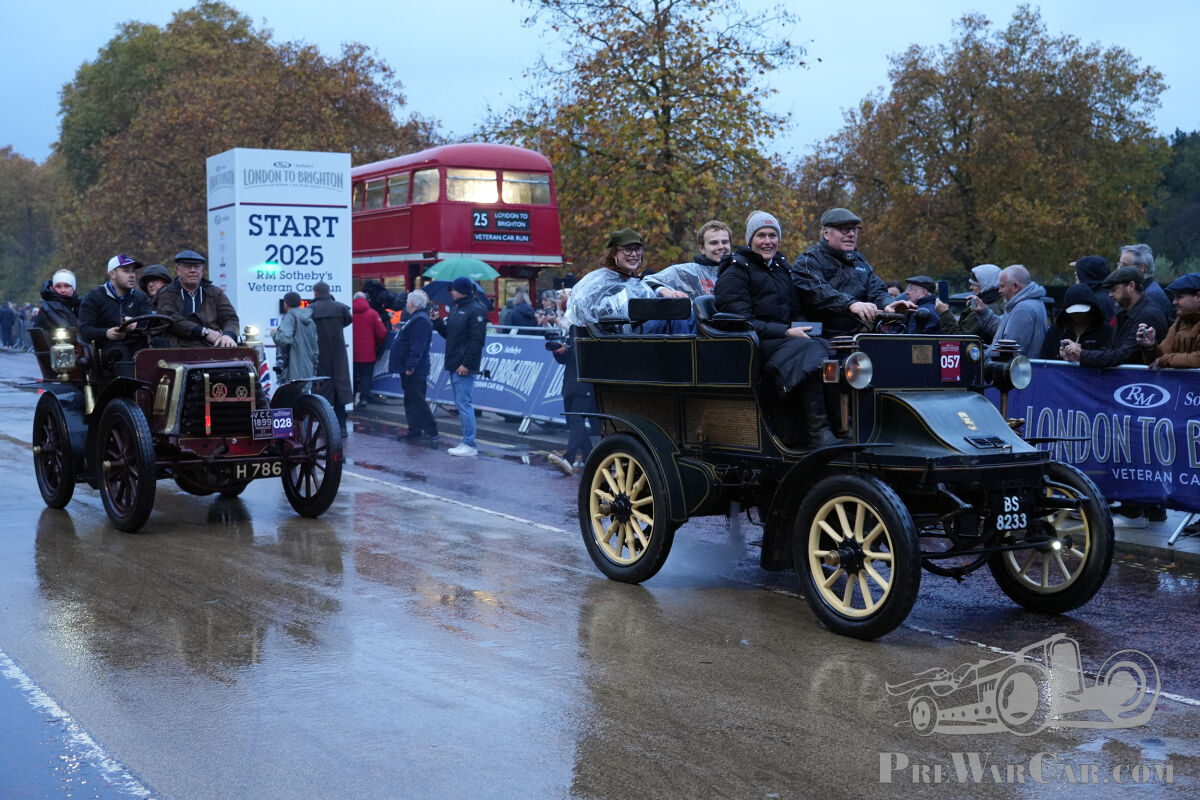
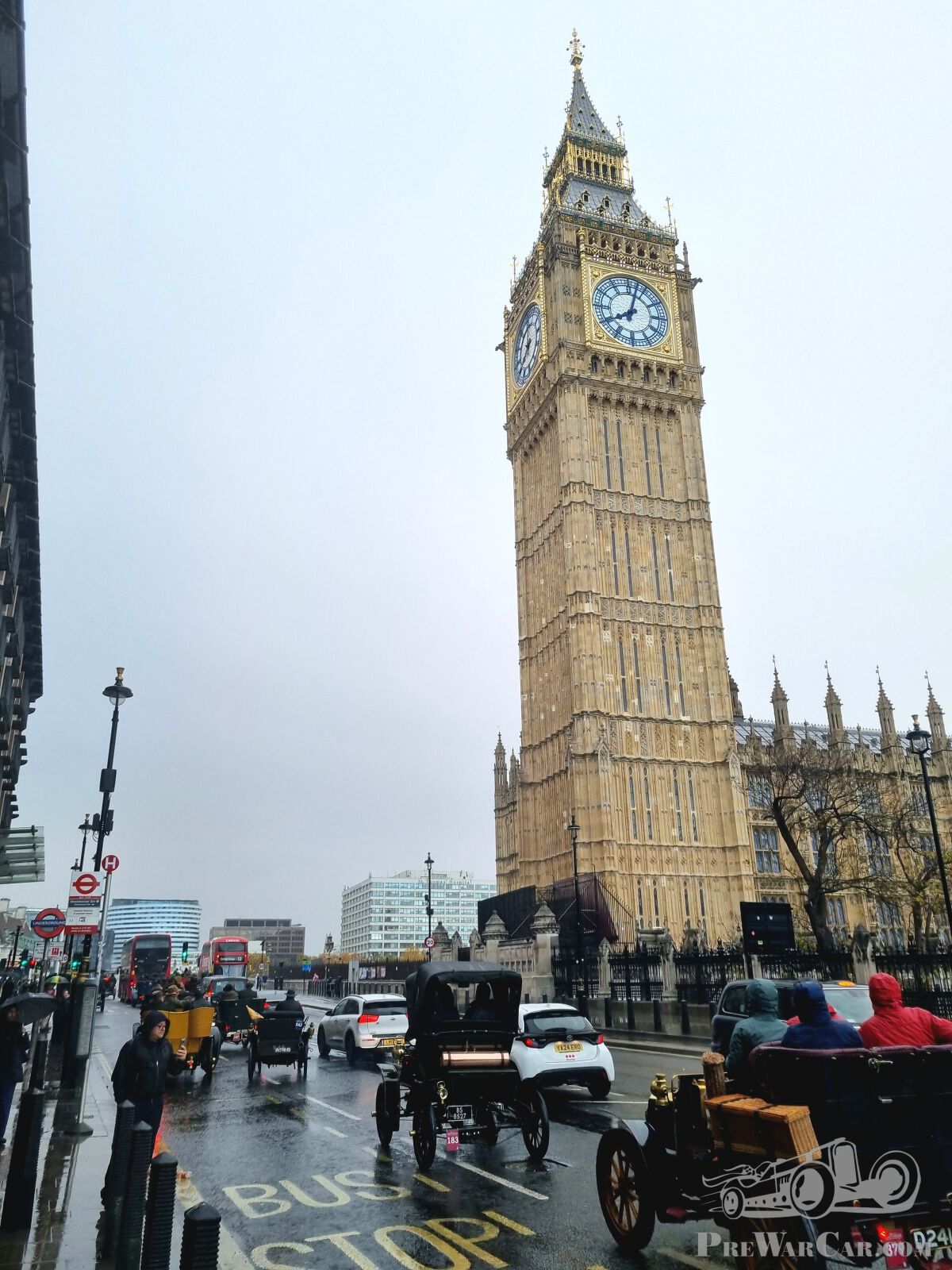
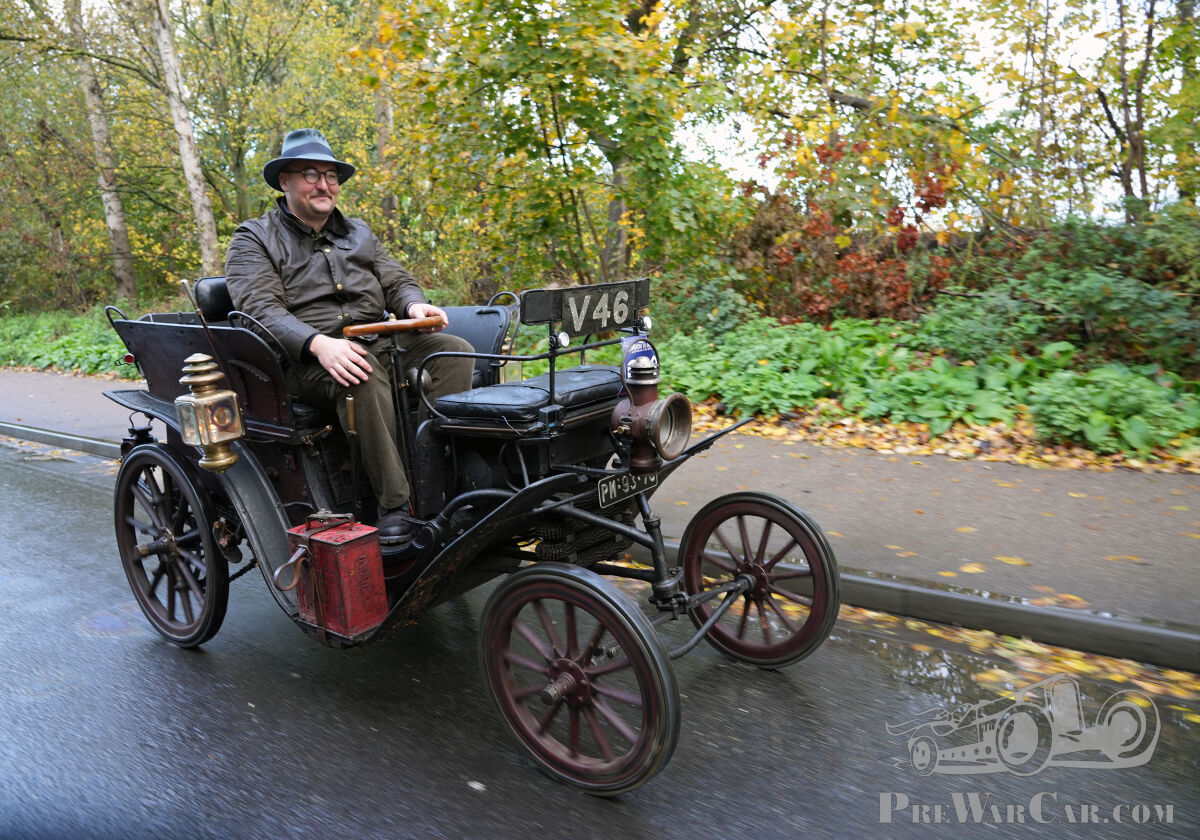
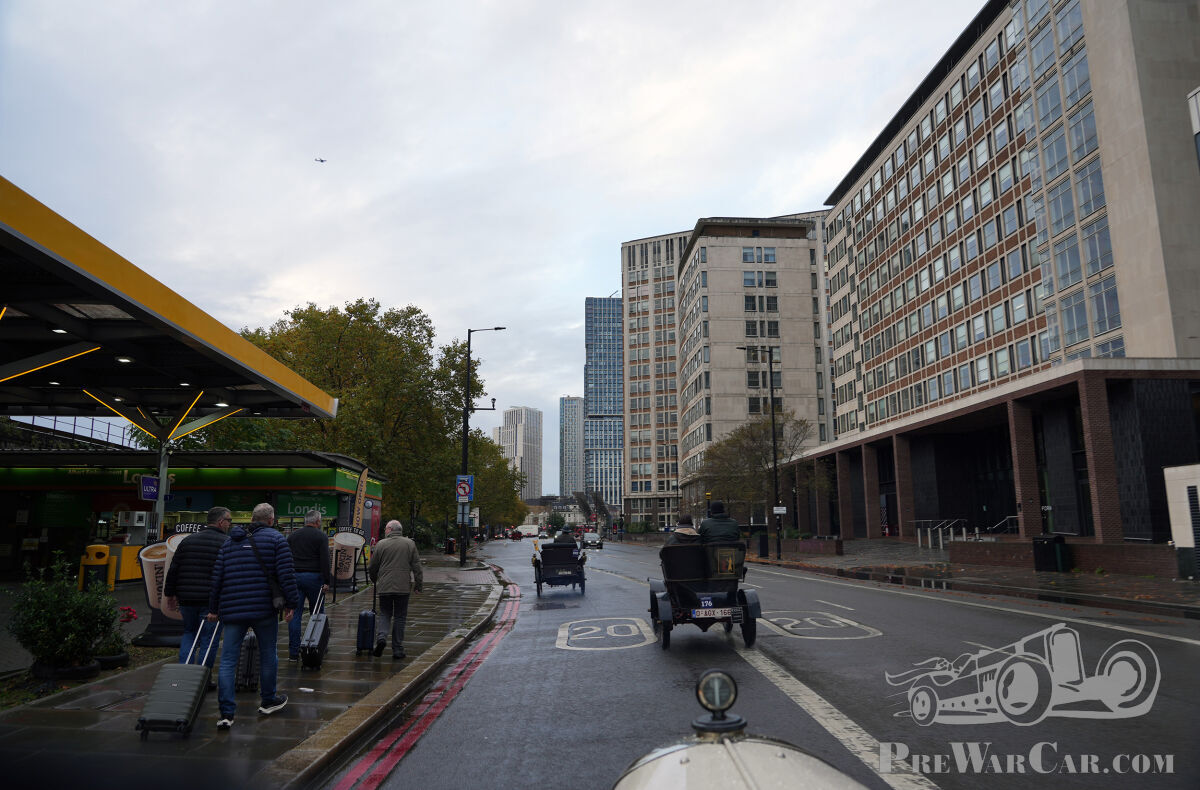
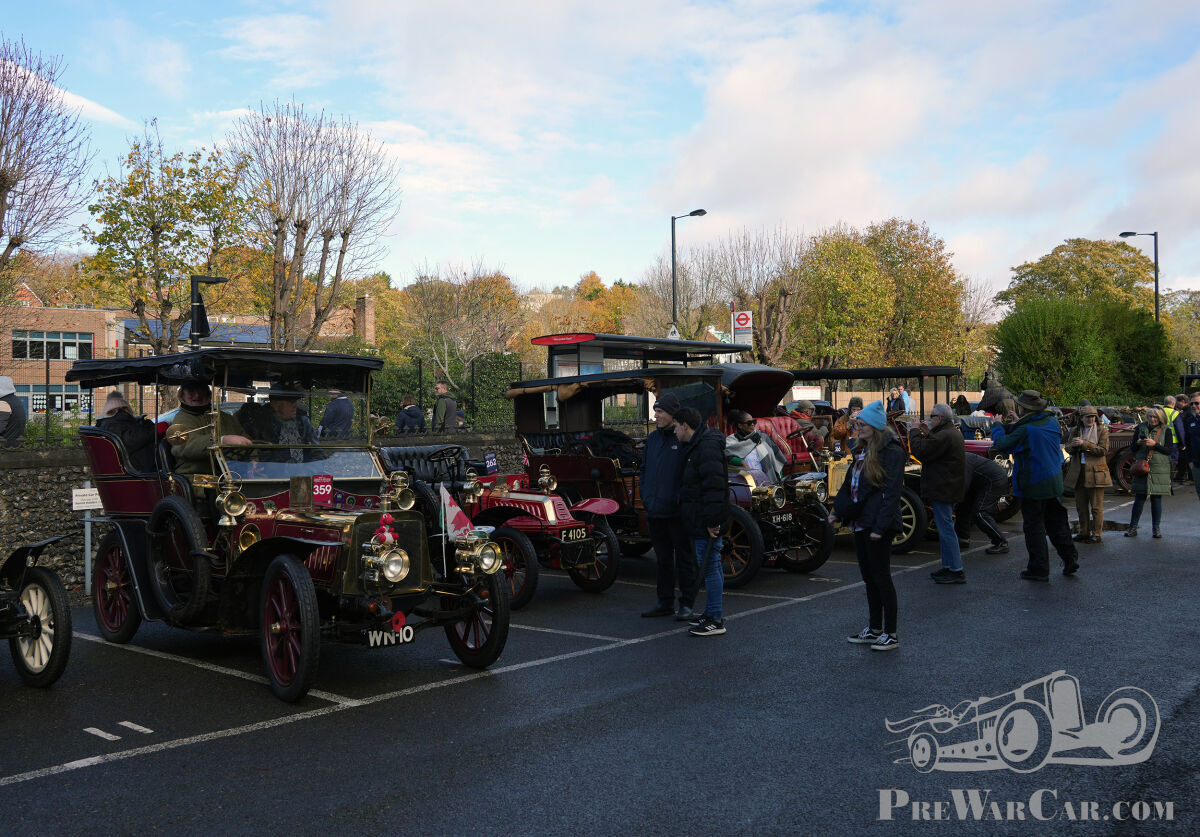
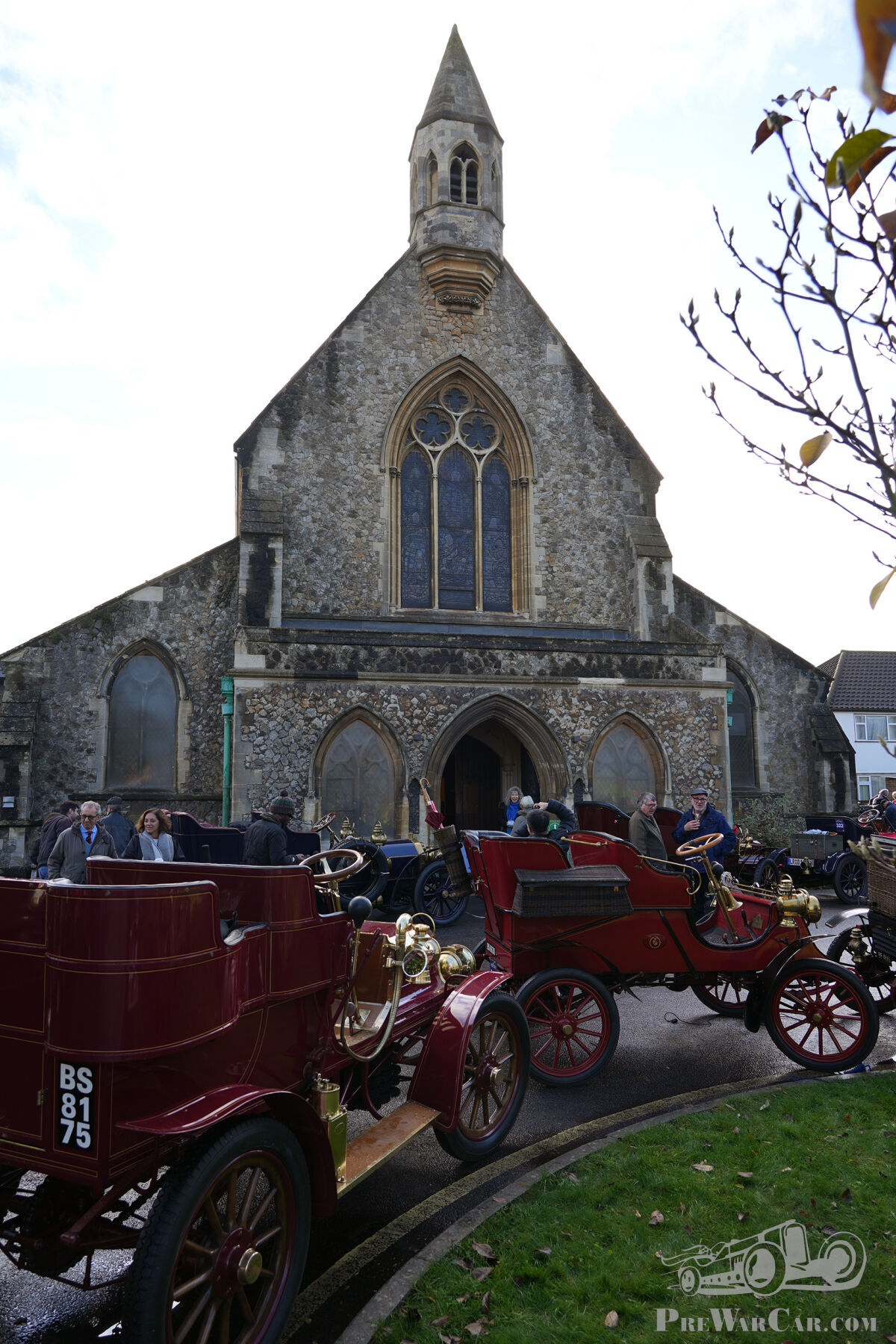
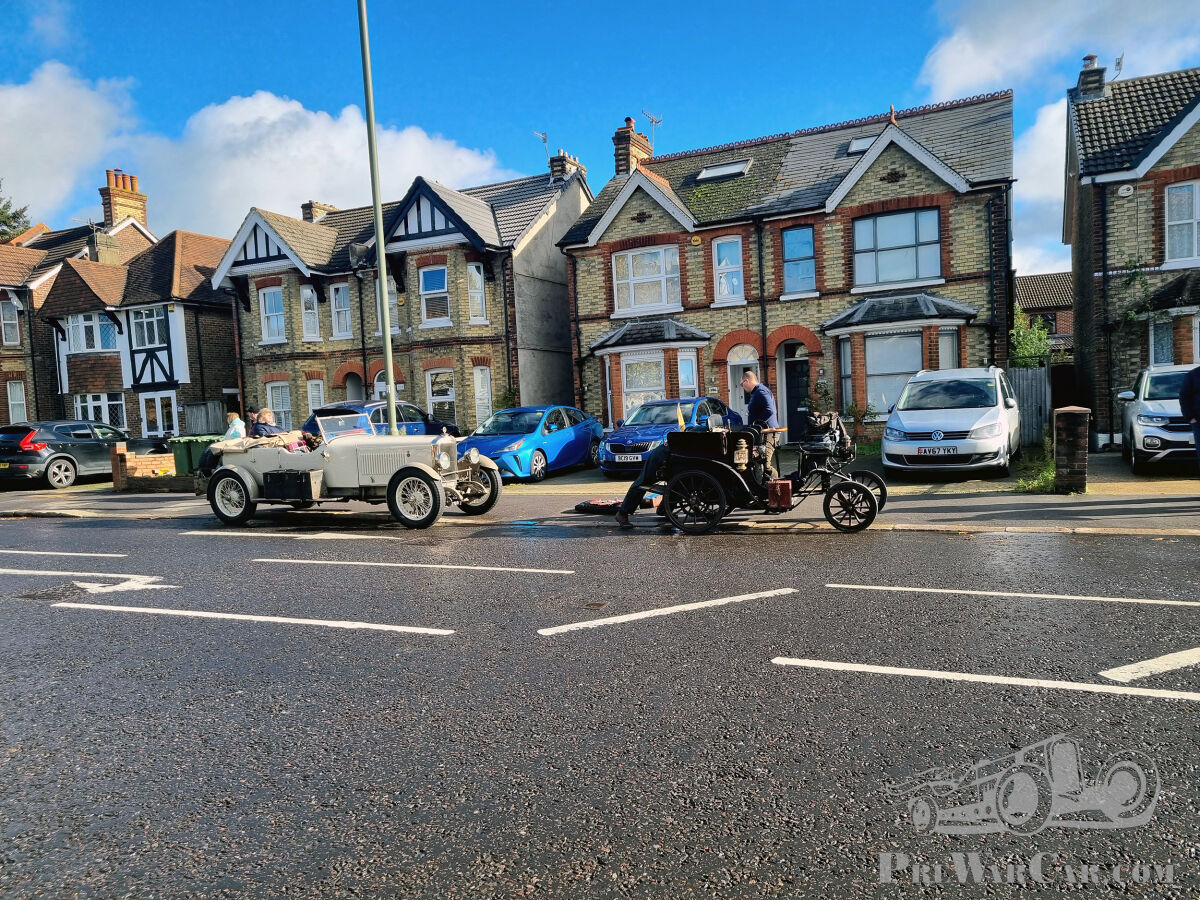
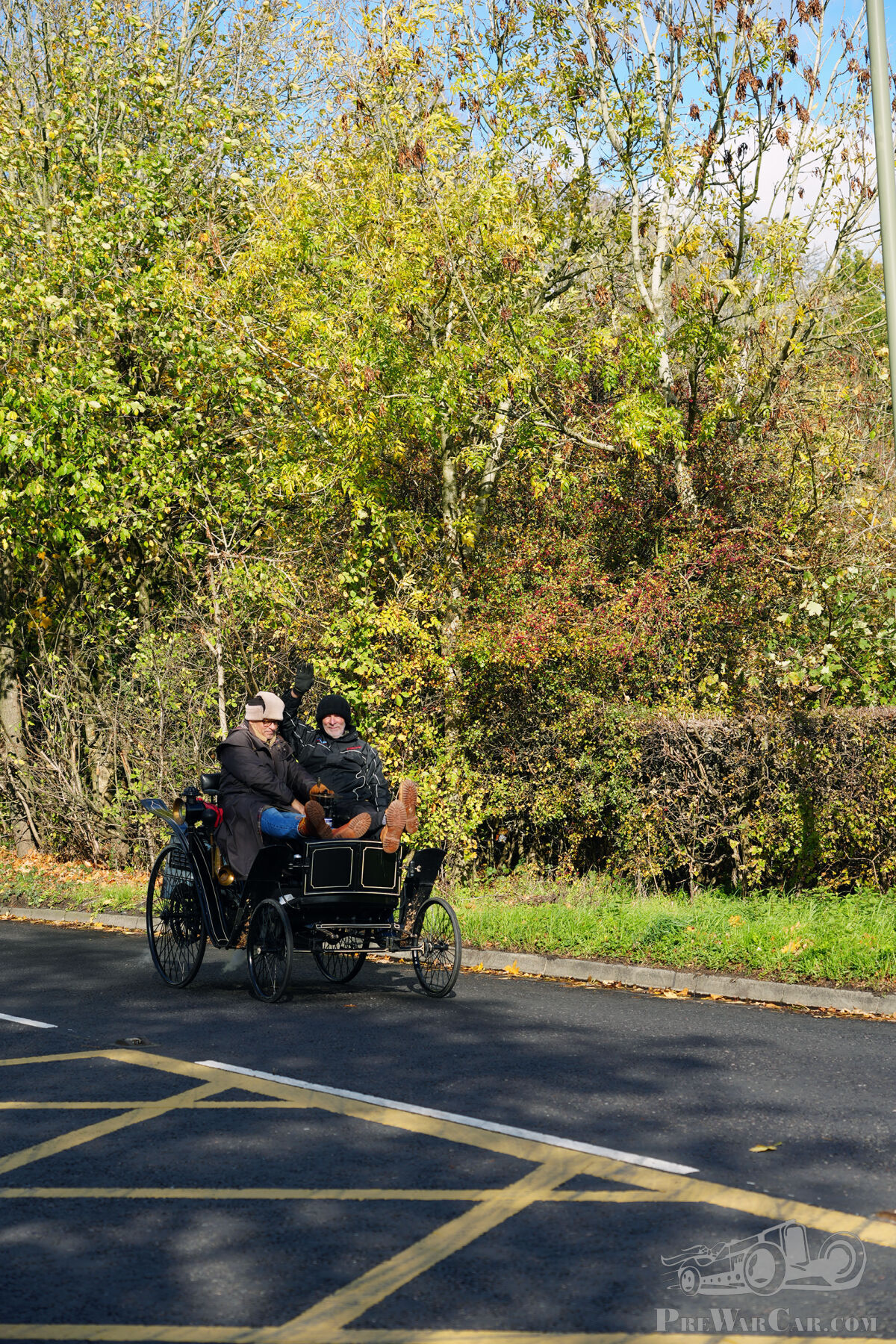
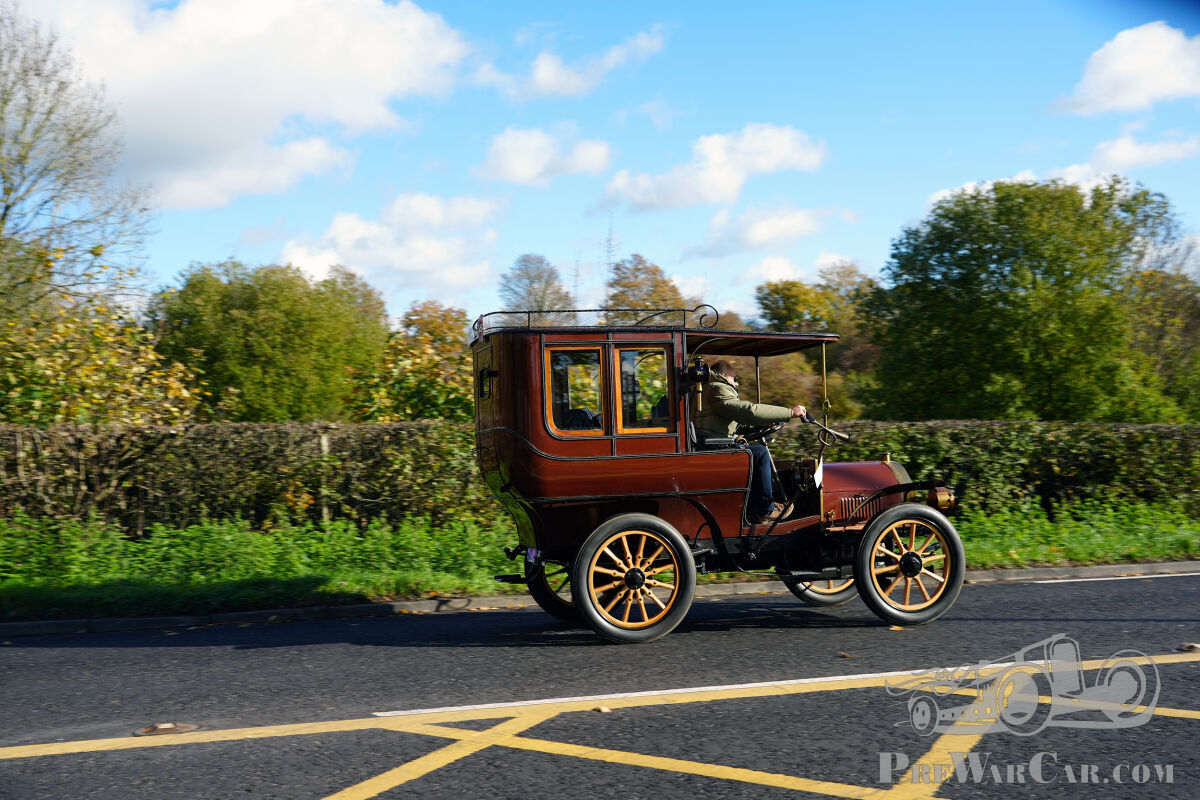

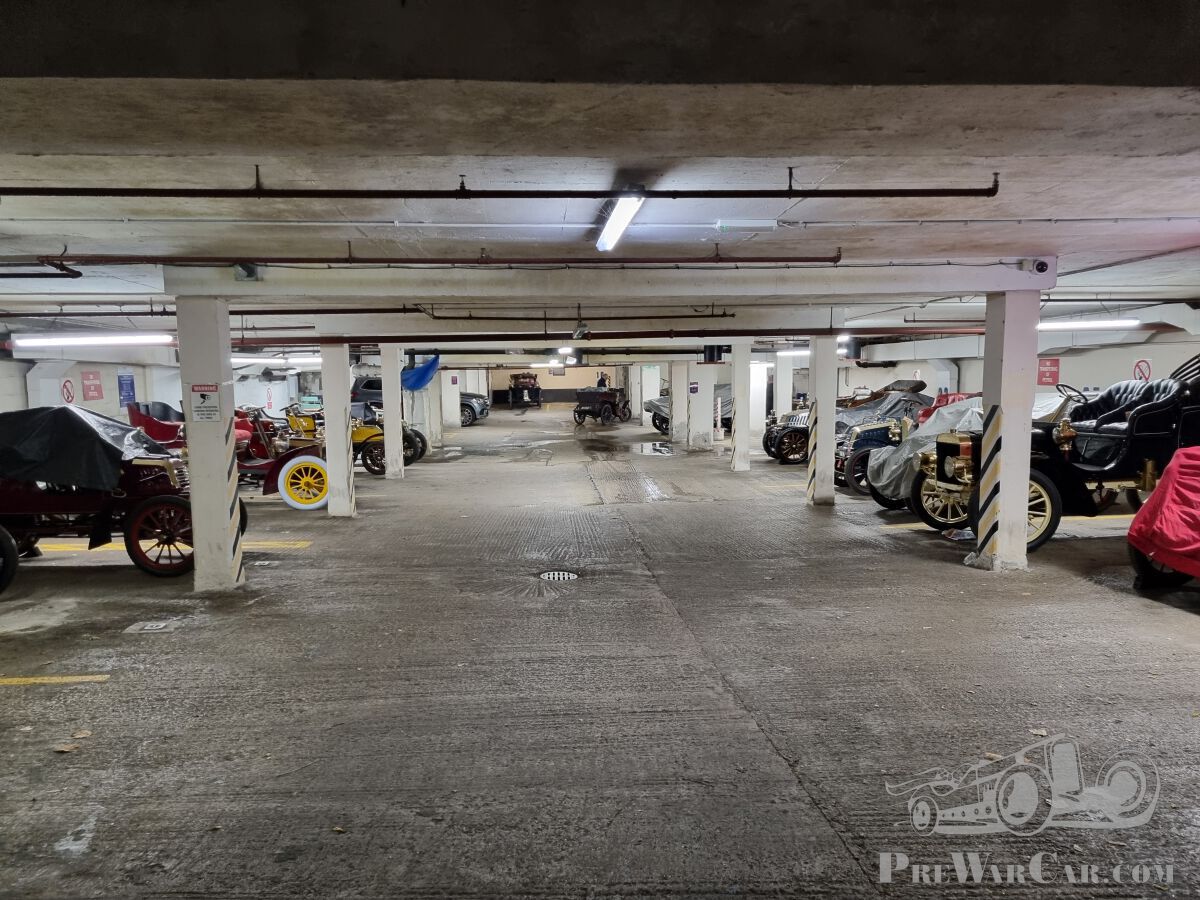


Six o’clock in the morning in Hyde Park, on the first Sunday of November. For me, it’s without a doubt the most beautiful moment of the year. Anyone who wants to experience the London to Brighton Veteran Car Run must start right there. In the twilight, oil lamps flicker between the trees; everywhere, people are pushing, tinkering, stoking fires. The smell of petrol and steam fills the air. It’s the living dawn of automotive history – and every time, pure magic.
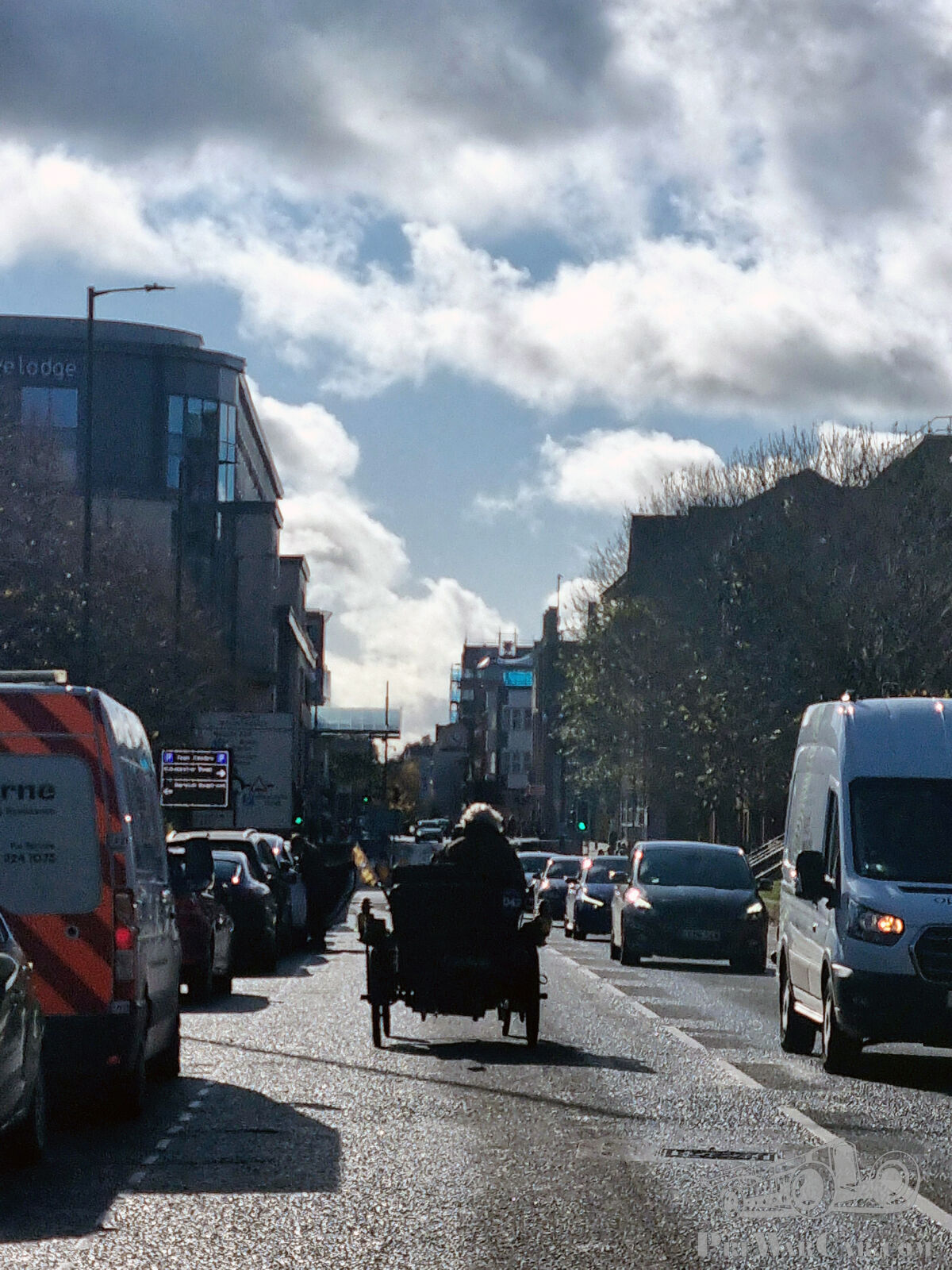
The 2025 edition was once again a highlight of our calendar. And although we didn’t reach the finish line this year – more on that later – the weekend as a whole was excellent. The organisation by the Royal Automobile Club deserves praise. Everything was perfectly arranged: traffic lights adjusted to the slow pace of the participants, roads closed off, and volunteers everywhere, ready with expertise and enthusiasm.
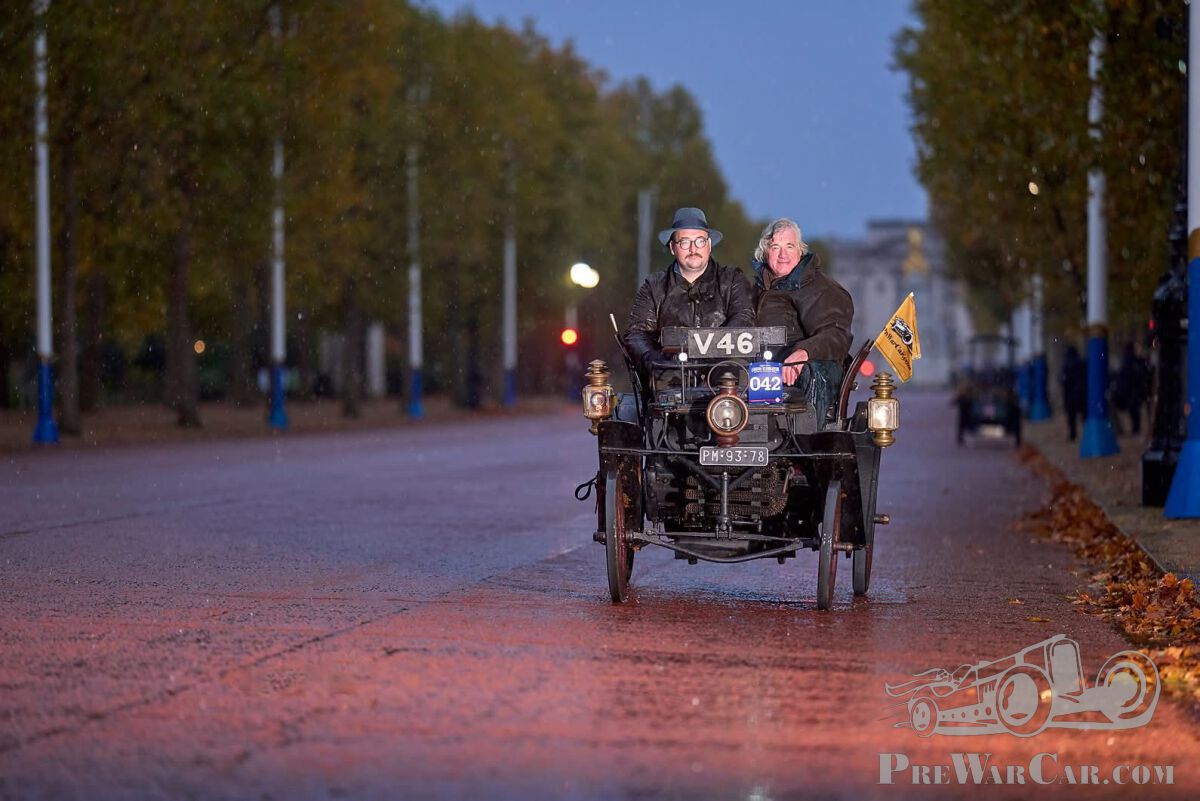
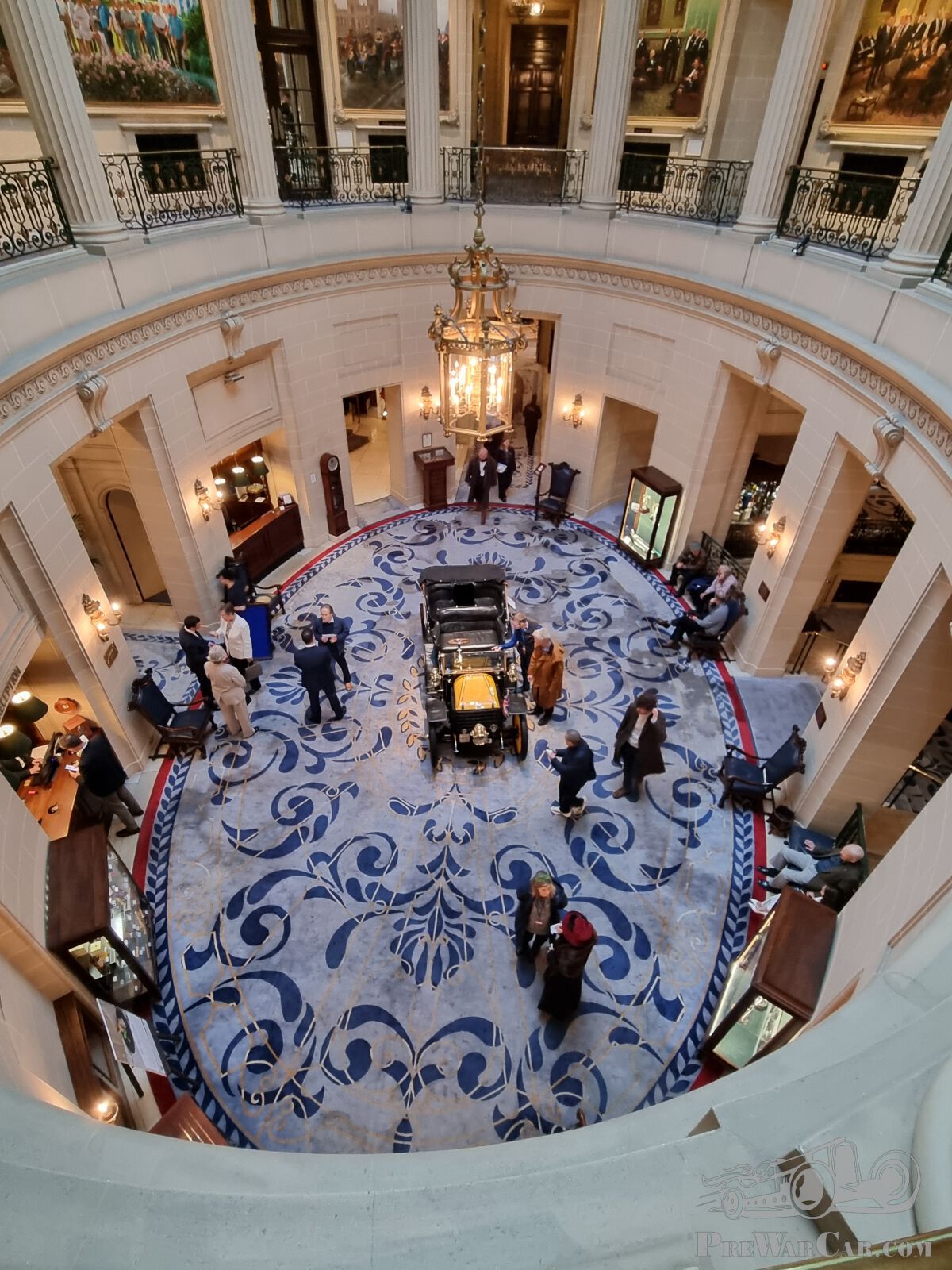
The weekend began promisingly. During the concours on Saturday at the St. James Motoring Spectacle, interest was high – from casual visitors as well as true connoisseurs. Our 1900 Clément-Panhard drew a great deal of attention – not least because it was the first time since 1930 that it had driven on British roads again. To our great delight, that also earned us the Historic Award. An honourable recognition, and a fitting start to the weekend.
Sunday – the day of the run itself – turned out less favourably. The rain started early and stayed for a long time. Even the livestream – meant to let friends and enthusiasts watch from home – failed due to water seeping in.
The focus, of course, was on the car. The drive from the hotel to the start went flawlessly, but barely over the starting line, the engine stalled. A few hundred metres further, it happened again. After a quick inspection, we discovered that the spark plug lead connection to the trembler coil had broken. A RAC mechanic helped us solder it back, and we were able to continue.
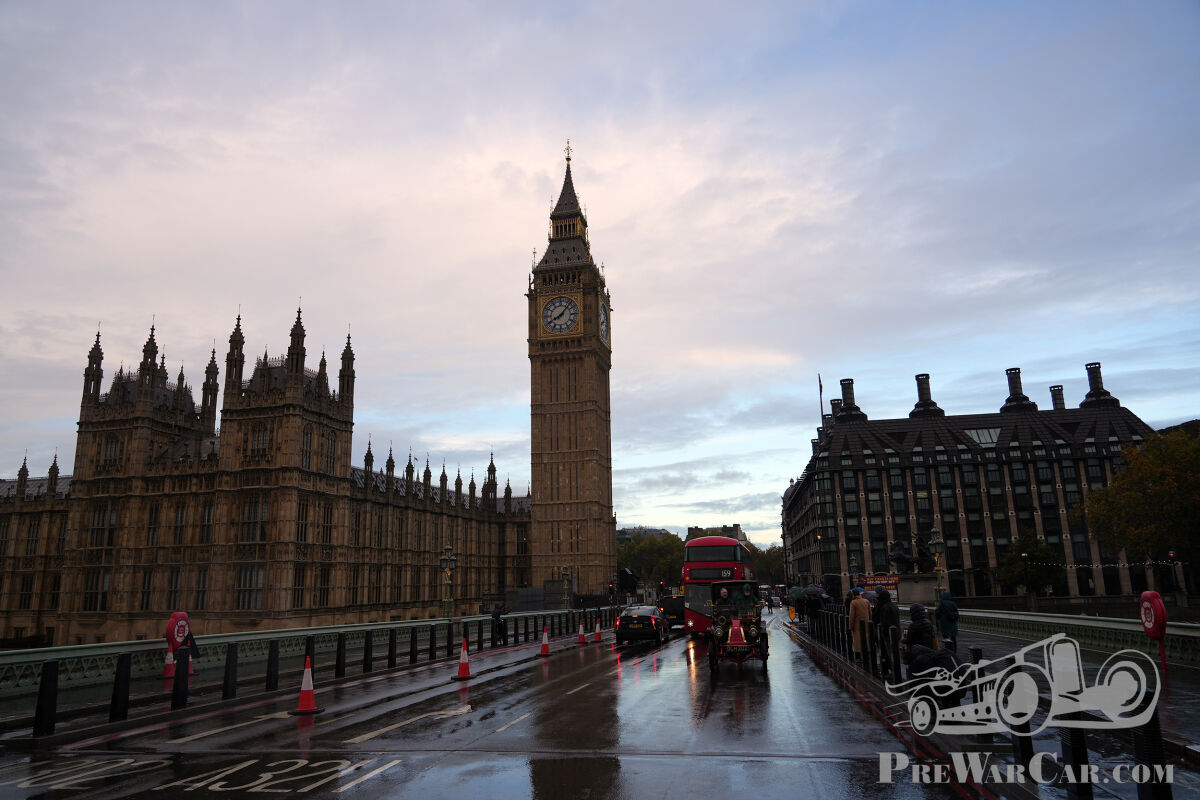
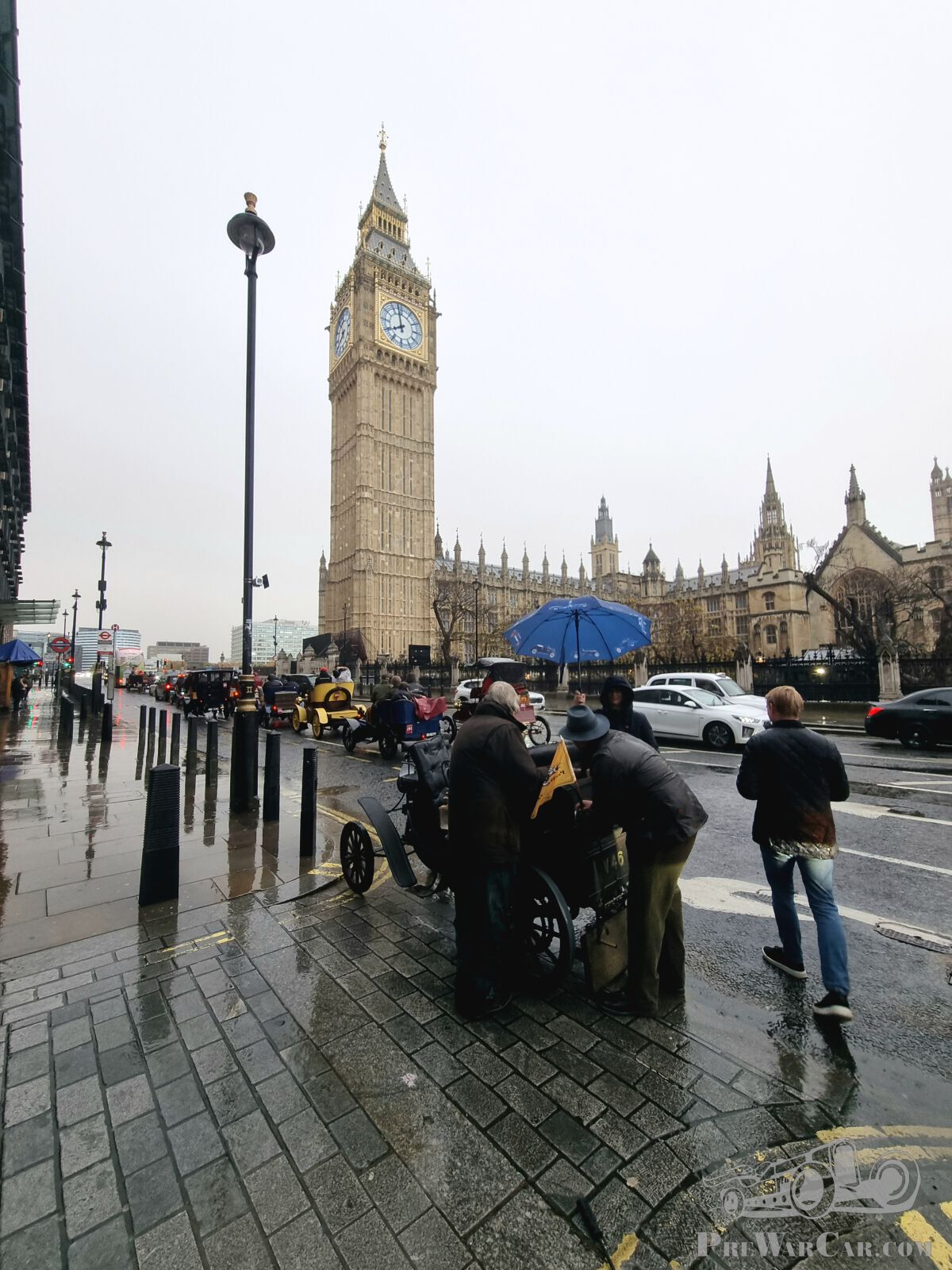
Not for long, though. Near Big Ben, the engine stopped again. Fortunately, we had a spare coil – a quick swap, a turn of the crank, and the engine ran as smoothly as ever. Slowly but steadily, we left London. The rain cleared, crowds lined the route cheering, and everything seemed to be going our way.
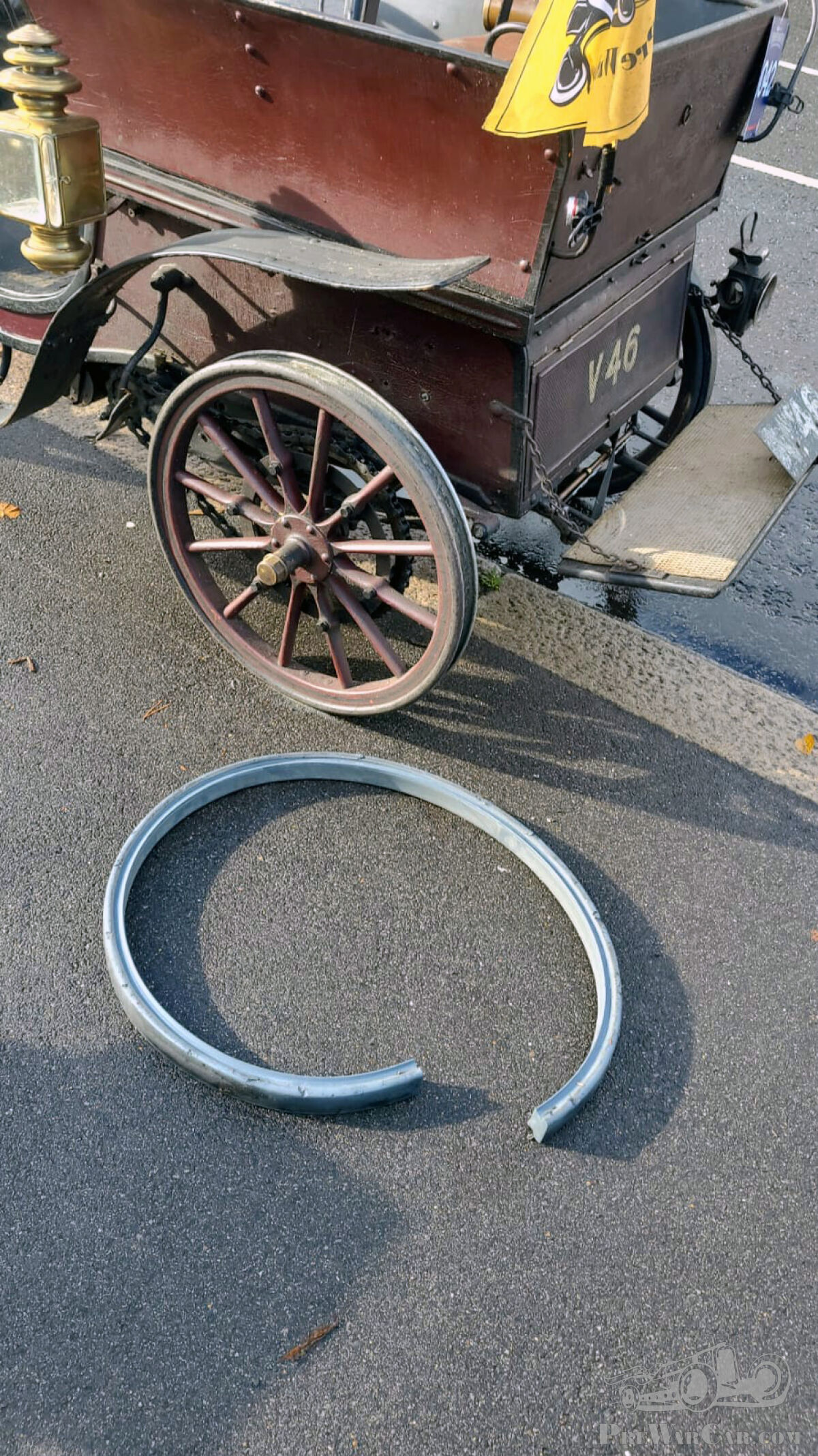
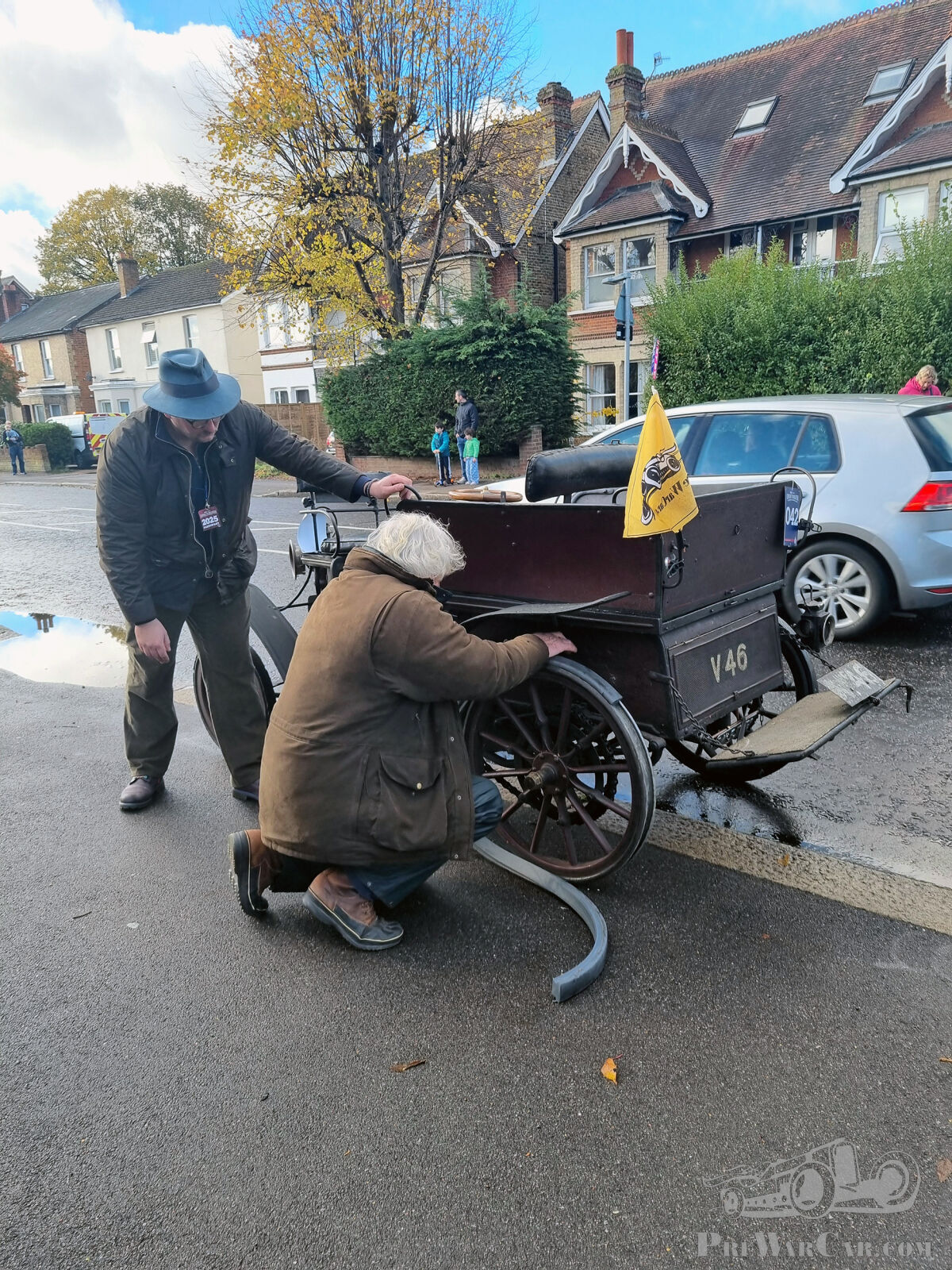
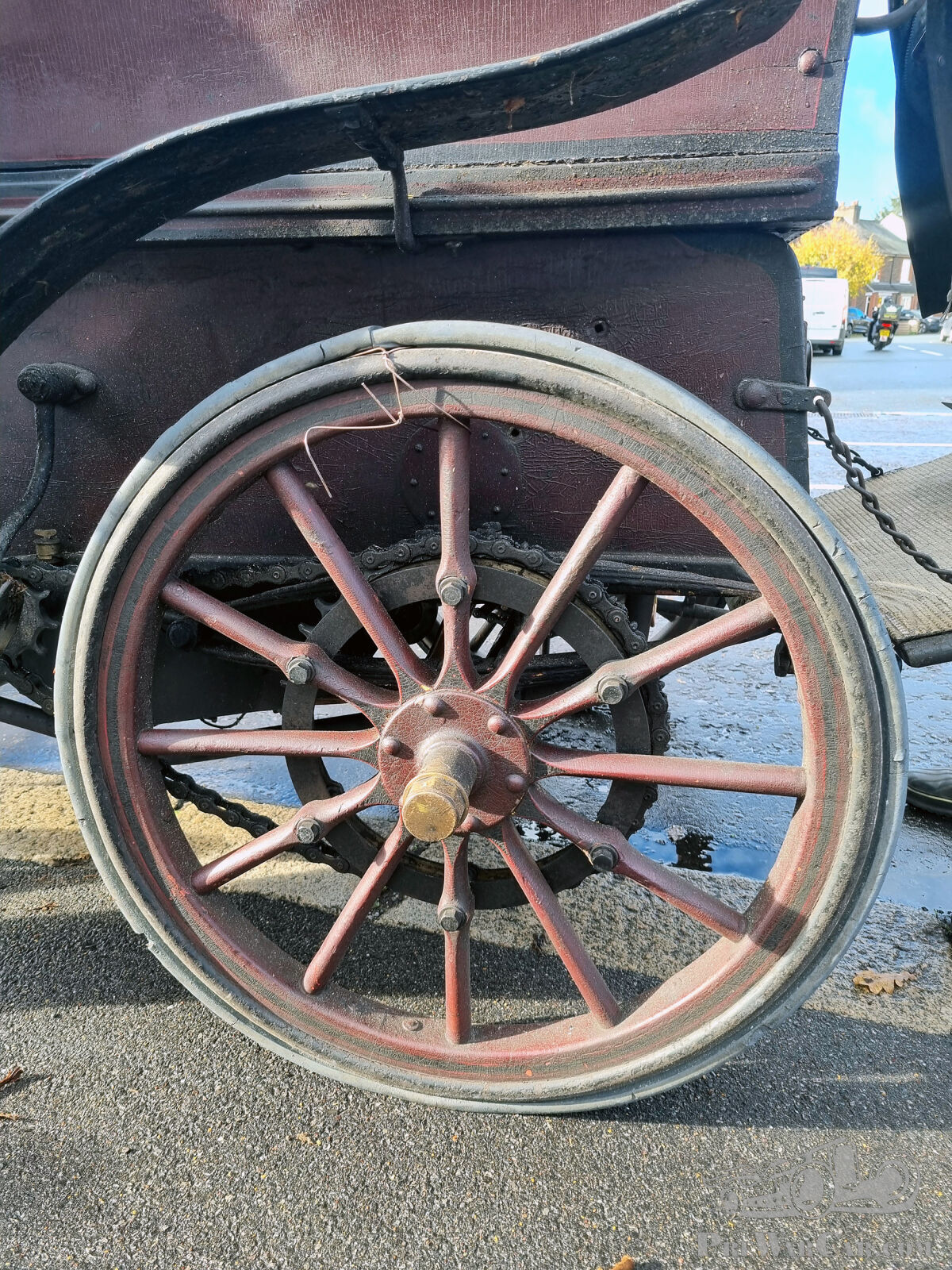
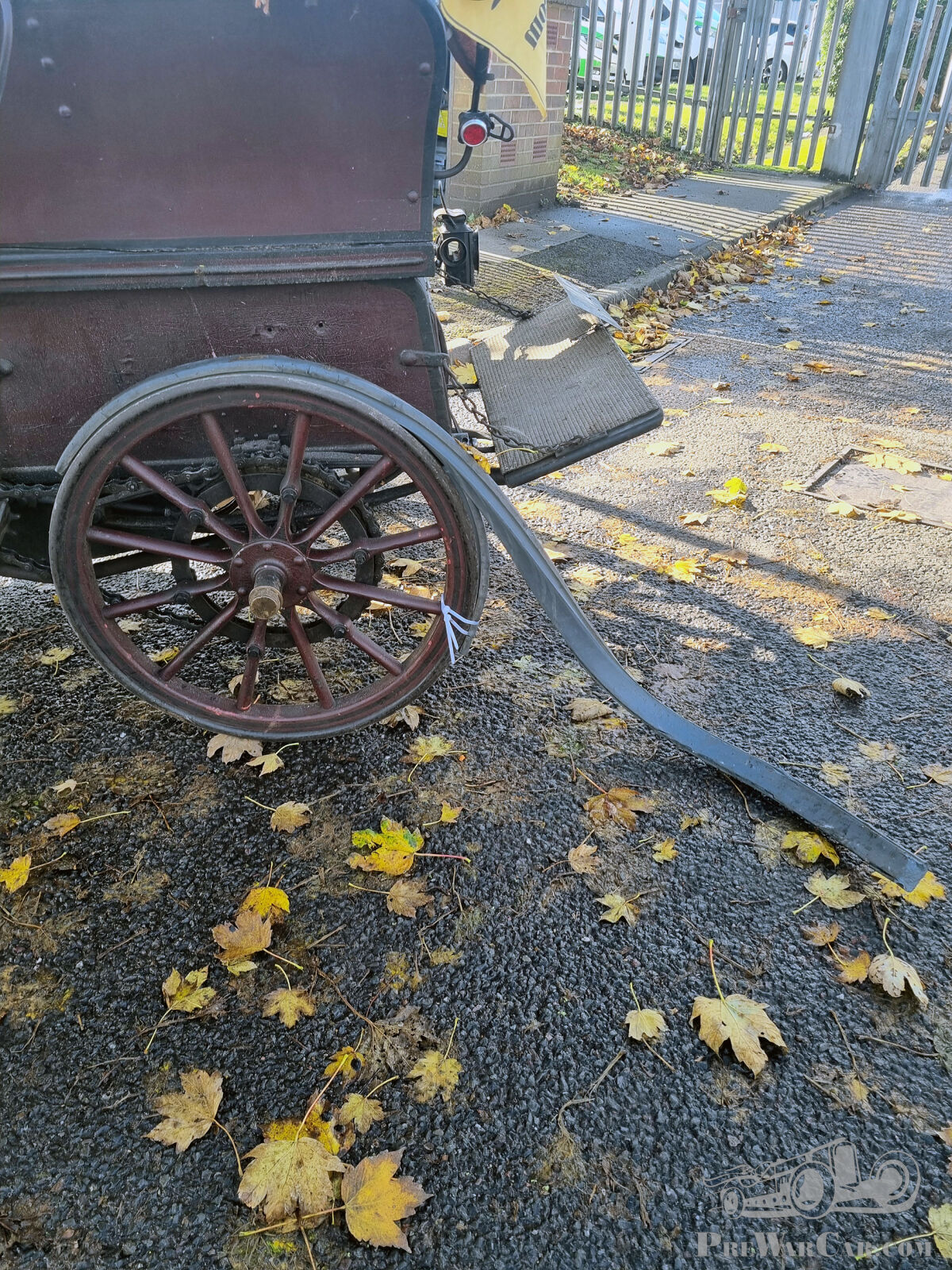
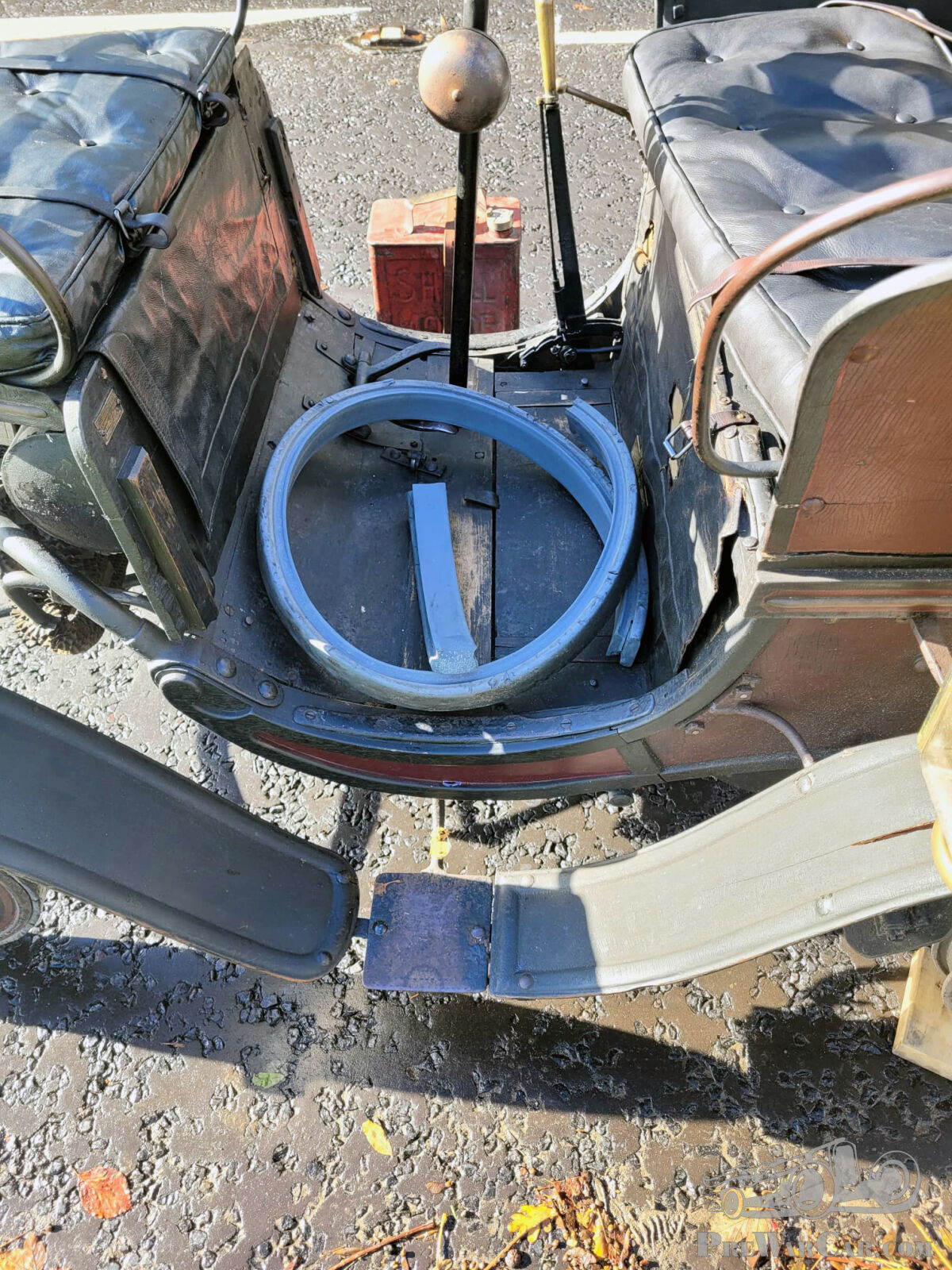
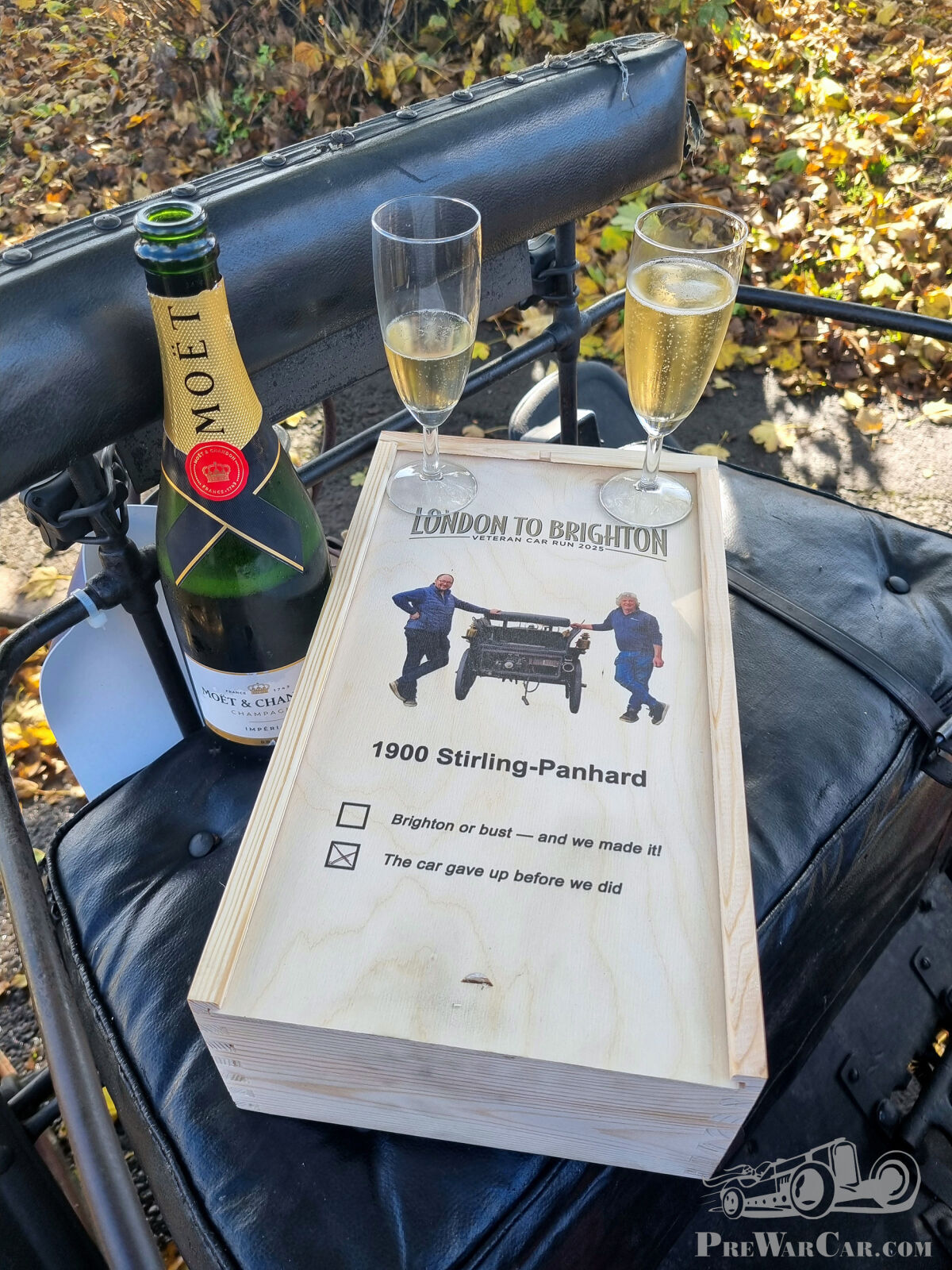
Until our greatest worry became reality: the solid tyre came off the rim. Two repair attempts failed; in the end, the tyre split completely. Just past Redhill, we had to give up. Disappointing, though not entirely unexpected. In hindsight, our confidence in the material may have been a touch more optimistic than realistic. Next year, with new tyres, we hope to reach the Brighton finish line at last.
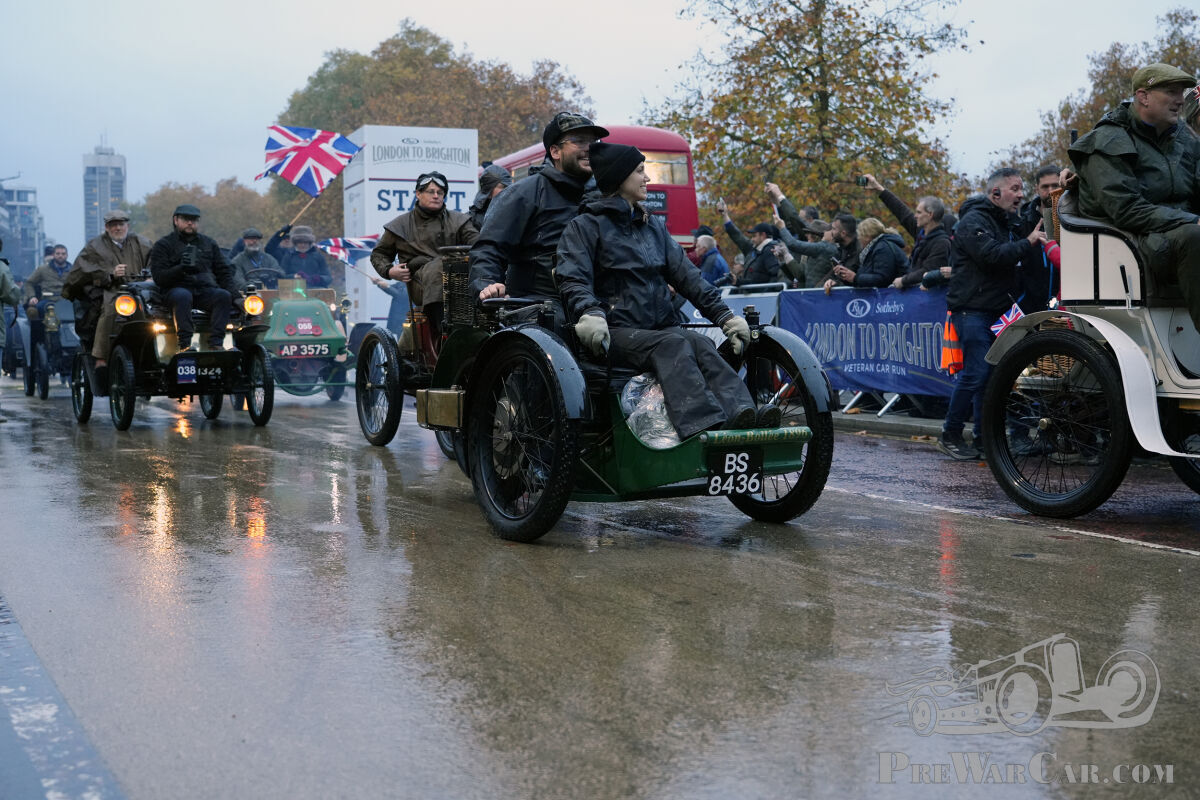
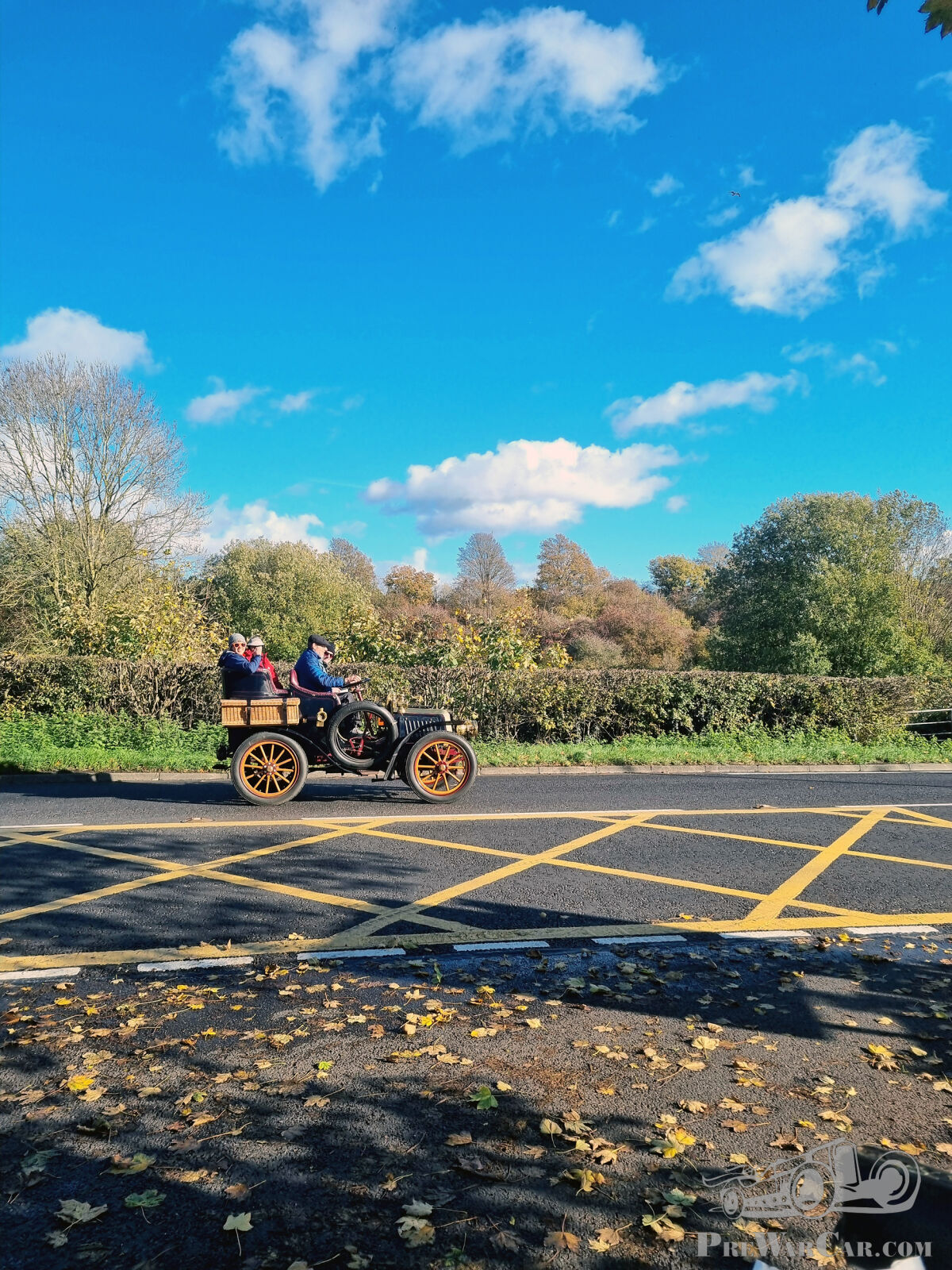
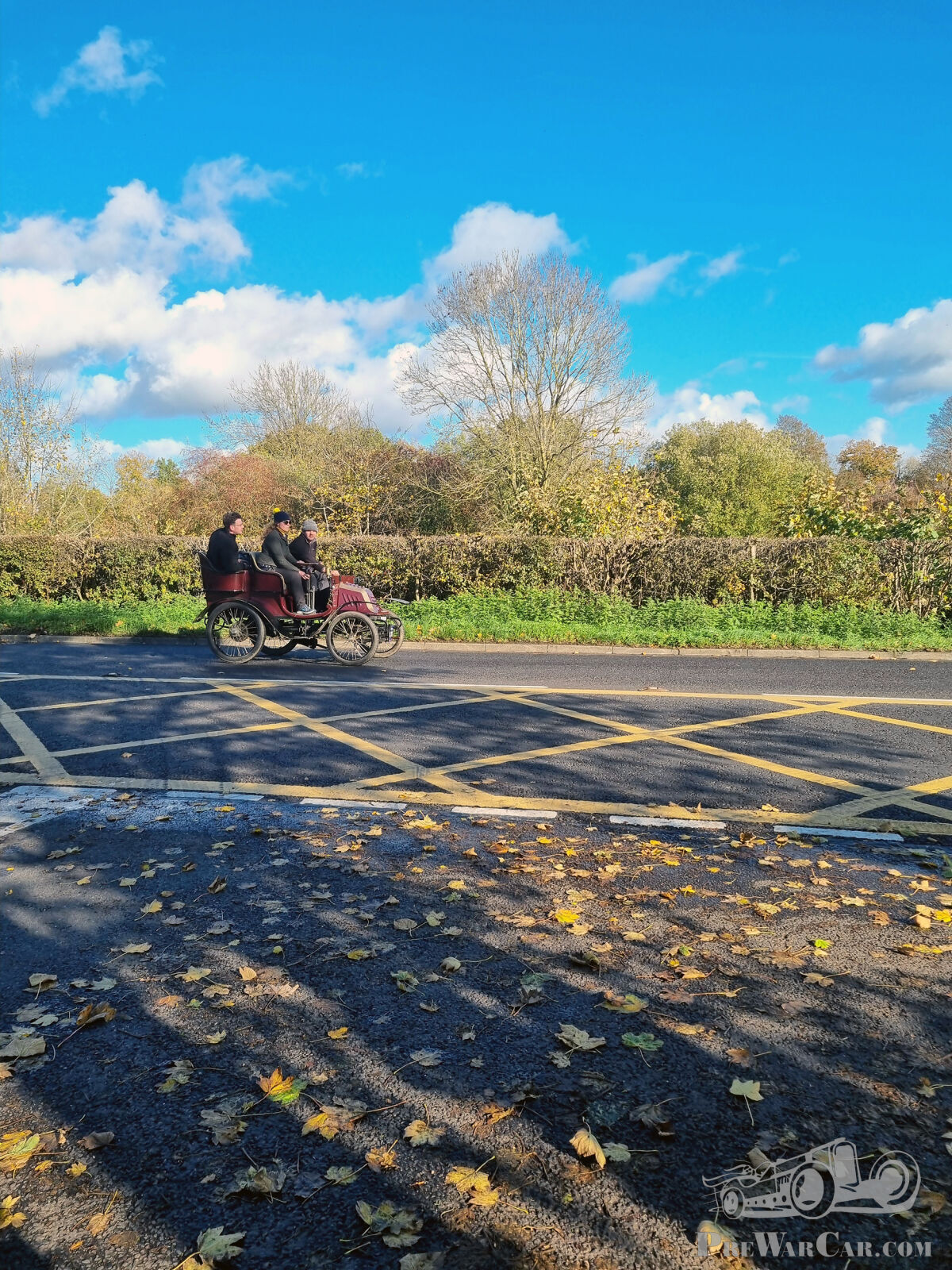
There was room for humour too. One of the weekend’s highlights was undoubtedly the ride of three spirited – and two of them somewhat less aerodynamically built – young veteran enthusiasts on a Chater Lea triplem. Against all expectations – and to the surprise of many who had placed bets – they actually made it to the coast. An exceptional achievement, and a memory that gave the weekend its colour.
Despite our own setback, I look back on the 2025 edition with great appreciation. The organisers, volunteers, and participants once again proved why the London to Brighton remains one of the most remarkable events in the automotive world.
The magic of that early morning in Hyde Park – the sound, the scent, the anticipation – remains the start of something you can only experience once a year. And next year, whatever happens, we’ll be there again.
Text: Laurens Klein, photos: Morris Klein-Laarman and Fletcher Davies
Published:
Wednesday November 5th, 2025
Facebook
LinkedIn
Twitter
WhatsApp
Email
Copy