The global magazine and marketplace for classic car enthusiasts, by enthusiasts.


Filter
Make a choice:
- Cars
-
Make >>
-
Year >>
-
- Bikes
-
Location >>
- Parts & more
-
Make of car >>
-
Manufacturer >>
-
Category >>
- Bicycles & more
-
Year >>
-
Countries


The diplomatic Packard that defied darkness
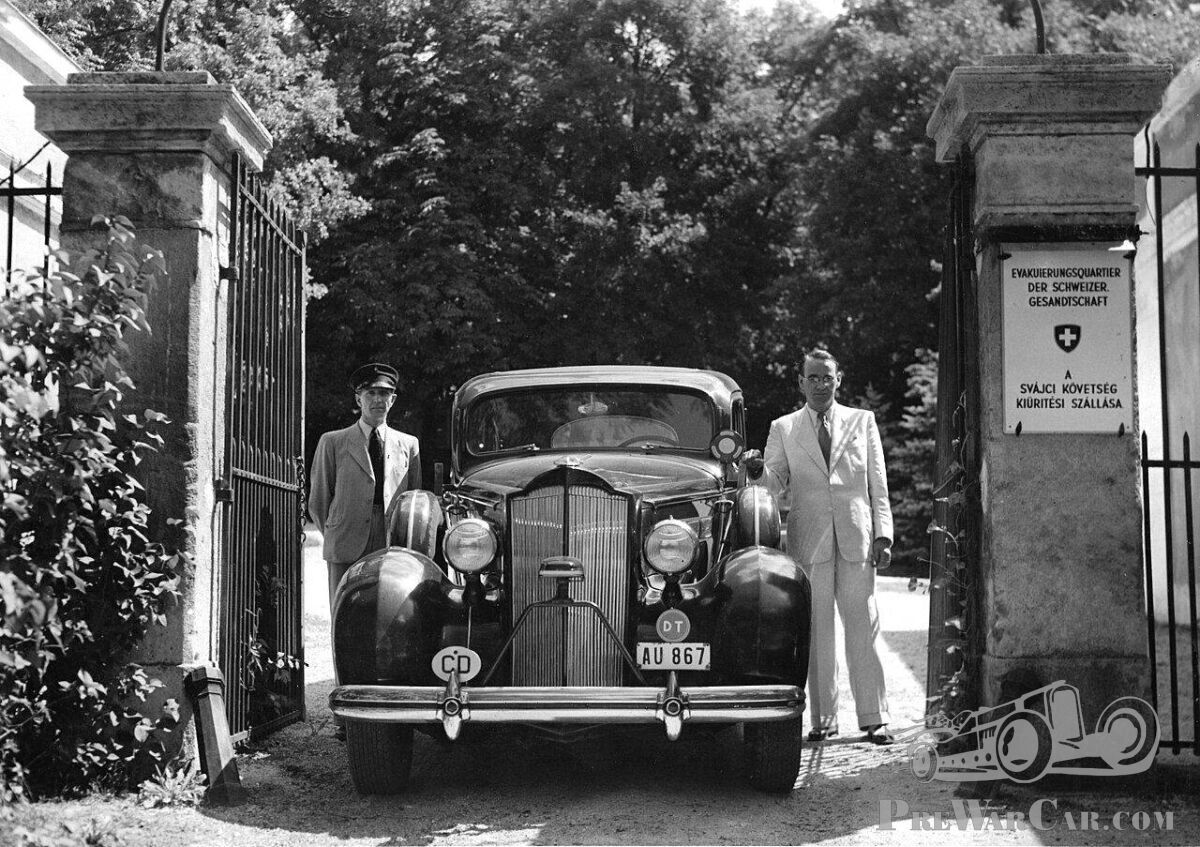
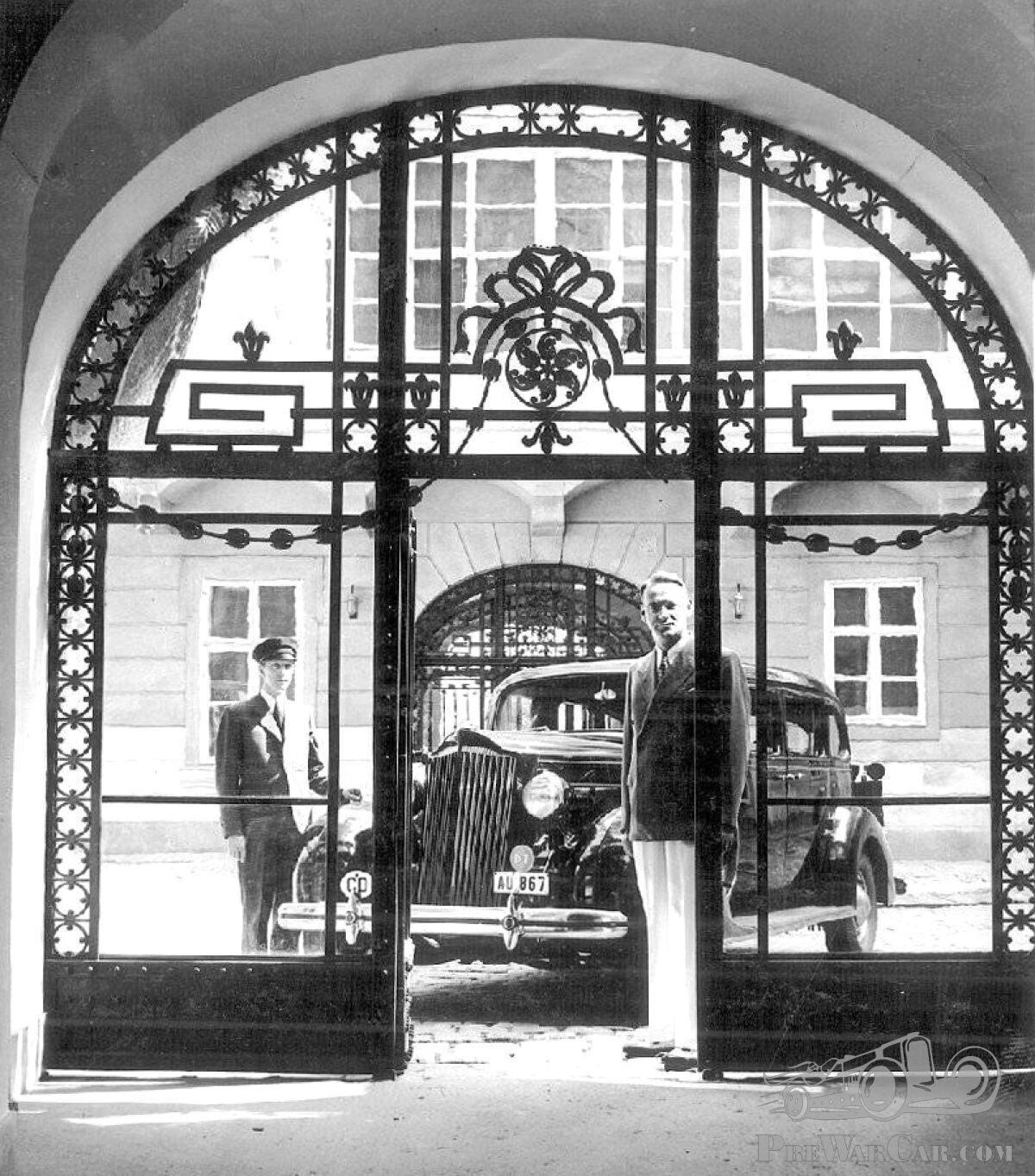


This year marks 80 years since the end of the Second World War. First-hand accounts from that dark period are becoming increasingly rare, and it will not be long before those with clear memories of the war are gone entirely.
We were initially drawn to these photographs by the elegant Packard bearing a Corps Diplomatique plate, knowing little of its story. The man standing beside it in a white suit is Swiss diplomat Carl Robert Lutz, who, as it turns out, played a remarkable role during the war. The image of his stately Packard unfolded a narrative more heroic than many battlefield tales. Lutz is credited with saving over 62,000 Jewish lives during one of the bleakest chapters of the 20th century.
As Switzerland’s vice-consul in Budapest during the war, Lutz employed every nuance of diplomacy—and no small measure of courage—to issue protective documents and designate safe houses as Swiss territory. His chauffeur-driven Packard became a silent accomplice, gliding through Nazi checkpoints under the protection of its diplomatic plates and the neutrality they represented.
The car is believed to be a 1938 Super Eight Touring Sedan, finished in a sober black. Yet when parked outside the Swiss legation, it became far more than a mode of transport—it was a symbol of hope. If ever a car deserved to be remembered not just for what it was, but for what it represented and enabled, this Packard is surely it.
Where is it now?
Lest we forget.
Words: Jeroen Booij
Pictures: Fortepan Hungary
Published:
Wednesday June 11th, 2025
Facebook
LinkedIn
Twitter
WhatsApp
Email
Copy
Comments
PAUL GREENSTEIN
16 June 2025, 05:39
Jonathan Reeve
15 June 2025, 22:47
This is a 1937 138-CD, either a sedan or limousine, introduced in July 1936. It seems loaded with extras, some that may have been standard for this relatively expensive model. It is still 120-derived and is not a Senior Packard (from the BL Kimes Packard history)
Read more
Stanislav Kirilets
15 June 2025, 19:56
In 1938 all Packards (including non-precious bodies) wau build with split V-windscreen. This machine was built in 1937 or ran.
Read more
I would imagine that if the car exists, it would be in Budapest somewheres. There are other pictures of it, and it got knocked about quite a bit, but could easily still exist.