The global magazine and marketplace for classic car enthusiasts, by enthusiasts.


Filter
Make a choice:
- Cars
-
Make >>
-
Year >>
-
- Bikes
-
Location >>
- Parts & more
-
Make of car >>
-
Manufacturer >>
-
Category >>
- Bicycles & more
-
Year >>
-
Countries


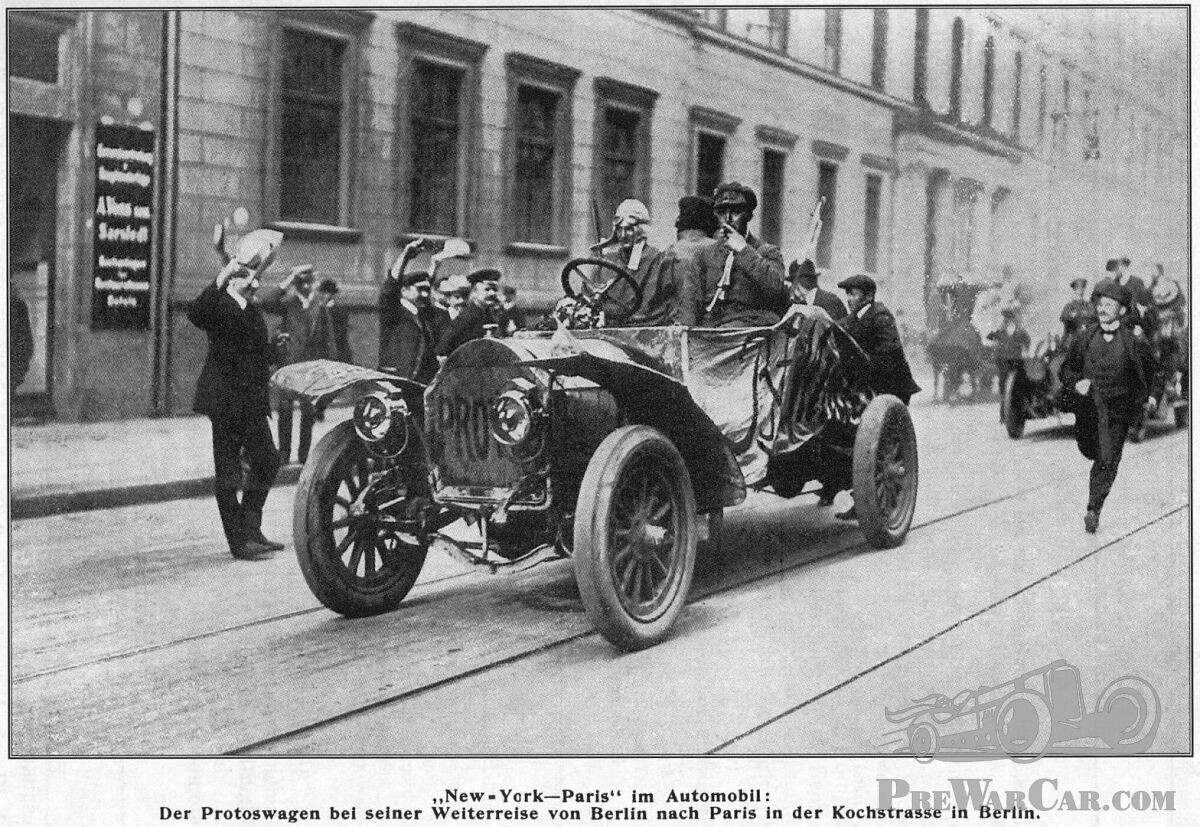
The maddest motoring marathon: a look back to the New York-Paris
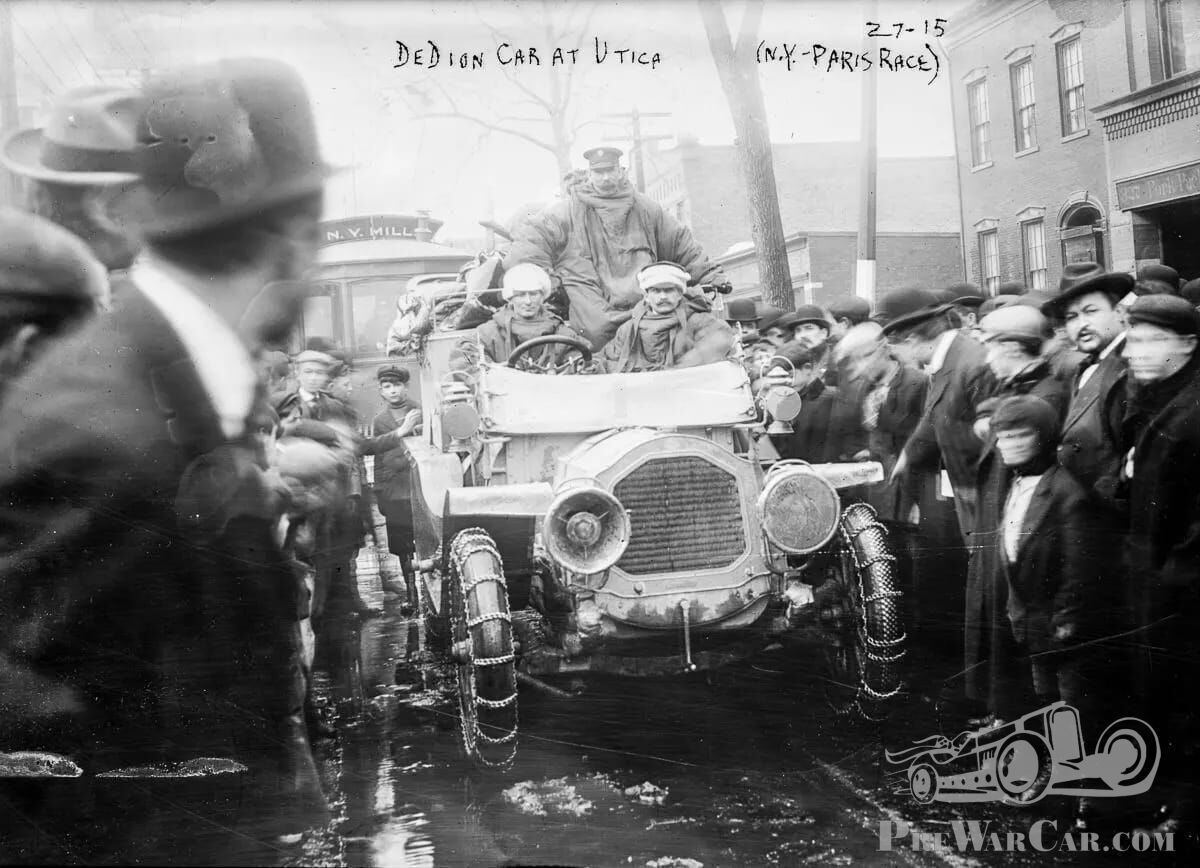
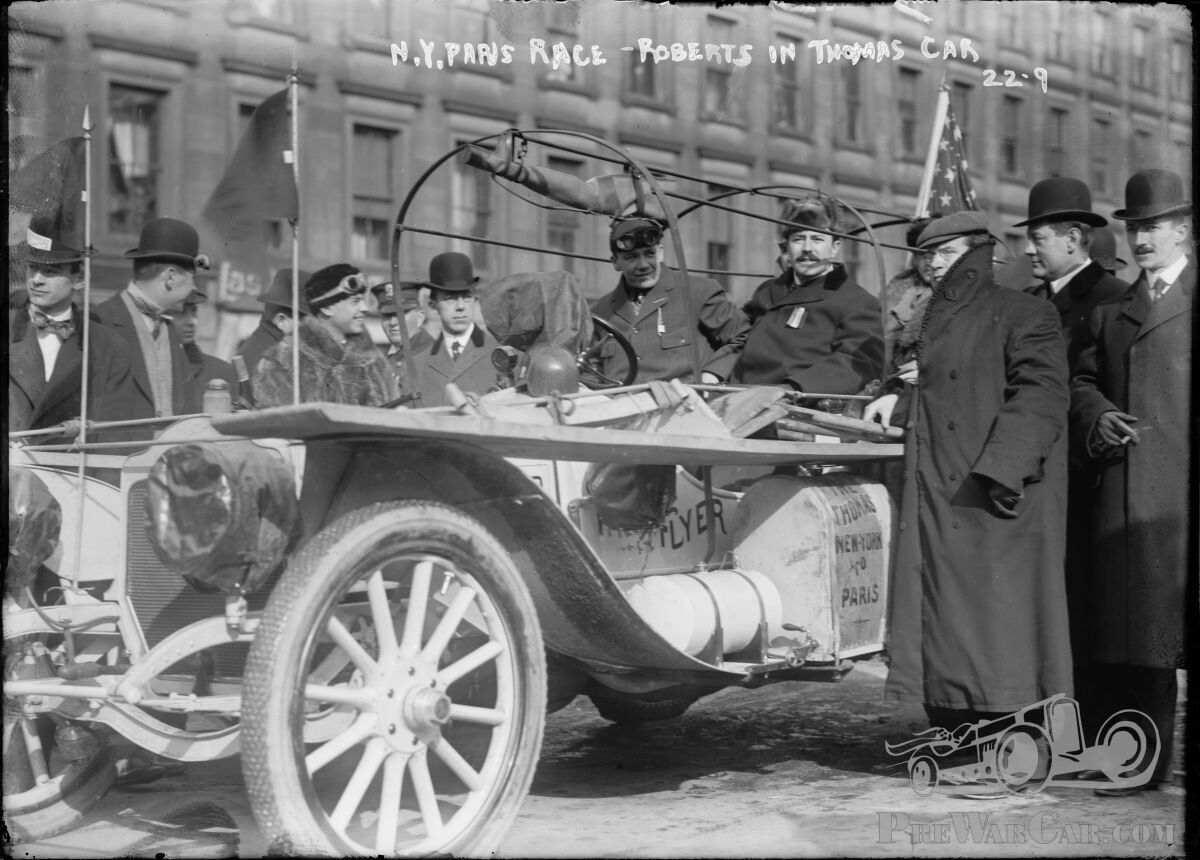
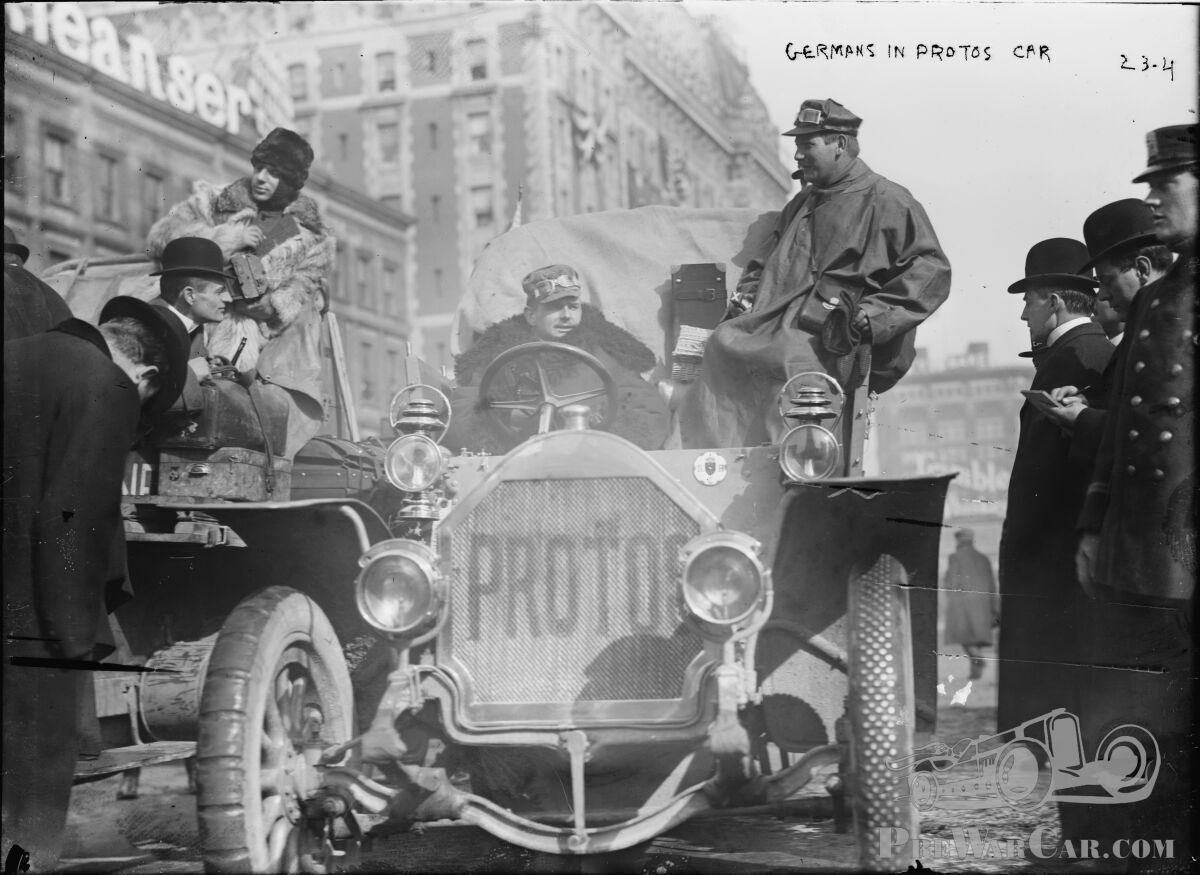


Much has been said and written about the famous 1907 Peking-Paris race, with new books still appearing and reruns of the race itself being organised every now and then. It makes the 1908 New York-Paris race almost seem underexposed, so perhaps the time has come here for a little coverage of this mad marathon, sometimes also referred to as The Great Race.
That name is no exaggeration. There’s no doubt that Peking-Paris inspired the Americans to come up with this race in 1908, but while the European original had been a real war of attrition, this one was supposed to be a virtually Herculean effort.
The route planned was nothing but gruesome, crossing America westward from New York to San Francisco first, then taking a ship to Alaska, crossing the Bering Strait just below the Arctic Circle, and drive all the way from Russia’s eastern wastes to Siberia, the Ural and finally Moscow and into Europe. To make things even tougher, the organisers decided to start in the winter, on February 12th. Oh dear...
That was asking for trouble and, indeed, impossible driving conditions in Alaska saw the race rerouted across the Pacific by steamer to Japan and then to Vladivostok, Siberia, by ship, to begin crossing the continents of Asia and Europe. Just three of the six competiting cars (three French cars with French équipes plus one each from the U.S.A., Italy and Germany) made it past Vladivostok with all the French competitors having given up at that stage, leaving just the German, Italian and American teams moving slowly through what had to be the harshest of conditions. "At several points, forward movement was often measured in feet rather than miles per hour."
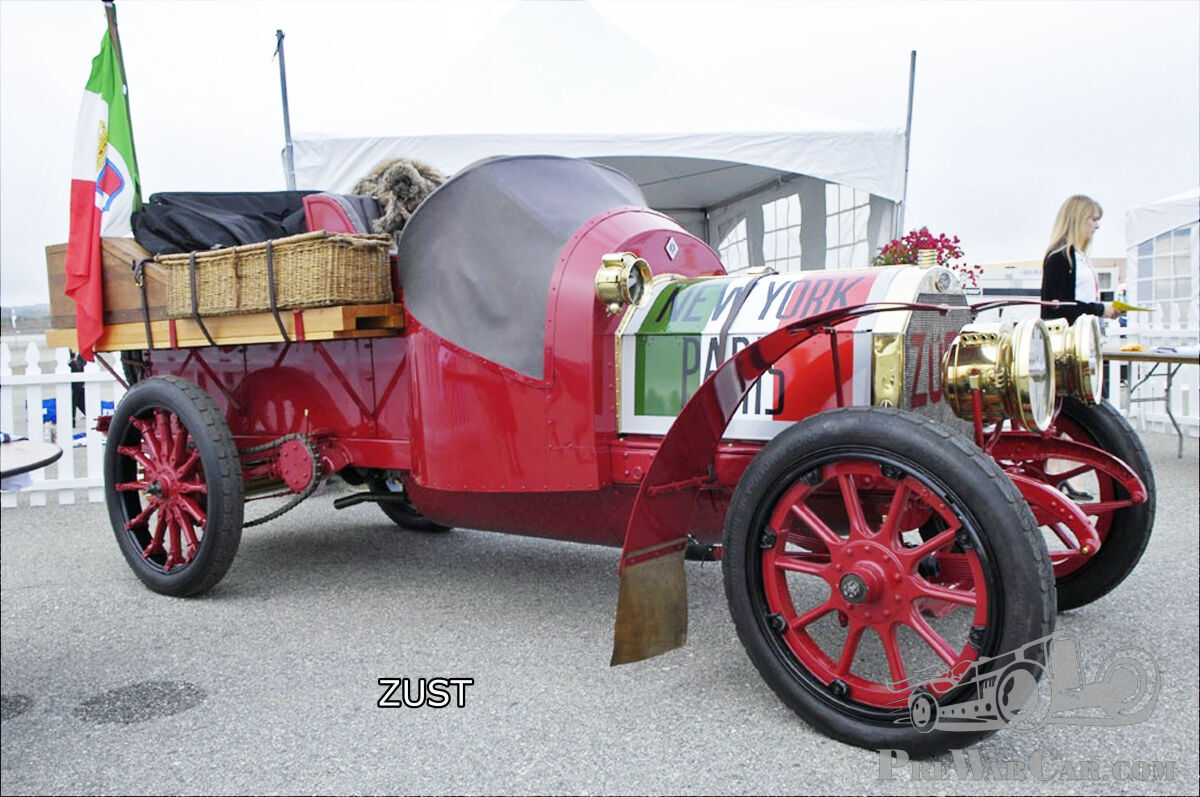
The German team, driving a 40hp Protos, was first to arrive, some five and a half months after the start, on July 26th. However, they were awarded a 30-day penalty for skipping Japan and covering a stretch of Russia by train with the car in a railcar. That gave the American team the victory—it drove a Thomas Flyer and arrived in Paris four days later on July 30th. The Italians in their Züst eventually finished third after a massive gap, arriving in September, 1908.
Words: Jeroen Booij
Picture: source unknown
Published:
Friday November 22nd, 2024
Facebook
LinkedIn
Twitter
WhatsApp
Email
Copy
Comments
David Liepelt
24 November 2024, 18:47
Graham Rankin
24 November 2024, 14:58
Yes, the Züst still exists on Vancouver Island in fully operating and restored condition. Thankfully it is in safe appreciative hands.
Read more


De Leenheer Clement
23 November 2024, 19:14
There was also a colour video released, "The Greatest Auto Race on Earth." It was planned that a memorial drive would take place with the cars (replicas) from the film, but due to conflict between China and America the event did not take place. The film was released by a company in Canada that went bankrupt because of it.
-------------------------------------------------------------------
Er is ook een video uitgegeven "The Greatest Auto Race on Earth" in kleur. Normaal was voorzien dat met de wagens (replica's) uit de film een herdenkingen rit zou gereden worden. Maar door een conflict tussen China en Amerika is de rit niet door gegaan. De film is uitgegeven door een bedrijf in Canada dat daar door failliet gegaan is.
Read more
-------------------------------------------------------------------
Er is ook een video uitgegeven "The Greatest Auto Race on Earth" in kleur. Normaal was voorzien dat met de wagens (replica's) uit de film een herdenkingen rit zou gereden worden. Maar door een conflict tussen China en Amerika is de rit niet door gegaan. De film is uitgegeven door een bedrijf in Canada dat daar door failliet gegaan is.


Laurent Zoller
23 November 2024, 13:25
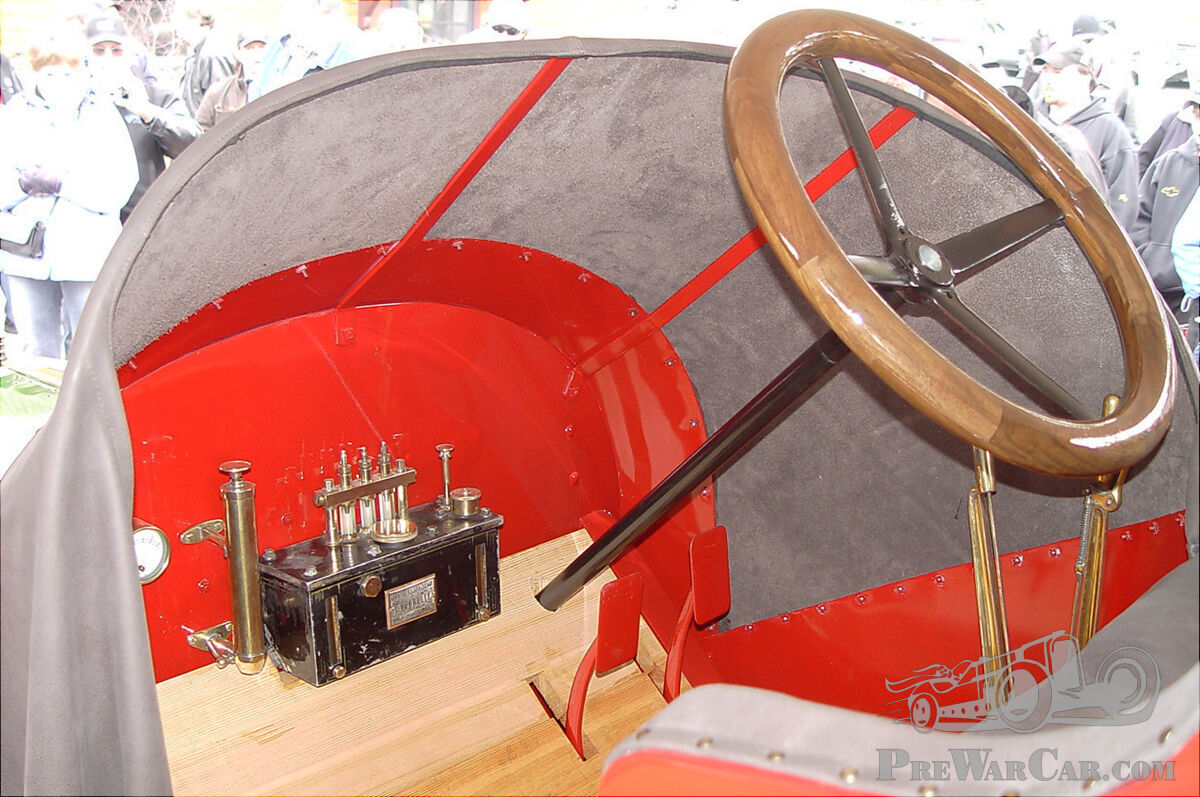
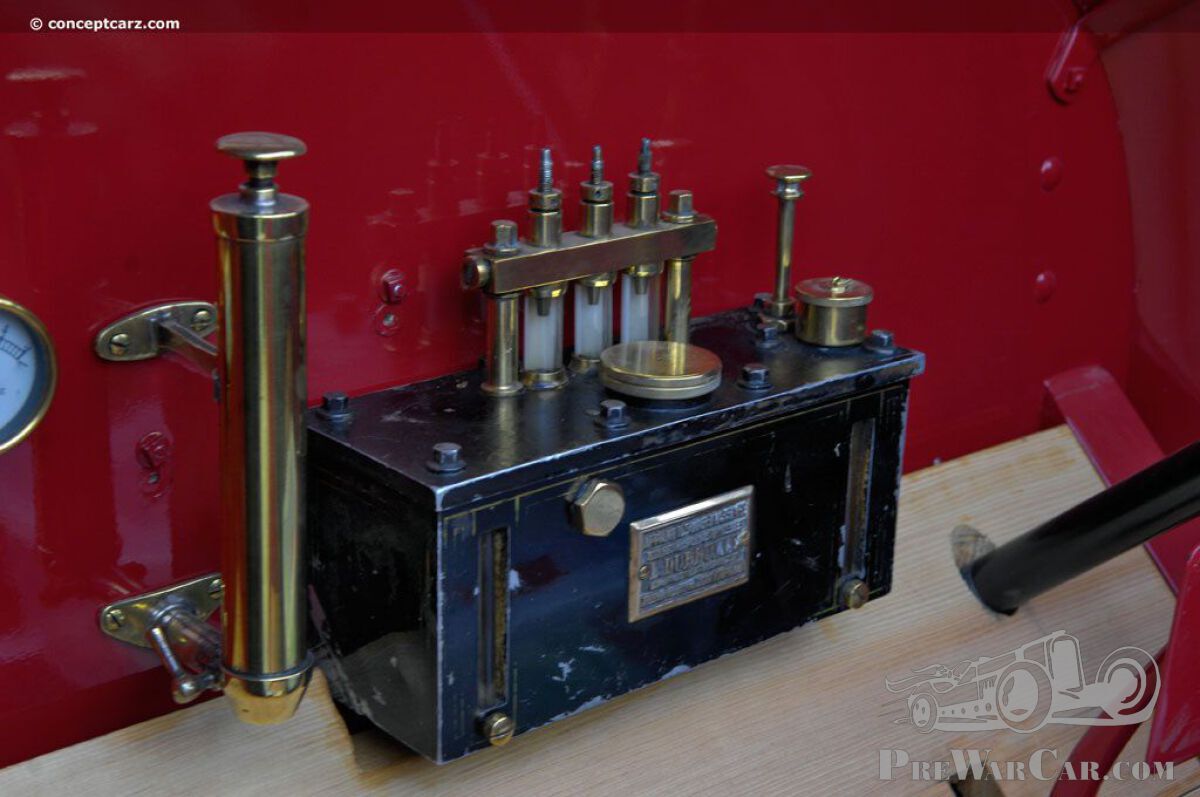
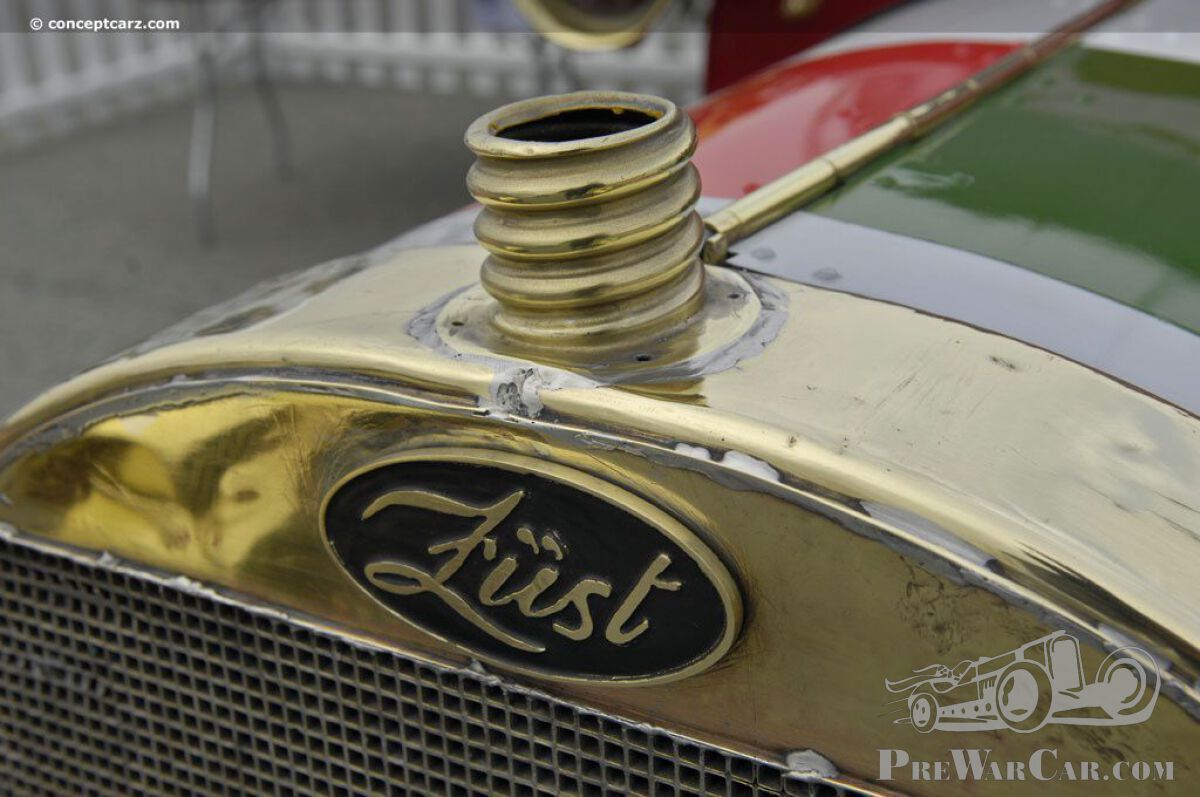
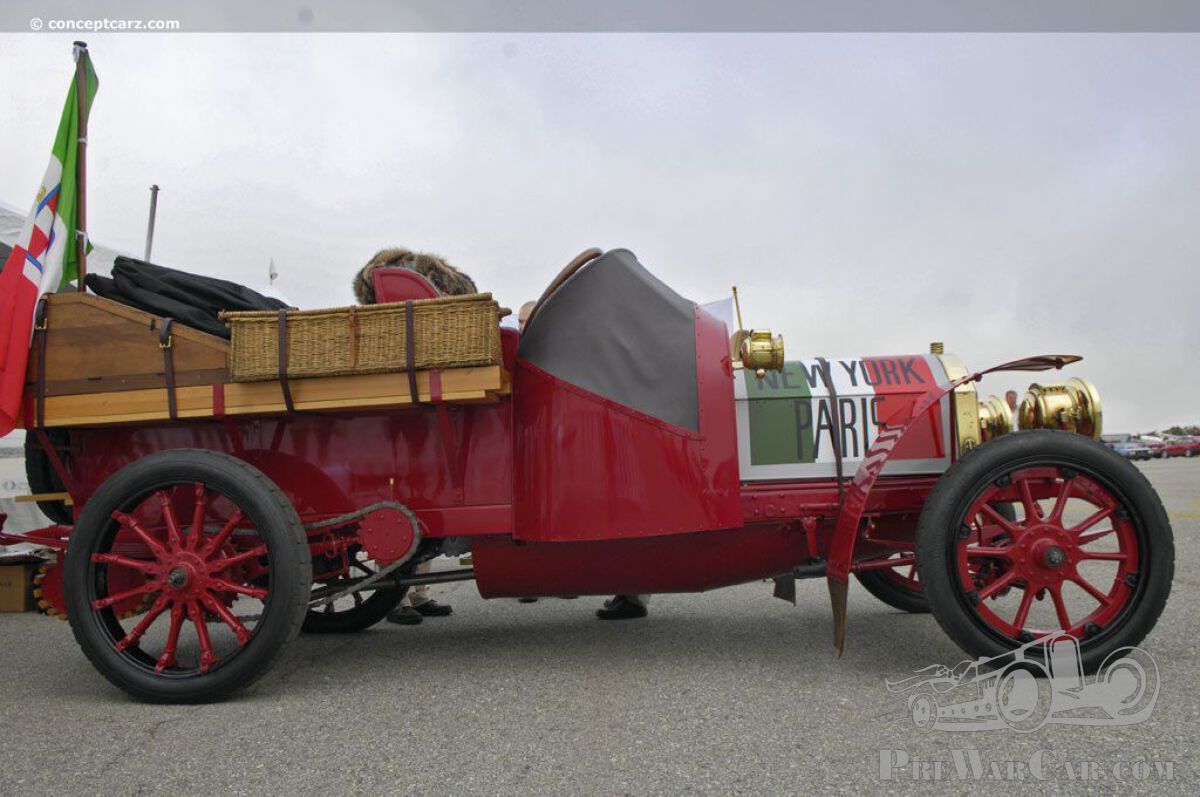
A 1907 Züst 28/45hp, chassis 127, still exists. I is restored and in Canada in Ladysmith, British Columbia. It was presented in 2008 at the centenary of the New-York-Paris race.
The car arrived in Dawson City, Yukon, in the summer of 1910. The owner was O. B. Perry, superintendent of the Guggenheim Exploration Co. (Robert Guggenheim sponsored the New York-Seattle race in 1909). Buck Rogers bought the car in the 60s. Harry Blackstaff is the new owner.
This car has many features that seem to indicate that it is the car that raced around the world in 1908 but no document really proves it. The doubt still remains.
---------------------------------------------
Une ZÜST 1907 28/45 châssis 127 existe toujours .Elle est restaurée au Canada à Ladysmith en Colombie Britannique.
Elle est présentée en 2008 au centenaire de la course New-York Paris.
La voiture arrive à Dawson-city dans le Yukon à l'été 1910. Le propriétaire est O.B PERRY superintendant de la Guggenheim exploration Co.
(Robert Guggenheim sponsorise la course New-York Seattle en 1909).
Buck Rogers rachète la voiture dans les années 60.
Harry Blackstaff est le nouveau propriétaire.
Cette voiture possède de nombreuses caractéristiques qui semblent indiquer qu'il s'agit de la voiture qui a couru le tour du monde en 1908.
Mais aucun document ne le prouve réellement . Le doute subsiste toujours.
Read more
The car arrived in Dawson City, Yukon, in the summer of 1910. The owner was O. B. Perry, superintendent of the Guggenheim Exploration Co. (Robert Guggenheim sponsored the New York-Seattle race in 1909). Buck Rogers bought the car in the 60s. Harry Blackstaff is the new owner.
This car has many features that seem to indicate that it is the car that raced around the world in 1908 but no document really proves it. The doubt still remains.
---------------------------------------------
Une ZÜST 1907 28/45 châssis 127 existe toujours .Elle est restaurée au Canada à Ladysmith en Colombie Britannique.
Elle est présentée en 2008 au centenaire de la course New-York Paris.
La voiture arrive à Dawson-city dans le Yukon à l'été 1910. Le propriétaire est O.B PERRY superintendant de la Guggenheim exploration Co.
(Robert Guggenheim sponsorise la course New-York Seattle en 1909).
Buck Rogers rachète la voiture dans les années 60.
Harry Blackstaff est le nouveau propriétaire.
Cette voiture possède de nombreuses caractéristiques qui semblent indiquer qu'il s'agit de la voiture qui a couru le tour du monde en 1908.
Mais aucun document ne le prouve réellement . Le doute subsiste toujours.
Larry Lewis
23 November 2024, 06:15
I've seen the Thomas at a show in the United States and I've seen the Protos in the Deutsches Museum in Munich. Does the Züst still exist somewhere?
Read more
De Leenheer Clement
23 November 2024, 18:53
Ownership of the Züst at this time is not documented, although it did remain in Dawson City. It remained in Dawson until the 1950s, when Buck Rogers, an avid collector, purchased it and moved it to his home in downtown Vancouver, British Columbia. By then, the chassis was in two pieces and the car was unusable. There it remained untouched, evading an attempt to sell it to William Harrah of Reno, Nevada, who already owned the winning Thomas Flyer. In 1980, it was sold and brought to Vancouver Island, where it remains restored and is owned by Harry and Shirley Blackstaff.
------------------------------------------------------------------------
De eigendom van de Züst uit die tijd is niet gedocumenteerd, hoewel hij wel in Dawson City bleef. Hij bleef in Dawson tot in de jaren 1950, toen Buck Rogers, een fervent verzamelaar, hem kocht en verhuisde naar zijn woning in het centrum van Vancouver, British Columbia. Het chassis lag toen al in twee stukken en de auto was onbruikbaar. Daar bleef hij onaangeroerd en hij ontweek een poging om hem te verkopen aan William Harrah uit Reno, Nevada, die al de winnende Thomas Flyer had. In 1980 werd hij verkocht en kwam hij naar Vancouver Island, waar hij nu nog steeds gerestaureerd staat en eigendom is van Harry en Shirley Blackstaff.
Read more
------------------------------------------------------------------------
De eigendom van de Züst uit die tijd is niet gedocumenteerd, hoewel hij wel in Dawson City bleef. Hij bleef in Dawson tot in de jaren 1950, toen Buck Rogers, een fervent verzamelaar, hem kocht en verhuisde naar zijn woning in het centrum van Vancouver, British Columbia. Het chassis lag toen al in twee stukken en de auto was onbruikbaar. Daar bleef hij onaangeroerd en hij ontweek een poging om hem te verkopen aan William Harrah uit Reno, Nevada, die al de winnende Thomas Flyer had. In 1980 werd hij verkocht en kwam hij naar Vancouver Island, waar hij nu nog steeds gerestaureerd staat en eigendom is van Harry en Shirley Blackstaff.
George Schuster is my all time hero!