The global magazine and marketplace for classic car enthusiasts, by enthusiasts.


Filter
Make a choice:
- Cars
-
Make >>
-
Year >>
-
- Bikes
-
Location >>
- Parts & more
-
Make of car >>
-
Manufacturer >>
-
Category >>
- Bicycles & more
-
Year >>
-
Countries


Louis Renault’s Amazing Type A


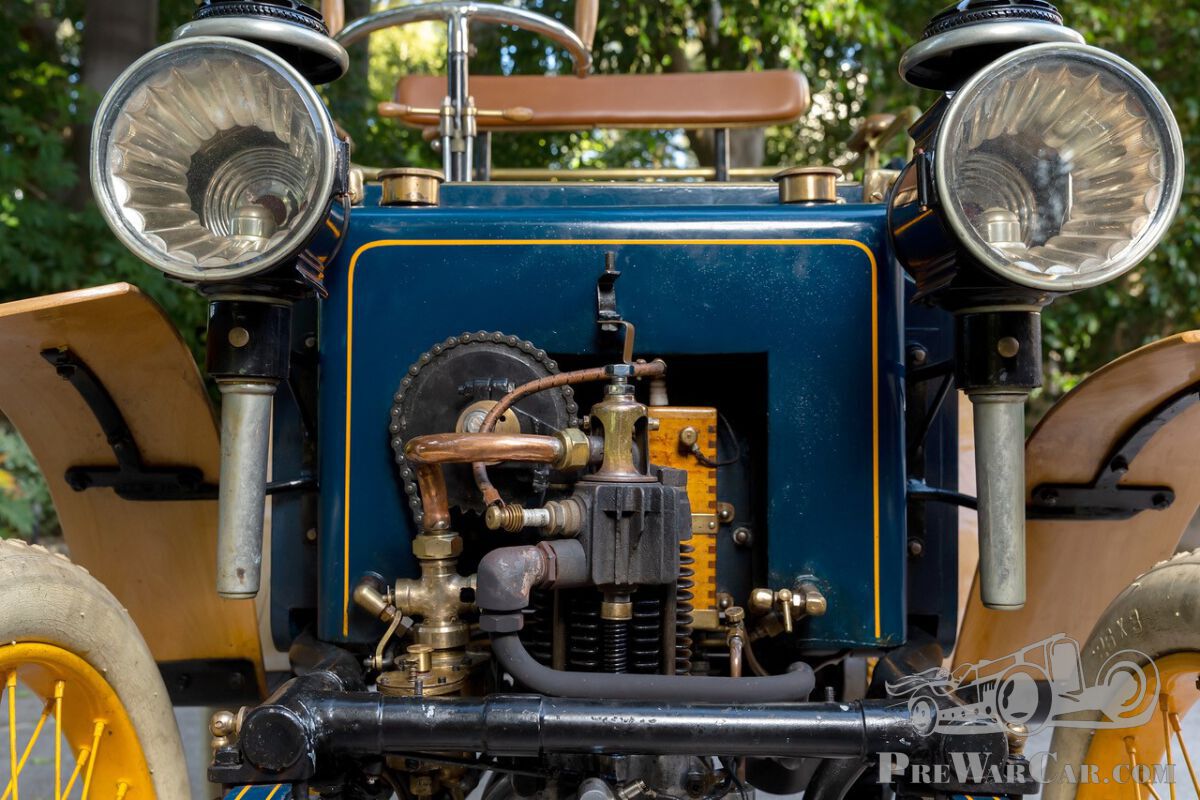


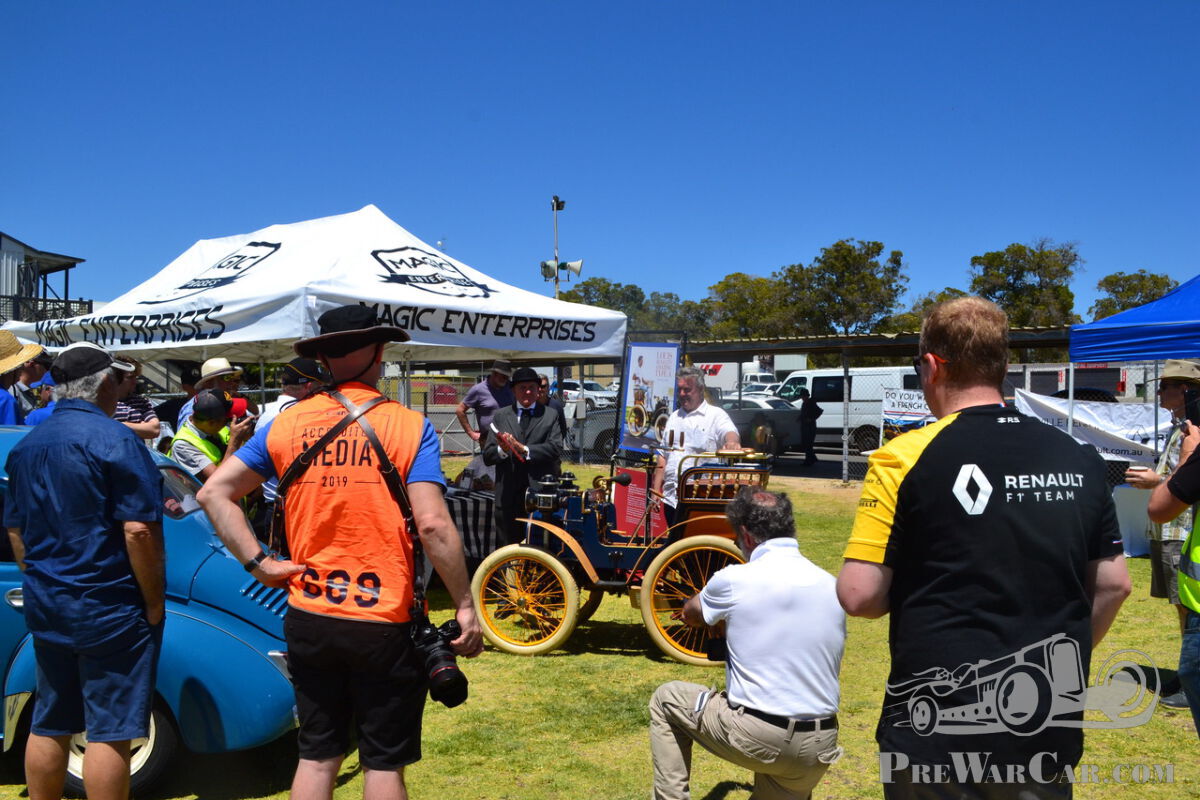


One can only wonder at the discussion around the family dining table on Christmas Day between the three Renault brothers and their mother. They had taken orders for a car which was just a prototype and they had no means of manufacturing two at a time, let alone supplying a dozen orders. The initial plan had been to use the prototype to promote the sale of the patents. Perhaps the best option was to sell the rights to manufacture the car to a firm which could satisfy the orders they’d taken in the restaurant. The business minds of Marcel and Fernand Renault must have determined the next series of events.
On 25 February 1899 Louis’ older brother brothers Marcel and Fernand established Renault Frères with the intention of putting Louis’ car into production. Ferdinand`s father-in-law was a solicitor and he arranged the agreement to form the company. It was proclaimed in March 1899. The investment of 60,000 francs for a period of 10 years (backdated to October 1898) by his two older brothers enabled Louis to purchase a ramshackle boathouse from Seguin Island on the Seine and removed it. The boathouse was rebuilt on a block of land in Billancourt near the family house. He did much of the work to turn the boathouse into a 300 square meter workshop. The investment from his brothers helped him purchase a Weyer & Richmond steam engine for power, as well as basic lathes and cutting machines for fabricating the 12 cars. Louis and his six employees set about making their first production cars…
This is a passage from the book Louis Renault’s Amazing Type A, written by Graeme Cocks. A true PreWarCar enthusiast who is also part of the team organizing the Red Dust Revival at Lake Perkolilli, Australia.
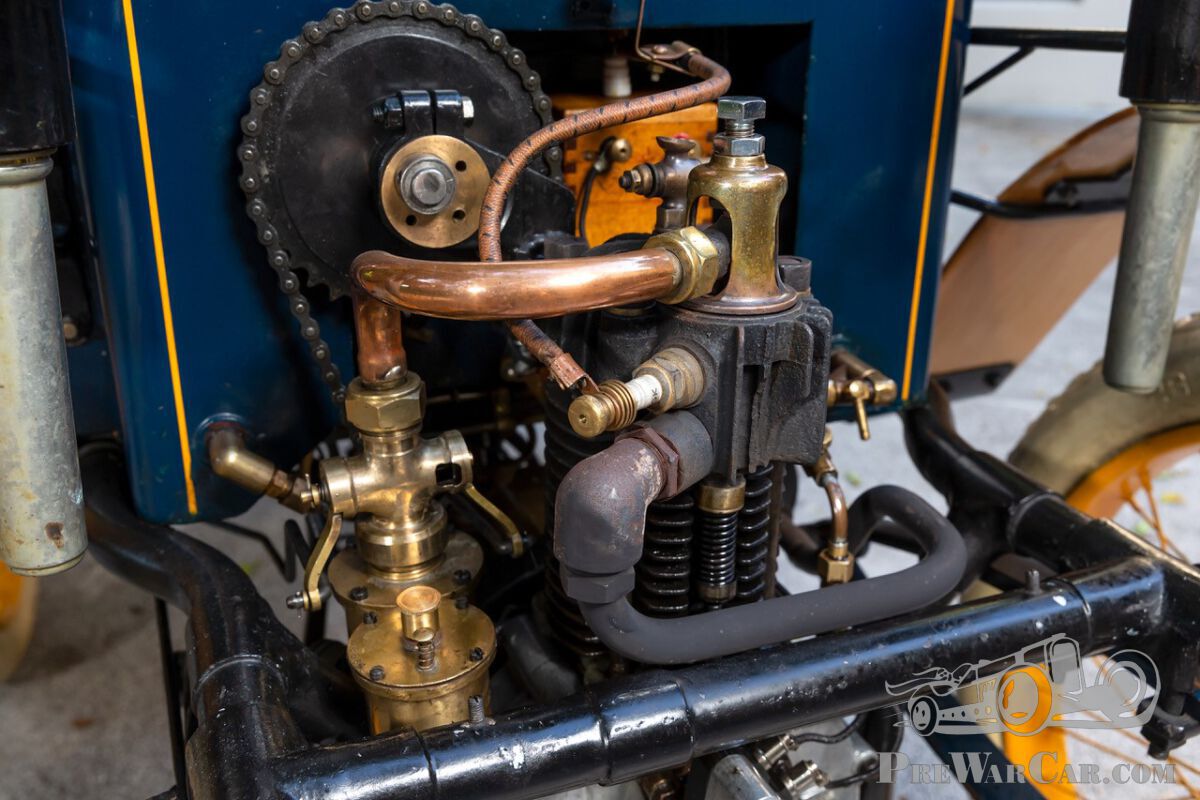
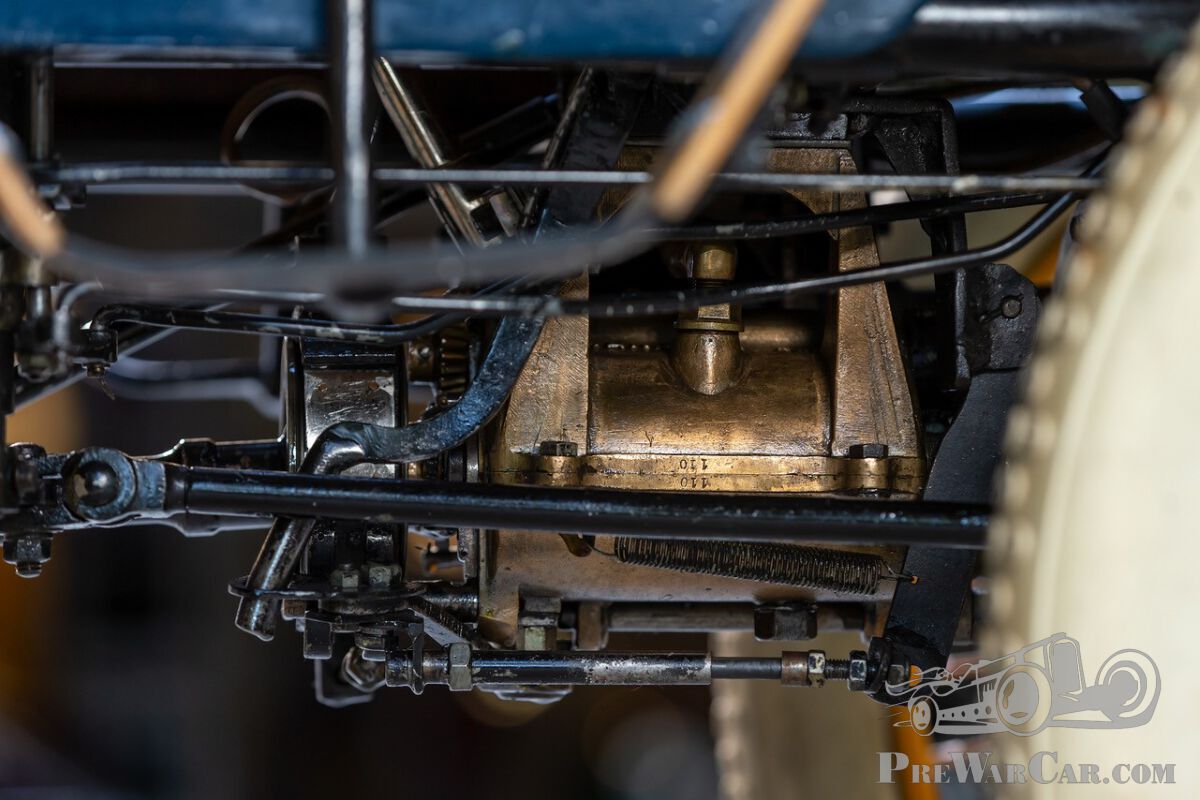
The book documents the story of how the son of a button-maker from Paris designed his own car and made a prototype in the family’s garden shed. His design incorporated a small engine at the front of the car, with a clutch behind the engine running into a gearbox and a tail-shaft driving a differential on the rear axle. Technical drawings and beautiful pictures complement the story about the development of the Type A, its racing successes and the challenges faced by Louis Renault to protect his invention from other manufacturers who were keen to steal his patents.
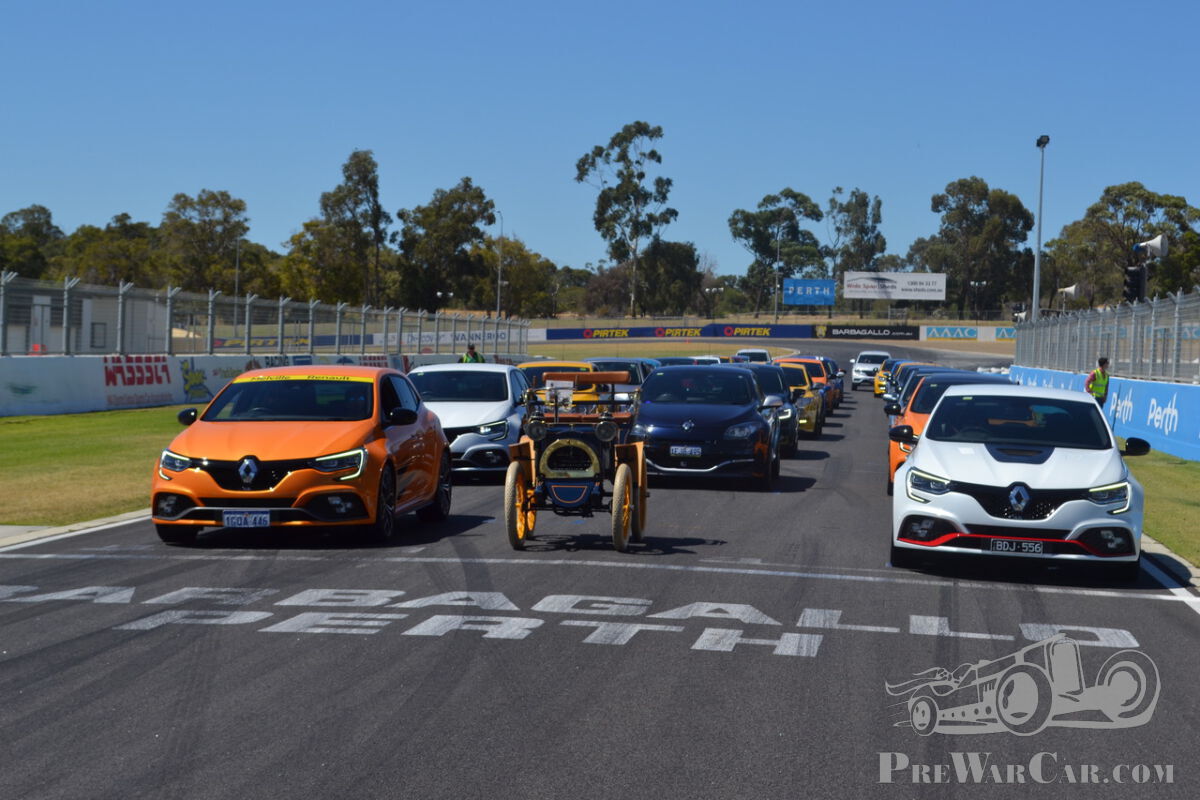
Besides this, the book also looks at the restoration of the one-hundred-and-tenth Type A. One of only five models known to exist. After completion, the owner took part in probably the greatest road test possible – the London to Brighton Veteran Car Run. After a successful run, the Type-A visited various historically important places in France after which the voiturette was placed back in its wooden shipping box and returned to Perth in Western Australia.
Daniel Ricciardo features in the last chapter, completing the circle which began 120 years before in Paris when a 21-year-old Parisian was convinced that he could make a better car than anyone else.
Curious about the full story? “Louis Renault’s Amazing Type A” is launched today! The book holds beautiful pictures and technical drawings. A beautiful book to add to the collection or to give away this Christmas.
Click here to order a copy of “Louis Renault’s Amazing Type A”!
Words by editor.
Published:
Wednesday December 4th, 2019
Facebook
LinkedIn
Twitter
WhatsApp
Email
Copy