The global magazine and marketplace for classic car enthusiasts, by enthusiasts.


Filter
Make a choice:
- Cars
-
Make >>
-
Year >>
-
- Bikes
-
Location >>
- Parts & more
-
Make of car >>
-
Manufacturer >>
-
Category >>
- Bicycles & more
-
Year >>
-
Countries


Mexican majesty: the sole-surviving 1904 Decauville double phaeton
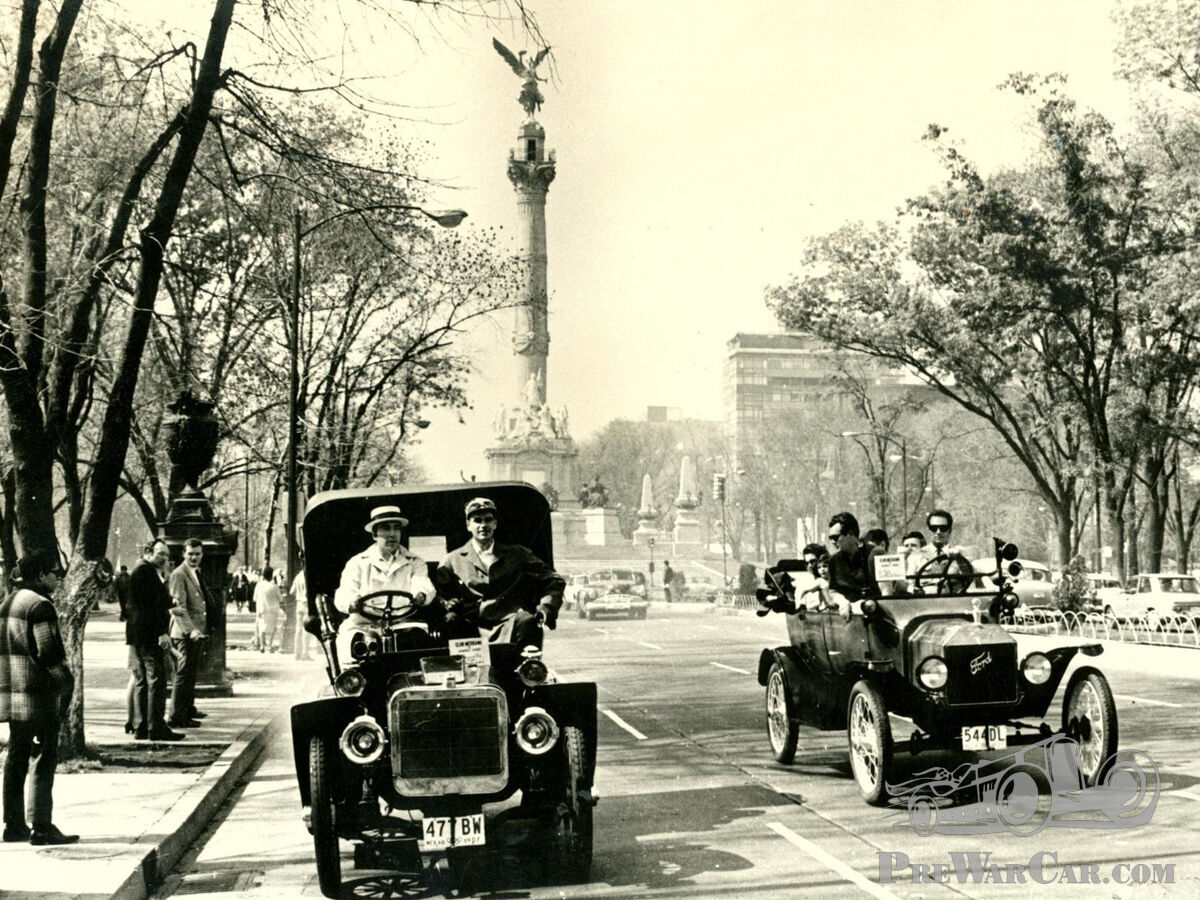
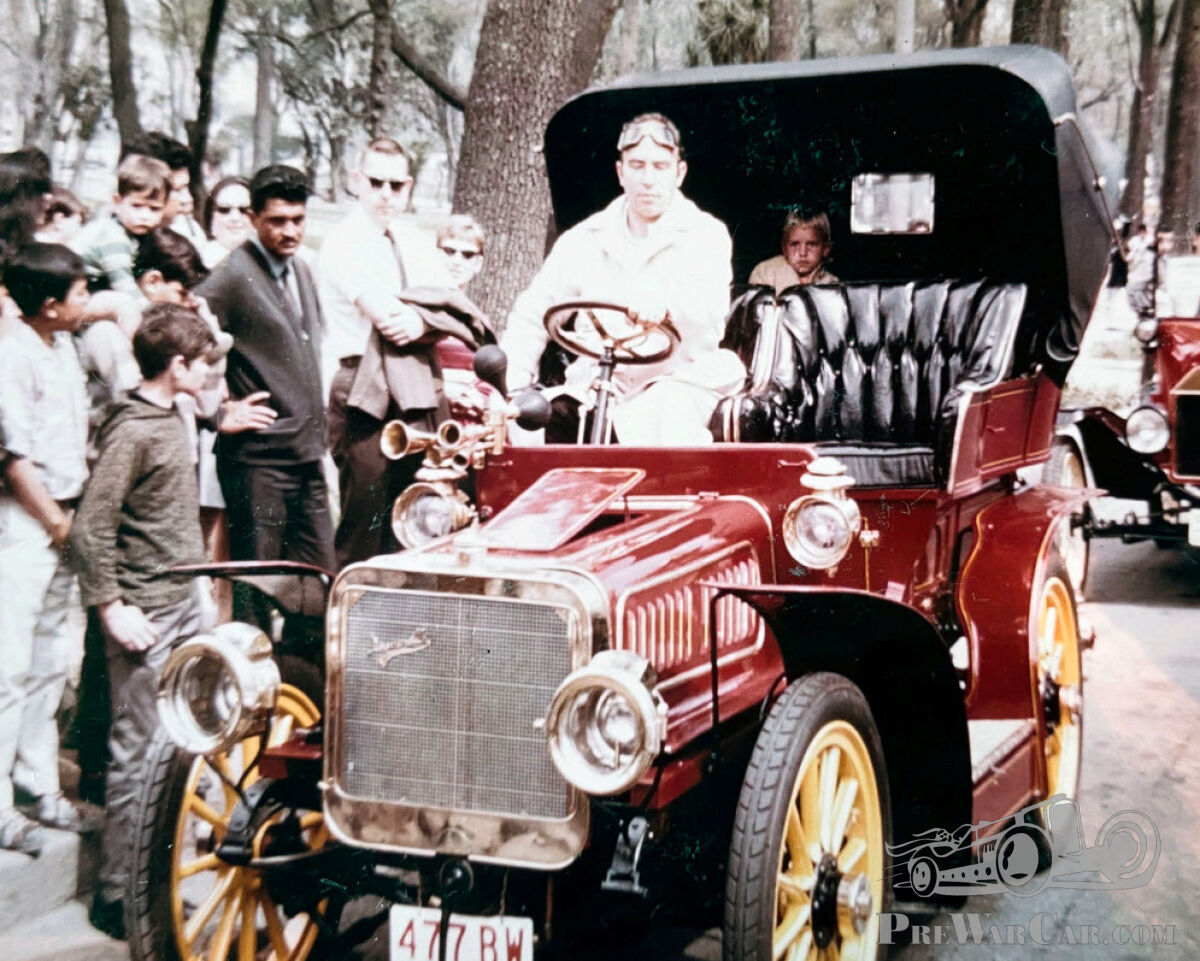
Alberto with his brother-in-law in front of Mexico's Independence Monument

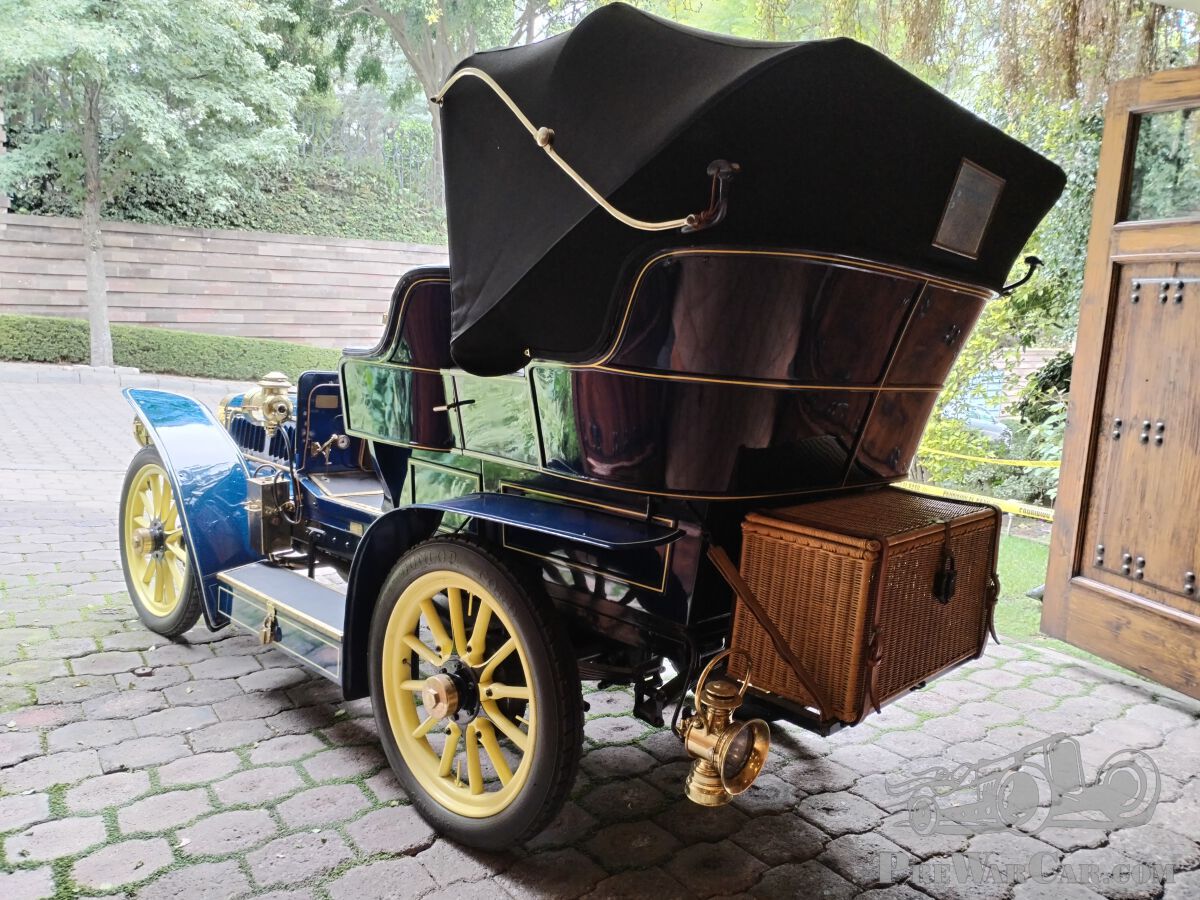
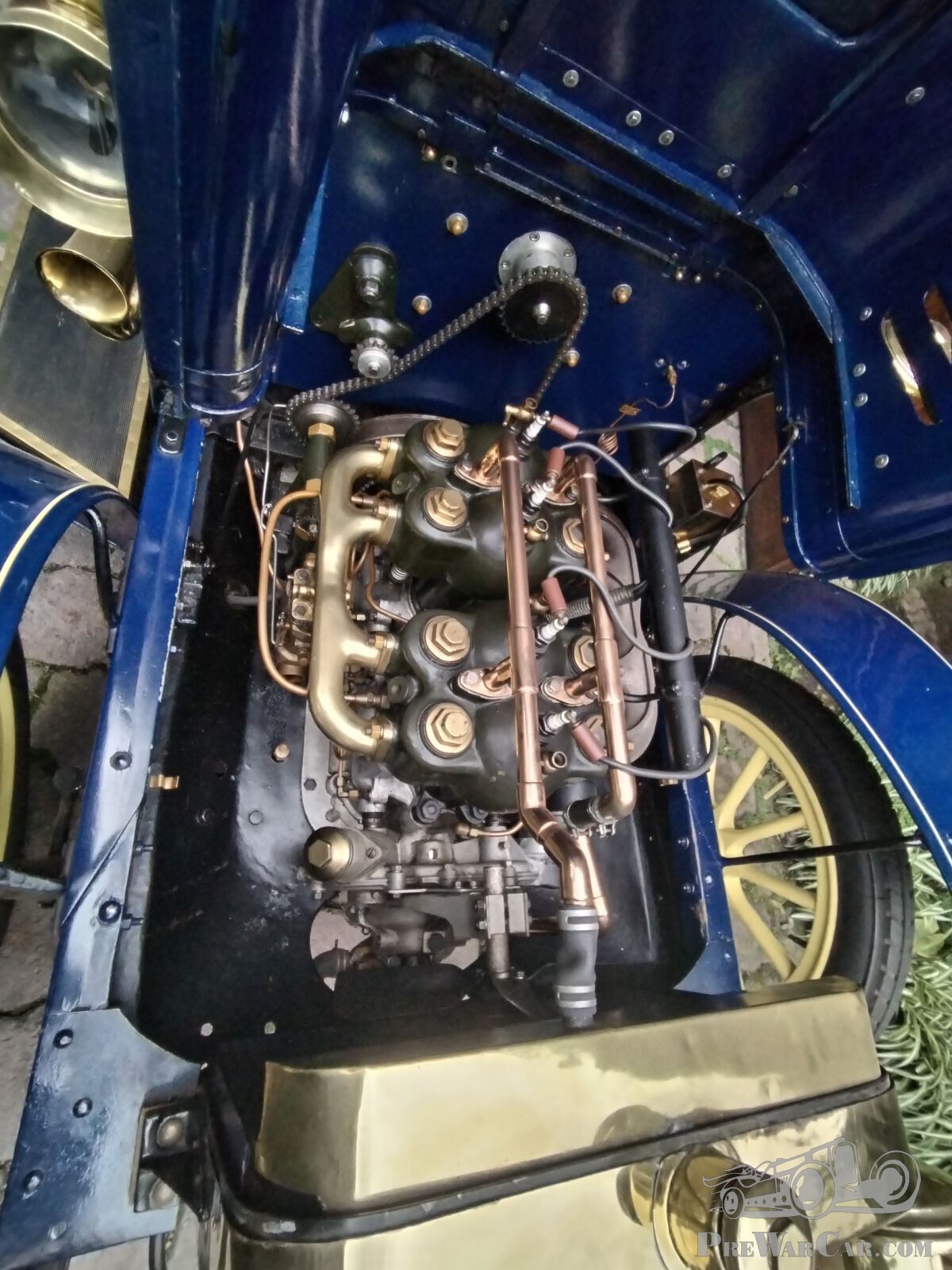
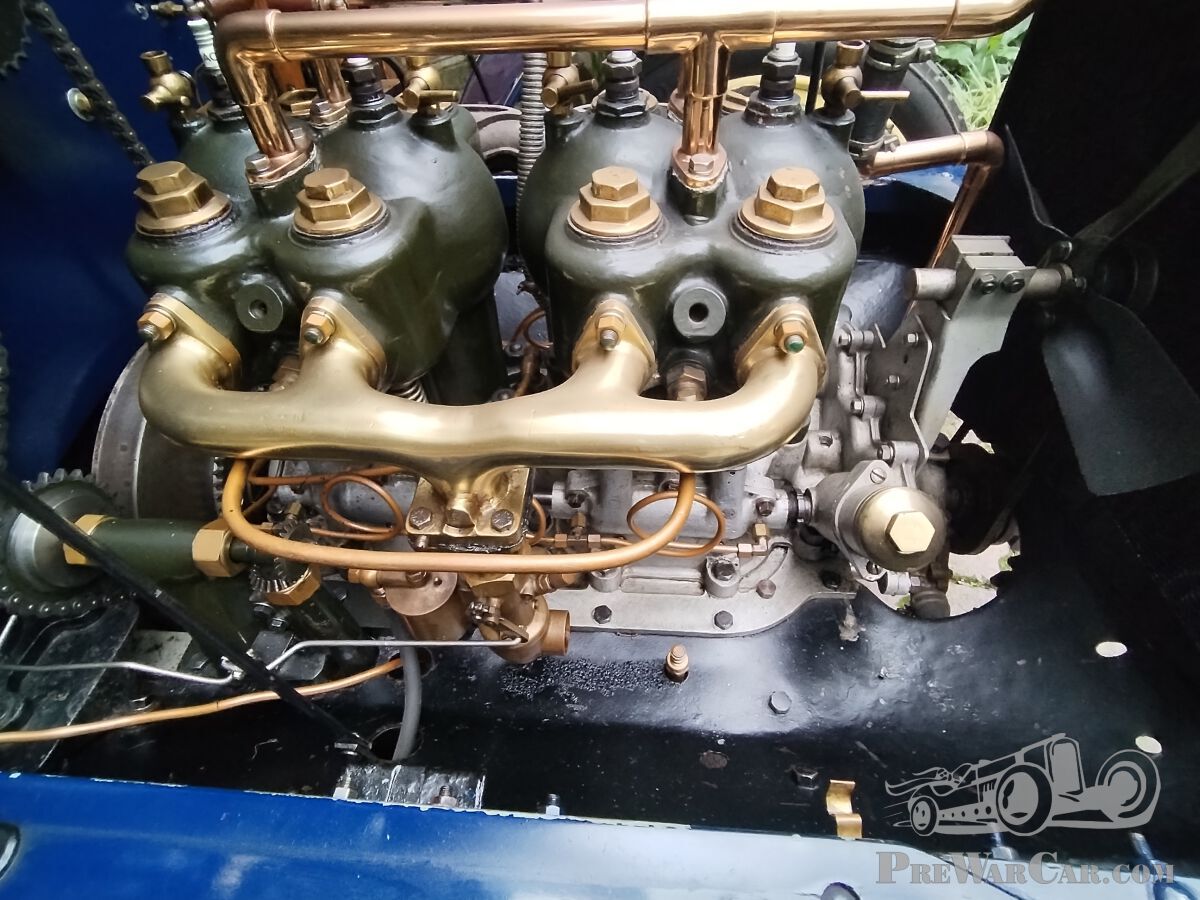
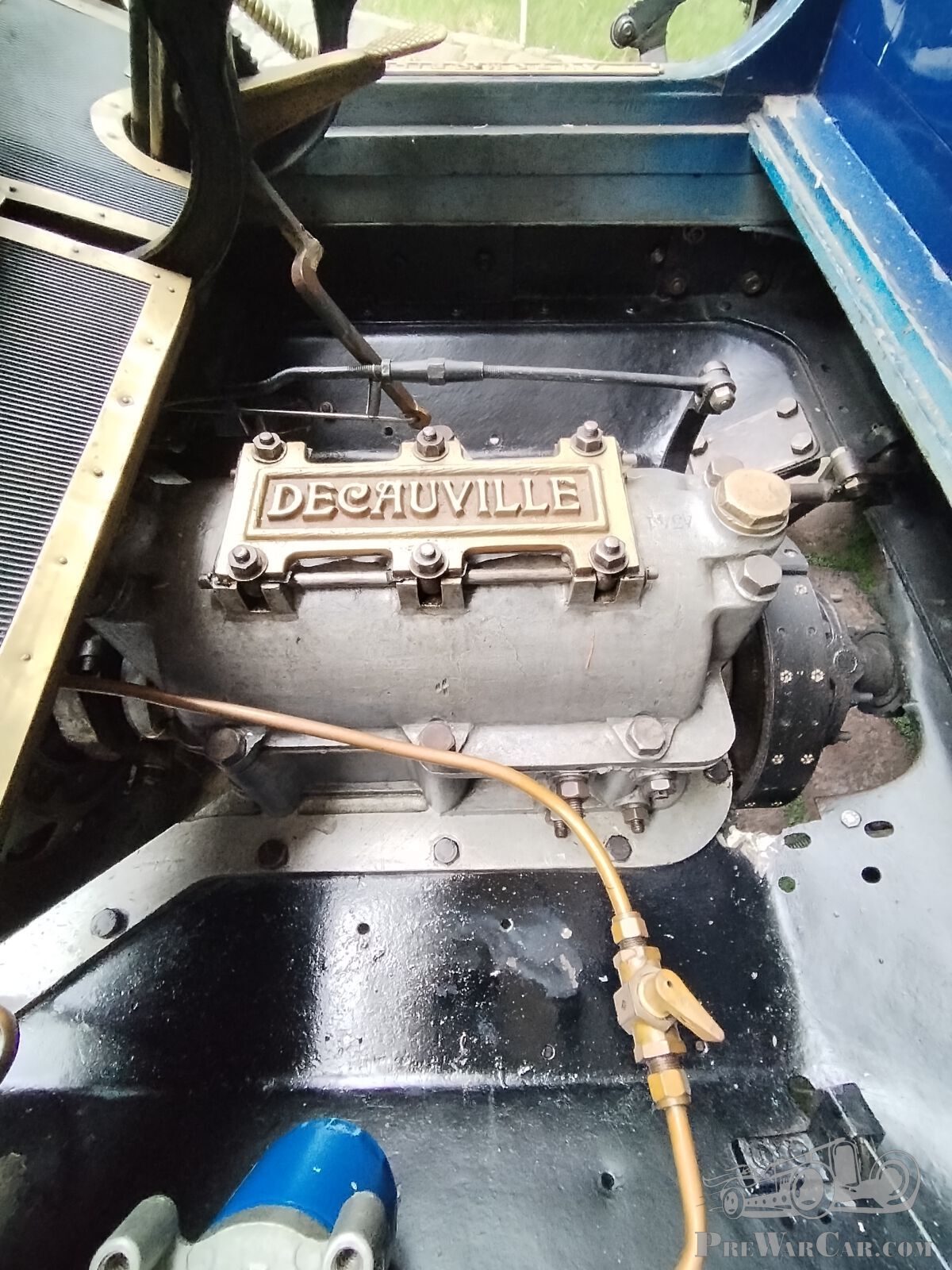
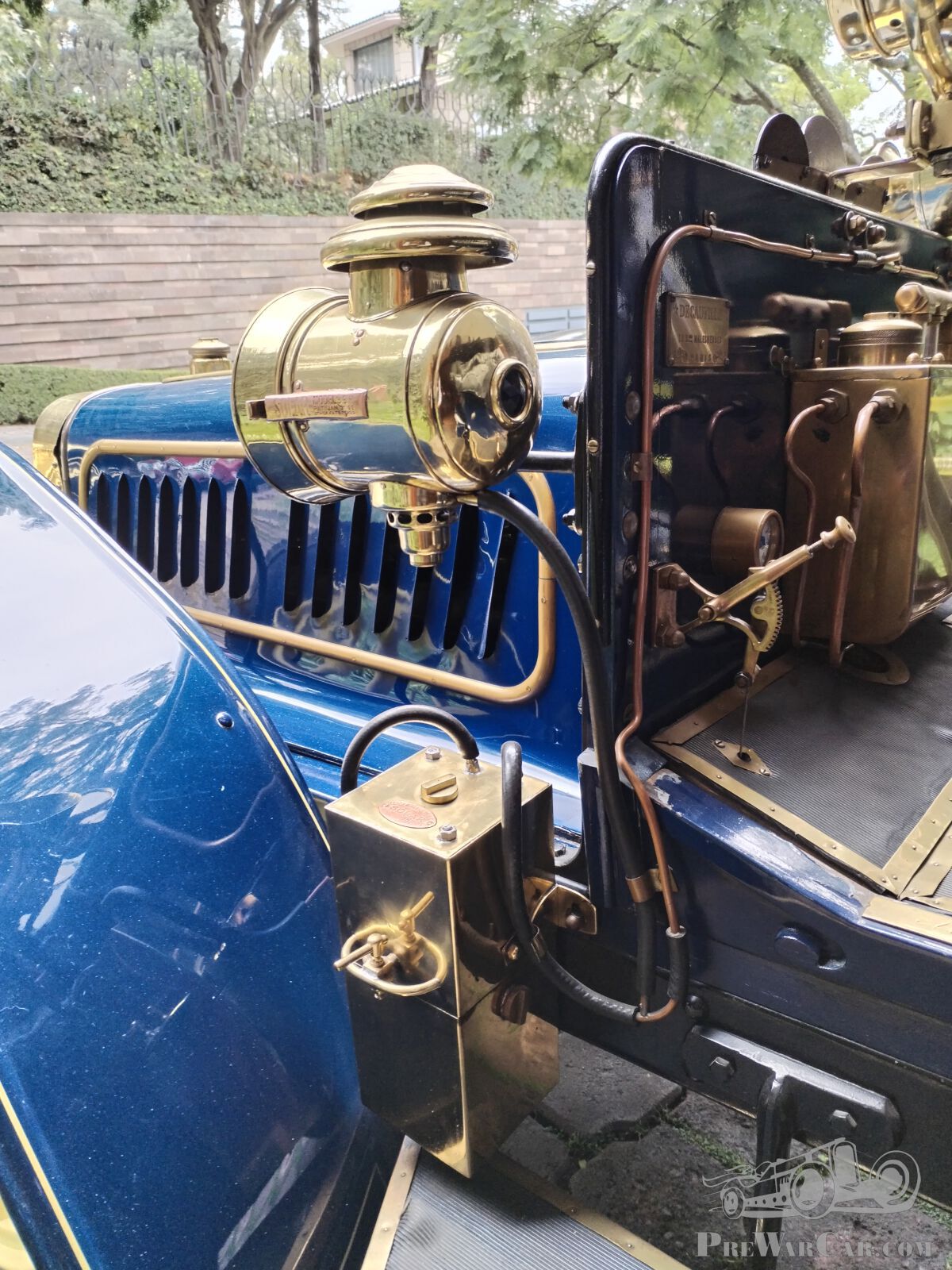
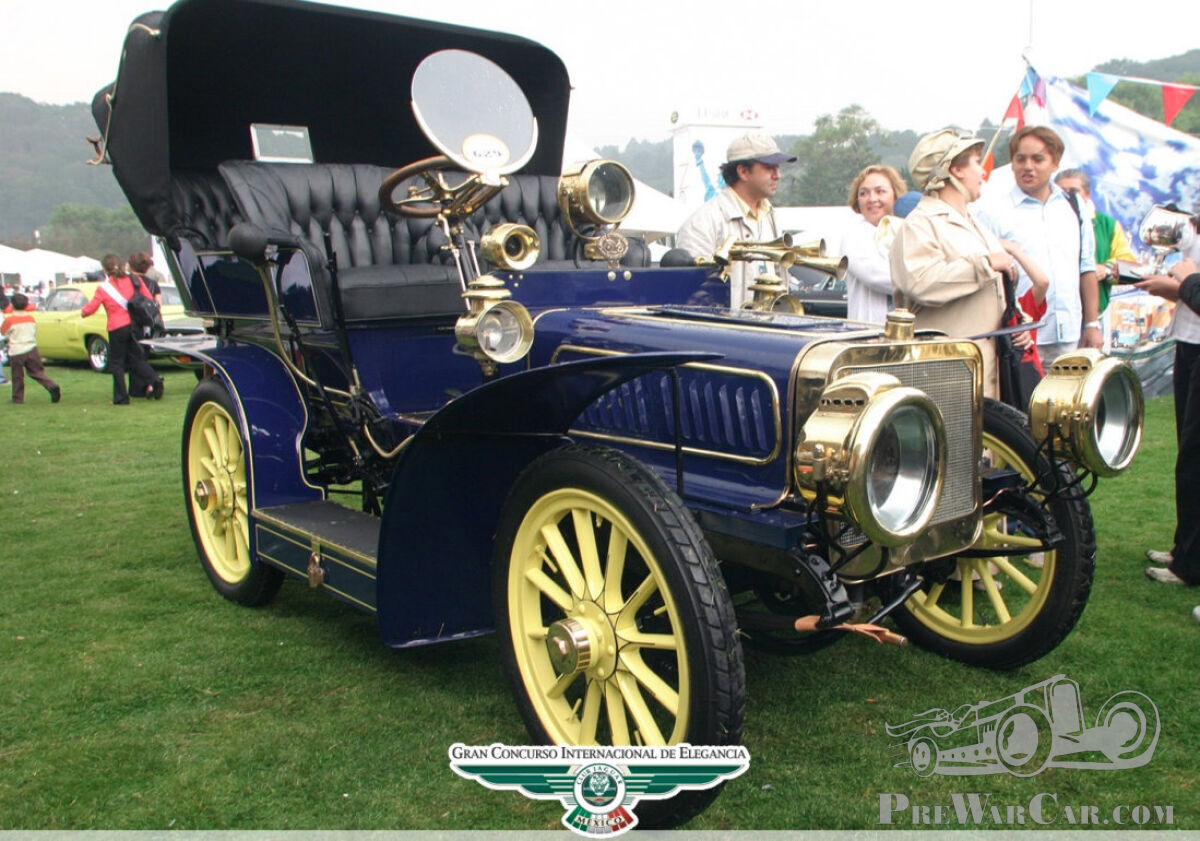
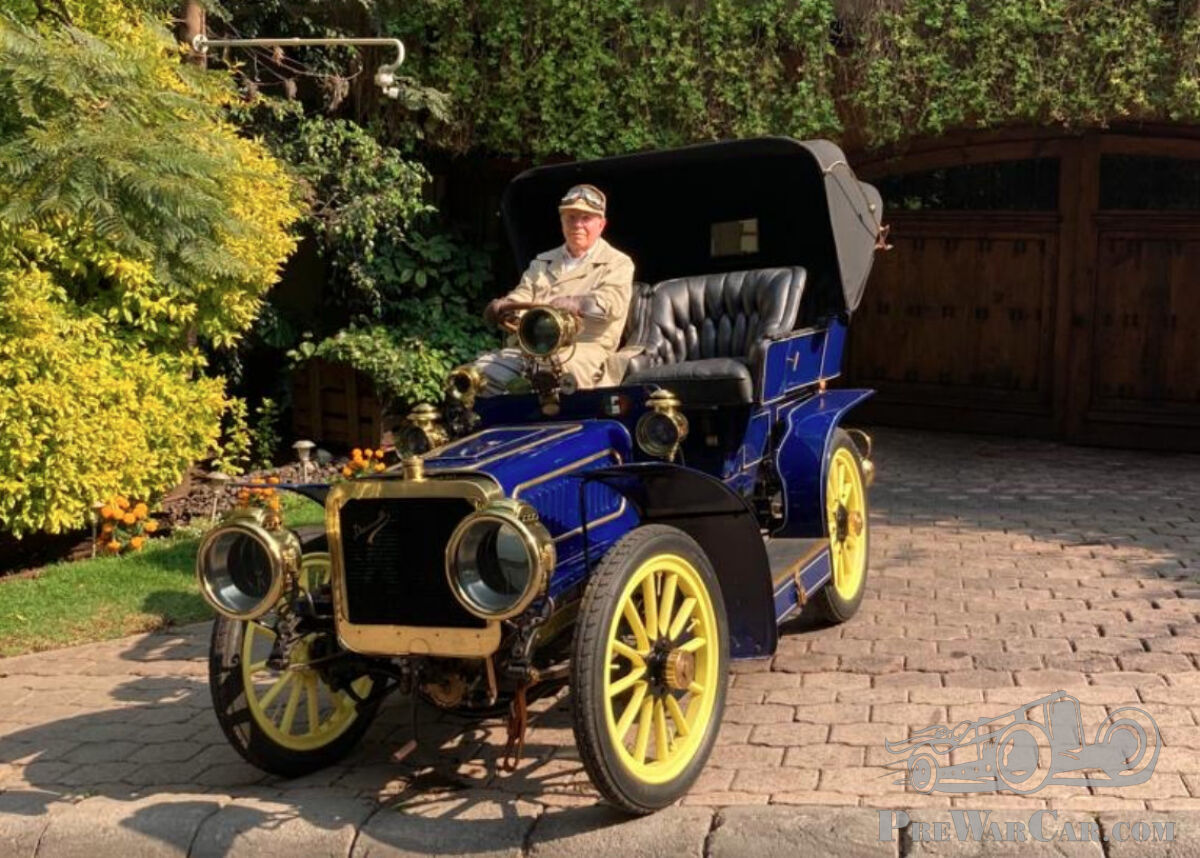
The Decauville at the 2005 Gran Concurso Internacional de Elegancia, where it won Best of Show


Readers may remember that, in February, we exhibited a 1900 Decauville Voiturelle at Salon Rétromobile. The tiny 3½hp vis-à-vis was typical of the Corbeil firm's early efforts. In fact, the Voiturelle was Decauville's first production car, its earlier renown having been gained as a locomotive manufacturer. Apart from its independent front suspension, it was as basic as most voiturettes of the 19th century, but Decauville's progress was rapid. By 1902, it was building four-cylinder cars of a high quality, and it was a 10hp twin which inspired Henry Royce to go into car-building.
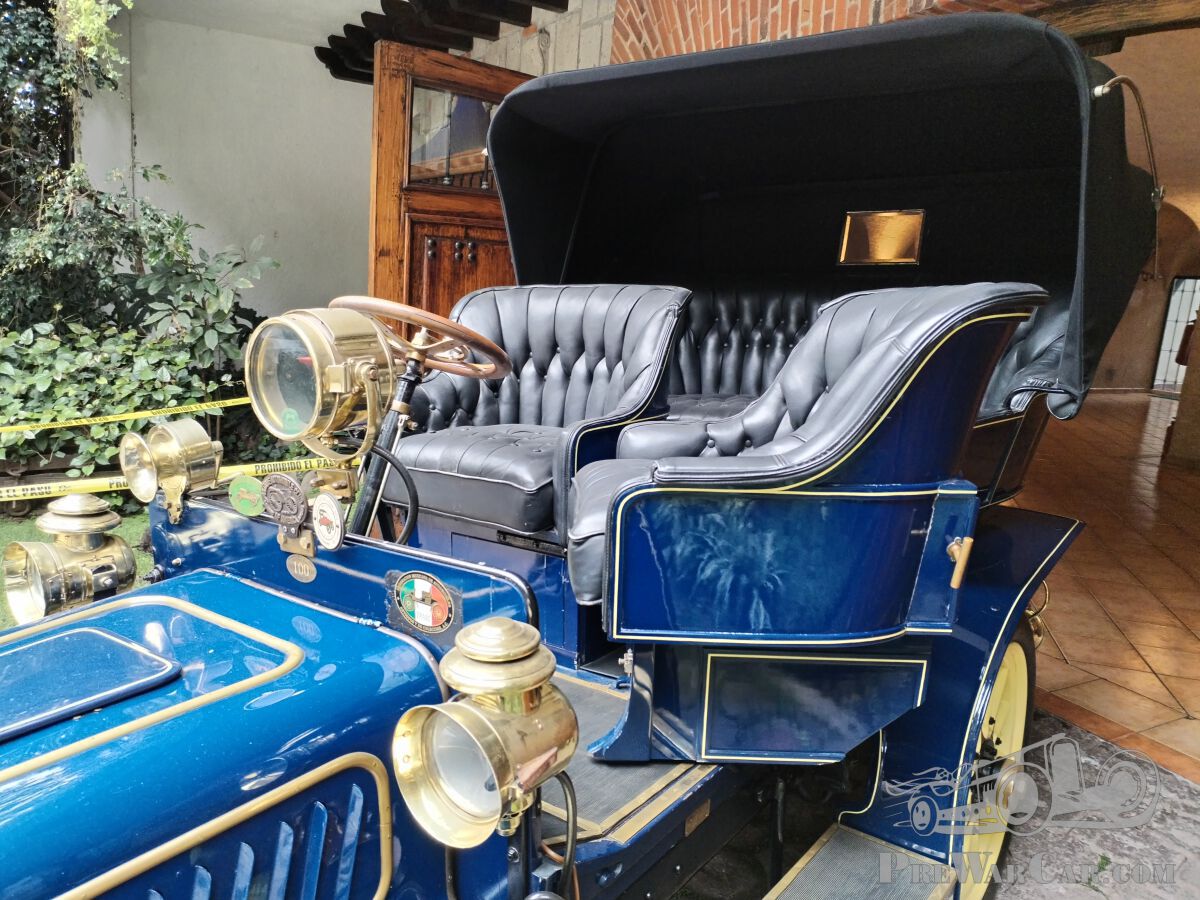
Despite the solidity and quality of the later veteran Decauvilles, very few survive. Indeed, this 1904 16hp four-cylinder model, engine number 103, is believed to be the only remaining Decauville from 1904, and it owes its survival to the Mexican family which acquired it new. Decauville only produced engines and chassis, making the body the work of an independent French coachbuilder. With its half-covered phaeton coachwork, it possesses a real majesty, and its top speed of 35mph it would have made it one of the fastest things on Mexican roads.
A very late veteran, being built in the December of 1904, it was despatched new to Mexico and bought in 1905 by Alberto Lenz, the grandfather of the present owner, also Alberto Lenz. The elder Lenz had made a small fortune as the owner of a paper mill in Mexico City and, since he lived about 10 miles outside of town, it made sense for him to try car ownership as a faster way of getting around. Clearly, he wanted the best and the Decauville fitted the bill, costing more than US$5,000.
In 1908 or thereabouts, Señor Lenz moved on from the Decauville and left it on a ranch to the south of Mexico City, where it remained for 49 years until the present Alberto's father gave it to him as a 15th birthday present. At the time, neither he nor his father knew exactly what it was, but the young Alberto longed to bring it back to life.
He says, "I'd loved cars since I was a child and spoke about them all the time. As a child, I went two to three times a week to the ranch and played with the car. It was in very bad shape, but I played with the steering wheel, with the lamps, etc., and got mad with the people that were taking care of the ranch, telling them that they should scare away the chickens that were always around and often on top of the car."
Veteran Car WeekThis Sunday, the world's longest-running motoring event, the London to Brighton Veteran Car Run, will return when, at dawn, almost 400 cars built before 1905 will drive from the capital city to the coast. To celebrate this, we are highlighting motoring's pioneering age in our online magazine all this week with a selection of fascinating articles: 1. What to expect? The full entry list for the 2023 London to Brighton Veteran Car Run 2. Driving a 1902 Columbia: the quiet and environmentally friendly way to Brighton (Tuesday) 3. A petrol pump mystery with a Victorian voiturette (Wednesday) 4. Mexican majesty: the sole-surviving 1904 Decauville double phaeton (Thursday) 5. 'Twas the night before Brighton... (Friday) 6. Live from the St. James's International Concours (Saturday) 6. Live from the London to Brighton Veteran Car Run 2023 (Sunday) |
Three years and one award-winning restoration
In 1965, aged 26 and having just returned to Mexico after studying abroad, Alberto had put enough money aside to restore the Decauville. The process took three years of hard labour.
"At an antique car club I met a friend, Eduardo Valverde, and it was he who encouraged me a lot and told me that he would help me in a workshop," Alberto explains. "We started to disassemble it. The wood was rotten and only a specialist could restore it - it was a lot of work. The seats, which were made of leather, were in very poor condition after 60 years and the sheet metal was rusted. In the transmission, we realised that the name of the car was Decauville. I wrote letters to everyone to ask for information about the brand, to see where I could get parts and tyres, and I noticed that the front tyres were a different size from the rear ones.
"The engine was stuck and a 20-ton jack had to be used to carefully separate it. It took a lot of work since we did not want to break anything in the transmission. We realised that the gears were in very good condition, which indicated that the car had hardly been used. The engine was broken and some new parts had to be made, a real challenge, but little by little one thing after another happened and time passed. We had been there for two years and there were still many more things to do.
"We began to assemble the wood on the chassis to install the seats. The radiator had to be completely redone, then I travelled to London to talk to other owners of Decauvilles.
"I went with some friends to Hershey, Pennsylvania, to get parts. In Buenos Aires in Argentina I found more parts, including the right tyres. Wow! After assembling the engine, seats, transmission, brakes, headlights and more, little by little over three years, we hoped to start it. With eight people we pushed it to get it started, but it didn't run. A month later after an electrical system adjustment, it started and there was a party."
A fine veteran grand-tourer
"We organised a ride with old cars in the Chapultepec Park and many people admired them, especially the Decauville. I was very happy and took the car out on the Avenida de los Insurgentes. The brakes were very bad and you had to drive very carefully. In 1969 we took a trip to the pyramids of Teotihuacán. The Decauville behaved very well and managed to come and go without problems.
"I began to enjoy participating in antique car exhibitions, concours and tours in and out of Mexico City and in many other places. I became a member of the Horseless Carriage Club of America to learn more about Decauville.
"In 1980, it occurred to me to go with my friend Oscar Fernández to Salt Lake City in Utah and participate in a 500-mile tour in one week with 150 other cars, all models from before 1916. It was the only Decauville that participated and in the six days of the event there were no mechanical problems."
The Decauville's first award was First Place at the Antique Automobile Show in Puebla in 1969 and its crowning achievement must be its Best of Show win at the 2005 Gran Concurso Internacional de Elegancia in Huixquilucan, but as yet it has never participated in the Brighton Run. It is Alberto's wish that one day it shall, however, so we hope to see it rolling onto Madeira Drive in the not-too-distant future.
Words: Zack Stiling; photos: Alberto Lenz
Published:
Thursday November 2nd, 2023
Facebook
LinkedIn
Twitter
WhatsApp
Email
Copy