The global magazine and marketplace for classic car enthusiasts, by enthusiasts.


Filter
Make a choice:
- Cars
-
Make >>
-
Year >>
-
- Bikes
-
Location >>
- Parts & more
-
Make of car >>
-
Manufacturer >>
-
Category >>
- Bicycles & more
-
Year >>
-
Countries


Museum treasures: extraordinary lots consigned for RM Sotheby's Miami sale
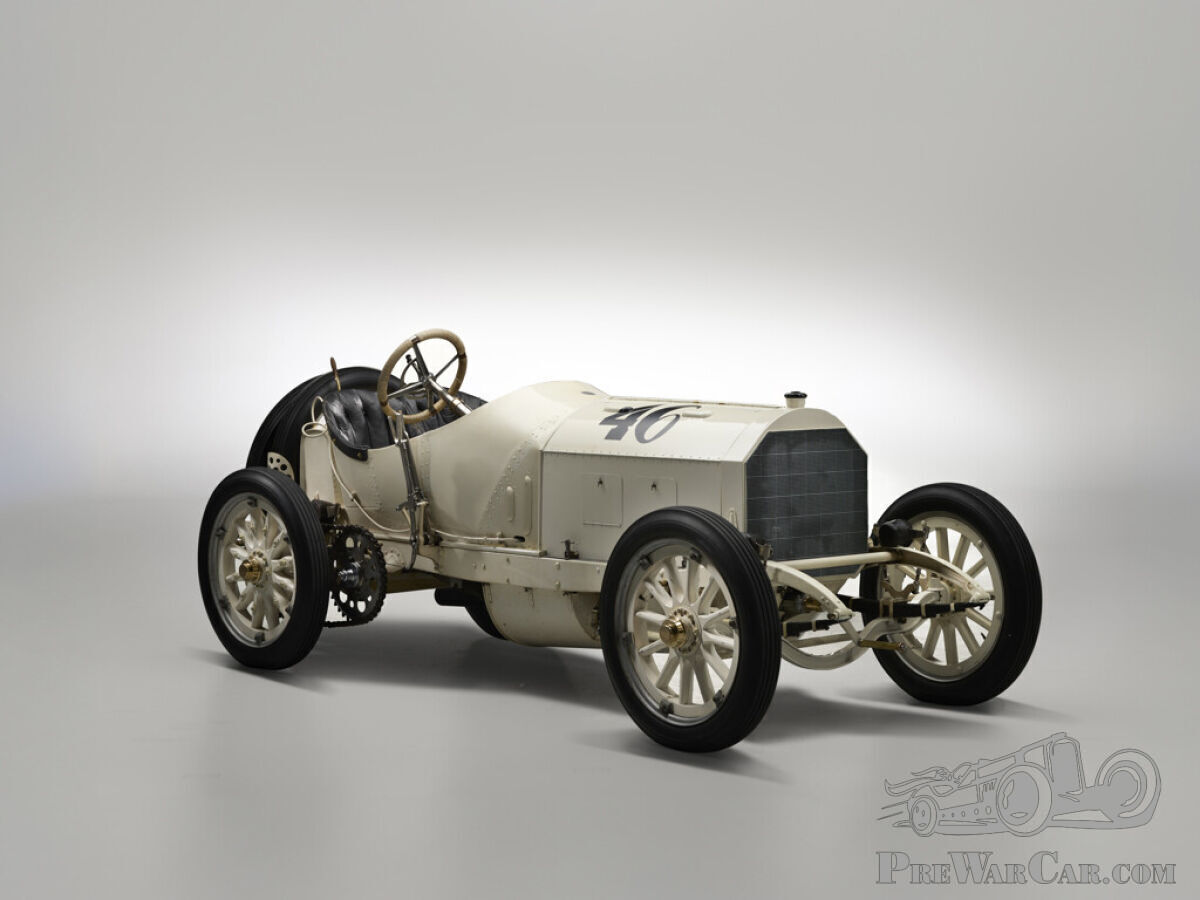
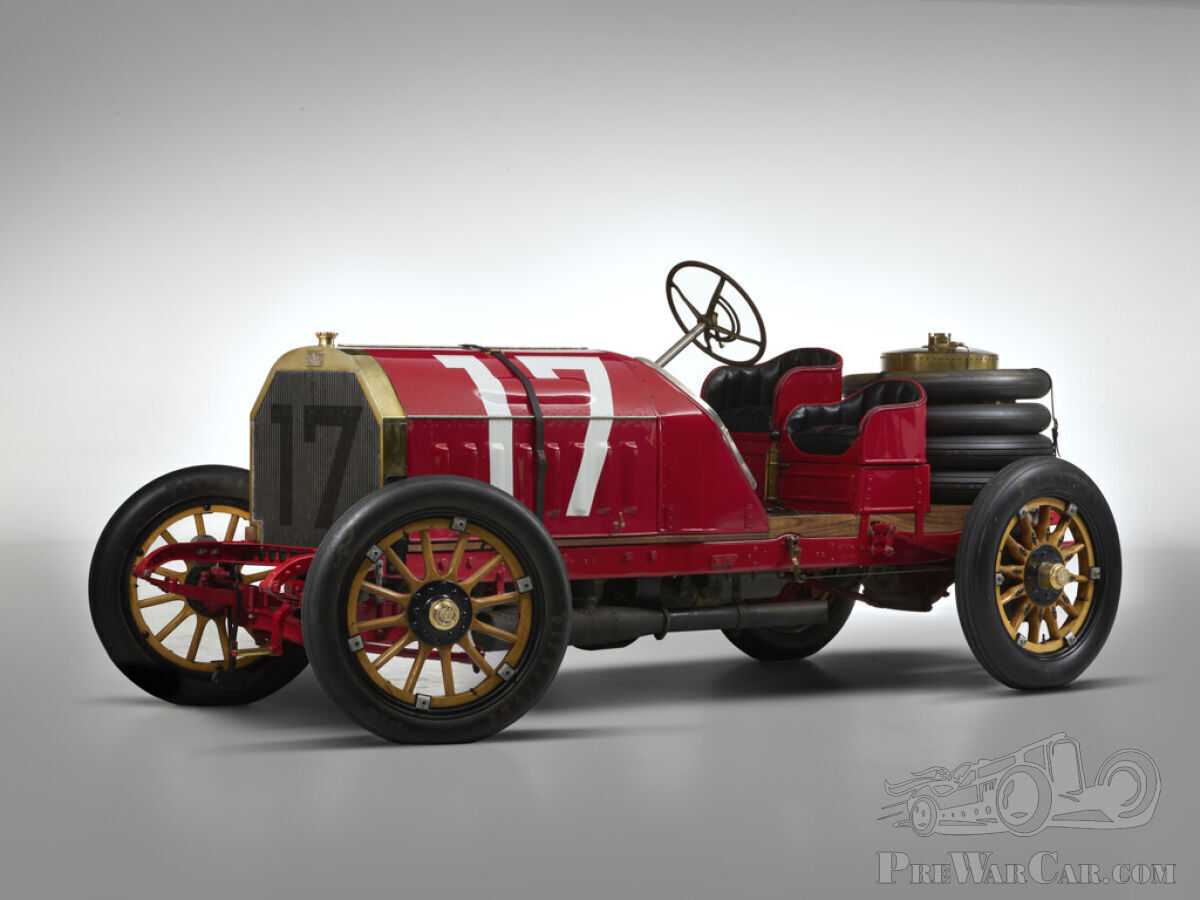
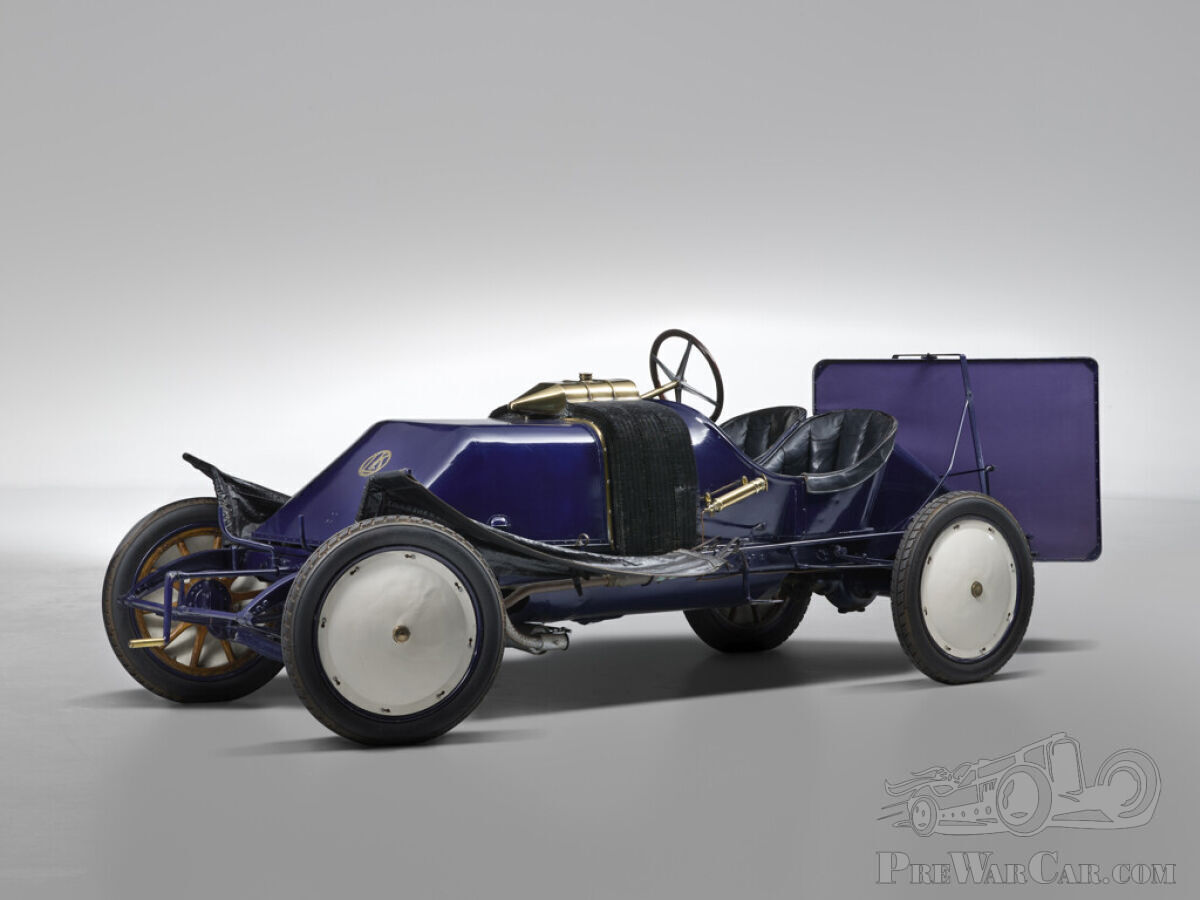
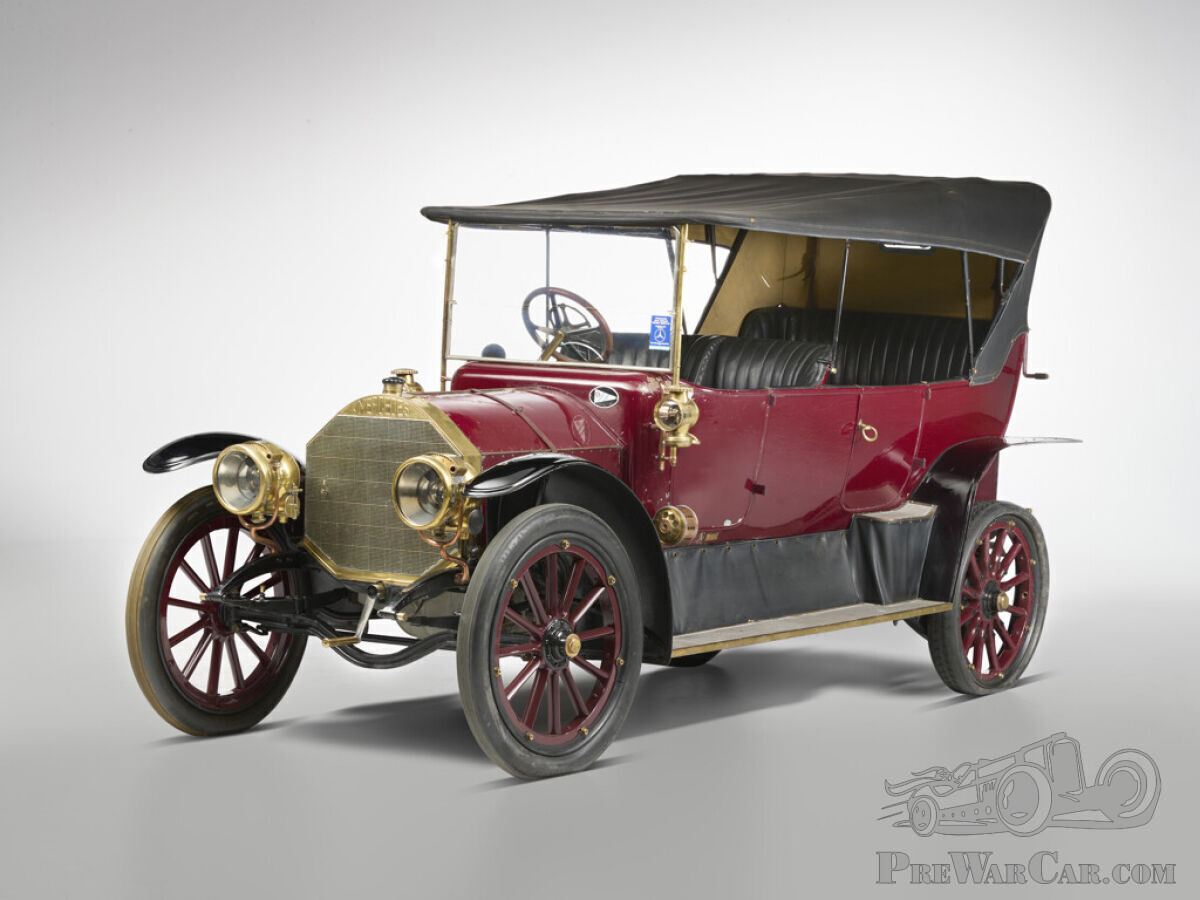
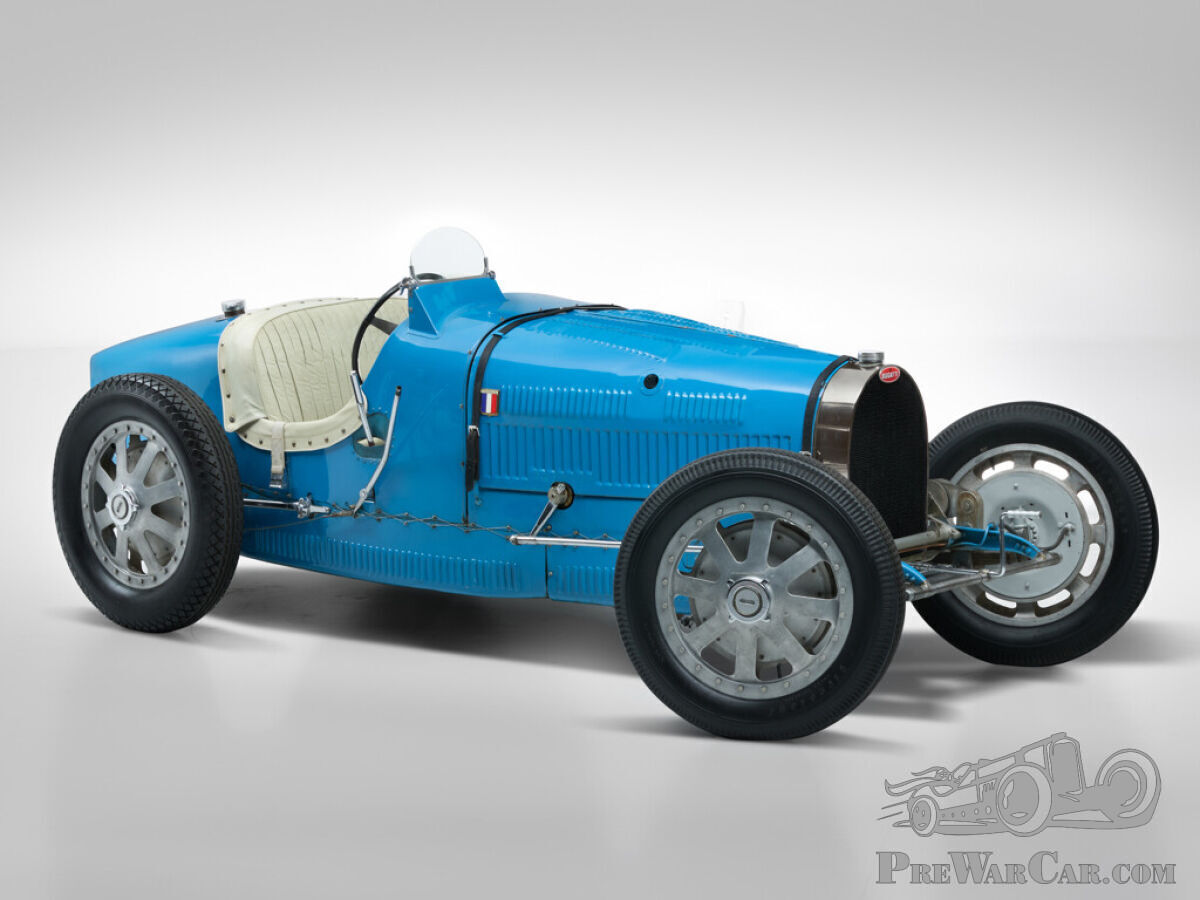
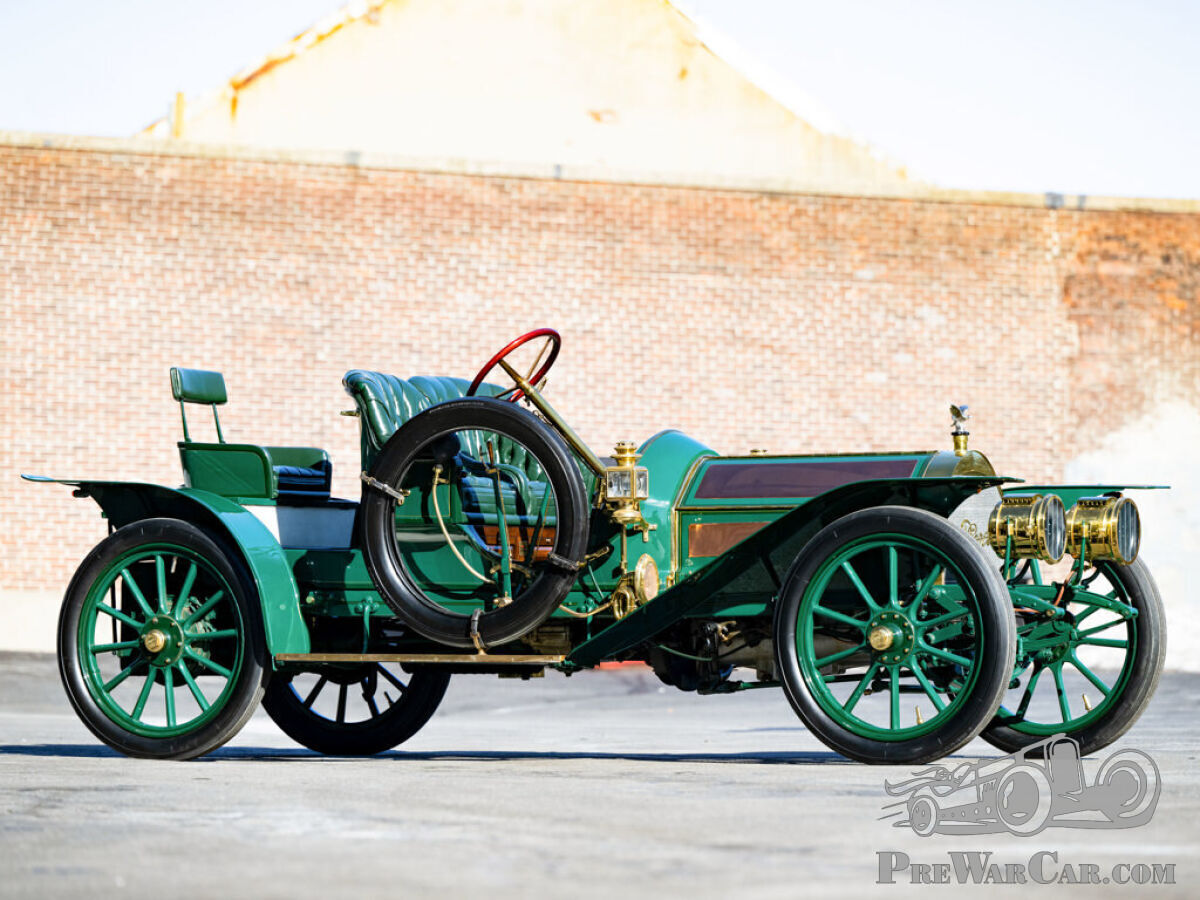
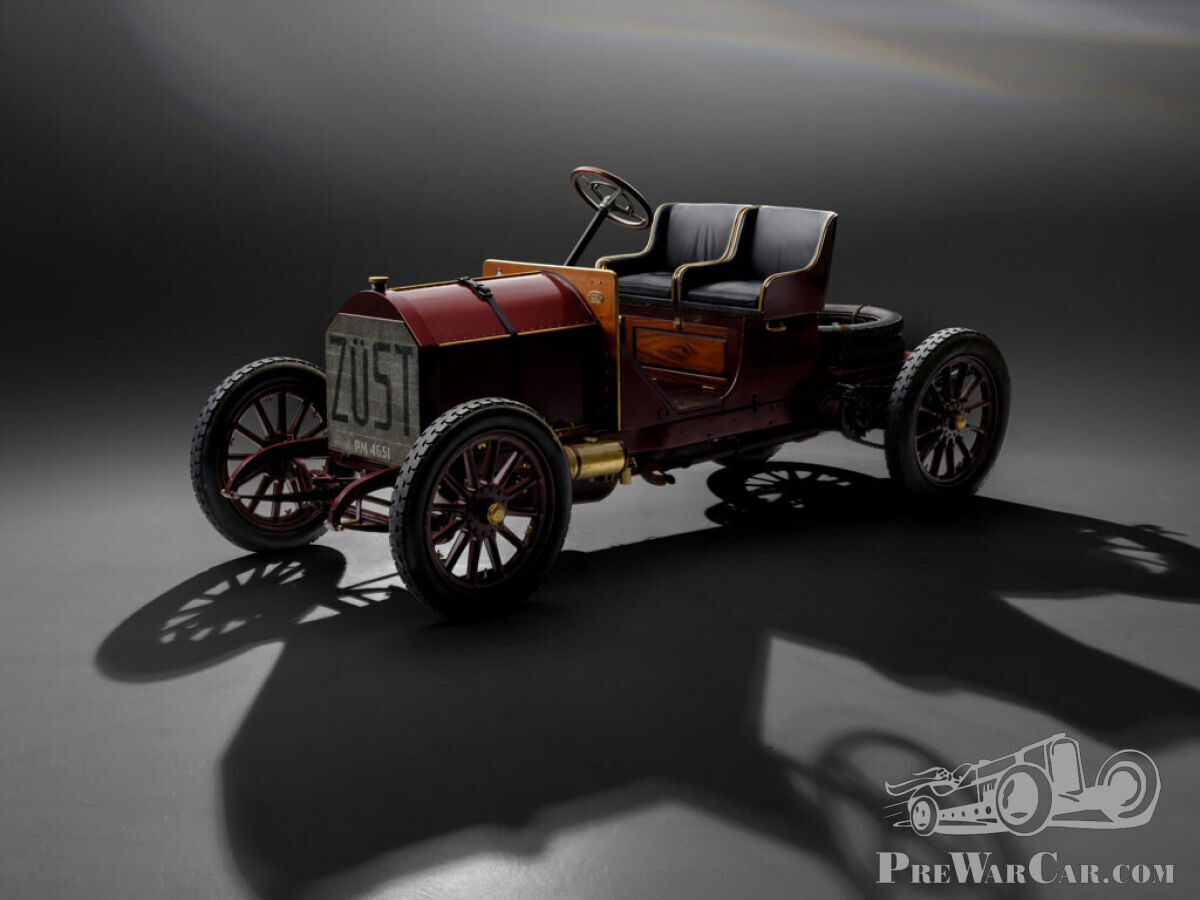
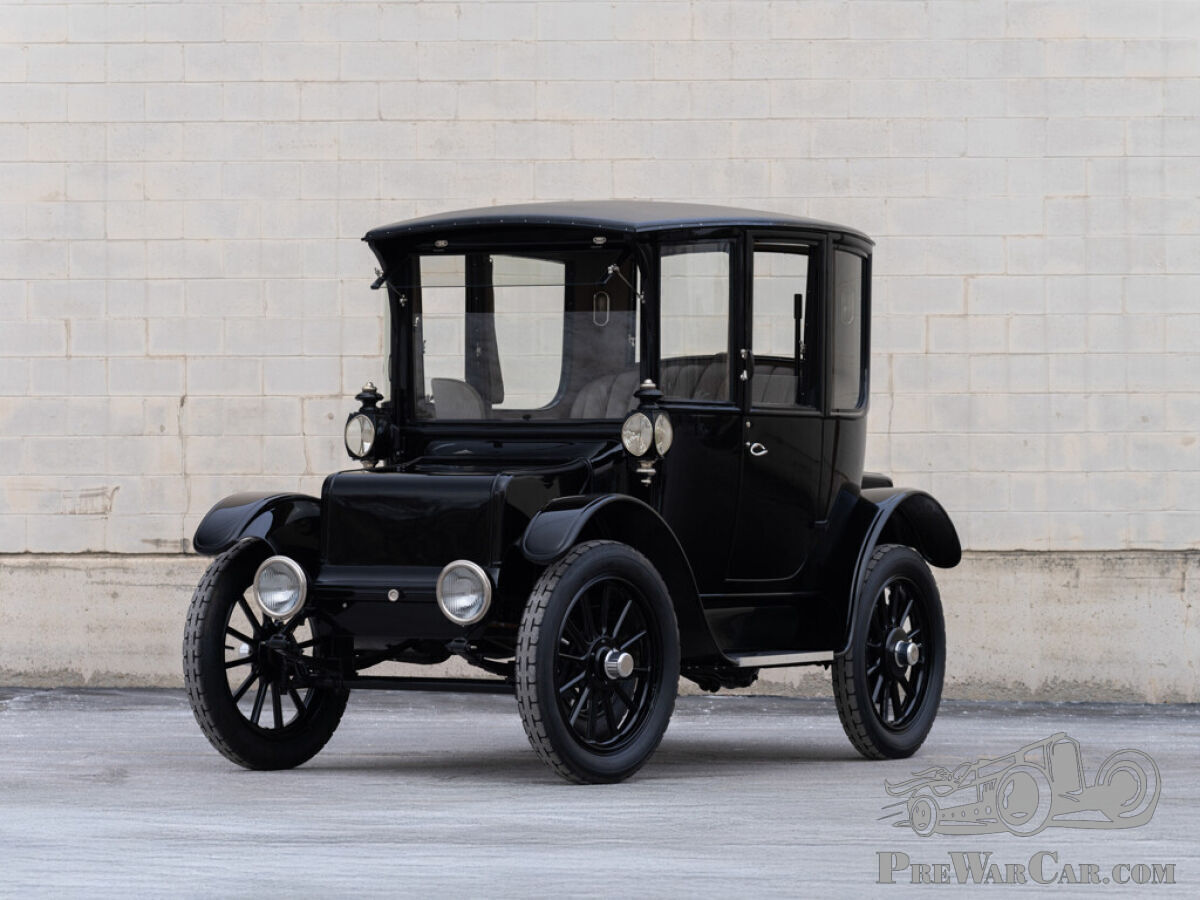
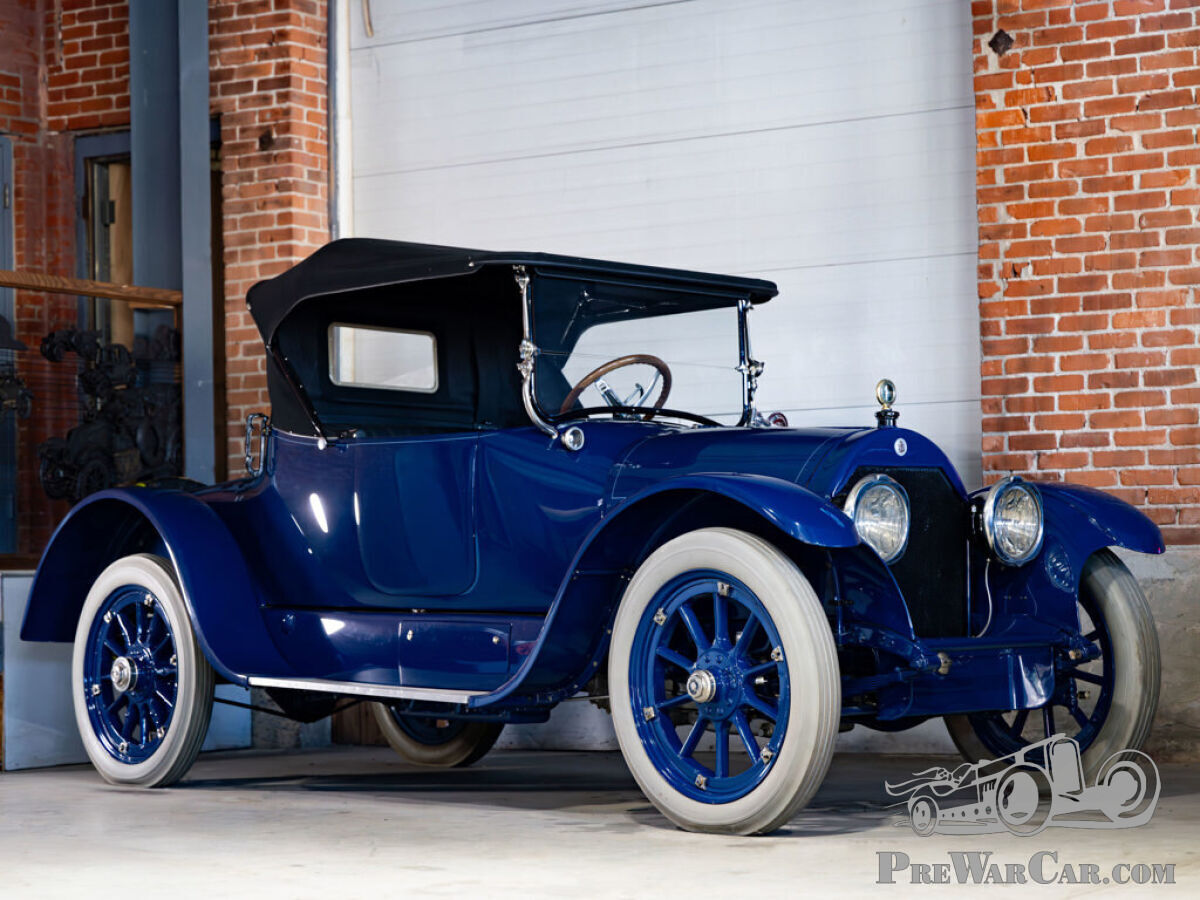
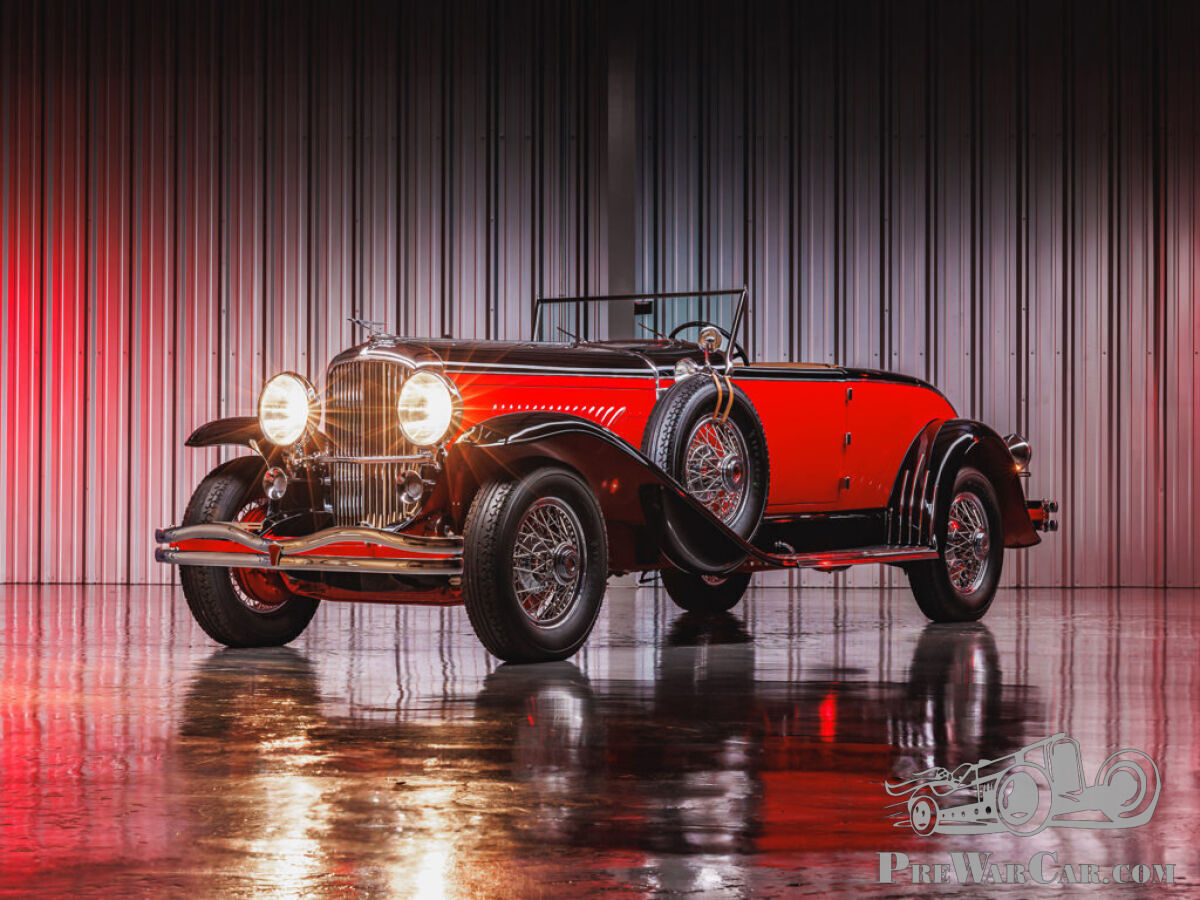
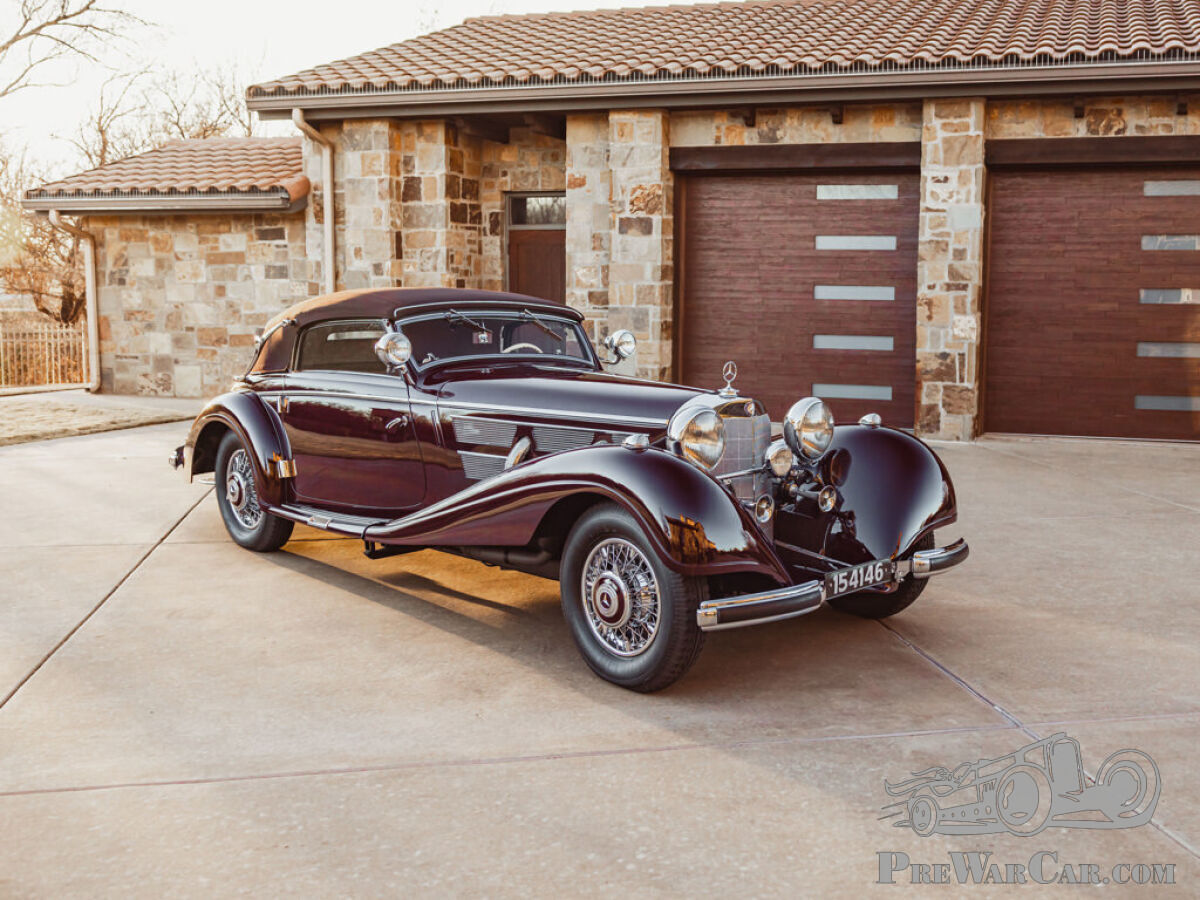
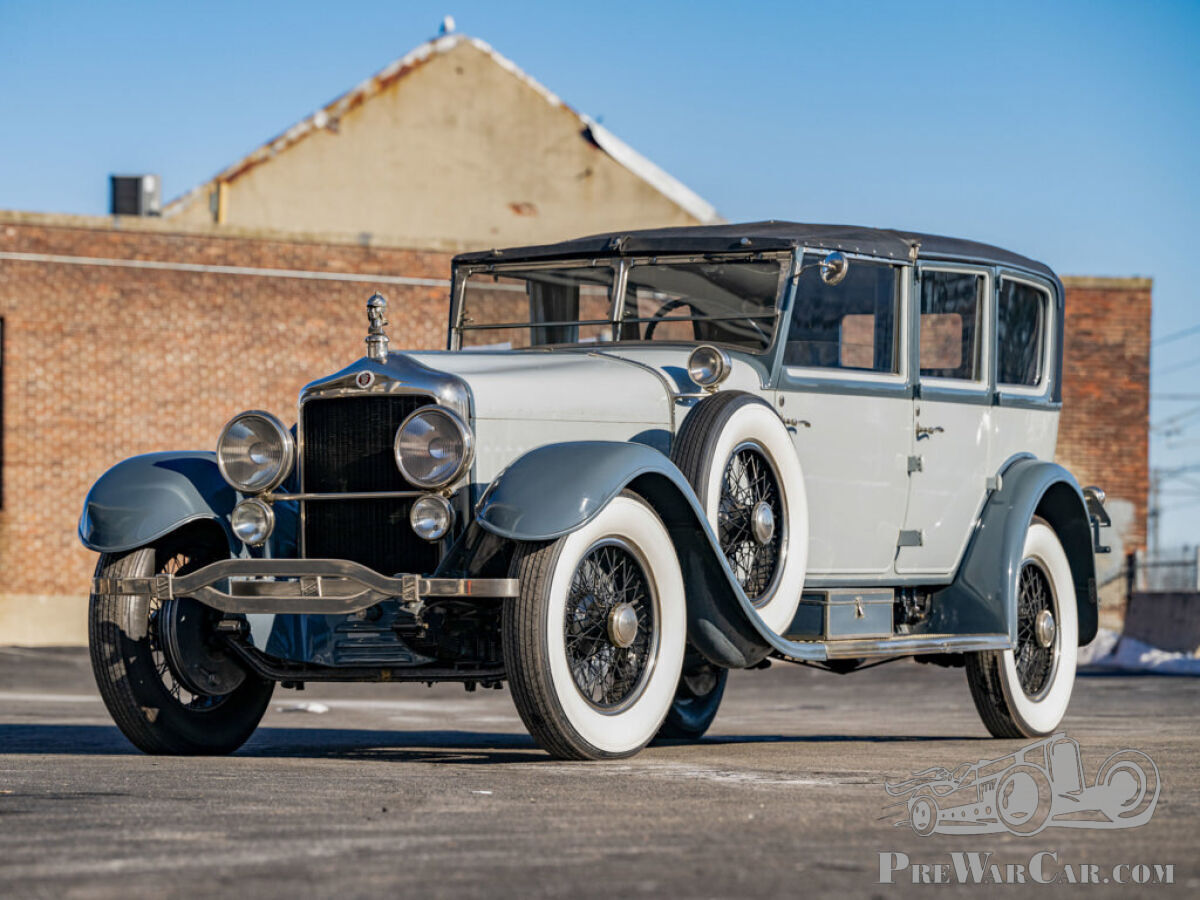


The sales round the Amelia Island weekend are always some of the most interesting on the international auction calendar, and this year RM Sotheby's Miami sale looks set to surpass even its usual standards, thanks in part to some star consignments from the Indianapolis Motor Speedway Museum. Several months ago, it was announced that the museum would be selling of its most important historic vehicles while undergoing an $89 million "re-imagining," in today's ever-present corporate-speak. Two cars of outstanding significance from the museum were sold by RM Sotheby's in Stuttgart and Paris at the beginning of February, namely the 1954 Mercedes-Benz W196R streamliner and the 1964 Ferrari 250 LM, which made 51,155,000 euros and 34,880,000 euros respectively. A further nine Indianapolis cars will appear in the Miami sale, five of them pre-war. They will be joined by another nine highly desirable cars from the brass, vintage and post-vintage eras.
The Indianapolis five
We make no secret of our love for the blood-and-thunder racing cars of the Edwardian era, so it's natural that two of our favourite lots should be the 1908 Mercédès 150hp ($7,000,000-9,000,000) and the 1907 Itala 120hp ($2,000,000-3,000,000), both works racers. The Mercédès was a one-off purpose-built for the Semmering Hill-Climb, which it won in 1908 and 1909 with Otto Salzer, who set a record time which would remain unbeaten until 1924. Then, in October, 1909, it was raced in the Champion du Monde by Camille Jenatzy, finishing third. At the end of the year, the car was sold viâ Milnes-Daimler of London to an 18-year-old Australian in Sydney who had just received a huge inheritance. After a short time, he sold it to a succession of racing drivers. In 1942, it was partially restored with aircraft seats and became part of Australia's veteran car scene until being sold to the Indianapolis museum in 1964. The Itala is one of only two surviving 120hps, the other being on display at Beaulieu. Its known history begins in 1916, when it was bought with a touring body, but its original racing cowl and exhaust, by none other than the young Henry Segrave. After colliding with a cab at London's Marble Arch in 1917, Segrave sold the car, and it also went to Australia where it was owned from 1917 to 1960 by the O'Reilly family, and restoration to racing specification began after acquisition by the Indianapolis museum in 1965.
We would be equally pleased to own the extraordinary 1911 Laurin & Klement Type S2 ($100,000-150,000). This pioneering, wedge-shaped attempt at building an aerodynamic racer was the work of Austria's Baron Leo Haan, who fitted the wheel discs and the tail-mounted wooden rudder, and drove it to second in the 1911 Troppau Hill-Climb. Its Viennese second owner kept it for over 40 years before selling it to the museum in 1964. Indianapolis's final Brass Era offering is a charming 1911 Mercédès 22/40hp Colonial double phaeton ($150,000-250,000), supplied new viâ Robert, Pusterla y Cía, the Mercédès agent in Buenos Aires. The first owner was mechanical engineer and historian Rodolfo Roth, and it remained in Argentina until being offered to the museum in 1971.
Also offered is the lovely 1929 Bugatti Type 35B ($1,000,000-1,300,000), chassis 4947, which retains history from new. Sold in March, 1930, to Georges Bouriano of Rumania, he raced it at Monaco but retired after hitting a sandbag. He survived a "spectacular accident" at the Bordino Grand Prix, then entered the final Bugatti Grand Prix at Le Mans. Sadly, this also ended in retirement after Bouriano hit a stray animal and damaged the steering arm. His appearance at the 1932 Grand Prix des Frontières at Chimay, Belgium, was happier if only because he set a lap record, but a carburetter fire still forced his retirement. In 1934, he sold it to Belgium's Arthur Legat, who raced it at Chimay up to 1939, achieving three second-place finishes and winning a couple of Belgian hill-climbs. During the war, Pierre Vingerhoedts of Antwerp attempted to streamline the original body, but after a racing accident in 1948 it was rebodied in a modern style. In 1955, the car was sold by Vingerhoedts to well-known Bugatti dealer Jean de Dobbeleer and bought by Col. George S. Filton in America, who commenced a rebuild completely just before his death in 1959. It joined the Indianapolis collection in 1960.
Brass Era beauties
If you're not fortunate enough to secure the Mercédès, Itala or Laurin & Klement, worry not because there's one more brilliant Edwardian looking for a new home. The 1906 Züst 28/45hp ($800,000-950,000), with racing body by Cesare Sala of Milan, is one of five surviving pre-Great War Züsts and thought to be a 1907 Targa Florio team car. It is understood to have been kept by Züst until 1946, when it was bought by the Auto Lehmann scrapyard in Friedburg, Germany. The Lehmanns were not for scrapping it, though—they kept it until 2016, when a German restorer discovered it. It was then sold to the present owner, who commissioned a restoration to Targa Florio specification before driving it in the Targa Florio Classica and 2024 Goodwood Members' Meeting.
Also on offer are an attractively-restored 1909 Pierce-Arrow Model 36-UU Runabout ($200,000-300,000), an immaculate 1917 Rauch & Lang JX-7 brougham ($200,000-240,000) and a 1918 Cadillac Type 57 roadster ($75,000-100,000) which was restored for its centenary in 2018.
The best of the rest
There are yet more star lots from the post-vintage period, namely the 1931 Duesenberg Model J disappearing-top convertible coupé by Murphy ($4,000,000-4,500,000) and the 1937 Mercedes-Benz 540K Cabriolet A ($2,750,000-3,000,000). The Duesenberg was sold new to the young Chicago investment banker Cyrus 'Blake' Garner, who moved to Hollywood to become a film producer and live the playboy life. Around 1941, when painted pale yellow and green, it was bought by George Schweiger Jr. for Pacific Auto Rental, the well-known firm which supplied rare or unique older cars for the some of the biggest Hollywood pictures. They sold it in 1949 but rebought it in 1956, after which it famously starred in Whatever Happened to Baby Jane? and was used for publicity pictures with Jayne Mansfield. After Schweiger's death, the Pacific fleet went on display in the Imperial Palace Auto Collection, which itself was dispersed in 1998. After cosmetic restoration, the Duesenberg won 18 concours awards between 2005 and 2007, though it had lost its Hollywood-era colour scheme during the 1990s. Most recently it won Third in Class at the 2024 Pebble Beach.
The 540K was ordered from Paris by Martha Jordans and delivered in February, 1937, to her home in Mönchengladbach, Germany. She moved to the U.S.A. and in 1957 the car appeared in The Classic Car, owned by Paul Hauck of the Classic Car Club of America, who kept it until 1965. In modern times, it took Third in Class at the 2014 Pebble Beach and Best in Show at the 2015 Arizona Concours, and has lately received extensive mechanical work.
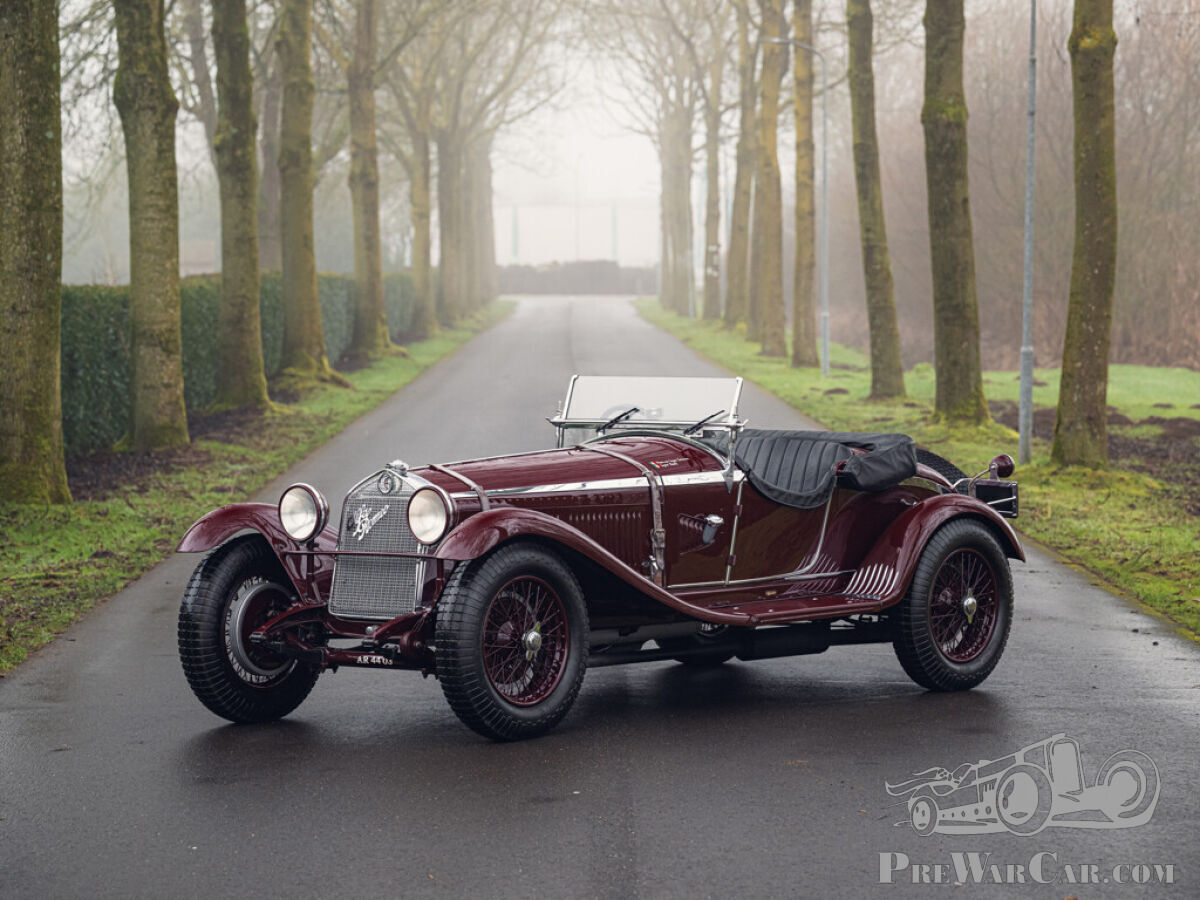
Further consignments include a 1926 Minerva AF town car ($150,000-200,000) which was brought into New York by importer Paul Ostruk and fitted with his own custom coachwork, a 1930 Alfa Romeo 6C 1750 Gran Sport Zagato-style Spider ($700,000-900,000) which has twice been named Best in Class at Pebble Beach, and a 1935 Auburn 851 Supercharged Speedster ($900,000-1,000,000) which was restored from 2001 to 2009.
Published:
Friday February 14th, 2025
Facebook
LinkedIn
Twitter
WhatsApp
Email
Copy
Comments
Erler Thomas
14 February 2025, 11:07
https://austria-forum.org/af/Kunst_und_Kultur/Volkskultur_und_Mythen/kru48_erfindung06
Regards from Tyrol.